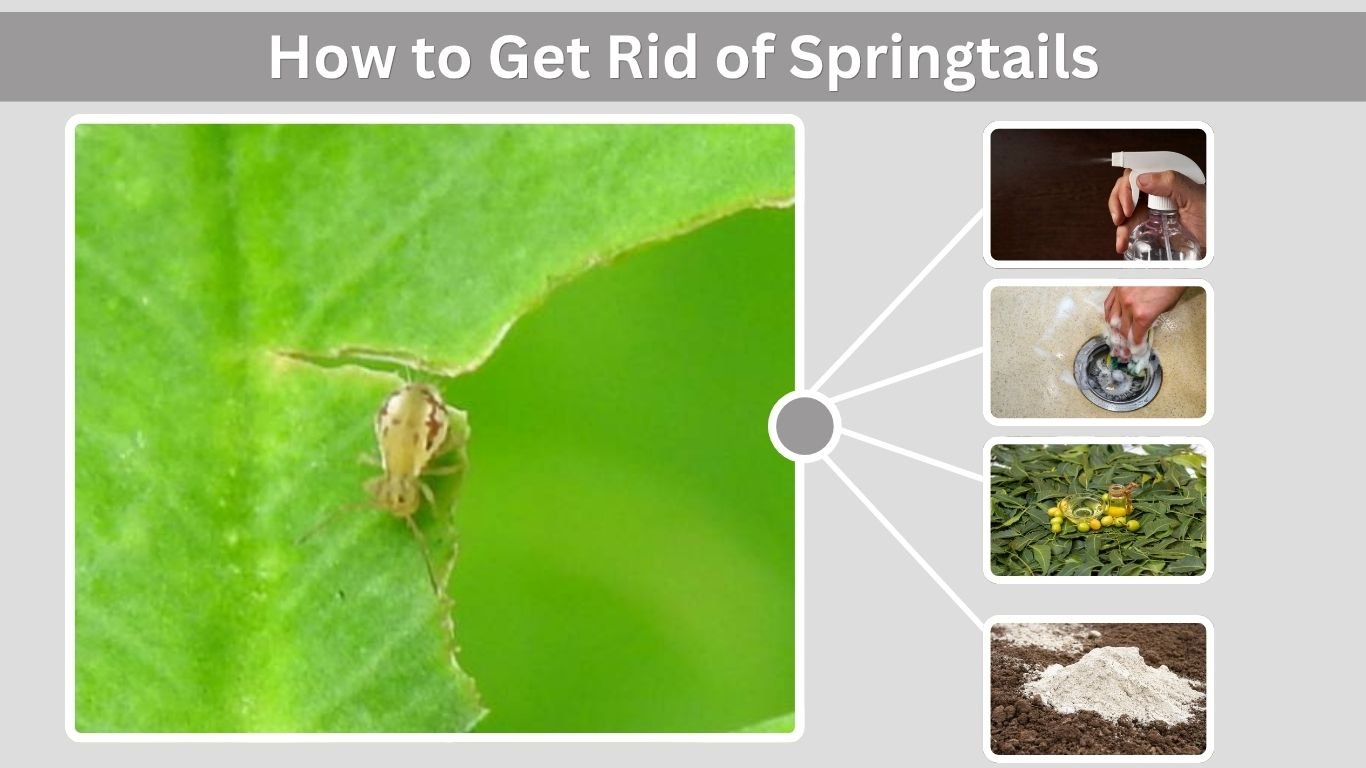
Springtails are tiny, jumping insects that often appear in damp areas of your home. Although they are harmless to humans, they can quickly become annoying when they gather in large numbers around sinks, bathrooms, or plant soil. Their presence usually signals excess moisture, which makes proper control essential. This guide explains how to eliminate springtails effectively by targeting their environment, reducing humidity, and applying simple cleaning methods that stop infestations at the source.
What Are Springtails and Why Do They Appear?
Springtails are moisture-loving insects that thrive in humid conditions and feed on mold, fungi, and organic matter. They often enter homes when conditions outside become too wet or when indoor environments provide ideal breeding grounds. Understanding why they appear is the first step toward eliminating them.
Common Causes of Infestation
- High humidity levels inside the home
- Leaky pipes, drains, or faucets
- Overwatered indoor plants
- Mold or organic buildup in damp areas
Signs You Have a Springtail Problem
Springtails are easy to identify once you know what to look for. They tend to appear suddenly and gather in clusters, especially in areas with consistent moisture. You might notice them jumping when disturbed, which is their most distinctive behavior. These insects are commonly found around sinks, bathtubs, drains, and even windowsills where condensation forms. In many cases, their presence increases after rainy weather or when indoor humidity rises.
How to Get Rid of Springtails Fast

Acting quickly can prevent springtails from spreading throughout your home. The goal is to remove moisture and eliminate visible insects at the same time.
Quick Action Steps
- Dry wet areas immediately using towels or fans
- Vacuum visible clusters to remove them quickly
- Wipe surfaces with soapy water to kill on contact
- Use a dehumidifier to lower indoor humidity
Why Fast Action Matters
- Prevents rapid reproduction
- Stops spread to other rooms
- Reduces long-term infestation risk
How to Get Rid of Springtails in the Bathroom
Bathrooms are the most common place for springtails because of constant moisture. Regular cleaning and proper ventilation are key to keeping them under control.
Effective Bathroom Solutions
- Clean drains with vinegar and baking soda
- Fix leaks around pipes and fixtures
- Use exhaust fans after every shower
- Keep tiles and grout dry
How to Get Rid of Springtails in Drains and Sinks

Drains provide an ideal environment for springtails due to organic buildup and moisture. Cleaning them thoroughly helps eliminate hidden breeding spots.
Drain Cleaning Methods
- Pour boiling water down the drain
- Use vinegar and baking soda weekly
- Scrub away biofilm buildup
- Keep sink areas dry overnight
How to Get Rid of Springtails in the House
Springtails spread easily if moisture problems are not addressed throughout the home. A whole-house approach ensures they don’t return.
Whole-Home Prevention Steps
- Maintain indoor humidity below 50%
- Improve airflow in closed rooms
- Seal cracks and entry points
- Remove damp materials like cardboard
How to Get Rid of Springtails Naturally

Natural methods can be effective when combined with moisture control. These solutions are safe and easy to apply in most areas of your home.
Natural Remedies That Work
- Vinegar spray to kill on contact
- Diatomaceous earth to dry out insects
- Neem oil for plant-safe treatment
- Increased ventilation to reduce humidity
How to Get Rid of Springtails in Plants and Soil
Springtails are commonly found in houseplants because moist soil provides the perfect environment for them to thrive. While they usually don’t harm plants directly, their presence indicates overwatering or poor drainage. Addressing these issues will help eliminate them effectively.
Treatment for Soil and Plants
- Allow the top layer of soil to dry between watering
- Replace heavily infested soil if necessary
- Improve drainage by using well-draining potting mix
- Apply neem oil or mild insecticidal soap
How to Get Rid of Springtails in Bedroom and Bed
Springtails in bedrooms often come from nearby moisture sources such as damp walls, windows, or floors. They do not live in beds or on skin, but they may appear on surfaces if conditions are suitable.
Steps to Remove Them from Sleeping Areas
- Wash bedding in hot water regularly
- Vacuum carpets, mattresses, and corners
- Check for hidden moisture in walls or under furniture
- Keep the room well-ventilated and dry
How to Get Rid of Springtails Outside
Outdoor areas can serve as a source of springtails that eventually move indoors. Managing your yard and surroundings helps prevent reinfestation.
Outdoor Control Methods
- Remove mulch, leaves, and organic debris
- Improve drainage around your home
- Clean gutters and outdoor drains
- Reduce standing water near walls and foundations
How to Get Rid of Springtails Permanently
Getting rid of springtails permanently requires consistency and attention to moisture control. Temporary solutions may reduce their numbers, but long-term success depends on eliminating the conditions that allow them to survive. Homes with proper ventilation, controlled humidity, and regular cleaning are far less likely to experience recurring infestations. Monitoring problem areas such as bathrooms, kitchens, and basements ensures that any early signs are addressed before they become serious again.
How Long Does It Take to Get Rid of Springtails?
The time required to eliminate springtails depends on the severity of the infestation and how quickly moisture issues are resolved.
Typical Timeline
- Light infestations: a few days with proper drying
- Moderate infestations: one to two weeks
- Severe infestations: up to a month with consistent control
Common Mistakes to Avoid

Avoiding common errors can make your efforts more effective and prevent the problem from returning.
Mistakes That Slow Down Removal
- Ignoring humidity and moisture sources
- Overwatering indoor plants
- Relying only on sprays without fixing the cause
- Skipping regular drain and surface cleaning
FAQs
Are springtails harmful to humans?
Springtails are not harmful to humans. They do not bite, sting, or spread diseases. However, their presence usually indicates excess moisture, which can lead to mold growth if not addressed properly.
Why do springtails keep coming back?
They return when moisture problems remain unresolved. Even if you remove them temporarily, damp environments allow them to reproduce quickly and reappear in the same areas.
Can vinegar completely eliminate springtails?
Vinegar can kill springtails on contact and help clean surfaces, but it does not solve the root problem. Moisture control is necessary for complete and lasting removal.
Do springtails live in human skin or beds?
No, springtails do not live on humans or inside the skin. If they appear in beds, they are coming from nearby damp areas and can be removed with proper cleaning.
What is the most effective long-term solution?
The most effective solution is reducing moisture levels in your home. Keeping areas dry, improving ventilation, and fixing leaks will prevent springtails from returning.