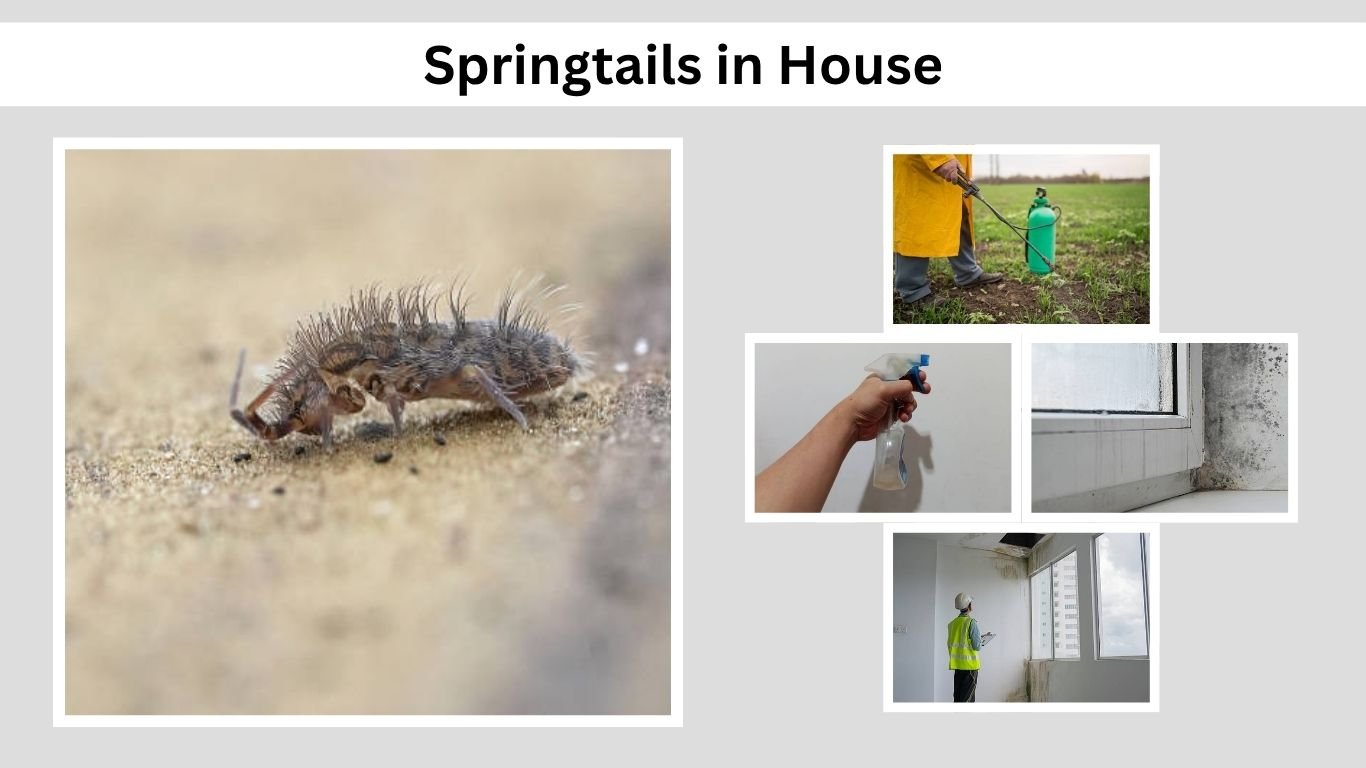
Springtails are tiny, jumping insects that often appear inside homes, especially in damp or humid areas. While they are harmless to humans and do not bite or spread disease, their sudden presence can be unsettling. Many homeowners notice them in bathrooms, kitchens, or near houseplants where moisture levels are high. Understanding why springtails appear and how they survive indoors is essential for effective removal. This guide explains their causes, signs, and the best ways to eliminate them quickly and prevent future infestations.
What Are Springtails in the House?
Springtails are small, wingless insects that thrive in moist environments. They feed on mold, fungi, and decaying organic matter, which is why they are commonly found in damp areas of your home. Their ability to jump comes from a specialized appendage, making them easy to identify when disturbed.
Types of Springtails You May See
- Black or dark-colored springtails
- White or cotton-like springtails
- Tiny slender jumping springtails
Why Are There Springtails in My House?

Springtails usually appear when your home provides the right conditions for them to survive. Moisture is the main factor that attracts them indoors, and even small damp areas can support their growth.
Common Causes of Springtails Indoors
- High indoor humidity levels
- Leaky pipes or plumbing issues
- Overwatered houseplants
- Mold or organic buildup in damp areas
Seasonal and Environmental Triggers
- Heavy rain increasing outdoor moisture
- Warm, humid weather conditions
- Moving into a new or previously vacant house
How Do Springtails Get in Your House?
Springtails can enter your home through multiple pathways, especially when they are searching for moisture. They are small enough to pass through tiny openings and can also be brought inside unknowingly.
Entry Points Into Your Home
- Cracks in walls, floors, and foundations
- Open windows and doors
- Gaps around pipes and plumbing fixtures
- Soil from potted plants
Indoor Sources That Attract Them
- Damp basements and bathrooms
- Kitchen sinks and drains
- Wet carpets, wood, or fabrics
Signs of Springtail Infestation in House
Springtails are often noticed suddenly because they gather in visible groups. You may find them near water sources or areas where condensation builds up. When disturbed, they jump quickly, which is one of their most recognizable behaviors. Their numbers can increase rapidly if the environment remains damp, making early identification important to prevent a larger infestation.
How to Get Rid of Springtails in House

Eliminating springtails requires both removing the insects and addressing the conditions that allow them to thrive. Focusing on moisture control is the most effective approach.
Quick Removal Methods
- Vacuum visible springtails to reduce their numbers
- Wipe surfaces with soapy water to kill on contact
- Dry wet areas using fans or towels
- Use a dehumidifier to lower indoor humidity
Best Ways to Kill Springtails
- Vinegar spray for immediate results
- Diatomaceous earth to dry out insects
- Insecticidal soap for affected surfaces
- Borax in cracks and damp corners
Are Springtails Bad to Have in Your House?
Springtails are not harmful to humans, pets, or household items. They do not bite, sting, or cause structural damage. However, their presence is often a sign of excess moisture, which can lead to mold growth and other indoor problems if ignored. While they are more of a nuisance than a threat, it is still important to address the underlying cause to maintain a healthy indoor environment.
How to Get Rid of Springtails Naturally
Natural methods are effective when combined with proper moisture control. These approaches are safe and can help reduce springtail populations without the use of harsh chemicals.
Natural Solutions That Work
- Reduce humidity levels below 50%
- Increase airflow using fans and ventilation
- Use neem oil or essential oils as treatment
- Allow plant soil to dry between watering
Springtails in House Plants

Houseplants are one of the most common indoor sources of springtails because moist soil creates the perfect breeding environment. While these insects usually do not harm plants, their presence indicates excess moisture or poor drainage that needs to be corrected.
Why They Appear in Plant Soil
- Overwatering plants frequently
- Poor drainage in pots or containers
- Organic matter buildup in soil
- Humid indoor conditions
How to Remove Them from Plants
- Let the topsoil dry before watering again
- Replace heavily infested soil
- Use well-draining potting mix
- Apply neem oil or mild insecticidal soap
Springtails Everywhere in House: What to Do
When springtails appear in multiple areas, it usually means there is a widespread moisture problem. Addressing only one spot will not solve the issue completely. A whole-home approach is necessary to eliminate them effectively and prevent reinfestation.
How to Get Rid of Springtails Permanently
Long-term control of springtails depends on removing the conditions that allow them to survive. Consistency is key, and even small improvements in moisture control can significantly reduce their population over time.
Long-Term Prevention Steps
- Fix leaks in plumbing and walls
- Maintain indoor humidity below 50%
- Seal cracks and gaps around the home
- Improve ventilation in closed areas
How Long Do Springtails Live in a House?
Springtails have a relatively short lifespan, but they reproduce quickly in moist environments. In ideal conditions, they can survive for several weeks and multiply rapidly. However, once moisture levels are reduced, their population declines quickly. Dry environments make it difficult for them to survive, which is why controlling humidity is the most effective long-term solution.
Best Spray or Treatment for Springtails in House

Choosing the right treatment can help speed up the removal process, especially in more severe infestations.
Effective Treatment Options
- Vinegar spray for instant contact kill
- Diatomaceous earth for long-lasting control
- Essential oil sprays like neem or tea tree
- Commercial insecticides for heavy infestations
FAQs
Why do I have so many springtails in my house?
Springtails multiply quickly in damp environments. If your home has high humidity, leaks, or moist surfaces, it creates ideal conditions for them to grow and spread rapidly.
Are springtails common in houses?
Yes, springtails are quite common, especially in humid climates or homes with moisture issues. Many homeowners experience them at some point, particularly in bathrooms or near plants.
Does vinegar kill springtails in the house?
Vinegar can kill springtails on contact and helps clean surfaces. However, it works best when combined with moisture control to prevent them from returning.
Where do springtails lay eggs in the house?
Springtails lay eggs in damp areas such as soil, cracks, and near drains. These locations provide the moisture needed for their eggs to survive and hatch.
What is the best way to get rid of springtails in house?
The most effective solution is reducing moisture levels. Fix leaks, improve ventilation, and keep areas dry while using simple treatments like vacuuming or natural sprays.