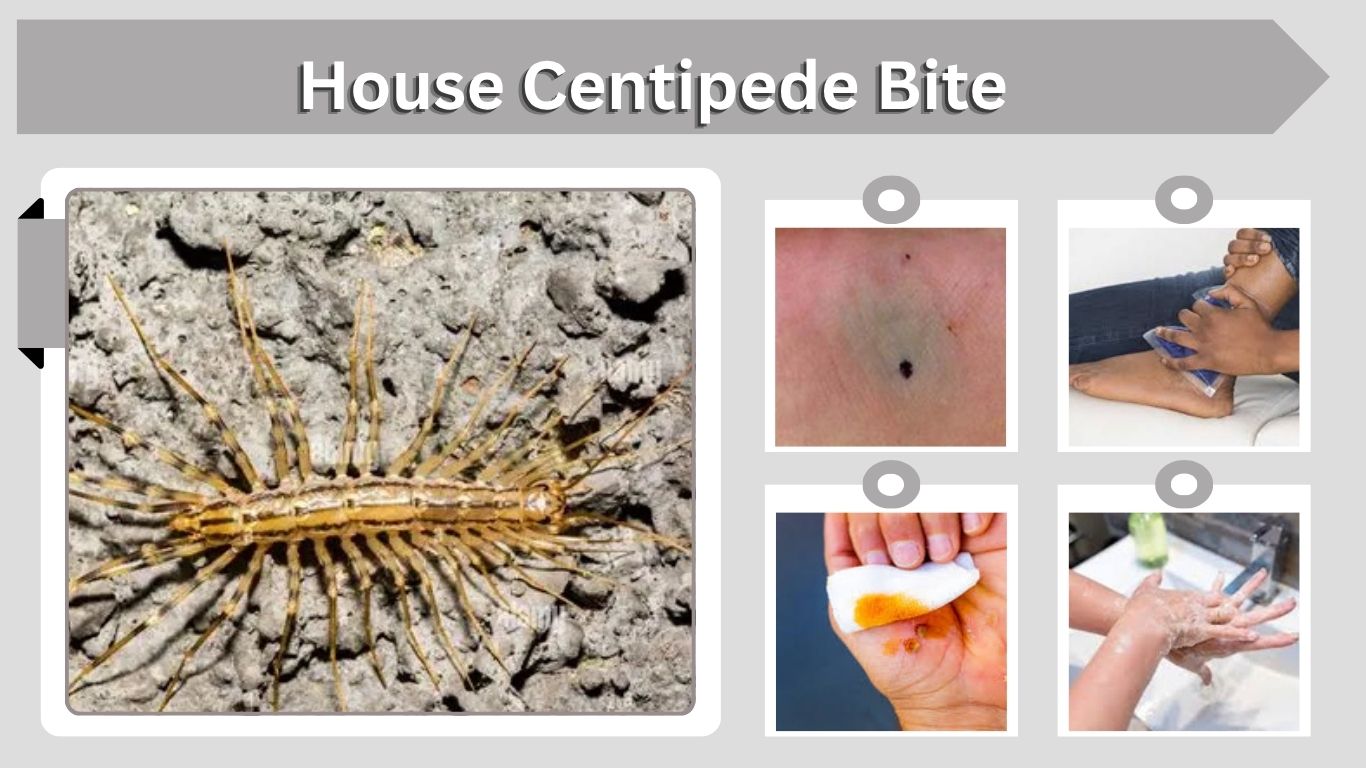
House centipedes are among the most misunderstood household pests. Their long legs and fast movements often cause alarm, leading many homeowners to wonder whether they can bite humans. While house centipedes are capable of biting, such incidents are relatively rare and usually occur when the creature feels threatened or trapped. Most bites result in mild symptoms that resolve quickly without medical treatment. Understanding how house centipedes bite, what symptoms they cause, and when to seek help can help you respond appropriately and reduce unnecessary concerns.
Do House Centipedes Bite?
House centipedes are venomous predators that use specialized front legs, known as forcipules, to capture prey. Although they can bite humans, they generally avoid contact with people and prefer to hide in dark, damp areas of homes. Most encounters end without any aggressive behavior.
Can House Centipedes Bite Humans?
Yes, house centipedes can bite humans. However, they rarely do so unless they are handled, squeezed, or accidentally trapped against the skin. Unlike mosquitoes or bed bugs, house centipedes do not seek out humans as a food source.
Do House Centipedes Bite People in Their Sleep?
Reports of house centipedes biting people while they sleep are extremely uncommon. These creatures are naturally shy and tend to flee when they detect human activity. Their primary interest is hunting insects rather than interacting with people.
Can House Centipedes Bite Pets?
House centipedes can bite cats and dogs if they feel threatened. Fortunately, most pet bites are mild and cause only temporary discomfort. Serious reactions are rare, but pet owners should monitor their animals for unusual symptoms.
What Happens If a House Centipede Bites You?
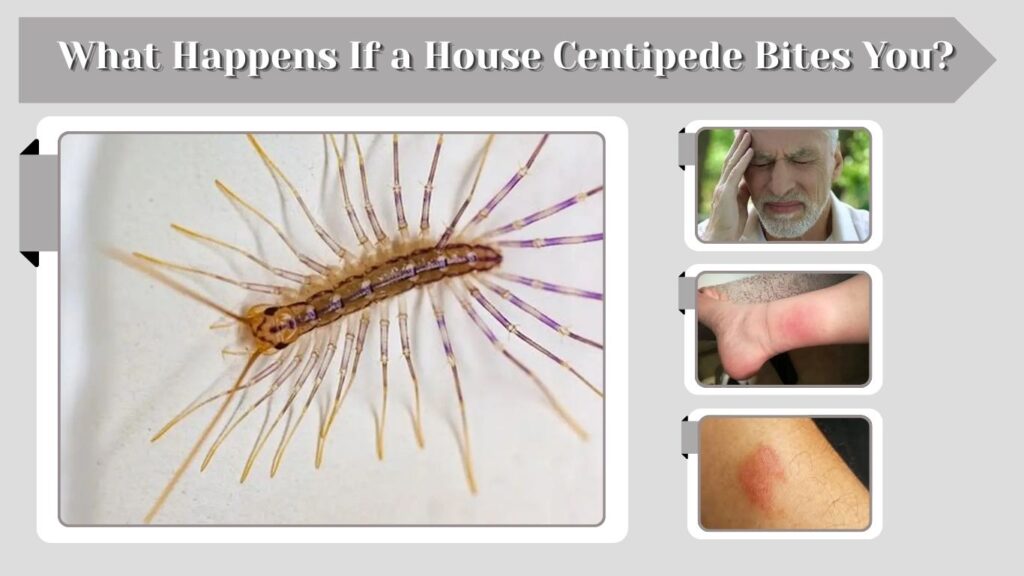
A house centipede bite is usually not considered medically serious. The venom is designed to subdue small insects rather than harm humans. Nevertheless, the bite can cause localized discomfort and mild inflammation.
What Does a House Centipede Bite Feel Like?
People often compare a house centipede bite to a bee sting. The sensation may include:
- Immediate sharp pain
- Mild burning feeling
- Temporary tenderness
- Slight throbbing around the bite area
The intensity varies depending on the individual’s sensitivity and the size of the centipede.
Common Symptoms of a House Centipede Bite
Most people experience mild symptoms that disappear within a few hours or days. Common reactions include:
- Redness around the bite site
- Mild swelling
- Localized pain
- Itching
- Skin irritation
In rare cases, individuals may experience stronger reactions due to allergies or increased sensitivity to venom.
How Long Do Symptoms Last?
For most healthy adults, symptoms begin improving within a few hours and completely resolve within one to three days. Larger bites or sensitive skin may take slightly longer to heal.
What Does a House Centipede Bite Look Like?
Many people mistake house centipede bites for spider bites or other insect-related skin irritations. Identifying the appearance of the bite can help determine the cause.
House Centipede Bite Marks
A typical house centipede bite often appears as two tiny puncture marks where the venomous claws penetrated the skin. The surrounding area may become red and slightly swollen.
The appearance varies depending on skin type and individual reaction. Some people may barely notice visible marks, while others develop more noticeable redness.
House Centipede Bite Pictures and Photos
Photos of house centipede bites generally show small red bumps or puncture marks accompanied by mild swelling. Because the symptoms resemble many other insect bites, photographs alone may not provide a definitive diagnosis.
House Centipede Bite vs Spider Bite
Distinguishing between a house centipede bite and a spider bite can be challenging because both may leave puncture marks. However, house centipede bites typically cause immediate pain and limited swelling, whereas some spider bites can produce delayed symptoms and more extensive tissue reactions.
Are House Centipede Bites Dangerous?
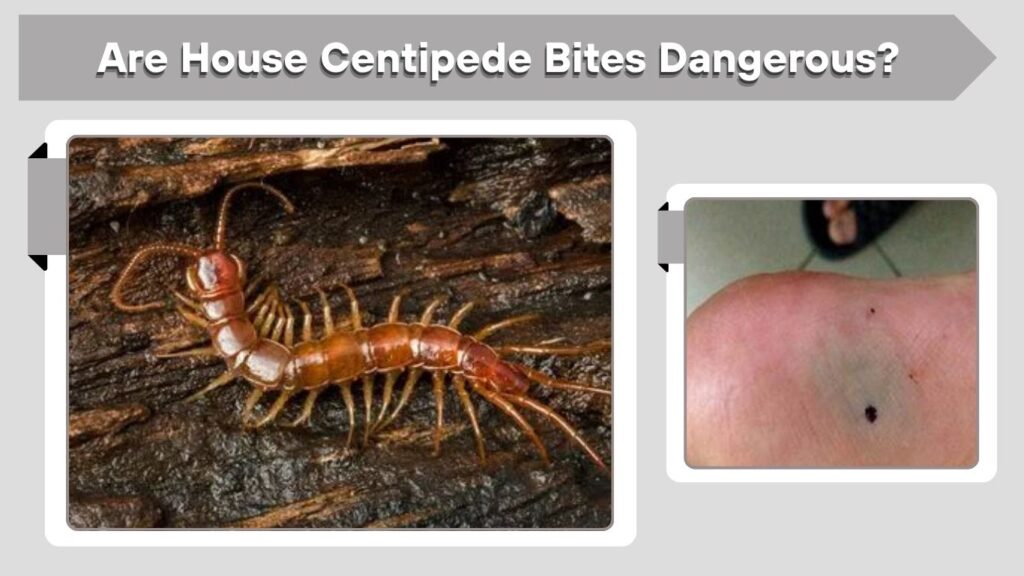
Although the thought of being bitten by a centipede can be unsettling, house centipede bites are rarely dangerous for healthy individuals. Their venom is relatively weak compared to larger centipede species found in tropical regions.
Is a House Centipede Bite Poisonous?
House centipedes are venomous rather than poisonous. This means they inject venom through a bite instead of causing harm when touched. Their venom is primarily intended to immobilize insects and other small prey.
Can a House Centipede Bite Cause Death?
There are no documented cases of a common house centipede bite causing death in a healthy human. The venom is not powerful enough to create life-threatening effects under normal circumstances.
When Should You Seek Medical Attention?
Although serious complications are rare, medical attention may be necessary if you experience:
- Difficulty breathing
- Severe swelling
- Dizziness
- Rapid heartbeat
- Signs of an allergic reaction
People with known insect venom allergies should be particularly cautious after any unusual bite.
House Centipede Bite Treatment
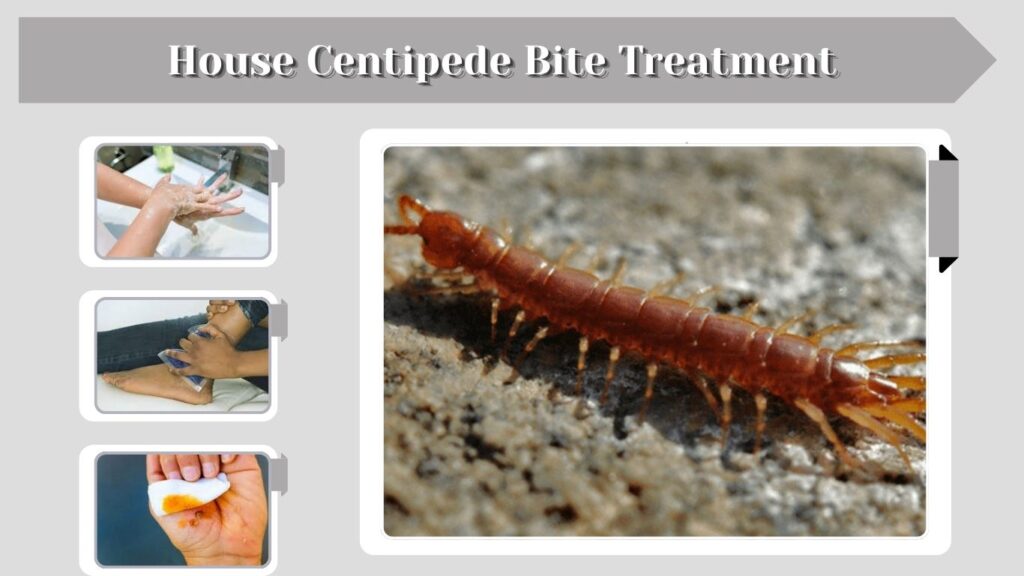
Most house centipede bites can be treated at home with basic first aid. Because symptoms are typically mild, extensive medical care is rarely required. Prompt treatment can reduce discomfort and help prevent irritation or infection.
First Aid for a House Centipede Bite
If you are bitten, follow these simple steps:
- Wash the affected area with soap and water.
- Apply an antiseptic to reduce the risk of infection.
- Use a cold compress to minimize swelling.
- Avoid scratching the bite area.
- Keep the skin clean while it heals.
These measures are usually sufficient for managing minor symptoms.
Medications That May Help
Over-the-counter medications can provide additional relief if symptoms become bothersome. Common options include:
- Antihistamines for itching
- Pain relievers for discomfort
- Anti-inflammatory medications for swelling
- Hydrocortisone cream for skin irritation
Always follow package directions or consult a healthcare provider if symptoms persist.
House Centipede Bite Home Remedies
Many people find relief through simple home care. Applying a cool compress several times throughout the day can reduce swelling and soothe irritation. Resting the affected area and avoiding unnecessary contact with the bite can also promote faster healing.
House Centipede Bites on Dogs and Cats
Pet owners often worry when they discover house centipedes indoors. Although bites can occur, serious complications in pets are uncommon.
House Centipede Bite Dog
Dogs are naturally curious and may attempt to sniff, paw, or bite a house centipede. If bitten, a dog may experience mild pain, localized swelling, or temporary discomfort.
Most dogs recover quickly without treatment. However, owners should watch for unusual symptoms such as excessive drooling, vomiting, or severe swelling around the face.
House Centipede Bite Cat
Cats frequently hunt small insects and may encounter house centipedes while exploring the home. A bite may cause temporary irritation and discomfort, particularly around the mouth or paws.
In most situations, symptoms remain mild and disappear within a short period. If a cat appears lethargic or develops significant swelling, veterinary advice should be sought.
Can House Centipede Bites Kill Pets?
The venom of a common house centipede is generally too weak to cause life-threatening harm to healthy cats or dogs. Severe reactions are extremely rare, though pets with allergies may require medical attention.
Can House Centipede Bites Become Infected?
Like any break in the skin, a centipede bite carries a small risk of infection if not properly cared for. Keeping the area clean significantly reduces this risk.
Signs of Infection
Monitor the bite site for symptoms that may indicate infection:
- Increasing redness
- Warm skin around the bite
- Pus or drainage
- Persistent swelling
- Fever
If any of these symptoms develop, consult a healthcare professional.
Can House Centipede Bites Bleed?
Minor bleeding may occur if the skin is punctured deeply enough. This is usually minimal and stops quickly. Cleaning the wound thoroughly is important to support proper healing.
How Long Does Healing Take?
Most house centipede bites heal completely within a few days. Individuals with sensitive skin may experience lingering redness or itching for up to a week.
How to Prevent House Centipede Bites
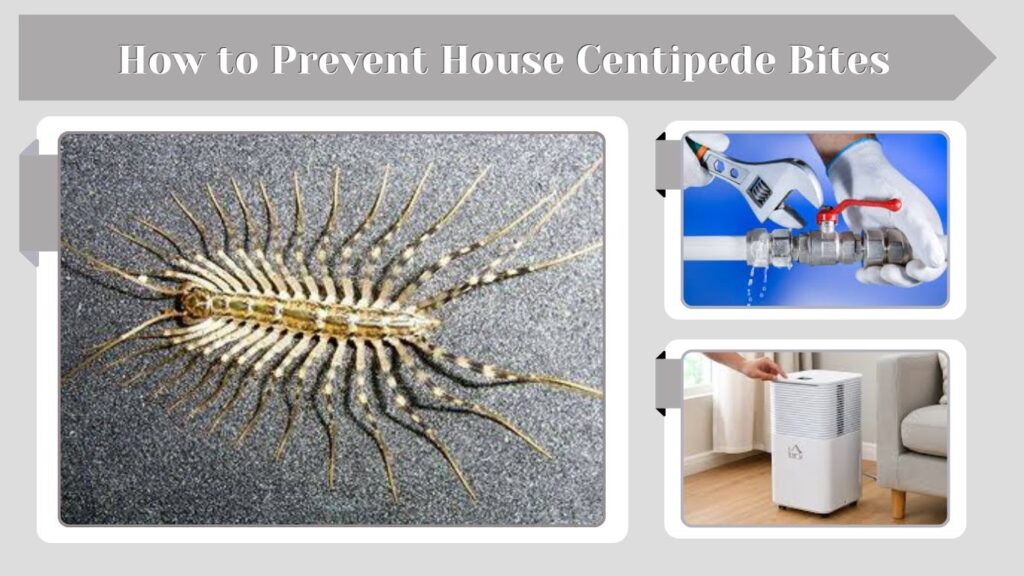
Preventing bites starts with reducing encounters between people and house centipedes. Since these creatures enter homes in search of food and moisture, controlling their environment can make a significant difference.
Reduce Moisture in Your Home
House centipedes thrive in damp environments. To make your home less attractive:
- Repair leaking pipes
- Improve ventilation
- Use dehumidifiers
- Dry wet areas promptly
Lower moisture levels can discourage centipede activity.
Eliminate Their Food Sources
House centipedes feed on many household pests. Reducing insect populations can help reduce centipede numbers.
Common prey includes:
- Silverfish
- Cockroaches
- Ants
- Spiders
- Termites
A clean home with fewer insects provides less incentive for centipedes to stay.
Seal Entry Points
Cracks and gaps allow house centipedes to enter from outside. Inspect your home for openings around:
- Windows
- Doors
- Foundations
- Utility lines
Proper sealing can help prevent future infestations.
FAQs
Do House Centipedes Bite or Sting?
House centipedes bite rather than sting. They use specialized venom claws to inject venom into prey or defend themselves when threatened.
Do House Centipede Bites Hurt?
Most bites cause mild to moderate pain similar to a bee sting. The discomfort usually fades within several hours.
Will a House Centipede Bite Me in My Sleep?
This is highly unlikely. House centipedes generally avoid humans and prefer to hide rather than interact with people.
Are House Centipede Bites Dangerous?
For most people, house centipede bites are not dangerous. Serious reactions are rare and typically involve allergic responses rather than venom toxicity.
What Happens If a House Centipede Bites You?
You may experience temporary pain, redness, swelling, and itching. Most symptoms resolve without medical treatment.