
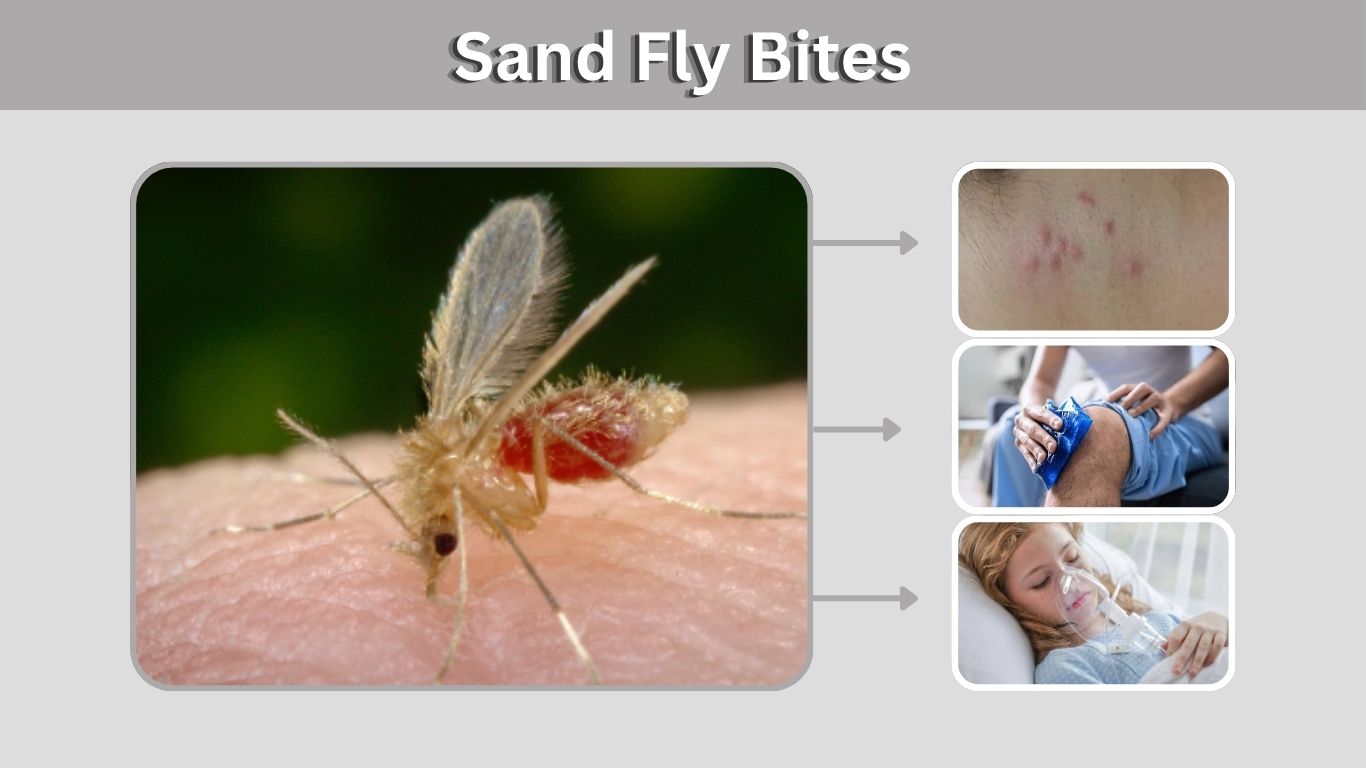
Sand fly bites can cause intense itching, small red bumps, and uncomfortable swelling that sometimes lasts for days or weeks. These tiny biting insects are commonly encountered in warm environments, particularly around beaches, vegetation, and sheltered outdoor areas. Although most bites are harmless, some sand fly species can transmit infections that require medical attention. Understanding what sand fly bites look like, how long they last, and which treatments relieve itching can help you recover comfortably. This guide explains symptoms, delayed reactions, treatment options, prevention, and warning signs.
What Do Sand Fly Bites Look Like?
Sand fly bites typically appear as small, raised, itchy bumps on exposed skin. They can resemble mosquito, flea, or bed bug bites, making identification difficult without knowing where the exposure occurred. Their appearance depends on individual sensitivity, the biting insect, and the skin’s inflammatory response. Some reactions develop quickly, while others take longer to become noticeable.
Sand Fly Bites Pictures and Appearance
Sand fly bite pictures commonly show clusters of small, inflamed bumps surrounded by mild swelling. On lighter skin, the marks may appear pink or reddish.
On darker skin, bites may look brown, violet, or darker than surrounding areas. Some develop small blisters or leave temporary discoloration after healing.
Pictures can help illustrate reactions but cannot reliably identify the responsible insect.
Where Do Sand Fly Bites Appear?
Sand flies often bite exposed areas, including ankles, legs, arms, and hands.
Bites around the ankles are frequently reported after outdoor activities near beaches or vegetation. However, location alone cannot distinguish sand fly bites from other insect bites.
Common Sand Fly Bite Symptoms
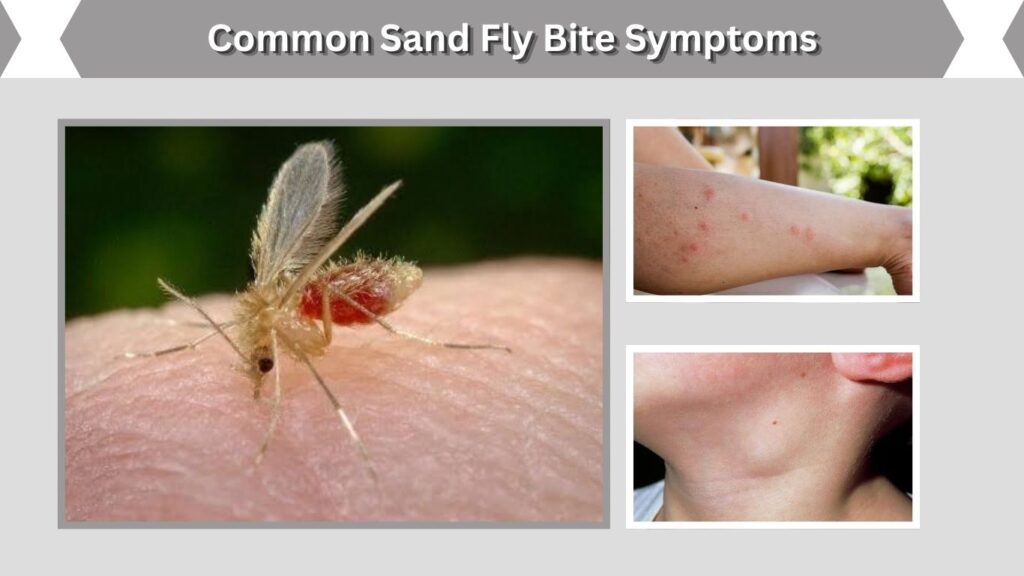
Symptoms develop when the immune system reacts to substances introduced into the skin during insect feeding. Most people experience localized irritation, although sensitivity varies considerably. Some develop only a small bump, while others experience widespread itching or significant swelling around individual bites. Recognizing typical symptoms helps distinguish ordinary reactions from complications that require medical assessment.
Signs and Symptoms of Sand Fly Bites
- Itchy bumps: Small raised areas that may itch intensely.
- Redness: Pink or reddish inflammation on lighter skin.
- Swelling: Localized puffiness surrounding bite marks.
- Burning sensation: Mild discomfort immediately after feeding.
- Blisters: Small fluid-filled lesions in stronger reactions.
- Dark marks: Temporary skin discoloration following inflammation.
Can Sand Fly Bites Appear Days Later?
Yes. Some bite reactions become noticeable hours or days after exposure because the immune response develops gradually.
A delayed reaction does not necessarily indicate infection. However, persistent swelling, unusual skin changes, or worsening symptoms should be evaluated by a healthcare professional.
Why Are Sand Fly Bites Spreading?
People sometimes notice additional bumps appearing after their first sand fly bites. This can happen because multiple bites become visible at different times or because the inflammatory response evolves. Ordinary sand fly bites do not spread from person to person. Nevertheless, redness extending beyond the original bite may occasionally indicate a developing skin infection.
Are Sand Fly Bites Contagious?
Sand fly bites themselves are not contagious. Touching another person’s bite marks cannot transfer the bites.
New bumps may result from delayed reactions, repeated insect exposure, or an unrelated skin condition.
If fresh marks continue appearing, consider whether insects are still present rather than assuming the original bites are spreading.
When Spreading Redness Is Concerning
Redness that expands rapidly, becomes increasingly painful, or feels hot may suggest bacterial infection.
Pus, fever, or red streaks extending away from the affected area are additional warning signs.
These symptoms require prompt medical evaluation rather than continued treatment with household remedies.
How to Treat Sand Fly Bites Effectively
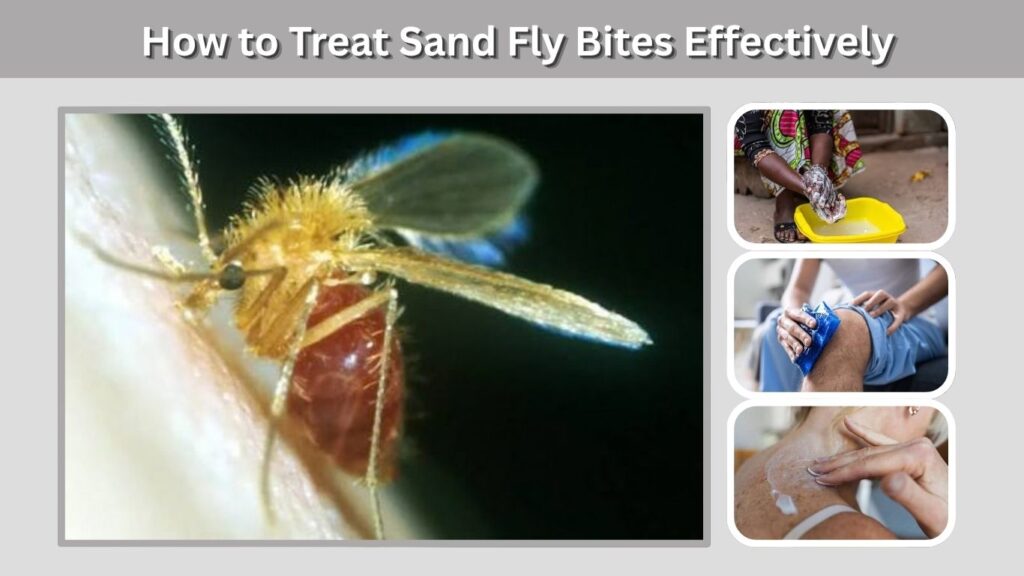
Most uncomplicated sand fly bites improve with basic skin care and treatments that reduce inflammation and itching. The main goals are preventing scratching, relieving discomfort, and keeping broken skin clean. Over-the-counter medications may help with persistent symptoms, but severe allergic reactions or suspected infections require professional care. Treatment choices should consider age, medical history, and medication instructions.
Sand Fly Bites Treatment at Home
- Wash the bites: Clean affected skin gently with soap and water.
- Apply a cold compress: Use a cool, wrapped compress for 10–20 minutes.
- Use calamine lotion: Apply as directed to soothe itching.
- Consider hydrocortisone cream: An appropriate over-the-counter product may reduce localized inflammation.
- Ask about antihistamines: A pharmacist can recommend suitable options for troublesome itching.
- Avoid scratching: Scratching can break the skin and increase infection risk.
How to Stop Sand Fly Bites From Itching
Cold compresses often provide temporary relief by reducing inflammation and soothing irritated skin.
Keeping the affected area cool and avoiding friction may also help. Avoid applying irritating substances such as alcohol, concentrated essential oils, or undiluted vinegar to damaged skin.
Persistent itching should be discussed with a healthcare professional.
How Long Do Sand Fly Bites Last?
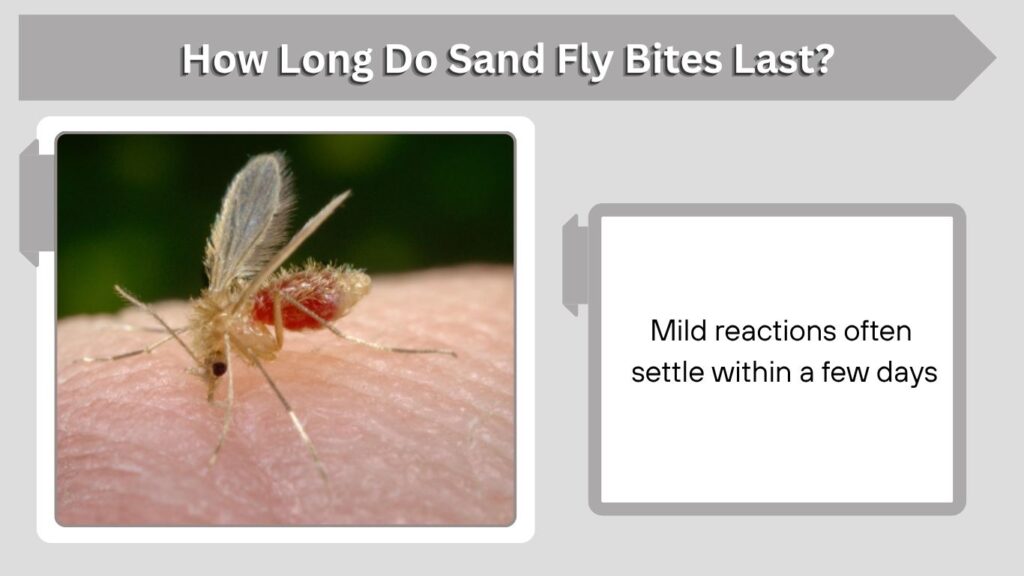
The healing time for sand fly bites varies with individual sensitivity and the severity of the reaction. Many uncomplicated bites improve within several days, although itching and visible marks can sometimes persist for weeks. Scratching, repeated exposure, and secondary infections can delay recovery. Changes in skin color may remain noticeable even after the itching and swelling have resolved.
Typical Sand Fly Bite Healing Time
Mild reactions often settle within a few days. More pronounced inflammatory reactions may take one or two weeks or longer to disappear completely.
Dark marks caused by post-inflammatory pigmentation can persist beyond the initial healing period.
An unexplained sore that worsens or fails to heal should not automatically be dismissed as a normal insect bite.
Can Sand Fly Bites Leave Scars?
Most ordinary sand fly bites heal without permanent scarring.
However, repeated scratching, deep skin damage, or infection can increase the likelihood of lasting marks.
Gentle skin care and avoiding further injury help protect healing skin.
Sand Fly Bites vs. Bed Bug and Mosquito Bites
Sand fly bites overlap considerably with reactions caused by other blood-feeding insects. All three can produce itchy bumps, swelling, and occasional delayed reactions. The circumstances surrounding exposure are often more informative than bite appearance. Observing the insects, inspecting sleeping areas, and considering outdoor activities can help narrow the possibilities without relying on misleading bite patterns.
Sand Fly Bites vs. Bed Bug Bites
Bed bugs generally feed while people sleep and hide near mattresses, furniture, and bed frames.
Their bites may appear in groups or lines, although such patterns are not exclusive to bed bugs.
Sand fly exposure is more commonly associated with outdoor environments or unscreened buildings in regions where these insects occur.
Sand Fly Bites vs. Mosquito Bites
Mosquito bites often produce puffy, itchy welts. Sand fly bites can look very similar, sometimes appearing as smaller clustered bumps.
Because individual reactions vary, size and itching intensity cannot reliably identify either insect.
Confirmation usually requires observing or identifying the biting insect.
Are Sand Fly Bites Dangerous?
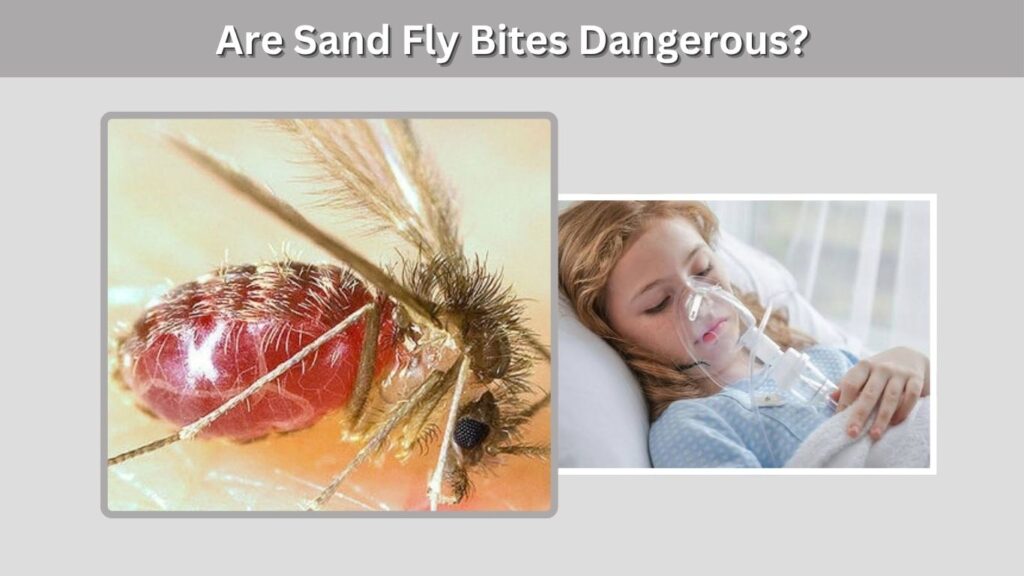
Most sand fly bites cause temporary irritation rather than serious illness. However, certain phlebotomine sand flies can transmit Leishmania parasites in endemic regions. These infections differ from ordinary bite reactions and may produce symptoms weeks or months later. The term sand fly also describes different insects in some countries, so disease risks vary by location and species.
Sand Fly Bites and Leishmaniasis
Cutaneous leishmaniasis may begin as a small bump that gradually develops into a persistent sore or ulcer.
In regions where the disease occurs, an unusual nonhealing lesion following sand fly exposure deserves medical attention.
Seek emergency care for breathing difficulties, throat swelling, fainting, or other signs of a severe allergic reaction.
How to Prevent Sand Fly Bites
Avoiding bites is especially important when visiting locations where sand fly-transmitted infections occur. These insects are small enough to pass through openings in ordinary mosquito screens, making appropriate barriers essential. Personal repellents, protective clothing, and reduced exposure during active feeding periods offer practical protection. Prevention methods should also account for local differences in insects commonly called sand flies.
Sand Fly Bite Prevention Tips
- Apply insect repellent: Choose an EPA-registered product containing DEET or another appropriate active ingredient.
- Cover exposed skin: Wear long sleeves, trousers, and socks.
- Use fine-mesh screens: Repair gaps around doors and windows.
- Sleep under protective nets: Choose fine-mesh netting, preferably insecticide-treated where recommended.
- Limit peak exposure: Avoid unnecessary outdoor activity during local biting periods.
Do Natural Repellents Prevent Sand Fly Bites?
Some botanical repellents may provide short-term protection, but effectiveness varies considerably.
For travel to areas where leishmaniasis occurs, proven registered insect repellents and protective barriers are more reliable than unverified home remedies.
FAQs
Many people want to know whether sand fly bites are contagious, how quickly symptoms appear, and what helps them heal. Although most reactions are mild, individual experiences vary. These answers address common concerns about discomfort, swelling, and recovery while highlighting when medical attention may be necessary.
1. Can Sand Fly Bites Make You Sick?
Most cause only itching and swelling. However, infected sand flies in certain regions can transmit diseases such as leishmaniasis.
2. How Long Do Sand Fly Bites Itch?
Itching often improves within several days but may persist for weeks in sensitive individuals.
3. Can Sand Fly Bites Cause Blisters?
Yes. Strong inflammatory reactions can occasionally produce small blisters. Avoid popping them because damaged skin can become infected.
4. What Is the Best Remedy for Sand Fly Bites?
Washing the area, applying a cold compress, and using suitable anti-itch medications usually help relieve uncomplicated bites.
5. Do Sand Fly Bites Leave Dark Spots?
Some bites leave temporary post-inflammatory pigmentation, particularly after prolonged inflammation or scratching. These marks generally fade gradually, although recovery time varies.
