
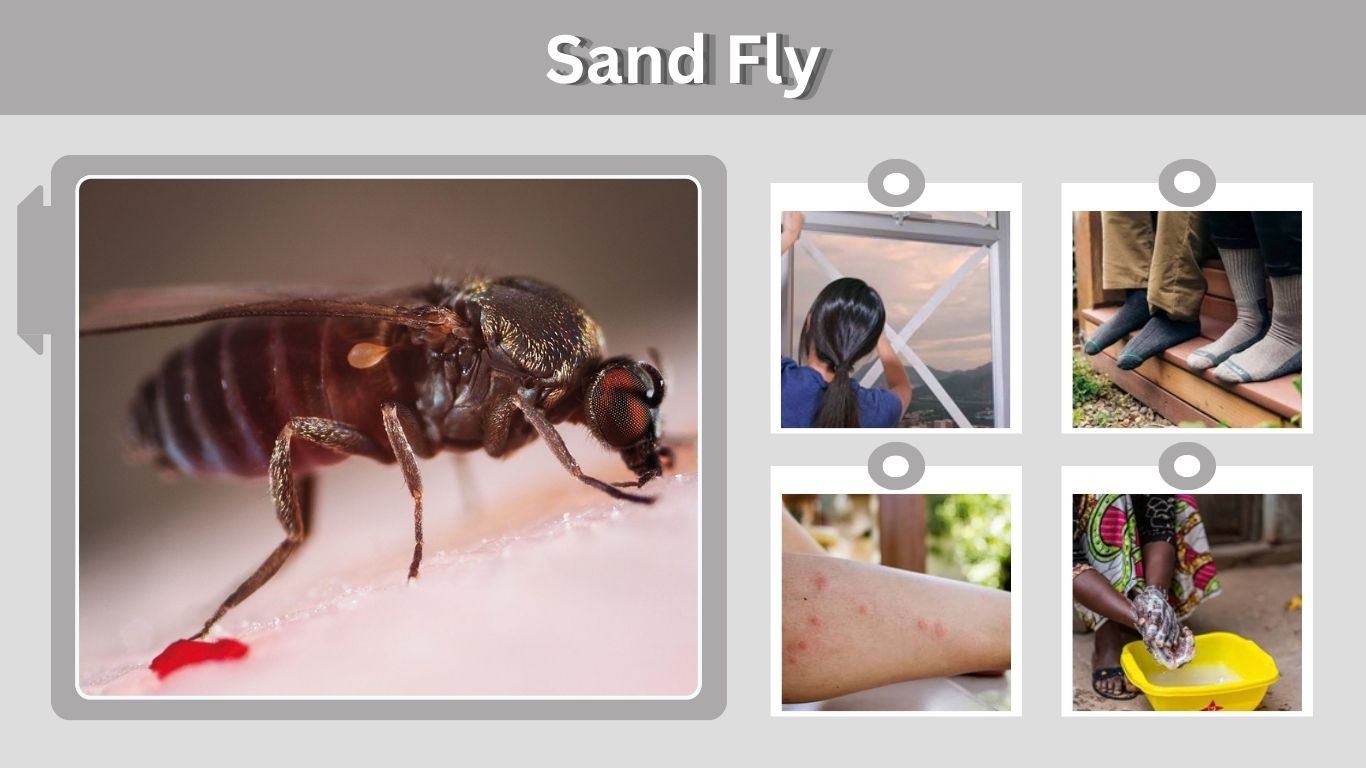
Sand flies are tiny biting insects that can cause intense itching, red bumps, and uncomfortable skin reactions. Commonly found in warm environments, these insects often go unnoticed until their bites begin to itch. Some species can also transmit serious diseases, including leishmaniasis, making proper identification and prevention important. Understanding what a sand fly looks like, where it lives, and how to treat sand fly bites can help reduce irritation and potential health risks. This guide covers sand fly identification, bite symptoms, treatment, repellents, and prevention methods.
What Is a Sand Fly?
A sand fly is a small, blood-feeding insect belonging to a group of flies called phlebotomines. These insects are found in many tropical, subtropical, and warmer temperate regions. Female sand flies feed on blood to produce eggs, while males primarily consume plant sugars. The common name can also refer to different biting insects depending on the country.
Sand Fly Identification and Appearance
True sand flies are extremely small, typically measuring about 2–3 millimeters long. Their delicate bodies and hairy wings distinguish them from many other biting insects.
Key identification features include:
- Size: Usually around 2–3 millimeters long.
- Color: Pale yellow, sandy brown, or grayish.
- Body: Small, delicate, and noticeably hairy.
- Wings: Narrow, hairy wings often held upward in a V-shaped position.
- Legs: Relatively long and slender.
- Movement: Weak, short-distance flight with a hopping appearance.
Sand Fly vs. Sand Flea
Sand flies and sand fleas are different organisms. True sand flies are winged insects, while the name sand flea commonly refers to beach-dwelling crustaceans or certain parasitic fleas.
Sand flies can transmit parasites through bites, whereas some parasitic sand fleas can penetrate the skin. They require different identification and prevention approaches.
Where Do Sand Flies Live?
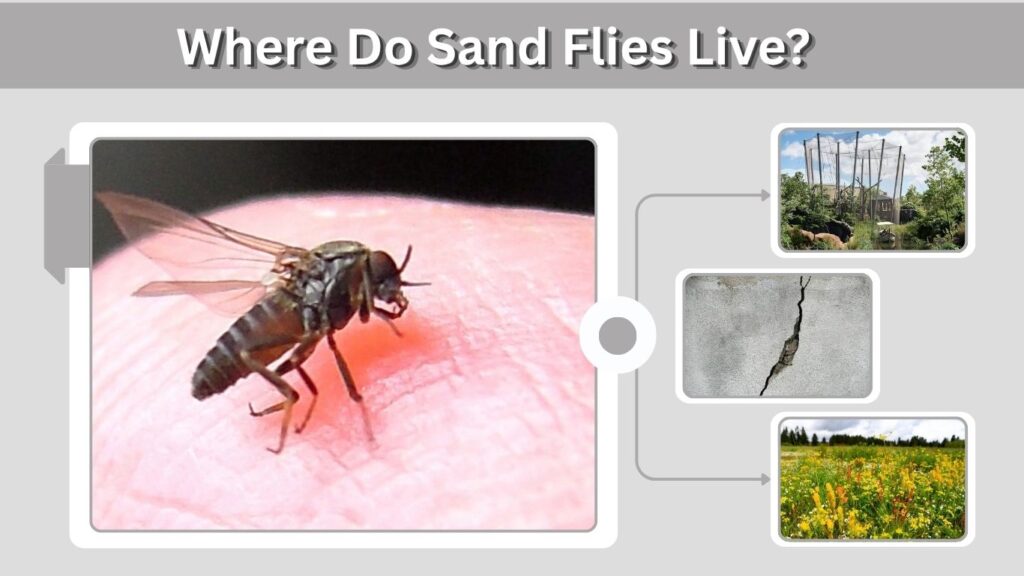
Sand flies generally prefer sheltered environments with suitable moisture, organic matter, and access to animals or humans. Their distribution varies by species and geographical region. True phlebotomine sand flies are particularly associated with tropical and subtropical climates, although some occur in temperate areas. Their breeding sites are often difficult to locate because immature insects develop in protected environments.
Sand Fly Habitat and Distribution
True sand flies inhabit parts of Asia, Africa, Europe, and the Americas. They may shelter in animal enclosures, cracks, burrows, vegetation, and protected spaces around buildings.
In Australia, insects commonly called sand flies are often biting midges. In New Zealand, the name generally refers to blackflies, which belong to a different insect family.
Sand Fly Life Cycle
Sand flies undergo four developmental stages: egg, larva, pupa, and adult.
Females deposit eggs in suitable damp, sheltered locations containing organic material. The larvae feed on decomposing matter and microorganisms before pupating.
Development time depends on temperature, moisture, and species. Adults emerge and begin seeking sugar sources, while females of blood-feeding species also seek suitable hosts.
What Do Sand Fly Bites Look Like?
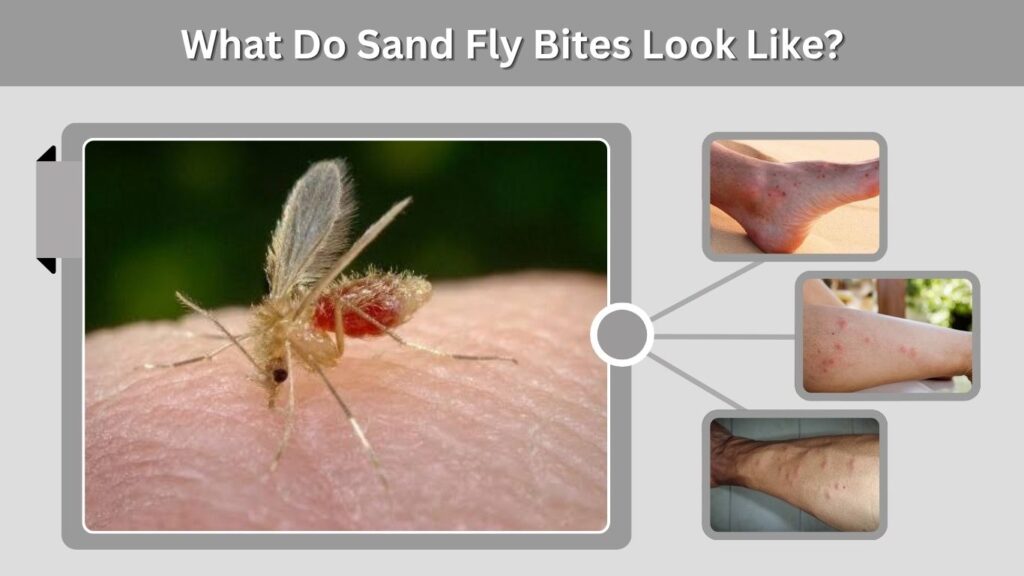
Sand fly bites often cause small, itchy bumps that resemble mosquito bites. Symptoms develop when the immune system reacts to substances introduced during feeding. The appearance varies according to individual sensitivity, the insect involved, and the number of bites. Because other insects produce similar reactions, bite marks alone cannot reliably confirm that sand flies caused them.
Common Sand Fly Bite Symptoms
Typical reactions may include:
- : Small raised spots around bite locations.
- Intense itching: Persistent irritation that encourages scratching.
- Localized swelling: Mild inflammation surrounding individual bites.
- Skin rash: Multiple itchy bumps close together.
- Delayed reactions: Some people develop noticeable symptoms hours or days later.
- Tenderness: Scratched or irritated areas may become uncomfortable.
How Long Do Sand Fly Bites Last?
Uncomplicated bites often improve within several days, although itching or skin discoloration can persist longer, especially in sensitive individuals.
Scratching may prolong irritation and lead to secondary bacterial infection.
If a sore continues enlarging, develops into an ulcer, or fails to heal after travel to an area where leishmaniasis occurs, seek medical evaluation.
Sand Fly Bites vs. Other Insect Bites
Sand fly bites can resemble injuries caused by mosquitoes, bed bugs, fleas, and biting midges. Distinguishing them requires considering exposure location, timing, insect sightings, and accompanying symptoms. Even experienced observers may struggle to identify an insect from skin marks alone. Understanding typical biting behavior provides better clues than relying entirely on the appearance of a rash.
Sand Fly vs. Mosquito Bites
Mosquitoes are generally larger than true sand flies. Both insects can cause itchy, raised bumps.
Phlebotomine sand flies are often active around dusk and nighttime, although behavior varies among species. Mosquito feeding patterns also differ considerably depending on the species.
Neither bite appearance nor itching intensity provides a definitive identification.
Sand Fly Bites vs. Bed Bug Bites
Bed bug bites commonly appear after sleeping in an infested room. They may develop in groups or lines, although these patterns are not diagnostic.
Sand fly bites are generally associated with exposure in environments where the insects occur.
If bites repeatedly appear after sleeping, inspect bedding and nearby furniture for bed bug evidence rather than assuming sand flies are responsible.
How to Treat Sand Fly Bites
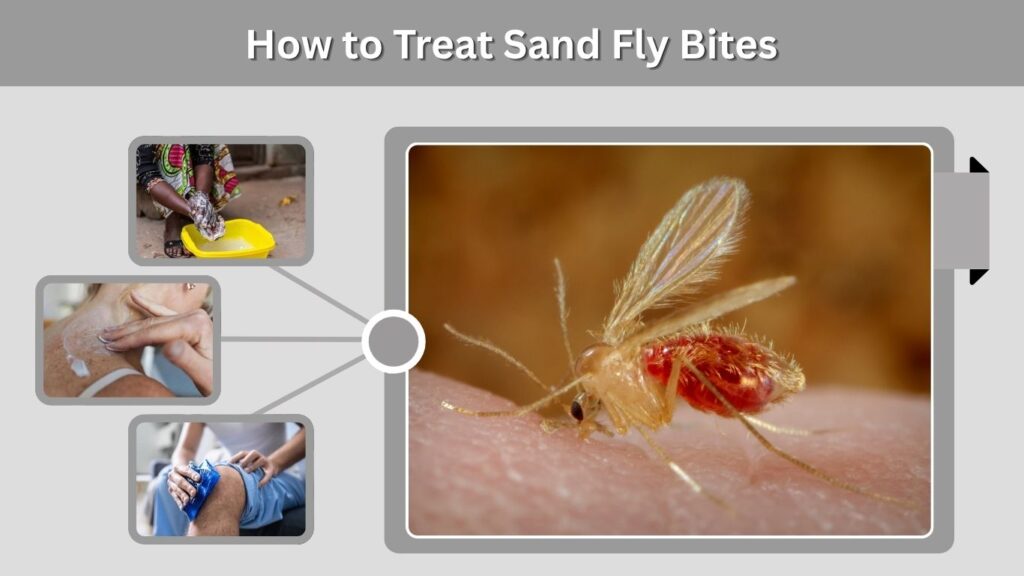
Most ordinary sand fly bites can be managed with basic skin care and treatments that reduce itching. Proper cleaning helps lower the risk of secondary infection, while cold compresses can ease swelling. However, severe allergic reactions, spreading infections, or symptoms suggesting a sand fly-transmitted disease require medical attention. Treatment should match the severity and nature of the reaction.
Sand Fly Bite Treatment Steps
- Wash the affected area: Clean gently with soap and water.
- Apply a cold compress: Hold a cool cloth against the bite for 10–20 minutes.
- Reduce itching: Consider calamine lotion or an appropriate over-the-counter hydrocortisone cream.
- Consider an antihistamine: A pharmacist can advise on suitable medication for troublesome itching.
- Avoid scratching: Keep fingernails short to prevent broken skin.
- Monitor symptoms: Watch for increasing warmth, pain, pus, or spreading redness.
When Should You See a Doctor?
Seek medical attention if bites show signs of infection, become increasingly painful, or cause unusually persistent swelling.
Emergency care is necessary for breathing difficulties, throat swelling, faintness, or other signs of a severe allergic reaction.
A persistent ulcer or unexplained fever following exposure in an endemic region also warrants prompt medical assessment.
Can Sand Flies Transmit Diseases?
Some true sand fly species transmit disease-causing organisms through their bites. The most important example is leishmaniasis, a parasitic infection affecting populations in several parts of the world. However, not every sand fly carries pathogens, and many bites cause only temporary irritation. The risk depends heavily on the geographical location, species, and presence of infected animal or human reservoirs.
Sand Flies and Leishmaniasis
Leishmaniasis results from infection with Leishmania parasites transmitted by infected female phlebotomine sand flies.
Cutaneous leishmaniasis can produce persistent skin sores, sometimes developing weeks or months after exposure.
Visceral leishmaniasis is more serious and may cause prolonged fever, weight loss, anemia, and enlargement of internal organs. It requires medical treatment.
Other Sand Fly-Transmitted Diseases
Certain sand flies can also transmit viruses responsible for sand fly fever. Other species are associated with bacterial infections, including Carrion’s disease in particular regions of South America.
These diseases have distinct geographical distributions.
Sand fly larvae do not normally burrow beneath human skin. Persistent skin lesions should be medically evaluated rather than assumed to contain insect larvae.
How to Prevent Sand Fly Bites
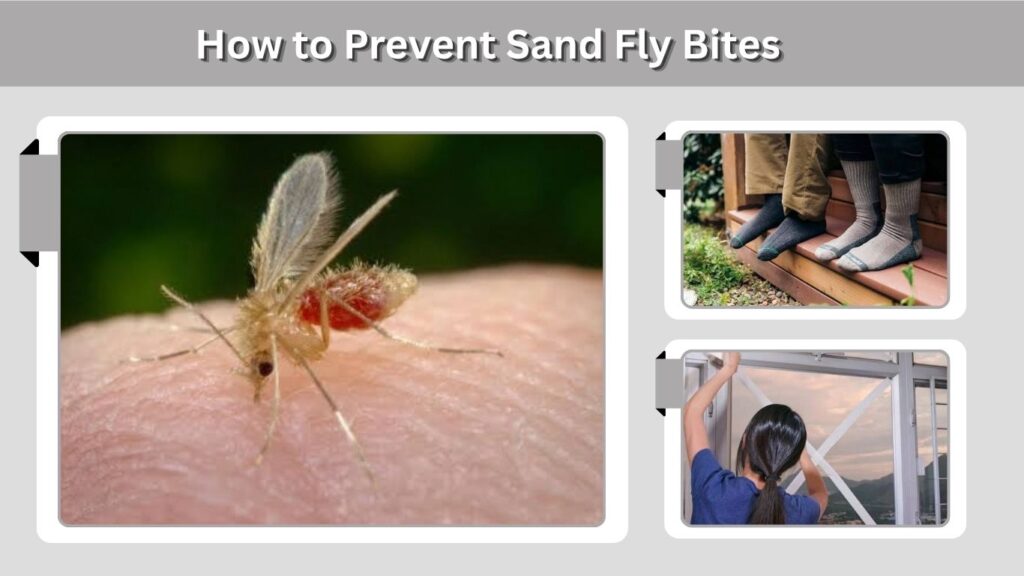
Reducing exposure is the most effective approach to preventing sand fly bites. These insects can be difficult to avoid because of their small size and ability to enter narrow openings. Appropriate repellents, protective clothing, and fine-mesh barriers provide useful protection. Prevention is particularly important when traveling to regions where sand fly-transmitted diseases occur.
Best Sand Fly Repellents and Prevention Tips
- Use insect repellent: Choose an appropriately registered product containing DEET or another effective, approved active ingredient.
- Wear protective clothing: Cover exposed arms and legs with long sleeves and trousers.
- Use fine-mesh bed nets: Choose tightly woven netting, preferably insecticide-treated where recommended.
- Protect windows: Install fine screens and repair damaged openings.
- Reduce nighttime exposure: Limit outdoor activity during peak biting periods where applicable.
- Treat clothing appropriately: Permethrin-treated clothing can provide additional protection; never apply permethrin products intended for fabrics directly to skin.
How to Keep Sand Flies Away From Your Home
Maintain window screens, close unnecessary openings, and use fans or air conditioning where practical.
Keeping outdoor spaces maintained and addressing sheltered areas containing accumulated organic waste may reduce some suitable resting or breeding sites.
Because different insects are called sand flies in different regions, effective property-level control should be based on local species identification.
FAQs
Sand flies raise many questions because their bites can be extremely itchy and the insects themselves are difficult to see. People frequently confuse them with sand fleas, mosquitoes, or bed bugs. The following answers address common concerns about bite duration, contagiousness, prevention, and identification, while clarifying when a healthcare professional should evaluate symptoms.
1. Are Sand Fly Bites Dangerous?
Most bites cause temporary itching and swelling. However, infected sand flies in certain regions can transmit diseases such as leishmaniasis.
2. Can Sand Fly Bites Spread on Your Body?
An allergic reaction may make additional bumps appear over time, but ordinary bites are not contagious. Increasing redness around a wound may indicate inflammation or infection.
3. Do Sand Fleas Fly?
No. True fleas are wingless insects, and beach-dwelling crustaceans commonly called sand fleas do not fly either.
4. What Is the Best Treatment for Sand Fly Bites?
Wash the area, apply a cold compress, avoid scratching, and use a suitable anti-itch treatment. Persistent or unusual symptoms require medical evaluation.
5. How Can You Identify a Sand Fly?
True phlebotomine sand flies are tiny, hairy insects with slender legs and wings commonly held upright. Identification may require magnification because other small biting flies look similar.
