
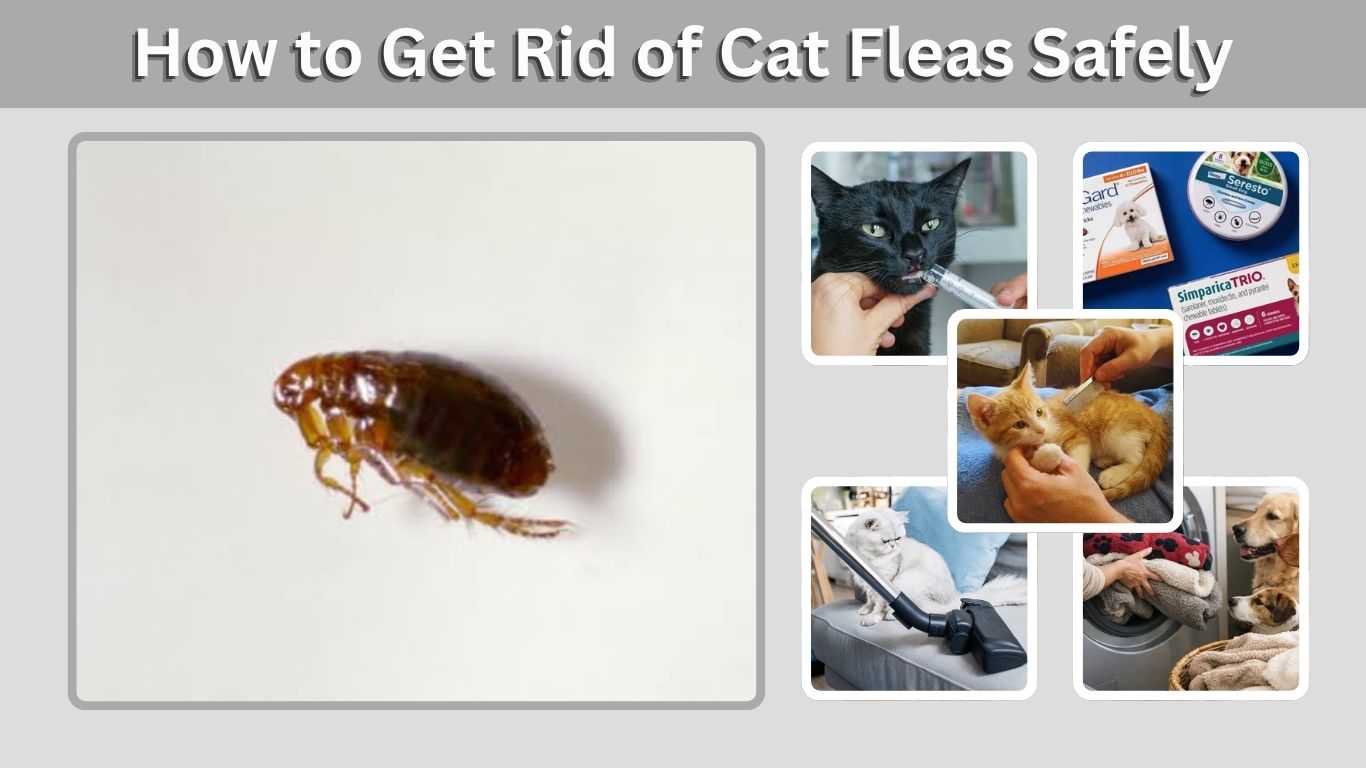
Finding fleas on your cat can be frustrating, especially when constant scratching, skin irritation, and tiny jumping insects become noticeable. These parasites multiply quickly and can spread throughout your home if left untreated. Fortunately, learning how to get rid of cat fleas can help you protect your pet and prevent future infestations. From veterinary-approved treatments to gentle grooming and household cleaning, several methods can help control fleas. This guide explains how to remove fleas safely, manage indoor infestations, and keep your cat comfortable.
How to Tell if Your Cat Has Fleas
Before starting treatment, determine whether fleas are causing your cat’s discomfort. Cat fleas are tiny, wingless insects that feed on blood and hide within the fur. Their small size makes them difficult to notice, especially on cats with thick coats. However, changes in grooming habits, skin irritation, and flea dirt can help you recognize an infestation.
Common Signs of Fleas on Cats
- Excessive scratching: Frequent scratching, biting, or licking may indicate flea irritation.
- Flea dirt: Small black specks resembling pepper often appear near the skin.
- Hair loss: Repeated grooming can cause thinning fur around the back and tail.
- Red skin: Flea bites may trigger inflammation, scabs, or allergic reactions.
- Visible fleas: Small, dark insects may move quickly through your cat’s coat.
How to Check Your Cat for Fleas
Use a fine-toothed flea comb to inspect your cat’s fur, particularly around the neck, lower back, and tail.
Place any dark particles collected from the coat onto a damp white tissue. Flea dirt often turns reddish-brown because it contains digested blood.
Finding fleas or flea dirt usually indicates that treatment is necessary, even if your cat appears comfortable.
How to Get Rid of Cat Fleas Effectively
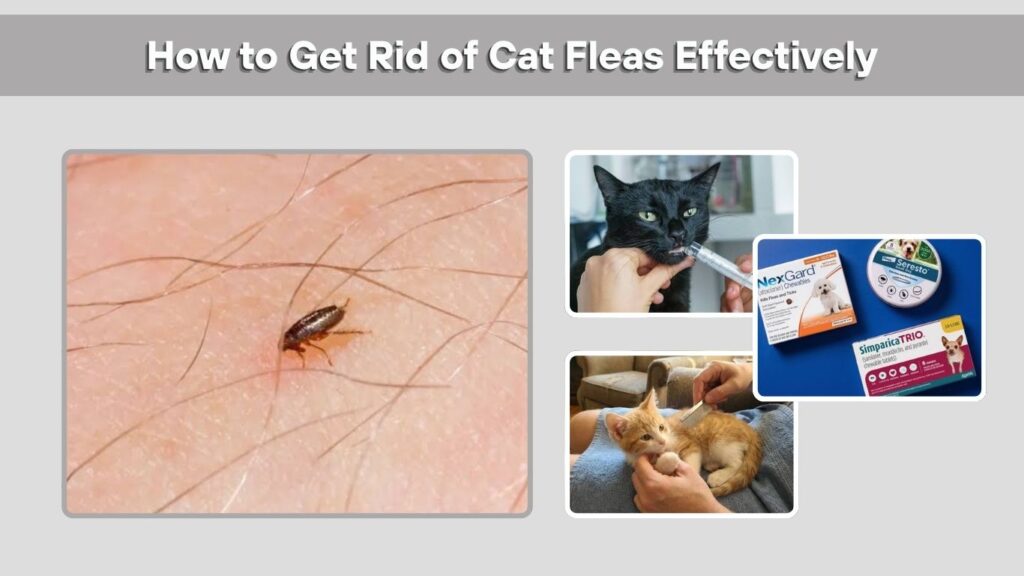
The most reliable way to eliminate cat fleas involves treating your pet and addressing fleas living in the surrounding environment. Adult fleas spend much of their time on animals, but eggs, larvae, and pupae develop in carpets, bedding, and furniture. Combining appropriate flea medication with regular cleaning helps interrupt their life cycle and prevents recurring infestations.
Choose a Safe Flea Treatment for Cats
Veterinary-approved flea treatments are generally more effective than untested homemade remedies.
Common options include topical medications applied to the skin, oral flea treatments, and specially formulated flea-control collars. Some products kill adult fleas rapidly, while others provide ongoing protection against reinfestation.
The appropriate treatment depends on your cat’s age, weight, health, and existing medications.
Never use dog flea medication on cats. Certain ingredients, particularly permethrin in dog-only products, can cause life-threatening poisoning in cats.
Step-by-Step Guide to Removing Fleas
- Consult your veterinarian: Choose a cat-specific treatment appropriate for your pet.
- Apply the medication correctly: Follow the manufacturer’s directions regarding dosage, application, and frequency.
- Use a flea comb: Gently remove visible fleas and place them into soapy water.
- Treat other household pets: Use suitable species-specific treatments for every affected or exposed pet.
- Clean your home: Vacuum carpets, wash bedding, and clean the areas where pets rest.
How Long Does It Take to Get Rid of Fleas?
Some medications begin killing adult fleas within hours, while others take longer to work.
However, completely eliminating a household infestation may take several weeks or even months. Developing fleas can survive in the environment and emerge after the first treatment.
Continue your veterinarian-recommended prevention schedule rather than applying additional medication prematurely.
How to Naturally Get Rid of Cat Fleas
Many cat owners prefer gentle methods that reduce unnecessary chemical exposure. Natural approaches such as flea combing, washing bedding, and frequent vacuuming can help remove fleas and reduce their numbers. However, these methods usually cannot eliminate an established infestation independently. Effective, cat-safe flea medication remains important when fleas continue reproducing or causing discomfort.
Remove Fleas With a Flea Comb
Daily flea combing is one of the safest physical methods for removing adult fleas.
Work slowly through your cat’s coat, paying particular attention to areas where fleas commonly hide. After each pass, dip the comb into soapy water to trap captured fleas.
A gentle bath may also help remove adult fleas, but use only a veterinarian-approved, cat-safe shampoo. Bathing can be stressful and may interfere with certain topical treatments, so check instructions before bathing your cat.
Natural Flea Remedies to Avoid
Not every natural ingredient is safe for cats. Some popular homemade treatments can cause serious health problems.
Avoid applying concentrated essential oils, including tea tree and peppermint oil, directly to your cat. Garlic is also toxic to cats and should never be used as a flea remedy.
Vinegar, baking soda, and similar household substances are not reliable treatments for eliminating an established flea infestation.
How to Get Rid of Cat Fleas in the House
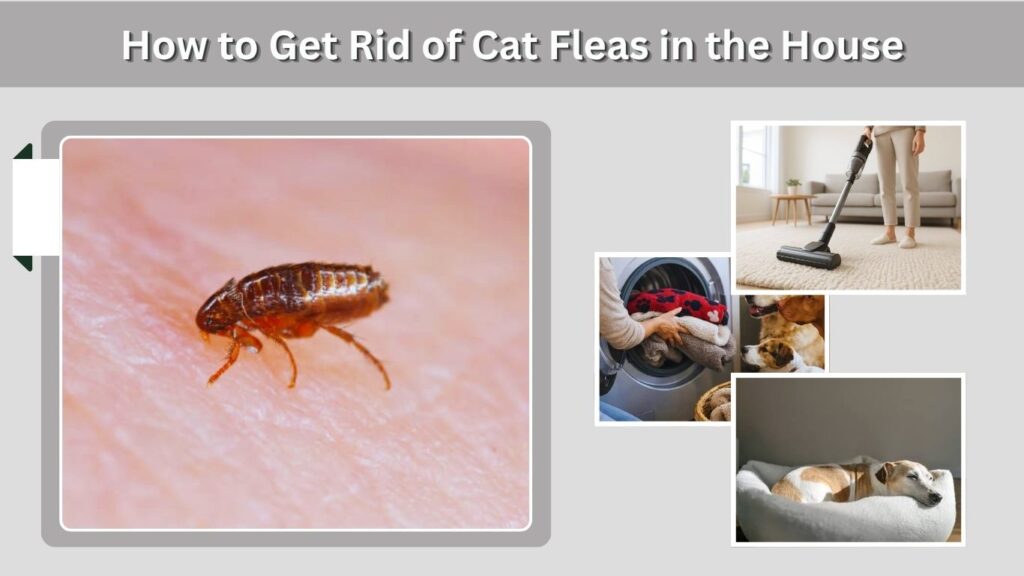
Removing fleas from your cat is only part of the solution. Flea eggs fall from animals into carpets, furniture, bedding, and floor cracks. These eggs develop into larvae and pupae before becoming adult fleas. Without household cleaning, newly emerging fleas can jump onto treated pets. Regular sanitation is therefore essential for achieving lasting control.
Effective Household Flea Removal Methods
- Vacuum regularly: Clean carpets, rugs, upholstery, baseboards, and areas underneath furniture.
- Wash pet bedding: Launder blankets, washable toys, and bedding using appropriate hot-water settings.
- Empty the vacuum: Dispose of collected debris promptly in a sealed bag outside.
- Clean resting areas: Focus on favorite sleeping spots and surfaces frequently used by pets.
How to Handle a Severe Flea Infestation
Heavy infestations may require additional household flea-control products or professional pest management.
Choose products specifically labeled for indoor flea control and follow all instructions for protecting pets and family members.
Some treatments include insect growth regulators that interfere with flea development.
Never spray household insecticides directly onto your cat unless the product is specifically labeled for that use.
How Do Indoor Cats Get Fleas?
Indoor cats can develop flea infestations even when they never visit a garden or interact with outdoor animals. Fleas can enter buildings through other pets, visitors, or infested environments. Once indoors, they may reproduce in warm, protected spaces. Understanding these entry points helps explain why even carefully maintained homes sometimes experience unexpected flea problems.
Common Ways Indoor Cats Get Fleas
Cats may encounter fleas through dogs returning from outdoor activities, contact with infested animals, or fleas carried indoors on clothing and belongings.
Previous residents or animals can also leave behind developing fleas in carpets and furniture.
Flea pupae may remain protected inside cocoons until movement, warmth, or other environmental signals encourage adult fleas to emerge.
Can Humans and Dogs Get Fleas From Cats?
Yes. Cat fleas can bite humans and infest dogs.
People usually experience itchy bites around their ankles and lower legs. However, cat fleas generally prefer animal hosts and do not establish permanent colonies in human hair.
Dogs sharing a home with an infested cat may also develop fleas. Both animals should receive appropriate preventive treatment to stop the parasites from circulating between pets.
How to Prevent Cat Fleas From Coming Back
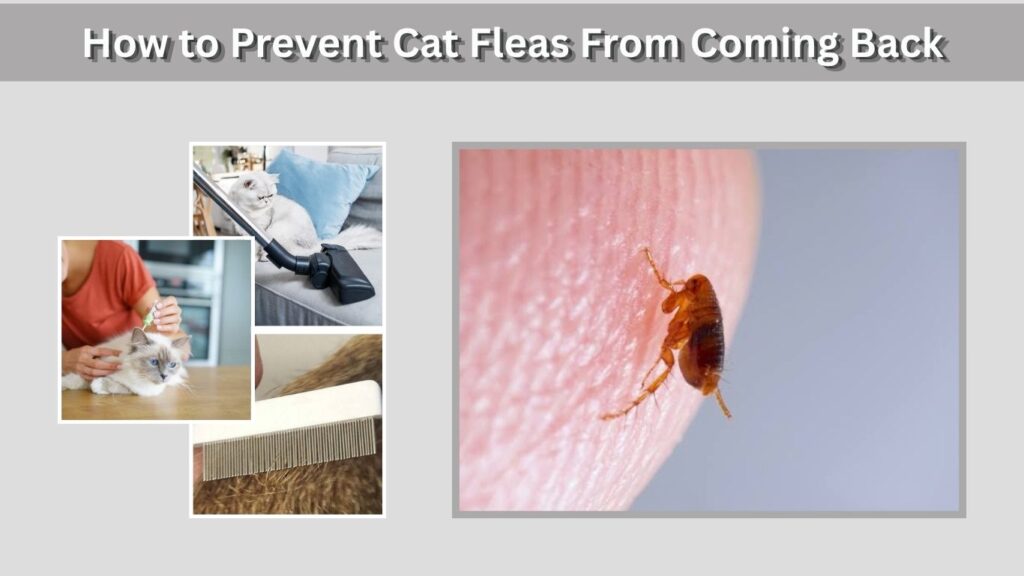
Preventing another infestation is usually easier than eliminating one that has spread throughout your home. Because fleas can survive indoors throughout the year, seasonal changes do not always provide protection. Consistent flea prevention, grooming, and household cleaning help limit exposure and reduce the chance of another outbreak, whether your cat lives indoors or outdoors.
Essential Flea Prevention Tips
- Maintain year-round flea protection when recommended by your veterinarian.
- Inspect your cat’s fur regularly using a flea comb.
- Wash pet bedding and vacuum frequently.
- Keep all household pets on suitable flea-control schedules.
- Limit contact with stray or flea-infested animals.
When Should You Contact a Veterinarian?
Seek veterinary advice if your cat experiences persistent scratching, hair loss, inflamed skin, or recurring infestations despite treatment.
Heavy flea infestations can cause anemia, particularly in young kittens. Pale gums, unusual weakness, or severe lethargy require urgent veterinary attention.
Fleas can also transmit tapeworms when cats swallow infected fleas during grooming. Your veterinarian can determine whether additional treatment is necessary.
FAQs
1. What Is the Quickest Way to Get Rid of Fleas on a Cat?
A veterinarian-recommended, fast-acting flea medication is usually the quickest effective option. Flea combing can provide additional immediate relief by removing visible adult fleas.
2. Can I Get Rid of Cat Fleas Naturally?
Flea combing, vacuuming, and washing bedding help reduce flea populations naturally. However, these methods generally cannot replace effective flea medication during an established infestation.
3. Can Indoor Cats Get Fleas Without Going Outside?
Yes. Fleas can enter through other pets, visitors, and previously infested indoor spaces. Indoor cats can develop fleas even without direct outdoor exposure.
4. Can Cat Fleas Live on Humans?
Cat fleas can bite humans but generally do not live or reproduce permanently on human bodies. They prefer cats, dogs, and other animal hosts.
5. Why Does My Cat Keep Getting Fleas After Treatment?
Recurring fleas often result from developing parasites remaining in the home, untreated household pets, missed preventive treatments, or continued exposure to infested environments.
