
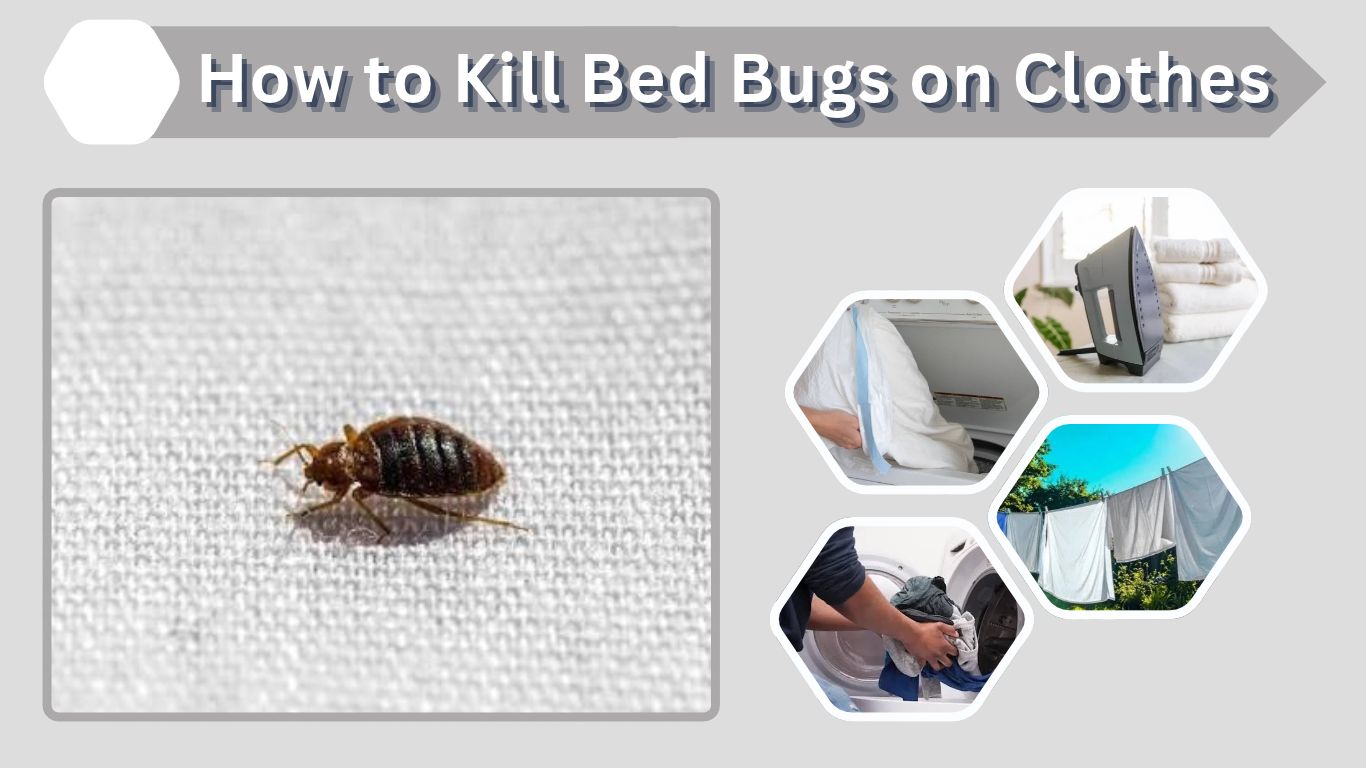
Finding bed bugs on your clothes can be unsettling, especially if you worry about carrying them into another room. Clothing is often easier to treat than furniture. A hot dryer can kill adult bed bugs, young insects, and eggs when the fabric receives enough heat. Washing cleans garments, but water alone may not eliminate every bug. The key steps are containing suspicious clothing, treating it correctly, and preventing reinfestation. This guide explains how to kill bed bugs on clothes, dryer timing, and options for delicate fabrics.
How to Kill Bed Bugs on Clothes at Home
Contain infested items and use a high-heat dryer when the fabric allows it. Bed bugs hitchhike on loose clothing, so moving laundry carelessly can spread them. You usually do not need to discard garments, but separate untreated items from cleaned clothes.
Step 1: Bag Potentially Infested Clothing
Gather clothes from the affected area carefully. Avoid shaking them, which may dislodge bugs or eggs. Place items directly into tightly sealed plastic bags before carrying them through hallways or shared spaces. Keep delicate clothes in a separate labeled bag so they are not accidentally put through high heat.
Step 2: Use a High-Heat Dryer
Empty the bag into the dryer without leaving clothes on the floor. If the garment label permits, select high heat and run the dryer for at least 30 minutes. Divide oversized loads so hot air circulates. The dryer can treat dry clothing; a washing cycle is not required first solely to kill bugs.
- Check each item’s fabric-care label.
- Use high heat only for materials that tolerate it.
- Avoid tightly packing the drum.
- Keep untreated loads separate from completed loads.
Step 3: Store Clean Clothing Safely
Place finished laundry into new, clean bags or sealed storage containers. Do not return it to drawers, beds, or closets that may still contain bed bugs. Keep the treated items protected until the room has been inspected and the infestation addressed.
How Long to Dry Clothes to Kill Bed Bugs?
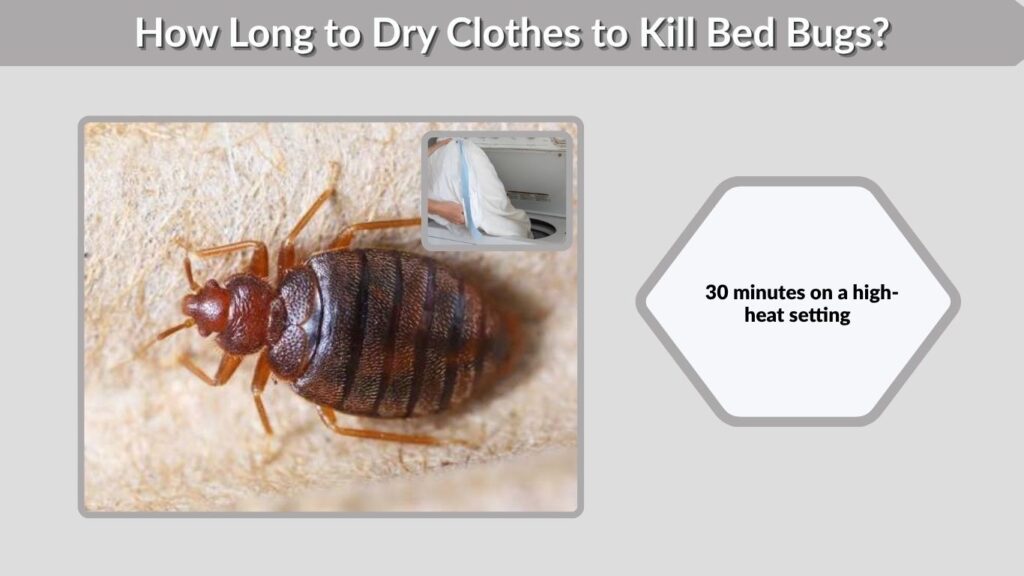
For dryer-safe garments, 30 minutes on a high-heat setting is a standard recommendation for killing bed bugs and eggs. A regular cool or low-heat cycle is not equivalent. The dryer must be able to heat the contents adequately, so avoid overloading and follow the appliance’s instructions. Treating clothing does not eliminate insects hiding elsewhere in the home.
How Long for Wet Clothes or Heavy Fabrics?
Wet jeans, thick hoodies, blankets, and bulky loads take longer to warm up and dry. First ensure they can tumble freely and become thoroughly dry. When uncertain whether a thick load received sufficient high-heat exposure, an additional high-heat period may be prudent if its care label permits. Splitting large loads is generally better than packing everything together.
Does the Dryer Kill Bed Bug Eggs on Clothing?
Yes. Proper high-heat drying can kill eggs as well as adults and nymphs. However, the treatment only works on items inside the dryer. Bed bug eggs attached to a bed frame, laundry basket, or closet remain a separate problem and need appropriate attention.
How to Wash Clothes to Kill Bed Bugs
Washing helps remove dirt, stains, and some insects, but ordinary laundering alone does not reliably kill all bed bugs and eggs. The safest practical routine for washable garments is to combine appropriate washing with high-heat drying. Choose temperatures that the fabric can tolerate, rather than damaging clothes with excessively hot water.
Can Hot Water Kill Bed Bugs on Clothes?
Hot water can kill bed bugs if the insects receive sufficiently high temperatures for long enough. However, not every washing machine delivers the same conditions, and its warm or hot label does not guarantee complete elimination. Use the dryer afterward when the garment permits. Detergent is useful for cleaning, not a substitute for verified heat treatment.
Clothes-Laundering Checklist
- Transport suspicious clothing inside sealed bags.
- Sort items by fabric-care requirements.
- Wash when needed, but do not rely on washing alone.
- Dry suitable fabrics on high heat for at least 30 minutes.
- Transfer treated clothes into clean, sealed storage.
How to Kill Bed Bugs on Clothes Without a Dryer
Wool, silk, structured jackets, and other delicate fabrics may shrink or lose shape in high heat. Professional cleaning or another validated treatment is preferable to improvised heat guns or chemicals. The goal is to eliminate bugs without damaging garments.
Can Dry Cleaning Kill Bed Bugs?
Professional dry cleaning can be an option for delicate clothing. Inform the cleaner about suspected bed bugs before bringing anything in. Keep garments sealed during transport and ask how the service handles potentially infested items. Do not place untreated clothes on public counters or mix them with other customers’ laundry.
How Long to Freeze Clothes to Kill Bed Bugs?
Freezing suitable, sealed items at 0°F (-18°C) or colder for at least four days after the center reaches that temperature may kill bed bugs. Verify the freezer with a thermometer. Household freezers sometimes fluctuate, and thick bags slow cooling. Check whether freezing could damage the garment before choosing this method.
Can You Use Steam or Bed Bug Spray on Clothes?
Steam may kill bugs it directly reaches, but it is difficult to guarantee even penetration through layered garments. Do not spray ordinary clothing with bed bug pesticides unless the specific label explicitly permits that use. Never apply insecticide to your skin or use bleach, rubbing alcohol, or homemade chemical mixtures on clothing to kill bed bugs.
How to Keep Bed Bugs Off Clothes After Treatment
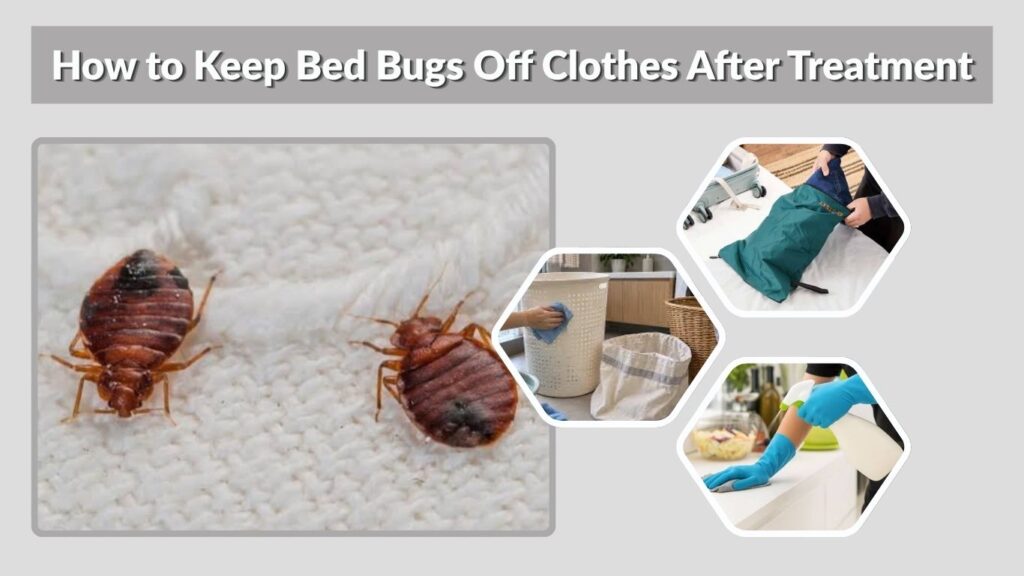
Laundry treatment addresses only part of an infestation. Bugs can return to dried garments from untreated furniture or luggage. Inspect surrounding rooms, reduce clutter, and use mattress encasements and monitoring where appropriate. Persistent infestations may need professional treatment.
Prevent Bed Bugs in Laundry Areas
- Do not leave clean clothes on an infested bed or floor.
- Keep laundry baskets and hampers clean and inspect their seams.
- Use fresh bags when leaving a shared laundry room.
- Separate treated items from bags that carried infested clothes.
- Check nearby closets, luggage, and upholstered furniture.
Which Clothing Treatment Works Best?
| Method | Recommended approach | Main limitation |
| High-heat dryer | At least 30 minutes on high | Must be safe for the fabric |
| Hot-water washing | Clean with suitable water temperature | Washing alone may not kill all bugs |
| Professional dry cleaning | Inform cleaner and follow their process | Depends on fabric and service |
| Freezing | 0°F or colder for at least four days after core cools | Freezer accuracy and fabric sensitivity |
| Handheld steaming | Direct, careful treatment of compatible fabric | Hidden bugs may escape exposure |
FAQs
1. How Long Should Clothes Be in the Dryer to Kill Bed Bugs?
For dryer-safe garments, use high heat for at least 30 minutes. Allow enough space for hot air to move through the load, and check fabric-care labels. Keep finished clothing in clean bags to prevent reinfestation.
2. Can Bed Bugs Survive a Washing Machine?
Yes. A normal wash, especially with cooler water, may not kill all bed bugs and eggs. Washing can remove some insects, but high-heat drying is more dependable for suitable fabrics. Do not rely on detergent alone.
3. Can Bed Bug Eggs Survive the Clothes Dryer?
Eggs should be killed when dryer-safe clothing receives sufficient high heat for the recommended treatment period. However, overcrowded loads or unsuitable settings can reduce reliability. Eggs left elsewhere in the room are unaffected by laundry treatment.
4. Can You Get Rid of Bed Bugs on Delicate Clothes?
Yes, but high heat may damage delicate fibers. Contact a professional dry cleaner and disclose the suspected infestation. Some suitable items can be frozen under carefully verified conditions. Avoid pesticide sprays or improvised heating on fragile garments.
5. Do You Need to Wash All Your Clothes After Bed Bugs?
Focus on clothing and linens from affected areas and items that may have contacted infested furniture or luggage. Keep unexamined items contained. A pest-control professional can help determine how extensively clothing and belongings need treatment.
