
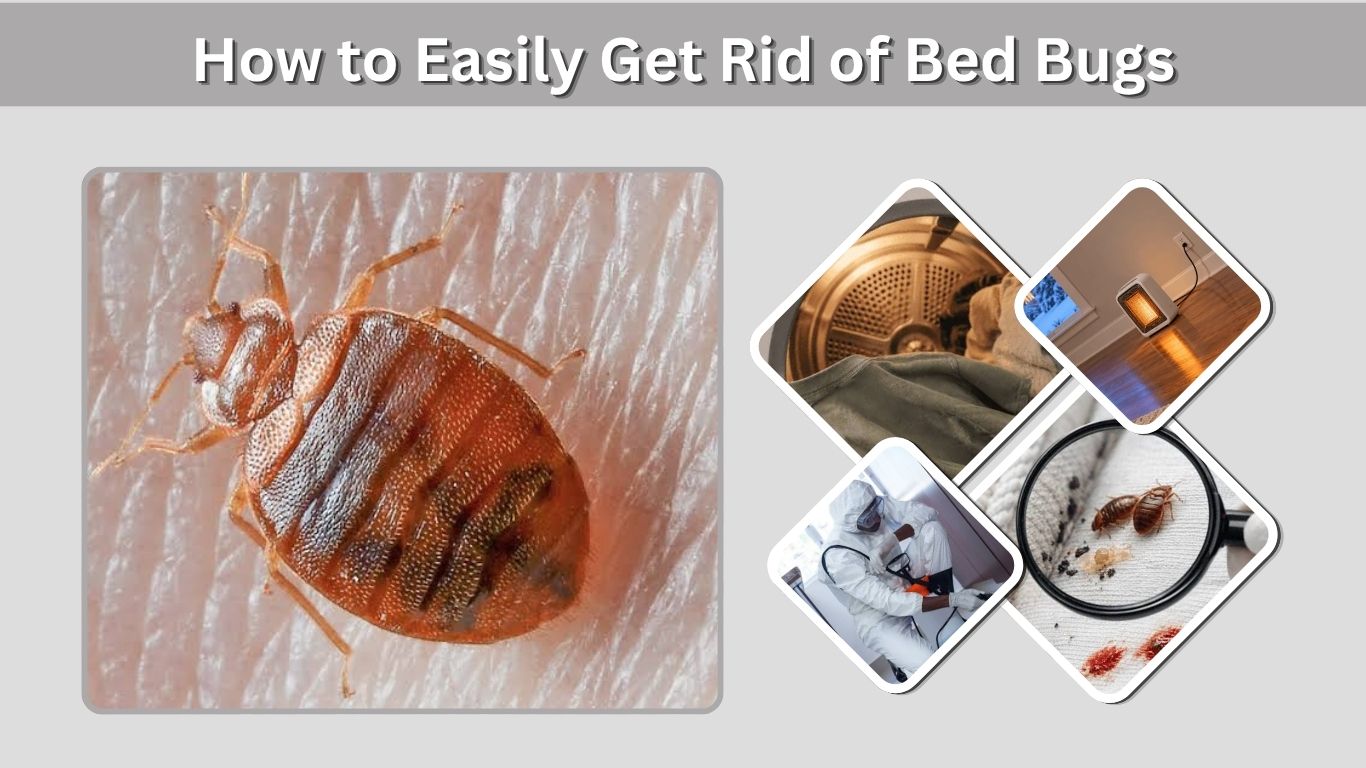
Finding bed bugs can be stressful, but practical steps can help. If you’re wondering how to easily get rid of bed bugs, start with inspection, high-heat drying, vacuuming, and reducing hiding places. These methods can remove or kill many insects without immediately using insecticides. However, bed bugs hide in cracks, and eggs can survive incomplete treatment. Eliminating an infestation often takes several weeks or longer. This guide explains useful first steps, common mistakes, and when professional treatment makes sense.
How to Easily Get Rid of Bed Bugs at Home
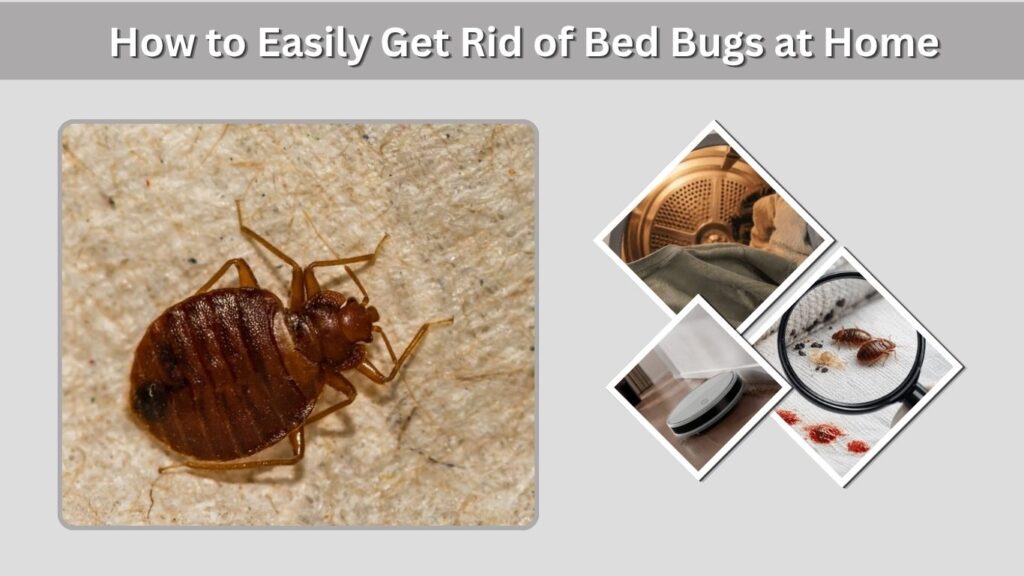
The most reliable approach combines several simple methods rather than depending on one spray or home remedy. Follow these steps in order while keeping infested belongings contained.
1. Confirm That You Have Bed Bugs
Inspect mattress seams, bed frames, headboards, and furniture for flat, reddish-brown insects, shed skins, eggs, or dark fecal spots. Bites alone cannot confirm an infestation. If possible, photograph or capture a specimen for identification.
2. Contain Infested Items and Reduce Clutter
The bag affected clothing and bedding until treatment. Avoid carrying uncovered items into other rooms. Clear clutter beneath beds and around furniture to expose hiding places. Do not immediately discard your mattress; many can be treated and protected.
3. Use a Clothes Dryer on High Heat
For items that tolerate machine drying, run a household dryer on high heat for 30 minutes to kill bed bugs and eggs. Bedding, clothing, and some soft items can be treated this way. Washing alone may not be sufficient. Transport infested laundry in sealed bags, follow fabric care instructions, and place treated belongings in clean, sealed containers to prevent reinfestation.
4. Vacuum Beds, Furniture, and Floor Edges
Vacuum mattress stitching, bed frames, baseboards, carpets, furniture, and cracks. This removes some insects and eggs but misses deep hiding places. Immediately seal vacuum contents and discard outdoors; clean the canister or attachments as directed.
5. Treat Suitable Surfaces With Steam
A steam cleaner designed for bed bug treatment can help reach fabric seams, furniture crevices, and baseboards. EPA guidance calls for steam temperatures of at least 130°F (54°C) and recommends avoiding forceful airflow that scatters insects. Move slowly, follow equipment directions, and avoid electrical fixtures or moisture-sensitive materials. Ordinary clothes irons and hair dryers are not substitutes for controlled steam treatment.
6. Protect and Isolate Your Bed
Fit purpose-made bed bug encasements around the mattress and box spring. These zippered covers trap bugs already inside and reduce hiding places. Move the bed away from walls, keep blankets from touching the floor, and place bed bug interceptor cups under the legs. Leave encasements in place for the manufacturer’s recommended period, commonly at least one year.
7. Seal Cracks and Hiding Places
Inspect gaps around baseboards, wallpaper, and furniture. After inspection and treatment, caulk suitable cracks and repair loose trim. Never spray liquids into electrical outlets; ask a professional about suspected insects inside electrical fixtures.
8. Use Bed Bug Pesticides Only as Directed
If chemical control is needed, choose products specifically registered and labeled for bed bugs in your country. In the United States, look for an EPA registration number. Follow the label exactly, including approved surfaces, ventilation, and precautions for children and pets. Never apply pesticides to skin, bedding, or mattresses unless the label expressly permits that use. Professional application is often safer and more effective for established infestations.
9. Monitor and Repeat Treatment
Check mattress seams, furniture, and interceptor traps weekly. Record where insects appear. Newly hatched bugs or those missed during cleaning may require further treatment. Continue monitoring after activity stops.
How to Get Rid of Bed Bugs Fast and Easily
If you need to act today, prioritize methods that reduce the number of insects immediately. Fast results for individual items do not guarantee that the entire room is free of bed bugs.
| Method | Main benefit | Important limitation |
| High-heat clothes drying | Kills bugs and eggs in dryer-safe items | Does not treat furniture or room cracks |
| Thorough vacuuming | Removes visible insects quickly | Misses deeply hidden bugs and eggs |
| Controlled steam treatment | Treats suitable seams and crevices | Only works where sufficient heat reaches |
| Bed encasements and interceptors | Reduce hiding places and monitor activity | Do not eliminate bugs elsewhere |
| Professional treatment | Addresses widespread infestations | May require preparation and follow-up visits |
Start with drying washable items, vacuuming thoroughly, and isolating the bed while arranging a complete treatment plan.
Can You Get Rid of Bed Bugs in One Day?
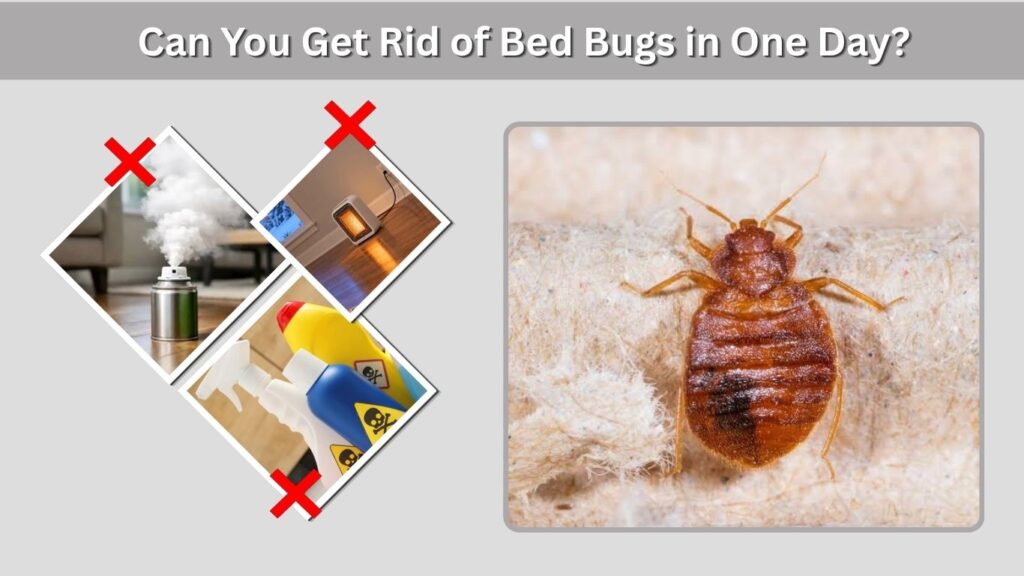
You may kill many bed bugs in one day, but eliminating an entire infestation that quickly is uncommon. Insects can remain inside furniture joints, wall cracks, and other difficult-to-reach locations. Eggs may survive if treatments do not reach them.
Professional heat treatments can address large areas but require specialized equipment. Follow-up monitoring remains important. Be cautious of products promising overnight elimination.
What Should You Avoid When Getting Rid of Bed Bugs?
Several popular shortcuts are ineffective, unsafe, or likely to spread the problem.
- Do not spray rubbing alcohol, gasoline, or kerosene. These substances present serious fire and health hazards.
- Do not rely on bug bombs. Foggers often fail to reach bugs hiding in cracks and cannot serve as the only treatment.
- Do not overheat a room yourself. Turning up the thermostat or using portable heaters is not a safe substitute for professional heat treatment.
- Do not depend on vinegar or essential oils. They are not reliable substitutes for proven control methods.
- Do not move untreated belongings between bedrooms. Bag and treat them first to reduce the risk of spreading insects.
- Do not throw away furniture unnecessarily. If disposal is unavoidable, clearly mark or damage infested items so nobody takes them home.
How to Prevent Bed Bugs From Coming Back
Prevention matters after cleaning or treatment because bed bugs can arrive again on luggage, furniture, or belongings.
- Inspect secondhand mattresses, upholstered furniture, and bed frames before bringing them indoors.
- Check hotel beds and keep luggage away from beds and upholstered furniture while traveling.
- Inspect and heat-treat suitable travel clothing after returning home if exposure is suspected.
- Maintain mattress encasements and examine interceptor traps regularly.
- Reduce clutter near sleeping areas and repair accessible cracks.
In apartments, notify management when bed bugs are confirmed; nearby units may also need inspection.
When Should You Call a Professional Exterminator?
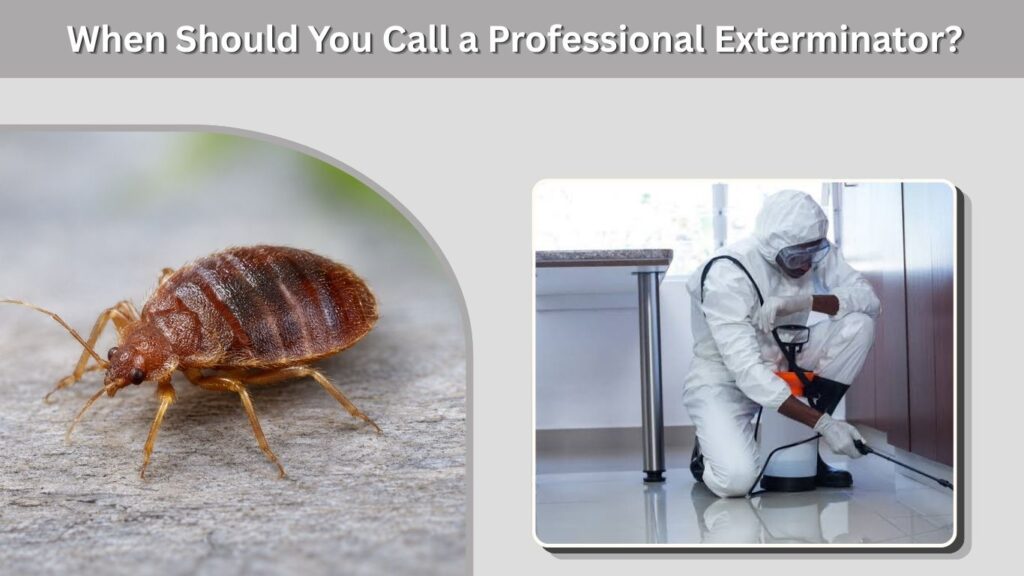
Contact an experienced pest management professional if bed bugs appear in several rooms, activity continues after repeated cleaning, or you cannot safely inspect and treat important hiding places. Professional services may combine inspection, heat, steam, vacuuming, and appropriately applied insecticides.
Ask whether the company uses an integrated pest management approach, what preparation is required, and whether follow-up inspections are included. The lowest initial quote is not necessarily the best option if it does not address remaining eggs or hidden insects.
FAQs
1. What is the easiest way to get rid of bed bugs?
Begin by drying washable bedding and clothes on high heat, vacuuming affected areas, and installing bed bug mattress covers. These steps reduce the infestation, but repeated inspections and additional treatments are often necessary to eliminate hidden bugs and eggs.
2. What kills bed bugs instantly?
Direct exposure to sufficiently high heat can kill bed bugs quickly. However, a hot surface or brief blast of air may not reach insects hidden deep in furniture. Use proven heat-treatment methods rather than unsafe household heating experiments.
3. Can bed bugs go away without treatment?
Bed bugs rarely disappear simply because you leave a room unused. They can survive for long periods without feeding and hide in small spaces. Prompt inspection and a coordinated treatment plan offer a better chance of successful control.
4. Does washing bed sheets get rid of bed bugs?
Washing may remove some bed bugs, but it is not always enough to kill their eggs. High-heat tumble drying for 30 minutes, when safe for the fabric, is more reliable. Store treated bedding in sealed, clean bags.
5. How long does it take to completely get rid of bed bugs?
Treatment can take several weeks to months depending on infestation size, hiding places, and the methods used. Some professional heat treatments work faster, but follow-up checks remain essential. Continue monitoring until there is no evidence of surviving insects.
