
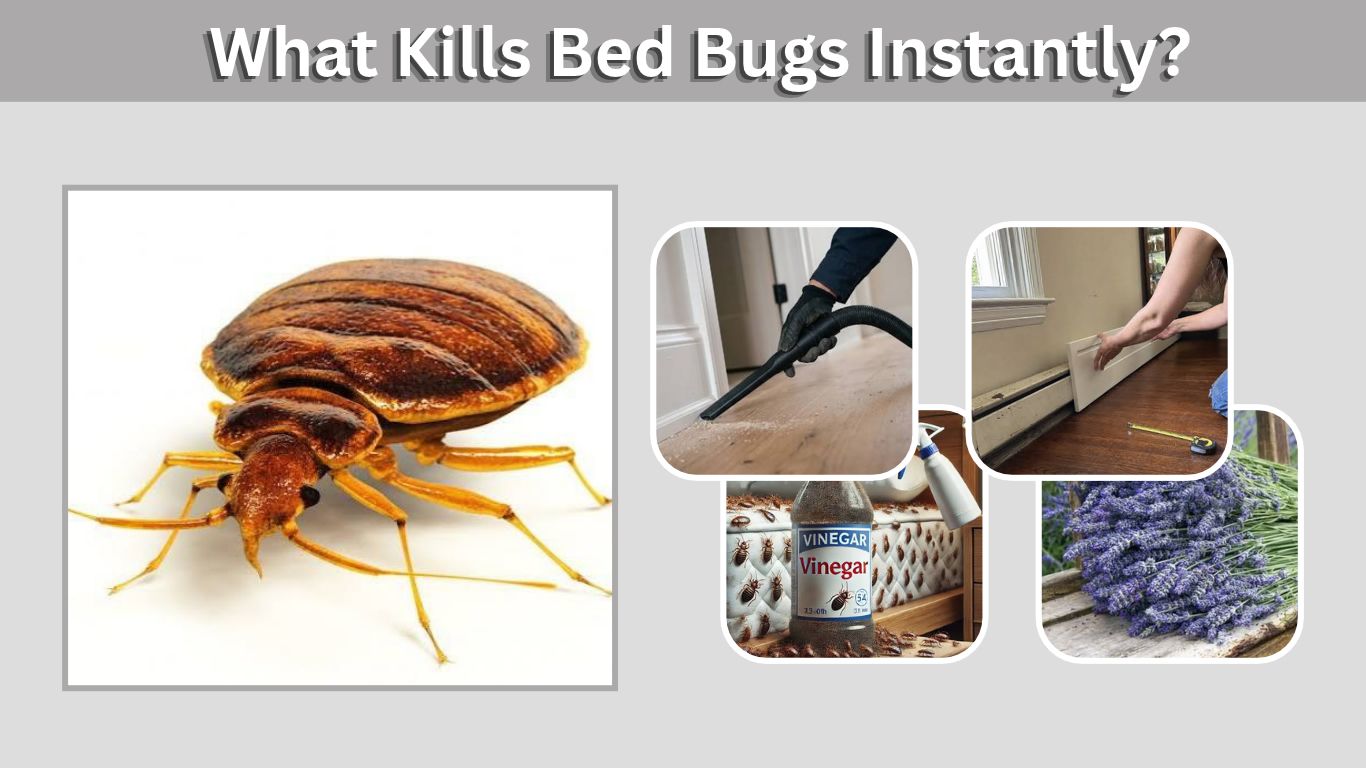
Bed bugs are difficult household pests because they hide in mattresses, furniture, cracks, and other hard-to-reach places. When an infestation appears, many people search for home remedies that can kill bed bugs instantly without expensive professional treatments.
High-temperature steam can kill bed bugs quickly when it reaches them directly, while a clothes dryer on high heat can kill bed bugs and their eggs in about 30 minutes. However, popular home remedies such as baking soda, vinegar, rubbing alcohol, and essential oils are not reliable solutions for eliminating an infestation.
The most effective approach combines heat treatment, thorough cleaning, vacuuming, and continued monitoring. Understanding which methods work can help you control bed bugs safely and prevent the infestation from getting worse.
What Kills Bed Bugs Instantly at Home?
Heat is one of the most effective nonchemical methods for killing bed bugs. These insects cannot survive sufficiently high temperatures when the heat reaches their bodies for an adequate amount of time.
However, killing an exposed bed bug is different from eliminating an entire infestation. Bed bugs and their eggs may remain hidden deep inside furniture, cracks, and other protected spaces.
The following table compares common household treatments.
| Home Treatment | Does It Kill Bed Bugs? | Effectiveness |
| High-temperature steam | Yes, with sufficient direct heat | Effective on treated areas |
| Clothes dryer | Yes, at high heat | Effective for suitable items |
| Vacuum cleaner | Removes bugs but may not kill them | Helpful for reducing numbers |
| Baking soda | Not reliably | Ineffective |
| White vinegar | Not a reliable treatment | Ineffective for infestations |
| Rubbing alcohol | May kill some on contact | Unsafe and unreliable |
| Essential oils | Generally unreliable | Not recommended as a primary treatment |
| Professional heat treatment | Yes, when performed correctly | Highly effective |
No single homemade treatment can guarantee instant and permanent elimination of every bed bug in a home.
1. High-Temperature Steam
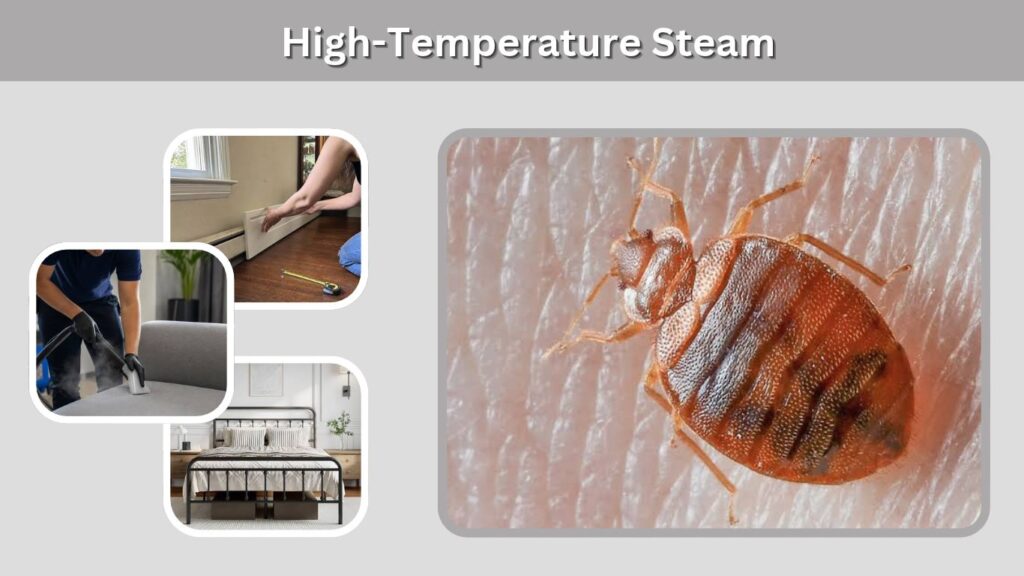
Steam is one of the most useful home treatment methods for bed bugs because it can kill insects and eggs when sufficient heat reaches them.
Bed bugs are vulnerable to high temperatures, and properly applied steam can penetrate some fabric surfaces and shallow hiding places.
Steam treatment is particularly useful for:
- Mattress seams and edges.
- Bed frames and headboards.
- Upholstered furniture.
- Carpet edges.
- Baseboards and accessible cracks.
- Furniture joints and crevices.
How to Use Steam Against Bed Bugs
Choose a steam cleaner suitable for pest treatment. The steam reaching the treated surface must be sufficiently hot, generally at least 130°F (54°C).
Move the steam attachment slowly across accessible hiding places, allowing enough time for heat to penetrate the material.
Avoid using a powerful jet of steam because it may scatter live bed bugs before killing them.
Keep steam away from electrical outlets and equipment, and follow the manufacturer’s instructions to prevent burns or damage to furniture.
Important: Steam kills only the bed bugs and eggs that receive sufficient heat. Hidden insects may survive, so repeated inspections and additional treatments are often necessary.
2. Clothes Dryer on High Heat
Using a clothes dryer is one of the most dependable household methods for eliminating bed bugs from washable and heat-tolerant belongings.
The combination of high temperature and sufficient exposure time kills adult bed bugs, nymphs, and eggs.
How to Kill Bed Bugs in Clothing and Bedding
Follow these steps:
- Carefully place infested clothing, sheets, and pillowcases into sealed bags.
- Transfer the items directly into the dryer without spreading insects.
- Select a high-heat setting appropriate for the fabric.
- Run the dryer for at least 30 minutes at high heat.
- Place treated items in clean, sealed bags until the surrounding infestation is controlled.
Washing alone may not kill every bed bug or egg. The dryer treatment is especially important.
This method is useful for clothing, blankets, pillowcases, and other items that can safely withstand the required heat.
However, a clothes dryer cannot treat large mattresses, wooden bed frames, or an entire bedroom.
3. Vacuuming Bed Bugs and Their Eggs
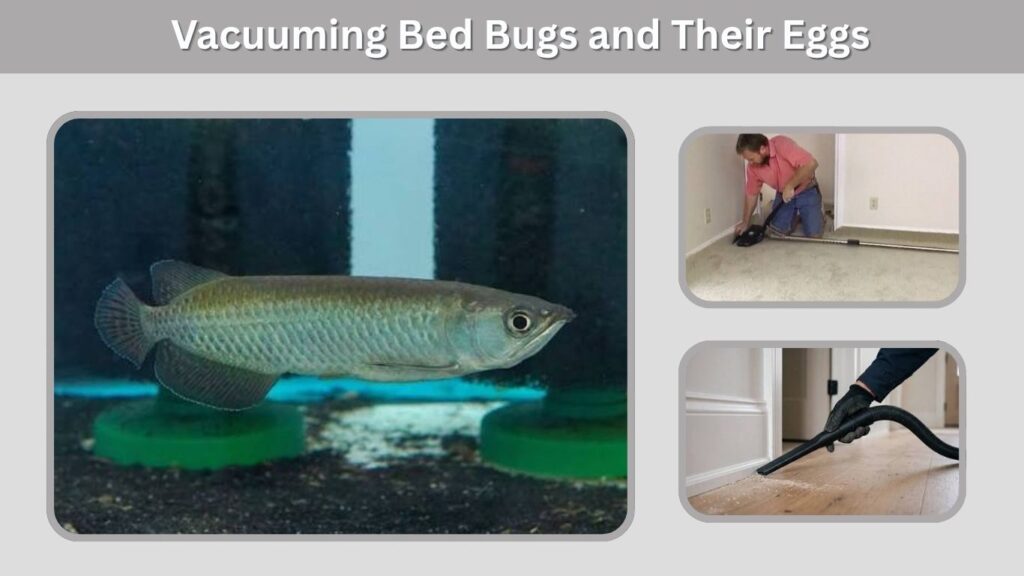
Vacuuming is another useful household method for reducing bed bug populations.
Although vacuuming does not necessarily kill bed bugs instantly, it can physically remove visible insects, eggs, and shed skins from accessible surfaces.
Use a vacuum cleaner with a narrow crevice attachment to reach:
- Mattress seams.
- Bed frame joints.
- Baseboards.
- Carpet edges.
- Furniture cracks.
- Areas beneath and behind the bed.
Move carefully across these surfaces, paying particular attention to locations where live bed bugs have been observed.
After vacuuming, immediately empty the contents into a sealed bag and dispose of it in an outdoor trash container.
Clean the vacuum attachments according to the manufacturer’s instructions.
Vacuuming should be combined with heat treatment and monitoring because insects hiding deeper inside furniture may remain unaffected.
Does Baking Soda Kill Bed Bugs Instantly?
No. Baking soda is not a proven or reliable method for killing bed bugs.
Some websites recommend sprinkling baking soda around mattresses, furniture, and carpets to absorb moisture from bed bugs and cause dehydration.
However, there is insufficient scientific evidence that ordinary baking soda effectively dehydrates and kills bed bugs under household conditions.
Bed bugs have a protective outer covering that helps prevent moisture loss. Simply covering an area with baking soda does not reliably eliminate them.
Why Baking Soda Is Not an Effective Treatment
Several problems make baking soda unsuitable for bed bug control:
- It does not reliably kill adult bed bugs.
- It is not proven to destroy bed bug eggs.
- It cannot reach insects hiding deep inside furniture.
- It provides no dependable residual protection.
- Using it may delay effective treatment.
Baking soda should not be confused with specially formulated pesticide dusts designed to damage insects’ protective outer coatings.
If you find bed bugs in your mattress, steam treatment, careful vacuuming, and professional pest management are more dependable options.
Does Vinegar Kill Bed Bugs Instantly?
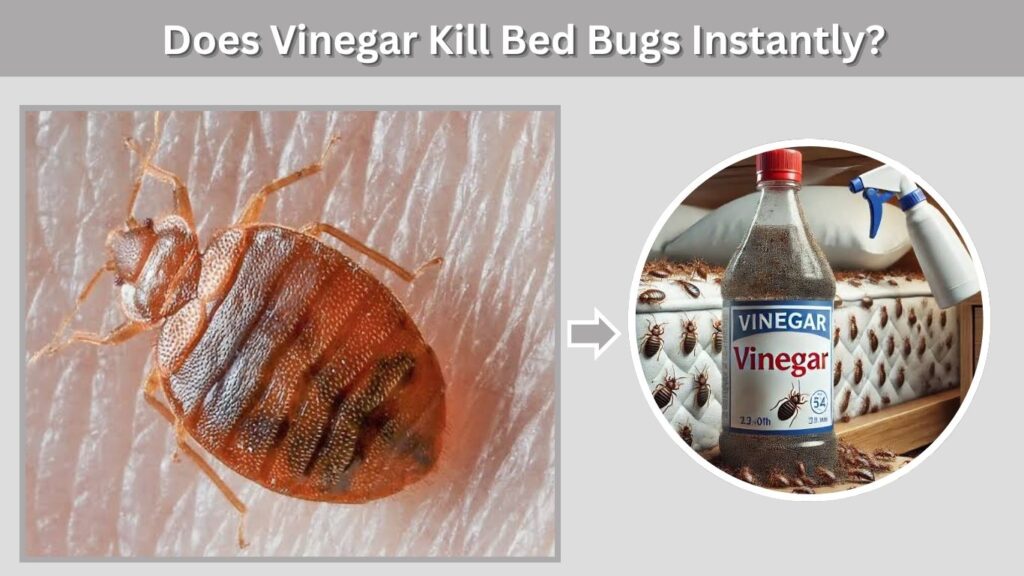
White vinegar is another frequently recommended home remedy for bed bugs.
Vinegar contains acetic acid, which can affect some insects under certain conditions. However, ordinary household vinegar is not a scientifically established treatment for controlling bed bug infestations.
Even if direct exposure affects an individual insect, spraying vinegar around a bedroom will not reliably eliminate hidden bed bugs or their eggs.
Why Vinegar Is Not Recommended
Vinegar has several important limitations:
- It does not reliably kill bed bug eggs.
- It has no dependable long-lasting effect.
- It cannot reach deeply hidden insects.
- It may damage certain fabrics and furniture finishes.
- It does not prevent surviving bed bugs from reproducing.
Spraying vinegar on mattresses, bedding, and bedroom furniture may create odors and moisture problems without providing meaningful pest control.
For these reasons, vinegar should not be used as the main method for eliminating bed bugs.
Can Rubbing Alcohol Kill Bed Bugs Instantly?
Rubbing alcohol is sometimes promoted as a fast-acting bed bug killer.
Alcohol may kill some bed bugs when sprayed directly onto them. However, research has found that common rubbing alcohol products do not reliably kill all exposed insects.
More importantly, rubbing alcohol is highly flammable.
Spraying it onto mattresses, bedding, carpets, or furniture can create a serious fire hazard.
Alcohol also evaporates quickly, leaving little opportunity to affect bed bugs hiding inside cracks or protected spaces.
Because of its limited effectiveness and significant safety risks, rubbing alcohol is not recommended for bed bug treatment.
Never use gasoline, kerosene, or other flammable household chemicals to eliminate bed bugs.
Do Essential Oils Kill Bed Bugs?
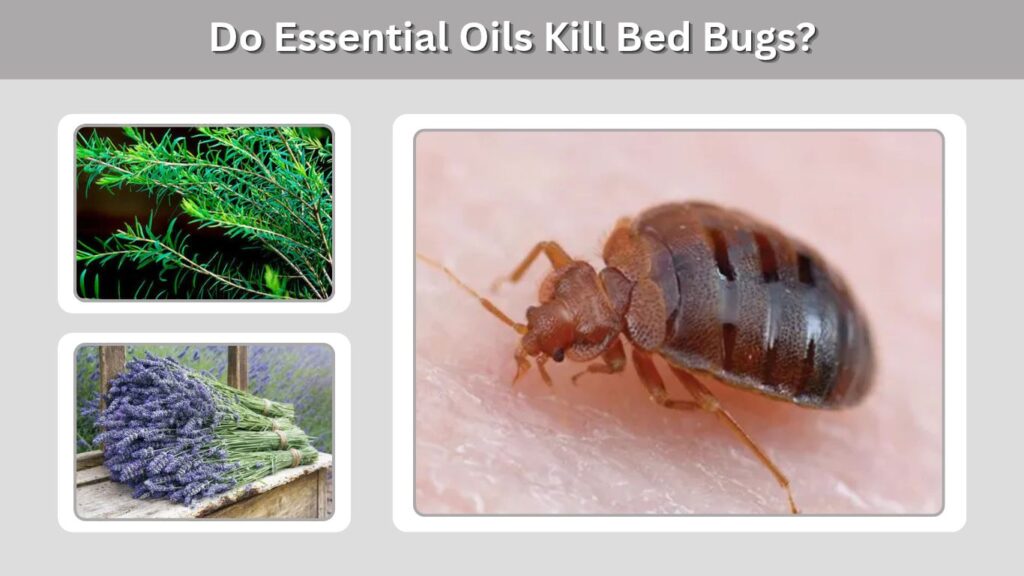
Essential oils such as peppermint, tea tree, lavender, eucalyptus, and clove oil are often advertised as natural bed bug remedies.
Some plant-derived compounds have demonstrated insecticidal effects under controlled laboratory conditions.
However, this does not mean that ordinary homemade essential oil mixtures can reliably eliminate bed bugs from a home.
Many essential oil treatments have limited effectiveness, particularly against eggs and insects hiding inside furniture.
Strong concentrations can also irritate the skin or respiratory system, and certain oils may be harmful to pets.
While some commercially formulated botanical pesticides have been tested for bed bug control, homemade oil sprays should not be considered a dependable replacement for established treatment methods.
How to Get Rid of Bed Bugs Permanently at Home
Permanently eliminating bed bugs requires more than killing the insects you can see.
A successful treatment must address adult bed bugs, developing nymphs, eggs, and hidden populations.
Step 1: Identify the Infested Areas
Inspect mattresses, bed frames, furniture, baseboards, and nearby cracks.
Look for live insects, dark fecal spots, pale shed skins, and small whitish eggs.
Step 2: Treat Bedding and Clothing
Place suitable fabrics in a clothes dryer on high heat for at least 30 minutes.
Keep treated belongings separate from potentially infested items.
Step 3: Vacuum and Apply Steam
Carefully vacuum accessible hiding places, then use appropriate steam equipment on surfaces that can tolerate treatment.
Do not assume that treating the mattress alone will eliminate every insect in the room.
Step 4: Use Mattress Encasements
Install bed bug-proof encasements around the mattress and box spring.
These specially designed covers help trap existing bed bugs and reduce potential hiding places.
Step 5: Install Bed Bug Interceptors
Place interceptor traps under bed legs to help detect bed bug activity.
Keep bedding from touching the floor and move the bed away from walls when practical.
Step 6: Continue Monitoring
Inspect the room regularly for several weeks after treatment.
Bed bugs may survive in untreated hiding places, making follow-up treatment necessary.
For established or widespread infestations, a qualified pest management professional is usually the most dependable option.
Avoid attempting whole-room heat treatment with space heaters, fireplaces, or other improvised heating equipment. These methods are dangerous and often fail to heat hidden areas adequately.
FAQs
1. What Home Remedy Kills Bed Bugs the Fastest?
Properly applied high-temperature steam can kill bed bugs quickly when sufficient heat reaches them directly. A clothes dryer on high heat for at least 30 minutes is another effective treatment for suitable clothing and bedding. Neither method guarantees that every hidden insect in the home has been eliminated.
2. Does Baking Soda Kill Bed Bugs Overnight?
No. There is no reliable scientific evidence that sprinkling ordinary baking soda around a mattress kills bed bugs overnight. It is also not a proven method for destroying bed bug eggs or preventing an infestation.
3. Can White Vinegar Kill Bed Bugs and Their Eggs?
White vinegar is not a dependable treatment for bed bugs or their eggs. It cannot reliably penetrate hiding places or provide lasting control. Proper heat treatment and professional pest management are more effective.
4. What Kills Bed Bugs Instantly and Permanently?
No ordinary household ingredient can guarantee instant and permanent bed bug elimination. Properly applied steam can kill exposed insects quickly, but complete elimination usually requires multiple coordinated treatments, careful inspection, and continued monitoring.
5. Can You Get Rid of Bed Bugs Without Chemicals?
Yes, nonchemical methods can be effective when properly applied. These include professional heat treatment, steam, high-temperature clothes drying, vacuuming, mattress encasements, and monitoring traps. However, severe infestations may require professional treatment that combines several control methods.
