
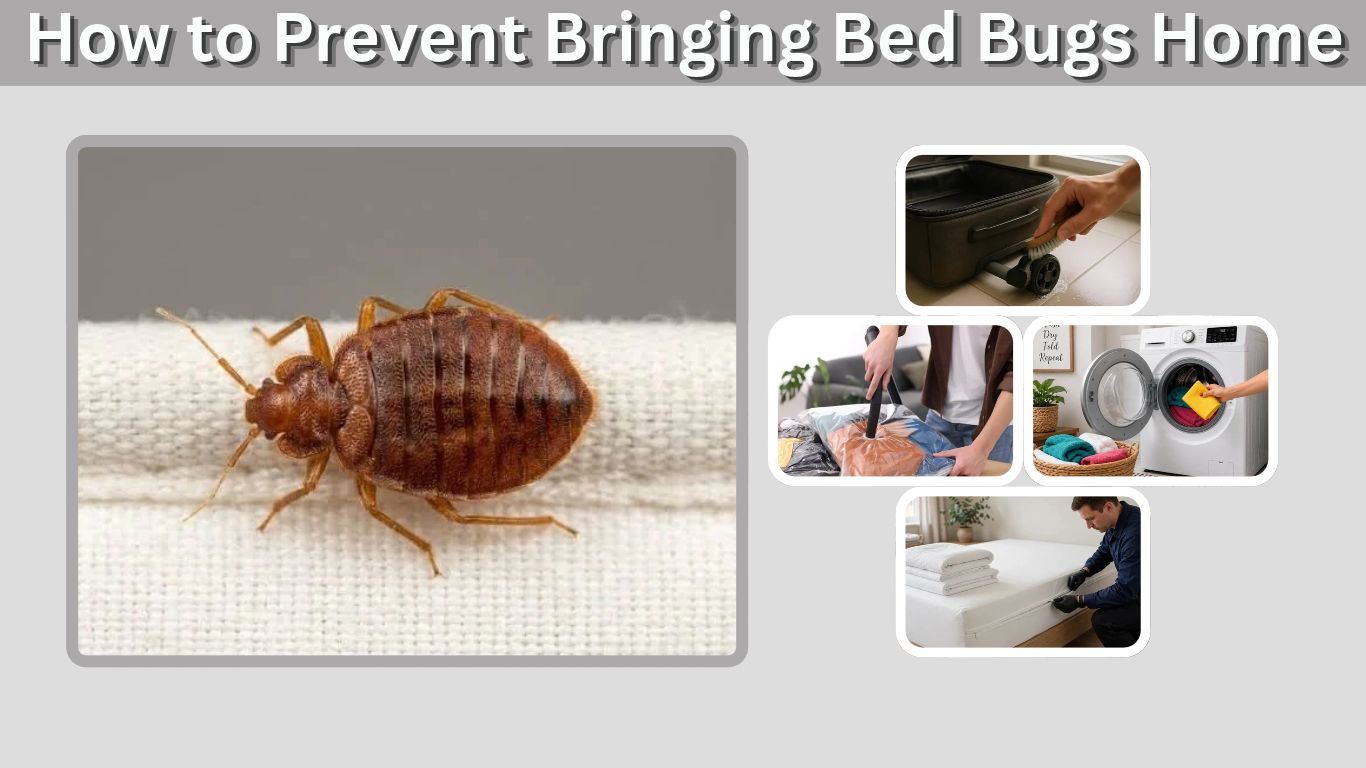
Bed bugs can easily travel from hotels, workplaces, public transportation, and other locations into your home by hiding inside luggage, clothing, backpacks, and personal belongings. These small insects are excellent hitchhikers, making prevention especially important after traveling or visiting potentially infested places. Learning how to prevent bringing bed bugs home can help you avoid an infestation that may be difficult and expensive to eliminate. Simple precautions, including inspecting hotel rooms, keeping luggage away from beds, washing travel clothes, and checking secondhand furniture, can significantly reduce the risk. This guide explains practical ways to keep bed bugs from entering and spreading throughout your home.
How Do Bed Bugs Get Into Your Home?
Bed bugs usually enter homes by accidentally traveling on personal belongings or furniture. They cannot fly or jump, but their flattened bodies allow them to hide in narrow spaces and move unnoticed between locations.
Hotels, shared accommodations, workplaces, schools, and public spaces can occasionally provide opportunities for exposure. However, visiting these places does not automatically mean you will bring bed bugs home.
| Possible Source | How Bed Bugs May Enter |
| Hotels and resorts | Hide inside luggage and clothing |
| Public transportation | Transfer onto bags and belongings |
| Workplaces | Hitchhike on backpacks, coats, or personal items |
| Schools | Travel inside backpacks and clothing |
| Secondhand furniture | Hide inside seams, joints, and upholstery |
| Shared laundry facilities | Transfer through infested items or surfaces |
| Apartment buildings | Move through openings between units |
Understanding these pathways helps you take appropriate precautions before introducing potentially infested belongings into your living space.
10 Ways to Prevent Bringing Bed Bugs Home
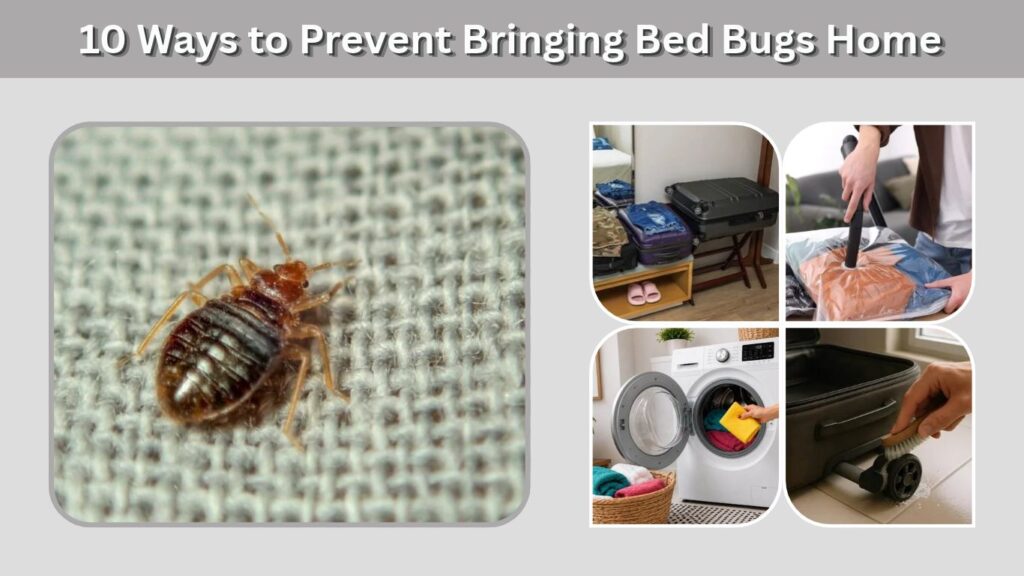
Bed bug prevention begins before you return home. Taking precautions while traveling, handling belongings carefully, and inspecting items before bringing them indoors can substantially reduce your risk.
1. Inspect Hotel Rooms Before Unpacking
Before settling into a hotel room, inspect the bed and surrounding furniture for signs of bed bugs.
Examine mattress seams, headboards, bed frames, and nearby upholstered furniture.
Look for live insects, small black fecal spots, pale shed skins, and tiny whitish eggs.
A flashlight can help illuminate narrow spaces where bed bugs commonly hide.
If you discover evidence of bed bugs, notify hotel management and request alternative accommodation away from the affected area.
2. Keep Luggage Away From Beds and Floors
Placing luggage directly on hotel beds, carpets, or upholstered furniture increases the opportunity for bed bugs to enter your belongings.
Use an inspected luggage rack whenever possible.
Keep suitcases closed when they are not being used, and avoid leaving clothing scattered around the room.
Keeping personal belongings elevated and away from sleeping areas reduces potential exposure.
However, always inspect the luggage rack before using it because bed bugs may occasionally hide there.
3. Store Clothing in Sealed Bags
Packing clothing inside sealable plastic bags or suitable packing organizers can help reduce contact with potentially infested surfaces.
Separate clean clothing from worn items throughout your trip.
Avoid storing clothing in hotel drawers or directly on upholstered furniture when you are concerned about bed bugs.
Keep bags closed when items are not needed.
Sealed storage is particularly useful when traveling through several hotels or staying in shared accommodations.
4. Inspect Your Luggage Before Leaving
Before returning home, carefully examine your suitcase, backpack, and other belongings.
Pay particular attention to zippers, seams, pockets, handles, and fabric folds.
Bed bugs can hide in surprisingly small spaces, making them difficult to notice during a quick inspection.
Check clothing and personal belongings before packing them.
If you suspect exposure, place washable items into sealed bags until they can be heat-treated.
5. Unpack Luggage Outside Your Bedroom
When arriving home after traveling, avoid immediately placing your suitcase on the bed or bedroom carpet.
Choose a location where belongings can be inspected and handled easily, such as a laundry area or another suitable hard-surfaced space.
Transfer clothing directly into sealed bags or the washing machine without spreading items throughout the house.
Inspect your suitcase before storing it.
Keeping potentially exposed belongings separate from bedrooms helps reduce the chance of accidentally introducing bed bugs into sleeping areas.
6. Wash and Heat-Dry Travel Clothing
High-temperature drying is one of the most reliable household methods for killing bed bugs in suitable fabrics.
Place heat-tolerant clothing, bedding, and other washable travel items into a clothes dryer on high heat for at least 30 minutes.
This treatment can kill adult bed bugs, nymphs, and eggs when the necessary temperature reaches the items.
Washing alone may not eliminate every bed bug.
After drying, store treated belongings in clean bags or containers until you have finished inspecting your luggage.
Always follow fabric-care instructions to avoid damaging delicate materials.
7. Clean and Inspect Your Suitcase
Suitcases provide numerous hiding places, particularly around seams, wheels, handles, and interior compartments.
After returning from a potentially infested location, inspect these areas carefully.
Use a vacuum cleaner with a narrow attachment to remove accessible insects and debris.
Immediately seal and discard the vacuum contents outside your home.
Vacuuming does not guarantee that every hidden bed bug or egg has been removed.
If you discover signs of infestation, keep the suitcase isolated until an appropriate treatment method has been determined.
Avoid storing potentially infested luggage beneath your bed.
8. Take Precautions After Work or School
Bed bugs can occasionally be transported through workplaces, schools, nursing homes, and other shared environments.
However, they do not usually live permanently on people’s bodies.
If a confirmed infestation has occurred in a location you regularly visit, inspect your bags, clothing, and other belongings before bringing them into sleeping areas.
Avoid placing personal belongings directly on potentially infested furniture.
When exposure is suspected, isolate suitable clothing and heat-dry it before returning it to normal storage.
These precautions are particularly important for people who regularly work inside environments with known bed bug activity.
9. Inspect Secondhand Furniture Before Buying
Used mattresses, sofas, chairs, and wooden furniture may contain hidden bed bugs.
Before bringing secondhand furniture home, inspect seams, joints, cracks, and upholstery.
Look for live insects, eggs, shed skins, and dark spotting.
Avoid collecting discarded mattresses or upholstered furniture from sidewalks or unknown locations.
Even furniture that appears clean can contain hidden insects.
If you cannot inspect or appropriately treat a suspicious item, leaving it behind is usually safer than risking an infestation.
10. Maintain Regular Bed Bug Prevention at Home
Routine home maintenance can help you detect bed bugs early and reduce their available hiding places.
Inspect mattresses and bed frames periodically, especially after traveling or receiving secondhand furniture.
Use bed bug-proof mattress and box spring encasements to reduce hiding opportunities.
Vacuum bedrooms, carpets, and upholstered furniture regularly.
Keep unnecessary clutter away from sleeping areas.
In apartment buildings, sealing suitable cracks and gaps around baseboards and other openings may help reduce movement between neighboring spaces.
These measures support early detection, although they cannot guarantee that bed bugs will never enter your home.
How to Prevent Bed Bugs From Spreading in Your Home
If you discover a bed bug after returning from travel, acting promptly can help prevent a larger infestation.
Begin by confirming that the insect is a bed bug.
Avoid moving potentially infested belongings between bedrooms or other living spaces.
Isolate Potentially Infested Items
Place suspected clothing, bedding, and other small belongings into sealed bags until they can be inspected or treated.
Use high-temperature drying for items that can safely tolerate the process.
Keep treated items separate from untreated belongings.
Do not simply move suspicious furniture into another occupied room, as this may spread the insects.
Monitor Sleeping Areas
Inspect mattress seams, bed frames, headboards, and nearby furniture for additional evidence.
Bed bug interceptors beneath bed legs can help monitor activity.
If you discover multiple live bed bugs, eggs, or other signs of an established infestation, consider contacting a qualified pest management professional.
Early identification and proper treatment can help limit further spread.
Do Home Remedies Prevent Bed Bugs From Entering Your Home?
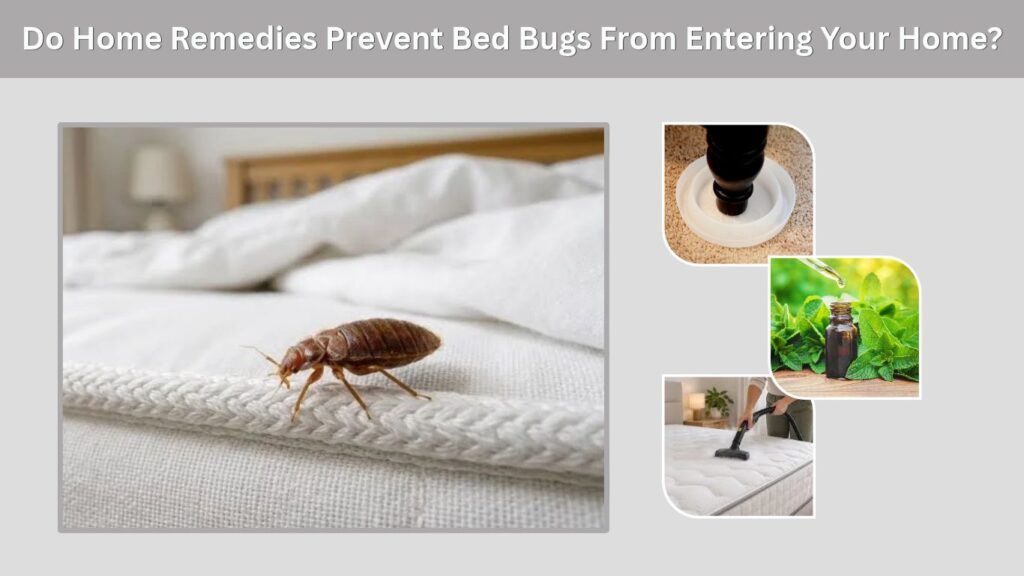
Many people recommend essential oils, vinegar, baking soda, rubbing alcohol, and other household ingredients as natural bed bug prevention methods.
However, these substances are not reliable ways to prevent bed bugs from hitchhiking on luggage or entering a home.
Spraying essential oils around suitcases does not guarantee protection.
Vinegar and baking soda have not been established as effective preventive treatments for bed bug infestations.
Rubbing alcohol should also be avoided because it is flammable and does not provide dependable long-term protection.
Physical inspection, sealed storage, heat treatment, and appropriate pest management are more reliable than homemade sprays.
FAQs
1. How Do You Prevent Bringing Bed Bugs Home From a Hotel?
Inspect hotel mattresses, headboards, and luggage racks before unpacking. Keep suitcases elevated and away from beds, and avoid leaving clothing on upholstered furniture. After returning home, inspect your luggage and heat-dry suitable clothing on high heat for at least 30 minutes.
2. How Can You Prevent Bringing Bed Bugs Home From Work?
If bed bugs have been confirmed at your workplace, avoid placing bags and personal belongings on infested furniture. Inspect your belongings before returning home. When exposure is suspected, keep potentially affected clothing separate and heat-treat suitable items before storing them.
3. Can Bed Bugs Come Home With You on Your Clothes?
Yes. Bed bugs can occasionally hitchhike on clothing, particularly when garments have been placed near infested furniture or bedding. However, bed bugs generally prefer hiding in protected spaces rather than remaining on moving people. Inspecting and heat-drying potentially exposed clothing reduces the risk.
4. What Is the Best Way to Prevent Bed Bugs at Home Naturally?
The most effective nonchemical prevention methods include inspecting belongings, reducing clutter, vacuuming regularly, using mattress encasements, and heat-drying potentially exposed clothing. Homemade essential oil sprays, vinegar, and baking soda are not dependable substitutes for these measures.
5. What Should You Do if You Accidentally Bring Bed Bugs Home?
Isolate potentially infested belongings immediately and inspect the surrounding area. Heat-dry suitable clothing and bedding, carefully vacuum accessible hiding places, and monitor sleeping areas for additional activity. If you discover evidence of an established infestation, contact an experienced pest control professional for proper treatment.
