
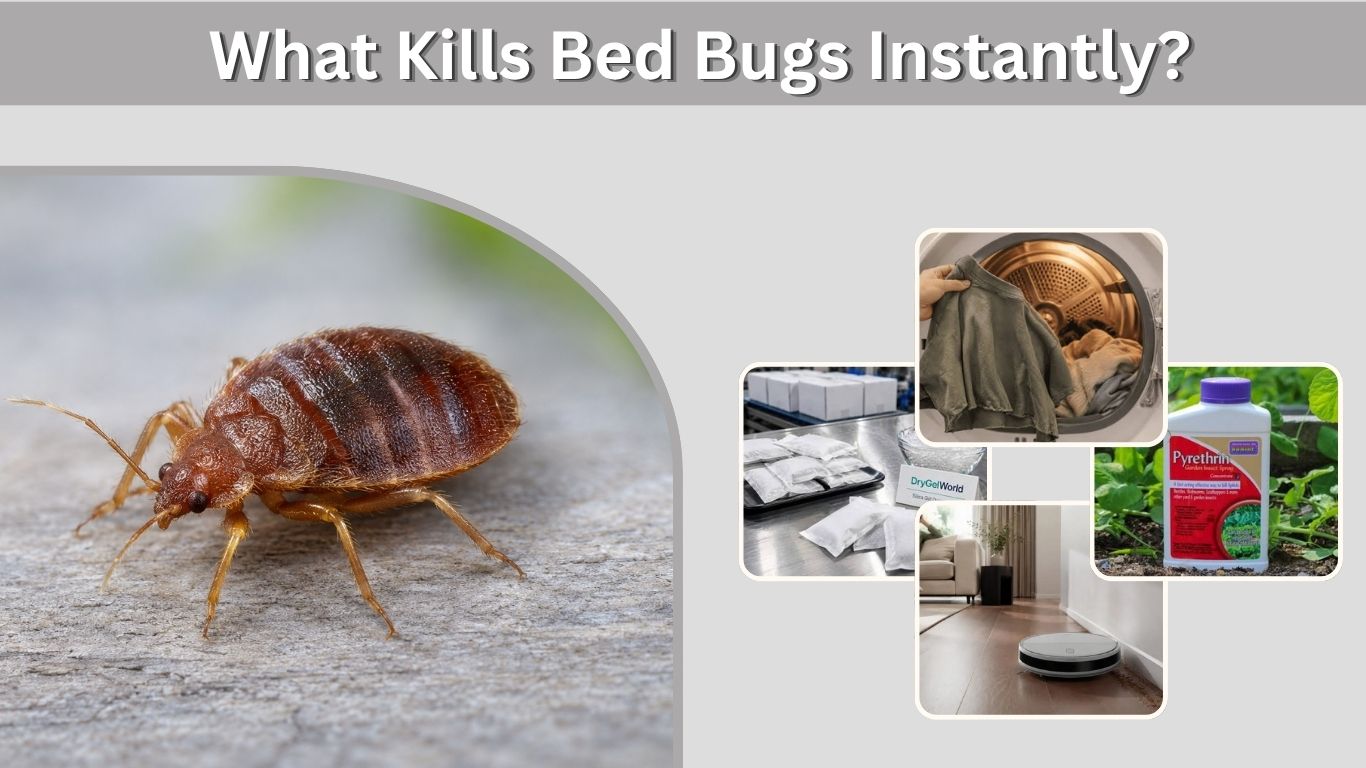
If you spot bed bugs on your mattress, you probably want to know what kills bed bugs instantly. Direct heat and some labeled insecticides can kill exposed insects quickly, but that is different from eliminating an infestation. Bed bugs hide in seams and cracks, while eggs can survive incomplete treatment. There is no dependable overnight shortcut. Knowing which methods kill on contact, destroy eggs, or require repeat treatment can help you choose a safer approach.
What Kills Bed Bugs Instantly on Contact?
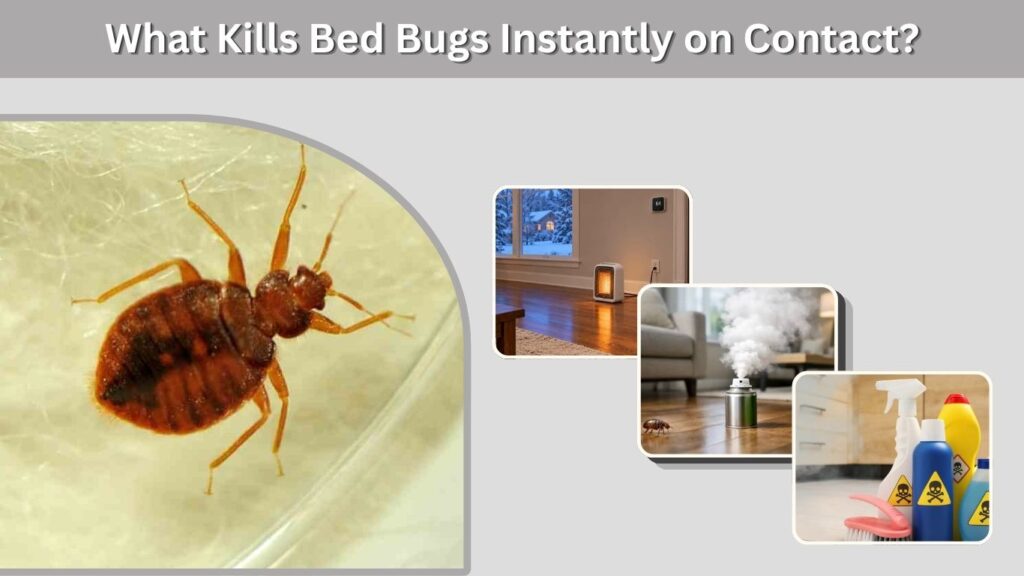
Several treatments can kill exposed bed bugs rapidly. Their effectiveness depends on whether the treatment actually reaches the insects and whether it is used correctly.
1. Direct Exposure to High Heat
Heat is a dependable nonchemical method. A room or object must remain hot enough, long enough, to reach insects hidden inside materials. Briefly heating a visible spot with a hair dryer is not a reliable whole-room treatment.
2. Steam Treatment
Steam can kill bed bugs on contact when sufficient heat reaches them. It is useful for mattress seams, upholstery, and cracks. The U.S. Environmental Protection Agency recommends at least 130°F (54°C) and warns against forceful airflow that scatters bugs. Keep moisture away from outlets and sensitive surfaces.
3. Registered Bed Bug Contact Sprays
Some labeled insecticides kill directly contacted bugs, but results vary with ingredients, application, and resistance. Use products registered for your location and approved for the treated surface. Never spray skin, or bedding and mattresses unless specifically permitted by the label.
4. Vacuuming Visible Bed Bugs
Vacuuming quickly removes exposed insects without necessarily killing them. Clean bed frames, furniture joints, carpets, and baseboards. Seal vacuum contents immediately and dispose of them outside. Vacuuming supports other treatments; it is not a stand-alone cure.
What Temperature Kills Bed Bugs and Their Eggs?
Exposure time is as important as temperature. Heat must reach the insects and eggs, not just the surrounding air.
| Treatment | Temperature or setting | Important requirement |
| Bed bug body temperature | Around 113°F (45°C) | Reaching this temperature can be lethal, but exposure conditions matter |
| Controlled heat treatment | At least 120°F (49°C) | Sustained heating, around 90 minutes or longer, to reach hidden eggs |
| Household clothes dryer | High heat | About 30 minutes for dryer-safe items |
| Steam cleaner | At least 130°F (54°C) | Sufficient direct heat must reach the bugs |
| Freezer treatment | 0°F (-18°C) | Keep bagged items at this verified temperature for at least three days |
Does a Clothes Dryer Kill Bed Bugs Instantly?
Not literally instantly, but it is one of the easiest reliable household treatments. The EPA advises drying clothing, bedding, and other dryer-safe items on high heat for 30 minutes to kill bed bugs and eggs. Washing alone may not be enough. Carry infested laundry in sealed bags and store treated items separately to prevent reinfestation.
Can Cold Temperatures Kill Bed Bugs?
Freezing requires prolonged exposure: 0°F (-18°C) for at least three days. Many home freezers fluctuate, so use a thermometer. Leaving furniture outdoors in cold weather is unreliable because insects may remain protected inside it.
What Chemical Kills Bed Bugs and Their Eggs?
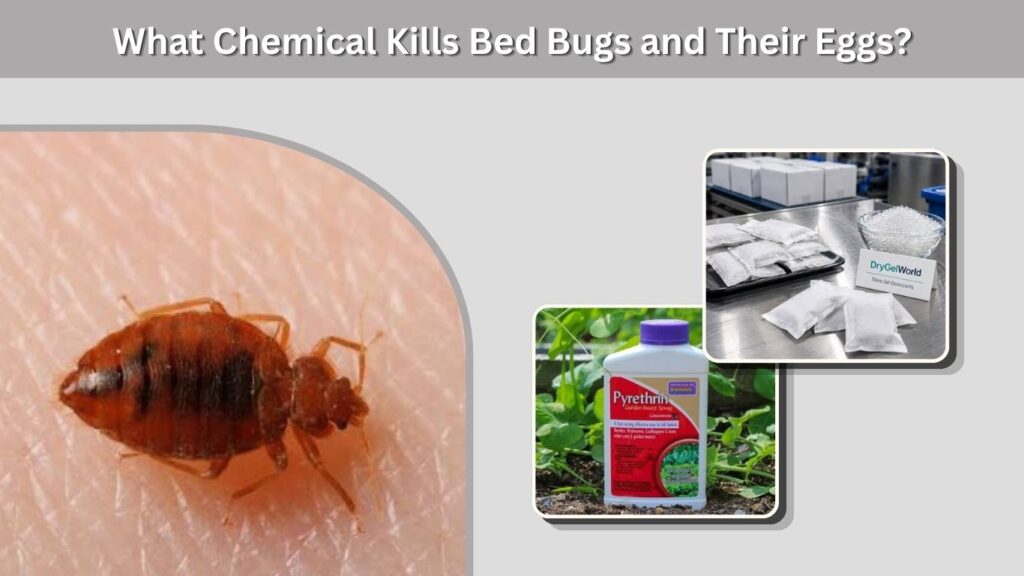
Different pesticide classes work in different ways. Some offer quick contact activity, while others act slowly or interfere with insect development. No single chemical is guaranteed to eliminate every population or reach every egg.
Pyrethrins and Pyrethroids
These ingredients are used in some registered bed bug sprays and can kill susceptible insects through direct exposure. However, resistance to pyrethroids is a known problem, so a product may perform poorly against certain infestations. Applying extra pesticide does not safely solve resistance. Always follow label directions.
Desiccant Dusts
Certain registered desiccants damage bed bugs’ protective outer layer, eventually causing them to dry out. They can be useful as part of professional or carefully labeled treatment, but they do not kill instantly. Do not substitute pool-grade or food-grade diatomaceous earth: inhaling inappropriate dusts can be harmful.
Other Registered Insecticides
Some bed bug products contain other active-ingredient classes or combinations designed to address resistant populations. Certain formulations affect adult bugs, while others reduce egg hatching or insect development. Their success depends on product labeling and correct application. For established infestations, professional selection and treatment are often preferable.
What Home Remedies Kill Bed Bugs Instantly?
Online tips frequently promise an easy fix using products already in the kitchen. Most are unreliable for eliminating hidden bugs and eggs, and some are dangerous.
| Home remedy | Does it reliably eliminate bed bugs? |
| Rubbing alcohol | May kill directly contacted bugs but is dangerously flammable; do not use |
| Vinegar | Not a reliable infestation treatment |
| Baking soda | No dependable evidence that sprinkling it eliminates bed bugs |
| Tea tree, lavender, or peppermint oil | Fragrance and possible contact effects do not establish effective whole-room control |
| Hair dryer | Cannot reliably heat every hiding place or egg |
| Bug bombs or foggers | Cannot be relied on alone because spray misses cracks and crevices |
Do Essential Oils Kill Bed Bugs?
Some oils have shown insecticidal effects under particular experimental conditions, but that does not mean a homemade oil spray will clear an infested bedroom. Concentration, direct contact, and exposure time all matter. Essential oils may also irritate people or harm pets. Use established bed bug control methods instead.
Why Is Rubbing Alcohol a Bad Idea?
Alcohol can kill exposed bed bugs through direct contact, which explains its popularity online. However, it evaporates quickly, does not reach hidden insects reliably, and presents a serious fire hazard. The EPA warns against using rubbing alcohol, kerosene, or gasoline for bed bug control.
What Kills Bed Bugs Permanently?
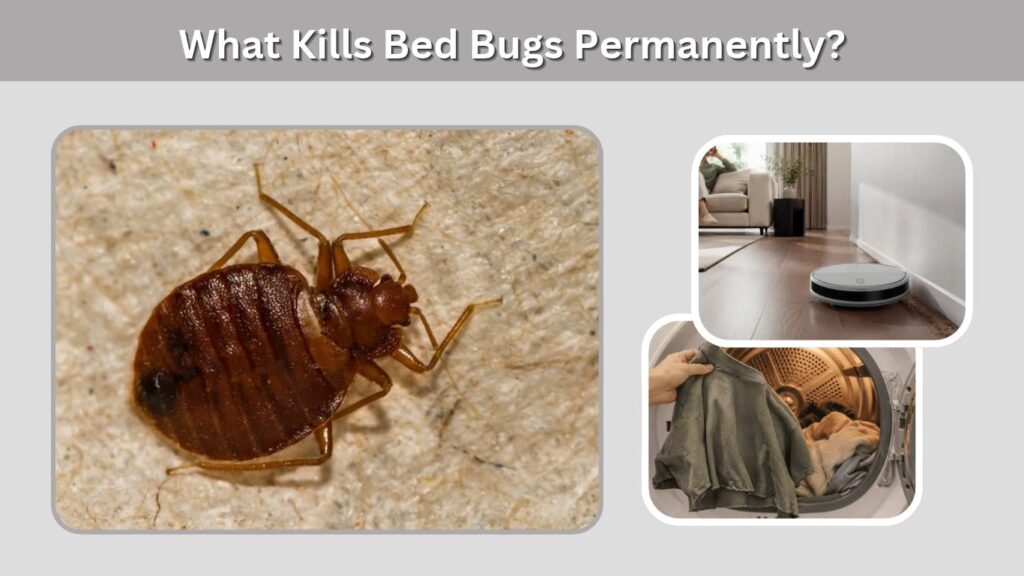
Permanent control means eliminating the present infestation and reducing the chance of bringing bed bugs back. A combination of methods—often called integrated pest management—is more dependable than a single spray.
- Inspect and identify: Confirm bed bugs in mattress seams, furniture, and surrounding rooms.
- Contain belongings: Seal affected clothing and loose items before moving them.
- Heat-treat fabrics: Dry eligible items on high heat and isolate them after treatment.
- Vacuum and steam: Target accessible cracks, seams, and furniture surfaces.
- Protect the bed: Install bed bug mattress encasements and interceptor traps under bed legs.
- Address hidden insects: Arrange appropriate pesticide or professional treatment when needed.
- Monitor repeatedly: Inspect at least weekly and follow the treatment plan until activity stops.
In apartments, inform property management when an infestation is confirmed. Nearby units may require inspection; otherwise, bed bugs may continue moving between living spaces.
Can You Kill All Bed Bugs Overnight?
You may kill many exposed bed bugs in a day, especially in dryer-safe items, but complete overnight elimination is uncommon. Eggs and concealed insects may survive incomplete treatment. Even professionally administered heat treatment requires careful preparation and follow-up monitoring. Avoid products claiming that one application permanently kills every bed bug in a house.
FAQs
1. What is the fastest way to kill bed bugs at home?
High-heat drying is a reliable way to kill bed bugs in washable, dryer-safe items. Vacuuming removes visible insects, and properly applied steam can kill bugs on suitable surfaces. A complete infestation still requires inspection, containment, and follow-up treatment.
2. What kills bed bug eggs instantly?
Sufficient direct heat can kill bed bug eggs, but the temperature must reach the eggs themselves. High-heat drying and professionally controlled heat treatments are reliable options. Sprays may miss hidden eggs, so follow-up inspections and retreatment are often necessary.
3. Does vinegar kill bed bugs permanently?
No. Vinegar is not a dependable solution for eliminating bed bugs and their eggs. Even if directly applying a liquid affects a visible insect, it will not reliably reach hidden populations. Use proven heat, vacuuming, encasements, and appropriate pest control.
4. What spray kills bed bugs on contact?
Some registered bed bug insecticides have contact-killing activity, but effectiveness varies with formulation and insect resistance. Choose products specifically labeled for bed bugs and the intended surface. Never substitute household chemicals or apply extra pesticide beyond the label instructions.
5. Can bed bugs become resistant to insecticides?
Yes. Some bed bug populations have developed resistance to certain insecticides, particularly some pyrethroids. This can make repeated spraying less effective. A professional can assess treatment options and combine appropriate pesticides with heat, physical removal, and monitoring.
