
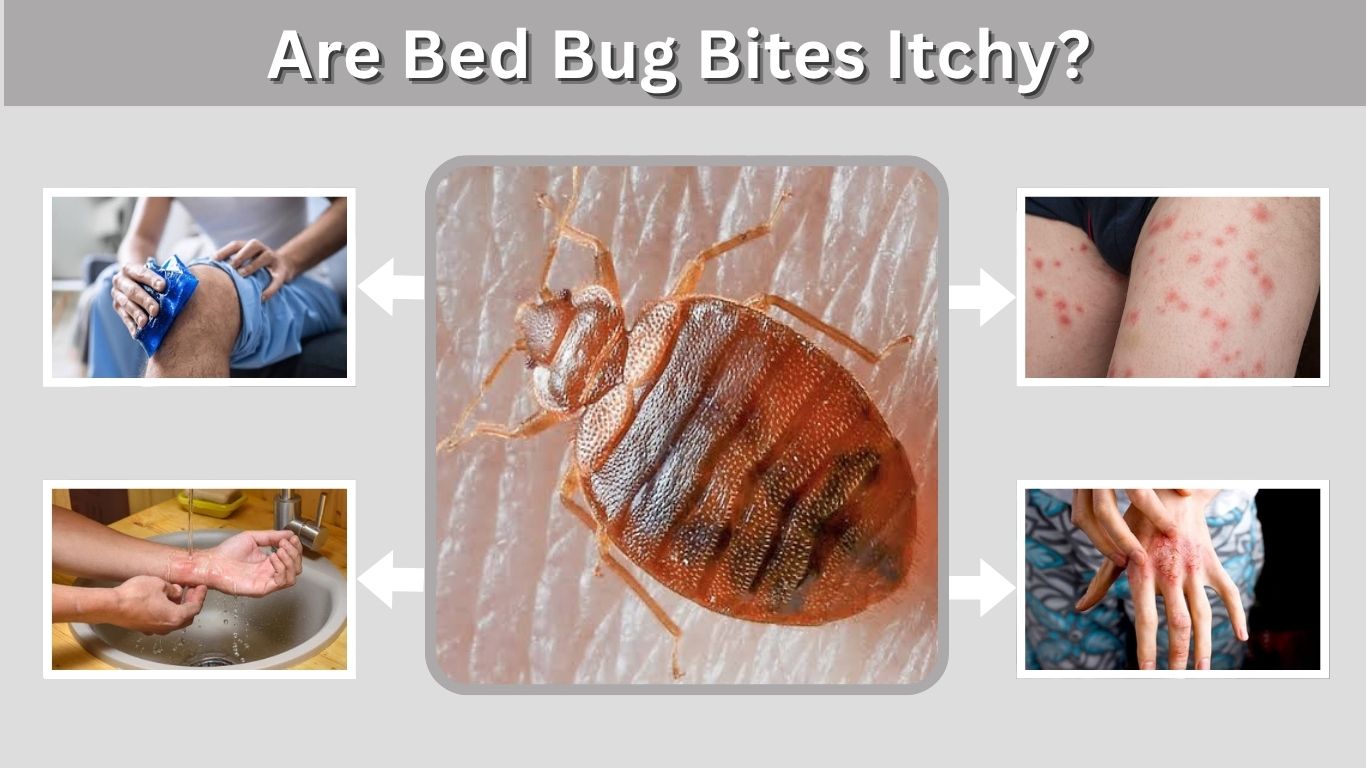
Yes, bed bug bites are often itchy, but reactions vary. Some people develop itchy bumps or raised welts, while others have no visible marks. Itching may begin soon after a bite or several days later. Although bites usually heal on their own, scratching can irritate the skin or cause infection. Here is why bed bug bites itch, how long symptoms last, and how to find relief.
Are Bed Bug Bites Always Itchy?
Bed bug bites commonly itch, but symptoms alone cannot confirm the insect responsible.
Mildly Itchy Bed Bug Bites
Many people notice mildly itchy, raised bumps. Surrounding skin may look red, pink, purple, or darker depending on skin tone. Bites sometimes cluster but can also occur individually. Because the insects often feed during sleep, symptoms may be noticed after waking.
Very Itchy Bed Bug Bites
Some people develop intensely itchy welts, swelling, or blisters. Scratching can worsen irritation and damage skin. If itching disrupts sleep or spreads extensively, ask a healthcare professional or pharmacist for advice.
Bed Bug Bites That Do Not Itch
Some people have no obvious skin reaction even after bed bugs feed. Others react only after repeated exposure. No itching does not rule out an infestation.
Why Are Bed Bug Bites So Itchy?
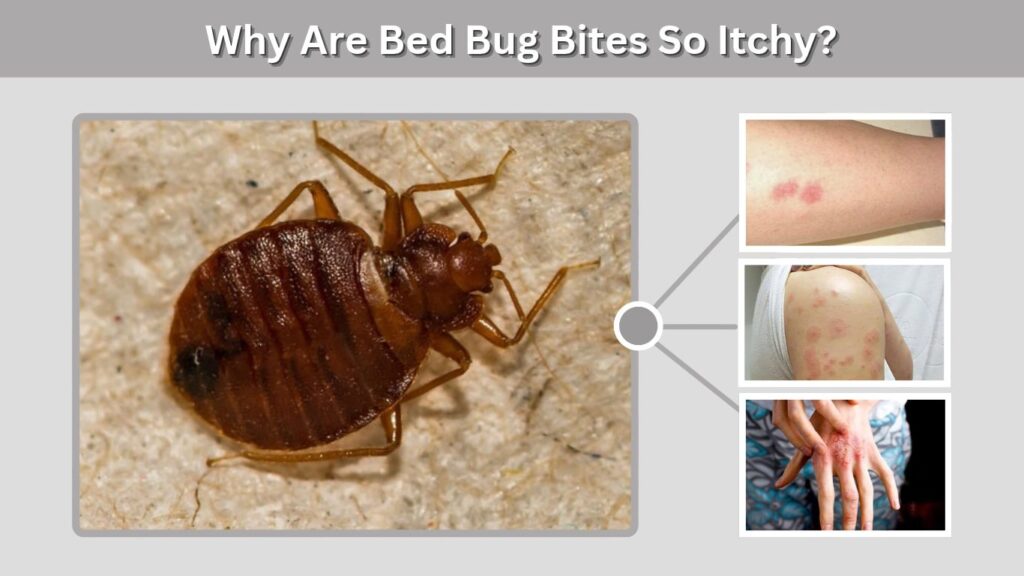
The itching comes mainly from the body’s response to substances introduced during feeding, rather than from the physical puncture alone.
Reaction to Bed Bug Saliva
Bed bugs inject saliva while feeding. The immune system may react to components of that saliva, triggering inflammation. Histamine and other chemicals involved in the reaction contribute to itching, redness, and swelling.
Differences in Skin Sensitivity
One person may develop swollen, itchy welts while someone sleeping nearby has no symptoms. Immune sensitivity and previous exposure can influence reactions. Itch intensity does not reliably indicate how many bed bugs are present.
Irritation From Repeated Scratching
Scratching worsens inflammation and can break the skin, allowing bacteria to enter. Keeping nails short and soothing the skin without scratching helps prevent complications.
What Do Itchy Bed Bug Bites Look Like?
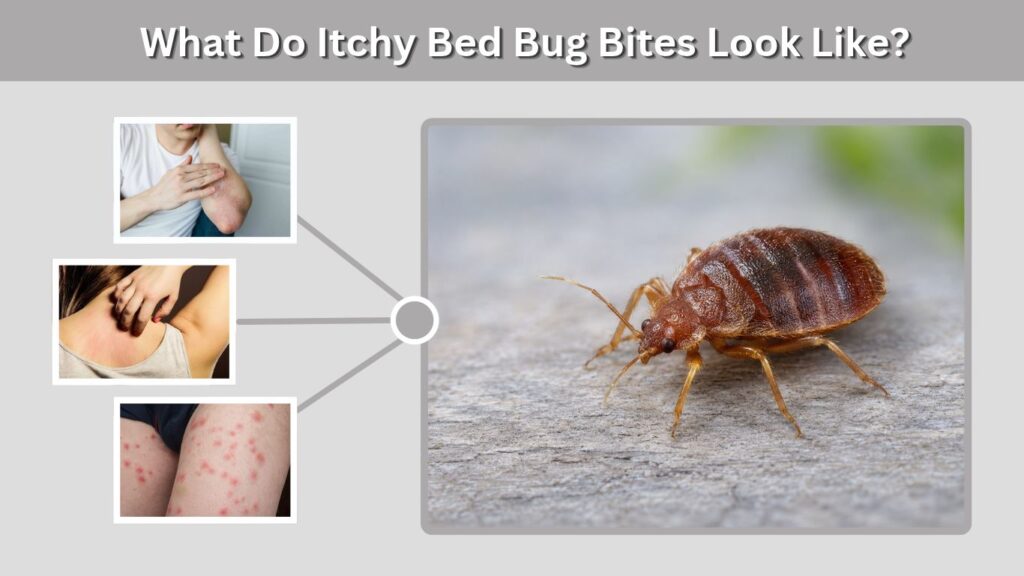
Bed bug bites can resemble mosquito bites, flea bites, or rashes, so examine the sleeping area for supporting evidence.
Common features may include:
- Small, raised bumps or swollen welts.
- Red, pink, purple, or darker patches around the bite.
- Several marks close together or in a line or cluster.
- Itching on exposed areas such as arms, legs, neck, or face.
- Occasionally, larger swollen areas or blisters.
Bed Bug Bites vs. Other Itchy Bites
| Possible cause | Typical appearance or clue | Can itching occur? |
| Bed bugs | Bumps or welts, sometimes clustered; evidence may be found around bedding | Yes, but not in everyone |
| Mosquitoes | Individual or scattered swollen bumps, often after outdoor exposure | Commonly |
| Fleas | Small bumps, often around ankles or lower legs, especially with flea exposure | Commonly |
| Skin irritation or hives | Variable patches or welts without a confirmed insect | Often |
These are only clues, not a diagnosis. A healthcare professional can assess uncertain rashes, while finding and identifying bed bugs provides stronger evidence of an infestation.
How Long Are Bed Bug Bites Itchy?
Itching often improves within days, and bites usually heal within one to two weeks. Strong reactions or repeated scratching may prolong symptoms.
| Time period | What may happen |
| Immediately after a bite | Often no sensation; some people react quickly |
| Hours to several days | Itchy bumps or welts may develop |
| Up to 14 days after exposure | A delayed reaction can first become noticeable |
| Around 1–2 weeks | Most uncomplicated bite marks gradually heal |
| Longer than expected | Persistent irritation, repeated bites, or infection may need assessment |
Why Do Some Bed Bug Bites Itch for So Long?
Long-lasting itch may reflect stronger inflammation or scratching. New bites can appear while older ones heal. If symptoms worsen or remain troublesome after two weeks, seek medical advice.
How to Relieve Itchy Bed Bug Bites
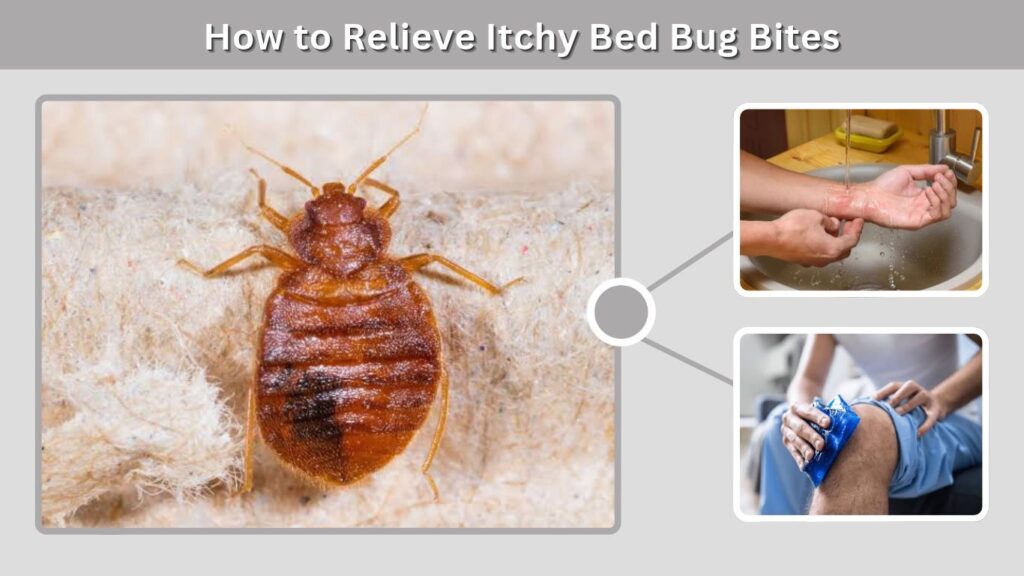
Most uncomplicated bites need only gentle skin care and symptom relief. These steps can reduce discomfort while the marks heal.
1. Wash the Affected Skin Gently
Wash with mild soap and water, then pat dry. This helps keep scratched skin clean. Avoid harsh scrubs or fragranced products that may worsen irritation.
2. Apply a Cool Compress
Use a cool, damp cloth or wrapped cold pack for several minutes. Avoid placing ice directly on skin. Cooling may temporarily ease itching and swelling.
3. Consider an Appropriate Anti-Itch Treatment
An over-the-counter hydrocortisone cream may reduce mild inflammation and itching when used according to its label. An oral antihistamine may also help some people. Ask a pharmacist about age restrictions, pregnancy, other medications, and suitable dosing. Do not apply steroid cream to infected or broken skin without medical advice.
4. Avoid Scratching the Bites
Try pressing gently around an itchy area instead of scratching it. Keep fingernails short and consider covering irritated spots with clean clothing. If a bite becomes increasingly painful, hot, swollen, or starts releasing pus, seek medical advice because an infection may be developing.
How Can You Tell Whether Bed Bugs Caused the Itching?
Itchy bites alone cannot confirm bed bugs. Check mattress seams, bed frames, headboards, and nearby furniture for live insects, shed skins, small pale eggs, or dark fecal spots. Bed bugs are small, flat insects that hide in cracks and usually emerge to feed.
If possible, photograph or safely collect a specimen for identification. Avoid spraying the room based on an uncertain rash, since treating the wrong pest can waste money and create unnecessary chemical exposure.
Can Itchy Bed Bug Bites Cause Serious Problems?
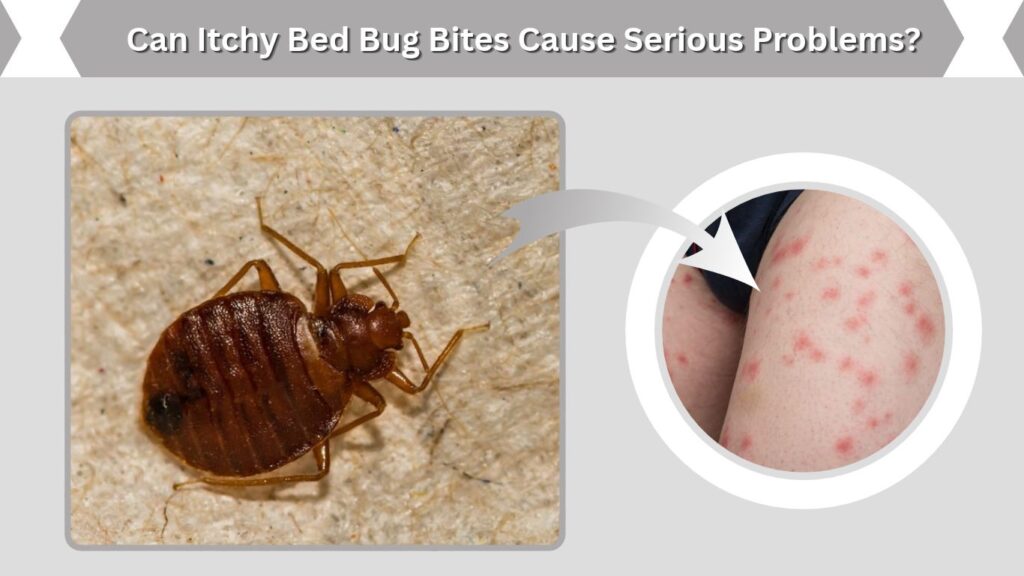
Bed bugs are not known to transmit human diseases through biting. However, their bites can sometimes cause significant discomfort, sleep disruption, allergic reactions, or secondary skin infections caused by scratching.
Seek medical advice if you develop widespread swelling, persistent severe itching, fever, spreading redness, or signs of infection. Difficulty breathing, swelling of the tongue or throat, or faintness after a suspected allergic reaction requires emergency medical attention.
How to Prevent New Itchy Bed Bug Bites
Treating skin symptoms does not remove bed bugs from the home. If an infestation is confirmed, combine practical control measures:
- Dry dryer-safe bedding and clothing on high heat for 30 minutes.
- Vacuum mattress seams, bed frames, and nearby cracks, then dispose of vacuum contents safely.
- Use bed bug mattress encasements and interceptor traps under bed legs.
- Keep affected items contained so insects do not spread to other rooms.
- Arrange professional pest control when infestation is widespread or persistent.
Avoid relying on rubbing alcohol, essential oils, or bug bombs as a quick solution. Effective control usually requires repeated inspections and coordinated treatment.
FAQs
1. Are bed bug bites very itchy?
Bed bug bites can be extremely itchy for some people, while others experience mild irritation or no symptoms. The reaction depends on individual sensitivity. Severe itching may cause swelling and skin damage from scratching, so appropriate symptom relief is important.
2. Do bed bug bites itch immediately?
Not always. Some people notice itching shortly after exposure, while others develop symptoms hours or days later. In certain cases, visible bite reactions may take up to two weeks to appear. Delayed itching does not necessarily indicate a new bite.
3. Why do bed bug bites itch more at night?
Itching may feel worse at night because fewer distractions make skin sensations more noticeable. Bed bugs also commonly feed while people sleep. However, nighttime itching is not unique to bed bugs and cannot identify the cause of a rash.
4. How long does itching from bed bug bites last?
Most uncomplicated bed bug bites heal within one to two weeks, although itching may improve sooner. Strong skin reactions, repeated bites, or scratching can prolong discomfort. Seek medical advice if symptoms worsen, appear infected, or fail to improve.
5. Can bed bug bites appear without itching?
Yes. Some people develop small marks without itching, while others show no visible reaction at all. Skin sensitivity varies considerably, so the absence of itch does not rule out bed bugs. Inspect the sleeping area for physical evidence instead.
