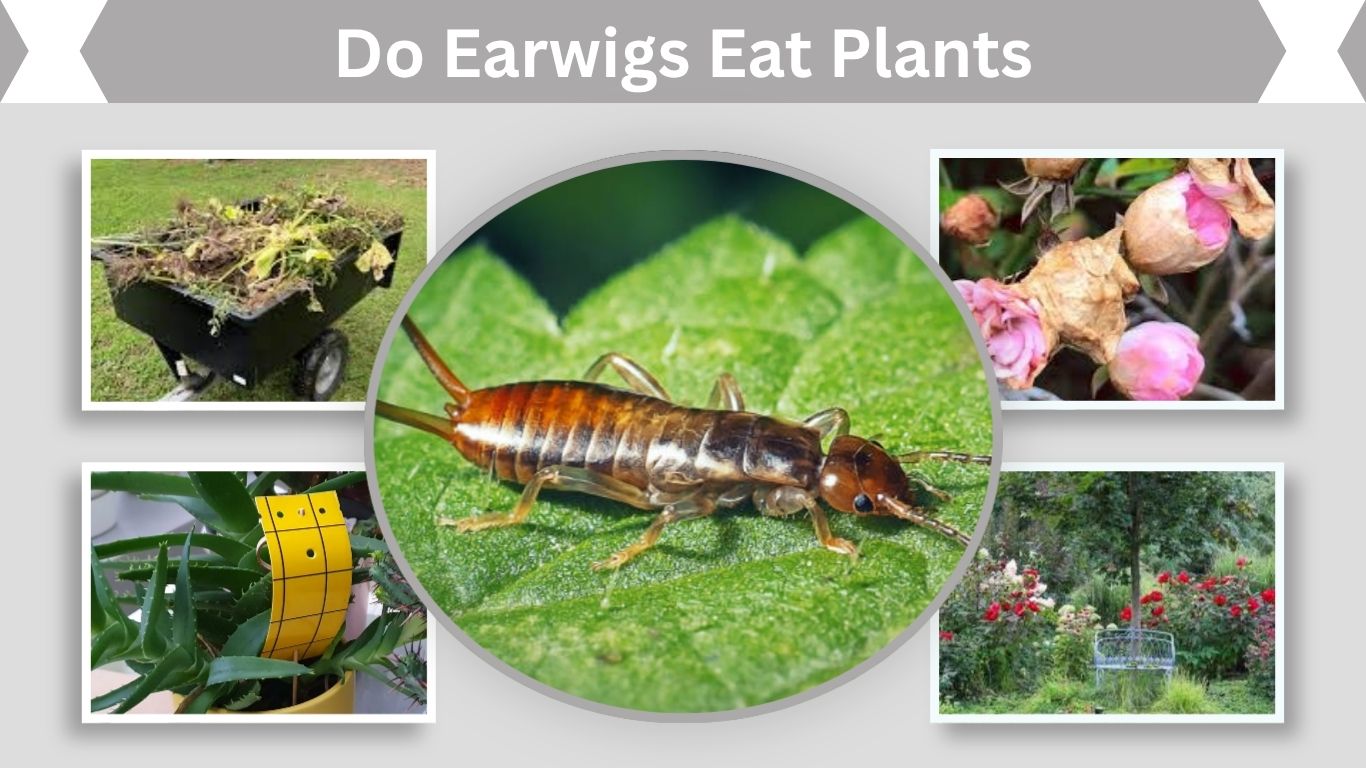
Earwigs are small, nocturnal insects commonly found in gardens worldwide. While they are often viewed as pests, their role in the garden is mixed. They primarily feed on decaying organic matter and small insects, but they can sometimes nibble on live plants, flowers, and vegetables. Gardeners often notice irregular holes in leaves or petals overnight and suspect earwig activity. This article explores what earwigs eat, which plants are at risk, their feeding habits, and practical ways to prevent plant damage effectively.
Do Earwigs Eat Plants?
Earwigs are omnivores with a diet that varies based on availability. While they primarily scavenge, they may consume live plant material when other food sources are limited. Knowing their feeding behavior is essential for distinguishing between beneficial and harmful activity in your garden. Understanding when earwigs are likely to cause damage helps gardeners protect vulnerable plants without unnecessarily eliminating all earwigs.
What Earwigs Usually Eat
Earwigs typically feed on:
- Dead leaves and plant debris – decomposing matter provides nutrients.
- Small insects – such as aphids, mites, or other soft-bodied pests.
- Fungi and mold – they help control fungal growth in damp areas.
- Soft plant tissue – young leaves, petals, or seedlings may occasionally be eaten.
When Earwigs Become a Plant Problem
Earwigs generally avoid mature, healthy plants but may become damaging under certain conditions:
- Abundant hiding spaces – mulch, plant debris, or dense ground cover.
- Tender plants available – seedlings, young vegetables, or soft flowers.
- High earwig population – overcrowding increases plant feeding activity.
Are Earwigs Always Bad for Gardens?
Not all earwig activity is harmful. They contribute to the garden ecosystem by consuming pests and decomposing organic material. Earwigs are considered problematic mainly when visible damage occurs on edible crops or decorative flowers, highlighting the need for selective control rather than full eradication.
What Plants Do Earwigs Eat?
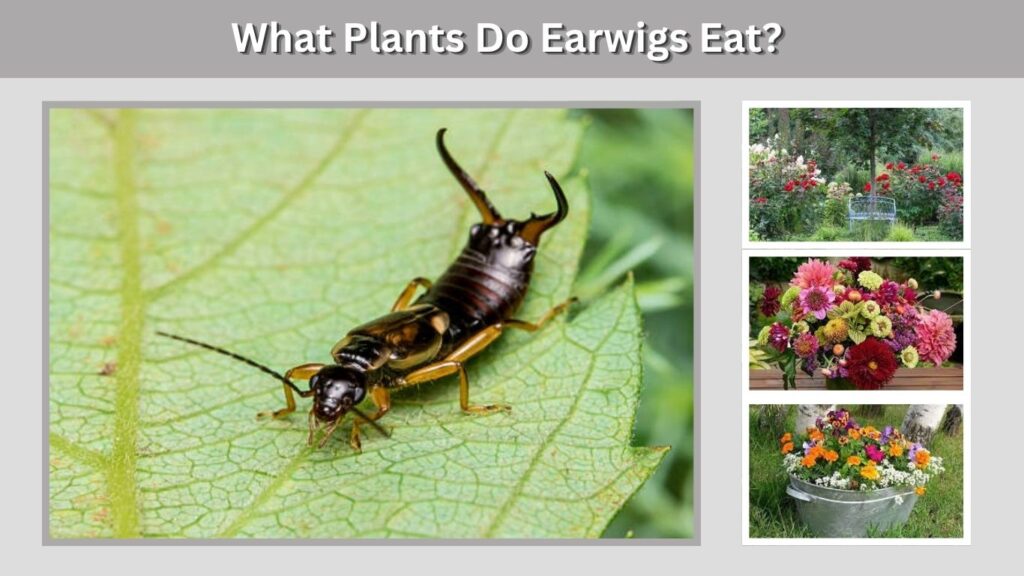
Earwigs are opportunistic feeders, targeting tender and soft plant parts when available. Understanding the plants most susceptible helps gardeners prioritize protection strategies.
Do Earwigs Eat Flowers?
Earwigs are known to feed on flower petals and buds. Commonly affected flowers include:
- Roses and hibiscus – petals may show irregular holes.
- Zinnias and dahlias – buds can be nibbled, affecting blooms.
- Pansies and marigolds – soft petals attract nighttime feeding.
Do Earwigs Eat Vegetable Plants?
Certain vegetables with tender leaves or shoots can be targeted:
- Lettuce, spinach, and other leafy greens – holes appear on young leaves.
- Beans and peas – seedlings and new shoots are at risk.
- Corn silk and young shoots – delicate parts are more vulnerable.
Do Earwigs Eat Tomato Plants?
Tomatoes may attract earwigs, especially soft leaves or bruised fruit. While they rarely destroy entire plants, they can leave ragged holes on leaves or nibble damaged fruit. Night inspections are the most effective way to confirm earwig presence.
Do Earwigs Eat Potted Plants?
Container plants can also be affected, particularly if pots offer hiding places:
- Moist soil – earwigs are drawn to damp conditions.
- Mulch in pots – provides cover and food sources.
- Saucers or debris – act as shelter, attracting nocturnal feeding.
What Parts of Plants Do Earwigs Eat?
Identifying which plant parts are vulnerable helps gardeners determine whether earwig activity is the source of damage.
Do Earwigs Eat Plant Leaves?
Earwigs may chew irregular holes in leaves, particularly young or tender foliage. Damage is usually superficial and does not extend to strong, mature leaves.
Do Earwigs Eat Plant Roots?
Earwigs rarely feed on roots. Root damage in gardens is more likely caused by other pests, such as grubs, fungus gnats, or root-boring insects.
Do Earwigs Eat Fruits and Seedlings?
Earwigs can nibble soft fruit and young seedlings, especially when other food sources are scarce. Damage is often visible as small holes or bite marks, primarily on delicate or newly planted crops.
Do Earwigs Eat Plants at Night?
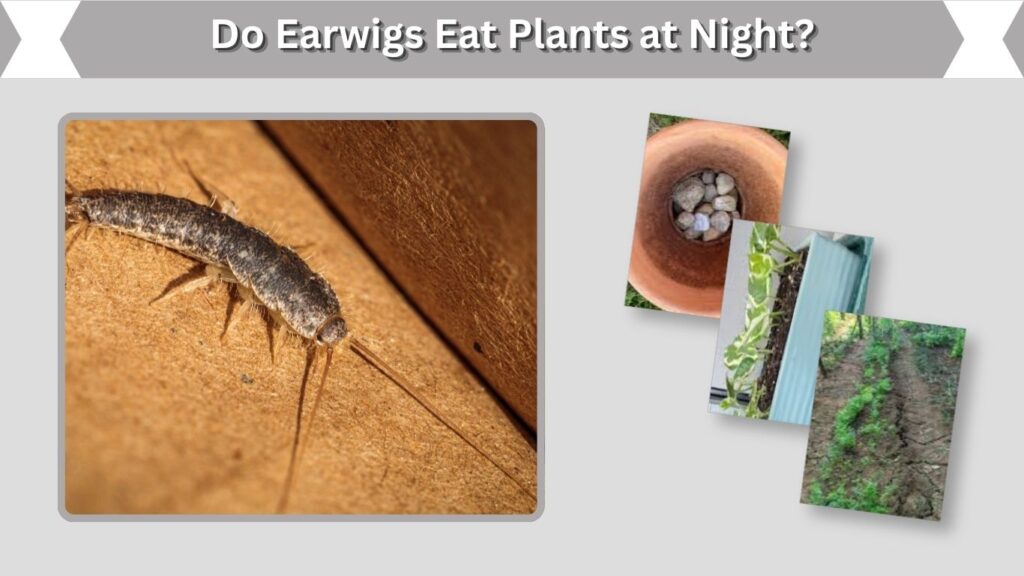
Earwigs are mostly active at night, which is why gardeners often see plant damage in the morning but cannot find the insect during the day. They prefer dark, damp, and protected spaces, then come out after sunset to feed. This nighttime behavior makes them easy to miss unless you inspect your garden after dark.
Why Earwigs Feed Mostly at Night
Earwigs avoid bright sunlight because their bodies can dry out quickly. They feel safer in cool, moist conditions, so they hide during the day and search for food at night. This is why damage to leaves, flowers, and seedlings may appear suddenly overnight.
Where Earwigs Hide During the Day
During the day, earwigs usually stay close to the soil or inside sheltered garden spaces. Common hiding places include:
- Under mulch and leaf litter
- Beneath pots, boards, and stones
- Inside cracks around raised beds
- Under garden containers and saucers
- In thick ground cover or plant debris
How to Check for Earwigs at Night
The easiest way to confirm earwig activity is to inspect plants after dark with a flashlight. Look around damaged leaves, flower buds, and the soil surface near affected plants. You can also place rolled newspaper or cardboard near plants overnight, then check it in the morning for hiding earwigs.
What Does Earwig Plant Damage Look Like?
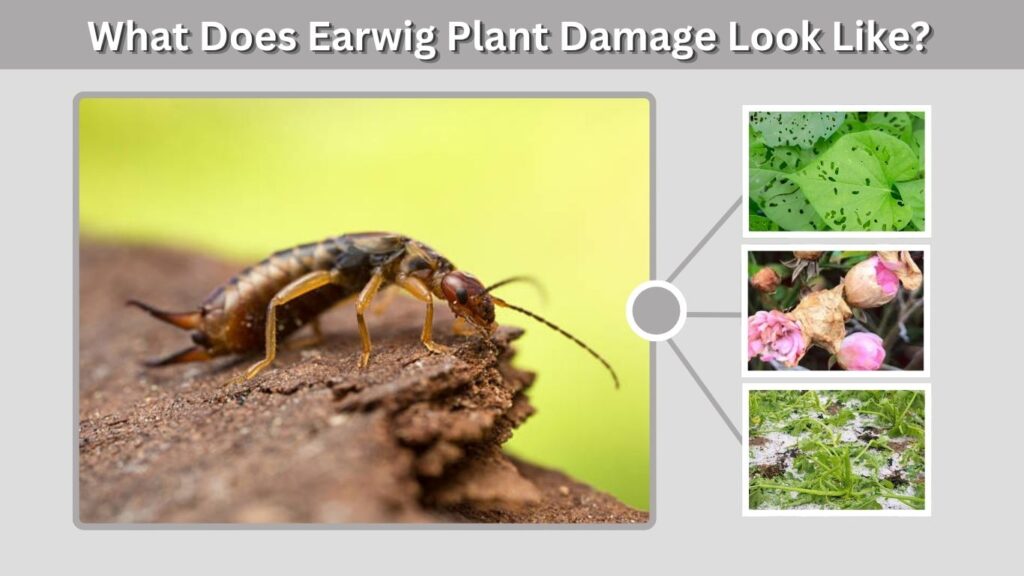
Earwig damage can look similar to damage caused by slugs, caterpillars, beetles, or other chewing pests. Because earwigs feed at night, it is important to look at both the damage pattern and the surrounding conditions. Identifying the correct pest helps you choose the right control method and avoid treating the wrong problem in your garden.
Common Signs of Earwig Damage
Earwig plant damage often appears as rough, uneven chewing marks. You may notice:
- Ragged holes in soft leaves
- Chewed flower petals or buds
- Damaged seedlings
- Small feeding marks on soft fruit
- Damage that appears overnight
Earwig Damage vs. Slug Damage
Slug damage can also appear overnight, but slugs usually leave a shiny slime trail behind. Earwigs do not leave slime. Caterpillars may leave droppings on leaves, while beetles often create more patterned chewing marks. If you see earwigs near the damaged plant at night, they are more likely to be the cause.
How to Confirm Earwigs Are the Cause
Do not rely only on leaf holes to identify earwigs. Check the plant at night, inspect hiding spots during the day, and use simple traps. If earwigs are found in large numbers near damaged plants, they may be responsible for the feeding damage.
Why Are Earwigs Attracted to Your Garden?
Earwigs are attracted to gardens that provide moisture, shelter, and easy food. A garden with thick mulch, wet soil, fallen leaves, and dense plant growth can become an ideal hiding place. While one or two earwigs are not a major concern, large numbers can become a problem when they begin feeding on flowers, vegetables, and seedlings.
Moist Soil and Mulch
Earwigs like damp places. Overwatered soil, thick mulch, and shaded beds create the cool moisture they need. Mulch is helpful for plants, but when it is too deep or constantly wet, it can also become a hiding place for earwigs.
Garden Debris and Dense Growth
Dead leaves, fallen fruit, weeds, and thick plant growth give earwigs protection during the day. Cleaning up garden debris reduces shelter and makes the area less attractive to them.
Easy Food Sources
Earwigs feed on decaying matter, small insects, soft leaves, flower petals, and damaged fruit. If your garden has many food sources and hiding spaces, earwigs are more likely to stay and multiply.
How to Stop Earwigs From Eating Plants
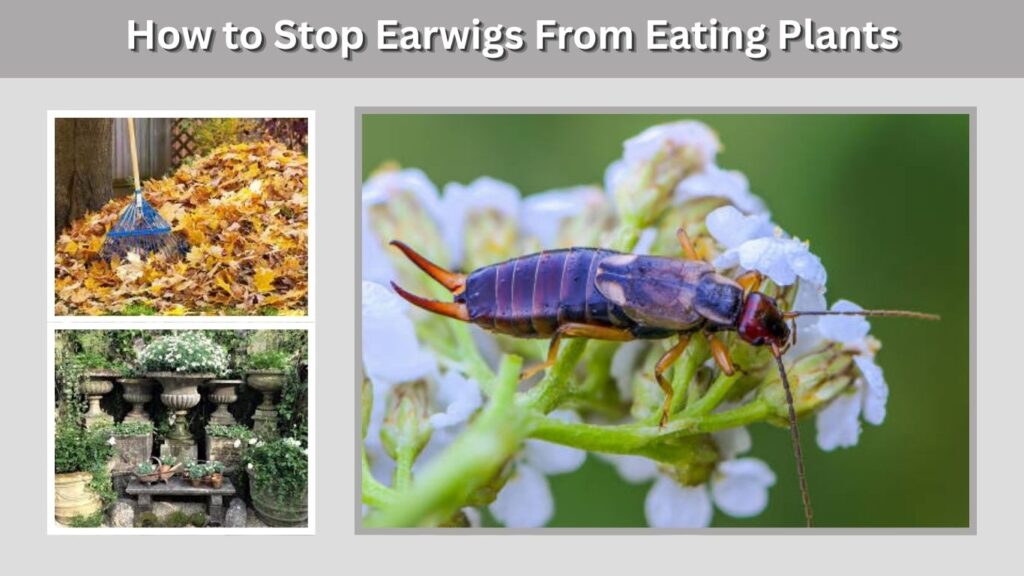
You do not always need strong chemicals to control earwigs. In many cases, simple garden maintenance and trapping can reduce their numbers. The goal is not always to remove every earwig, because they can also help break down organic material. Instead, focus on protecting seedlings, flowers, and vegetables from repeated damage.
Reduce Hiding Places
Remove unnecessary objects from garden beds, such as boards, empty pots, old containers, and thick piles of leaves. Keep the area around vulnerable plants clean and open. This makes it harder for earwigs to hide during the day.
Adjust Watering and Mulch
Water plants early in the day so the soil surface can dry before night. Avoid keeping mulch too wet or too close to tender stems. A thinner mulch layer can still protect plants while reducing earwig shelter.
Use Earwig Traps
Simple traps can help lower earwig numbers without harming the garden. Useful options include:
- Rolled newspaper placed near damaged plants
- Cardboard tubes left overnight
- Shallow oil traps near garden beds
- Damp cloth traps checked in the morning
Protect Seedlings and Tender Plants
Young plants are more vulnerable because their leaves and stems are soft. Use plant covers, collars, or raised containers to protect them. Starting seedlings indoors until they are stronger can also reduce early damage.
Natural Ways to Control Earwigs in the Garden
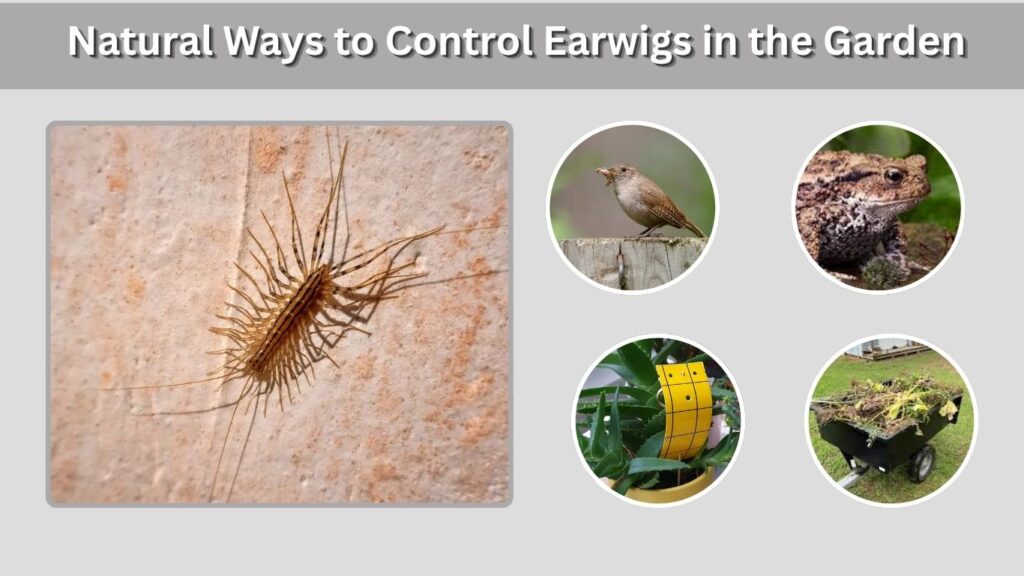
Natural control methods are often enough for small or moderate earwig problems. These methods help manage the population while keeping the garden safe for beneficial insects, pets, and people. A balanced approach works best because earwigs are not always harmful. They only need control when their feeding causes repeated plant damage.
Encourage Natural Predators
Birds, toads, spiders, and some beneficial insects feed on earwigs. A healthy garden with diverse plants can support these natural predators and keep pest numbers under control.
Remove Earwigs by Hand
If you find earwigs in traps or under pots, remove them in the morning. This method is simple and useful when the infestation is small. Regular removal can reduce damage over time.
Keep the Garden Balanced
Avoid overwatering, remove dead plant material, and monitor vulnerable plants often. A clean, balanced garden is less likely to support large earwig populations.
Should You Kill Earwigs or Leave Them Alone?
Earwigs are not always enemies in the garden. They can help by eating decaying material and sometimes feeding on small pests. However, they can also damage flowers, vegetables, and seedlings when their numbers grow too high. The best decision depends on how much damage you see and whether earwigs are clearly responsible.
When Earwigs Are Beneficial
A small number of earwigs can be useful. They help break down dead leaves and may eat soft-bodied pests. In this case, there is no need to remove them completely.
When Control Is Needed
Control may be needed when seedlings are disappearing, flowers are badly chewed, or vegetables show repeated overnight damage. If earwigs are found near the affected plants, reducing their numbers is a smart step.
Best Approach for Most Gardens
The best approach is control, not total elimination. Remove hiding places, protect tender plants, and use traps when needed. This keeps earwig damage low while maintaining a healthy garden environment.
FAQs
Do earwigs eat plants in the garden?
Yes, earwigs can eat garden plants, especially soft leaves, flowers, seedlings, and damaged fruit. However, they also feed on decaying organic matter and small insects, so they are not always harmful. They become a problem when their numbers are high and plant damage is repeated.
Do earwigs eat plant leaves?
Yes, earwigs may chew holes in plant leaves, especially young or tender leaves. The damage usually looks ragged or uneven and often appears overnight. Since slugs and caterpillars can cause similar damage, check your plants at night to confirm earwigs are the cause.
Do earwigs eat plant roots?
Earwigs usually do not eat healthy plant roots. If your plant roots are damaged, the problem is more likely caused by grubs, root rot, fungus gnats, or another soil pest. Earwigs mostly feed above the soil on soft plant material and decaying matter.
Do earwigs eat tomato plants?
Earwigs may chew tomato leaves or feed on damaged tomatoes, but they usually do not destroy healthy tomato plants. They are more likely to feed on soft, cracked, or already injured fruit. Inspect tomato plants after dark to see whether earwigs are present.
Do earwigs eat plants at night?
Yes, earwigs are mostly active at night. They hide during the day under mulch, pots, stones, boards, and garden debris. After dark, they come out to feed on decaying matter, small insects, flowers, seedlings, and tender plant leaves.