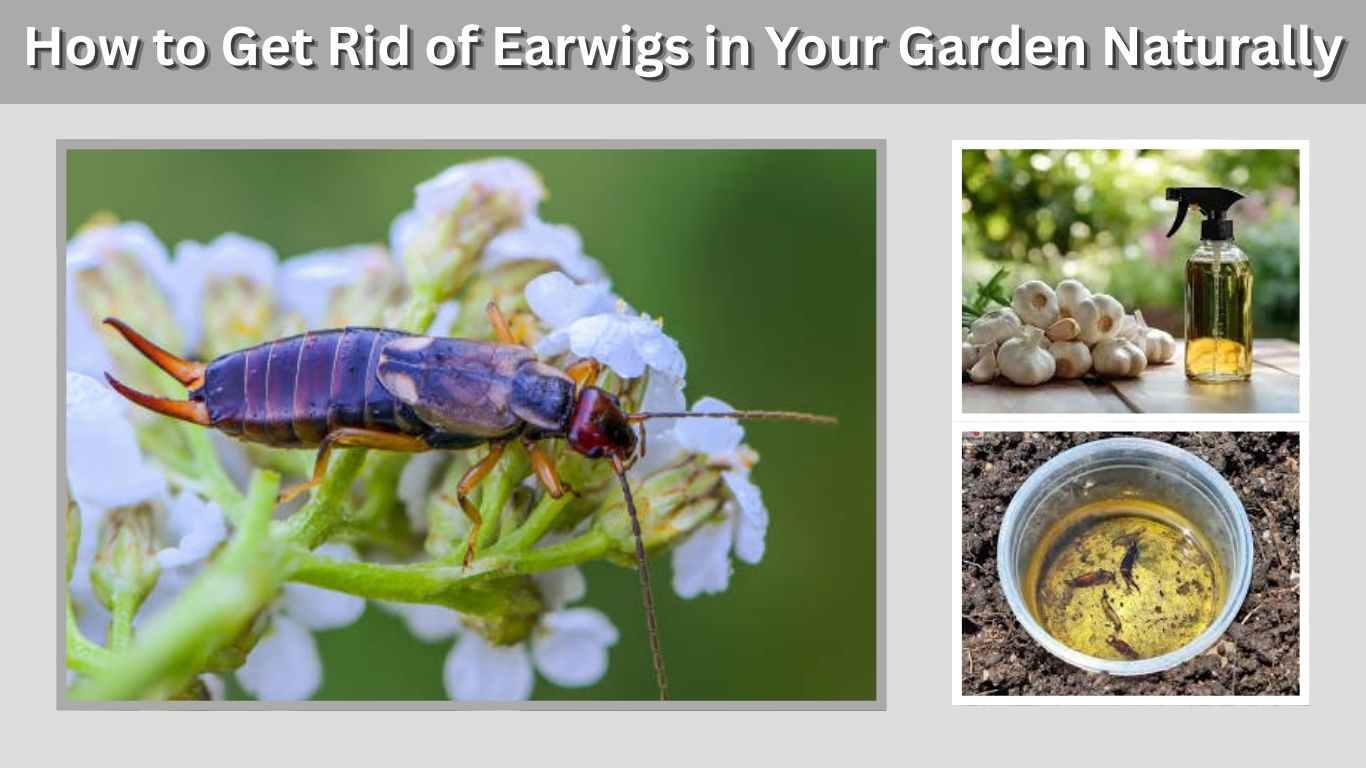
Earwigs are small, nocturnal insects that can be both beneficial and destructive in the garden. While they help by eating decaying plant matter and smaller pests, they also feed on seedlings, flowers, and fruits, causing significant damage. Controlling earwigs is crucial for maintaining healthy plants. This guide explores natural, fast, and region-specific methods to manage earwigs effectively, covering everything from traps and repellents to preventative strategies for vegetable gardens and flower beds.
Understanding Earwigs in the Garden
Earwigs are nocturnal insects known for their pincers and tendency to hide in damp, dark places. Understanding their behavior is essential for effective control. Knowing how they live, feed, and reproduce will help you prevent infestations and protect your plants.
What Are Earwigs?
Earwigs are slender, brown insects with distinctive forceps-like pincers at the rear of their bodies. They are nocturnal, hiding under mulch, rocks, or garden debris during the day. Although they primarily consume decaying plant matter, they also attack tender seedlings, leaves, and fruits.
Common Signs of an Infestation
- Chewed leaves and petals: Look for ragged edges or holes.
- Damaged seedlings: Young plants are particularly vulnerable.
- Clusters of insects: Typically found under pots, stones, or garden debris.
- Shiny, dark droppings: Sometimes visible near infested areas.
Earwigs’ Role in the Garden
Despite their destructive tendencies, earwigs also act as natural pest controllers by feeding on aphids, mites, and other small insects. Eliminating them entirely is not recommended; instead, focus on reducing their numbers to prevent damage while preserving ecological balance.
Natural Methods to Remove Earwigs
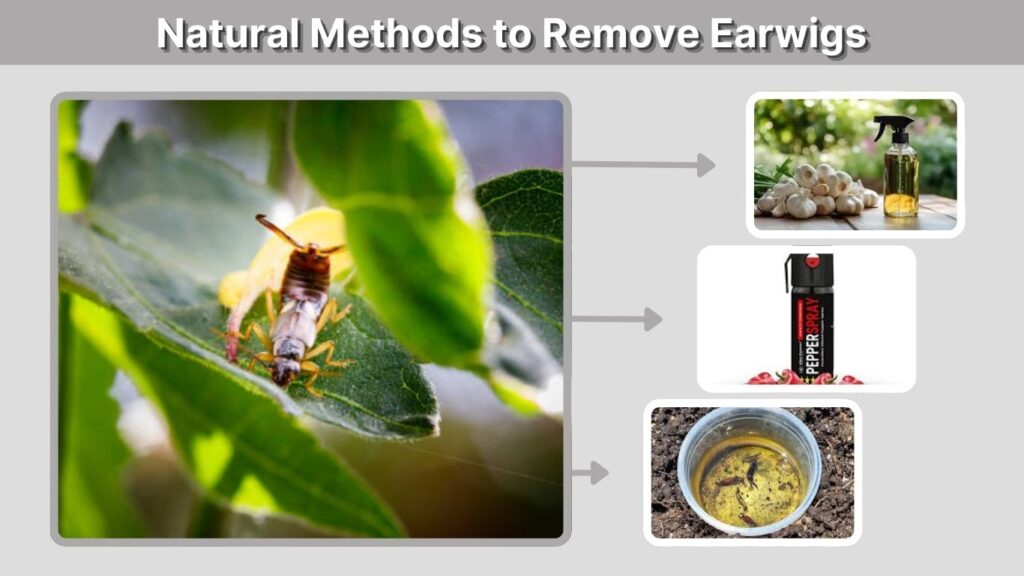
There are several eco-friendly approaches to managing earwigs. Natural methods are safe for pets, children, and beneficial insects, making them ideal for organic gardens. Using traps, repellents, and environmental adjustments can reduce populations effectively.
Traps and Barriers
- Rolled-up newspaper traps: Place damp newspapers or cardboard in the garden overnight; collect and dispose of trapped earwigs in the morning.
- Wood or board shelters: Lay flat boards in moist areas to attract earwigs; check daily and remove them.
- Oil and soy traps: Fill shallow containers with vegetable oil or soy sauce to drown earwigs when placed near plants.
Beneficial Predators
Encourage natural predators to help control earwig populations:
- Birds: Sparrows and robins feed on earwigs.
- Frogs and toads: Keep them around ponds or moist areas.
- Ground beetles and centipedes: These insects hunt earwigs at night.
Natural Repellents
- Diatomaceous earth: Sprinkle around plant bases to deter crawling insects.
- Garlic spray: Blend garlic cloves with water and spray on plants.
- Chili pepper spray: A mixture of water and chili powder can discourage earwigs from feeding.
Environmental Adjustments
- Remove excess mulch, leaf litter, and debris where earwigs hide.
- Reduce overwatering to eliminate damp hiding spots.
- Prune dense vegetation to improve airflow and reduce moisture.
Fast Solutions for Earwig Control
Sometimes, rapid action is required to save vulnerable plants. These quick solutions focus on reducing earwig populations immediately, combining manual methods with safe treatments for faster results.
Handpicking and Nighttime Hunting
- Check plants at night with a flashlight and remove earwigs manually.
- Place them in a bucket of soapy water to prevent their return.
Insecticidal Soap or Neem Oil
- Spray affected areas with insecticidal soap or neem oil to kill earwigs on contact.
- Repeat every few days until infestations are under control.
Sticky Traps
- Apply sticky barriers around plant stems or garden beds.
- These traps capture crawling earwigs and prevent them from reaching plants.
Region-Specific Tips for Earwig Control
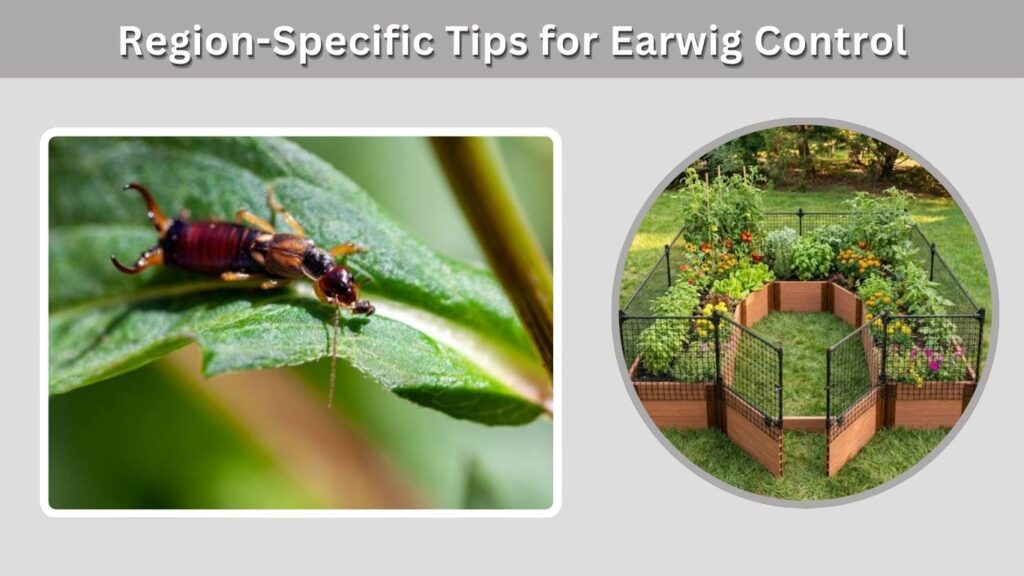
Earwig infestations can vary depending on your geographic location. Factors like climate, garden type, and soil conditions influence their activity. Adapting your approach based on regional conditions ensures the most effective control while keeping plants healthy.
Earwig Control in New Zealand and Australia
- Use traps and barriers during wet seasons when earwigs are most active.
- Encourage native birds and lizards as natural predators.
- Reduce mulch thickness and avoid overwatering, especially in vegetable beds.
Solutions for the UK and Home Gardens
- Install rolled-up newspaper or cardboard traps in shaded areas.
- Apply natural repellents like garlic or chili sprays around plant bases.
- Maintain good drainage and remove garden debris to discourage hiding spots.
Protecting Vegetable Gardens and Garden Beds
- Build raised beds to improve airflow and reduce moisture accumulation.
- Rotate crops to prevent earwigs from targeting the same plants repeatedly.
- Use diatomaceous earth along bed edges as a barrier against crawling insects.
Preventing Future Infestations
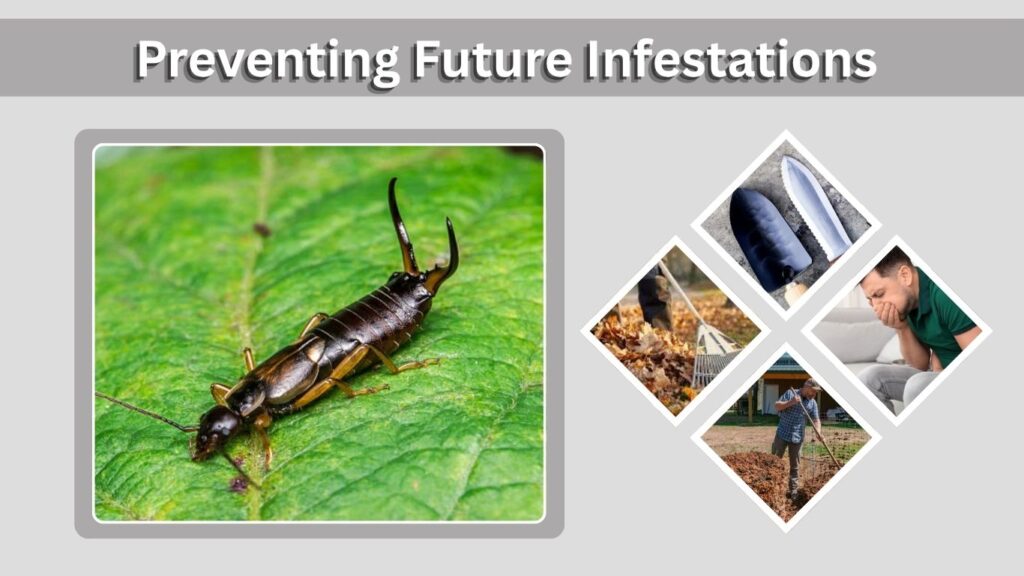
Prevention is key to maintaining an earwig-free garden. Combining proper garden hygiene, strategic planting, and monitoring ensures that populations remain low without the need for harsh chemicals. Preventative strategies save time and protect crops in the long run.
Regular Garden Maintenance
- Remove fallen leaves, decaying plants, and debris where earwigs hide.
- Keep garden tools and pots clean and dry to minimize breeding sites.
- Check plants regularly for early signs of damage.
Proper Mulching and Composting Practices
- Avoid thick, damp mulch directly on soil near seedlings.
- Turn compost piles frequently to disrupt earwig nesting.
- Keep compost bins covered and away from high-traffic garden areas.
Companion Planting and Natural Barriers
- Plant herbs like rosemary, sage, and mint, which repel earwigs.
- Surround seedlings with protective barriers like mesh or sticky tape.
- Space plants to improve airflow and reduce moisture retention.
Comparison Table: Earwig Control Methods
| Method | Speed | Safety | Cost | Best For |
| Rolled-up newspaper traps | Medium | High | Low | Small infestations |
| Diatomaceous earth | Medium | High | Low | Vegetable beds and flowerbeds |
| Garlic or chili sprays | Fast | High | Low | Young plants and seedlings |
| Insecticidal soap / neem oil | Fast | Medium | Medium | Larger infestations |
| Beneficial predators | Slow | High | Low | Long-term natural control |
| Sticky traps | Fast | High | Low | Quick reduction near plants |
FAQs
How do I get rid of earwigs in the garden naturally?
You can remove earwigs naturally by using rolled-up newspaper traps, shallow oil traps, diatomaceous earth, and garlic or chili sprays. Also reduce damp hiding places by clearing leaf litter, old mulch, fallen fruit, and garden debris where earwigs shelter during the day.
What is the fastest way to get rid of earwigs in the garden?
The fastest method is to combine nighttime handpicking with traps and targeted sprays. Check plants after dark with a flashlight, drop earwigs into soapy water, and place oil or cardboard traps near damaged plants. Insecticidal soap or neem oil can also help reduce active populations.
Are earwigs harmful to vegetable gardens?
Earwigs can damage vegetable gardens when their numbers are high. They often chew seedlings, leafy greens, soft fruits, herbs, and young shoots. However, they also eat aphids and decaying matter, so the goal is usually control rather than complete elimination.
Why are there so many earwigs in my garden bed?
Earwigs are attracted to moist, sheltered places with plenty of organic matter. Thick mulch, wet soil, fallen leaves, rotting wood, dense plants, and overwatered beds can create ideal hiding spots. Improving drainage and reducing debris can make garden beds less attractive to them.
How can I stop earwigs from coming back?
Prevent earwigs by keeping the garden clean, avoiding overly thick mulch, watering in the morning, and checking hiding spots regularly. Use barriers like diatomaceous earth around vulnerable plants and keep compost piles turned and covered. Regular monitoring helps stop small populations from becoming infestations.