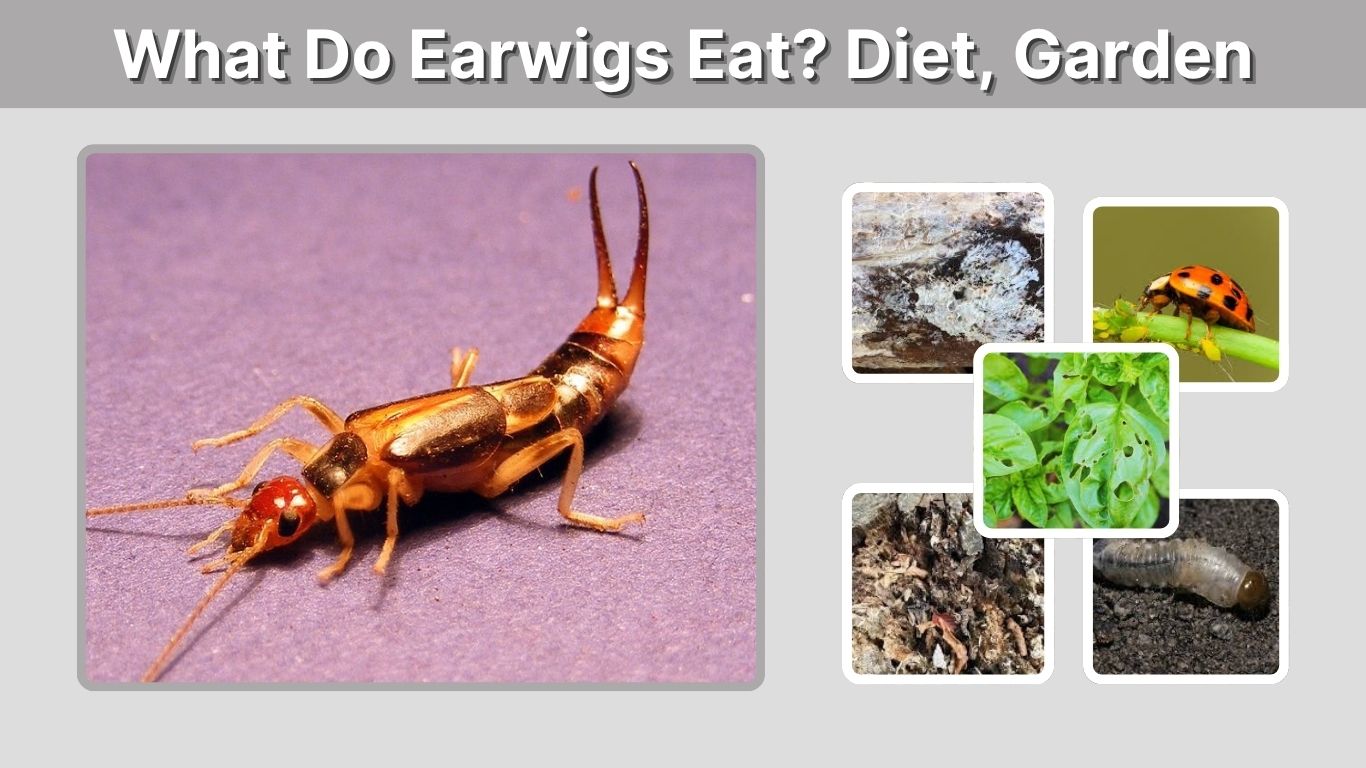
Earwigs are often misunderstood insects. Many people notice them in gardens, bathrooms, basements, mulch, or under flowerpots and immediately wonder what they are eating. The simple answer is that earwigs are omnivores. They eat decaying plant matter, soft fruits, flowers, seedlings, dead insects, and sometimes smaller live pests. In some cases, they help clean up organic waste and control pests like aphids. In other situations, they chew holes in leaves, flowers, and garden crops. This guide explains what earwigs eat indoors and outdoors, whether they damage plants, and what animals eat earwigs.
What Do Earwigs Eat?
Earwigs eat both plant and animal matter. Their diet depends on where they live, how much moisture is available, and what food sources are nearby. In gardens, they often feed on decaying leaves, soft plant tissue, ripe fruit, flowers, and small insects. Indoors, they may eat crumbs, decaying organic matter, or dead insects, but they usually do not find enough food to survive for long.
Earwigs are mostly active at night. During the day, they hide in dark, damp places such as mulch, soil cracks, under rocks, beneath flowerpots, behind baseboards, and inside garden debris. At night, they come out to search for food.
Common Foods Earwigs Eat
Earwigs may eat:
- Decaying leaves and plant debris
- Soft fruits and vegetables
- Flower petals and buds
- Seedlings and tender shoots
- Aphids and other small insects
- Dead insects
- Fungi and algae
- Crumbs or food scraps indoors
- Organic matter in mulch or compost
This mixed diet is why earwigs can be both helpful and harmful. They may clean up dead material and eat pests, but they can also chew on healthy plants when conditions are right.
Do Earwigs Eat Plants?
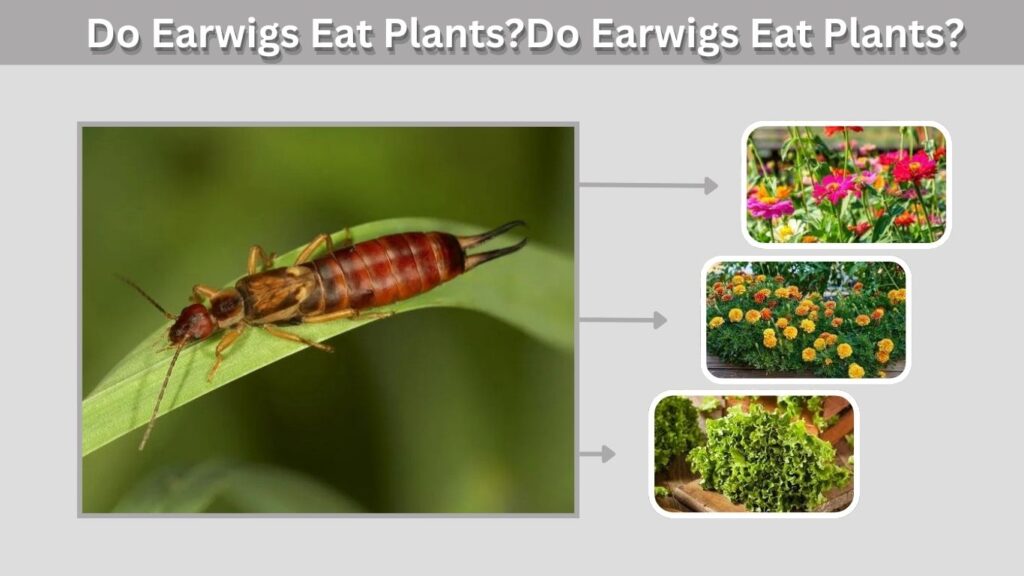
Yes, earwigs can eat plants. However, they do not always attack healthy plants first. They are often attracted to soft, damaged, decaying, or moisture-rich plant material. When earwig numbers are high, they may feed on leaves, flowers, fruits, and young seedlings.
Gardeners often notice earwig damage on plants with soft leaves or delicate flowers. The damage may look like small, irregular holes, ragged edges, or chewed petals. Because earwigs feed at night, people may not see them causing the damage unless they inspect the garden after dark with a flashlight.
Plants Earwigs Commonly Damage
Earwigs may feed on many garden plants, especially tender or soft plants. Common examples include:
- Basil
- Dahlias
- Zinnias
- Marigolds
- Lettuce
- Cabbage
- Corn silk
- Strawberries
- Apples or fallen fruit
- Seedlings
- Flower petals and buds
They are especially likely to damage plants when there is heavy mulch, damp soil, dense ground cover, or piles of leaves nearby. These areas give earwigs both shelter and moisture.
Do Earwigs Eat Leaves and Flowers?
Earwigs can eat leaves and flowers, especially at night. Leaf damage from earwigs usually appears as uneven holes or ragged chewing marks. Flower damage may show up as torn petals, missing edges, or damaged buds.
This is why searches like “earwigs eating plants,” “earwigs eating basil,” “earwigs eating dahlias,” and “earwigs eating zinnias” are common. People usually discover the damage before they see the insect.
How to Tell If Earwigs Are Eating Your Plants
Look for these signs:
- Irregular holes in leaves
- Chewed flower petals
- Damaged seedlings
- Earwigs hiding under pots or mulch
- Damage that appears overnight
- Earwigs seen with a flashlight after dark
Slug, caterpillar, beetle, and grasshopper damage can look similar. To confirm earwigs, inspect the plants at night. You can also place a rolled-up damp newspaper or cardboard tube near the plant overnight. If earwigs are active, they may hide inside by morning.
Do Earwigs Eat Wood?
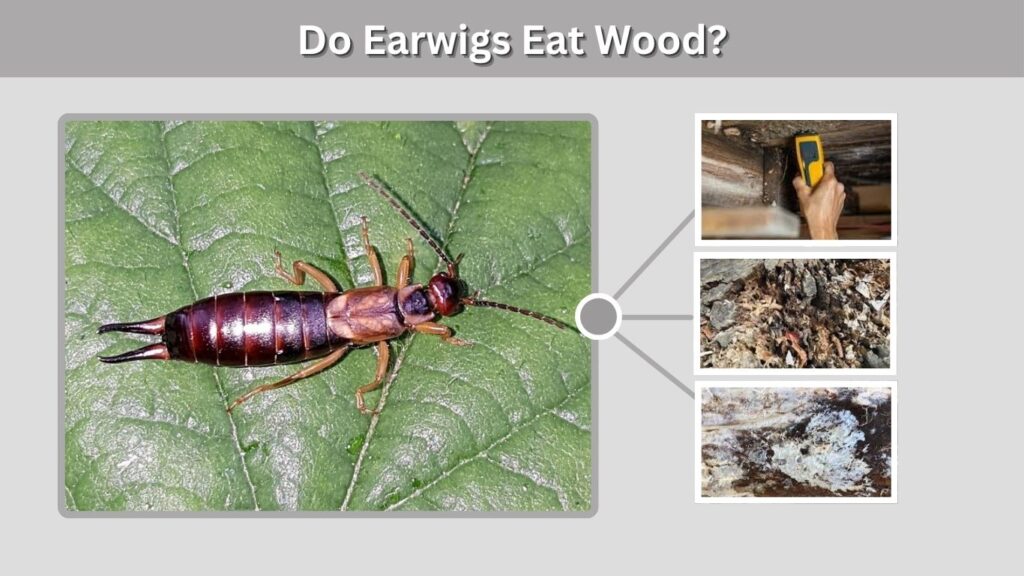
Earwigs do not eat solid wood the way termites or carpenter ants may damage wood. They are not wood-destroying insects. If you see earwigs around wood, it is usually because the wood is damp, decaying, or surrounded by organic matter.
They may hide under wet logs, mulch, firewood, old boards, or rotting wooden structures because these places are dark and moist. They may also feed on fungi, algae, decaying plant material, or small insects living around the wood.
Why Earwigs Are Found Near Wood
Earwigs may gather near wood because of:
- Moisture
- Rotting organic matter
- Mold or fungi
- Insects living in damp wood
- Shelter from sunlight
- Protection from predators
If earwigs are appearing around wooden areas, focus on moisture control rather than wood treatment. Move firewood away from the house, replace rotting boards, improve drainage, and reduce mulch piled against the foundation.
What Do Earwigs Eat in the House?
Earwigs sometimes enter homes by accident. They may come inside through cracks, door gaps, basement openings, bathroom vents, or around windows. Indoors, they look for moisture and hiding places more than food.
Inside the house, earwigs may eat crumbs, food debris, dead insects, decaying plant matter from houseplants, or organic residue in damp areas. However, homes usually do not provide ideal feeding conditions unless there is moisture, clutter, or easy access to food scraps.
Indoor Areas Where Earwigs May Find Food
Earwigs may be found in:
- Bathrooms
- Basements
- Kitchens
- Laundry rooms
- Garages
- Around houseplants
- Near pet food bowls
- Under sinks
- Around damp storage boxes
If you see earwigs indoors, it does not usually mean they are nesting inside in large numbers. It often means they found a damp entry point or were attracted by outdoor conditions near the home.
Do Earwigs Eat Other Bugs?
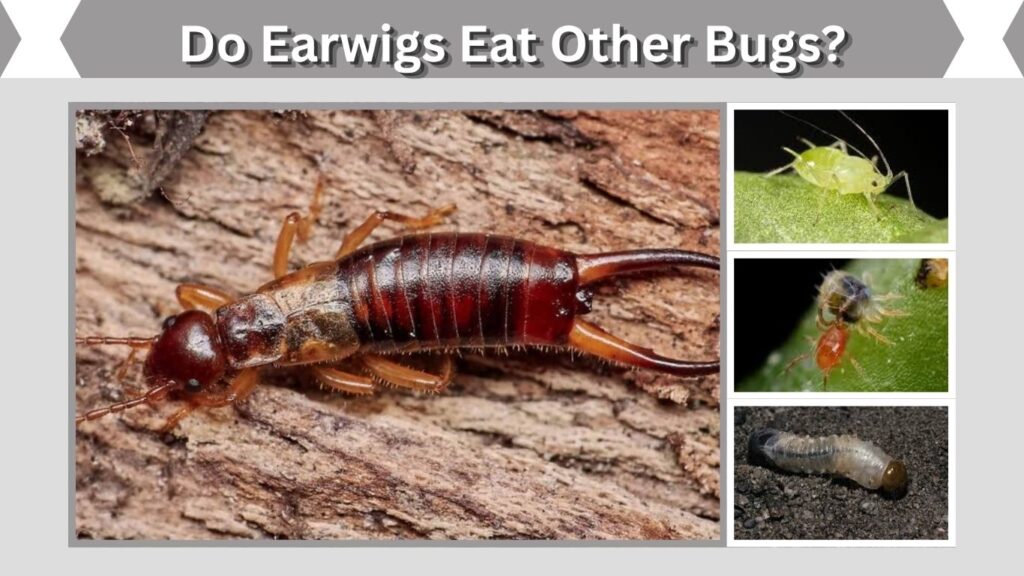
Yes, earwigs eat other bugs. They may feed on small insects, insect eggs, larvae, and dead insects. This makes them partly beneficial in gardens.
Earwigs are known to eat soft-bodied pests such as aphids. This is one reason some gardeners do not immediately remove all earwigs. In low numbers, they may help reduce pest populations. The problem begins when they also start eating seedlings, flowers, fruits, or vegetable crops.
Bugs Earwigs May Eat
Earwigs may eat:
- Aphids
- Mites
- Small insect larvae
- Insect eggs
- Dead ants
- Dead spiders
- Dead cockroaches
- Soft-bodied garden pests
They may occasionally scavenge on dead roaches, ants, or spiders indoors, but they are not a reliable pest control solution inside the home.
Do Earwigs Eat Aphids?
Yes, earwigs can eat aphids. This is one of their beneficial roles in the garden. Aphids are soft-bodied insects that feed on plant sap, and earwigs may help reduce aphid numbers when they are active around infested plants.
However, relying on earwigs for aphid control can be tricky. The same earwigs that eat aphids may also chew tender leaves, flower petals, or soft fruit. If your plants are already being damaged, it may be better to control both aphids and earwigs with balanced garden methods.
Do Earwigs Eat Ants, Spiders, or Cockroaches?
Earwigs may eat dead ants, dead spiders, or dead cockroaches, and they may occasionally feed on small or weakened insects. However, they are not major predators of ants, spiders, or roaches.
Do Earwigs Eat Ants?
Earwigs may scavenge dead ants or eat very small insects, but they do not usually hunt ant colonies. Ants and earwigs may sometimes be found in the same damp outdoor areas because they both seek shelter and food.
Do Earwigs Eat Spiders?
Earwigs may eat dead spiders or possibly very small spiders, but spiders are more likely to eat earwigs than the other way around. Many spiders are natural predators of earwigs.
Do Earwigs Eat Roaches?
Earwigs may feed on dead cockroaches or organic matter around them, but they do not control cockroach infestations. If you have roaches indoors, treat the roach problem directly.
What Eats Earwigs?
Earwigs are part of the food chain and have many natural predators. Birds, frogs, toads, spiders, centipedes, lizards, chickens, ducks, and some predatory insects may eat earwigs.
This is why earwigs are often more common in damp, hidden areas where predators cannot easily reach them. Mulch, dense vegetation, leaf piles, and cluttered garden beds give them protection.
| Predator | Do They Eat Earwigs? | Notes |
| Birds | Yes | Many birds eat small insects, including earwigs |
| Spiders | Yes | Larger spiders may catch earwigs |
| Frogs and toads | Yes | Common predators in damp gardens |
| Chickens | Yes | Chickens may eat earwigs while foraging |
| Ducks | Yes | Ducks may eat many garden insects |
| Centipedes | Yes | House centipedes and outdoor centipedes may prey on them |
| Lizards and geckos | Sometimes | Depends on species and size |
| Praying mantises | Sometimes | May eat earwigs if they can catch them |
| Ladybugs | No, usually not | Ladybugs mainly eat aphids and soft pests |
| Cats and dogs | Not typical predators | They may play with or accidentally eat one |
Can Pets Eat Earwigs?
Cats and dogs may occasionally catch or eat an earwig. In most cases, eating one earwig is unlikely to cause serious harm, but it may cause drooling, mild stomach upset, or vomiting if the pet is sensitive. Earwigs can pinch, but they are not poisonous in the way many people fear.
For reptiles or pet birds, it is best not to feed wild earwigs intentionally. Wild insects may carry pesticides, parasites, or bacteria. If you have a bearded dragon, leopard gecko, or other insect-eating pet, use feeder insects from a safe source rather than insects collected around the house or garden.
Can Humans Eat Earwigs?
Technically, some insects are edible in survival situations, but earwigs are not a common or recommended food. People usually ask this because they worry about accidentally swallowing one or because of the old myth that earwigs crawl into ears.
If someone accidentally eats an earwig, it is usually not dangerous, but it is still unpleasant. The bigger concern would be contamination from where the insect has been, such as pesticides, dirty surfaces, or decaying matter.
Do Earwigs Eat Your Brain?
No, earwigs do not eat your brain. This is a myth. The name “earwig” has led to the false belief that they crawl into human ears and burrow into the brain. Earwigs may occasionally wander into unusual places, like many insects, but they do not seek out ears, lay eggs in the brain, or eat brain tissue.
They are mostly interested in moisture, shelter, decaying organic matter, soft plants, and small insects.
Are Earwigs Good or Bad for the Garden?
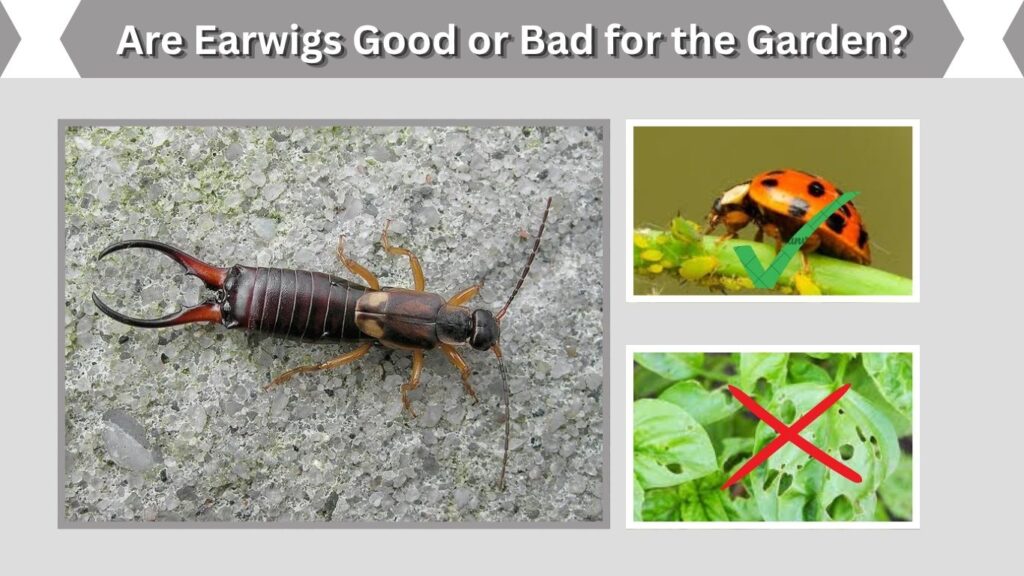
Earwigs can be both good and bad for the garden. In small numbers, they help break down decaying organic material and may eat pests such as aphids. In large numbers, they can damage seedlings, herbs, flowers, and soft fruits.
The goal is not always to eliminate every earwig. Instead, focus on reducing large populations and protecting vulnerable plants.
When Earwigs Are Helpful
Earwigs may be helpful when they:
- Eat aphids
- Feed on dead insects
- Break down decaying plant matter
- Stay away from healthy plants
- Remain in low numbers
When Earwigs Become a Problem
Earwigs become a problem when they:
- Chew flowers and leaves
- Damage basil, dahlias, zinnias, or marigolds
- Attack seedlings
- Feed on fruit
- Move indoors often
- Hide in large numbers under mulch or pots
How to Stop Earwigs Eating Plants
The best way to stop earwigs from eating plants is to reduce their hiding places, trap them, and protect vulnerable plants. Since earwigs are active at night, control methods should target where they hide during the day.
Start by cleaning up the garden. Remove piles of leaves, excess mulch, fallen fruit, dead plant material, and old boards. Keep mulch a few inches away from plant stems and the home foundation. Avoid overwatering, because damp soil and wet mulch attract earwigs.
Simple Earwig Control Steps
Try these steps:
- Remove garden debris and leaf piles
- Move flowerpots and boards regularly
- Reduce thick mulch near damaged plants
- Pick up fallen fruit
- Water in the morning instead of at night
- Use rolled newspaper traps
- Place shallow oil traps near problem areas
- Check plants at night with a flashlight
- Protect seedlings with covers or collars
A simple trap can be made with a shallow container filled with a small amount of vegetable oil and soy sauce. The smell attracts earwigs, and the oil traps them. Place traps near damaged plants overnight and empty them regularly.
How to Keep Earwigs Out of the House
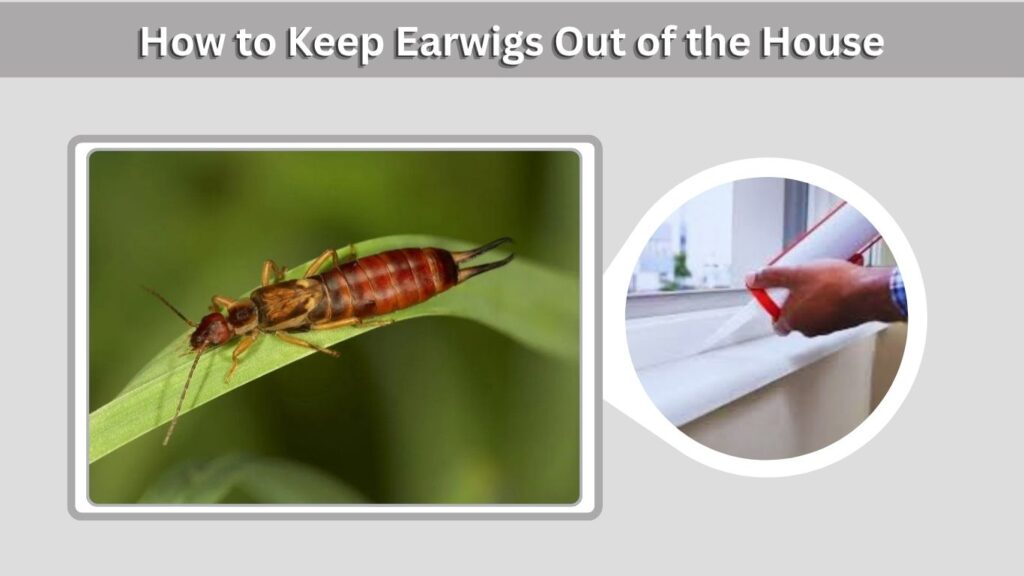
Indoor earwig problems usually start outside. To keep them out, focus on moisture control, sealing entry points, and reducing outdoor hiding places near the foundation.
Seal gaps around doors, windows, pipes, vents, and foundation cracks. Repair damaged screens and install door sweeps where needed. Keep mulch, firewood, leaf piles, and dense vegetation away from the house. Fix leaks and use a dehumidifier in damp basements or crawl spaces.
Indoors, vacuum earwigs when you see them. Avoid leaving damp towels, pet food, crumbs, or plant debris around. If earwigs keep appearing in the same room, look for a moisture source nearby.
FAQs
What do earwigs eat the most?
Earwigs mostly eat decaying plant matter, soft plant tissue, fruit, flowers, small insects, dead insects, and organic debris. Their diet changes depending on the environment. In gardens, they often feed on mulch, leaves, aphids, flowers, seedlings, and ripe or damaged fruit.
Do earwigs eat plants?
Yes, earwigs can eat plants, especially soft leaves, flowers, seedlings, herbs, and fruit. They often feed at night, so damage may appear by morning. They are most likely to harm plants when their population is high and the garden has damp hiding places.
Do earwigs eat wood?
Earwigs do not eat solid wood like termites. They may hide under damp or rotting wood because it provides moisture and shelter. If they are near wood, they are usually feeding on decaying matter, fungi, or small insects rather than destroying the wood itself.
What eats earwigs?
Many animals eat earwigs, including birds, spiders, frogs, toads, chickens, ducks, centipedes, lizards, and some predatory insects. These predators help control earwig populations naturally, especially in gardens with balanced habitats and fewer chemical pesticides.
Do earwigs eat aphids?
Yes, earwigs can eat aphids and other soft-bodied pests. This makes them somewhat beneficial in gardens. However, they may also chew flowers, leaves, and seedlings, so gardeners should monitor whether earwigs are helping with pests or causing plant damage.