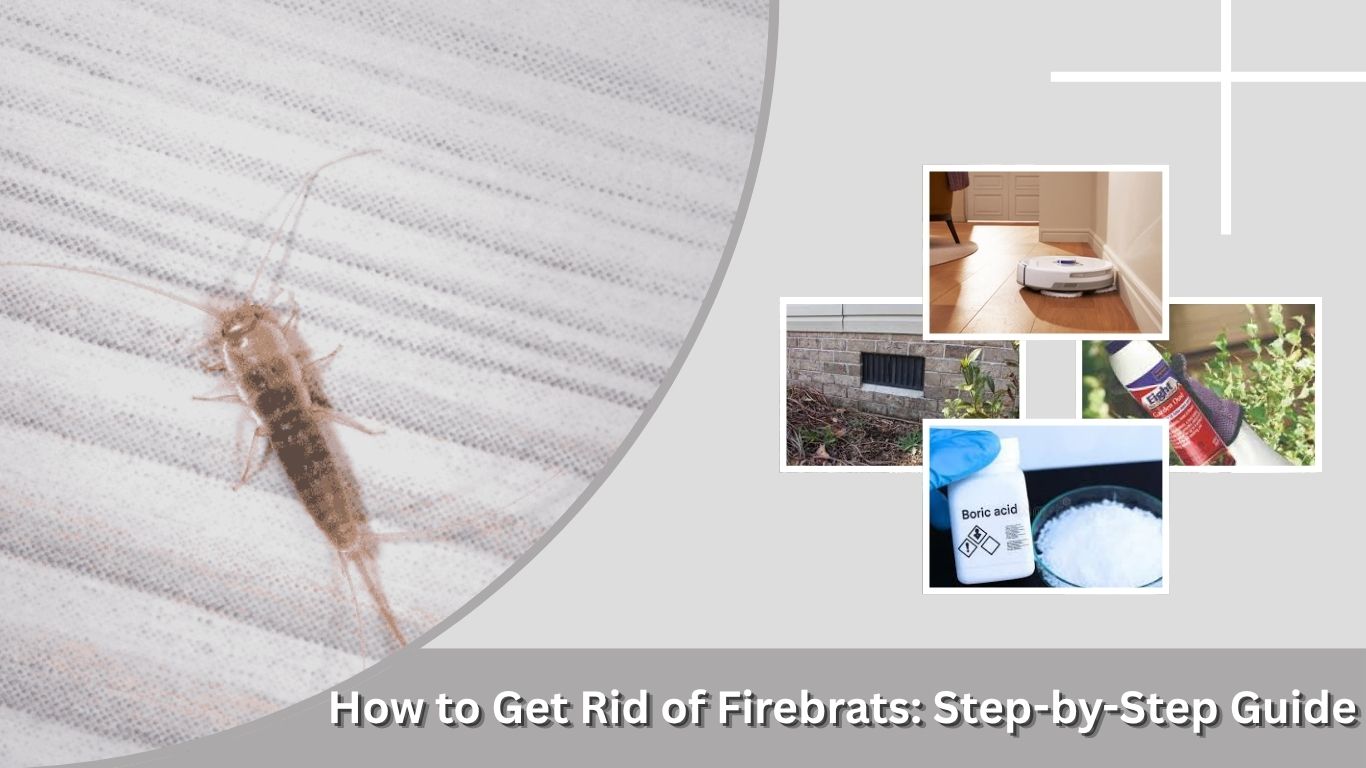
Firebrats are small, fast-moving insects that often hide in warm, humid areas of the home. They look similar to silverfish but usually prefer hotter spaces such as boiler rooms, attics, laundry areas, kitchens, bathrooms, and near heating pipes. While firebrats do not bite or spread serious diseases, they can damage paper, books, wallpaper, cardboard, fabrics, and stored dry foods. This guide explains how to identify firebrats, remove them step by step, prevent future infestations, and know when professional pest control may be needed.
What Are Firebrats?
Start by explaining what firebrats are in simple terms. Mention that firebrats are wingless insects with long antennae, flat bodies, and three tail-like bristles at the back. They are usually grayish or brownish with a mottled pattern.
Firebrats vs. Silverfish
Explain that firebrats and silverfish look alike, but they prefer different environments. Firebrats prefer warmer areas, often above 90°F, while silverfish usually prefer cooler, damp areas. This section helps readers avoid confusing the two pests.
Why Firebrats Come Into Homes
Cover the main reasons firebrats appear indoors:
- Warm, humid spaces
- Easy access to food sources
- Paper, cardboard, glue, starches, and fabric
- Cluttered storage areas
- Cracks, gaps, and hidden entry points
Signs of a Firebrat Infestation
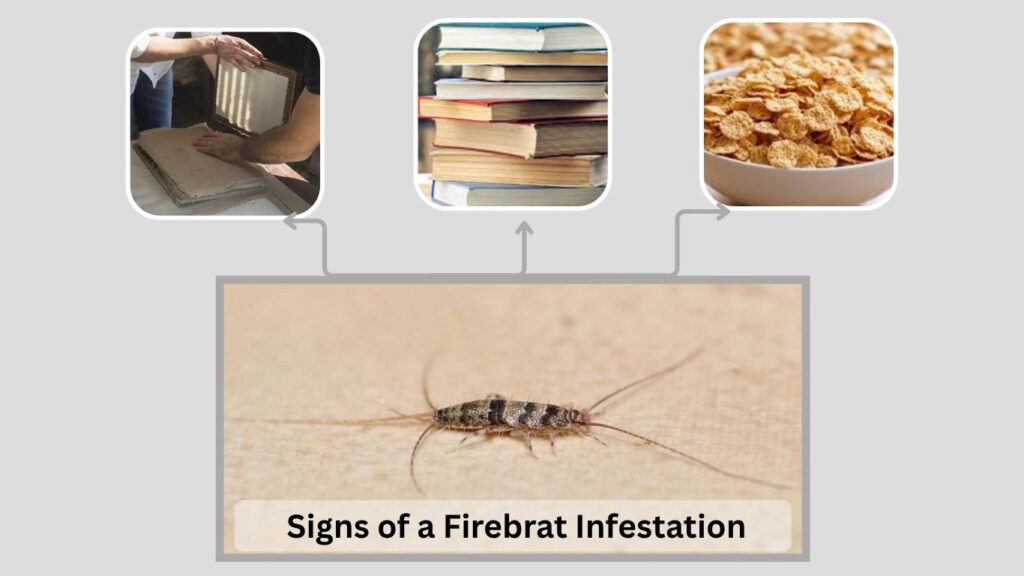
Explain that firebrats are nocturnal, so homeowners may not see them during the day. Instead, they may notice signs of damage or activity.
Common Signs to Look For
Use a short list here:
- Tiny holes or scraped marks on paper, books, or wallpaper
- Damage to cardboard boxes or stored documents
- Small yellowish stains on surfaces
- Shed skins in hidden areas
- Fast-moving insects near heat sources at night
- Damage around stored grains, cereals, or dry food packages
Where Firebrats Usually Hide
Mention common hiding spots such as behind baseboards, inside cabinets, near ovens, around water heaters, in attics, behind wallpaper, under sinks, and inside storage boxes.
Step 1: Confirm You Have Firebrats
Explain that before treatment, the reader should identify the pest correctly. A wrong identification can lead to poor results.
How to Identify Firebrats
Describe their appearance:
- About ½ inch long
- Flattened, carrot-shaped body
- Long antennae
- Three bristles at the rear
- Gray, brown, or mottled body
- Quick, wiggling movement
When to Inspect
Recommend inspecting at night with a flashlight because firebrats are most active in darkness.
Step 2: Remove Food Sources
Explain that firebrats feed on starchy and protein-rich materials. Removing their food supply makes the home less attractive.
Items Firebrats May Eat
Mention that they may feed on:
- Paper
- Book bindings
- Wallpaper paste
- Cardboard
- Cotton and linen
- Flour, cereal, oats, and dry pantry goods
- Pet food
- Dead insects
- Glue and starch-based materials
Pantry Cleanup Tips
Advise readers to inspect dry goods, throw away infested food, wipe shelves, and store food in sealed glass, metal, or thick plastic containers.
Step 3: Reduce Heat and Humidity
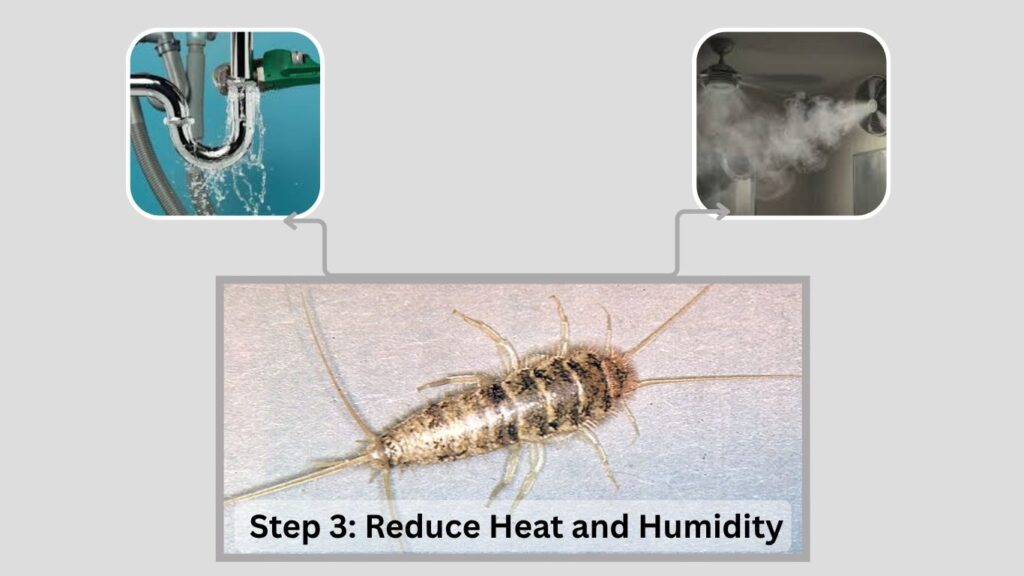
Explain that firebrats love warm and humid areas, so changing the environment is one of the most important control steps.
How to Lower Humidity
Include practical actions:
- Use a dehumidifier in damp rooms
- Fix plumbing leaks
- Improve ventilation in bathrooms and laundry rooms
- Use exhaust fans when cooking or showering
- Avoid leaving wet towels or laundry on the floor
Manage Warm Hiding Areas
Mention that homeowners should inspect spaces around water heaters, furnaces, ovens, heating pipes, and attic areas. They may not be able to remove all warmth, but they can reduce clutter and seal cracks nearby.
Step 4: Deep Clean Hidden Areas
Explain that cleaning removes food particles, eggs, shed skins, and hiding spots. Firebrats often stay in areas that are rarely disturbed.
Areas to Clean First
Use a list:
- Behind appliances
- Under sinks
- Inside bathroom cabinets
- Around baseboards
- Behind bookshelves
- Inside closets
- Attics and storage rooms
- Laundry areas
- Pantry shelves
Vacuuming Tips
Recommend using a vacuum with a crevice tool. Tell readers to vacuum cracks, corners, and edges carefully, then empty the vacuum outside or seal the contents in a bag.
Step 5: Declutter Storage Spaces
Explain that firebrats often hide in boxes, paper piles, old books, magazines, and fabric storage. Clutter gives them food and shelter.
What to Remove or Protect
Mention that readers should reduce cardboard storage, remove old newspapers, avoid stacking paper directly on the floor, and place valuable books or documents in sealed containers.
Better Storage Options
Suggest using plastic bins with tight lids instead of cardboard boxes, especially in attics, basements, garages, and utility rooms.
Step 6: Seal Cracks and Entry Points
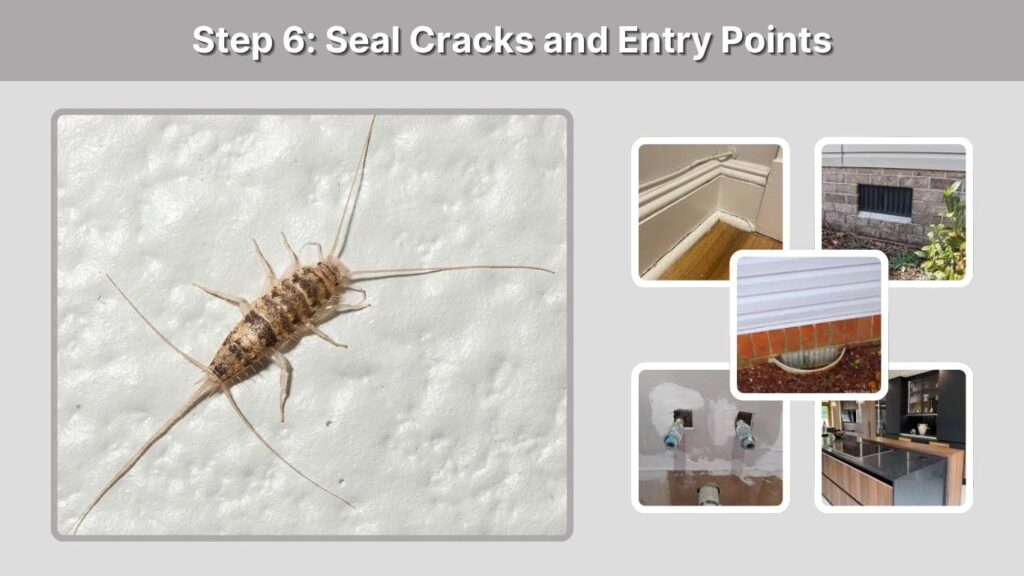
Explain that firebrats hide in small gaps during the day. Sealing these areas reduces their shelter and makes treatment more effective.
Places to Seal
Include a list:
- Cracks along baseboards
- Gaps around pipes
- Spaces around vents
- Openings near utility lines
- Wall cracks
- Loose wallpaper edges
- Gaps around cabinets
- Holes near heating systems
Best Materials to Use
Mention caulk for small gaps, expanding foam for larger openings, weatherstripping for doors, and mesh for vents where appropriate.
Step 7: Use Traps to Monitor Activity
Explain that traps help reduce some insects and show where firebrats are most active.
Sticky Traps
Recommend placing sticky traps near suspected hiding areas, such as under sinks, behind appliances, in closets, and near water heaters.
DIY Jar Trap
Briefly explain a simple jar trap idea: wrap the outside of a glass jar with tape so firebrats can climb in, place a small starchy bait inside, and make sure the inside is too smooth for them to climb out.
Step 8: Apply Safe Firebrat Treatments
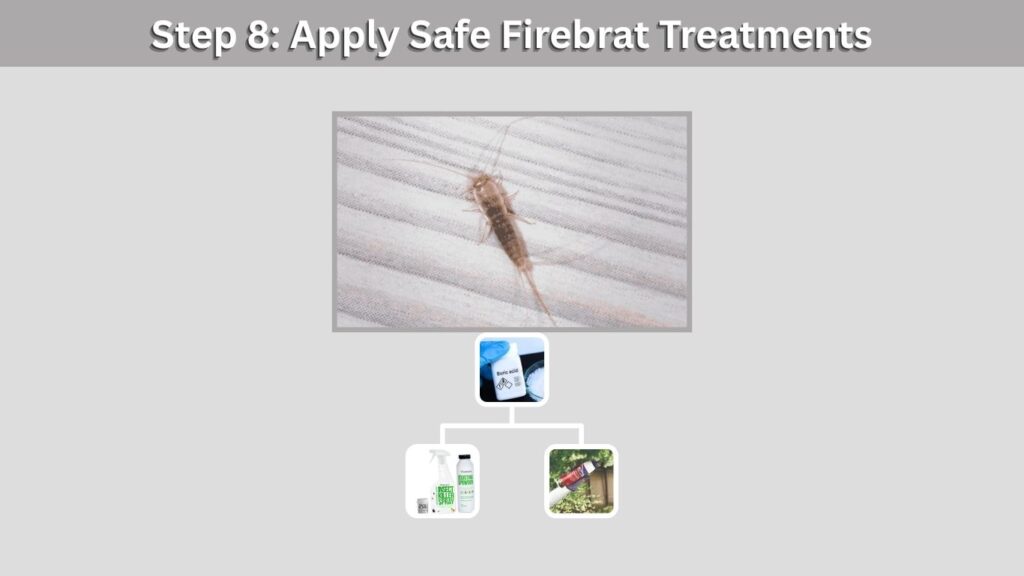
Explain that non-chemical and low-toxicity methods should usually come before stronger insecticides, especially in homes with children or pets.
Diatomaceous Earth
Explain that food-grade diatomaceous earth can be lightly applied in cracks, behind appliances, and along hidden edges. Warn readers not to create dust clouds and to follow label directions.
Boric Acid
Mention that boric acid can work against crawling insects but must be used carefully and kept away from children, pets, and food-preparation surfaces.
Insecticide Sprays and Dusts
Explain that labeled insecticides may be used in cracks and crevices, not sprayed randomly across open surfaces. Stress that users should always follow the product label.
Suggested Firebrat Control Methods
| Control Method | Best For | Notes |
| Vacuuming | Immediate cleanup | Removes insects, eggs, and debris |
| Dehumidifier | Humid rooms | Makes the space less attractive |
| Sealing cracks | Long-term prevention | Reduces hiding places |
| Sticky traps | Monitoring activity | Helps locate problem areas |
| Plastic storage bins | Paper and fabric protection | Better than cardboard |
| Diatomaceous earth | Crack-and-crevice treatment | Use lightly and carefully |
| Professional pest control | Heavy infestations | Best for recurring problems |
Step 9: Protect Books, Papers, and Fabrics
Explain that firebrats often damage paper-based and natural fiber items. This section is useful for readers with books, documents, clothing, or stored keepsakes.
How to Protect Important Items
Recommend sealing valuable papers in plastic containers, keeping books off damp floors, checking old boxes regularly, and avoiding long-term cardboard storage.
Laundry and Fabric Care
Mention washing stored fabrics, drying them fully, and keeping closets clean and well-ventilated.
Step 10: Prevent Firebrats From Coming Back
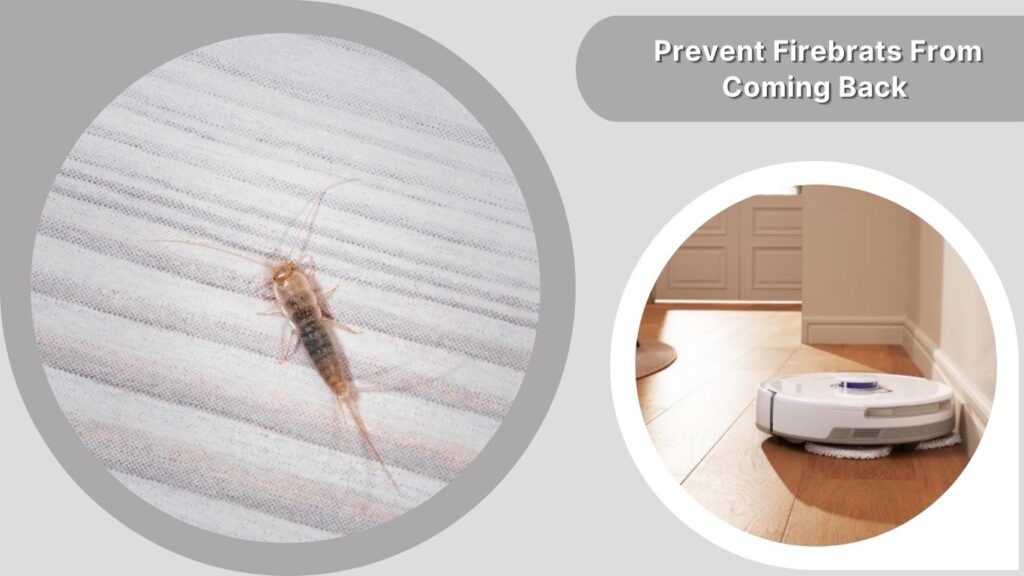
Explain that prevention is ongoing. Even after treatment, firebrats can return if the home stays warm, humid, cluttered, and full of food sources.
Weekly Prevention Checklist
Include a practical checklist:
- Vacuum edges and corners
- Keep pantry goods sealed
- Remove paper clutter
- Check traps
- Run dehumidifiers where needed
- Inspect warm utility areas
- Fix leaks quickly
- Keep storage bins closed
Monthly Inspection Tips
Suggest checking attics, utility rooms, bathroom cabinets, and pantry corners once a month for shed skins, live insects, or new damage.
When to Call a Pest Control Professional
Explain that professional help may be needed when the infestation keeps returning, firebrats are spreading to multiple rooms, or DIY treatments are not working.
Signs You Need Expert Help
Mention:
- Firebrats appear every week
- Damage is spreading
- You find them in several rooms
- You cannot locate the source
- You live in an apartment or shared building
- You have sensitive items like archives, books, or stored fabrics
Common Mistakes to Avoid
Explain that many people treat only the insects they see, but firebrats hide deeply and reproduce in hidden spaces.
Mistakes That Make Firebrats Worse
List common errors:
- Ignoring humidity
- Keeping cardboard boxes in warm storage areas
- Spraying without cleaning first
- Leaving pantry food unsealed
- Forgetting cracks and baseboards
- Using too much pesticide
- Not monitoring with traps
FAQs
Are firebrats harmful to humans?
Firebrats are not known to bite people or spread serious diseases. However, they can damage paper, books, wallpaper, cardboard, fabrics, and some stored foods. Their presence usually points to warm, humid, and cluttered conditions that should be corrected.
What kills firebrats quickly?
Vacuuming can remove visible firebrats immediately, while labeled insecticidal dusts, boric acid, or diatomaceous earth may help control hidden insects over time. The best results come from combining treatment with cleaning, humidity reduction, food storage, and crack sealing.
Why do I keep seeing firebrats in my bathroom?
Bathrooms can attract firebrats because they are often warm and humid. Leaky pipes, poor ventilation, damp towels, and hidden cracks around cabinets or baseboards can make the area ideal. Reducing moisture and sealing hiding spots can help prevent them.
Do firebrats mean my house is dirty?
Not always. Firebrats can appear in clean homes if conditions are warm, humid, and suitable for hiding. However, clutter, paper piles, cardboard boxes, and food crumbs can make infestations worse and help them survive longer.
Can firebrats live in beds?
Firebrats usually prefer hidden, warm, humid areas rather than beds. However, they may occasionally appear in bedrooms if there is paper clutter, fabric storage, or nearby hiding spaces. Regular vacuuming, decluttering, and sealing cracks can reduce the risk.
Conclusion — 100 words
Getting rid of firebrats requires more than simply killing the insects you see. The most effective approach is to remove food sources, reduce humidity, clean hidden areas, seal cracks, and monitor activity with traps. Firebrats thrive in warm, dark, humid spaces, so long-term prevention depends on making your home less comfortable for them. Store food properly, replace cardboard with sealed bins, protect books and papers, and inspect problem areas regularly. If the infestation continues despite careful DIY treatment, a professional pest control service can help find hidden sources and apply targeted solutions safely.