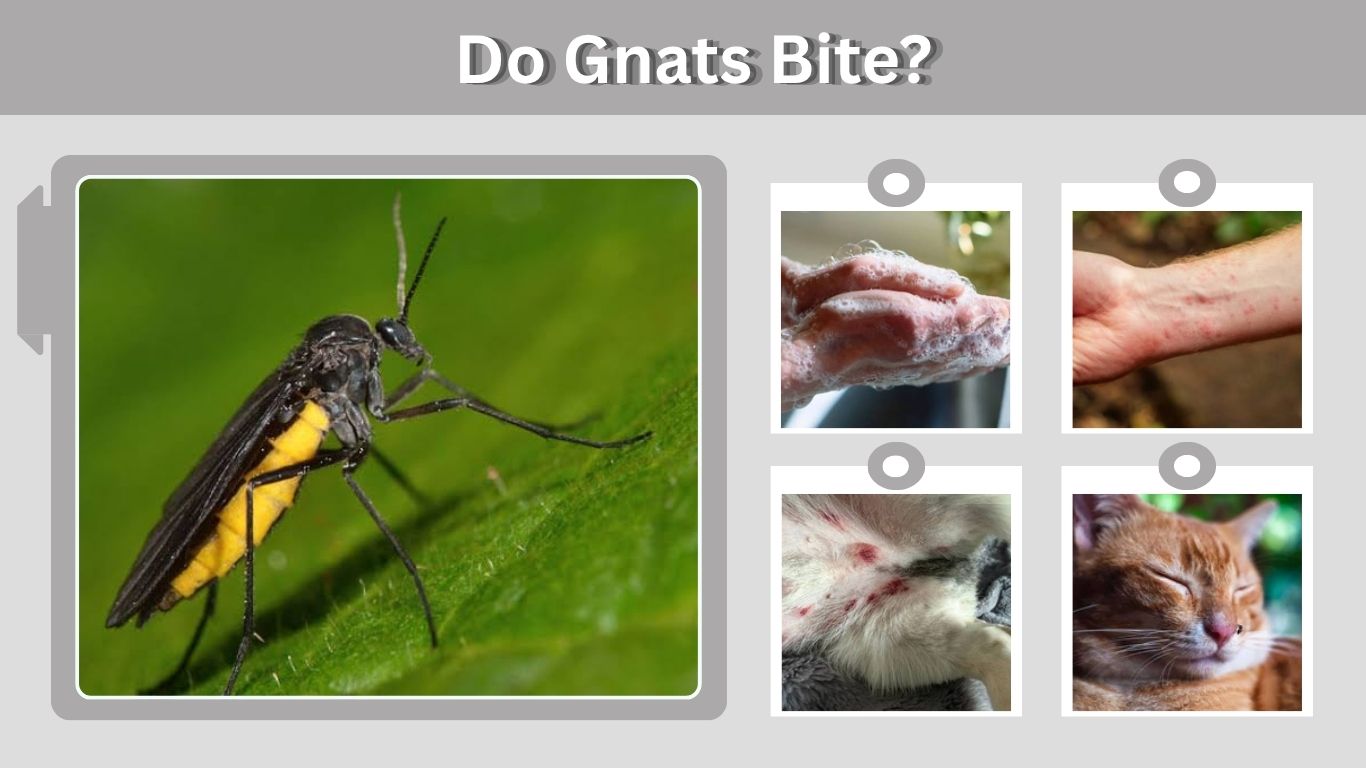
Yes, some gnats bite humans, but many of the tiny flying insects commonly called gnats do not. Biting midges, buffalo gnats, and certain black flies can pierce or cut the skin to feed on blood, while fungus gnats, fruit flies, and drain flies are generally harmless to people. A gnat bite may cause a small red bump, itching, swelling, or a welt that resembles a mosquito bite. Knowing what type of gnat you are dealing with can help you understand the symptoms and prevent more bites.
Do Gnats Bite Humans?
The word “gnat” describes several groups of very small flies rather than one specific insect. Because of this, the answer depends on the species. Some female gnats require blood to produce eggs, while others feed entirely on plant material, fungi, or decaying organic matter.
Types of Gnats That May Bite
Common biting species include:
- Biting midges: Also called no-see-ums; they can produce intensely itchy bites.
- Buffalo gnats: Small black flies that can bite humans, pets, and livestock.
- Black flies: Females feed on blood and may leave swollen, painful spots.
- Sand gnats: Some insects commonly called sand gnats are biting midges capable of biting exposed skin.
These flies are usually most troublesome outdoors near water, vegetation, damp soil, or humid environments.
Do All Gnats Bite?
No. Many insects people identify as household gnats cannot bite humans.
Fungus gnats are tiny dark flies frequently seen around indoor plants. Adults lack mouthparts designed for biting people and mainly feed on moisture and plant-related materials.
Fruit flies are attracted to fermenting fruit and food waste but do not normally bite humans.
Drain flies breed in the organic film inside drains and are also non-biting.
Therefore, tiny flies appearing around houseplants, sinks, or fruit are unlikely to be responsible for unexplained bites.
What Do Gnat Bites Look Like?
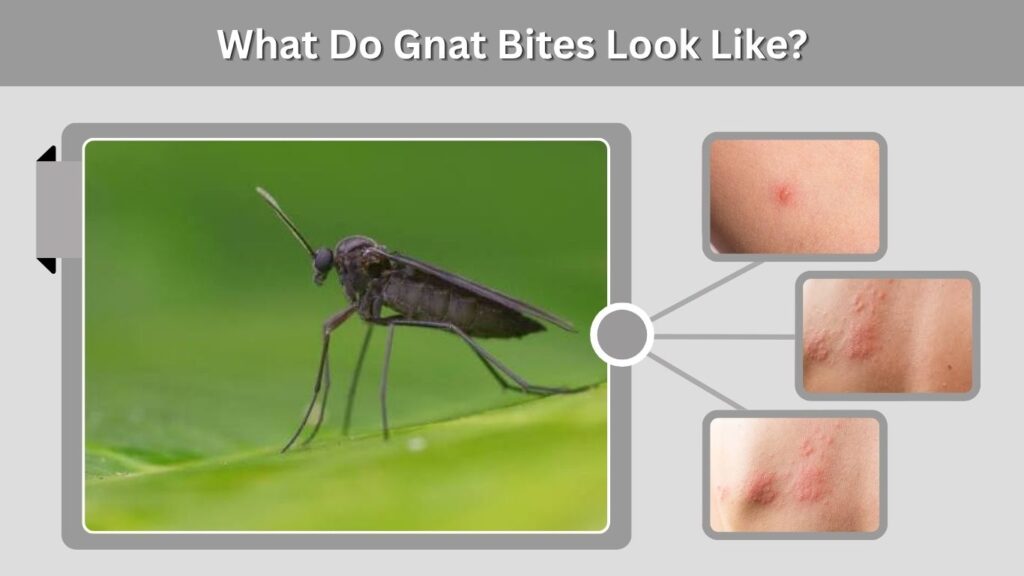
Gnat bites can resemble bites from mosquitoes, fleas, or other small insects. Reactions vary considerably depending on the species and a person’s sensitivity to insect saliva.
Common Signs of a Gnat Bite
A gnat bite may cause:
- A small red bump
- An itchy raised welt
- Mild swelling around the bite
- A tiny red or dark central spot
- Burning or stinging
- Several bites close together
- Redness surrounding the affected area
Bites can occur individually or in clusters. Multiple bites are especially possible when many biting gnats are present.
Do Gnat Bites Look Like Mosquito Bites?
They often do. Both may create itchy, red, swollen bumps.
However, gnat bites can sometimes appear smaller and more numerous than mosquito bites. Biting midges may attack several nearby areas of exposed skin, resulting in clusters of small welts.
Black fly or buffalo gnat bites can occasionally cause more noticeable swelling because these insects cut the skin rather than simply piercing it.
Do Gnat Bites Bleed or Blister?
A small amount of bleeding can occasionally occur after bites from black flies because their feeding method damages the surface of the skin.
Blistering is less common but can develop in people who experience a stronger local reaction. Avoid popping a blister because broken skin increases the chance of infection.
Why Do Gnat Bites Itch So Much?
When a biting gnat feeds, substances in its saliva enter the skin. The immune system recognizes these substances as foreign and releases chemicals such as histamine. This reaction produces redness, swelling, and itching.
Why Gnat Bites May Feel Worse at Night
Bites do not necessarily become biologically more severe after sunset. Instead, itching can seem stronger at night because there are fewer distractions and greater awareness of skin sensations.
Warm bedding can also make irritated skin feel uncomfortable, while scratching may increase inflammation and prolong itching.
Most mild bites gradually improve without special medical treatment.
How Long Do Gnat Bites Last?
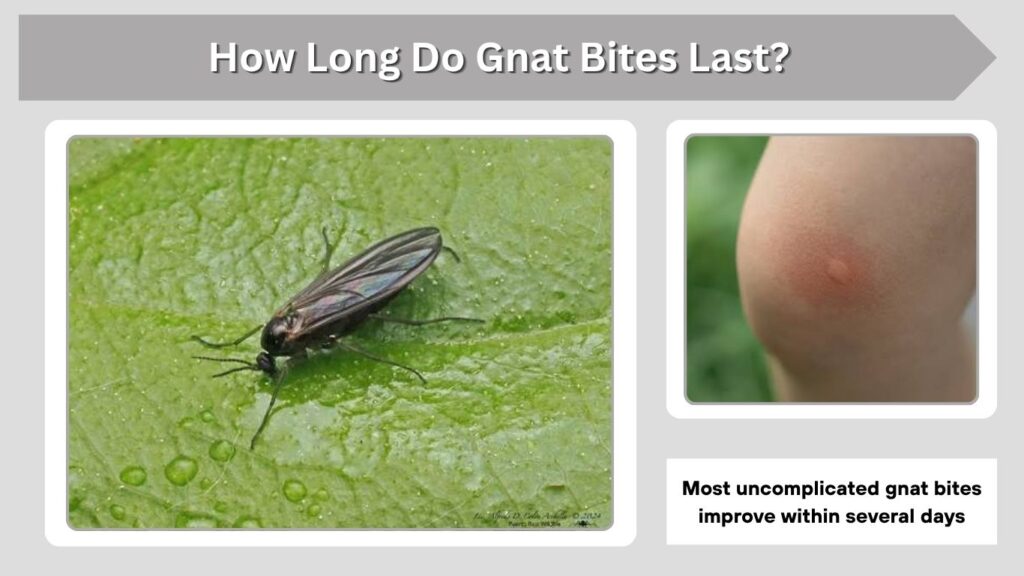
Most uncomplicated gnat bites improve within several days. Mild redness may disappear quickly, while itching or swelling can persist longer in sensitive individuals.
Typical Healing Time
For many people:
- Mild itching may improve within a few days.
- Small bumps may remain visible for several days.
- Larger local reactions can take a week or longer to completely settle.
- Scratched bites may take longer to heal.
Repeated scratching can damage the skin and introduce bacteria, which can prolong symptoms.
Seek medical advice if redness continues expanding, the area becomes increasingly painful or warm, pus develops, or symptoms worsen rather than improve.
How to Treat Gnat Bites
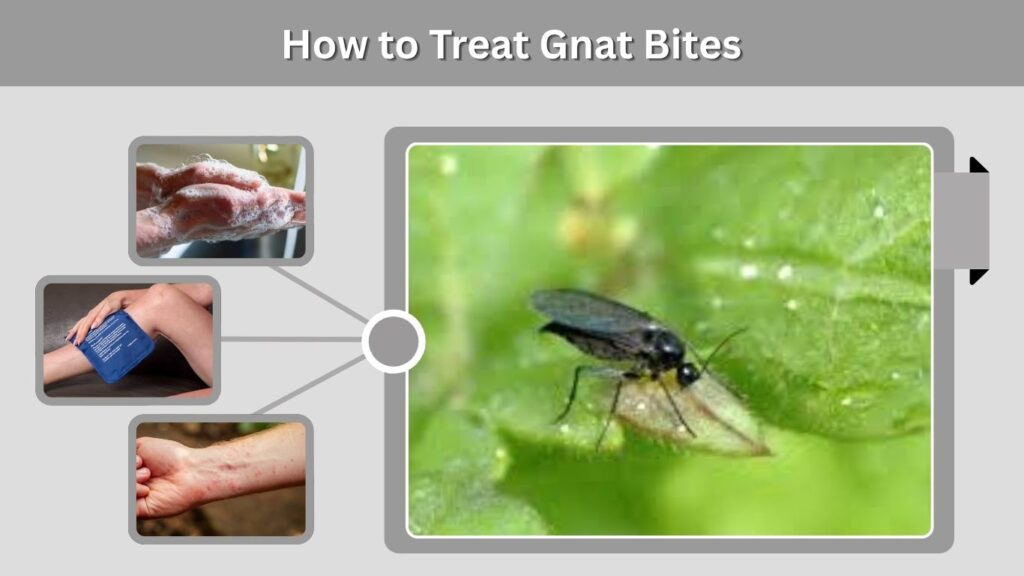
Most gnat bites can be managed with simple home care. The primary goals are reducing itching, controlling swelling, and protecting the irritated skin.
What to Do After a Gnat Bite
You can:
- Wash the affected skin gently with soap and water.
- Apply a cool compress for about 10–15 minutes.
- Avoid scratching the bite.
- Consider an over-the-counter anti-itch treatment according to its label.
- Keep the area clean until it heals.
If swelling is present on an arm or leg, elevating the affected area may also provide some relief.
People with medication allergies, children, pregnant individuals, or those with medical conditions should check appropriate medicine use with a healthcare professional or pharmacist.
When to Seek Medical Help
Get urgent medical attention if an insect bite is followed by symptoms such as:
- Difficulty breathing
- Swelling of the lips, mouth, tongue, or throat
- Faintness or severe dizziness
- Widespread hives
- Rapidly worsening swelling
Medical evaluation is also advisable if a bite develops signs of infection or causes an unusually severe reaction.
Do Gnats Bite Humans in the House?
Biting gnats can occasionally enter homes, but the most common indoor “gnats” are fungus gnats, fruit flies, and drain flies—and these generally do not bite people.
If you repeatedly wake up with unexplained bites, another pest may be responsible.
Gnats That Commonly Occur Indoors
Typical indoor sources include:
- Houseplants: Fungus gnats reproduce in damp potting soil.
- Fruit and garbage: Fruit flies breed around fermenting organic material.
- Drains: Drain flies develop inside moist organic buildup.
- Open windows: Outdoor biting insects can occasionally enter indoors.
Finding tiny flies inside does not automatically mean they caused a skin reaction.
Do Gnats Bite at Night?
Some biting midges are especially active around dawn and dusk, although activity varies by species and environmental conditions. They may also bite after dark when conditions are warm and humid.
Gnats generally do not behave like bed bugs and establish themselves in mattresses specifically to feed while someone sleeps.
If bites repeatedly appear after sleeping, especially in lines or clusters, inspect the sleeping area for other possible biting pests.
Do Gnats Bite Dogs and Cats?
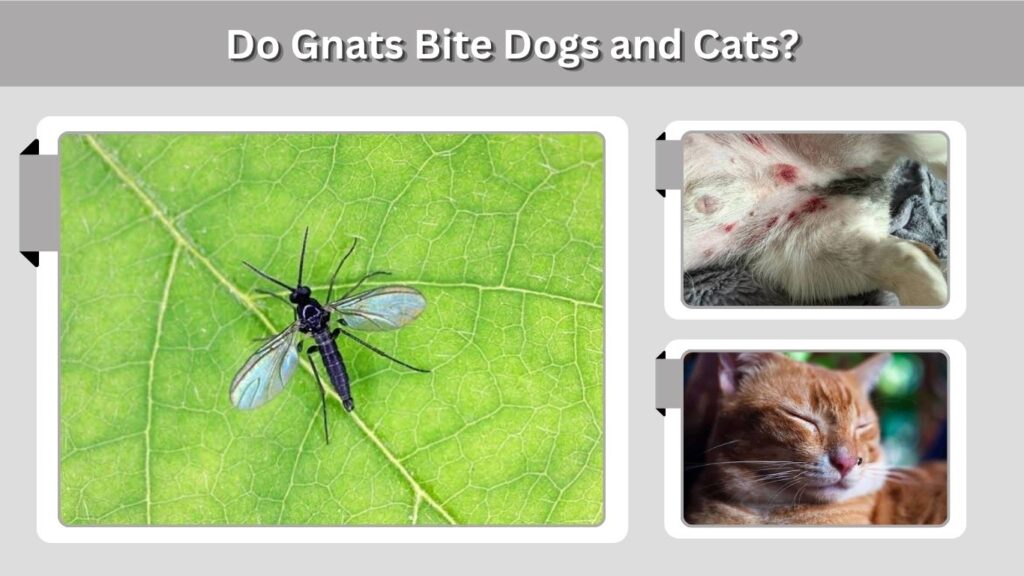
Certain biting flies and midges can feed on mammals, including dogs and cats. Outdoor pets may be exposed around wetlands, streams, shaded vegetation, and other areas where biting flies are abundant.
Signs of Bites on Pets
Possible signs include:
- Persistent scratching
- Small red areas
- Swelling
- Irritated ears or exposed skin
- Excessive licking
- Restlessness after outdoor activity
Significant swelling, breathing problems, weakness, or severe irritation warrants prompt veterinary attention.
Fungus gnats found around houseplants are not typically a biting threat to dogs or cats.
How to Prevent Gnat Bites
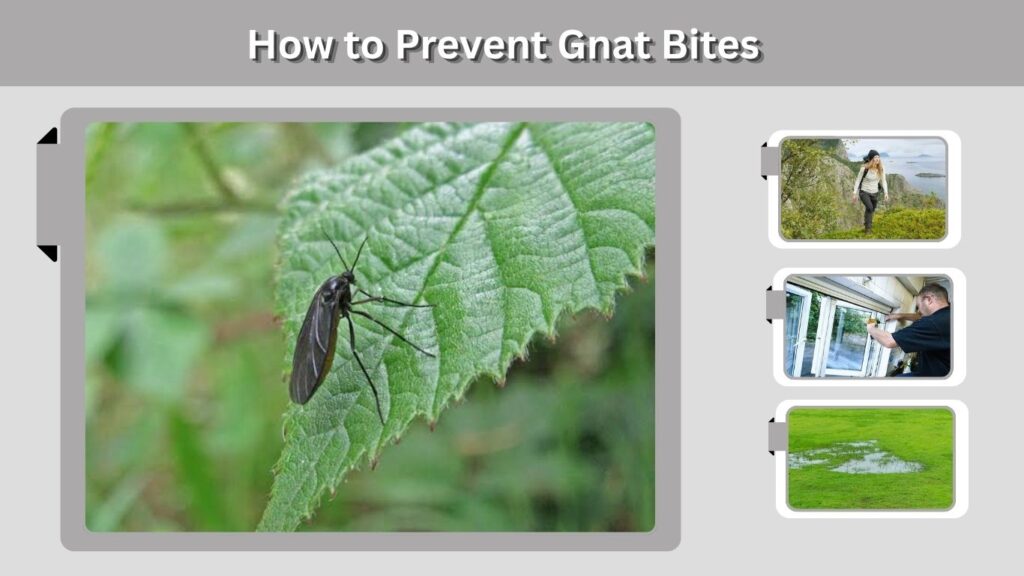
Prevention is especially useful in areas where biting midges and black flies are common. Their small size makes them difficult to notice before they begin biting.
Ways to Reduce Your Risk
Try these measures:
- Wear long sleeves and long pants outdoors.
- Follow label directions when using an appropriate insect repellent.
- Use fine-mesh window and door screens.
- Avoid heavily infested outdoor areas when biting insects are most active.
- Remove unnecessary standing water around the property.
- Keep doors and windows closed when large numbers of gnats are outside.
- Use fans on patios because small flying insects have difficulty flying in strong air movement.
Reducing damp breeding locations can also help control many kinds of small flies around a home.
Frequently Asked Questions
Do Fungus Gnats Bite Humans?
No. Adult fungus gnats found around houseplants generally do not bite humans. Their larvae live primarily in moist soil and feed on fungi and decaying organic material.
Do Fruit Gnats Bite?
Fruit flies, sometimes casually called fruit gnats, do not normally bite people. They are mainly attracted to fermenting fruit, sugary liquids, garbage, and other decaying material.
Do Gnat Bites Itch?
Yes, bites from species such as biting midges and black flies can be very itchy. The itching results from the body’s immune reaction to substances introduced during feeding.
Can Gnats Bite Through Clothes?
Biting gnats usually target exposed skin. Lightweight or loosely woven clothing may provide less protection, so tightly woven long sleeves and pants are more useful in heavily infested areas.
Why Do Gnats Bite Me So Much?
Biting flies locate hosts using signals such as carbon dioxide, body heat, movement, and body odors. Individual differences can make one person seem more attractive to biting insects than another, while location and exposure also strongly influence how many bites someone receives.