
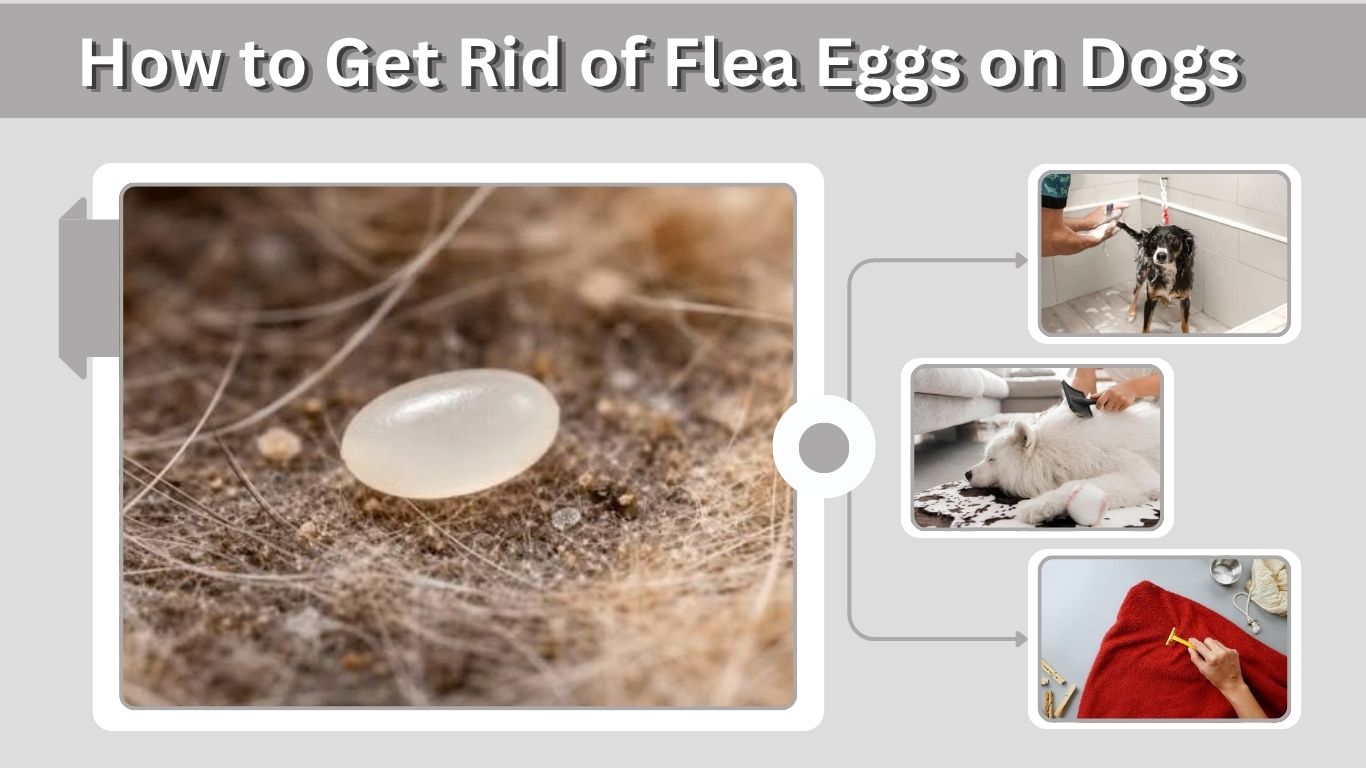
Flea eggs on dogs can quickly develop into a frustrating infestation if they are not properly managed. These tiny, white eggs are laid by adult fleas and often fall into carpets, bedding, and furniture before hatching. Simply bathing your dog may remove some eggs, but it rarely eliminates the entire problem. Understanding how to get rid of flea eggs on dogs requires combining effective flea treatments, regular grooming, and thorough household cleaning. With the right approach, you can interrupt the flea lifecycle and protect your dog from recurring infestations.
What Do Flea Eggs Look Like on Dogs?
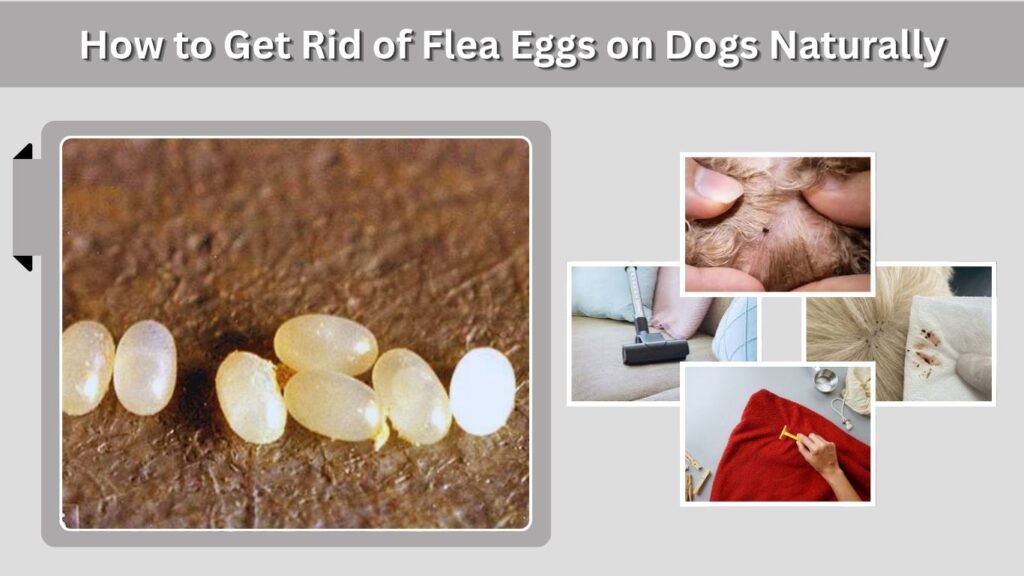
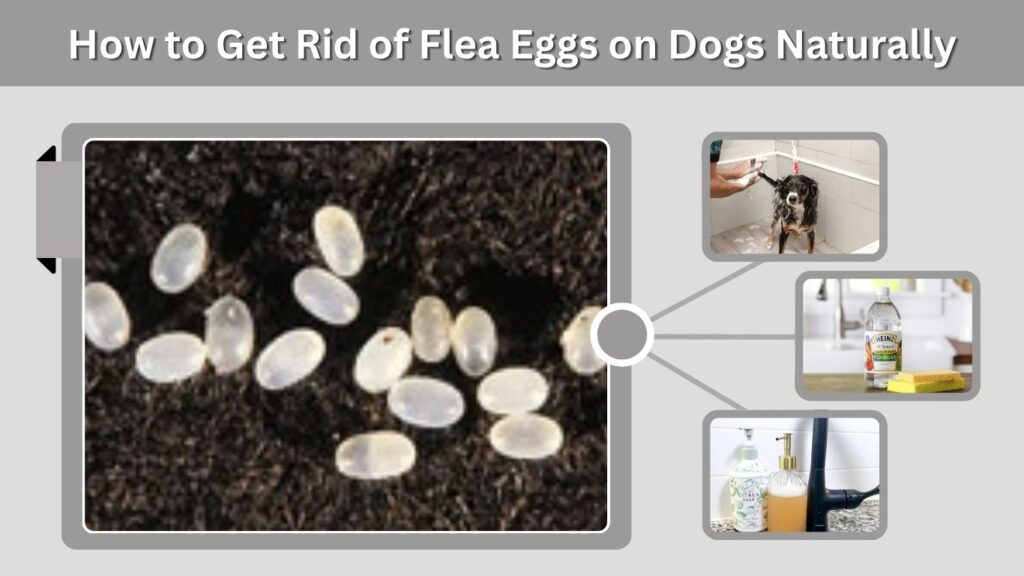
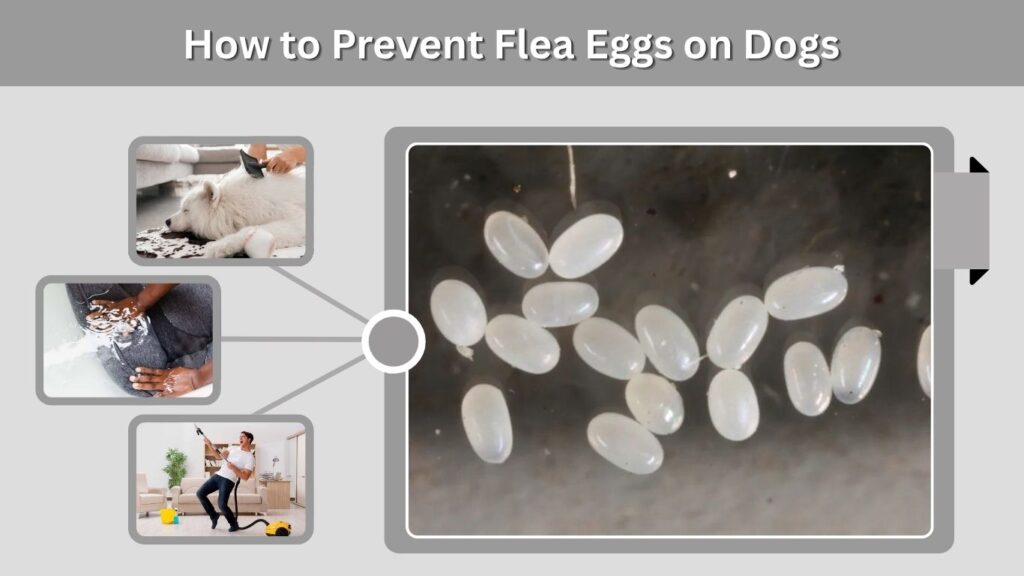
Before removing flea eggs, it is important to recognize their appearance and understand where they are commonly found. Flea eggs are extremely small and can resemble dandruff, salt, or tiny white particles trapped in fur. However, they have a smooth, oval shape and do not stick firmly to hair. Identifying them correctly helps you choose appropriate treatment methods.
How to Identify Flea Eggs on Dogs
Flea eggs have several distinguishing characteristics:
- Color: Pearly white, creamy white, or slightly translucent.
- Size: Approximately 0.5 millimeters long.
- Shape: Small, smooth, and oval.
- Texture: Non-sticky and easily dislodged from fur.
- Appearance: Similar to miniature grains of salt.
- Location: Usually found in bedding rather than attached to the dog’s skin.
Where Are Flea Eggs Found on Dogs?
Adult fleas often gather around the neck, belly, lower back, and base of the tail. Eggs may briefly appear in these areas before falling away.
Most flea eggs accumulate in carpets, bedding, furniture, and places where dogs frequently rest.
Black specks in the coat are more likely flea dirt, which contains digested blood, rather than flea eggs.
How to Get Rid of Flea Eggs on Dogs Step by Step
Successfully removing flea eggs requires treating both your dog and the surrounding environment. Adult fleas can continuously produce new eggs, so grooming alone will not stop an infestation. A combination of veterinary-approved flea medication, regular cleaning, and ongoing prevention is usually most effective. Follow these practical steps to reduce flea populations and prevent eggs from developing into new adults.
7 Steps to Remove Flea Eggs From Dogs
- Inspect your dog’s fur: Check the belly, neck, back, and tail base for fleas and flea dirt.
- Use a flea comb: Carefully remove adult fleas and loose particles from the coat.
- Choose appropriate medication: Use a veterinarian-recommended flea treatment suitable for your dog.
- Wash pet bedding: Clean blankets, washable beds, and frequently used fabrics.
- Vacuum your home: Focus on carpets, upholstery, furniture edges, and floor cracks.
- Protect other pets: Treat all susceptible household animals with species-appropriate products.
- Continue regular prevention: Maintain the recommended schedule to stop new infestations.
Can You Remove Flea Eggs From Dog Skin?
Flea eggs do not normally attach firmly to a dog’s skin. Most fall off naturally as the animal moves or scratches.
A flea comb can remove loose particles and help identify adult fleas. However, treating the adult flea population is essential to preventing additional eggs.
What Kills Flea Eggs on Dogs?
Different flea-control products work against different stages of the flea lifecycle. Some medications kill adult fleas before they reproduce, while others contain insect growth regulators that interfere with egg development. Choosing a suitable treatment depends on your dog’s age, weight, medical history, and infestation severity. Veterinary advice is especially important when selecting medications for puppies or dogs with existing health conditions.
Veterinary-Approved Flea Treatments
Some topical flea medications contain ingredients such as pyriproxyfen or (S)-methoprene, which disrupt the development of immature fleas.
Other products, including certain NexGard and Bravecto formulations, primarily kill adult fleas and help stop further egg production.
Not every medication kills eggs directly. Always check the specific product label and consult your veterinarian before treatment.
What Kills Flea Eggs and Larvae?
Insect growth regulators can prevent eggs or larvae from developing successfully, depending on the product.
Environmental cleaning also removes many immature flea stages.
Because flea pupae remain protected inside cocoons, newly emerging adults may appear even after effective initial treatment.
How to Get Rid of Flea Eggs Around Your Home
Most flea eggs laid on dogs eventually fall into their environment. This makes household cleaning an essential part of controlling an infestation. Carpets, pet bedding, upholstery, and floor gaps offer protected locations for developing fleas. Even an effectively treated dog may encounter newly emerged adults if the surrounding environment remains contaminated. Repeated cleaning helps reduce these hidden flea populations.
Effective Ways to Remove Flea Eggs at Home
Use these household cleaning methods:
- Vacuum frequently: Concentrate on carpets and places where your dog sleeps.
- Wash bedding: Use hot water when permitted by the fabric instructions.
- Clean furniture: Vacuum sofas, cushions, and upholstered surfaces.
- Wash soft toys: Clean washable pet toys and blankets regularly.
- Dispose of vacuum debris: Empty collected material into sealed outdoor trash.
- Repeat cleaning: Continue throughout the flea-control process.
Why Environmental Treatment Matters
Flea eggs usually fall from a dog’s fur within hours of being laid.
They may hatch in bedding, carpets, or protected cracks, allowing larvae to develop away from the host.
Cleaning these areas reduces the number of immature fleas that can eventually become adults and reinfest your dog.
How to Get Rid of Flea Eggs on Dogs Naturally
Natural flea-control methods appeal to dog owners who want to reduce unnecessary chemical exposure. Grooming, washing bedding, and regular vacuuming can help remove flea eggs and other immature stages. However, home remedies generally cannot eliminate an established infestation independently. Some substances promoted online as natural flea killers may irritate the skin or cause poisoning, so careful selection is essential.
Using a Flea Comb and Bathing
A fine-toothed flea comb helps remove adult fleas and loose debris. Comb your dog gently, particularly around the neck and tail base.
Bathing with a suitable dog shampoo may wash away additional fleas and eggs.
However, shampooing alone does not provide lasting protection. Check whether bathing affects the effectiveness of any topical flea medication.
Do Vinegar, Essential Oils, or Dish Soap Work?
Vinegar is not a reliable method for killing flea eggs, and concentrated essential oils can be harmful to dogs.
Dish soap may remove some fleas but can irritate or dry the skin when used repeatedly.
Avoid homemade pesticide mixtures and rely on veterinarian-recommended treatments for established infestations.
How Quickly Can You Eliminate Flea Eggs?
Many owners want to know how to get rid of flea eggs on dogs instantly. Although grooming and washing can remove loose eggs quickly, complete flea control takes longer. Eggs and larvae may already be hidden throughout the home, while pupae can remain protected inside cocoons. Understanding flea development helps establish realistic expectations and prevents treatment from being stopped prematurely.
How Long Do Flea Eggs Take to Hatch?
Under suitable environmental conditions, flea eggs commonly hatch within one to six days.
The larvae then develop in sheltered locations before forming pupae.
Temperature, humidity, and food availability affect how quickly the entire lifecycle progresses.
Can You Get Rid of Flea Eggs Instantly?
No single method instantly eliminates every flea egg from a dog and its environment.
Effective flea medication can rapidly reduce adult populations, but developing stages may continue producing new fleas.
Complete household flea control often takes six weeks to three months, depending on infestation severity and treatment consistency.
How to Prevent Flea Eggs on Dogs
Preventing flea eggs starts with stopping adult fleas from reproducing. Consistent preventive treatment, regular coat inspections, and household maintenance significantly reduce the likelihood of recurring infestations. Because fleas may survive indoors throughout the year, prevention should not depend solely on warm-weather activity. Owners should also monitor their dogs for early symptoms and seek veterinary advice when infestations persist.
Best Flea Prevention Practices
Follow these preventive measures:
- Maintain veterinarian-recommended flea prevention.
- Inspect your dog’s coat regularly.
- Wash pet bedding and blankets frequently.
- Vacuum heavily used resting areas.
- Keep other household pets protected.
- Follow medication instructions for age and weight.
- Avoid applying multiple flea products without veterinary approval.
When Should You Contact a Veterinarian?
Contact your veterinarian if your dog experiences severe itching, inflamed skin, hair loss, or persistent flea activity despite treatment.
Puppies with heavy flea infestations are especially vulnerable to anemia.
Dogs with pale gums, unusual weakness, or lethargy require prompt veterinary attention. Discuss any history of seizures before using certain flea medications.
FAQs
Getting rid of flea eggs on dogs can be confusing because the eggs are difficult to see and often develop away from the animal. Many owners also wonder whether bathing, home remedies, or flea medications can eliminate eggs immediately. Understanding the flea lifecycle helps explain why consistent prevention and environmental cleaning are necessary for successful long-term control.
1. What Is the Best Way to Get Rid of Flea Eggs on Dogs?
The best approach combines veterinarian-approved flea treatment, regular flea combing, and household cleaning. Treating adult fleas prevents new eggs, while washing and vacuuming reduce immature fleas in the environment.
2. Can You Get Rid of Flea Eggs on Dogs Instantly?
You can remove some loose eggs immediately through grooming or bathing, but no treatment instantly eliminates every egg and develops fleas throughout the home.
3. Does Bathing a Dog Kill Flea Eggs?
Bathing helps wash eggs and fleas from the coat, but ordinary shampoo does not reliably kill every egg. Veterinary-approved flea prevention remains important.
4. How Do You Naturally Remove Flea Eggs From Dogs?
Use a flea comb, wash bedding, and vacuum resting areas. These nonchemical methods reduce flea contamination but may not control an established infestation alone.
5. Can Flea Eggs Come Back After Treatment?
Yes. Eggs already present in the environment may hatch, and emerging adult fleas can infest pets again. Consistent treatment and environmental cleaning help break the flea lifecycle.
