
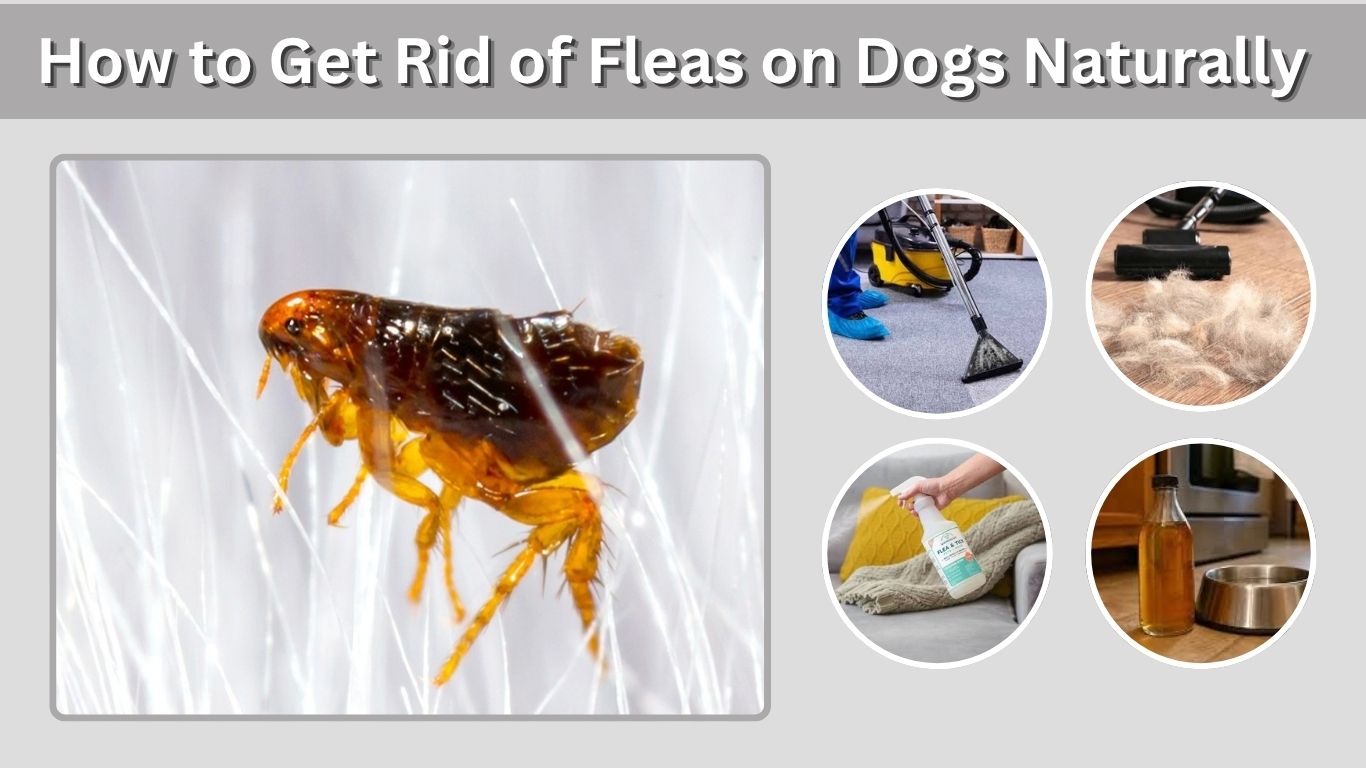
Fleas can be a real problem for dogs, especially when they start scratching, biting their skin, or losing fur. If you’re wondering how to get rid of fleas on dogs naturally, there are several simple methods you can try at home. Regular grooming, gentle bathing, and cleaning your dog’s surroundings can help reduce fleas without using unnecessary products. However, not every natural remedy works, and some can be harmful. This guide explains seven practical methods, common home remedies, and ways to keep fleas from coming back.
Can You Get Rid of Fleas on Dogs Naturally?
You can remove some fleas from your dog using natural methods, but getting rid of an entire infestation is more difficult. Adult fleas live on pets, while their eggs and developing stages are often found in bedding, carpets, and furniture. This means you need to care for your dog and clean your home regularly to reduce the flea population.
How to Know If Your Dog Has Fleas
Before trying any flea removal method, check your dog’s coat and skin for common signs.
- Frequent scratching: Your dog may scratch or bite certain areas repeatedly.
- Small brown insects: Adult fleas move quickly through the fur.
- Black specks: Flea dirt looks like tiny dark particles near the skin.
- Red or irritated skin: Flea bites may cause redness, bumps, or small sores.
- Hair loss: Constant scratching can sometimes lead to thin patches of fur.
Use a flea comb to check around the neck, belly, and base of the tail. If you find fleas or flea dirt, start cleaning and consider appropriate flea treatment.
7 Best Ways to Get Rid of Fleas on Dogs Naturally
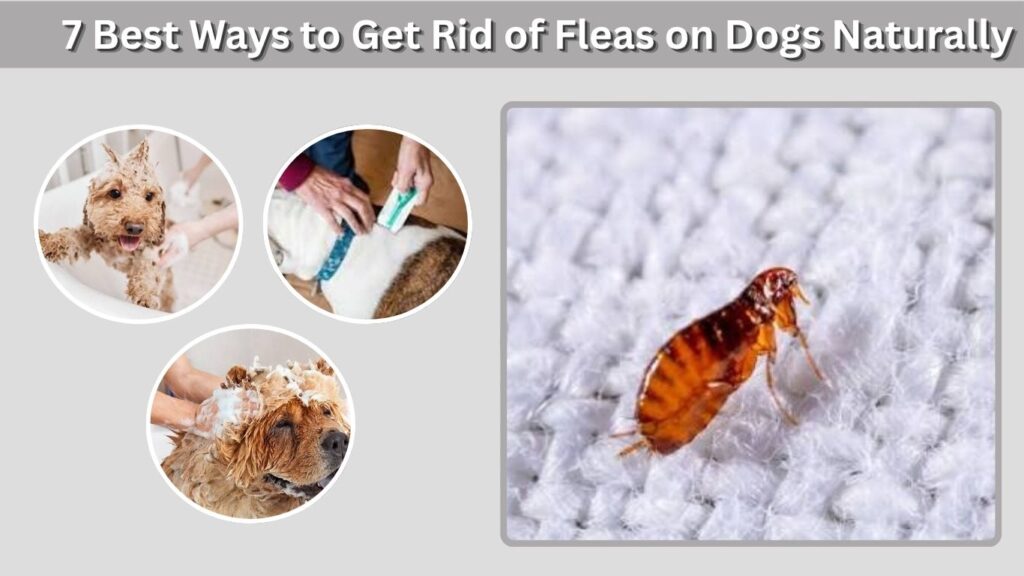
There are several natural ways to help remove fleas and reduce their numbers around your home. Most of these methods are easy to follow and do not require special ingredients. However, they work best when used together because fleas develop through different life stages. Let’s look at seven methods that can help manage flea problems.
1. Remove Fleas With a Flea Comb
A flea comb is one of the easiest ways to remove adult fleas from your dog’s coat.
These combs have closely spaced teeth that catch fleas and flea dirt while passing through the fur.
Start around the neck and slowly comb toward the back, belly, and tail. Pay attention to areas where fleas tend to gather.
Keep a bowl of warm, soapy water nearby and dip the comb into it whenever you collect fleas.
Repeat the process daily while fleas are present. Combing removes some adult fleas, but it does not stop new fleas from jumping onto your dog.
2. Bathe Your Dog With Gentle Shampoo
Bathing can help remove some fleas, dirt, and loose debris from your dog’s coat.
Choose a mild shampoo specifically made for dogs. Avoid harsh household cleaners because they can irritate your pet’s skin.
Follow these simple bathing steps:
- Wet your dog’s coat thoroughly with lukewarm water.
- Apply a small amount of dog shampoo.
- Massage gently, especially around the neck, belly, and legs.
- Rinse until all shampoo is removed.
- Dry the coat with a clean towel.
- Use a flea comb afterward to check for remaining fleas.
Avoid bathing too frequently because it can dry out the skin. Bathing provides temporary help rather than long-term flea protection.
3. Wash Your Dog’s Bedding Regularly
Fleas lay eggs that easily fall from your dog’s fur into bedding, blankets, and other resting areas.
These eggs may hatch and develop into new fleas if the surroundings are not cleaned.
Wash your dog’s bedding regularly using detergent and the warmest water recommended for the fabric.
Dry everything completely before returning it to your pet.
During an active flea infestation, washing bedding several times a week may be helpful.
Remember to clean blankets, cushions, and any washable materials your dog regularly uses.
4. Vacuum Carpets and Furniture
Vacuuming is another useful way to reduce fleas around the house.
Flea eggs and larvae can collect in carpets, rugs, furniture, and small cracks in the floor.
Focus on the following areas:
- Carpets and rugs where your dog spends time.
- Sofas, chairs, and upholstered furniture.
- Areas beneath beds and furniture.
- Floor edges, corners, and baseboards.
- Spaces around your dog’s sleeping area.
Vacuum daily during an infestation if possible. Empty the vacuum container outside or dispose of the bag promptly.
Some flea pupae can survive inside protective cocoons, so continued cleaning is important.
5. Use Steam Cleaning Around the Home
Steam cleaning may help control fleas in carpets, rugs, and certain types of upholstery.
High temperatures can kill fleas and developing stages when the heat reaches them properly.
Pay attention to areas where your dog spends the most time, especially carpets and furniture.
Before steam cleaning, check whether the material can safely handle high temperatures and moisture.
Let everything dry thoroughly before allowing your dog back into the area.
Steam cleaning can help reduce flea populations, but it may not reach every hidden egg, larva, or pupa.
6. Keep Your Yard Clean and Maintained
Fleas may also develop outside, especially in shady places where animals rest.
Keeping your yard tidy can help make these areas less suitable for flea development.
Some useful yard maintenance habits include:
- Mowing grass regularly.
- Removing unnecessary leaves and debris.
- Cleaning outdoor dog beds and resting spots.
- Trimming overgrown bushes.
- Avoiding pet food left outside overnight.
Stray animals and wildlife may carry fleas into your yard. Reducing conditions that attract them can help limit exposure.
These methods may lower flea numbers but will not eliminate every flea outdoors.
7. Groom Your Dog and Check Other Pets
Regular grooming helps you notice fleas before they become a larger problem.
Brush your dog’s coat and examine the skin, especially after outdoor activities.
If you have other pets, check them as well. Fleas can move between animals, allowing infestations to continue.
Use a suitable flea comb and watch for scratching, flea dirt, or irritated skin.
If multiple pets have fleas, they may all need species-appropriate veterinary treatment.
Never use a flea medication intended for dogs on cats because certain ingredients can be dangerous to them.
Natural Home Remedies for Fleas on Dogs: Do They Work?
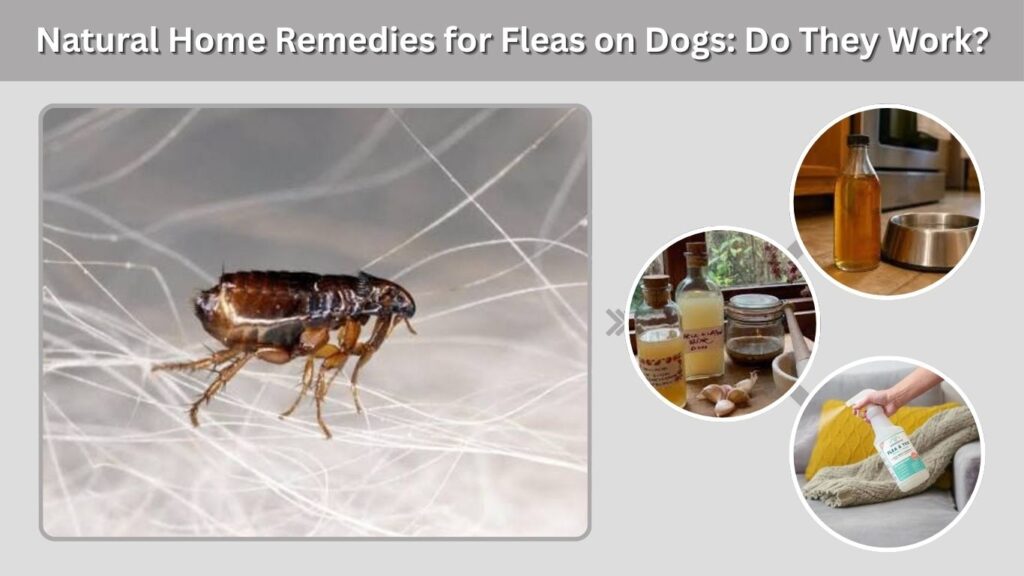
Many pet owners search for homemade flea treatments because the ingredients are inexpensive and easy to find. Apple cider vinegar, essential oils, lemon juice, and garlic are commonly mentioned online. However, these remedies are not always effective, and some may cause skin irritation or poisoning. Before using any homemade mixture, consider whether it is safe for your dog.
Apple Cider Vinegar for Fleas
Apple cider vinegar is sometimes mixed with water and sprayed onto dogs.
However, there is no reliable evidence that vinegar kills fleas or prevents infestations.
It may also irritate sensitive skin, particularly if your dog has scratches or open sores.
Essential Oils for Flea Control
Essential oils such as peppermint, eucalyptus, and tea tree oil are often promoted as natural flea repellents.
Some plant compounds may repel insects under certain conditions, but concentrated essential oils can be harmful to dogs.
They may cause skin irritation, vomiting, weakness, or neurological symptoms.
Avoid using homemade essential-oil sprays without veterinary advice.
Garlic and Lemon-Based Remedies
Garlic is sometimes suggested as a natural flea repellent, but it can damage a dog’s red blood cells and cause anemia.
Lemon-based mixtures are also popular, although there is little reliable evidence that they eliminate fleas.
Rather than depending on these ingredients, focus on grooming, environmental cleaning, and appropriate flea prevention.
How to Get Rid of Flea Eggs on Dogs Naturally
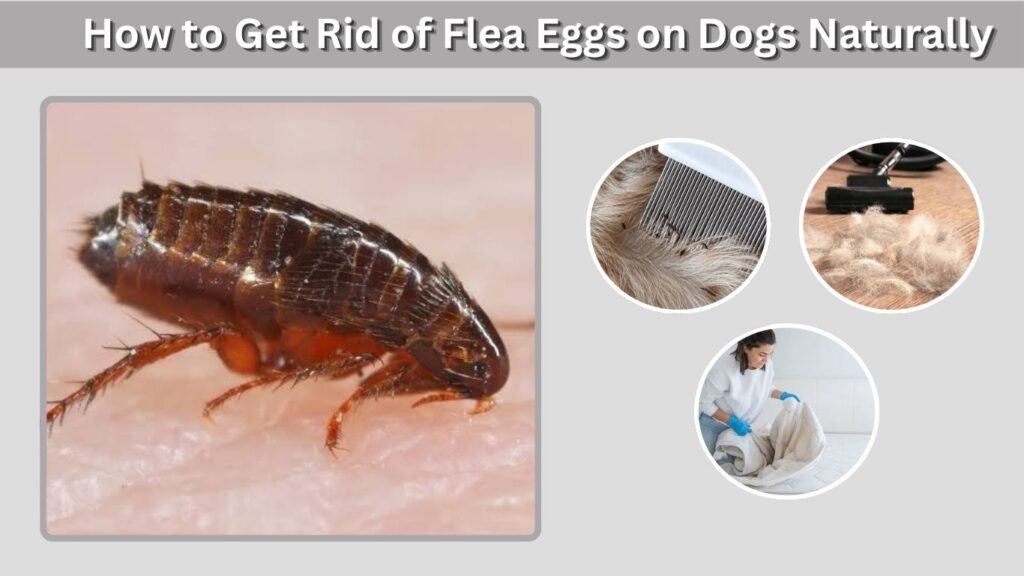
Flea eggs are tiny, oval-shaped, and usually white or slightly translucent. Unlike adult fleas, they do not remain attached to your dog’s coat for long. Most eggs fall into bedding, carpets, and other places where your dog rests. Removing them from the environment helps reduce the number of new fleas that develop.
Removing Flea Eggs From Your Dog and Home
A few simple cleaning methods may help reduce flea eggs.
- Flea combing: Removes some loose eggs and adult fleas from the coat.
- Gentle bathing: May wash away eggs and other debris.
- Washing bedding: Helps remove eggs from blankets and fabrics.
- Regular vacuuming: Collects eggs and larvae from carpets and furniture.
- Steam cleaning: Can kill developing fleas where sufficient heat reaches them.
These methods help reduce flea numbers, but they may not remove every developing stage. Veterinary flea treatment is often needed to stop adult fleas from laying more eggs.
How Long Does It Take to Get Rid of Fleas Naturally?
You may notice fewer fleas after several days of regular combing, bathing, and cleaning. However, eliminating an infestation can take several weeks or longer. Flea eggs, larvae, and pupae may continue developing in hidden areas even after adult fleas are removed from your dog. Natural methods alone may not fully control a large infestation.
Why Do Fleas Keep Coming Back?
Fleas often return because developing fleas are still present in the home.
New adults can emerge from cocoons in carpets, furniture, or bedding and jump onto your dog.
Even thorough cleaning may miss some flea stages.
Continue your cleaning routine and monitor your dog’s coat. If fleas remain after repeated efforts, contact a veterinarian for an effective treatment plan.
How to Prevent Fleas From Returning to Your Dog
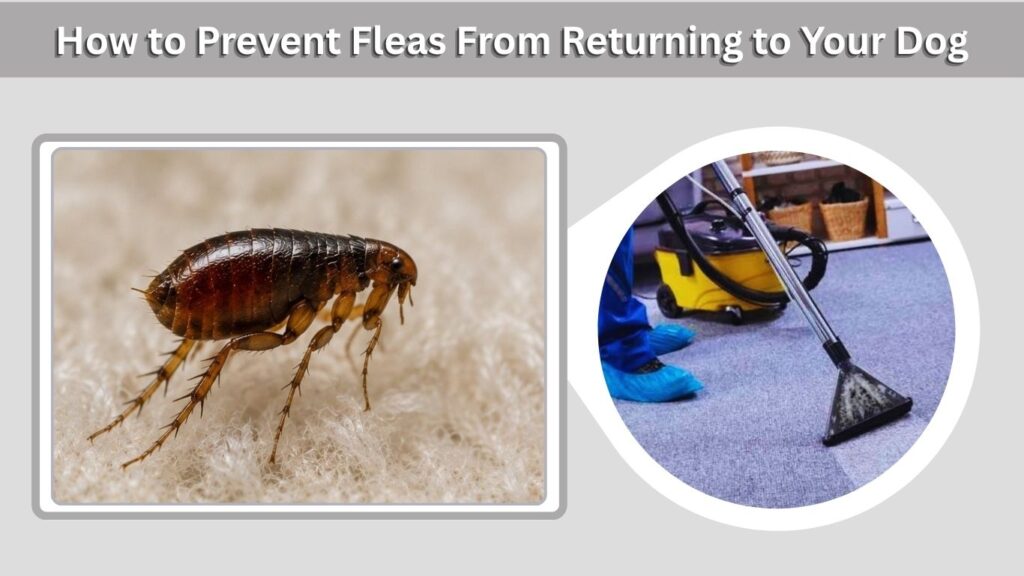
Preventing another flea problem is easier when grooming and cleaning become regular habits. Fleas can survive indoors throughout the year, even when outdoor temperatures are cooler. Checking your dog’s coat, washing bedding, and keeping household areas clean can help reduce flea exposure. Consistent veterinary prevention is also important where fleas are common.
Simple Weekly Flea Prevention Checklist
- Daily: Check your dog’s coat for fleas and flea dirt during an infestation.
- Several times weekly: Use a flea comb when flea exposure is likely.
- Weekly: Wash bedding and blankets.
- Regularly: Vacuum carpets, furniture, and resting areas.
- When needed: Clean outdoor sleeping areas and maintain the yard.
- On schedule: Use veterinarian-recommended flea prevention.
FAQs
1. What is the fastest natural way to get rid of fleas on dogs?
Using a flea comb is one of the quickest ways to remove visible fleas. A gentle bath may also wash away some adult fleas, but these methods cannot eliminate an entire infestation immediately.
2. Can vinegar kill fleas on dogs naturally?
There is no reliable evidence that apple cider vinegar effectively kills fleas or prevents infestations. It can also irritate sensitive skin, so it is not recommended as a primary flea treatment.
3. Can I get rid of fleas on my dog without bathing?
Yes. A flea comb can remove visible fleas without bathing. Washing bedding, vacuuming, and using suitable veterinary flea prevention can also help control an infestation.
4. How do I get rid of fleas on small dogs naturally?
Flea combing and gentle grooming may help remove adult fleas from small dogs. Use extra care with puppies because heavy flea infestations can cause anemia. Ask your veterinarian about safe treatment options.
5. Can natural methods completely eliminate fleas on dogs?
Natural methods can reduce adult fleas and remove some developing stages from the environment. However, established infestations often require effective flea medication to prevent new fleas from continuing to reproduce.
