
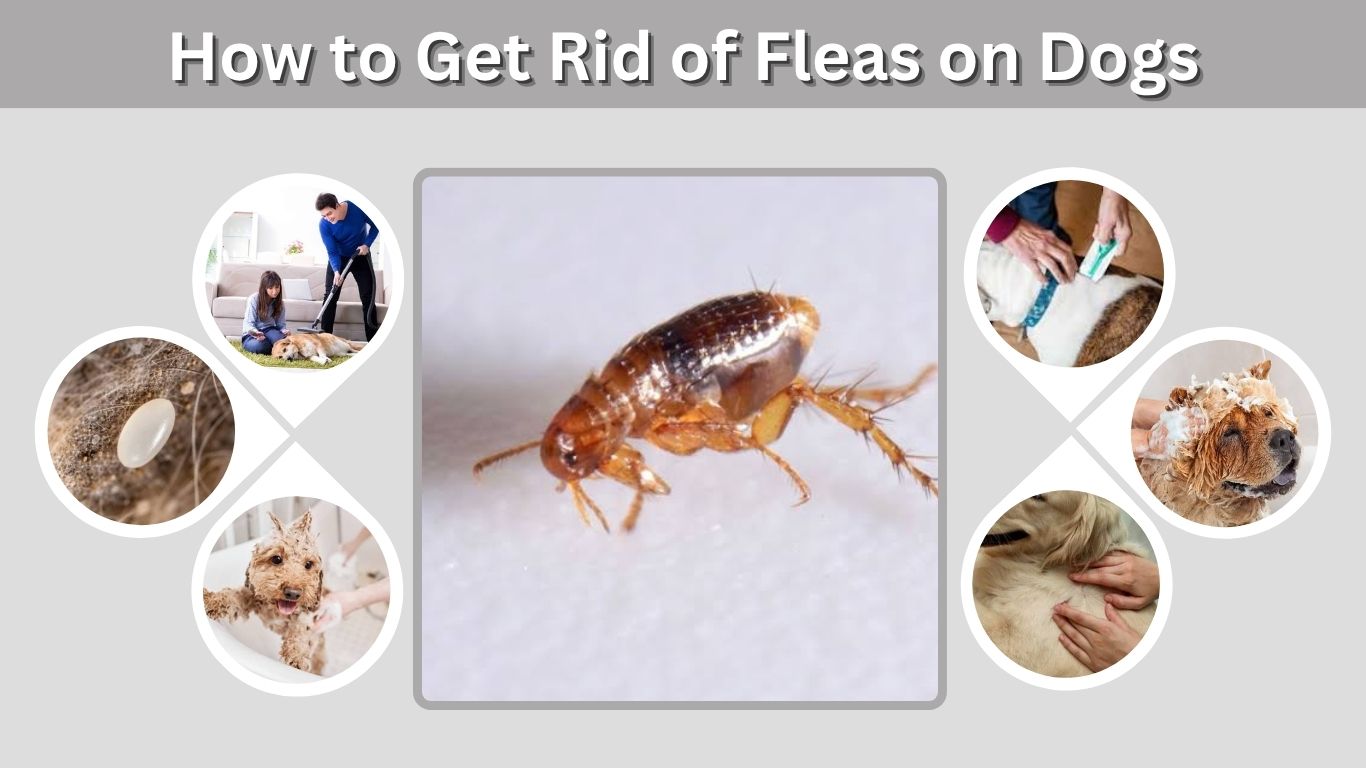
Finding fleas on your dog can be frustrating, especially when your pet keeps scratching and biting its skin. These tiny insects multiply quickly and can spread into bedding, carpets, and furniture. If you’re wondering how to get rid of fleas on dogs, the best approach is to treat your pet and clean the surrounding areas at the same time. This guide explains seven practical steps to remove fleas, deal with flea eggs, and help prevent another infestation.
How to Get Rid of Fleas on Dogs Fast
If your dog has fleas, start by checking the coat and using a suitable flea treatment. A flea comb can help remove some adult fleas immediately, while veterinary flea medications can provide more effective control. You should also begin cleaning your dog’s bedding and the areas where it spends time because many flea eggs will already be in the home.
What Should You Do First?
Check your dog’s fur, especially around the neck, belly, and base of the tail. If you see small brown insects moving through the coat, your dog probably has fleas.
You can use a flea comb to remove visible fleas while arranging an appropriate treatment.
Some veterinary flea medications begin killing adult fleas within hours, but the exact timing depends on the product. Avoid combining treatments without your veterinarian’s advice.
7 Effective Steps to Get Rid of Fleas on Dogs
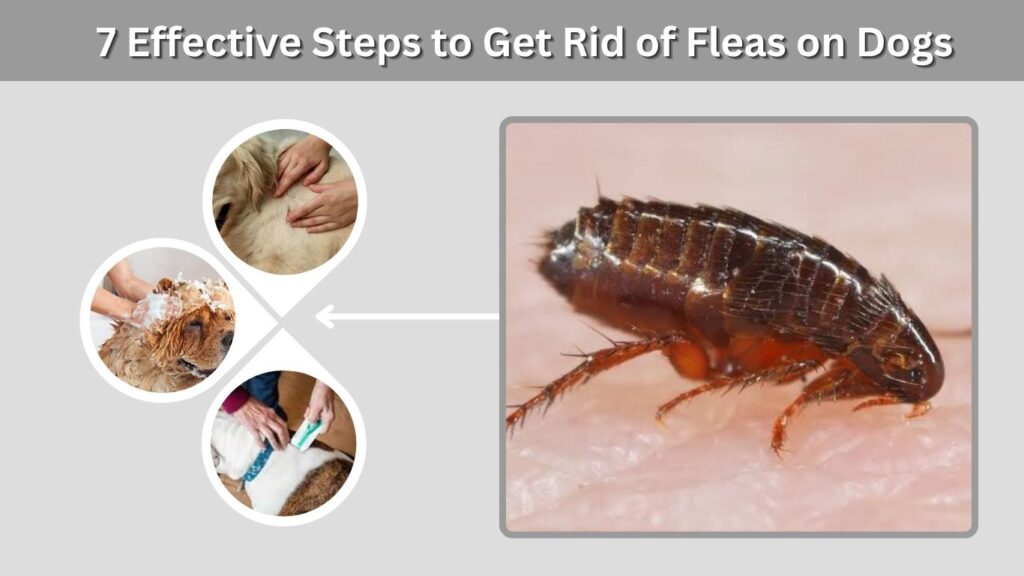
Getting rid of fleas takes more than removing the ones you can see. Adult fleas live on your dog, but eggs, larvae, and pupae are often found around the home. This is why fleas sometimes return even after treatment. Following these seven steps can help control the current infestation and reduce the chance of another one.
1. Check Your Dog for Fleas and Flea Dirt
Before starting treatment, take a few minutes to examine your dog’s coat.
Adult fleas are small, reddish-brown insects that move quickly through the fur. You may also notice dark specks called flea dirt, which are flea droppings.
Use a flea comb and collect some of these specks on a damp white paper towel.
If they leave reddish-brown stains, they are probably flea dirt containing digested blood.
Check for redness, scabs, or areas where your dog has been scratching. Severe irritation may need veterinary attention.
2. Choose a Suitable Flea Treatment
Effective flea treatment is usually the most important step when your dog has an infestation.
Several options are available, including oral tablets, topical treatments, and medicated collars.
Some treatments kill adult fleas, while others also help control developing flea stages.
Products such as NexGard, Simparica, and Bravecto are examples of veterinary flea medications, but they are not suitable for every dog.
Choose a treatment based on your dog’s age, weight, health, and medical history. Dogs with seizure histories need particular care when selecting certain oral medications.
Always follow the label and your veterinarian’s instructions.
3. Remove Fleas With a Flea Comb
A flea comb can remove some of the adult fleas still moving through your dog’s fur.
Start around the head and neck, then slowly comb the back, belly, legs, and tail area.
Keep a small bowl of soapy water nearby. Whenever you collect fleas, dip the comb into the water to help prevent them from escaping.
If your dog has long or thick fur, work through smaller sections.
Combing is useful for immediate removal and checking progress, but it will not eliminate an infestation by itself.
4. Bathe Your Dog With a Gentle Shampoo
Bathing can help wash away some adult fleas and flea dirt from your dog’s coat.
Use a shampoo made for dogs and follow the instructions carefully. A gentle bath may help your dog feel more comfortable, especially if the coat is dirty.
Rinse thoroughly so no shampoo remains on the skin.
Avoid using harsh household cleaners or concentrated essential oils. These can irritate the skin or cause other health problems.
If your dog has recently received a topical flea treatment, check the product instructions before bathing because washing may affect some treatments.
5. Wash Dog Bedding and Blankets
Flea eggs often fall from your dog’s coat into places where it sleeps and rests.
These eggs can develop into larvae, which means cleaning the bedding is just as important as treating your dog.
Remove blankets, washable bed covers, and fabric toys. Wash them with detergent at the highest temperature suitable for the material.
Dry everything thoroughly before returning it to your pet.
During an infestation, you may need to wash bedding more often than usual. Continue cleaning even when you no longer notice adult fleas.
6. Vacuum Carpets, Furniture, and Floors
Fleas can spread throughout the home, particularly in carpets, rugs, upholstered furniture, and spaces beneath beds.
Vacuum these areas thoroughly to remove flea eggs, larvae, and some adult fleas.
Pay extra attention to places where your dog spends the most time.
Empty the vacuum container or dispose of the bag outside after cleaning.
Daily vacuuming is helpful during an active infestation, but it may take several weeks of repeated cleaning to reduce the developing flea population.
If the infestation is severe, professional pest-control treatment may also be necessary.
7. Treat Other Pets and Prevent Reinfestation
If you have more than one pet, all of them need suitable flea protection.
Fleas can move between animals, so treating only one dog may allow the problem to continue.
Choose products appropriate for each animal. Never apply a dog-only flea treatment to a cat because some ingredients are highly toxic to cats.
Keep outdoor resting areas tidy and limit contact with stray animals when possible.
Continue preventive medication according to its recommended schedule. Missing treatments may give fleas another opportunity to reproduce.
How to Get Rid of Fleas on Dogs Naturally
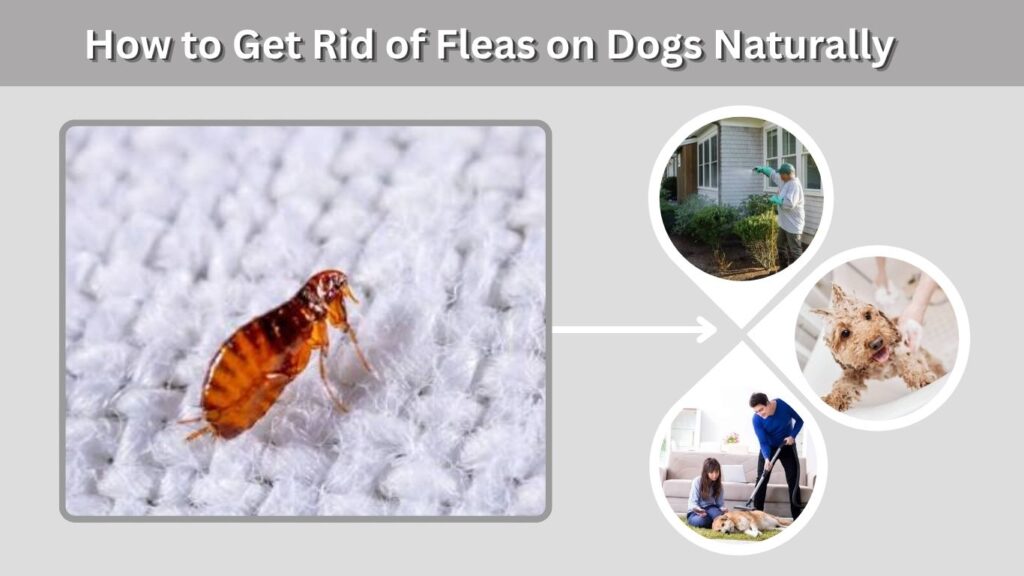
Some owners prefer natural methods because they want to avoid unnecessary products on their pets. Regular grooming and household cleaning can certainly help reduce fleas. However, most homemade remedies do not provide reliable control of an established infestation. Natural care methods are generally better used alongside effective veterinary treatment rather than as the only solution.
Natural Methods That May Help
Flea combing is one of the simplest nonchemical methods for removing visible fleas.
Regular bathing, washing bedding, and vacuuming can also reduce the number of fleas around your dog.
Keeping grass trimmed and cleaning shaded outdoor resting areas may help reduce flea habitats.
However, apple cider vinegar, garlic, and homemade essential-oil sprays are not proven solutions. Garlic and some concentrated essential oils can also be harmful to dogs.
How to Get Rid of Flea Eggs and Flea Dirt on Dogs
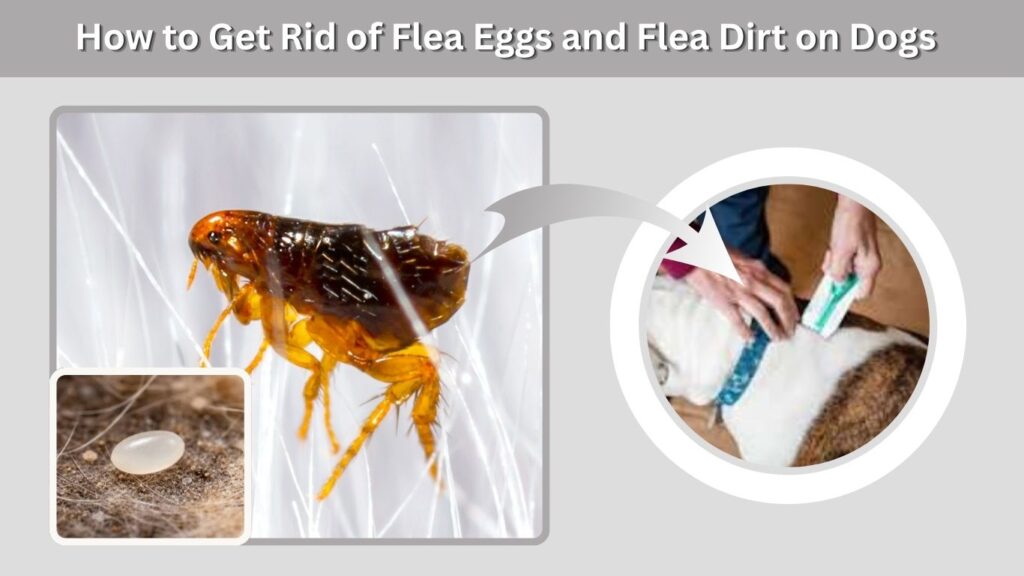
Flea eggs and flea dirt are common signs of an active infestation. Flea eggs are tiny, white, and oval-shaped, while flea dirt looks like small black or dark-brown particles. Eggs usually fall from the coat into the environment within a few hours, so removing them requires more than cleaning your dog’s fur.
Removing Flea Eggs
A bath or flea comb may remove some loose eggs from the coat, but many will already be in carpets or bedding.
Use an effective flea treatment to stop adult fleas from continuing to reproduce.
Regular washing and vacuuming can then help remove eggs and other developing flea stages around the home.
Removing Flea Dirt
Flea dirt can be removed by gently combing the coat or washing your dog with suitable shampoo.
You may notice more dirt around the tail, back, and belly.
If flea dirt keeps appearing after cleaning, check for living fleas. It may mean that the infestation is still active or new fleas are emerging.
How Long Does It Take to Get Rid of Fleas on Dogs?
Some treatments begin killing adult fleas within hours, but getting rid of an entire infestation usually takes longer. Flea eggs, larvae, and pupae can remain hidden around your home. As new adults emerge, they may jump onto your dog. Moderate or severe infestations can take several weeks or even months to control completely.
Why Do Fleas Keep Coming Back?
Fleas often return because the environment still contains developing flea stages.
Even if the adult fleas on your dog have been killed, new ones may emerge from carpets, bedding, or furniture.
This does not always mean the medication has failed.
Continue cleaning and follow the treatment schedule. If fleas remain a problem despite correct treatment, speak with your veterinarian.
FAQs
1. What kills fleas on dogs immediately?
Some veterinary flea medications work quickly and may start killing adult fleas within hours. A flea comb can remove visible fleas right away, but no single treatment instantly eliminates every flea and developing stage in the home.
2. Can I get rid of fleas on my dog without bathing?
Yes. Oral flea medication, certain topical products, and flea combing can help control fleas without bathing. Choose a treatment appropriate for your dog’s health and follow the product instructions.
3. Does Dawn dish soap kill fleas on dogs?
Dish soap may kill some adult fleas during washing, but it does not provide lasting protection. It may also irritate or dry out your dog’s skin. A dog-specific shampoo and suitable flea treatment are generally better choices.
4. How do I get rid of fleas on puppies?
Puppies need special care because many flea medications have minimum age and weight requirements. Ask your veterinarian which products are safe. Heavy flea infestations can cause anemia in young puppies and may require prompt treatment.
5. Can fleas on dogs spread to humans?
Yes. Fleas can bite people, especially when a home has an infestation. However, the fleas commonly found on dogs usually prefer animal hosts. Treating household pets and cleaning the environment helps reduce flea bites.
