
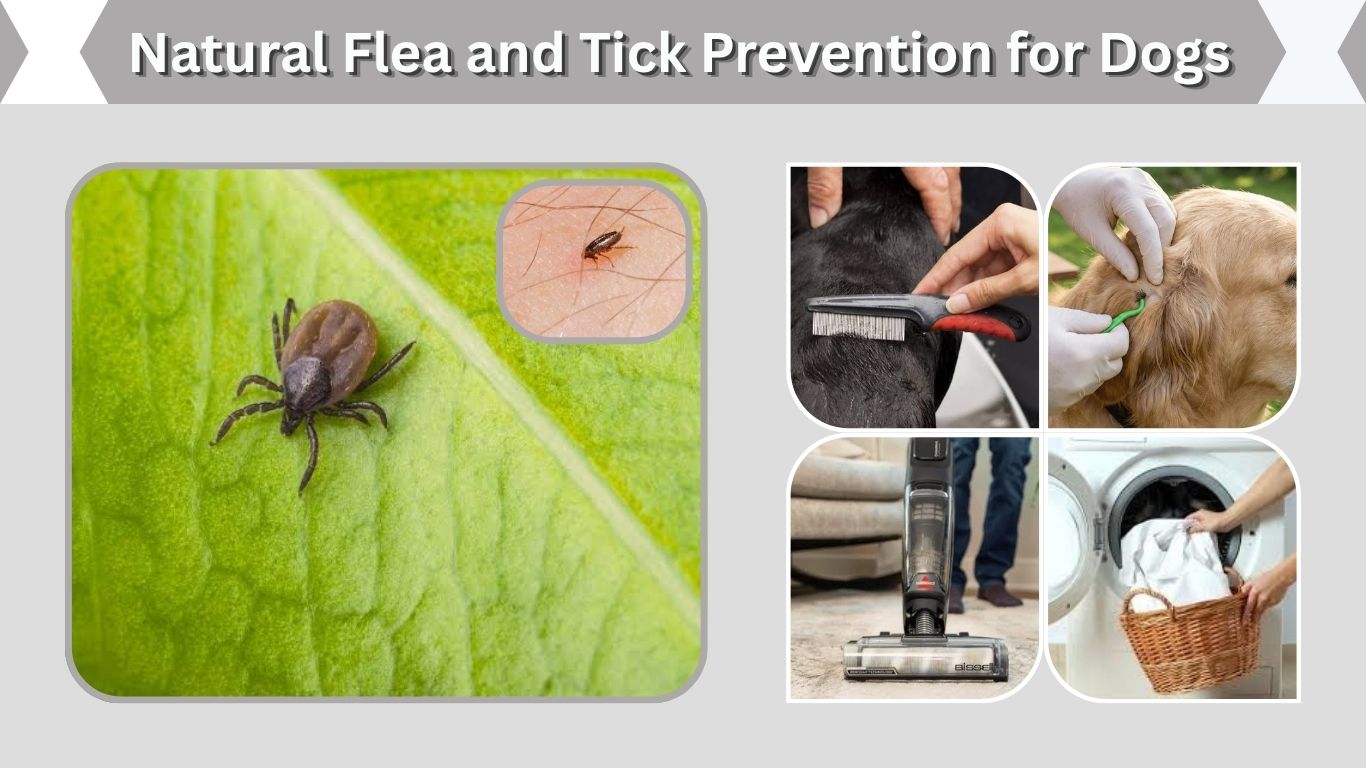
Fleas and ticks can be a real problem for dogs, especially those that spend a lot of time outside. They cause itching, skin irritation, and sometimes more serious health issues. Many pet owners look for natural flea and tick prevention for dogs because they want to avoid unnecessary chemicals. Fortunately, some simple everyday habits can help reduce these pests. In this guide, we’ll look at natural methods, homemade remedies, and products that may help keep your dog comfortable and protected.
What Is Natural Flea and Tick Prevention for Dogs?
Natural flea and tick prevention means using everyday care methods or products made with plant-based ingredients to help reduce fleas and ticks. This may include grooming, cleaning your dog’s bedding, keeping the yard tidy, or using certain natural products. These methods can be helpful, but not all of them work equally well, and some cannot replace regular flea and tick medication.
Why Do Pet Owners Choose Natural Prevention?
Some dog owners prefer natural methods because they want fewer chemicals around their pets and homes. Others look for affordable options they can use regularly.
Cleaning, grooming, and checking for ticks are simple ways to keep an eye on parasites without applying additional products to your dog’s skin.
However, natural methods alone may not provide enough protection, especially in places where fleas and ticks are common.
7 Best Natural Flea and Tick Prevention Methods for Dogs
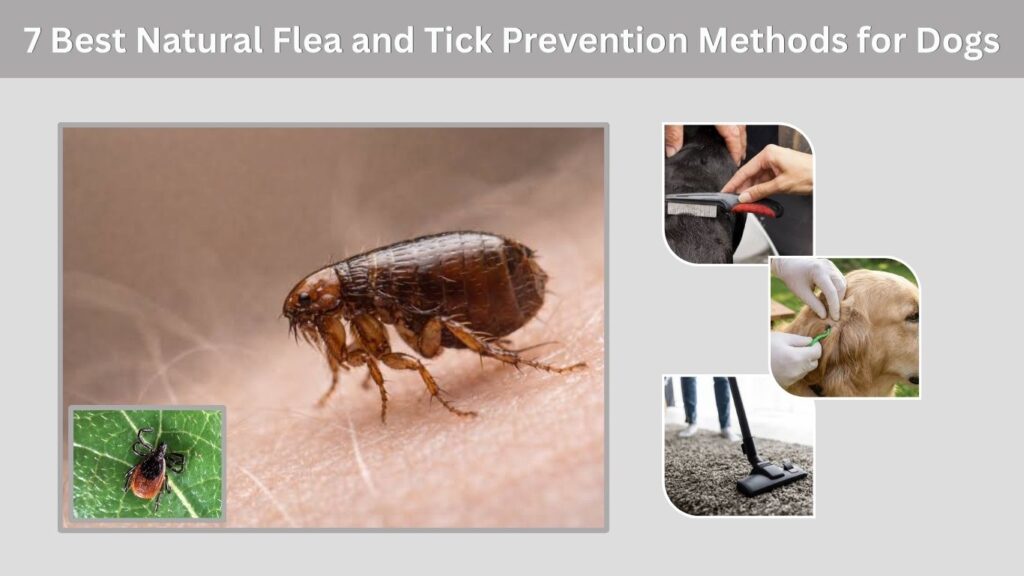
There are several ways to help reduce fleas and ticks without using homemade chemical mixtures or strong-smelling products. Most of these methods are easy to follow and can become part of your dog’s regular care routine. They mainly focus on keeping your dog clean, checking for parasites, and reducing places where fleas and ticks may live.
1. Regular Flea Combing
Using a flea comb is a simple way to check whether your dog has fleas. These combs have closely spaced teeth that can catch adult fleas and flea dirt.
Start around the neck and slowly work through the coat. Pay attention to the belly, legs, and base of the tail because fleas often gather in these areas.
Keep a bowl of soapy water nearby so you can dip the comb into it when you find fleas. You may need to repeat this several times a week if your dog has been exposed.
Combing helps remove fleas already on your dog, but it will not stop new ones from jumping onto the coat.
2. Checking Your Dog for Ticks
Ticks can attach to your dog while walking through grass, bushes, or wooded areas. A quick check after outdoor activities can help you find them early.
Look around the ears, under the collar, between the toes, and near the tail. Ticks can be very small, so run your fingers through the fur as well.
If you find an attached tick, use fine-tipped tweezers to grasp it close to the skin and pull it out with steady pressure.
Don’t try to remove ticks with heat, oil, or petroleum jelly. These methods are not recommended and can make removal more difficult.
3. Washing Your Dog’s Bedding
Fleas don’t spend their entire life on your dog. Their eggs can fall into bedding, blankets, carpets, and other places where your pet sleeps.
Washing bedding regularly helps remove flea eggs, larvae, and dirt before they become a bigger problem.
Try to wash blankets and bed covers once a week. Use a suitable detergent and warm or hot water if the fabric allows it.
If you already have a flea problem at home, cleaning may need to be more frequent. Remember that washing bedding helps with flea control but may not clear an existing infestation by itself.
4. Vacuuming Carpets and Furniture
Vacuuming is another useful way to deal with fleas around the house. Flea eggs and larvae can hide in carpets, rugs, furniture, and small spaces along the floor.
Focus on the places where your dog spends most of its time. Don’t forget under furniture and around the edges of rooms.
After vacuuming, empty the dust container or dispose of the bag outside.
You may need to vacuum more often if fleas are already present. Some developing fleas can survive in protected areas, so one cleaning session usually isn’t enough.
5. Bathing Your Dog With Gentle Shampoo
Bathing your dog can help keep the coat clean and may wash away some adult fleas.
Choose a mild shampoo made for dogs, especially if your pet has sensitive skin. Wet the coat, massage the shampoo gently, and rinse everything out properly.
You don’t need to bathe your dog every day. Too much washing can dry out the skin and cause irritation.
A regular bath is good for cleanliness, but it won’t keep fleas and ticks away for weeks. Your dog may still need a separate preventive treatment.
6. Keeping Your Yard Clean
A clean yard can make a difference when you’re trying to reduce fleas and ticks around your home.
Ticks are often found in tall grass, thick bushes, and leaf piles. Fleas may also develop in shaded places where animals regularly rest.
Mow the lawn when needed, remove piles of leaves, and trim overgrown plants. Try to keep the places where your dog plays and sleeps tidy.
It also helps to avoid leaving pet food outdoors because it can attract stray animals or wildlife.
These changes won’t get rid of every parasite, but they can make your yard less suitable for them.
7. Avoiding Areas With Lots of Fleas and Ticks
Some outdoor areas have more ticks than others. Tall grass, wooded trails, and thick vegetation are common places where dogs may pick them up.
When walking your dog, try to stay on maintained paths instead of moving through heavily overgrown areas.
If your dog enjoys exploring bushes or wooded places, check the coat carefully when you return home.
You don’t have to stop outdoor activities altogether. Being aware of where ticks are commonly found can help you reduce unnecessary exposure.
Natural Flea and Tick Prevention Products for Dogs
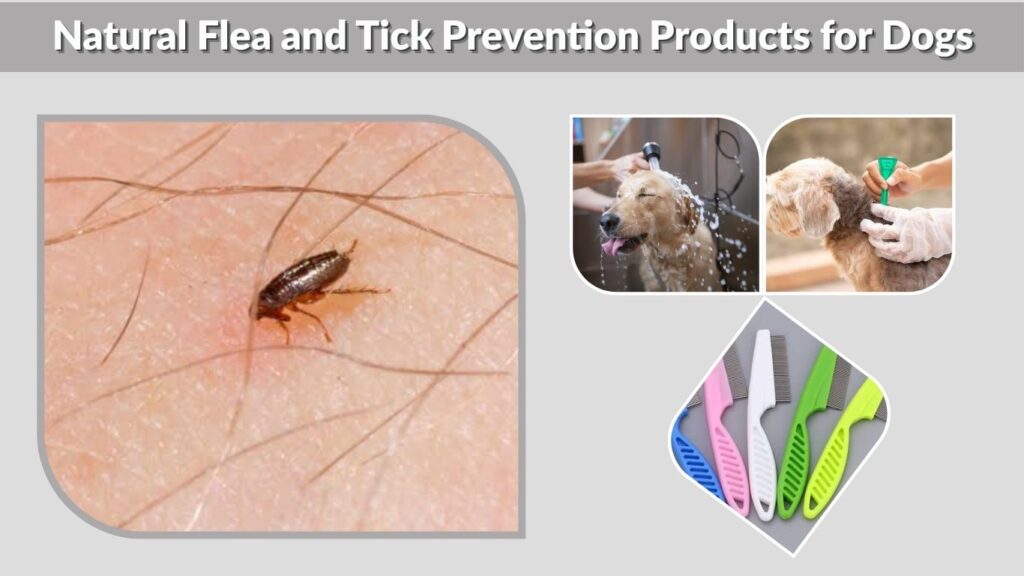
Apart from regular cleaning and grooming, there are different natural flea and tick products available for dogs. These include sprays, collars, shampoos, and oral supplements. Some contain plant extracts, while others use essential oils or herbal ingredients. They may sound appealing, but it’s important to check whether they are actually effective and safe before trying them.
Natural Flea and Tick Prevention Sprays
Natural sprays often contain ingredients such as cedarwood, rosemary, or peppermint.
Some plant-based ingredients may repel certain insects, but that doesn’t mean every natural spray will work well against fleas and ticks.
The results can depend on the ingredients, how the spray is made, and how often it needs to be applied.
If you want to try one, choose a product specifically made for dogs and follow the instructions. Avoid homemade essential-oil sprays unless your veterinarian confirms they are safe.
Natural Flea and Tick Collars
Natural flea and tick collars are usually made with plant-derived ingredients that are intended to discourage pests.
They are easy to use, which is one reason some owners prefer them over sprays.
However, not every natural collar provides reliable protection. Some have little evidence to support their claims, and their effects may not last as long as advertised.
It’s better not to rely on an herbal collar alone, particularly if your dog spends time in areas where ticks are common.
Natural Oral Flea and Tick Supplements
Some natural supplements claim to help prevent fleas and ticks by changing a dog’s smell or skin conditions.
These products may contain herbs or other natural ingredients, but there isn’t good evidence that oral herbal supplements reliably prevent fleas and ticks.
Garlic is sometimes suggested as a home remedy, but it can be toxic to dogs and damage their red blood cells.
For this reason, avoid giving your dog garlic or unverified supplements for parasite prevention.
Are Homemade Natural Flea and Tick Remedies Safe?
Many homemade flea and tick treatments use ingredients already found in the kitchen or bathroom. Apple cider vinegar, essential oils, and diatomaceous earth are common examples. While these remedies are often described as natural and inexpensive, they don’t always work as people expect. Some may also irritate your dog’s skin or cause health problems if used incorrectly.
Apple Cider Vinegar
Apple cider vinegar is sometimes mixed with water and sprayed onto a dog’s coat.
However, there is no reliable evidence that it prevents flea or tick infestations.
It can also irritate the skin, especially if your dog has scratches or existing skin problems.
Essential Oils
Essential oils are popular ingredients in homemade flea and tick sprays.
Although some oils contain compounds that may repel insects, concentrated essential oils can be harmful to dogs.
Tea tree oil, peppermint oil, and certain other oils may cause problems if applied incorrectly or swallowed.
It’s safer to avoid making your own essential-oil treatment without veterinary advice.
Diatomaceous Earth
Food-grade diatomaceous earth is sometimes used to control insects around the home.
It can affect certain insects by damaging their protective outer coating, but loose powder may irritate the lungs when inhaled.
Avoid applying it directly to your dog’s fur or using it where your pet may breathe in the dust.
What Is the Most Effective Natural Flea and Tick Prevention for Dogs?
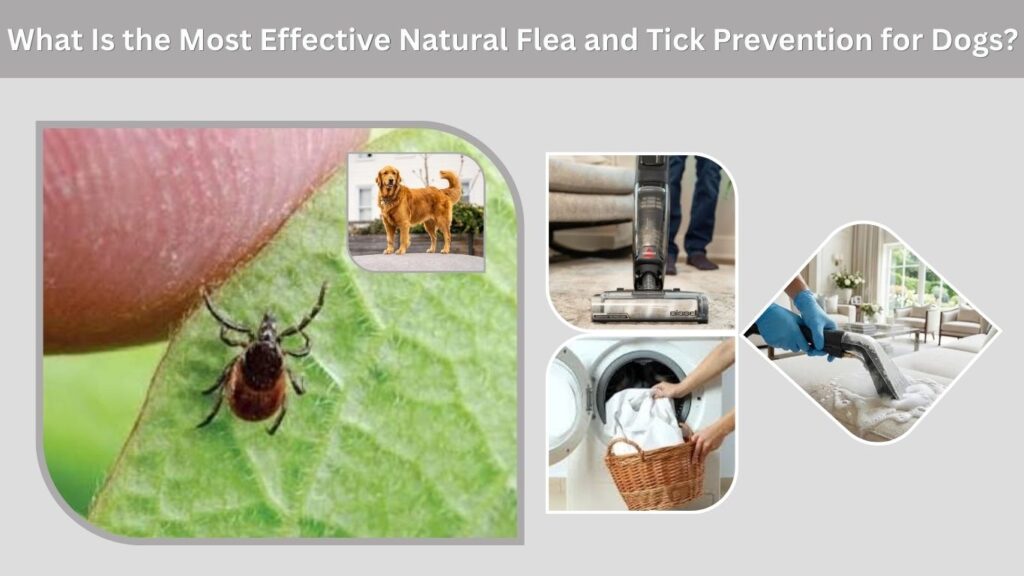
If you want a natural approach, regular flea combing, tick checks, clean bedding, and yard maintenance are sensible places to start. They don’t require special treatments and can help you notice problems before they become severe. However, no single natural method provides complete protection, so it is important to understand what each one can and cannot do.
| Prevention method | What it helps with |
| Flea combing | Finding and removing adult fleas |
| Tick checks | Finding ticks after outdoor activities |
| Washing bedding | Removing flea eggs and larvae |
| Vacuuming | Reducing fleas in the home |
| Bathing | Washing away some fleas and dirt |
| Yard cleaning | Reducing places where parasites live |
| Avoiding tick habitats | Lowering exposure during walks |
These methods are useful, but they work best when combined with an effective flea and tick prevention plan recommended by your veterinarian.
How to Keep Your Dog Protected Throughout the Year
Fleas and ticks are often more noticeable during warm weather, but they can remain a problem in other seasons too. Fleas may survive indoors during winter, and ticks can be active whenever conditions are suitable. Rather than waiting until your dog starts scratching, it’s better to follow a routine that makes checking and cleaning part of normal pet care.
Simple Flea and Tick Prevention Routine
- Daily: Check for ticks after outdoor walks.
- Several times a week: Use a flea comb when flea exposure is likely.
- Weekly: Wash bedding and vacuum areas where your dog rests.
- Regularly: Keep grass, bushes, and outdoor areas maintained.
- As directed: Use a suitable veterinary flea and tick preventive.
If your dog already has a heavy flea infestation, regular cleaning alone may not solve the problem. You may also need to treat other pets and the home environment.
FAQs
1. What is the best natural flea and tick prevention for dogs?
Regular grooming, flea combing, tick checks, washing bedding, and keeping the yard clean are among the most useful natural practices. They help reduce exposure but don’t provide complete protection.
2. Can I make a homemade flea and tick spray for my dog?
Homemade sprays are popular, but many have not been tested for safety or effectiveness. Some ingredients, especially essential oils, can be harmful to dogs. Check with your veterinarian before using one.
3. Do natural flea and tick collars really work?
Some natural collars contain ingredients that may repel certain insects, but their effectiveness varies. They may not provide enough protection in areas with large flea or tick populations.
4. Is natural flea and tick prevention safe for dogs and cats?
Cleaning, grooming, and checking for parasites are generally helpful for both pets. However, natural sprays and essential oils that are marketed for dogs may be dangerous to cats. Always check product safety for each species.
5. Can natural methods replace flea and tick medication?
Usually, no. Natural care methods can help lower exposure, but they do not reliably prevent infestations or tick-borne diseases. Veterinary preventive medication may still be necessary to protect your dog.
