
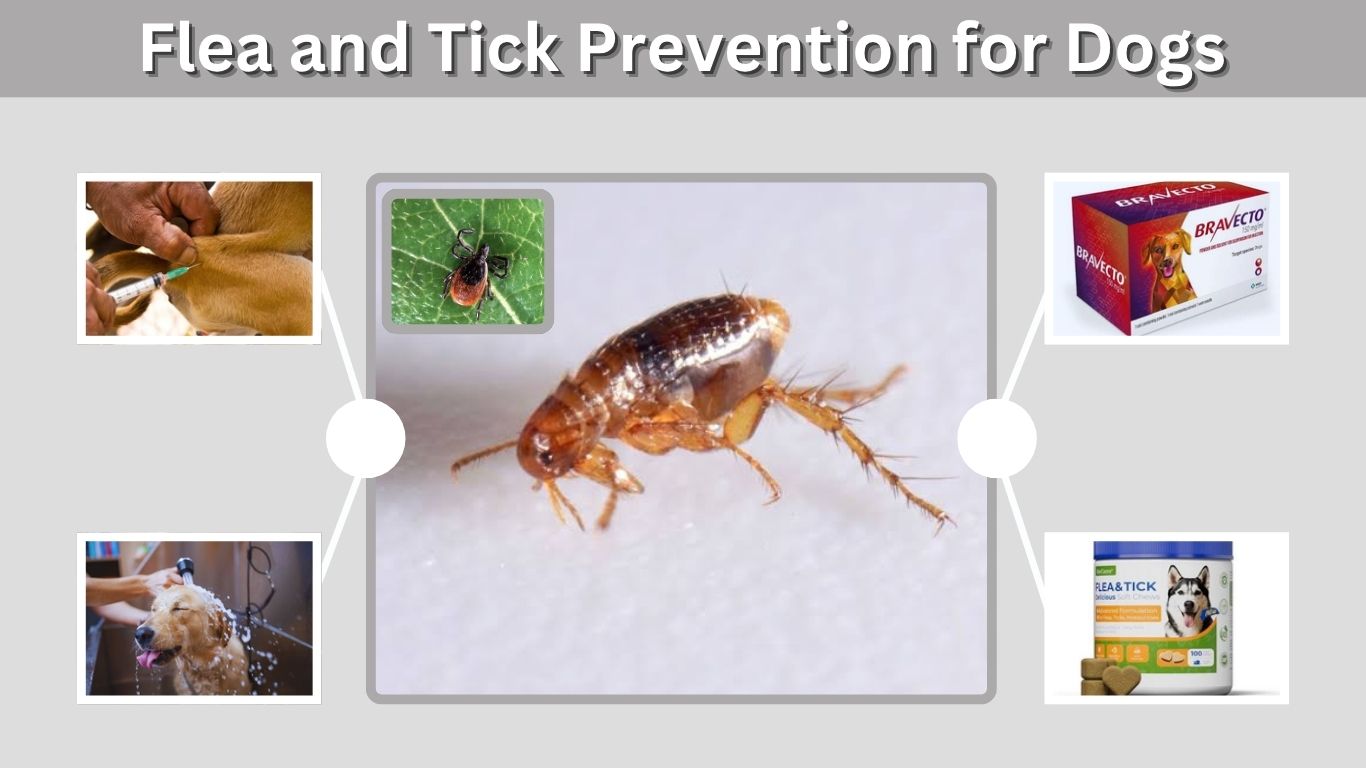
Fleas and ticks can turn your dog’s comfortable life into a constant struggle with itching, irritation, and serious health problems. Choosing the right flea and tick prevention for dogs is essential for maintaining healthy skin and protecting against parasite-related diseases. From oral chewables and topical treatments to natural prevention methods, several options are available. Understanding how these treatments work, their safety, and their effectiveness can help you choose reliable protection for your furry companion.
Why Is Flea and Tick Prevention Important for Dogs?
Fleas and ticks are more than annoying parasites. They feed on blood, irritate the skin, and sometimes transmit dangerous infections. Even dogs that spend most of their time indoors can encounter these pests through other animals or outdoor environments. Consistent prevention reduces infestation risks and helps maintain your dog’s overall comfort and health.
Health Problems Caused by Fleas and Ticks
Flea bites can cause intense itching, allergic dermatitis, skin infections, and hair loss. Severe flea infestations may also cause anemia, particularly in puppies and small dogs.
Ticks can transmit infections such as Lyme disease, ehrlichiosis, and anaplasmosis. Symptoms may include fever, fatigue, joint pain, and reduced appetite.
Preventive treatment helps reduce these risks before parasites establish significant infestations.
Types of Flea and Tick Prevention for Dogs
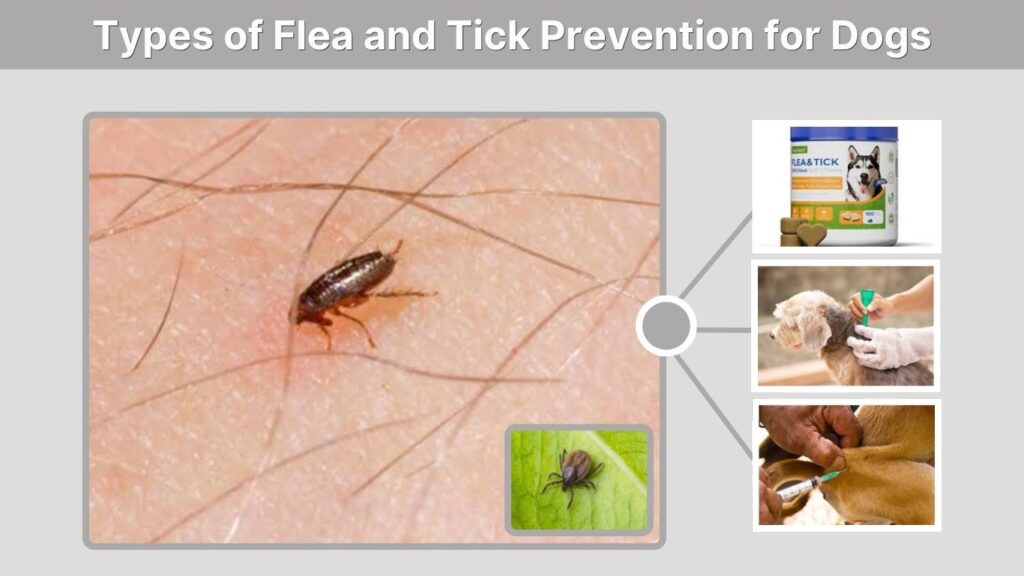
Different preventive products work in different ways. Some circulate through the dog’s bloodstream, while others act on the skin or coat. Treatments also vary in duration, parasite coverage, and application requirements. Understanding the main categories makes it easier to compare products according to your dog’s lifestyle, medical history, and individual needs.
1. Oral Flea and Tick Prevention for Dogs
Oral treatments are available as flavored chewables or tablets that contain parasite-control medications.
Many provide approximately one month of protection, while certain formulations last longer.
Common examples include NexGard, Simparica, and Bravecto.
Oral treatments are convenient because bathing and swimming generally do not interfere with their effectiveness. However, many oral products kill parasites after they bite, rather than preventing every bite.
2. Topical Flea and Tick Prevention
Topical products are applied directly to the dog’s skin, usually between the shoulder blades.
Examples include Frontline Plus and K9 Advantix II.
Depending on their ingredients, these treatments kill fleas, control ticks, or repel certain parasites. Many require a monthly application.
Topical treatments can suit dogs that refuse chewable medications. However, owners must follow application instructions carefully, particularly regarding bathing, swimming, and contact with other pets.
3. Flea and Tick Prevention Collars
Medicated flea collars release active ingredients that provide ongoing parasite protection.
Some approved collars remain effective for several months, making them convenient for owners seeking fewer applications.
Their effectiveness depends on the product, proper fitting, and continued contact with the dog’s coat or skin.
Always select a collar appropriate for your dog’s age and weight.
4. Injectable Flea and Tick Prevention
Long-acting injectable treatments provide another option for parasite control.
For example, Bravecto Quantum received FDA approval in the United States for protection lasting 8–12 months, depending on the targeted tick species.
These injections must be administered by a veterinarian and are not appropriate for every dog.
What Is the Best Flea and Tick Prevention for Dogs?
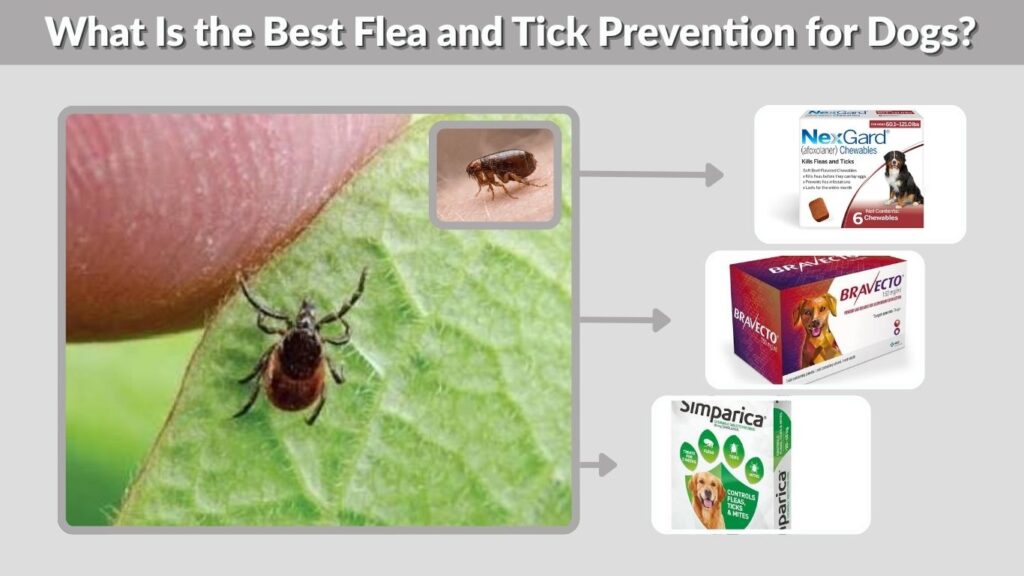
The best flea and tick prevention for dogs depends on several factors, including age, weight, medical history, local parasites, and outdoor exposure. A treatment suitable for an active hunting dog may differ from one recommended for an indoor companion. Effectiveness, safety, convenience, and cost should all influence the final decision.
Popular Veterinary Flea and Tick Treatments
Several established products offer effective parasite protection when used according to their labels.
- NexGard: A monthly oral chewable that treats fleas and certain tick infestations.
- Simparica: A monthly chewable designed to control fleas and specified tick species.
- Simparica Trio: Combines flea and tick control with heartworm prevention and treatment of certain intestinal worms.
- Bravecto: Offers longer-lasting flea and tick control with selected formulations.
- Frontline Plus: A topical treatment targeting fleas and ticks, including flea eggs and larvae.
These products differ in their active ingredients, duration, age restrictions, and parasite coverage. No single medication is automatically the best choice for every dog.
Prescription vs. Over-the-Counter Prevention
Prescription products often offer convenient, targeted parasite protection and allow veterinarians to assess potential health risks.
Over-the-counter options include certain topical treatments and collars.
However, availability without a prescription does not automatically indicate that a product is safer.
Choose products with established effectiveness and appropriate regulatory approval rather than relying only on customer ratings or advertising claims.
What Is the Safest Flea and Tick Prevention for Dogs?
The safest flea and tick prevention for dogs is one that provides suitable parasite coverage while accounting for individual health risks. Most approved treatments have an established safety profile when used correctly, but adverse reactions remain possible. Veterinary advice becomes especially important for puppies, pregnant dogs, senior pets, and animals with underlying medical conditions.
Flea and Tick Prevention for Dogs With Seizures
Some commonly prescribed flea and tick medications belong to the isoxazoline class, including products containing afoxolaner, sarolaner, or fluralaner.
The FDA has associated this medication class with neurological adverse reactions, including tremors, loss of coordination, and seizures in some animals.
Dogs with seizure histories require particular consideration, although reactions have also occurred in animals without previous neurological problems.
A veterinarian can assess whether an alternative medication class is preferable.
Important Safety Precautions
Follow these precautions when choosing flea and tick medication:
- Select products specifically labeled for dogs.
- Match the medication to your dog’s weight and age.
- Never combine preventive medications without veterinary guidance.
- Monitor for vomiting, skin irritation, tremors, or unusual behavior.
- Keep dogs away from treated areas or other pets when required by the label.
Some dog-only topical products contain permethrin, which can be extremely dangerous to cats. Owners with mixed-pet households should take special precautions.
Seek veterinary assistance promptly if your dog experiences a suspected adverse reaction.
Natural Flea and Tick Prevention for Dogs
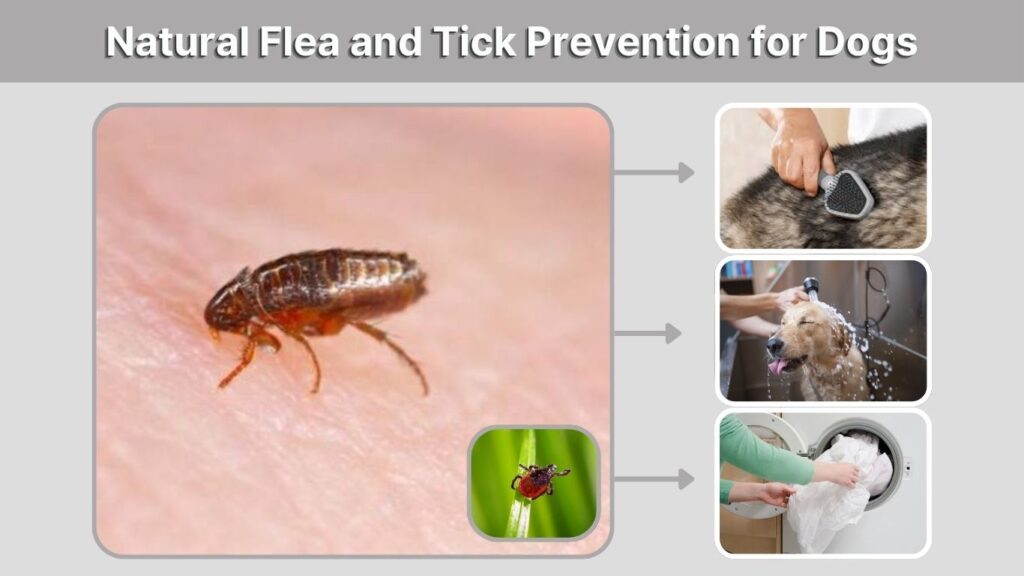
Many owners prefer natural flea and tick prevention because they want to reduce unnecessary chemical exposure. However, natural approaches vary significantly in effectiveness. Routine grooming, environmental maintenance, and parasite checks can reduce exposure, but they generally cannot replace proven preventive medications when flea and tick risks are substantial.
Helpful Natural Prevention Practices
Practical measures include:
- Regular grooming: Brush your dog’s coat and inspect for fleas or ticks.
- Clean bedding: Wash blankets and bedding frequently.
- Yard maintenance: Trim tall grass and remove excessive leaf litter.
- Vacuuming: Clean carpets, furniture, and areas where pets rest.
- Outdoor checks: Examine your dog’s ears, legs, paws, and tail after walks.
These activities complement preventive treatments and help identify parasite problems early.
Are Essential Oils and Homeopathic Remedies Effective?
Essential oils, herbal sprays, and homeopathic preparations are frequently advertised as natural flea and tick solutions.
However, there is insufficient reliable evidence that homeopathic remedies provide effective parasite prevention. Essential oils can also cause adverse reactions, especially when concentrated, applied improperly, or swallowed.
Avoid homemade essential-oil mixtures, garlic treatments, or unverified supplements as replacements for veterinarian-recommended products.
How to Maintain Affordable Year-Round Protection
Year-round flea and tick prevention is generally recommended because fleas can survive indoors and ticks may remain active during cooler months. Maintaining continuous protection is often easier than controlling an established infestation. A sustainable prevention routine should combine appropriately scheduled medication, regular parasite inspections, and environmental cleaning.
Build a Consistent Prevention Routine
Start by discussing local flea and tick risks with your veterinarian. Select a suitable product and follow its recommended dosing interval.
Use calendar reminders to prevent missed doses and compare the total annual cost of different treatments rather than focusing only on package prices.
If your dog already has fleas, treating the animal alone may not eliminate the infestation. Other household pets and contaminated environments may also require appropriate treatment.
Avoid using multiple products simultaneously unless your veterinarian confirms that the combination is safe.
FAQs
1. What is the most effective flea and tick prevention for dogs?
Veterinarian-recommended oral medications, topical treatments, and approved collars can provide effective protection. The best choice depends on your dog’s health and the parasites common in your area.
2. Is natural flea and tick prevention safe for dogs?
Grooming, cleaning, and yard maintenance are generally safe preventive measures. However, some natural ingredients, particularly concentrated essential oils, can be harmful. Natural does not automatically mean safe or effective.
3. How often should dogs receive flea and tick prevention?
Many treatments require monthly application or administration. Other formulations protect for several months. Always follow the specific product label and veterinary instructions.
4. Can dogs get fleas and ticks while taking preventive medication?
Yes. Some products kill parasites only after contact or biting, and no treatment guarantees complete protection. Regular tick checks remain important even when preventive medication is used correctly.
5. Can flea and tick prevention also protect against heartworms?
Some combination products, such as Simparica Trio, prevent heartworm disease while controlling fleas and ticks. However, not all flea and tick medications include heartworm protection. Dogs should receive appropriate heartworm testing and preventive care under veterinary guidance.
