
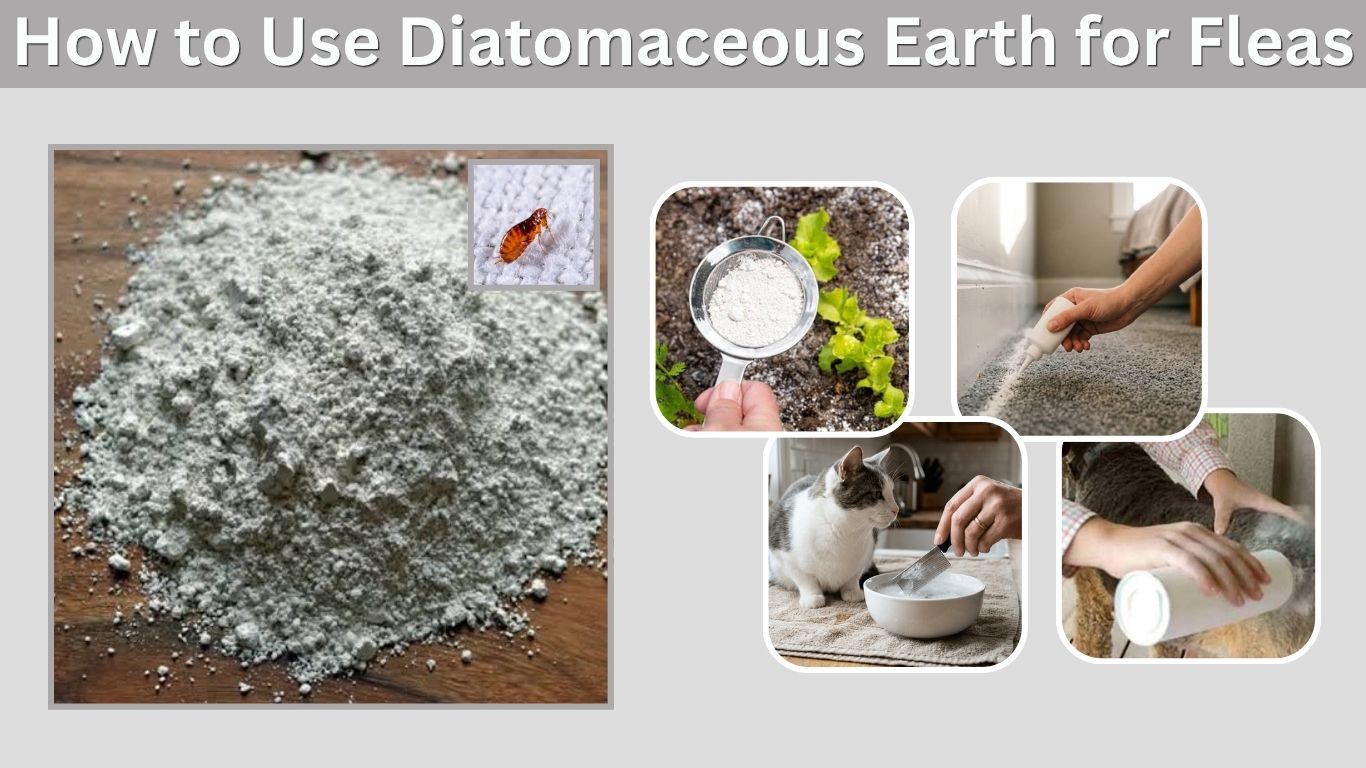
Fleas can quickly spread throughout your home, hiding in carpets, furniture, pet bedding, and small floor crevices. Many homeowners consider diatomaceous earth as a mineral-based treatment for controlling these stubborn pests. However, knowing how to use diatomaceous earth for fleas correctly is essential because improper application can expose people and pets to irritating dust. This guide explains seven easy steps for responsible flea treatment, including product selection, indoor application, carpet care, pet safety, and outdoor precautions to help you manage infestations effectively.
How to Use Diatomaceous Earth for Fleas in 7 Easy Steps
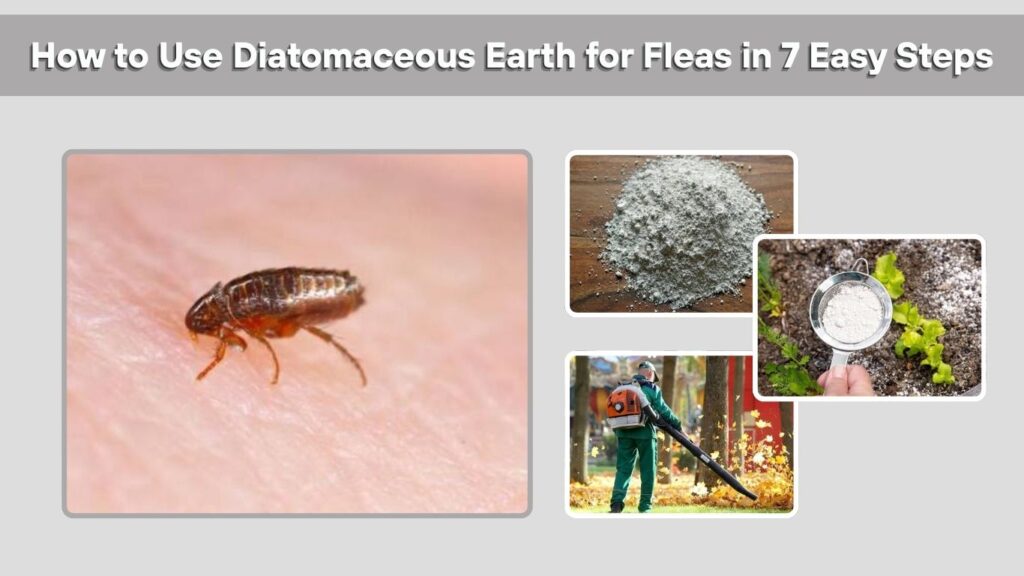
Diatomaceous earth (DE) is a fine powder made from fossilized microscopic algae called diatoms. It works by absorbing protective oils and fats from insects’ outer coverings, causing dehydration. Although it can kill exposed fleas, its effectiveness depends on proper application and dry conditions. These seven steps explain how to incorporate an appropriately labeled DE product into your household flea-control routine.
Step 1: Choose the Right Type of Diatomaceous Earth
Start by selecting a diatomaceous earth product specifically registered for flea control. Not every DE powder is suitable for household pest management.
There are three main categories:
- Pesticide-grade DE: Registered and labeled for particular pest-control applications.
- Food-grade DE: Intended for certain food or feed uses, not automatically evaluated for household pest control.
- Pool-grade DE: Used in filtration systems and unsuitable for home flea treatment.
Choose an EPA-registered product that specifically permits flea treatment in your intended location. Always read the manufacturer’s instructions before application.
Step 2: Identify Flea-Infested Areas
Before spreading diatomaceous earth, inspect areas where fleas are likely to develop.
Adult fleas commonly feed on dogs and cats, while flea eggs, larvae, and pupae may accumulate around the animals’ resting areas.
Look for tiny jumping insects, black flea dirt, and excessive scratching in pets.
Pay particular attention to carpet edges, protected flooring gaps, and places where pets frequently sleep.
Identifying the affected locations helps you avoid unnecessary treatment throughout the entire house.
Step 3: Clean and Prepare Your Home
Thorough cleaning is an important part of flea control because it helps remove developing insects and the organic debris that flea larvae feed on.
Before applying any pest-control powder, vacuum carpets, rugs, furniture, and floor edges.
Wash removable pet bedding and blankets according to their care instructions.
Remove food, water bowls, children’s toys, and other belongings from treatment locations.
Keep people and animals away during application and follow the product’s instructions for protective clothing and respiratory protection.
Step 4: Apply Diatomaceous Earth in Approved Areas
When treating your home, apply diatomaceous earth only where the product label permits.
Some registered products allow light applications along baseboards, floor cracks, carpet edges, or selected pet resting areas.
Use the amount and application equipment specified by the manufacturer. Heavy layers of powder are unnecessary and can increase exposure to airborne dust.
Avoid spreading DE near air vents, fans, or frequently disturbed surfaces.
Never apply household DE directly to pets unless the specific product is labeled for that purpose.
Step 5: Use Diatomaceous Earth on Carpets Carefully
Carpets can shelter flea eggs, larvae, and pupae, making them important locations to inspect during an infestation.
If your DE product explicitly permits carpet treatment, follow its application directions and restrictions.
Some products allow carpet applications, while others are intended only for cracks and concealed spaces.
Avoid covering the entire carpet with excessive loose powder. Walking and vacuuming can disturb the dust and increase inhalation exposure.
Regular vacuuming remains essential, even when a labeled DE product is used.
Step 6: Allow the Treatment to Work
Diatomaceous earth kills insects through contact and dehydration rather than immediate chemical poisoning.
Fleas must encounter the dry powder for treatment to work effectively. Moisture can reduce its performance.
Follow the product label for contact time, cleanup, and any necessary repeat applications.
Do not assume the powder must remain on carpets for several days or weeks. The appropriate treatment period varies between products.
Remove treated material only according to the manufacturer’s instructions, using suitable cleanup equipment.
Step 7: Monitor Fleas and Prevent Reinfestation
After treatment, continue checking pets, carpets, and other previously infested locations.
Flea pupae can survive some environmental treatments and later emerge as adults. Consequently, a few remaining fleas do not necessarily mean the treatment has failed.
Continue regular vacuuming, wash pet bedding, and maintain veterinarian-recommended flea prevention.
If substantial flea activity persists, consult a qualified pest-control professional.
Successful treatment requires interrupting the flea life cycle rather than relying exclusively on diatomaceous earth.
How to Use Diatomaceous Earth for Fleas on Cats and Dogs
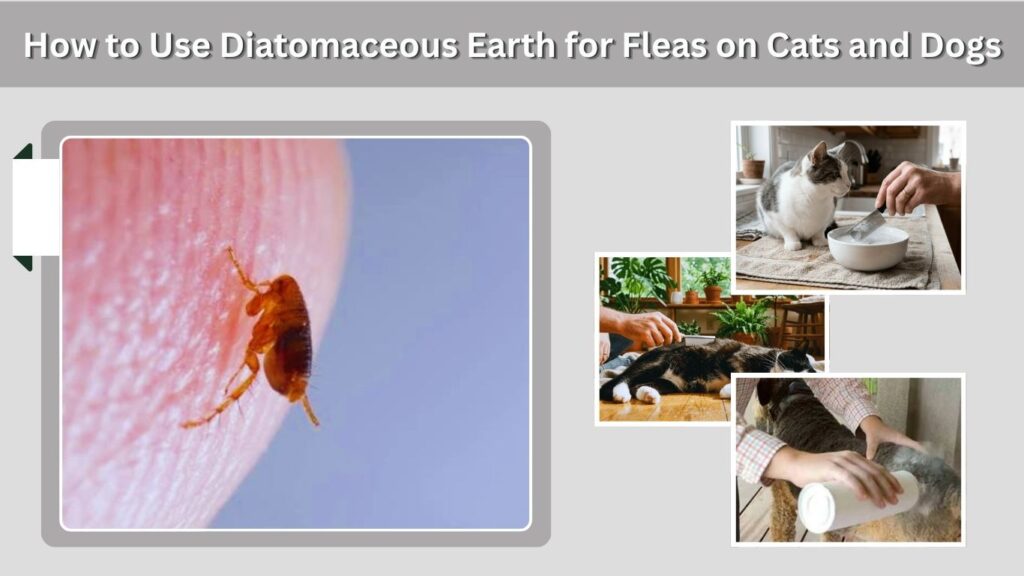
Pet safety is especially important when considering diatomaceous earth. Although certain registered products permit direct application to dogs or cats, general-purpose powders may irritate an animal’s eyes, skin, and respiratory system. Fleas also spend much of their adult lives on animal hosts, making appropriate veterinary treatment essential for preventing recurring household infestations.
Using Diatomaceous Earth for Fleas on Cats
Avoid applying ordinary food-grade diatomaceous earth directly to your cat’s fur.
Cats frequently groom themselves, increasing opportunities to ingest powder. Dust may also irritate their respiratory tract.
Some registered products have specific feline application instructions, but these should only be considered with veterinary guidance.
For kittens and cats with respiratory conditions, veterinarian-recommended flea medication is generally the safer choice.
Using Diatomaceous Earth for Fleas on Dogs
Dogs can also experience irritation from direct exposure to DE powder.
Do not dust your dog’s coat with an ordinary household product or add diatomaceous earth to food as a flea treatment.
If considering a pesticide product labeled for dogs, verify its age restrictions and consult your veterinarian.
Veterinary flea preventatives usually offer more reliable protection than occasional applications of mineral dust.
Can You Use Diatomaceous Earth for Fleas in the Yard?
Fleas can develop outdoors, particularly in shaded, humid environments where pets and wildlife rest. Diatomaceous earth works best when dry, so rainfall, irrigation, and moisture may reduce its effectiveness outside. Outdoor treatment should target confirmed flea habitats rather than entire lawns, and only products specifically labeled for outdoor flea control should be considered.
Outdoor Flea Control and Prevention
Keeping grass trimmed, removing excess leaf litter, and avoiding overwatering can make outdoor areas less favorable for fleas.
If an approved DE product permits outdoor application, carefully follow its location restrictions and reapplication instructions.
Avoid unnecessary applications near flowering plants or beneficial insects.
Managing wildlife access and maintaining regular pet flea prevention are also important for reducing future infestations.
Does Diatomaceous Earth Kill Fleas Permanently?
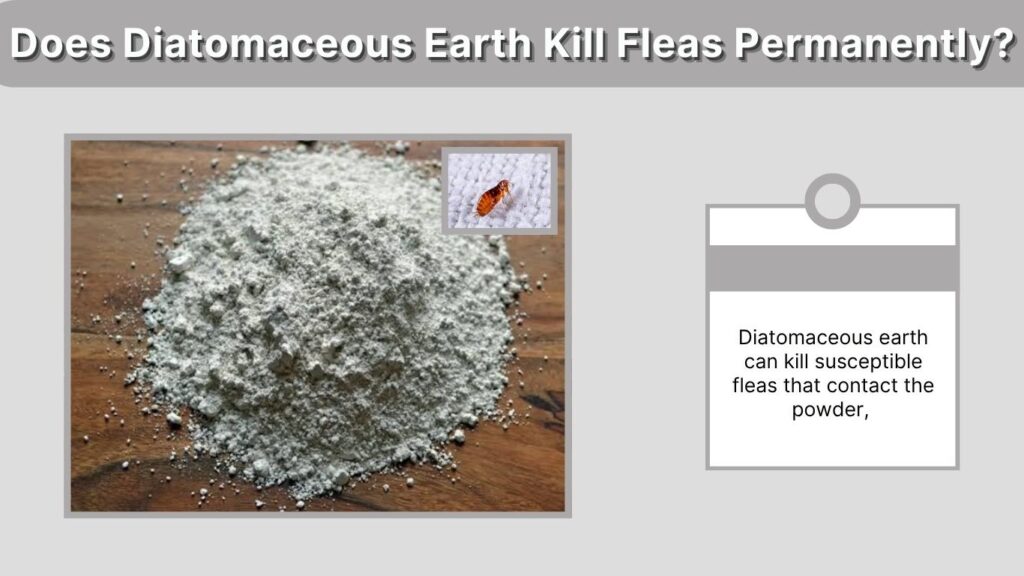
Diatomaceous earth can kill susceptible fleas that contact the powder, but it does not guarantee permanent flea elimination. Eggs and protected pupae can survive treatments, allowing new adults to emerge later. Effective flea management involves treating pets, cleaning indoor environments, monitoring remaining activity, and continuing prevention measures throughout the flea life cycle.
How to Improve Flea Control Results
Combining environmental management with veterinarian-approved flea prevention provides more dependable results.
Vacuuming helps remove eggs, larvae, and organic material, while cleaning pet bedding reduces developing populations.
For moderate or severe infestations, professional treatment may be necessary. Complete elimination can take several weeks or months depending on the extent of the problem.
FAQs
1. How long does diatomaceous earth take to kill fleas?
Diatomaceous earth does not kill fleas immediately. It works by damaging their protective outer covering and causing dehydration. The time required varies with exposure, humidity, and flea activity. Follow the registered product’s instructions and continue cleaning because eggs and protected pupae may survive initial treatments.
2. Can I use food-grade diatomaceous earth for fleas?
Food-grade diatomaceous earth is not automatically approved or evaluated for household flea control. It may lack appropriate application instructions and safety precautions. Choose a registered pesticide specifically labeled for fleas and the treatment location to reduce the risks associated with unnecessary dust exposure.
3. Can you put diatomaceous earth on cats and dogs?
Some registered DE products permit direct application to certain dogs or cats, but ordinary household powder should not be used as a homemade treatment. Dust may irritate the eyes, skin, or respiratory tract. Consult a veterinarian before using any DE product on pets, particularly kittens or puppies.
4. How often should you apply diatomaceous earth for fleas?
The appropriate application frequency depends on the specific product label and the infestation’s severity. There is no universal schedule for every formulation. Avoid repeatedly spreading powder without checking product restrictions. Regular vacuuming, washing pet bedding, and appropriate flea prevention remain essential alongside any environmental treatment.
5. Can diatomaceous earth eliminate fleas from your house completely?
Diatomaceous earth alone is unlikely to eliminate an established infestation completely. Flea eggs and pupae may survive, while untreated pets can continue supporting reproduction. Combining properly labeled environmental treatments with veterinary flea medication, regular vacuuming, laundering, and continued monitoring offers a more reliable long-term solution.
