
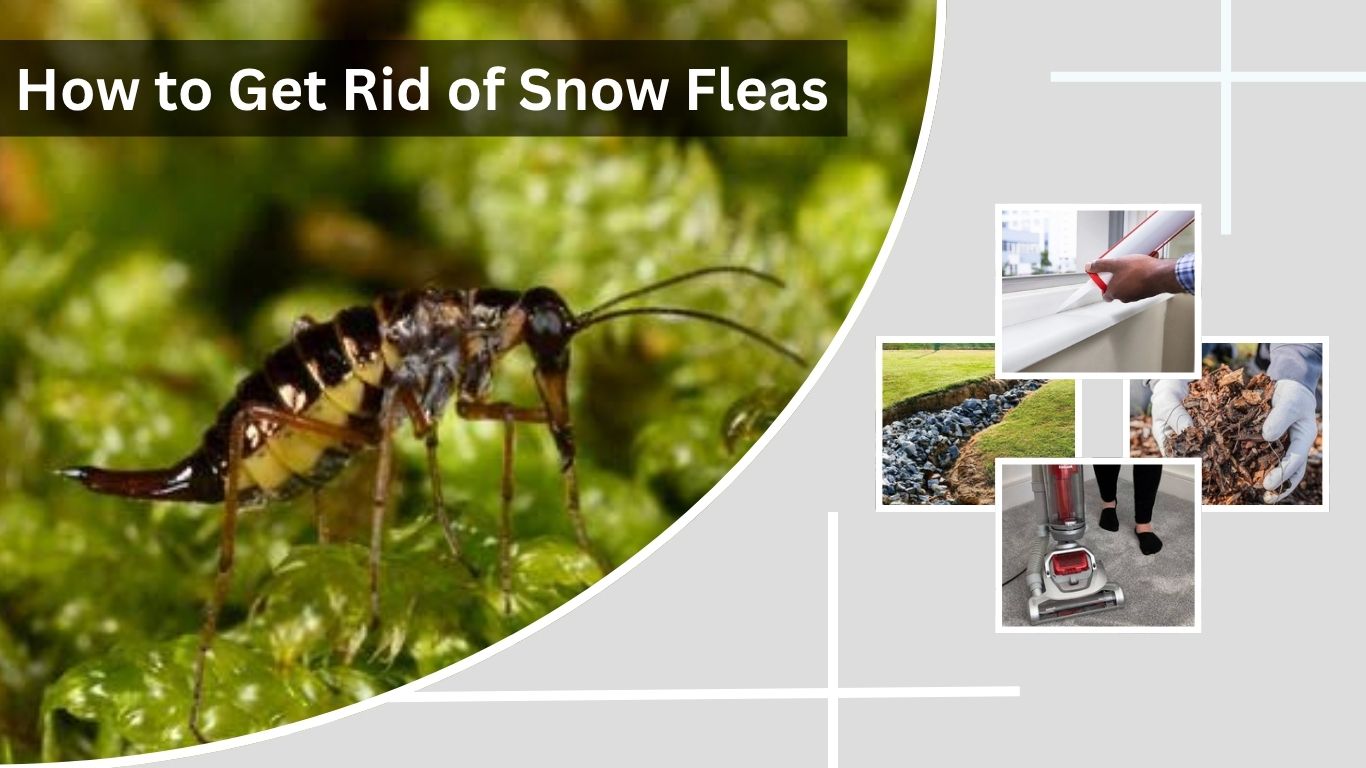
Noticing tiny black insects jumping across snow, gathering near your doorway, or appearing inside your home can be unsettling. Fortunately, getting rid of snow fleas is usually straightforward. These small creatures thrive in damp environments but rarely cause serious problems. Whether you find them in your basement, garden, or around your pets, understanding their behavior helps you control them effectively. This guide explains how to get rid of snow fleas naturally, remove indoor populations, and prevent future infestations.
What Are Snow Fleas?
Snow fleas are tiny, wingless arthropods belonging to a group called springtails. Despite their name, they are not true fleas and do not feed on blood. They commonly appear on melting snow during late winter and early spring. Snow fleas are generally harmless to humans, pets, and buildings, although large groups can become a nuisance.
How to Identify Snow Fleas
Snow fleas have several distinctive characteristics that make them relatively easy to recognize.
- Size: Usually around 1–2 millimeters long.
- Color: Typically dark blue, gray, or black.
- Body: Small, soft-bodied, and wingless.
- Movement: Jump suddenly using a forked structure beneath their abdomen.
- Habitat: Common around snow, damp soil, leaf litter, and decaying vegetation.
Why Do Snow Fleas Appear?
Snow fleas prefer cool, moist environments containing fungi, algae, and decomposing organic material.
They become especially noticeable when temperatures rise enough for snow to begin melting. Large populations may gather on the snow’s surface, creating patches that resemble scattered black pepper.
Their presence outdoors usually indicates normal biological activity rather than a harmful infestation.
How to Get Rid of Snow Fleas in the House
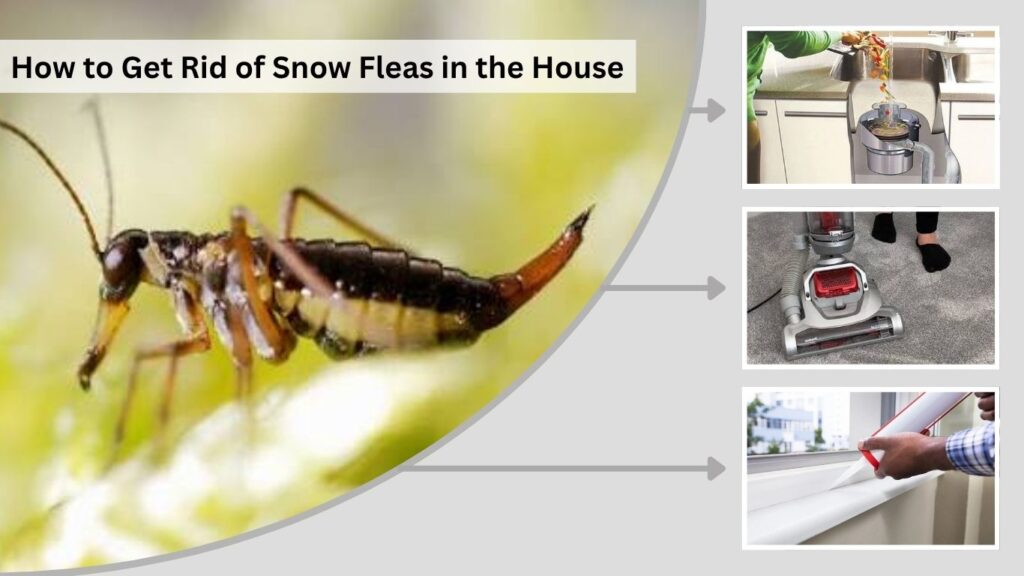
Finding tiny jumping creatures indoors can be frustrating, especially when they repeatedly appear around bathrooms, sinks, or basement floors. Snow fleas and other springtails depend heavily on moisture, making damp indoor spaces particularly attractive. The most effective approach combines moisture reduction, regular cleaning, and preventing entry from outside.
1. Reduce Indoor Moisture
Reducing moisture is the most important step in controlling snow fleas inside your home.
Check bathrooms, kitchens, basements, and crawl spaces for excessive humidity or hidden leaks.
Repair dripping pipes, improve ventilation, and use a dehumidifier when necessary. Keeping affected areas dry makes them less suitable for springtails to survive.
2. Vacuum Visible Snow Fleas
Vacuuming provides an immediate way to remove springtails without chemical treatments.
Focus on windowsills, baseboards, floor corners, and other areas where they gather.
Empty the vacuum container outdoors or dispose of the collected debris in a sealed bag. Repeat cleaning whenever new groups appear.
3. Seal Cracks and Entry Points
Small openings around doors, windows, and foundations allow springtails to enter buildings.
Inspect these areas carefully and seal accessible gaps using suitable caulk or weatherstripping.
Repair damaged window screens and check openings around utility pipes. These measures can reduce repeated entry from surrounding soil and vegetation.
4. Check Indoor Plants
Overwatered houseplants can support springtail populations because their soil remains consistently moist.
Allow the upper soil layer to dry appropriately between watering sessions, depending on the plant’s needs.
Empty standing water from plant saucers and remove decaying leaves. If springtails persist in heavily contaminated potting soil, consider replacing the growing medium.
How to Get Rid of Snow Fleas Naturally
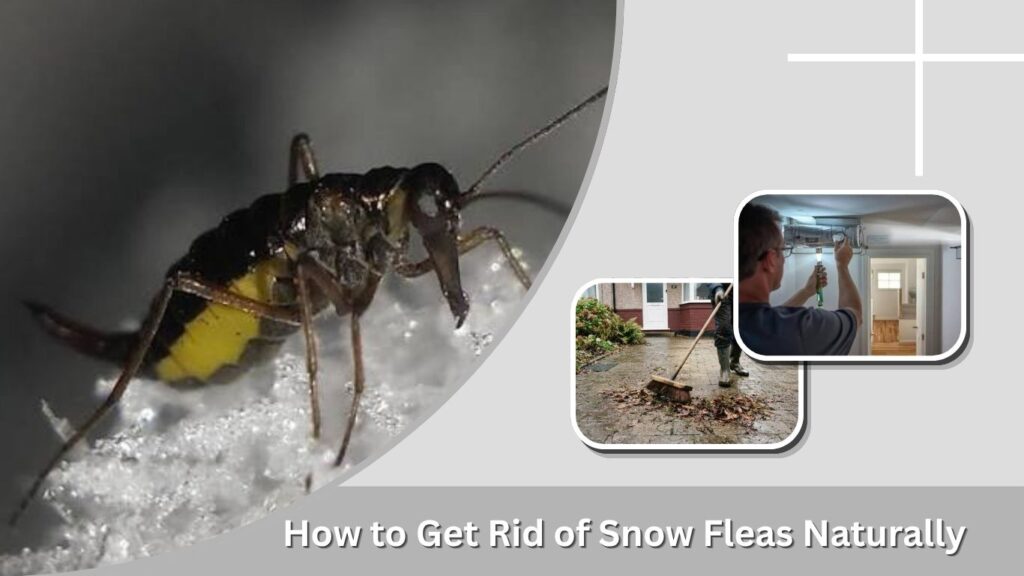
Natural snow flea control focuses on making affected spaces less inviting instead of relying on insecticides. Because springtails need moisture, improving air circulation and removing damp organic material are usually sufficient. These methods are particularly useful for households seeking practical ways to manage minor infestations without unnecessary chemical exposure.
Improve Air Circulation
Open windows when outdoor conditions are dry and suitable, and use fans to circulate air through damp rooms.
Pay special attention to basements, bathrooms, and poorly ventilated storage spaces.
Better airflow helps surfaces dry faster, reducing the conditions that allow springtails to remain active.
Remove Damp Organic Debris
Snow fleas feed on microorganisms associated with decomposing materials.
Remove wet leaves, rotting wood, and accumulated plant debris near entrances or indoor moisture sources.
Avoid relying on vinegar, essential oils, or homemade pesticide mixtures. Such treatments have limited evidence of lasting effectiveness and may damage surfaces or create risks for pets.
How to Get Rid of Snow Fleas Outside
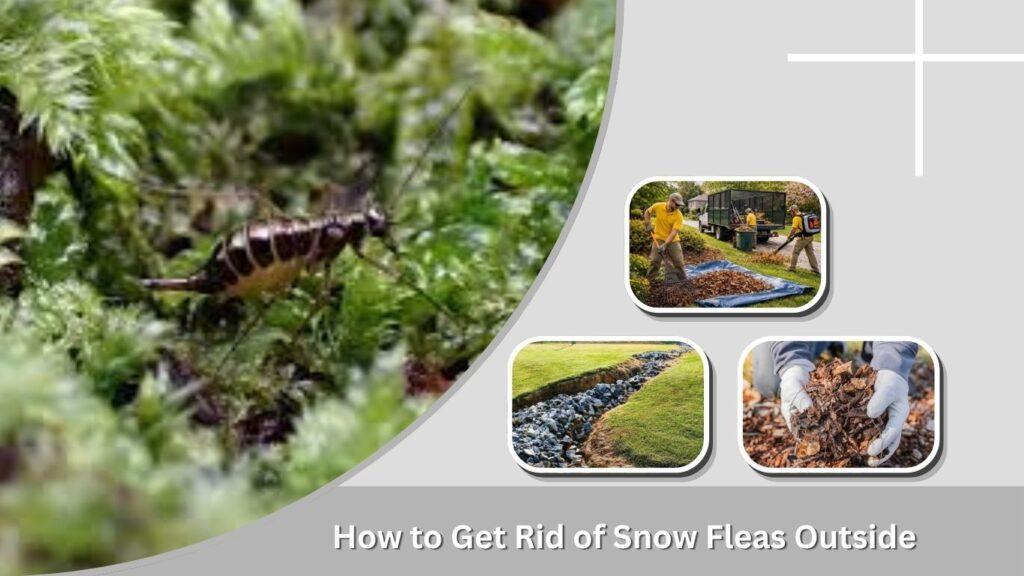
Snow fleas naturally inhabit outdoor soil, wooded areas, gardens, and leaf litter. Large numbers sometimes gather around patios, sidewalks, foundations, and melting snow. Although complete outdoor elimination is neither practical nor necessary, reducing excessive moisture and organic buildup near your home can help prevent unwanted concentrations and indoor migration.
Clear Leaves and Excess Mulch
Remove thick accumulations of wet leaves and decomposing vegetation around your foundation.
Keep mulch from touching exterior walls, especially where moisture remains trapped.
You do not need to remove healthy garden mulch everywhere. Concentrate on areas with repeated springtail problems.
Improve Yard Drainage
Standing water and persistently saturated soil create favorable conditions for springtails.
Redirect downspouts away from the foundation, correct drainage problems, and avoid excessive irrigation.
Allowing soil surfaces near buildings to dry between watering sessions can help reduce local populations.
Remove Snow Fleas From Pools and Patios
Springtails occasionally collect around swimming pools, damp concrete, and outdoor seating areas.
Use a pool skimmer to remove floating springtails and clean nearby accumulated debris.
For patios, sweep away visible groups and address persistent dampness.
If snow fleas are simply jumping on melting snow in your yard, leaving them alone is usually the best solution. Outdoor groups often disappear naturally as conditions change.
Can Snow Fleas Live on Dogs or Cats?
Snow fleas are often confused with ordinary fleas because both can jump. However, snow fleas are not parasites and do not infest dogs, cats, or other household pets. They do not feed on animal blood or require a host to survive.
How to Get Rid of Snow Fleas on Dogs
If you notice tiny jumping creatures around your dog’s paws or coat after an outdoor walk, examine them carefully before assuming they are snow fleas.
True snow fleas do not establish infestations on pets. Simply brushing away accidental hitchhikers is generally sufficient.
If your dog experiences persistent scratching, skin irritation, or bites, ordinary fleas or another skin problem may be responsible.
Consult your veterinarian for identification and an appropriate treatment. Do not apply household insecticides to your pet.
How to Prevent Snow Fleas From Coming Back
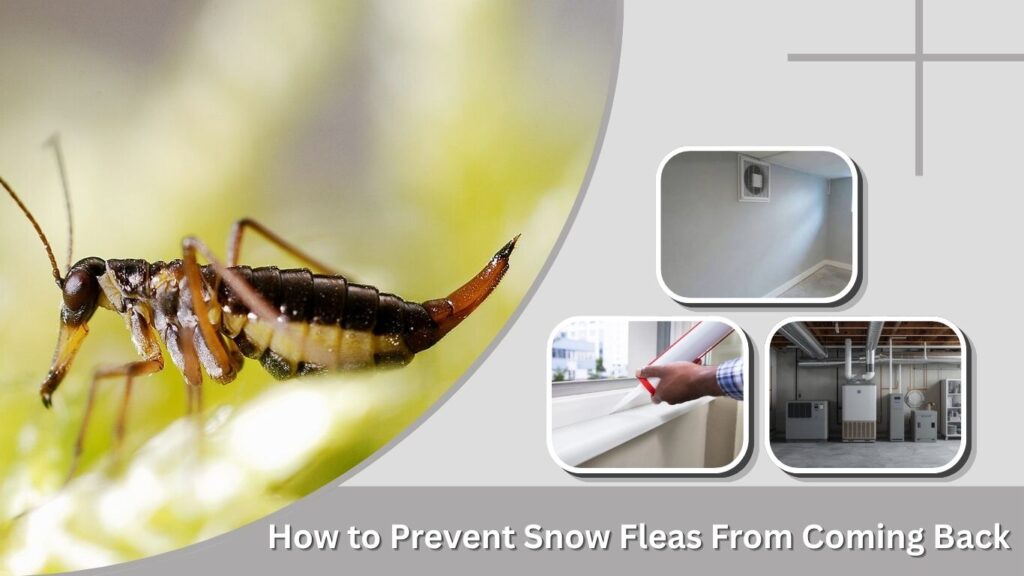
Preventing snow fleas requires consistent moisture management and basic property maintenance. While occasional outdoor appearances are normal, repeated indoor activity may indicate an unresolved dampness problem. Addressing the underlying conditions is more effective than repeatedly removing visible individuals.
Essential Prevention Tips
- Control humidity: Keep basements, bathrooms, and other enclosed spaces adequately ventilated.
- Repair leaks: Fix dripping plumbing, roof leaks, and other sources of unwanted moisture.
- Maintain landscaping: Remove excessive wet debris and keep foundation areas reasonably dry.
- Inspect entrances: Repair damaged screens and seal accessible exterior gaps.
- Monitor houseplants: Avoid waterlogged potting soil and empty plant saucers regularly.
If large numbers continue appearing despite these improvements, consider professional inspection for hidden moisture problems.
FAQs
1. How Do Snow Fleas Get Into Your House?
Snow fleas and other springtails may enter through small openings around doors, windows, foundations, or damaged screens. They can also arrive in damp potted plants and soil.
2. Can You Get Rid of Snow Fleas Without Chemicals?
Yes. Vacuuming visible springtails, fixing water leaks, reducing indoor humidity, and removing damp debris are generally effective. Chemical treatments are usually unnecessary.
3. Do Snow Fleas Bite Humans or Pets?
No. Snow fleas cannot bite humans or pets. Unlike true fleas, they do not feed on blood or live as parasites.
4. How Long Does It Take to Get Rid of Snow Fleas?
Small indoor populations may decline within several days after affected areas are thoroughly dried. Persistent moisture problems can allow springtails to survive much longer.
5. Do Snow Fleas Go Away on Their Own?
Yes. Outdoor snow flea gatherings often disappear naturally as temperatures and moisture conditions change. Indoor springtails generally decline when suitable moisture and food sources are unavailable.
