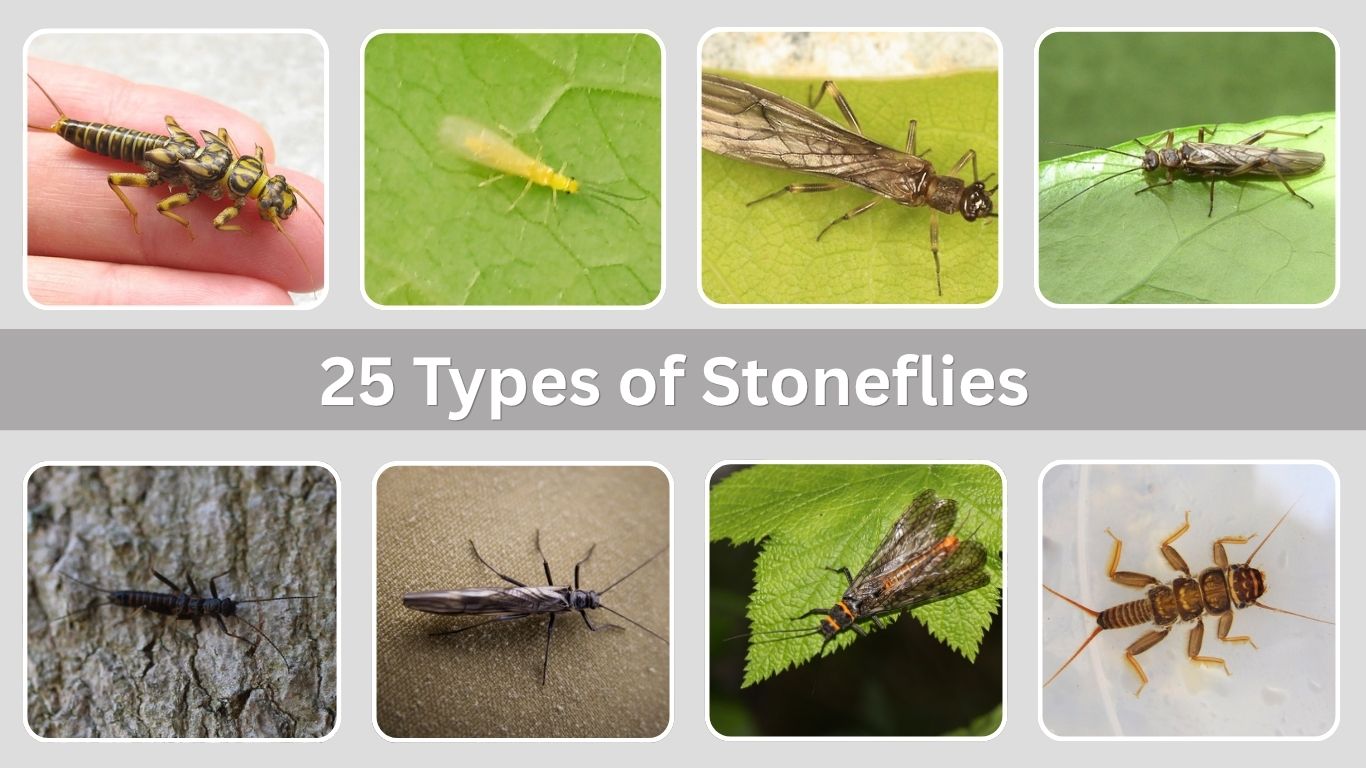
Stoneflies are aquatic insects found in clean, cold, fast-moving streams and rivers. With over 200 species, they play a crucial role in maintaining freshwater ecosystems. From small, delicate species to large, striking ones, each stonefly has unique characteristics. This list highlights 25 types of stoneflies, showcasing their varied sizes, habitats, life cycles, and ecological importance. These species help with nutrient recycling, serve as food for predators, and act as indicators of water quality.
1. Giant Stonefly
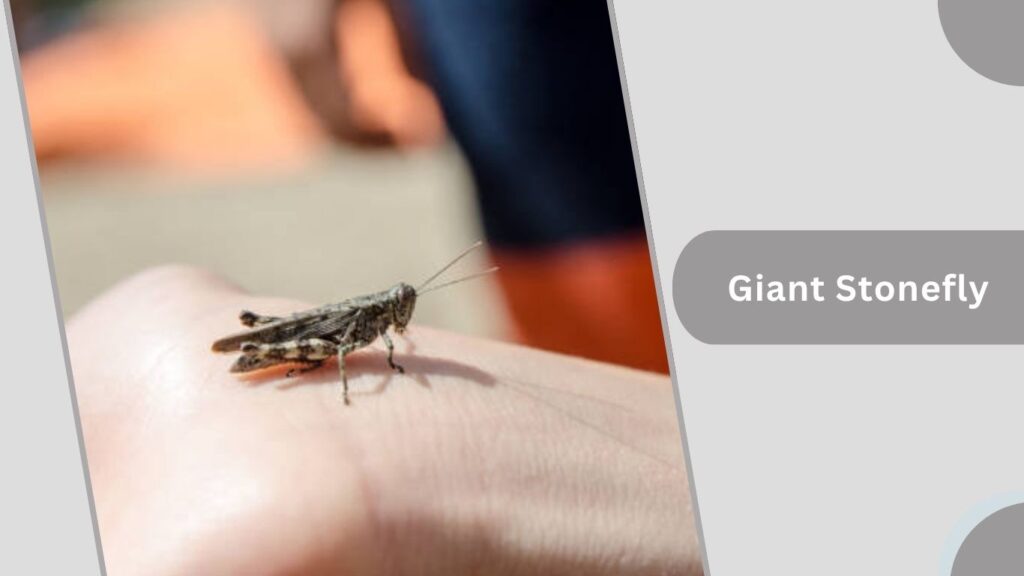
The Giant Stonefly, known scientifically as Pteronarcys californica, is one of the largest species of stoneflies found in North America. These stoneflies are particularly notable for their size, with some species reaching lengths of up to 3 inches (7.5 cm). They are typically found in cool, fast-flowing streams and rivers, where their larvae thrive on the streambed. The Giant Stonefly is important ecologically, as both larvae and adults are a key food source for many fish and birds.
Characteristics
- Large size, up to 3 inches in length
- Two pairs of wings, transparent with distinct venation
- Brown or dark-colored body with yellow markings
- Strong flight ability, particularly during mating season
- Larvae have flattened, segmented bodies adapted to crawling on rocky streambeds
- Adults do not feed and live only for a short time (about 1–2 weeks)
Habitat and Distribution
Giant Stoneflies are typically found in the colder regions of North America, particularly in the Pacific Northwest and parts of California. They prefer clear, oxygen-rich streams and rivers with rocky bottoms. These habitats provide the ideal conditions for their aquatic larvae, which feed on algae and decomposing organic matter.
Life Cycle
The life cycle of the Giant Stonefly includes several stages: egg, nymph (larva), pupa, and adult. The nymphs, or larvae, live in the water for 1–2 years before emerging as adults. During this time, they grow by molting, shedding their exoskeletons multiple times. After emerging from the water, adults live only briefly, mating and laying eggs before dying.
Ecological Importance
Giant Stoneflies play a significant role in the food web of their ecosystems. Their larvae provide food for fish and aquatic predators, while the adults serve as prey for birds. The species also contributes to the overall health of freshwater ecosystems by feeding on detritus and helping to maintain water quality.
2. Golden Stonefly
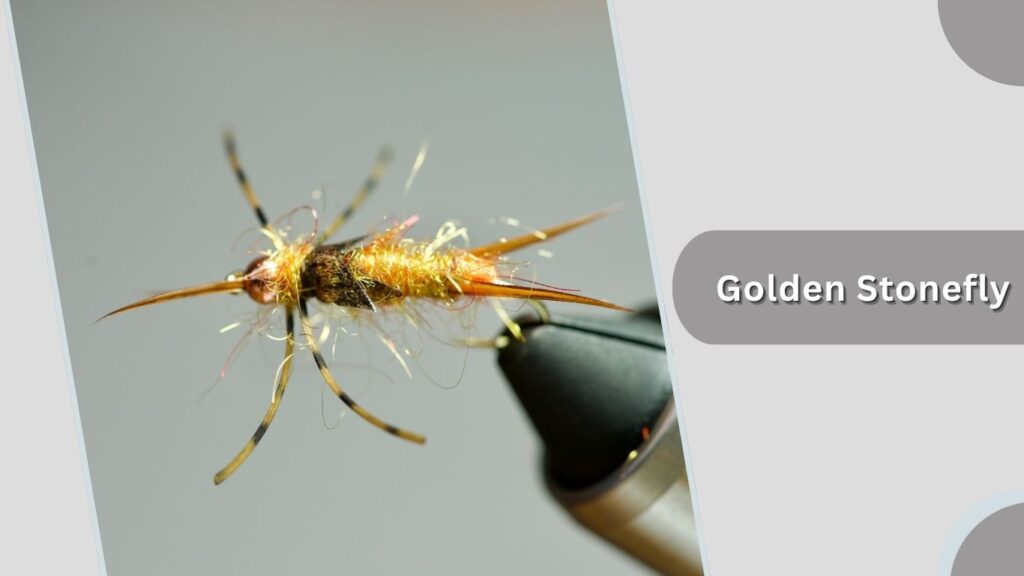
The Golden Stonefly, scientifically known as Hesperoperla pacifica, is a medium-sized stonefly species found primarily in the western United States. Known for its distinctive golden coloration, this stonefly is commonly seen in spring and early summer. It prefers clean, cool, and oxygenated streams and rivers, where its larvae play an important ecological role.
Characteristics
- Golden-yellow to amber color with dark brown markings
- Elongated body with two pairs of wings
- Wings are slightly opaque with visible veins
- Larvae are light brown with flattened, segmented bodies
- Adults have short lifespans, typically living only 1-2 weeks
- Larvae are primarily herbivorous, feeding on detritus and algae
Habitat and Distribution
Golden Stoneflies are mostly found in the cool streams and rivers of the western U.S., particularly in mountainous regions. These areas are rich in mineral content and oxygen, providing ideal conditions for the species. They are often associated with areas that have stable, clean water, making them sensitive to pollution.
Life Cycle
Golden Stoneflies undergo a simple metamorphosis with three stages: egg, nymph, and adult. The nymphs remain in the aquatic environment for most of their lives, feeding and growing before emerging into adults. The adult Golden Stonefly’s lifespan is relatively short, only lasting a few weeks, during which it mates and lays eggs.
Ecological Importance
Golden Stoneflies contribute significantly to the aquatic ecosystem as both larvae and adults. The larvae help maintain water quality by feeding on detritus and algae, and the adults are an important food source for various birds and fish. These stoneflies also serve as bioindicators, helping scientists monitor the health of freshwater ecosystems.
3. Salmonfly
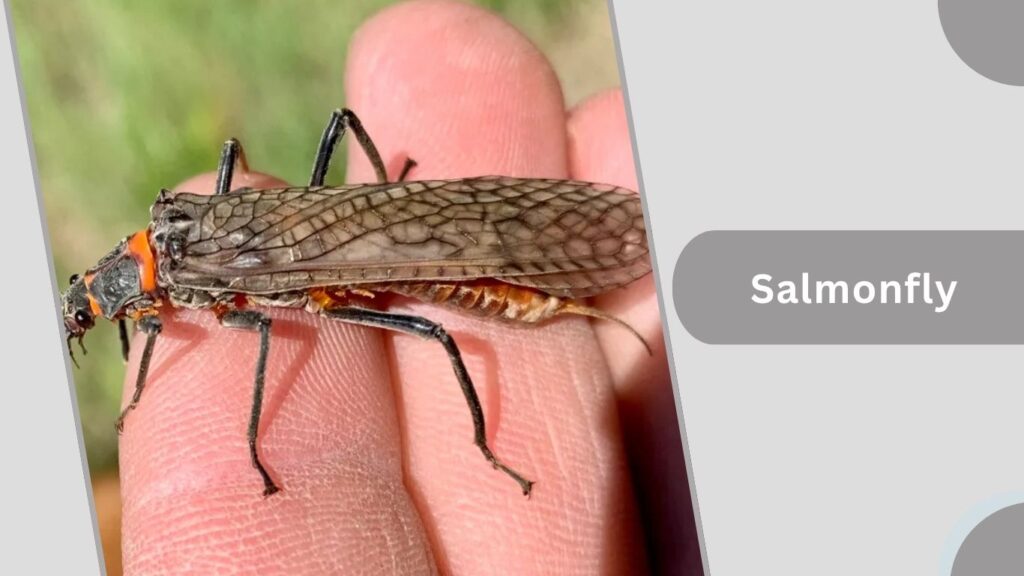
The Salmonfly, or Pteronarcys salmonica, is one of the most well-known and largest stoneflies in North America. Found primarily in the western U.S. and Canada, the Salmonfly is famous for its large size, with some individuals reaching up to 3 inches in length. It plays a critical role in the food web of its habitat, particularly for anglers who use it as bait for fish.
Appearance
The Salmonfly is easily recognizable due to its large size and distinct coloration, typically a dark brown to reddish-brown body with orange or yellow highlights. The wings are transparent and wide, with visible dark veins. Its long legs and large, strong wings are characteristic features.
Habitat Preferences
Salmonflies are typically found in cold, fast-moving streams with clear water, usually at higher elevations. These habitats are rich in oxygen and provide the perfect conditions for the larvae to thrive. The Salmonfly prefers rocky streambeds, where its nymphs can feed on algae and other detritus.
Life Cycle
The life cycle of the Salmonfly is quite fascinating. The larvae, or nymphs, live for 1-2 years in the water, feeding and growing until they reach maturity. Upon maturity, they emerge from the water, molt, and transform into adults. The adults only live for a few weeks, during which they mate, lay eggs, and die shortly afterward.
Role in Ecosystem
Salmonflies play an essential role in the food chain, particularly in the diets of trout and other fish species. The large, winged adults are also eaten by birds, making them an important food source in the ecosystem. Furthermore, Salmonflies contribute to the health of freshwater systems by helping to break down organic material in the water.
4. Skwala Stonefly
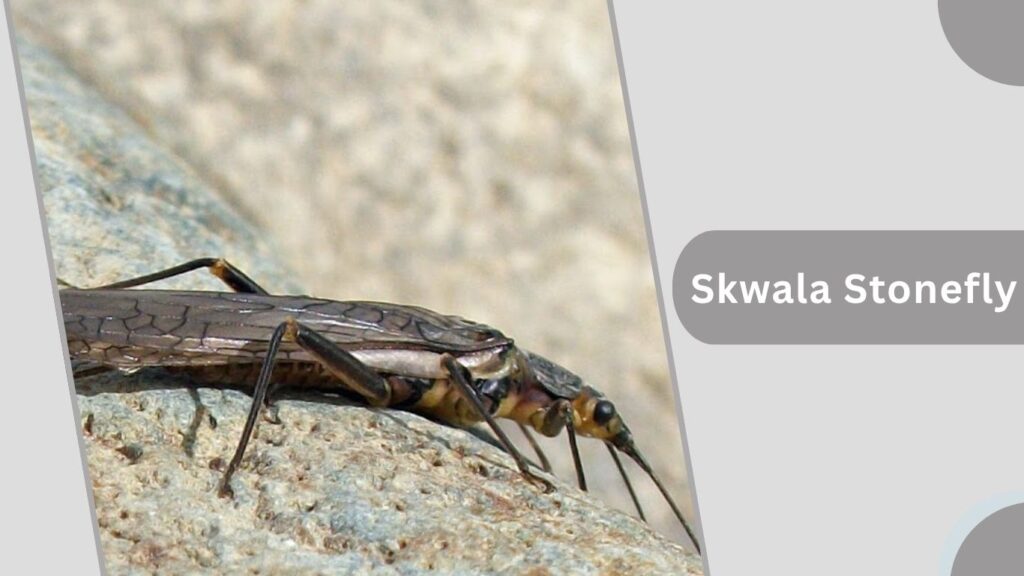
The Skwala Stonefly (Capnia obsoleta) is a smaller but highly resilient species commonly found in the fast-moving streams of the Pacific Northwest and other cool, mountainous areas in the United States. Recognizable for its dark, almost black body, the Skwala is known for emerging early in the spring, which gives it a distinct advantage over other stoneflies.
Characteristics
- Dark brown to black coloration
- Smaller in size, typically around 1 inch long
- Two pairs of wings, with a distinct venation pattern
- Larvae are similar in color to the adults, with a smooth body and distinct segmentation
- Short-lived adults, typically lasting only a few weeks
- Larvae have a flattened body, well-adapted for clinging to streambed rocks
Habitat and Distribution
The Skwala Stonefly thrives in cold, clear, and oxygen-rich streams, particularly in areas with rocky bottoms. It is often found in the early spring when other stonefly species are not yet active. This species prefers higher elevations and can be found across the Pacific Northwest, as well as parts of northern California and Idaho.
Life Cycle
Skwala Stoneflies undergo a complete metamorphosis: egg, nymph, and adult. The nymphs are aquatic and live in the streambed for approximately 1-2 years, feeding on algae and organic detritus. Upon reaching maturity, they emerge from the water and undergo the final molt into their adult form. The adults do not feed and have a very short lifespan, typically only a few weeks during spring.
Ecological Importance
Skwala Stoneflies are important to the freshwater food web. Their larvae provide a significant food source for various fish species, while the adults serve as prey for birds. The species also plays a role in maintaining water quality by feeding on detritus and breaking down organic matter in streambeds.
5. Winter Stonefly
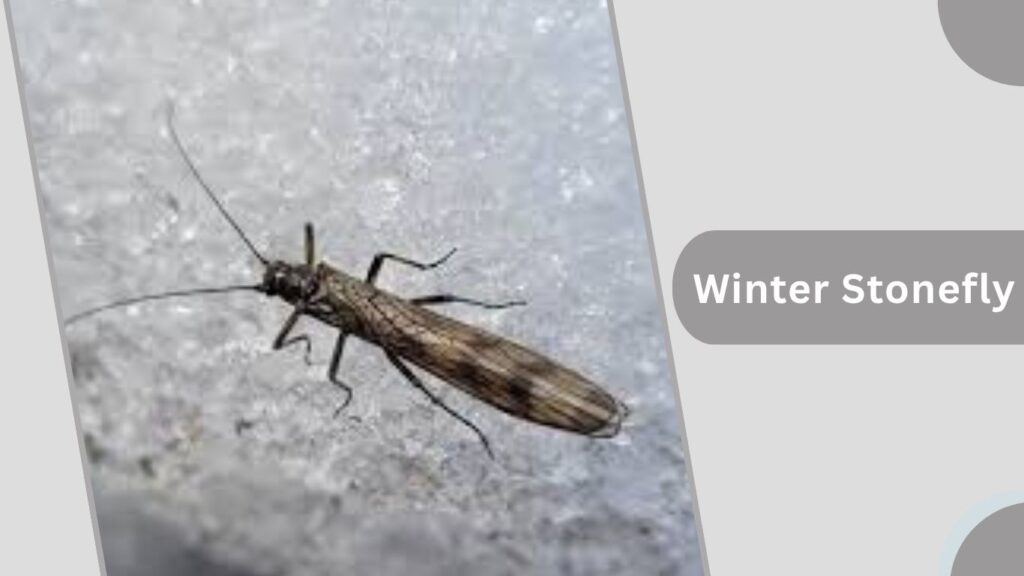
The Winter Stonefly, or Taeniopteryx nivalis, is one of the few species of stoneflies that is adapted to cold conditions and is active during the winter months. These stoneflies can be found in cold, slow-moving streams and are unique for their ability to endure freezing temperatures while continuing their life cycle.
Characteristics
- Small to medium in size, usually around 1 inch long
- Pale, light-colored body, often yellowish or grayish
- Two pairs of wings that are long and narrow, almost translucent
- Larvae are similar in color to adults and are known for their ability to survive in low temperatures
- Adults do not feed and live only for a short period after emergence
- Nymphs have flattened, segmented bodies that help them cling to streambed rocks
Habitat and Distribution
Winter Stoneflies are found in colder regions, particularly in slow-moving streams and rivers with low temperatures. They are commonly seen in higher elevations, especially in the northeastern United States and parts of the Rocky Mountains. These stoneflies are unique in that they can remain active even under ice-covered waters during the winter months.
Life Cycle
Winter Stoneflies have a fascinating life cycle. Their nymphs hatch and live in the cold water for a long period, often over a year, before molting into adults. As they mature, the larvae continue to grow under the ice, and when the temperature rises slightly, they emerge as adults. The adults typically live for a brief time, just long enough to mate and lay eggs.
Ecological Importance
Winter Stoneflies are key to the ecosystems they inhabit. Their larvae are an essential food source for fish, particularly during the winter months when other food sources are scarce. These stoneflies help maintain the ecological balance of their environments by contributing to the breakdown of organic material in the streambed.
6. Needlefly
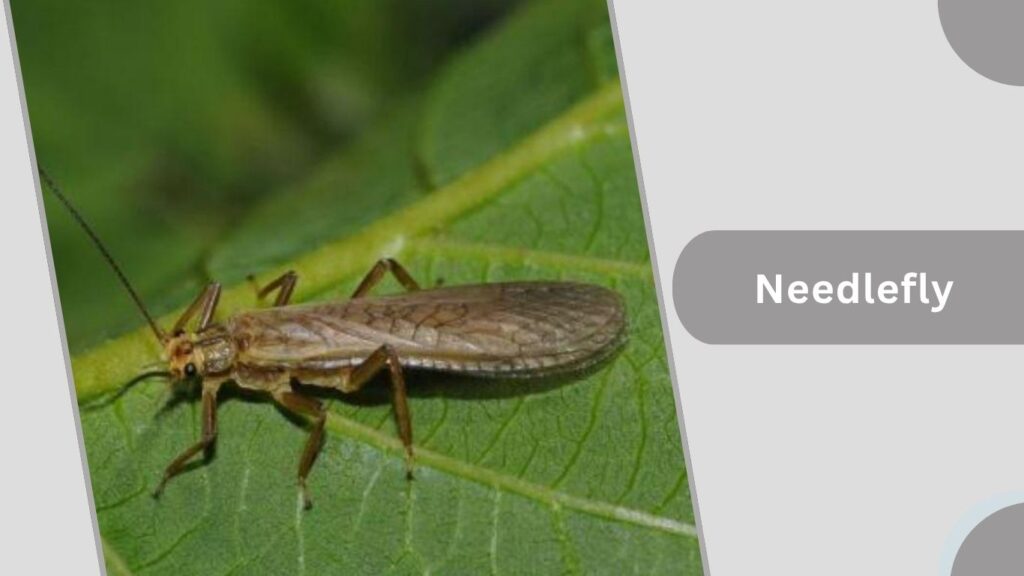
The Needlefly, scientifically known as Michaudellus sp. is a species of stonefly found primarily in North America. Its name is derived from its distinct, long, and slender body shape, resembling a needle. The Needlefly is known for its small size and the delicate appearance of both its larvae and adult forms.
Characteristics
- Slender, needle-like body shape
- Typically small, with a body length of around 1 inch
- Two pairs of transparent wings with visible veins
- Adults are usually brown or light tan
- Larvae are aquatic, with segmented bodies and a flattened shape
- Non-feeding adults that live for only a few weeks
Habitat and Distribution
Needleflies prefer cooler, faster-moving streams with a lot of oxygen. They are found primarily in clean, clear streams and rivers, particularly in the eastern U.S. and parts of the northern Rocky Mountains. Needleflies tend to live in the shallow, rocky areas of these streams, where they are well-protected from predators.
Life Cycle
Like most stoneflies, the Needlefly undergoes a simple metamorphosis with three stages: egg, nymph (larvae), and adult. The larvae remain in the water for most of their lives, often for 1-2 years, feeding on algae and detritus. Once the larvae mature, they emerge from the water, molt into adults, mate, and then die shortly after.
Ecological Importance
Needleflies play a critical role in maintaining the health of freshwater ecosystems. Their larvae help break down organic matter in the streambed, promoting water quality and reducing waste. Additionally, the adults serve as an important food source for birds, fish, and other predators in the environment.
7. Green Stonefly
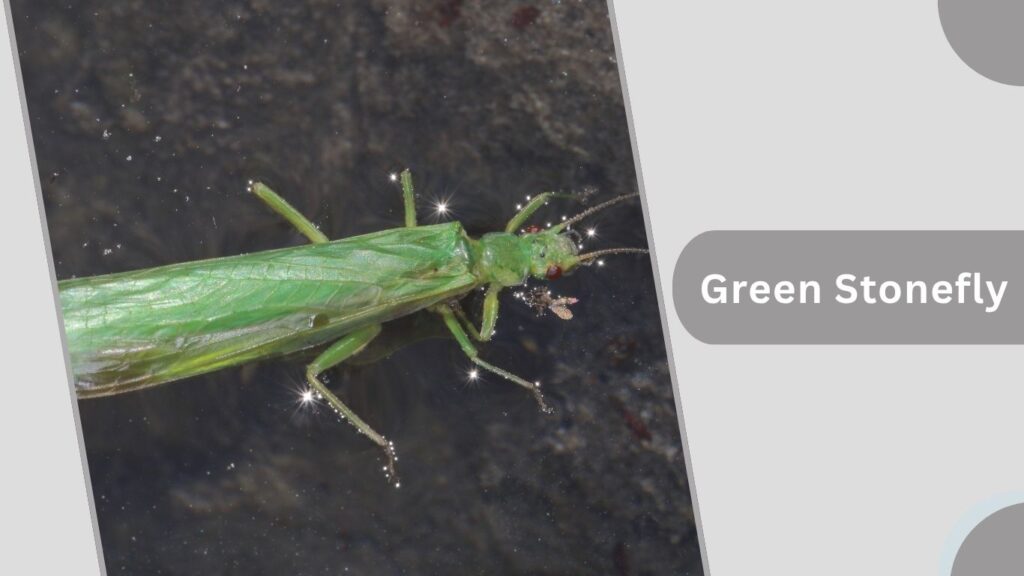
The Green Stonefly (Prostoia completa) is a species of stonefly found in fast-flowing streams, particularly in the cooler regions of North America. It is often recognized by its distinctive green color, which is rare among stonefly species. The Green Stonefly is particularly important in the early spring, when it is one of the first stoneflies to emerge.
Characteristics
- Bright green coloration with dark markings
- Medium-sized, usually around 1-2 inches in length
- Two pairs of wings with a translucent appearance and visible veins
- Larvae are green, with a flattened body and segmented structure
- Non-feeding adults with a short lifespan of only a few weeks
Habitat and Distribution
Green Stoneflies are typically found in clear, cool streams and rivers with fast-moving water. They are particularly common in the Rocky Mountains, parts of the Pacific Northwest, and other mountainous regions. The species prefers streams that are well-oxygenated and have rocky bottoms, where the larvae can easily cling to surfaces.
Life Cycle
The Green Stonefly follows a similar life cycle to other stoneflies, with three main stages: egg, nymph (larvae), and adult. The larvae live in the water for several months, feeding on algae and detritus, before they emerge as adults. After mating and laying eggs, the adult Green Stonefly’s life cycle is completed within a short time, typically lasting only a few weeks.
Ecological Importance
As with other stonefly species, the Green Stonefly is an essential part of its aquatic ecosystem. Its larvae contribute to water quality by feeding on detritus, while the adults serve as food for birds, fish, and other wildlife. By maintaining the health of the streambeds and providing a food source for predators, the Green Stonefly plays a vital role in the balance of its habitat.
8. Yellow Sally Stonefly
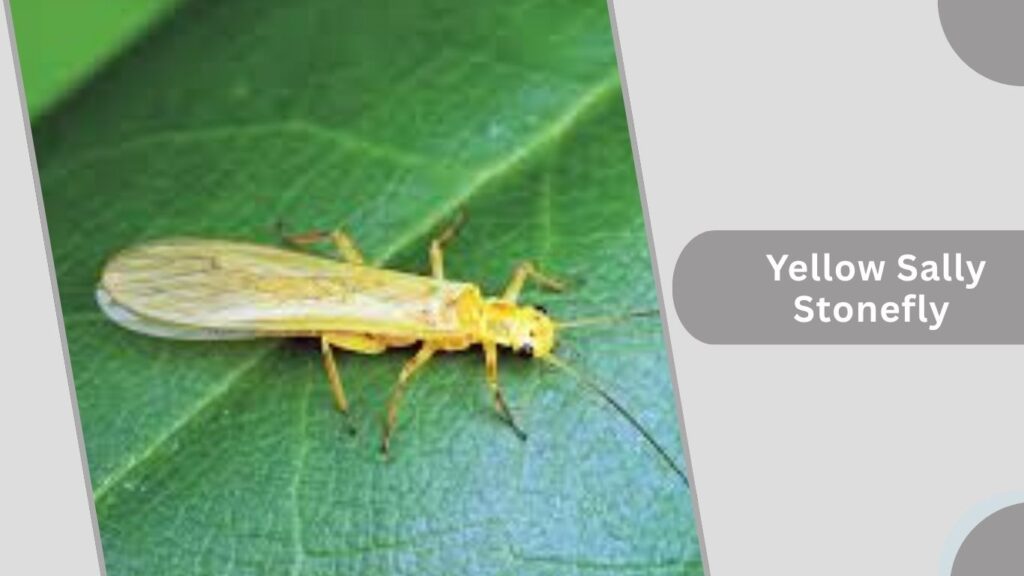
The Yellow Sally Stonefly (Isoperla bilineata) is a small but highly distinctive stonefly species known for its bright yellow markings. It is commonly found in cool, clean streams and rivers, particularly in the eastern United States. Yellow Sally Stoneflies are often among the first stoneflies to appear in spring, making them an early-season food source for aquatic predators.
Characteristics
- Bright yellow body with dark markings on the thorax and wings
- Small size, typically around 0.5 to 1 inch long
- Two pairs of wings that are narrow and transparent, with visible veins
- Larvae have a flattened, segmented body suited for streambed life
- Adults live for a short time and do not feed
- Distinctive “yellow” appearance that helps in identification
Habitat and Distribution
Yellow Sally Stoneflies thrive in cool, well-oxygenated streams with clear water. They are typically found in the fast-flowing waters of the eastern United States, especially in the Appalachian region. These habitats provide the ideal conditions for the species, as they need both clean water and rocky substrates for their larvae to thrive.
Life Cycle
The life cycle of the Yellow Sally Stonefly involves the typical stonefly stages: egg, nymph, and adult. The larvae spend several months in the water, feeding on algae, detritus, and small invertebrates. After reaching maturity, they emerge as adults, mate, and lay eggs. The adult stage is brief, lasting only a few weeks, during which time they do not feed.
Ecological Importance
Yellow Sally Stoneflies play a significant role in maintaining freshwater ecosystems. Their larvae contribute to the decomposition of organic matter in streams, helping to maintain water quality. Additionally, they are an important food source for fish and birds, especially during their early spring emergence when other food sources are limited.
9. Perlodid Stonefly
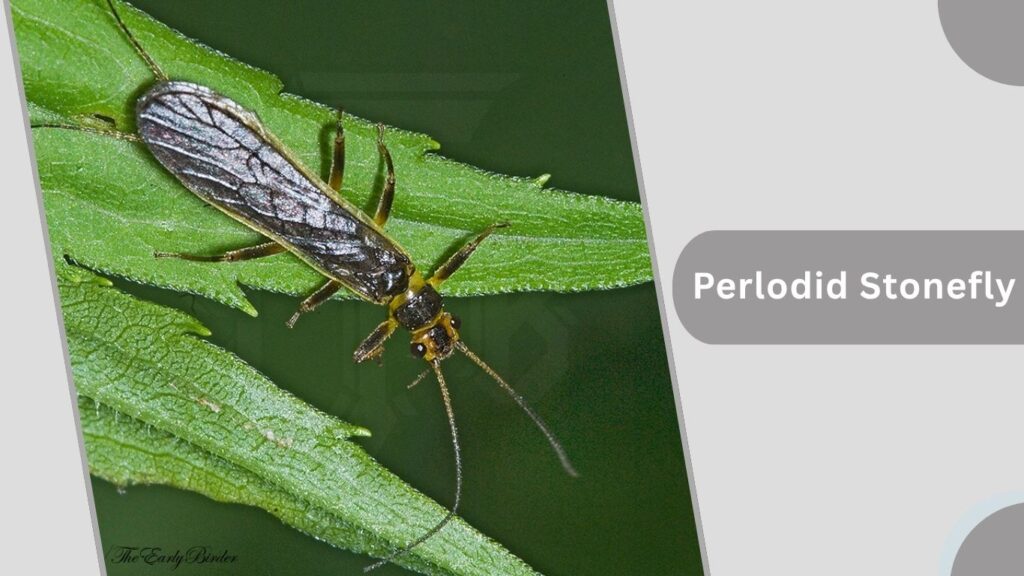
The Perlodid Stonefly (Perlidae family) is a diverse and widespread group of stoneflies, characterized by its elongated body and strong flight capabilities. These stoneflies are typically found in fast-moving, cool waters, where their larvae play an important role in breaking down organic materials.
Characteristics
- Elongated body with a smooth, cylindrical appearance
- Typically medium to large size, ranging from 1 to 2 inches
- Two pairs of wings that are large and transparent, with visible veins
- Larvae are flattened, with well-developed legs and a segmented body
- Adults are strong fliers, capable of covering large distances
- Non-feeding adult stage that lasts a few weeks
Habitat and Distribution
Perlodid Stoneflies are found across a wide range of habitats, particularly in fast-flowing, cold streams and rivers with rocky substrates. They are distributed across North America, with some species found in the western U.S. and Canada. The larvae require oxygen-rich water, making these stoneflies indicators of water quality in freshwater ecosystems.
Life Cycle
The Perlodid Stonefly undergoes a complete metamorphosis, with the larvae spending a significant amount of time in the water. The nymphs live in the streambed for 1 to 2 years before transforming into adults. After emerging from the water, the adults only live for a few weeks, during which time they mate and lay eggs.
Ecological Importance
Perlodid Stoneflies are vital to their ecosystems due to their role in the decomposition of organic matter in the water. Their larvae feed on algae and detritus, helping to break down and recycle nutrients in the environment. Additionally, their adult stage serves as prey for fish and birds, contributing to the food web in freshwater habitats.
10. Chloroperlid Stonefly
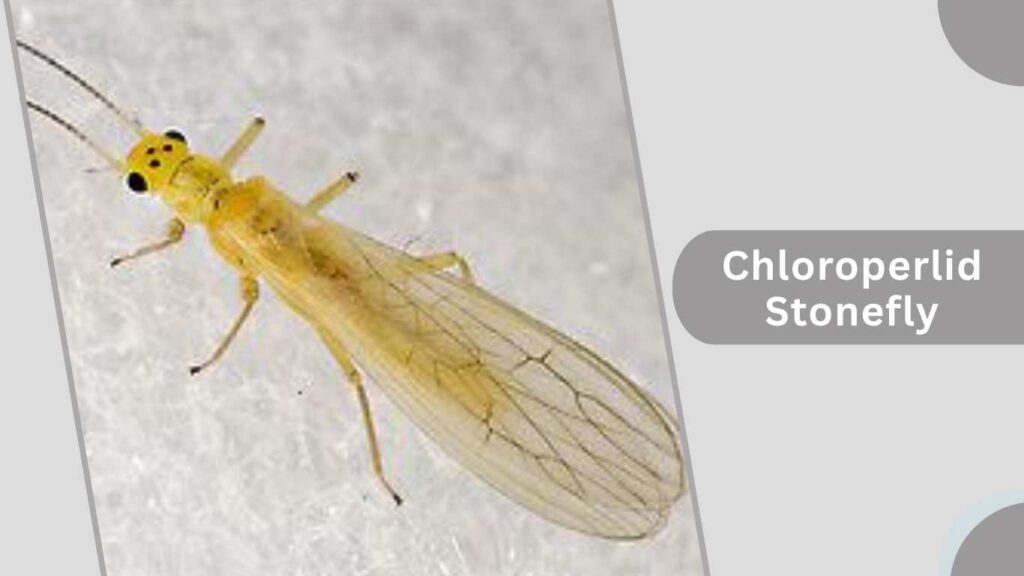
The Chloroperlid Stonefly (Chloroperlidae family) is a relatively small but significant group of stoneflies found in North America and parts of Europe. Known for their vibrant green color and active nature, they are often seen in cold, clean streams and rivers during the spring and summer months. These stoneflies are important indicators of water quality, as they require well-oxygenated, unpolluted environments to thrive.
Characteristics
- Bright green to yellow-green body, often with dark markings
- Small size, generally ranging from 0.5 to 1 inch long
- Two pairs of wings that are narrow and transparent, with visible veins
- Larvae are small, cylindrical, and well-adapted to live among streambed vegetation
- Adults are strong fliers and are capable of moving long distances in search of mates
Habitat and Distribution
Chloroperlid Stoneflies are typically found in clean, oxygen-rich streams and rivers, particularly in the western United States, Canada, and parts of Europe. These species prefer streams with rocky or vegetative substrates, where their larvae can feed on algae and detritus. They are often associated with areas that have cold water temperatures and fast-moving currents, which provide optimal conditions for growth.
Life Cycle
The Chloroperlid Stonefly follows the typical stonefly life cycle, with eggs, nymphs, and adults. The larvae are aquatic and live in streams for several months or even years, feeding on organic matter. After reaching maturity, the larvae molt into adults, who then emerge from the water to mate. The adult stage is short-lived, usually only lasting a few weeks, and adults do not feed.
Ecological Importance
Chloroperlid Stoneflies play an important role in the food web of freshwater ecosystems. Their larvae help break down organic material, which helps maintain water quality by reducing detritus and excess nutrients in the stream. Additionally, the adults serve as a food source for a variety of predators, including fish and birds. Their presence in a stream often indicates a healthy and well-balanced ecosystem.
11. Nemourid Stonefly
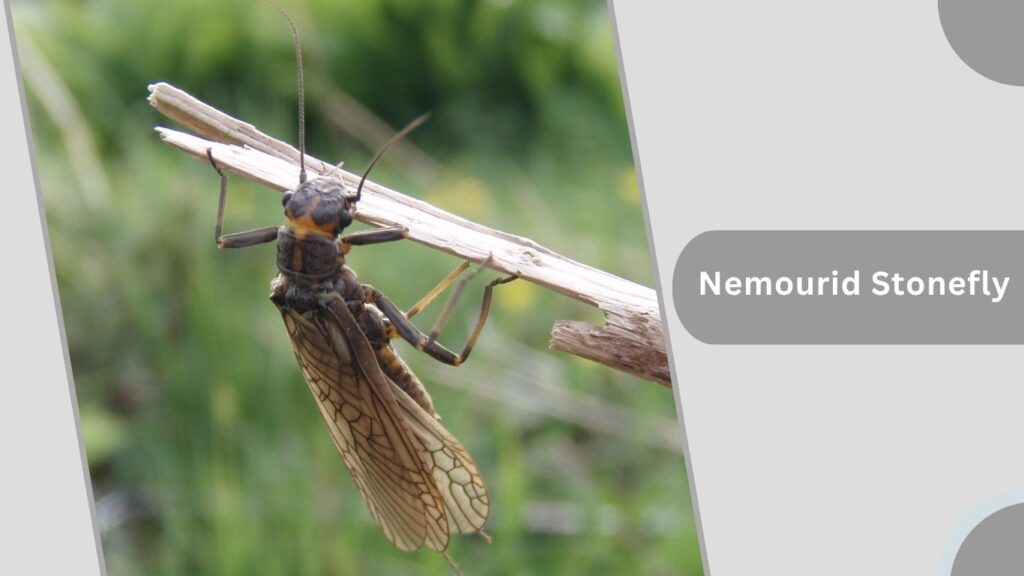
The Nemourid Stonefly (Nemouridae family) is a diverse group of small stoneflies that inhabit cold, flowing streams and rivers across North America and parts of Europe. These stoneflies are typically found in clean, clear water, where their larvae play a significant role in breaking down organic material in the aquatic environment.
Characteristics
- Small size, generally ranging from 0.5 to 1 inch long
- Typically light brown or tan in color, with some species having darker markings
- Two pairs of wings that are transparent and narrow, with faint venation
- Larvae are cylindrical and adapted to cling to rocks and other surfaces in the streambed
- Adults are non-feeding and live for only a short period after emerging
Habitat and Distribution
Nemourid Stoneflies are primarily found in cold, fast-moving streams and rivers. They prefer areas with well-oxygenated water and rocky or sandy streambeds. The species is widely distributed in North America and parts of Europe, often found in higher elevations where the water remains cooler throughout the year.
Life Cycle
The life cycle of the Nemourid Stonefly follows the typical pattern of other stoneflies, with three stages: egg, nymph (larvae), and adult. The larvae remain in the water for several months or up to a year, feeding on algae and decaying organic matter. After reaching maturity, they undergo the final molt into adults. The adults typically live for a very short period, just long enough to mate and lay eggs.
Ecological Importance
Nemourid Stoneflies are important contributors to freshwater ecosystems. Their larvae help to recycle nutrients by breaking down organic materials such as fallen leaves and plant debris. They also serve as a food source for a variety of aquatic predators, including fish. The presence of Nemourid Stoneflies is often an indicator of a healthy, well-oxygenated aquatic environment.
12. Capniid Stonefly
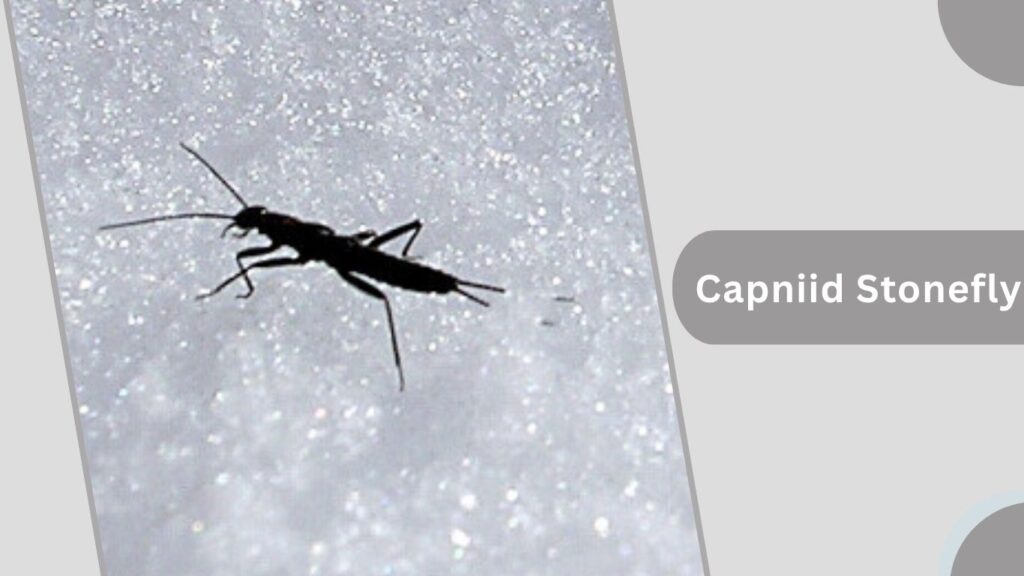
The Capniid Stonefly (Capniidae family) is a small stonefly species commonly found in cold, clear streams. Known for their resilience, these stoneflies are often active during the winter months when other species of stoneflies are dormant. Capniid Stoneflies thrive in both lowland and highland streams, making them an adaptable species in a variety of freshwater habitats.
Characteristics
- Small in size, usually around 0.5 to 1 inch in length
- Typically dark in color, ranging from black to brown
- Two pairs of wings that are transparent and delicate
- Larvae have a flattened body, suited for adhering to rocky substrates in streams
- Adults have long antennae and do not feed during their short adult lifespan
Habitat and Distribution
Capniid Stoneflies are found in both lowland and highland streams across North America and parts of Europe. These species prefer well-oxygenated waters with clean, rocky or gravelly substrates. Capniid Stoneflies are unique in that they are often active during winter, with some species being able to endure icy waters and low temperatures.
Life Cycle
The life cycle of Capniid Stoneflies includes three stages: egg, nymph (larvae), and adult. The larvae are aquatic and live in the streambed for several months, feeding on algae and detritus. After reaching maturity, they emerge from the water as adults, who only live for a brief period. During this time, they mate, lay eggs, and die shortly after.
Ecological Importance
Capniid Stoneflies are important contributors to stream ecosystems. The larvae help break down organic material, such as decaying plant matter, thus promoting water quality. Additionally, Capniid Stoneflies are a vital food source for fish and other aquatic predators, particularly in winter when other food sources are scarce.
13. Leuctrid Stonefly
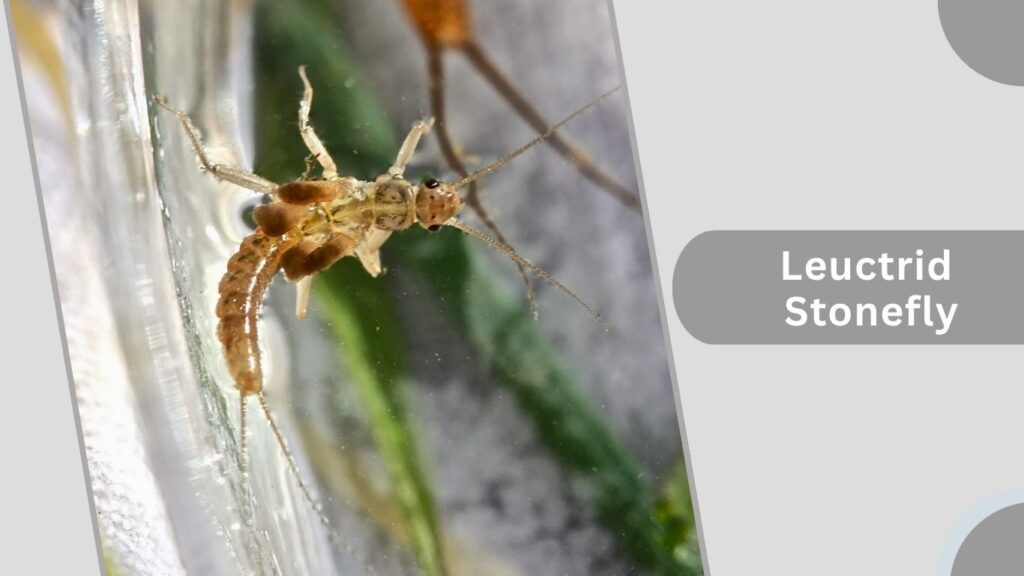
The Leuctrid Stonefly (Leuctridae family) is a species found primarily in clean, fast-flowing streams, particularly in the northern regions of North America. These stoneflies are small and often go unnoticed, but they play an important role in the ecosystem as both consumers and prey for various predators.
Characteristics
- Small size, generally around 0.5 to 1 inch long
- Typically light brown or tan, with some species showing darker markings
- Transparent wings with a characteristic narrow shape and faint veins
- Larvae are cylindrical and have a segmented body that helps them cling to rocks and other submerged surfaces
- Adults are non-feeding and have a short lifespan, living only a few weeks
Habitat and Distribution
Leuctrid Stoneflies are found in cold, fast-moving streams, typically in areas with clean, well-oxygenated water. They are common in regions with mountain streams, where they inhabit the rocky streambed. Leuctrid Stoneflies are distributed across the northern parts of North America and parts of Europe, where they thrive in cold, nutrient-poor streams.
Life Cycle
The Leuctrid Stonefly undergoes a typical stonefly life cycle, starting as eggs that hatch into larvae. The larvae live in the streambed, feeding on organic material, for several months before undergoing metamorphosis. They then emerge as adults, who live only a short time, mating and laying eggs before dying.
Ecological Importance
Leuctrid Stoneflies are important contributors to the health of freshwater ecosystems. Their larvae help in breaking down organic materials in streams, maintaining the water quality. Additionally, they are a crucial food source for various aquatic animals, including fish, birds, and insects. Their presence is an indicator of clean, well-oxygenated waters.
14. Pteronarcyid Stonefly
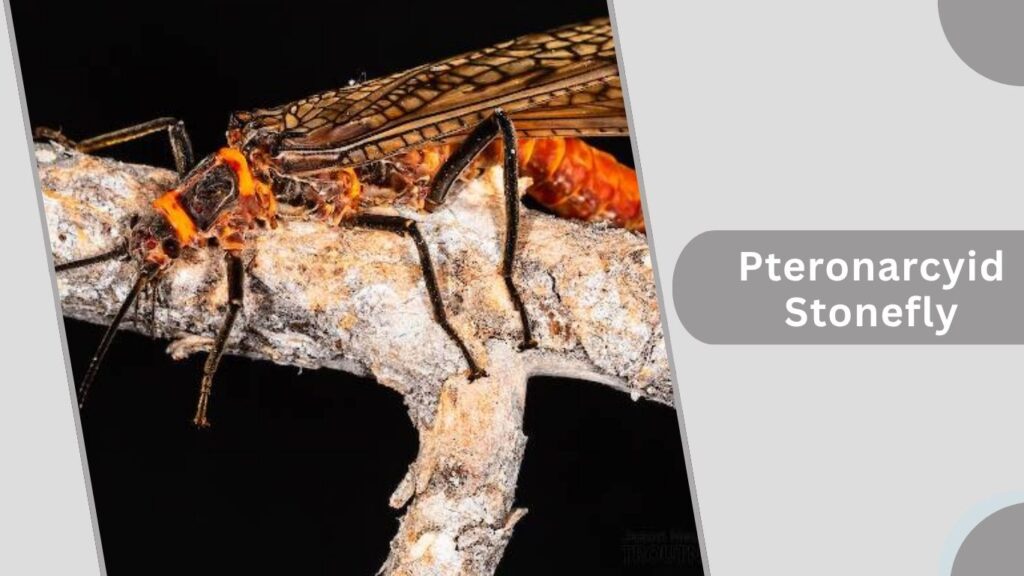
The Pteronarcyid Stonefly (Pteronarcidae family), often referred to as the “giant stoneflies,” is one of the largest stonefly species found in North America. Known for their size and strong flying ability, they are particularly prevalent in the colder regions and are often found in fast-moving, oxygen-rich streams.
Characteristics
- Large size, with some species growing up to 3 inches in length
- Dark brown to black coloration with light patterns on their wings
- Two pairs of wings that are broad and transparent, with prominent veins
- Larvae are elongated, cylindrical, and adapted for crawling on rocky substrates
- Strong fliers, with adults capable of covering significant distances during mating seasons
- Adults have a short lifespan, typically 1-2 weeks
Habitat and Distribution
Pteronarcyid Stoneflies are typically found in clean, cold, and fast-moving streams with rocky beds. They thrive in the high-altitude and mountainous regions of North America, particularly in the western U.S. and Canada. These habitats provide the cool and oxygen-rich water necessary for their larvae to grow and mature.
Life Cycle
The Pteronarcyid Stonefly undergoes a three-stage life cycle: egg, nymph, and adult. The larvae live in the water for 1-2 years, where they feed on organic matter, including algae and detritus. After reaching maturity, the larvae molt into adults and emerge from the water. The adult stage is short-lived, during which time they mate, lay eggs, and then die.
Ecological Importance
Pteronarcyid Stoneflies play a vital role in freshwater ecosystems. Their larvae are important for breaking down organic materials in streams, helping to maintain water quality. Additionally, the adult stoneflies serve as prey for fish, birds, and other aquatic predators. These stoneflies also serve as a valuable bioindicator of water quality and ecosystem health.
15. Perlesta Stonefly
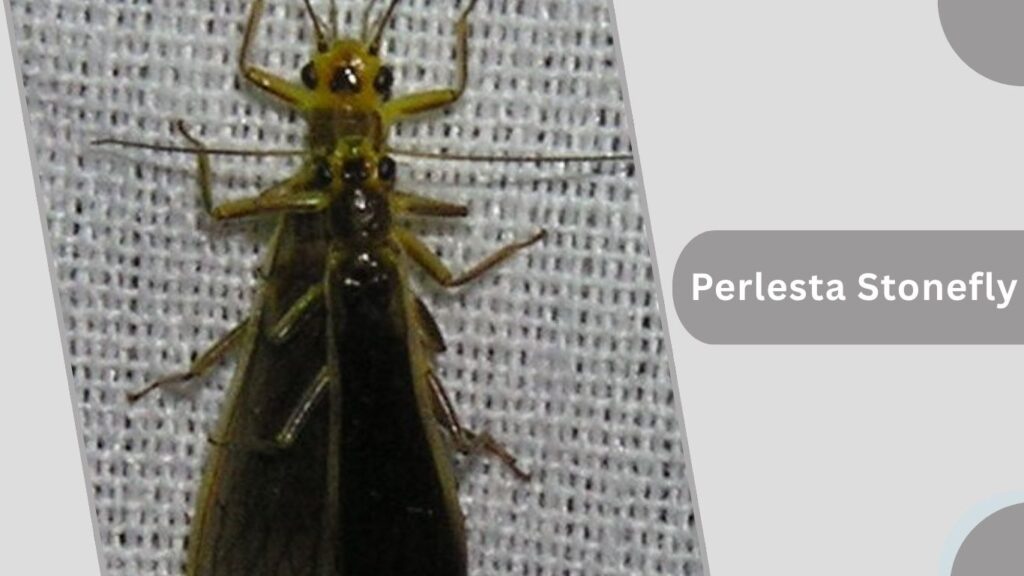
The Perlesta Stonefly (Perlesta genus) is a small to medium-sized species of stonefly found across North America. Known for its resilience and adaptability, the Perlesta Stonefly is typically found in cold, clear, and well-oxygenated streams, where it plays a key role in maintaining the health of freshwater ecosystems.
Characteristics
- Small to medium size, usually around 1 inch in length
- Typically dark brown or tan, with some species showing lighter markings
- Two pairs of wings, with a characteristic narrow shape and visible veins
- Larvae are cylindrical and adapted to living in fast-moving waters, with well-developed legs for clinging to rocks
- Adults have a short lifespan, living only for a few weeks
- Non-feeding adults who focus solely on reproduction
Habitat and Distribution
Perlesta Stoneflies are typically found in clean, cold streams with fast-moving water. They are widely distributed across North America, particularly in the eastern and northern regions. These species prefer streams with rocky beds, as the larvae depend on these surfaces for attachment and feeding.
Life Cycle
The life cycle of the Perlesta Stonefly involves three stages: egg, nymph (larvae), and adult. The larvae live in the water for several months, feeding on detritus and algae. After reaching maturity, they emerge from the water and molt into adults. The adult stage lasts only a few weeks, during which they mate and lay eggs before dying.
Ecological Importance
Perlesta Stoneflies are essential to their ecosystems. The larvae help in breaking down organic material, thus contributing to nutrient cycling and water purification. As a result, they play a critical role in maintaining stream health and water quality. Additionally, they serve as a key food source for a variety of fish, birds, and other aquatic animals, supporting the food web of freshwater habitats.
16. Acroneuria Stonefly
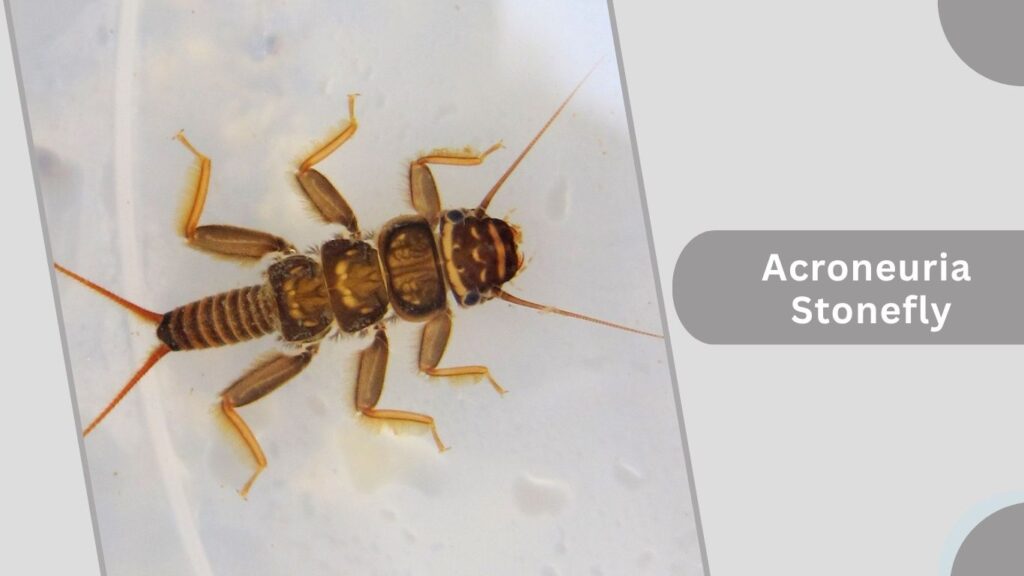
The Acroneuria Stonefly (Acroneuria genus) is a medium to large-sized stonefly species found in clean, cold streams and rivers throughout North America. These stoneflies are particularly important to anglers, as their large size and distinctive features make them easily identifiable. They are often found in high-elevation habitats where the water remains cool and oxygenated.
Characteristics
- Medium to large size, typically ranging from 1 to 2 inches in length
- Brown to dark brown coloration with pale yellow markings
- Two pairs of wings, with translucent veins and a broad appearance
- Larvae are elongated, with a flattened body well-suited for life on the streambed
- Strong fliers during the adult stage, capable of covering large distances
- Adults have a brief lifespan of 1 to 2 weeks, during which they focus on mating
Habitat and Distribution
Acroneuria Stoneflies are commonly found in cold, fast-moving streams with clear water and rocky substrates. They prefer high-altitude habitats, often located in mountainous regions across North America. These areas provide ideal conditions for both larvae and adults, with low temperatures and oxygen-rich waters being essential for their survival.
Life Cycle
The Acroneuria Stonefly undergoes a typical stonefly life cycle, starting as eggs that hatch into aquatic larvae. The larvae spend up to 1-2 years living on the streambed, feeding on algae and detritus. Once the larvae reach maturity, they emerge from the water and undergo metamorphosis into adults. The adult stage is short-lived, typically lasting only a few weeks, during which they mate and lay eggs.
Ecological Importance
Acroneuria Stoneflies are vital to freshwater ecosystems as they help break down organic matter in the streambed, contributing to nutrient cycling and maintaining water quality. Additionally, the larvae provide an important food source for fish, while the adults are consumed by birds and other predators, supporting the food web of their habitat.
17. Isoperla Stonefly
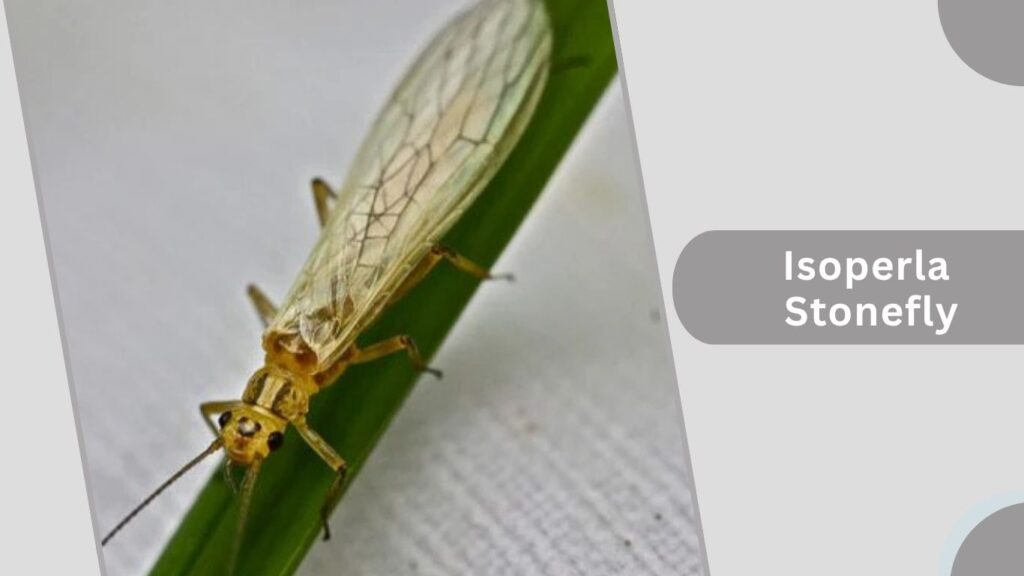
The Isoperla Stonefly (Isoperla genus) is a small to medium-sized species found in cold, clean streams and rivers, particularly in North America and parts of Europe. This stonefly is known for its slender body and delicate wings, and it is an important species in freshwater habitats due to its role in maintaining ecological balance.
Characteristics
- Small to medium size, usually around 0.5 to 1 inch in length
- Typically light brown to yellowish in color, with dark markings on the wings and thorax
- Two pairs of transparent wings with visible veins
- Larvae are cylindrical, flattened, and adapted for clinging to rocks in fast-flowing streams
- Adults have long antennae and are weak fliers, primarily staying close to the water during mating periods
Habitat and Distribution
Isoperla Stoneflies are commonly found in cold, well-oxygenated streams and rivers with rocky or sandy substrates. These habitats provide the necessary conditions for the larvae to thrive, as the larvae feed on algae and detritus. The species is widespread across North America and parts of Europe, especially in the northern and mountainous regions where the water is cooler.
Life Cycle
The Isoperla Stonefly undergoes a typical stonefly life cycle: egg, nymph (larvae), and adult. The larvae live in the water for several months, feeding on organic material before molting into adults. After emerging from the water, the adults mate and lay eggs. The adult stage is brief, and they do not feed during their short lifespan.
Ecological Importance
Isoperla Stoneflies contribute significantly to the health of freshwater ecosystems. The larvae help break down organic materials, recycling nutrients and maintaining water quality. As a food source for fish and birds, the Isoperla Stonefly also plays a key role in the food web. Their presence in a stream often indicates a healthy, well-balanced aquatic environment.
18. Paragnetina Stonefly
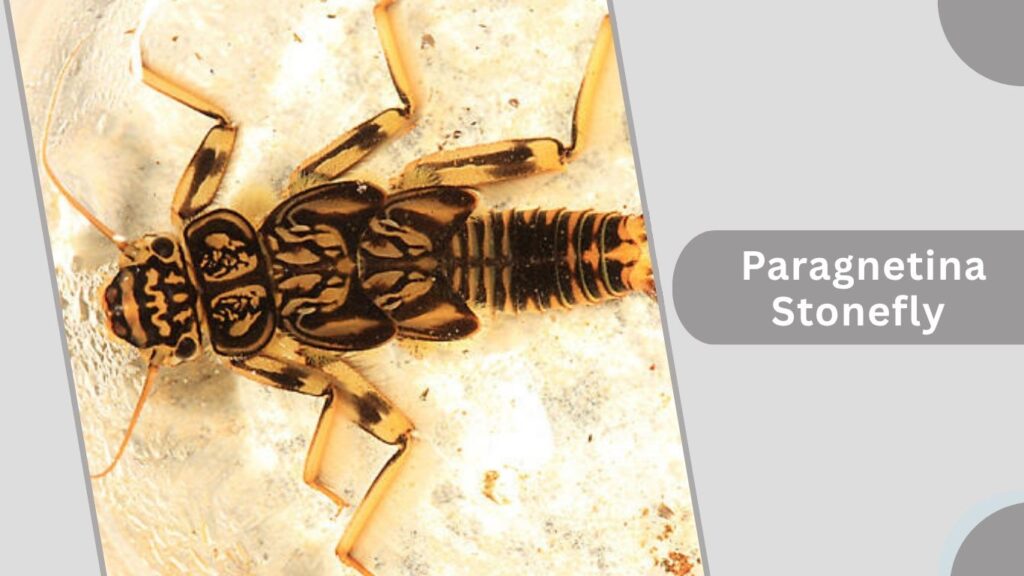
The Paragnetina Stonefly (Paragnetina genus) is a species commonly found in cold, well-oxygenated rivers and streams across North America. Known for their distinctive appearance and relatively large size, Paragnetina Stoneflies are an essential part of the freshwater food chain and play a significant role in maintaining ecosystem health.
Characteristics
- Medium to large size, typically ranging from 1 to 2 inches in length
- Dark brown to black coloration, often with yellow or pale markings on the thorax
- Two pairs of wings, wide and transparent with visible veins
- Larvae are flattened and segmented, well-adapted to cling to rocks in fast-moving waters
- Adults have long antennae and strong wings, capable of flight during mating
- Non-feeding adult stage with a short lifespan, typically lasting only a few weeks
Habitat and Distribution
Paragnetina Stoneflies are typically found in cold, flowing streams and rivers that have clear, oxygen-rich water. They are most commonly located in mountainous regions across North America, particularly in the northern U.S. and Canada, where the streams remain cool and well-oxygenated. These habitats provide the optimal conditions for the stonefly’s larvae and adults.
Life Cycle
The life cycle of the Paragnetina Stonefly involves three stages: egg, nymph (larvae), and adult. The larvae live in the streambed for several months, feeding on algae, detritus, and organic matter. After reaching maturity, they undergo metamorphosis, emerging from the water as adults. The adults have a brief lifespan, living only long enough to mate and lay eggs before dying.
Ecological Importance
Paragnetina Stoneflies play an important role in the ecosystem by helping to break down organic material and maintain water quality. Their larvae contribute to the decomposition of detritus in the streambed, which helps recycle nutrients. Additionally, the stoneflies are a food source for various fish and bird species, thus supporting the food web in freshwater environments.
19. Pteronarcys Stonefly
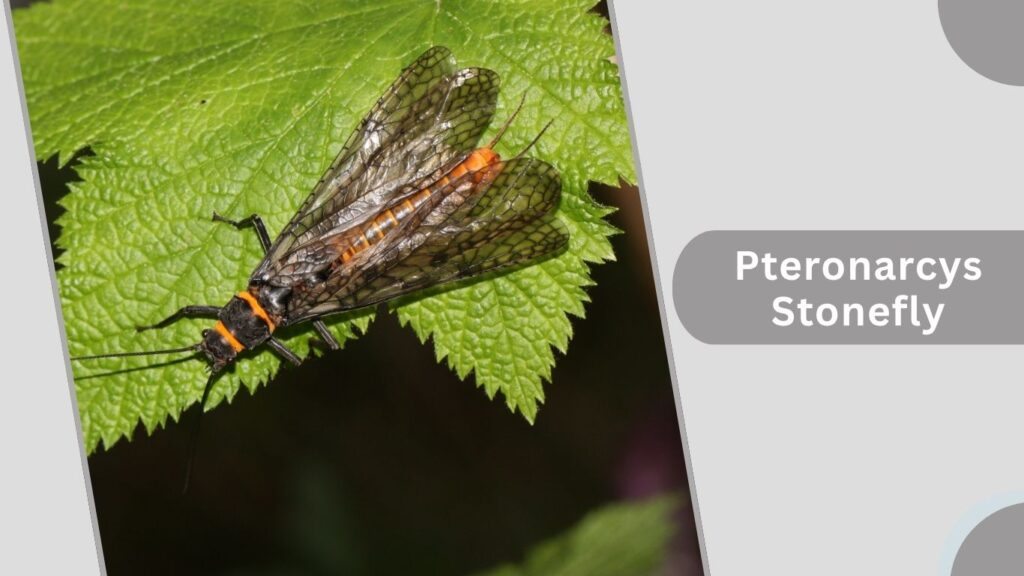
The Pteronarcys Stonefly (Pteronarcys genus) is one of the largest and most well-known stonefly species in North America. These stoneflies are highly valued by anglers and ecologists alike due to their impressive size and the critical role they play in freshwater ecosystems.
Characteristics
- Large size, with some species growing up to 3 inches in length
- Dark brown to reddish-brown body with pale markings
- Two pairs of large, transparent wings with visible veins
- Larvae are elongated and cylindrical, with a flattened body suited for crawling along streambeds
- Strong flight ability in adults, capable of long-distance travel during mating
- Non-feeding adult stage with a lifespan of about 1 to 2 weeks
Habitat and Distribution
Pteronarcys Stoneflies are found in fast-moving, oxygen-rich streams and rivers across North America, particularly in the western U.S. and Canada. These stoneflies thrive in cold, clear water with rocky substrates, where their larvae can feed on detritus and organic material. The species is commonly found at higher elevations, where the water temperatures remain cool.
Life Cycle
The Pteronarcys Stonefly undergoes a three-stage life cycle: egg, nymph (larvae), and adult. The larvae live in the streambed for 1-2 years, feeding on detritus, algae, and other organic materials. After reaching maturity, the larvae emerge from the water, molt, and transform into adults. The adult stage is short-lived, with adults mating, laying eggs, and dying shortly after.
Ecological Importance
Pteronarcys Stoneflies are significant to freshwater ecosystems, playing a crucial role in nutrient cycling and maintaining water quality. The larvae help break down organic matter in the streambed, promoting a healthy aquatic environment. Additionally, the adults serve as food for fish, birds, and other predators, supporting the food web. Their presence is also a strong indicator of stream health and water quality.
20. Taeniopteryx Stonefly
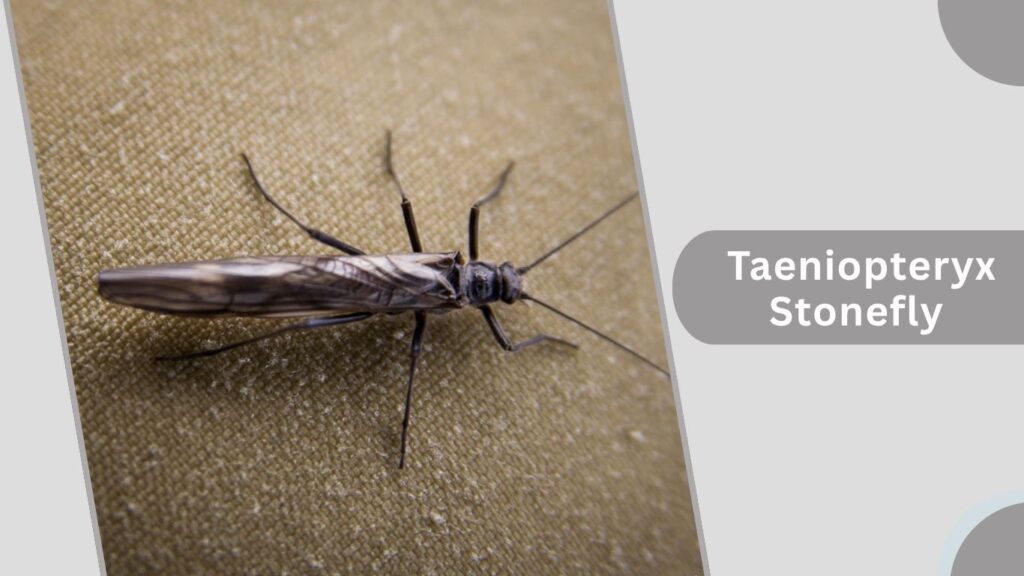
The Taeniopteryx Stonefly (Taeniopteryx genus) is a medium-sized stonefly species commonly found in cool, clean streams and rivers. These stoneflies are often seen in the early spring and are characterized by their slender, delicate bodies and transparent wings. They are an important part of the aquatic food chain and play a vital role in maintaining the balance of freshwater ecosystems.
Characteristics
- Medium size, typically around 1 inch in length
- Pale brown to yellowish color with dark markings
- Two pairs of transparent wings with prominent veins
- Larvae are cylindrical and adapted for life on streambed rocks, where they feed on organic material
- Non-feeding adults, which live only for a short period after emerging from the water
- Adults have long antennae and weak flight ability, typically staying close to the water during mating
Habitat and Distribution
Taeniopteryx Stoneflies are found in clean, fast-moving streams and rivers, particularly in areas with clear, well-oxygenated water. They prefer streams with rocky or gravelly substrates, where the larvae can cling to surfaces. This species is distributed across parts of North America, especially in regions with cooler water temperatures, such as the northern U.S. and Canada.
Life Cycle
The Taeniopteryx Stonefly has a typical stonefly life cycle with three stages: egg, nymph (larvae), and adult. The larvae live in the water for several months, feeding on organic detritus and algae. Once the larvae reach maturity, they emerge from the water, molt into adults, and live for a short period to mate and lay eggs before dying. The adult stage usually lasts only a few weeks.
Ecological Importance
Taeniopteryx Stoneflies play a significant role in stream ecosystems by contributing to nutrient recycling. The larvae feed on decomposing organic matter in the water, helping to break it down and maintain water quality. Additionally, they serve as an important food source for fish and birds, playing a vital role in the food web of freshwater habitats.
21. Allocapnia Stonefly
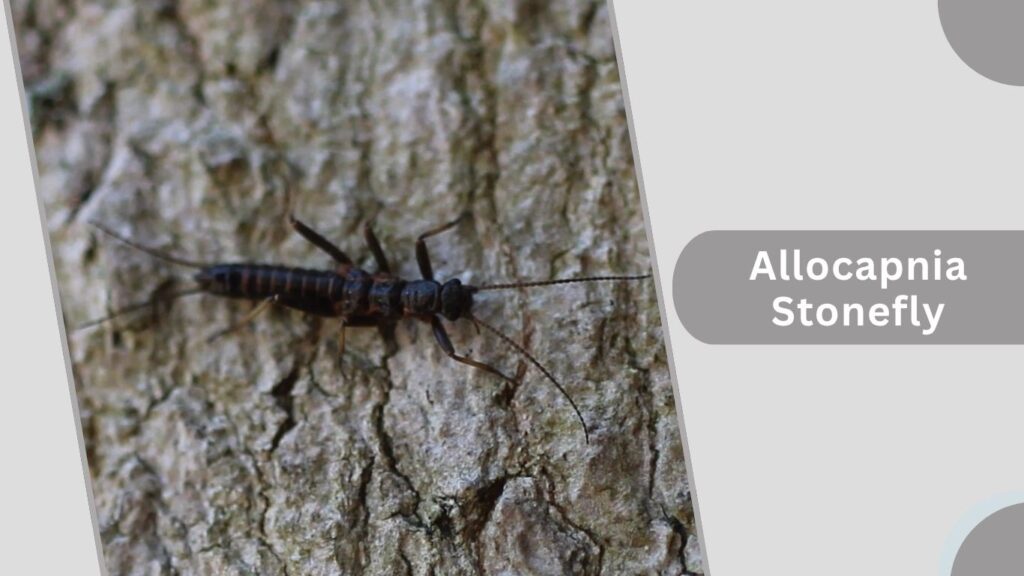
The Allocapnia Stonefly (Allocapnia genus) is a small stonefly species that thrives in cold, flowing streams and rivers. Often found in mountainous regions, these stoneflies are especially adapted to life in cold, fast-moving waters, where they serve as important contributors to ecosystem health.
Characteristics
- Small size, typically less than 1 inch in length
- Pale or dark brown to grayish coloration
- Two pairs of wings, which are narrow and transparent with faint venation
- Larvae have flattened, cylindrical bodies that help them cling to rocks and vegetation in fast-moving streams
- Non-feeding adults, which only live for a short period, typically 1-2 weeks
- Adults are weak fliers, staying close to the water during mating and egg-laying
Habitat and Distribution
Allocapnia Stoneflies are commonly found in cold, well-oxygenated streams and rivers. They are often located in high-altitude, mountainous areas, where the water temperatures remain consistently cool. The species prefers streams with rocky bottoms, as this environment provides the necessary conditions for their larvae to thrive.
Life Cycle
The Allocapnia Stonefly undergoes a three-stage life cycle: egg, nymph (larvae), and adult. The larvae live in the water for several months, feeding on detritus and algae. Once they reach maturity, the larvae molt into adults and emerge from the water. The adult stage is short-lived, typically lasting only a few weeks, during which the adults mate and lay eggs.
Ecological Importance
Allocapnia Stoneflies are important for the health of freshwater ecosystems. Their larvae help to break down organic material in the streambed, contributing to the decomposition of plant and animal matter. This process aids in nutrient recycling and water purification. Additionally, Allocapnia Stoneflies serve as a food source for fish and other aquatic predators, supporting the aquatic food web.
22. Amphinemura Stonefly
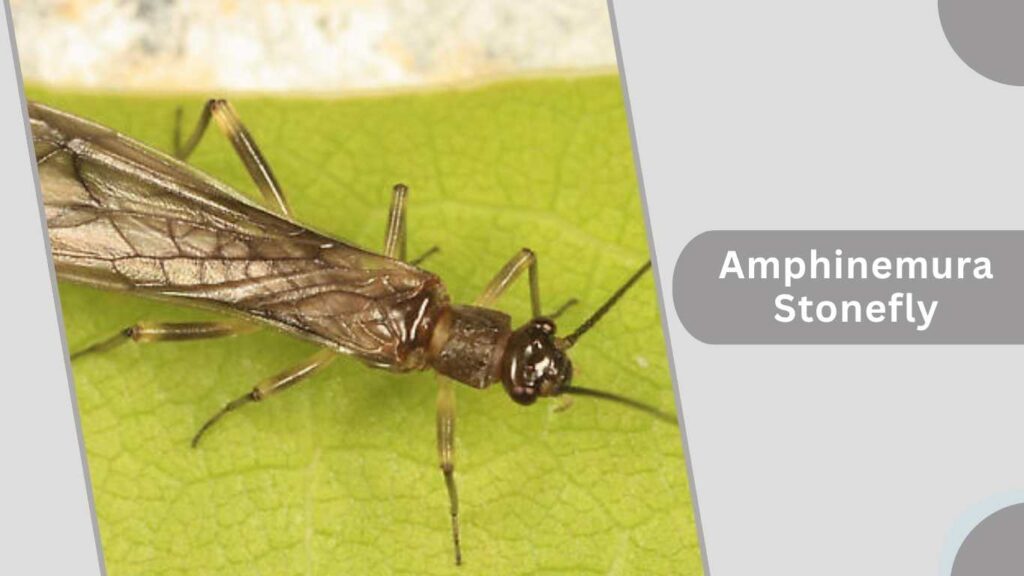
The Amphinemura Stonefly (Amphinemura genus) is a small stonefly species commonly found in cold, fast-flowing streams, particularly in the northern parts of North America and Europe. These stoneflies are known for their resilience in clear, well-oxygenated water and play an important role in aquatic ecosystems.
Characteristics
- Small size, generally around 0.5 to 1 inch long
- Pale to light brown body with distinct dark markings
- Transparent wings with faint venation patterns
- Larvae are flattened, with segmented bodies that help them cling to rocks and vegetation
- Non-feeding adults that live only for a short period (a few weeks) after emerging
- Long antennae that aid in sensory navigation
Habitat and Distribution
Amphinemura Stoneflies are typically found in clean, fast-moving streams and rivers with rocky or gravelly substrates. They thrive in well-oxygenated water, often in the colder regions of North America and parts of Europe. These stoneflies prefer streams with stable, cool water temperatures, which provide the optimal conditions for their larvae to develop.
Life Cycle
The Amphinemura Stonefly undergoes a complete life cycle with three stages: egg, nymph (larvae), and adult. The larvae live in the streambed for several months or more, feeding on detritus and organic matter. After reaching maturity, the larvae undergo metamorphosis and emerge as adults. The adult stage is brief, lasting only a few weeks, during which time they mate and lay eggs before dying.
Ecological Importance
Amphinemura Stoneflies play a critical role in stream ecosystems. The larvae contribute to nutrient cycling by feeding on decaying organic matter, helping to maintain water quality. Additionally, these stoneflies are an important food source for various fish species, as well as birds and other predators, thus supporting the food web in freshwater environments.
23. Leuctra Stonefly
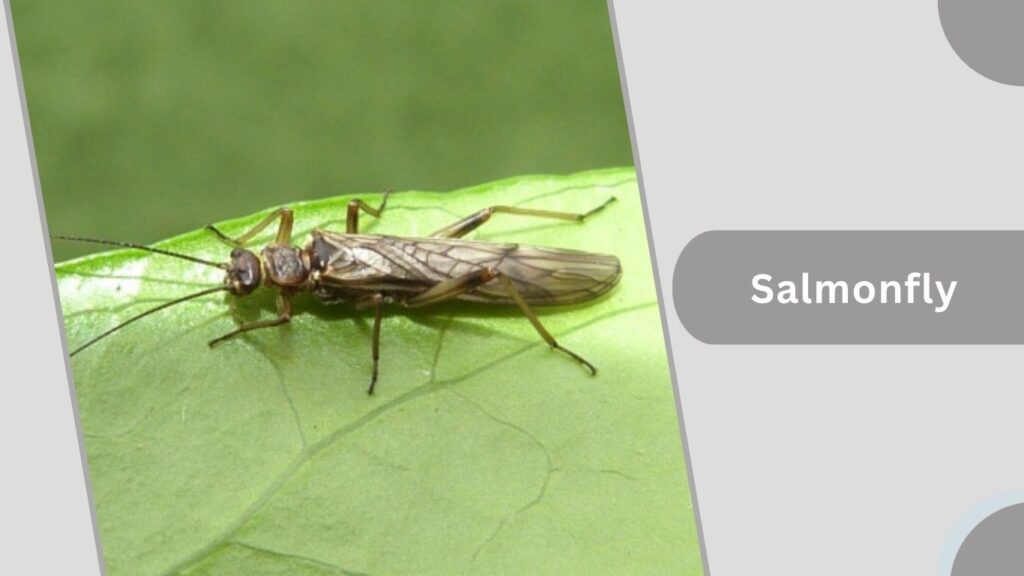
The Leuctra Stonefly (Leuctra genus) is a small species of stonefly that thrives in cold, fast-moving streams, particularly in mountainous regions. Leuctra Stoneflies are notable for their small size and delicate appearance. They are commonly found in regions with clean, well-oxygenated water.
Characteristics
- Small size, typically less than 1 inch in length
- Light brown to yellowish coloration with some species showing darker markings
- Transparent wings with distinct venation patterns
- Larvae are cylindrical and flattened, adapted to cling to rocks and other surfaces in fast-flowing streams
- Adults are non-feeding and have a short lifespan, typically 1-2 weeks
Habitat and Distribution
Leuctra Stoneflies are primarily found in cold, fast-moving streams with clear, oxygen-rich water. They prefer streams in high-altitude or mountainous regions, where the water remains cool and stable. The species is distributed across parts of North America and Europe, often found in areas where streams are free from pollution and have a stable flow.
Life Cycle
The life cycle of the Leuctra Stonefly includes three stages: egg, nymph (larvae), and adult. The larvae live in the streambed for several months, feeding on algae and decomposing organic matter. Once they reach maturity, the larvae undergo metamorphosis, emerging as adults. The adult stage is short-lived, usually lasting only a few weeks, during which they mate and lay eggs before dying.
Ecological Importance
Leuctra Stoneflies are important contributors to the health of freshwater ecosystems. Their larvae help break down organic material in the streambed, contributing to water purification and nutrient cycling. They are also a food source for various fish species and other aquatic predators, helping to support the food web in freshwater environments.
24. Haploperla Stonefly
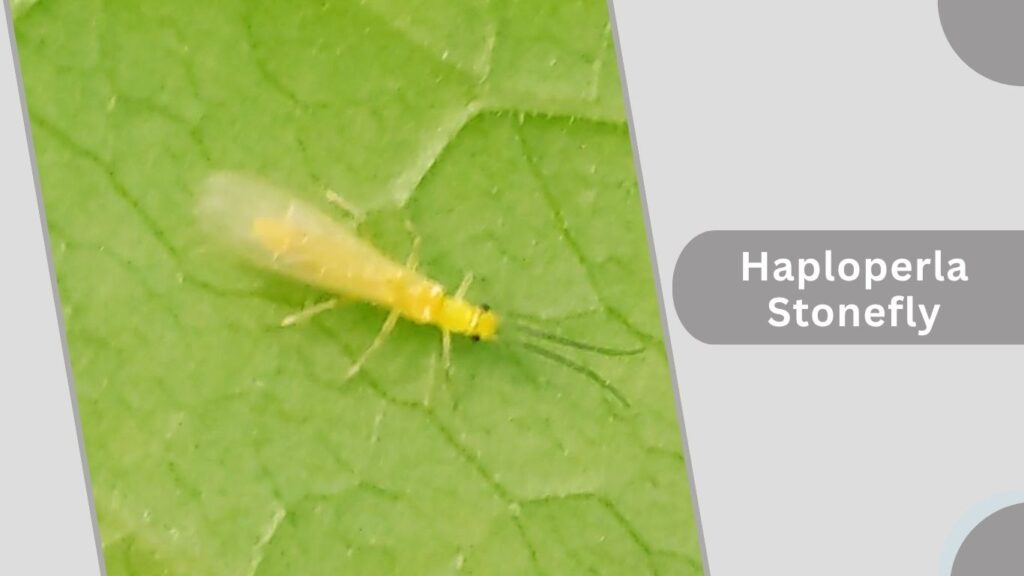
The Haploperla Stonefly (Haploperla genus) is a small stonefly species commonly found in fast-flowing, cold streams, especially in the northern parts of North America and parts of Europe. These stoneflies are important for maintaining the ecological balance in freshwater ecosystems due to their role in nutrient cycling and as a food source for aquatic predators.
Characteristics
- Small size, usually less than 1 inch in length
- Pale brown or yellowish coloration, sometimes with darker markings on the thorax
- Two pairs of delicate, transparent wings with faint venation
- Larvae are cylindrical and well-adapted to cling to rocks and vegetation in streambeds
- Non-feeding adults with a short lifespan, typically living for 1 to 2 weeks
- Long, thin antennae that help with sensory perception in aquatic environments
Habitat and Distribution
Haploperla Stoneflies are found in clean, cold, and fast-moving streams with rocky or gravelly bottoms. They are typically located in mountainous regions with high-altitude streams, where water temperatures remain cool throughout the year. These stoneflies are widely distributed across North America and parts of Europe, especially in areas that maintain stable, well-oxygenated water conditions.
Life Cycle
The life cycle of the Haploperla Stonefly consists of three main stages: egg, nymph (larvae), and adult. The larvae live in the streambed for several months, feeding on organic material such as detritus and algae. Once they mature, they undergo metamorphosis, emerging from the water as adults. The adults live for a brief period, typically 1 to 2 weeks, during which they mate, lay eggs, and die.
Ecological Importance
Haploperla Stoneflies play an important role in maintaining freshwater ecosystem health. Their larvae contribute to nutrient recycling by breaking down organic material in the streambed. This helps improve water quality and promotes healthy stream environments. Additionally, the adults serve as food for fish, birds, and other predators, contributing to the freshwater food web.
25. Perla Stonefly
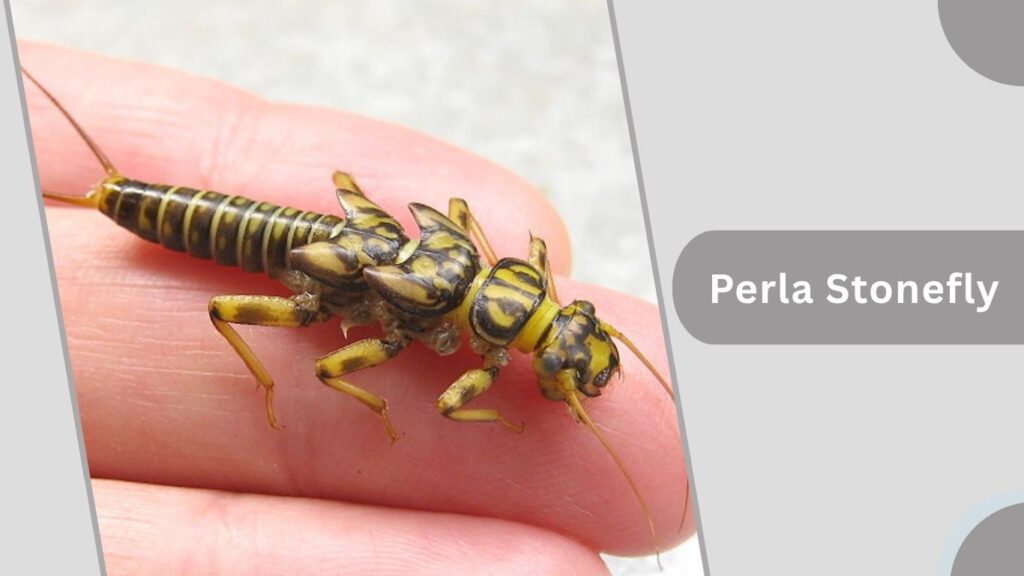
The Perla Stonefly (Perla genus) is one of the larger species of stoneflies found in cold, fast-moving streams, especially in North America. Known for their distinctive appearance and large size, these stoneflies are significant in freshwater ecosystems due to their role in nutrient cycling and as a food source for aquatic predators.
Characteristics
- Large size, typically 2 to 3 inches in length
- Dark brown or black coloration with yellow or pale markings on the thorax and wings
- Two pairs of broad, transparent wings with visible veins
- Larvae are large, cylindrical, and adapted for crawling along streambeds and large rocks
- Strong fliers during the adult stage, capable of long-distance travel during mating
- Non-feeding adult stage with a short lifespan, typically 1 to 2 weeks
Habitat and Distribution
Perla Stoneflies are found in cold, clear, and fast-moving streams, primarily in mountainous regions of North America. They prefer streams with rocky bottoms, where the larvae can feed on detritus and algae. These stoneflies thrive in environments with high levels of oxygen and cool water temperatures, making them an important bioindicator of water quality.
Life Cycle
The Perla Stonefly follows a three-stage life cycle: egg, nymph (larvae), and adult. The larvae live in the water for 1 to 2 years, feeding on organic matter before emerging as adults. The larvae undergo several molts before maturing into adults. After emerging from the water, the adults live for a short period, mating and laying eggs before dying.
Ecological Importance
Perla Stoneflies play a significant role in the health of freshwater ecosystems. Their larvae help decompose organic material, such as fallen leaves and plant debris, which contributes to nutrient recycling and water purification. As adults, they serve as a food source for various fish species, birds, and other aquatic predators. This makes them an important part of the food web in freshwater environments.