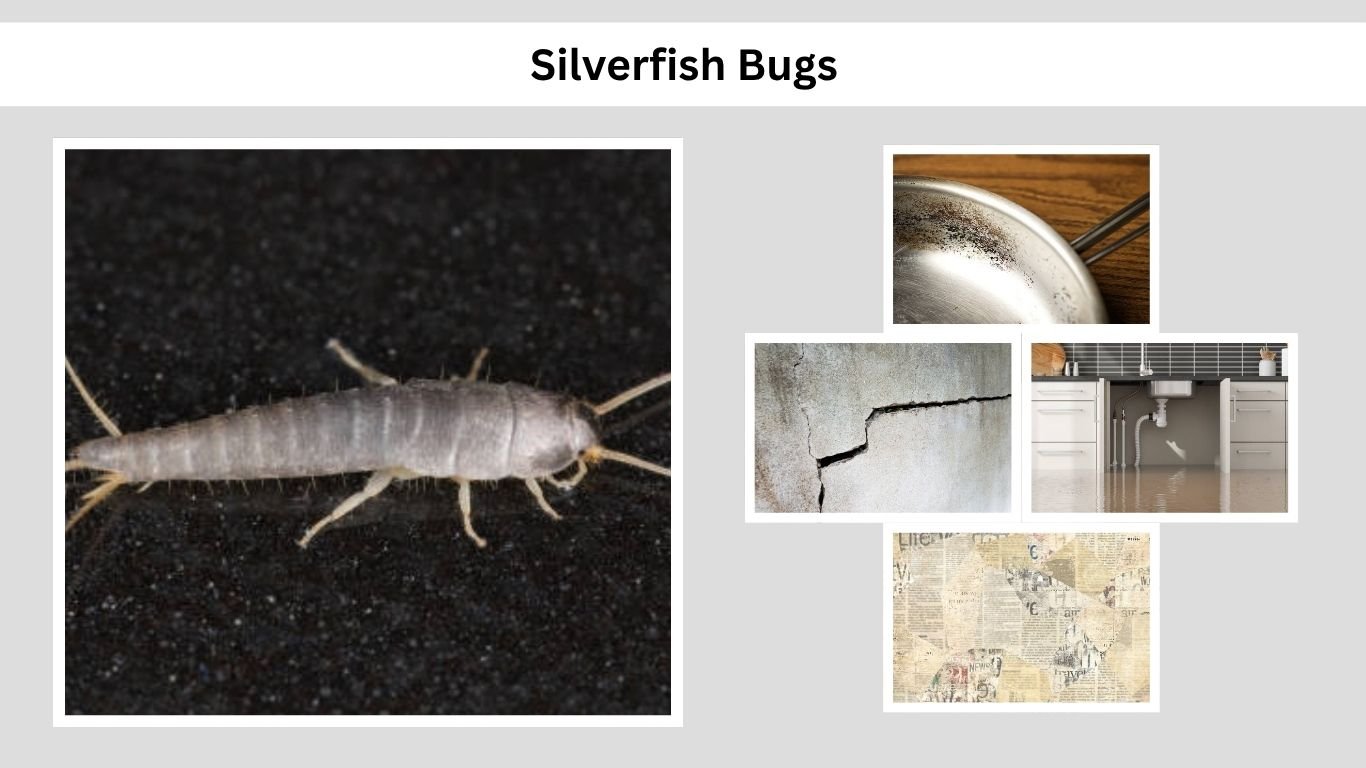
Silverfish bugs are small, fast-moving insects that often appear in bathrooms, kitchens, and other damp areas of the home. Their unusual shape and quick, wriggling movement can be unsettling, especially if you spot them late at night. While they may look alarming, silverfish are actually quite common household pests and are usually more of a nuisance than a serious threat.
Many people first notice silverfish when they see a tiny, silvery insect dart across the floor or hiding in cracks and corners. Understanding what these bugs are, what attracts them, and how they behave is the first step toward controlling them effectively. In this guide, you’ll learn how to identify silverfish bugs, where they come from, and why they appear in your home.
What Are Silverfish Bugs?

Silverfish are small, wingless insects that belong to one of the oldest insect groups in the world. They have been around for millions of years and are known for their simple body structure and unique movement.
They are called “silverfish” because of:
- Their silvery-gray color
- Their fish-like, wriggling movement
Unlike many other household pests, silverfish do not form colonies or nests like ants. Instead, they live independently and hide in dark, damp areas during the day.
Although they are not harmful to humans, they are considered pests because they can damage household items such as books, wallpaper, and clothing.
What Do Silverfish Bugs Look Like?
Identifying silverfish bugs is relatively easy once you know what to look for.
Physical Appearance
Silverfish have a very distinct look:
- A long, flat, carrot-shaped body
- Metallic silver or gray color
- Covered with fine scales that give a shiny appearance
- Long antennae at the front
- Three tail-like bristles at the back
One of their most noticeable traits is how they move. Silverfish wiggle their bodies from side to side, similar to how a fish swims, which is how they got their name.
Size and Growth Stages
Adult silverfish are usually about ½ inch to 1 inch long, though some may appear slightly smaller or larger depending on their age.
Young silverfish (called nymphs):
- Look very similar to adults
- Are smaller and lighter in color
- Gradually grow without major transformation
Unlike insects that undergo complete metamorphosis, silverfish simply grow larger over time.
Where Do Silverfish Bugs Come From?

Silverfish bugs typically enter homes in search of moisture, food, and shelter. They can come from outside or already exist in hidden areas within the home.
Common entry points include:
- Cracks in walls or foundations
- Gaps around doors and windows
- Plumbing openings and drains
Once inside, they prefer areas that are:
- Dark
- Humid
- Undisturbed
You are most likely to find silverfish in:
- Bathrooms (due to high moisture)
- Kitchens (near sinks and cabinets)
- Basements and storage areas
- Closets and behind furniture
Because they are nocturnal, they are rarely seen during the day. Most sightings happen at night when they come out to feed.
What Attracts Silverfish Bugs?

Silverfish are drawn to homes that provide the right combination of moisture, food, and hiding spaces.
The biggest attraction is humidity. These insects thrive in damp environments, which is why they are commonly found in bathrooms and basements.
They are also attracted to a wide range of food sources, including:
- Paper and books
- Glue and wallpaper paste
- Fabrics, especially cotton and linen
- Food crumbs and starchy materials
Cluttered areas make things even more appealing because they provide plenty of hiding spots. Stacks of paper, old boxes, and rarely used items create ideal conditions for silverfish to live and reproduce.
Warm temperatures also play a role. Homes that are consistently warm and humid are especially attractive to these pests.
Are Silverfish Bugs Dangerous?
Silverfish bugs may look unpleasant, but they are not dangerous to humans. They do not carry diseases and do not pose a direct health risk.
Do Silverfish Bugs Bite?
No, silverfish do not bite. They do not have the ability to sting or inject venom, and they are not interested in feeding on humans or animals.
Even if you come into close contact with one, it will simply try to escape rather than attack.
Are They Harmful?
Although they are not harmful to people, silverfish can still cause problems in the home.
They may damage:
- Books and important papers
- Wallpaper and adhesives
- Clothing and fabrics
- Stored food products
In some cases, their shed skins and droppings may trigger mild allergic reactions, but this is relatively rare.
Silverfish Bugs vs Similar Bugs

Silverfish are often mistaken for other small household insects, especially when seen quickly.
Silverfish vs Bed Bugs
Silverfish and bed bugs are very different:
- Silverfish: fast-moving, do not bite, prefer damp areas
- Bed bugs: slow-moving, bite humans, hide in bedding and furniture
If you are not experiencing bites, the insect is likely not a bed bug.
Silverfish vs Centipedes
Centipedes are another common lookalike:
- Centipedes have many visible legs
- Silverfish have a smooth body with no visible legs from above
Centipedes can bite, while silverfish cannot.
Other Lookalike Bugs
Some other insects that resemble silverfish include:
- Firebrats (similar but prefer hotter areas)
- Earwigs (have pincers at the back)
- Small crawling insects found in damp areas
Correct identification is important to choose the right control method.
Silverfish Bugs in Different Areas of the House
Silverfish can appear in various parts of the home, depending on where conditions are most suitable.
The bathroom is the most common location due to high humidity and moisture from showers and sinks.
In kitchens, they are often found near sinks, cabinets, or food storage areas.
In bedrooms, sightings are less common but can happen, especially if there are books, papers, or hidden moisture sources.
They may also hide in:
- Closets
- Bookshelves
- Storage boxes
- Basements
Because they prefer darkness, they tend to stay hidden during the day and come out at night to search for food.
Silverfish Bug Life Cycle and Behavior
Understanding the life cycle of silverfish can help you control them more effectively. These insects have a simple but long-lasting life cycle compared to many other household pests.
Silverfish go through three main stages:
- Egg
- Nymph
- Adult
Females lay small, white eggs in cracks, crevices, or hidden areas. Once the eggs hatch, the young silverfish (nymphs) look almost identical to adults but are smaller and lighter in color.
Unlike insects such as butterflies, silverfish do not undergo major transformations. Instead, they gradually grow larger by shedding their skin multiple times.
Key behavior traits include:
- Nocturnal activity (active at night)
- Fast, darting movement
- Preference for dark, humid environments
- Ability to survive for months without food
They can live for 2 to 3 years, which makes infestations harder to eliminate if not addressed early.
How to Get Rid of Silverfish Bugs
Getting rid of silverfish requires a combination of cleaning, moisture control, and targeted treatments.
Natural Methods
Start with simple, non-toxic solutions:
- Reduce humidity using dehumidifiers or proper ventilation
- Fix leaks in pipes, walls, or ceilings
- Keep areas dry, especially bathrooms and basements
- Sprinkle diatomaceous earth in cracks and corners
Regular cleaning is also important. Vacuuming and removing clutter reduces both food sources and hiding spots.
Home Remedies
Some household remedies can help control small infestations:
- Use baking soda mixed with sugar as a simple trap
- Place sticky traps in dark corners
- Try natural repellents like cedar or lavender oil
These methods are safe and effective for light infestations, though they may take time to show results.
Chemical Treatments
For more serious infestations, chemical solutions may be needed:
- Use silverfish bug sprays designed for crawling insects
- Apply insecticides along baseboards, cracks, and hidden areas
- Consider bug bombs only for severe cases
Always follow safety instructions when using chemical products, especially in homes with children or pets.
Professional Extermination
If the infestation is widespread or persistent, professional pest control may be the best option. Experts can:
- Identify hidden infestation areas
- Use stronger, targeted treatments
- Provide long-term prevention strategies
What Kills Silverfish Bugs Quickly?
If you need fast results, several solutions can eliminate silverfish effectively.
Common options include:
- Boric acid, which damages their digestive system
- Diatomaceous earth, which dehydrates them
- Insecticide sprays for immediate control
- Sticky traps to monitor and reduce population
Combining multiple methods often works best for faster and longer-lasting results.
Silverfish Bug Prevention Tips
Preventing silverfish is easier than dealing with an infestation. The key is to make your home less attractive to them.
Effective prevention steps include:
- Keep your home dry and well-ventilated
- Use exhaust fans in bathrooms and kitchens
- Seal cracks, gaps, and entry points
- Store paper, books, and fabrics in dry areas
- Avoid clutter, especially in storage spaces
Regular maintenance and cleaning go a long way in keeping silverfish away.
FAQs
Do silverfish bugs fly?
No, silverfish do not have wings and cannot fly. They move quickly by crawling and have a distinctive wriggling motion.
Are silverfish bugs a sign of a dirty house?
Not necessarily. Silverfish are attracted to moisture and humidity, not dirt. Even clean homes can have silverfish if conditions are damp.
Can silverfish survive without food?
Yes, silverfish can survive for several weeks to months without food, especially in humid environments.
Do silverfish bugs damage clothes?
Yes, they can damage clothing, especially fabrics like cotton, linen, and silk, by feeding on starches and fibers.
How quickly do silverfish infest a home?
Silverfish reproduce slowly, but their long lifespan allows populations to grow over time if conditions remain favorable.