
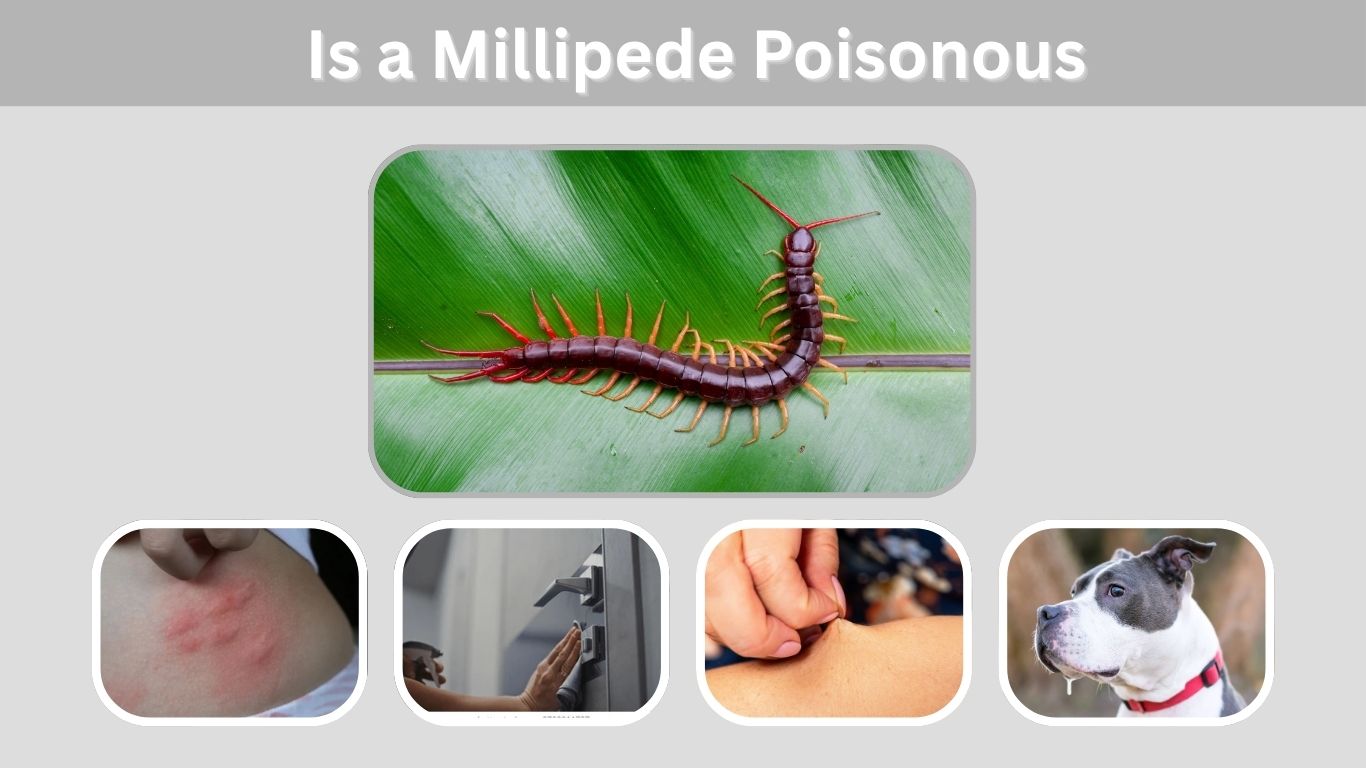
Millipedes are slow-moving arthropods often found in gardens, forests, and damp outdoor areas. Many people wonder whether millipedes are poisonous because these creatures sometimes release strong-smelling chemicals when disturbed. They are commonly confused with centipedes, which are more aggressive and venomous. Understanding the difference between poisonous and venomous is important when discussing millipede safety. While millipedes are not considered dangerous to most humans, some species can produce defensive chemicals that may cause mild irritation or discomfort after contact.
Millipedes usually avoid conflict and rely on defensive behaviors rather than biting or attacking. Their slow movement and harmless feeding habits make them far less threatening than many other arthropods. Learning how millipedes defend themselves can help people safely handle or avoid them without unnecessary fear.
Are Millipedes Poisonous?
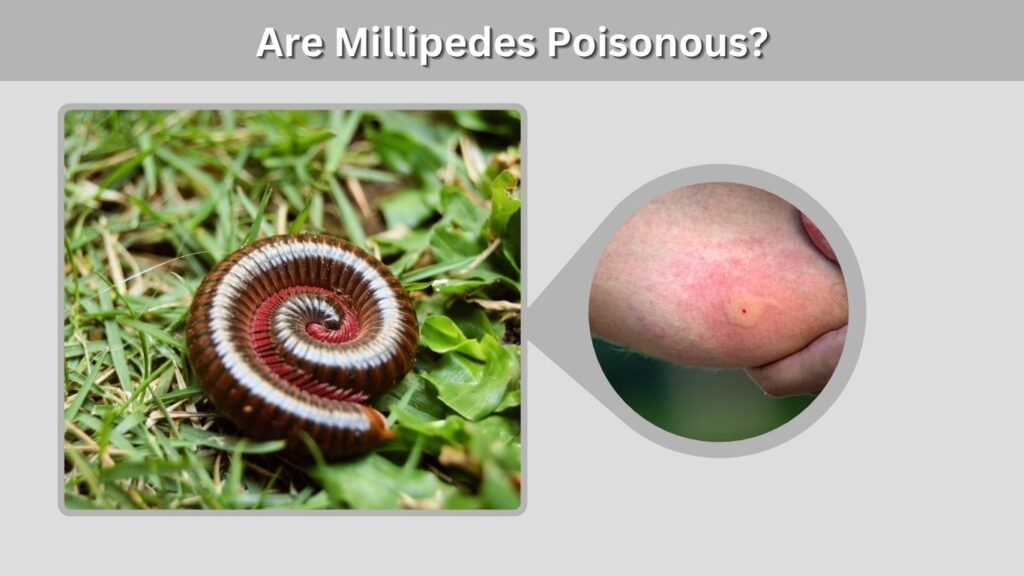
Millipedes are not venomous predators, but some species release defensive chemicals that may irritate skin or eyes. These secretions help protect them from predators in the wild. Most millipedes are harmless to humans and prefer to curl into a defensive position rather than fight or bite when threatened.
Are Millipedes Venomous or Poisonous?
Millipedes are considered mildly poisonous rather than venomous because they do not inject toxins through bites or stings. Instead, they release chemicals from glands along their bodies when frightened. These chemicals mainly serve as defense against predators such as birds and small mammals.
Why Millipedes Release Chemicals
Millipedes produce defensive fluids to discourage predators from eating them. Some secretions have strong smells or unpleasant tastes, while others may cause mild irritation if they contact skin or eyes. The strength of these chemicals varies between species.
Are Most Millipedes Harmless?
Most millipedes are harmless and non-aggressive toward humans. They move slowly, avoid confrontation, and usually hide beneath leaves or logs during the day. In most cases, contact with a millipede causes little or no reaction beyond temporary skin irritation.
Are Millipedes Poisonous to Humans?
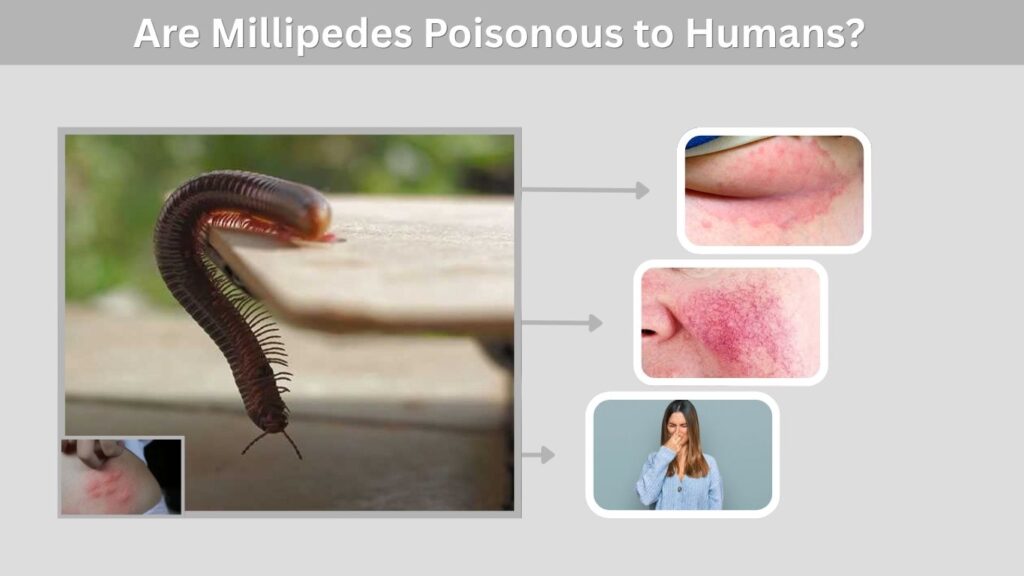
Millipedes are generally not dangerous to humans, but their defensive chemicals can sometimes cause mild reactions. People with sensitive skin may experience irritation after handling certain species. Serious medical problems from millipedes are extremely rare.
Can a Millipede Hurt Humans?
- Mild skin irritation
- Temporary redness
- Burning sensation in sensitive skin
- Unpleasant odor from secretions
- Rare eye irritation if touched afterward
What Happens if You Touch a Millipede?
Most millipedes simply curl into a ball when touched. Some may release defensive chemicals that leave a temporary stain or mild irritation on the skin. Washing your hands after contact is usually enough to prevent discomfort or accidental eye irritation.
Are Millipede Bites Dangerous?
Millipedes rarely bite because their mouthparts are designed for eating decaying plant material instead of attacking prey. Even if a millipede attempts to bite, the effect is usually very minor and far less painful than a centipede bite.
Are Millipedes Poisonous to Dogs and Pets?
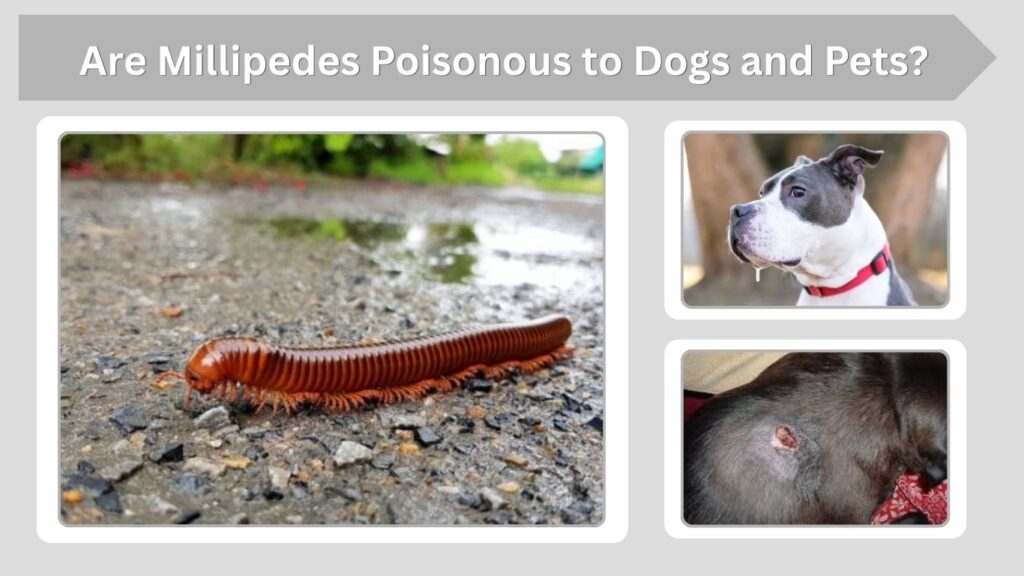
Millipedes are usually not deadly to dogs or cats, but pets may experience mild irritation if they lick, chew, or swallow one. Defensive chemicals released by the millipede can create unpleasant tastes and temporary discomfort around the mouth or stomach.
Are Millipedes Dangerous to Dogs?
- Mild mouth irritation
- Drooling or foaming
- Temporary stomach upset
- Pawing at the mouth
- Rare vomiting symptoms
Symptoms in Pets After Contact
Pets that bite or eat millipedes may drool excessively or appear uncomfortable for a short time. Some animals paw at their mouths because of the bitter defensive chemicals. Severe reactions are uncommon, but symptoms should still be monitored carefully.
What to Do if a Pet Eats a Millipede
If a pet eats a millipede, rinse its mouth gently with water and provide fresh drinking water. Most symptoms disappear quickly, but owners should contact a veterinarian if vomiting, breathing problems, or unusual behavior continues.
Millipede Defense Mechanisms
Millipedes use several defense strategies to protect themselves from predators. Instead of running quickly or attacking, they depend on chemical secretions and protective body positions. These defenses help them survive in forests, gardens, and damp habitats where predators are common.
Chemical Defense Secretions
- Defensive body fluids
- Strong unpleasant smells
- Bitter-tasting chemicals
- Predator deterrent compounds
- Mild irritants for attackers
Curling Into a Ball
Many millipedes curl tightly into a spiral shape when threatened. This defensive posture protects their softer underside and legs from predators. The hard outer shell provides additional protection against small animals trying to attack them.
Bright Colors as Warning Signs
Some millipedes have bright red, yellow, or orange markings that warn predators about their chemical defenses. These warning colors help reduce attacks because many animals learn to avoid creatures associated with unpleasant chemicals.
Which Is More Dangerous: Millipede or Centipede?
Millipedes and centipedes are often confused because both have long segmented bodies and many legs. However, centipedes are generally more dangerous because they are venomous predators capable of biting. Millipedes are slow-moving decomposers that mainly rely on defensive chemicals rather than venom or aggressive attacks.
Millipede vs Centipede Differences
- Millipedes have two pairs of legs per body segment
- Centipedes have one pair of legs per segment
- Millipedes move slowly
- Centipedes are fast hunters
- Centipedes use venom to capture prey
Which One Is Poisonous?
Centipedes are venomous because they inject venom through specialized front legs called forcipules. Millipedes do not inject venom and instead release defensive chemicals when threatened. In general, centipedes are considered more dangerous to humans than millipedes.
Which One Bites Humans?
Centipedes can bite humans if handled or disturbed, and some bites are painful. Millipedes rarely bite because they are not predators and have weak mouthparts. Most millipede-related irritation comes from their defensive secretions rather than bites.
Are Giant Millipedes Poisonous?
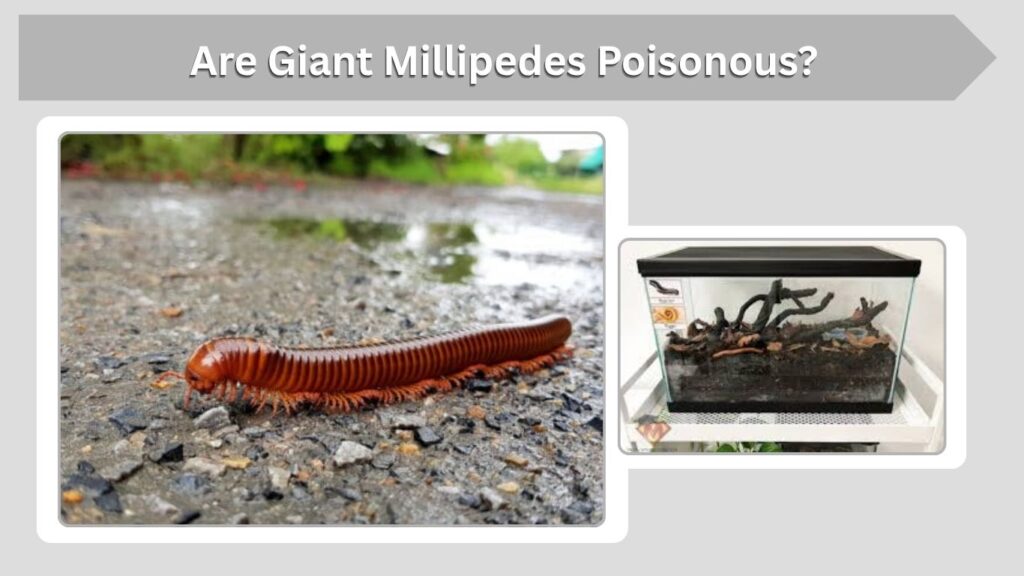
Giant millipedes are among the largest millipede species kept as pets. Although they release defensive chemicals, they are generally calm and harmless when handled carefully. Many reptile and invertebrate enthusiasts keep giant millipedes because of their gentle behavior and simple care needs.
American Giant Millipede Safety
- Mild defensive secretions
- Slow and non-aggressive behavior
- Rarely causes skin irritation
- Popular in the pet trade
- Easy to handle carefully
African Giant Millipede Defense
African giant millipedes may release irritating fluids when stressed or frightened. These secretions are usually mild but can irritate sensitive skin or eyes. Washing hands after handling is recommended to avoid accidental irritation.
Can Giant Millipedes Be Pets?
Giant millipedes can make interesting pets because they are calm, easy to feed, and generally harmless. They require moist environments, decaying organic material, and stable humidity levels to remain healthy in captivity.
Types of Millipedes With Stronger Defenses
Some millipede species produce stronger chemical defenses than others. Brightly colored species often use warning colors to discourage predators. While these chemicals are rarely dangerous to humans, they may cause stronger irritation if handled carelessly.
Red Millipedes
- Bright warning coloration
- Strong-smelling secretions
- Defensive curling behavior
- Moist forest habitats
- Mild skin irritation risk
Yellow-Banded Millipedes
Yellow-banded millipedes are known for their bold markings and defensive chemical sprays. These secretions help discourage predators and may leave temporary stains or irritation on human skin after direct contact.
Dragon Millipedes
Dragon millipedes are colorful tropical species that can release cyanide-related defensive chemicals. Despite this defense, they are still considered low-risk to humans when handled properly. Their bright colors act as warning signals in nature.
How to Handle a Millipede Safely
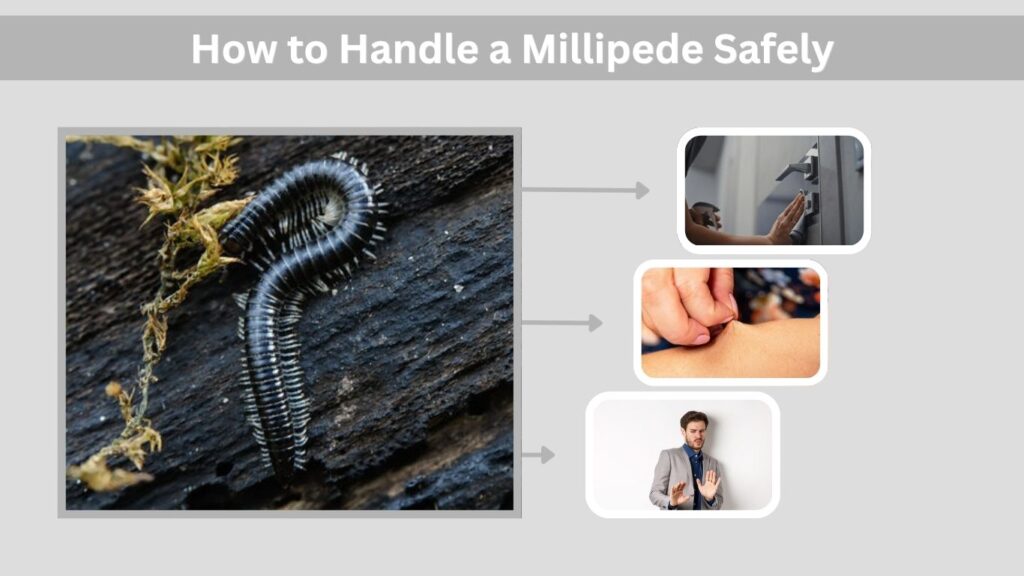
Millipedes are delicate creatures that should be handled gently if touched at all. Safe handling helps reduce stress for the animal and lowers the chance of defensive chemical release. Basic hygiene practices are usually enough to avoid irritation.
Safe Handling Tips
- Handle gently with clean hands
- Avoid squeezing the body
- Wash hands afterward
- Keep away from the face
- Return the millipede carefully to its habitat
What Not to Do
People should avoid touching their eyes or mouth after handling millipedes because defensive chemicals may still remain on the skin. Rough handling can also injure the millipede and increase stress-related chemical release.
When to Seek Medical Help
Medical attention may be needed if severe allergic reactions, intense skin pain, or eye exposure occurs after handling a millipede. Although serious reactions are rare, persistent symptoms should not be ignored.
FAQs
Is a millipede poisonous to humans?
Most millipedes are only mildly poisonous and are not considered dangerous to humans. Some species release defensive chemicals that may cause temporary skin irritation or staining. Serious reactions are rare, especially when the millipede is handled gently and hands are washed afterward.
Can millipedes bite people?
Millipedes rarely bite humans because they are not predators and have weak mouthparts designed for eating decaying plant matter. If a bite does occur, it is usually harmless and far less painful than a centipede bite. Defensive chemicals are their main protection method.
Are millipedes dangerous to dogs?
Millipedes are generally not dangerous to dogs, but pets may experience mild irritation if they chew or swallow one. Common symptoms include drooling, mouth irritation, or temporary stomach upset. Most reactions are mild and disappear without serious treatment.
Which is more dangerous, a centipede or a millipede?
Centipedes are more dangerous because they are venomous predators capable of biting humans. Millipedes do not inject venom and mainly rely on defensive secretions for protection. While centipede bites can be painful, millipedes usually only cause mild irritation after contact.
What happens if you touch a millipede?
Most millipedes curl into a defensive ball when touched. Some species may release chemicals that create mild skin irritation, unpleasant smells, or temporary staining. Washing your hands after contact is usually enough to prevent discomfort or accidental eye irritation.
