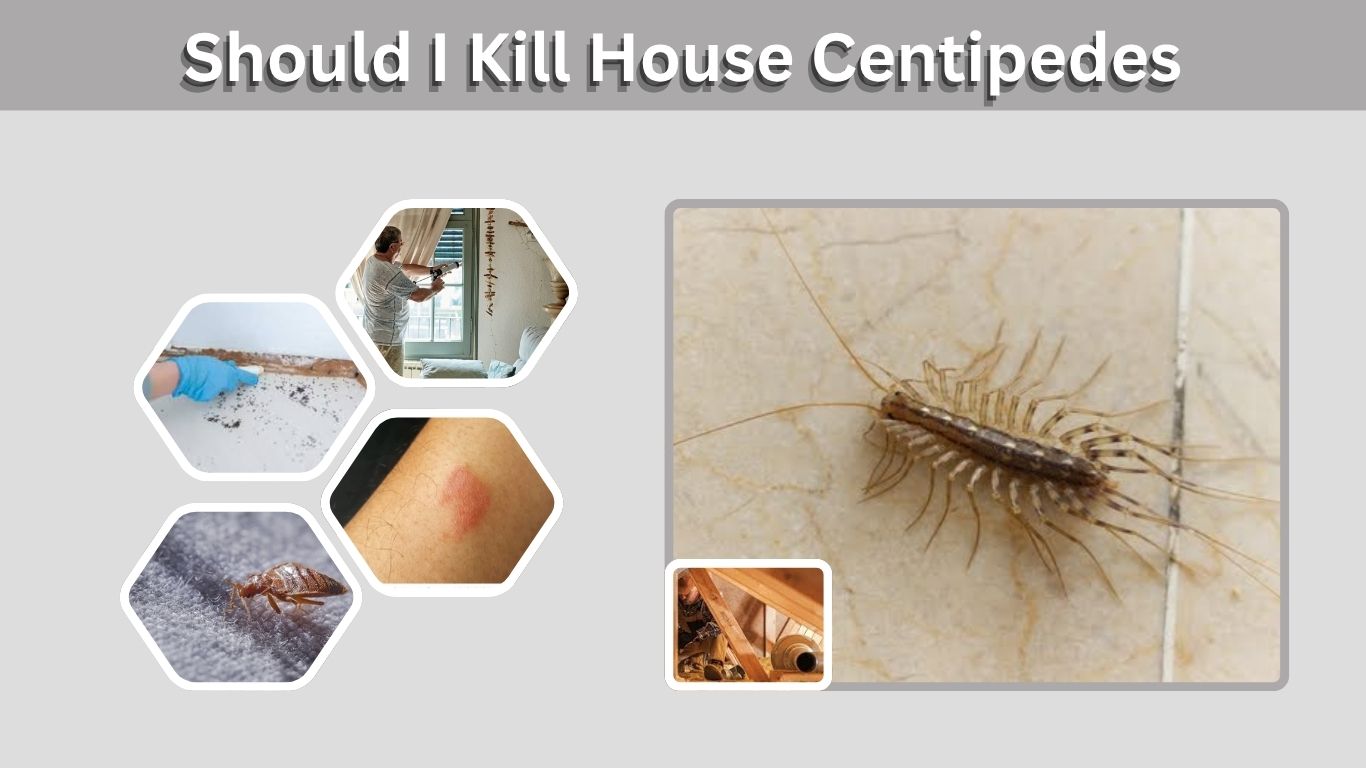
House centipedes are among the most misunderstood creatures found inside homes. Their long legs, fast movements, and unusual appearance often cause fear and discomfort. As a result, many homeowners immediately wonder whether they should kill them. While house centipedes may look intimidating, they actually provide several benefits by feeding on common household pests. Understanding their behavior, potential risks, and advantages can help you decide whether to remove them or let them stay as natural pest controllers.
What Are House Centipedes?
House centipedes are fast-moving arthropods that commonly live in damp areas of homes. Unlike insects, they possess numerous legs and belong to the centipede family. They are primarily nocturnal hunters that spend their time searching for small pests to eat. Although their appearance can be alarming, they generally avoid human contact and prefer dark, quiet spaces where food is abundant.
Identifying a House Centipede
House centipedes have a distinctive appearance that makes them easy to recognize. Their bodies are yellowish-gray with dark stripes running along their backs. They also have long antennae and numerous legs extending from each body segment.
Where They Commonly Live
You are most likely to encounter house centipedes in:
- Basements
- Bathrooms
- Laundry rooms
- Crawl spaces
- Damp storage areas
These locations provide moisture and access to insects that serve as food sources.
Why They Enter Homes
House centipedes enter homes because indoor environments often provide everything they need to survive. Moisture, shelter, and a steady supply of prey make houses attractive habitats for these predators.
Should You Kill House Centipedes?
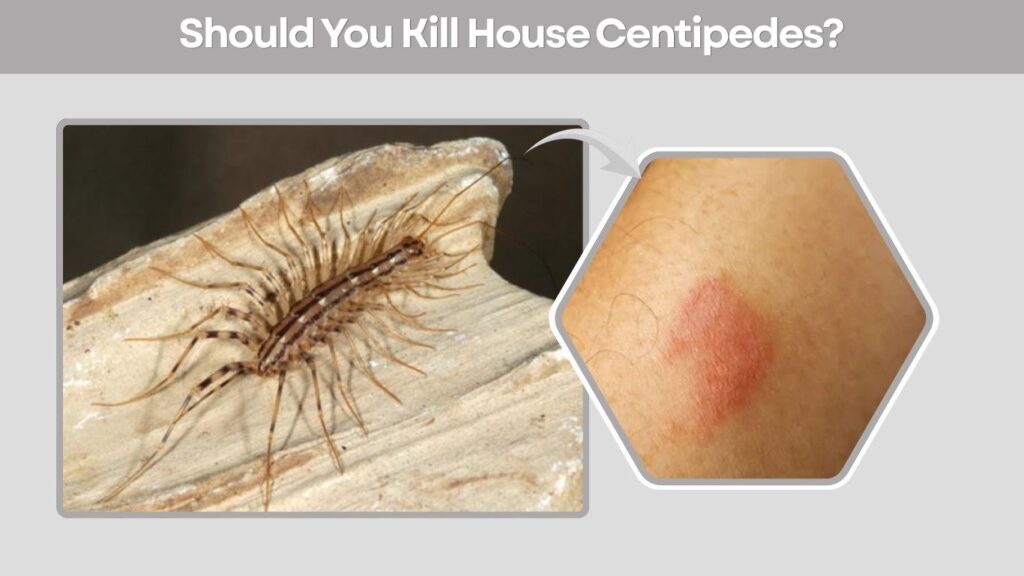
Many people instinctively want to kill house centipedes because of their unusual appearance. However, understanding their role inside the home may change your perspective. In most situations, they are more helpful than harmful.
The Short Answer
Generally, there is no need to kill house centipedes. They rarely interact with people and spend most of their time hunting other pests. Their presence often indicates that they are feeding on insects already living inside your home.
Reasons Some People Kill Them
Homeowners may choose to remove house centipedes for several reasons:
- Fear of insects and arthropods
- Their fast movements
- Unexpected encounters at night
- Concerns about bites
- General discomfort with pests indoors
While these concerns are understandable, house centipedes pose very little threat to humans.
Why Experts Often Recommend Leaving Them Alone
Many pest control professionals consider house centipedes beneficial because they naturally reduce populations of other unwanted pests. Instead of damaging property or spreading disease, they actively hunt insects that may cause greater problems.
Benefits of House Centipedes
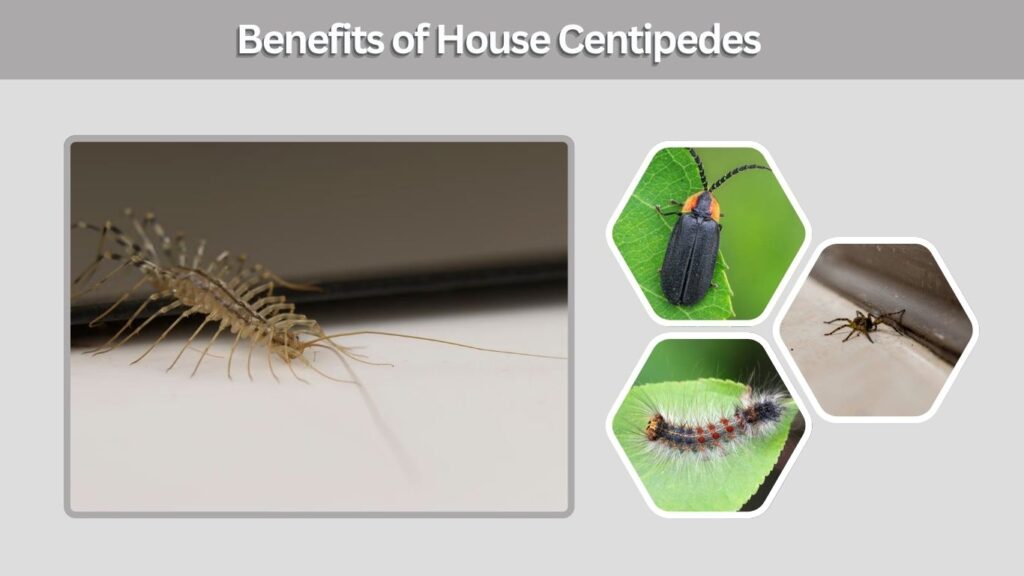
House centipedes serve as natural pest controllers. Their presence can actually help reduce the number of insects living inside a home without the use of chemical pesticides.
They Eat Other Household Pests
One of the biggest advantages of house centipedes is their varied diet. Common prey includes:
- Cockroaches
- Ants
- Silverfish
- Spiders
- Bed bugs
- Moths
By feeding on these pests, house centipedes contribute to a healthier indoor environment.
They Help Reduce Pest Infestations
Because house centipedes prey on numerous insects, they can help limit the growth of pest populations. If you consistently see house centipedes, it may indicate the presence of other insects that are attracting them.
They Are Natural Predators
Unlike many pests that damage food, fabrics, or structures, house centipedes provide a beneficial service. Their role as predators helps maintain balance within indoor ecosystems and reduces dependence on chemical treatments.
Are House Centipedes Dangerous?
Despite their intimidating appearance, house centipedes are generally harmless. Understanding the facts about their behavior can help eliminate many common misconceptions.
Can House Centipedes Bite?
House centipedes can bite, but bites are extremely rare. They typically avoid people and only bite when trapped or directly handled. Most individuals never experience a bite during their lifetime.
Are They Poisonous?
House centipedes are not poisonous. They possess venom used to immobilize insect prey, but it is not considered dangerous to humans. Any reaction is usually mild and comparable to a minor insect sting.
Risks to Children and Pets
For most households, house centipedes pose little risk to children or pets. They are not aggressive and prefer escaping rather than defending themselves. Accidental encounters are uncommon because they remain hidden during daylight hours.
Common Myths About House Centipedes
Several misconceptions contribute to their negative reputation:
- They aggressively attack humans
- They spread diseases
- They damage furniture and walls
- They infest homes in large colonies
- They are highly venomous
In reality, none of these beliefs accurately reflects typical house centipede behavior.
Why Do You Have House Centipedes?
House centipedes usually appear because your home provides favorable conditions. Understanding these factors can help explain their presence and guide prevention efforts.
Moisture Problems
Moist environments attract both house centipedes and the insects they consume. Areas with leaks, poor ventilation, or high humidity often support larger populations.
Hidden Pest Populations
The presence of house centipedes may indicate that other insects are already living in your home. Since centipedes rely on prey for survival, they tend to remain where food is readily available.
Easy Entry Points
Many house centipedes gain access through small openings around a home, including cracks, gaps, and utility penetrations. Reducing these entry points can help limit future encounters.
Should I Kill a House Centipede in My Room?
Finding a house centipede in your bedroom can be unsettling, especially when it suddenly appears on a wall or floor at night. While your first instinct may be to kill it, understanding why it is there can help you make a more informed decision. In many cases, a single house centipede is simply searching for food or shelter and poses little threat to people.
When It Is Okay to Remove One
Some homeowners prefer not to share indoor spaces with any type of arthropod. Removing a house centipede may be appropriate if its presence causes significant discomfort or if multiple sightings occur frequently.
When You May Want to Leave It Alone
House centipedes spend most of their lives hidden from view. Because they help control insect populations, leaving one alone may provide natural pest control benefits without requiring chemical treatments.
Humane Removal Methods
If you prefer not to kill a house centipede, consider these options:
- Capture it with a cup and paper
- Relocate it outdoors
- Use sticky traps
- Vacuum it and release it outside
- Encourage it toward an exit
These methods remove the centipede without harming it.
How to Get Rid of House Centipedes Naturally
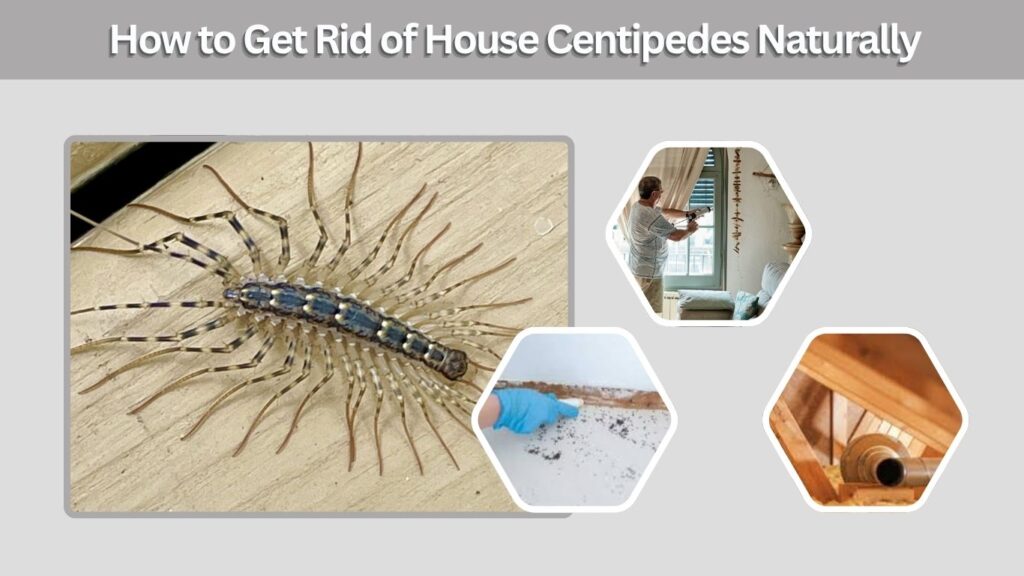
The most effective way to reduce house centipede activity is to eliminate the conditions that attract them. Since they depend on moisture and insect prey, addressing these factors can significantly reduce sightings.
Reduce Moisture Levels
House centipedes thrive in damp environments. Lowering humidity can make your home less attractive to them and the insects they hunt.
Remove Their Food Source
Reducing other pest populations often leads to a decrease in house centipede activity. When prey becomes scarce, centipedes usually move elsewhere in search of food.
Seal Entry Points
Preventing access is an important long-term strategy. Check your home for cracks, gaps, and openings where pests can enter from outdoors.
Improve Ventilation
Better airflow helps reduce humidity and moisture buildup. Areas such as basements, bathrooms, and crawl spaces often benefit from improved ventilation systems.
How to Prevent House Centipedes from Returning
Prevention is often easier than dealing with recurring pest issues. By maintaining a clean and dry environment, homeowners can make their properties less attractive to house centipedes and other insects.
Home Maintenance Tips
Several simple maintenance practices can help prevent future problems:
- Fix leaking pipes and faucets
- Use a dehumidifier in damp areas
- Remove excess clutter
- Keep storage spaces organized
- Clean up food debris regularly
These actions address many of the conditions that attract both centipedes and their prey.
Long-Term Prevention Strategies
Consistent maintenance provides the best results. Monitoring moisture levels, controlling insect populations, and sealing entry points can significantly reduce the likelihood of recurring encounters.
House Centipedes vs Other Household Pests
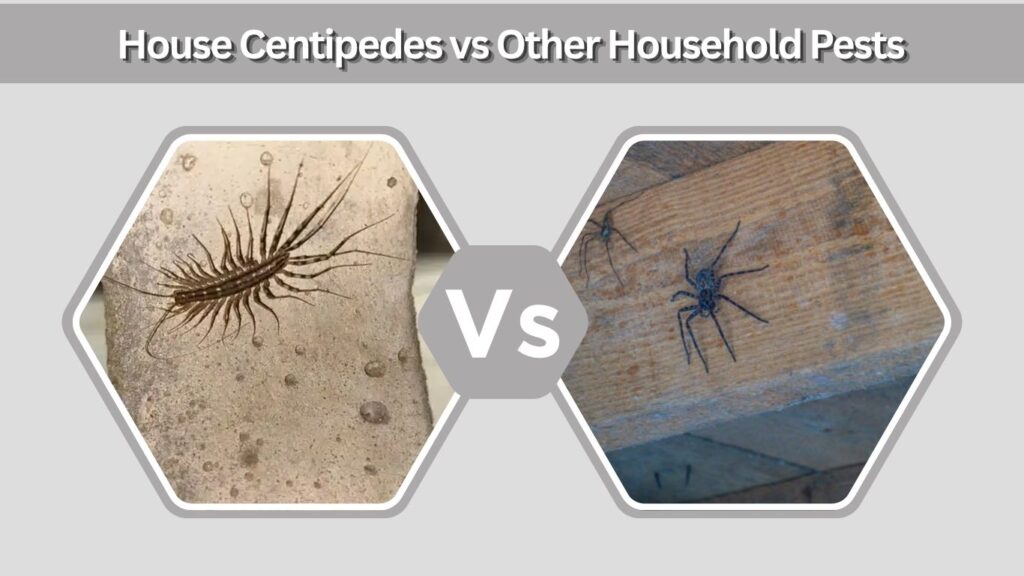
House centipedes are often grouped with common household pests, but their behavior and impact are very different. Unlike many indoor invaders, they generally provide benefits rather than causing damage.
House Centipedes vs Spiders
Both house centipedes and spiders are predators that feed on insects. However, house centipedes consume a wider variety of pests and actively hunt throughout the home.
House Centipedes vs Cockroaches
Cockroaches contaminate food, spread bacteria, and reproduce rapidly. House centipedes, on the other hand, help reduce cockroach populations by preying upon them.
Which Is More Beneficial?
Among common household arthropods, house centipedes are often considered one of the most beneficial because they target multiple pest species while causing virtually no property damage.
What Does Reddit Say About Killing House Centipedes?
Online discussions frequently reveal mixed opinions about house centipedes. Some homeowners view them as frightening pests, while others consider them valuable allies in pest management.
Common Opinions
Many users admit that house centipedes are unsettling because of their appearance and speed. First-time encounters often result in attempts to kill them out of fear.
Why Many People Recommend Keeping Them
A large number of homeowners choose not to kill house centipedes after learning about their benefits. Their ability to reduce populations of cockroaches, silverfish, ants, and spiders often changes public perception.
Popular Arguments For and Against
Supporters appreciate their pest-control abilities, while critics dislike their appearance and unexpected presence indoors. Ultimately, the decision often depends on personal comfort levels.
FAQs
Should I Kill House Centipedes?
Most experts recommend leaving them alone because they help control populations of spiders, cockroaches, ants, and other pests.
Are House Centipedes Good to Have Around?
Yes. House centipedes act as natural predators and can reduce the number of unwanted insects inside your home.
Can House Centipedes Bite Humans?
They can bite, but bites are rare and usually occur only when the centipede is handled or trapped.
Why Are House Centipedes in My Bathroom?
Bathrooms often provide the moisture and humidity that house centipedes need to survive, making them attractive hiding places.
How Do I Get Rid of House Centipedes Permanently?
The best approach is to reduce moisture, eliminate insect prey, improve ventilation, and seal entry points around your home.