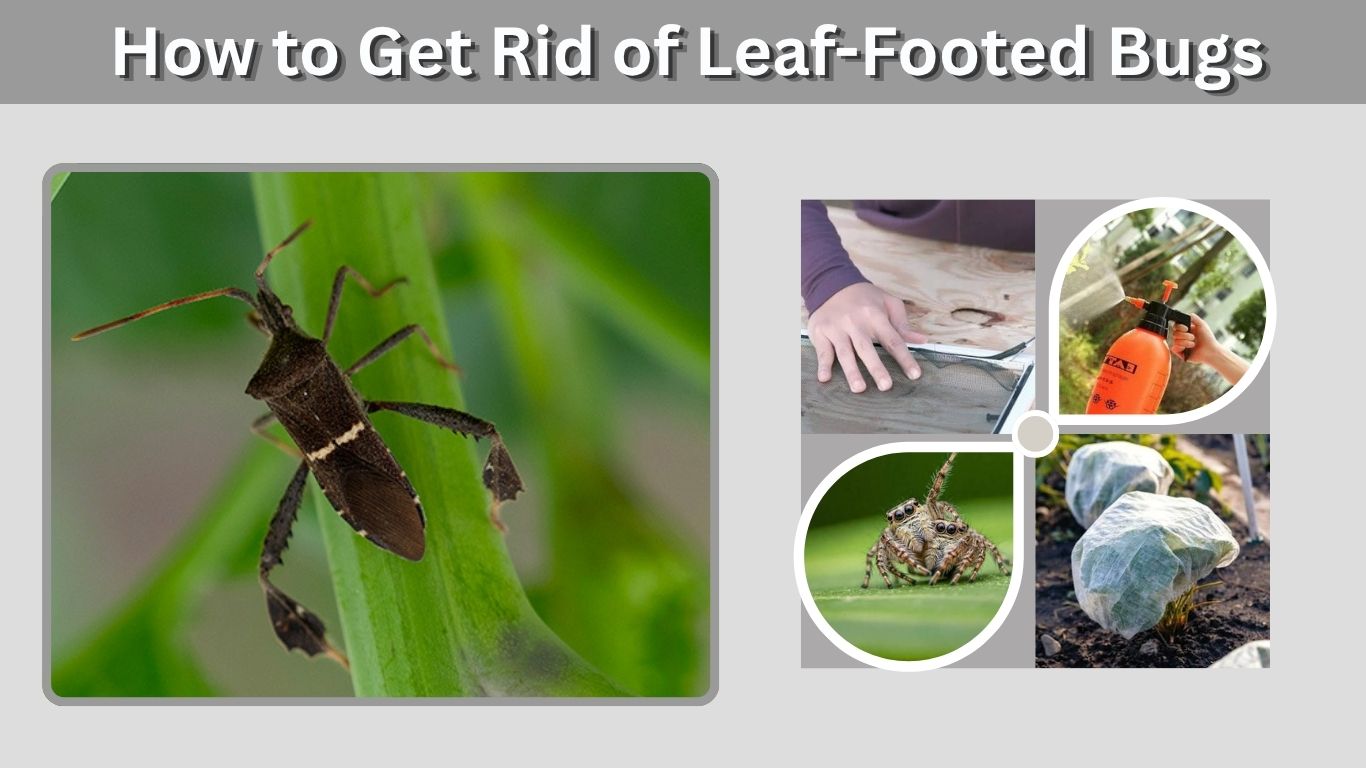
Leaf-footed bugs can quickly become troublesome garden pests when they gather on tomatoes, pomegranates, eggplants, peppers, and other fruiting plants. These insects use piercing mouthparts to suck juices from developing fruits, seeds, and stems, often leaving discoloration, hard spots, or damaged produce. Fortunately, you can control them without immediately relying on strong pesticides. The best approach combines hand removal, egg and nymph control, garden cleanup, physical barriers, and carefully chosen organic treatments before populations become established.
How to Get Rid of Leaf-Footed Bugs
Getting rid of leaf-footed bugs is easiest when you begin early in the season. Adult bugs are strong fliers and can be difficult to catch, while young nymphs often remain clustered together and are much easier to remove. Regularly checking plants allows you to find eggs and young bugs before they develop into a larger infestation.
1. Remove Leaf-Footed Bugs by Hand
For small gardens, hand removal is one of the simplest control methods.
Wear gardening gloves and:
- Pick adults from plants when possible
- Knock bugs into a container of soapy water
- Remove clusters of young nymphs
- Check fruit and stems carefully
- Repeat inspections every few days
Early morning is often a good time to collect them because cooler temperatures can make the insects less active.
2. Remove Their Eggs
Leaf-footed bugs commonly lay eggs in distinctive rows along stems, leaves, and other plant surfaces.
Finding and destroying these eggs can prevent dozens of young insects from appearing later.
Check:
- Leaf undersides
- Thin stems
- Fruit stems
- Garden stakes
- Nearby weeds
Eggs can usually be scraped or wiped off and discarded in soapy water.
3. Target Young Nymphs First
A leaf-footed bug nymph is considerably easier to control than an adult.
Young nymphs often appear red or orange with dark legs and remain clustered near where they hatched. They cannot fly away, making them excellent targets for manual removal or contact treatments.
Controlling nymphs before they mature is one of the most effective ways to reduce future populations.
How to Get Rid of Leaf-Footed Bugs Naturally
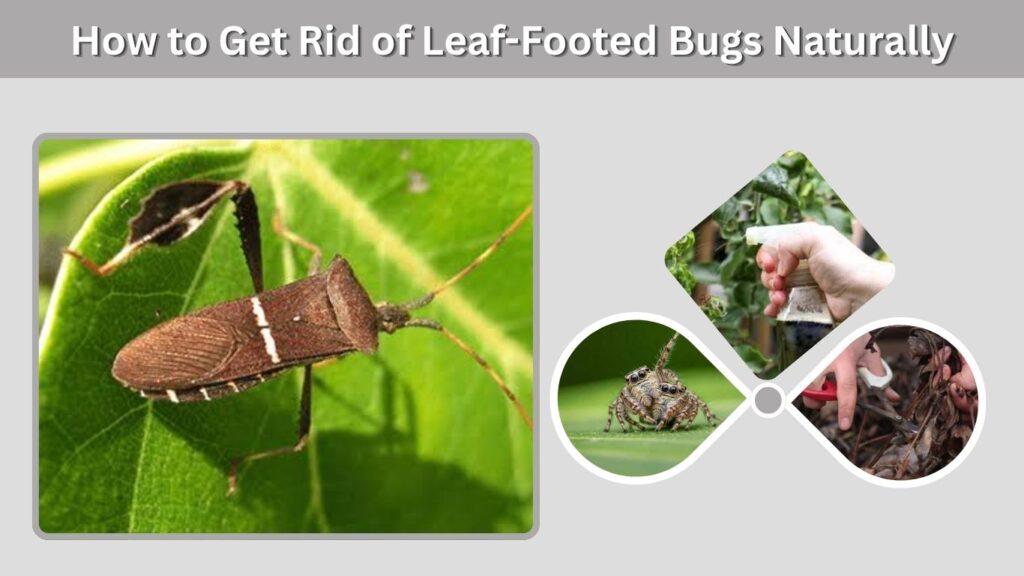
Natural control works best when several techniques are combined. Instead of attempting to eliminate every insect immediately, focus on reducing breeding opportunities and removing vulnerable stages before they become adults. This approach also limits unnecessary harm to pollinators, assassin bugs, spiders, and other beneficial organisms that naturally help keep garden pests under control.
Use Soapy Water
A container of soapy water is extremely useful when collecting bugs manually.
Simply knock or drop the insects into the solution. This prevents them from flying back onto the plants.
For plant spraying, use only an insecticidal soap specifically labeled for the crop and pest. Household detergents can damage plant leaves and should not automatically be used as substitutes.
Encourage Natural Predators
Leaf-footed bugs have several natural enemies.
Beneficial garden predators can include:
- Assassin bugs
- Spiders
- Birds
- Predatory insects
- Parasitic flies and wasps
- Egg parasitoids
Avoid broad-spectrum insecticides whenever possible because they may kill these helpful organisms along with the pests.
Keep the Garden Clean
Leaf-footed bugs can shelter in weeds, dead plant material, wood piles, and other protected locations.
Reduce hiding places by:
- Pulling unnecessary weeds
- Removing dead crops
- Cleaning fallen fruits
- Clearing excessive debris
- Removing old seed heads
- Cleaning garden beds after harvest
Good sanitation is especially valuable before winter or between growing seasons.
How to Get Rid of Leaf-Footed Bugs on Tomatoes
Tomatoes are among the plants most commonly damaged by leaf-footed bugs. Adults and nymphs insert their mouthparts into developing fruit and suck plant juices. Light infestations may only cause cosmetic damage, but heavier populations can reduce fruit quality considerably. Tomatoes should therefore be inspected frequently once flowers and young fruits begin developing.
Check Tomato Plants Frequently
Inspect tomato plants at least several times each week during periods of heavy bug activity.
Look for:
- Rows of eggs
- Red or orange nymphs
- Brown adult bugs
- Feeding punctures
- Yellow or pale fruit spots
- Clusters around developing tomatoes
Pay special attention to areas where stems meet fruit.
Remove Bugs Without Damaging Tomatoes
Place a bucket containing soapy water beneath the affected branch and gently shake or tap the plant.
Young nymphs may fall directly into the container.
Adult leaf-footed bugs can fly, so move carefully. Hand-picking is usually more manageable when populations are still small.
Protect Young Tomato Plants
Fine insect netting may prevent adult leaf-footed bugs from reaching plants and laying eggs.
However, tomatoes need pollination, so covers must be managed appropriately once flowering begins.
Make sure no bugs are already beneath the cover before sealing it.
How to Get Rid of Leaf-Footed Bugs on Pomegranates
Leaf-footed bugs are particularly troublesome on pomegranates because they can feed through the rind and damage seeds inside developing fruit. Large groups may remain around pomegranate trees for extended periods if food and shelter remain abundant. Starting control before the fruit matures can prevent populations from becoming difficult to manage.
Inspect Developing Pomegranates
Pay attention to:
- Fruit clusters
- Branch joints
- Leaf undersides
- Fruit stems
- Nearby weeds
Adults may hide among foliage, while newly hatched nymphs often remain grouped together.
Removing eggs and nymphs early can substantially reduce later damage.
Remove Damaged and Fallen Fruit
Fallen and severely damaged fruits should not be left beneath the tree indefinitely.
Cleaning them up reduces food and shelter for pests and helps maintain overall garden sanitation.
Pruning excessively dense growth can also make inspection easier.
Use Exclusion Where Practical
Individual fruit protection or fine mesh barriers may help in smaller plantings.
Whatever barrier you use should allow sufficient airflow and should not trap pests against the fruit.
Organic Control for Leaf-Footed Bugs
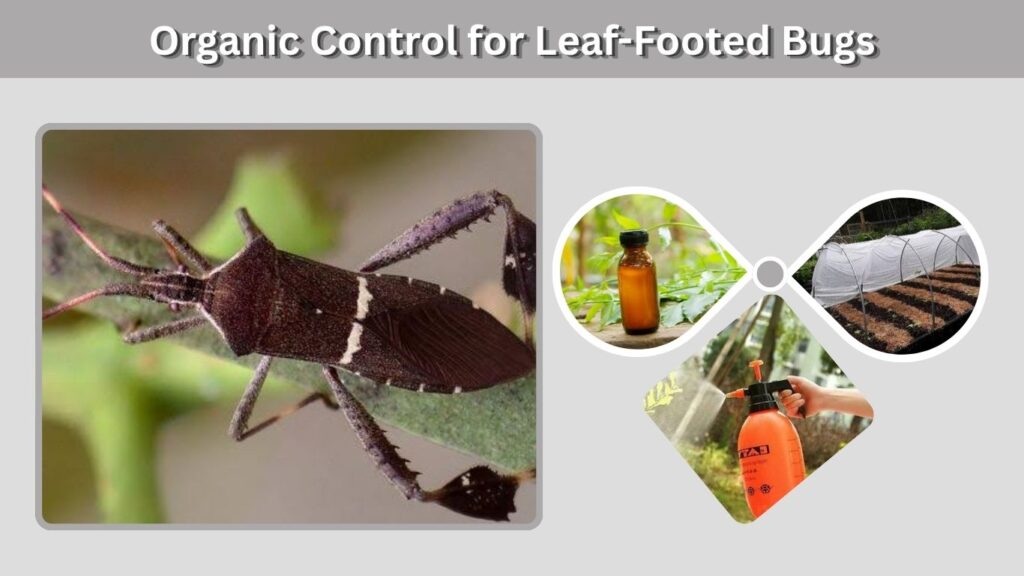
Organic management focuses on physical removal, prevention, sanitation, and products that have relatively limited effects when used properly. Young nymphs are generally more susceptible than adults, so treatment timing matters. Large adult populations are difficult to eliminate with a single spray and usually require repeated monitoring combined with other control measures.
Insecticidal Soap
Insecticidal soap may help control young leaf-footed bug nymphs when the spray contacts them directly.
When applying it:
- Follow the product label
- Target young nymphs
- Cover the insects thoroughly
- Avoid unnecessary application to flowers
- Test sensitive plants first
- Avoid spraying during extreme heat
Once the insects become larger and more heavily protected, contact treatments may become less effective.
Does Neem Oil Work?
Neem-based garden products may suppress young leaf-footed bugs and interfere with feeding or development when used properly.
Neem oil usually works better as part of an integrated approach than as a single solution for a large infestation.
Apply according to the label and avoid spraying flowers when bees and other pollinators are actively visiting.
Use Row Covers
Row covers are among the best preventive options for vulnerable young crops.
They can prevent adults from:
- Landing on plants
- Feeding on crops
- Laying eggs
- Starting new infestations
Secure the edges carefully because leaf-footed bugs can enter through gaps.
How to Control Adult Leaf-Footed Bugs
Adult leaf-footed bugs are more challenging because they can fly away quickly and have tougher bodies than young nymphs. Once adults dominate an infestation, complete elimination may not be realistic. The goal becomes reducing their numbers, preventing egg laying, and protecting the most valuable fruits and vegetables.
Catch Adults Early in the Morning
Cooler morning temperatures can make adults less active.
Approach plants slowly and knock the insects into soapy water.
Avoid crushing large bugs directly on fruits because this can damage produce and leave unpleasant odors or stains.
Remove Alternative Host Plants
Leaf-footed bugs may move between crops and weeds.
Removing unnecessary nearby host plants can reduce alternative feeding and breeding sites.
However, avoid stripping the entire garden of vegetation because diverse habitats also support beneficial predators.
Monitor Neighboring Plants
If you find leaf-footed bugs on tomatoes, inspect nearby:
- Peppers
- Squash
- Eggplant
- Beans
- Sunflowers
- Pomegranates
- Citrus
- Seed-producing weeds
Treating only one plant may not solve the problem if insects are reproducing nearby.
Leaf-Footed Bugs in the House
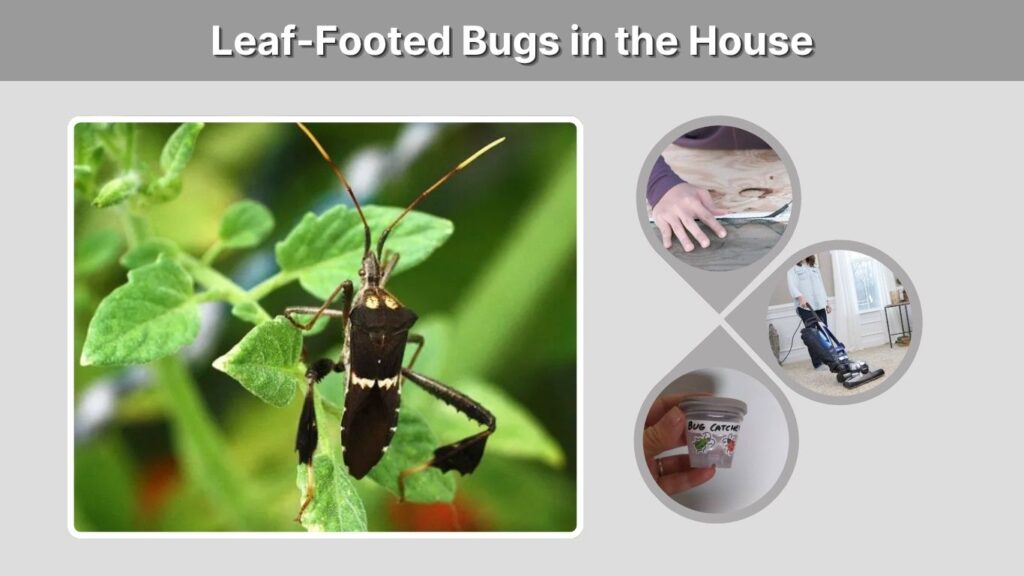
Leaf-footed bugs occasionally enter houses, particularly when adults seek sheltered locations. Indoors, they usually do not reproduce or damage furniture, clothing, or stored food. Their presence is typically accidental, so control involves removing individual bugs and preventing additional insects from entering through cracks and openings.
How to Remove Them Indoors
If you find one inside:
- Catch it with a container
- Vacuum it up if necessary
- Release it outdoors away from entry points
- Repair damaged window screens
- Seal gaps around doors and windows
- Check weather stripping
Avoid handling large individuals with bare fingers because they may defensively jab if squeezed.
Prevent Future Entry
Inspect the outside of the home for gaps around:
- Windows
- Doors
- Utility openings
- Rooflines
- Vents
Sealing entry points can also reduce many other nuisance insects.
Best Way to Prevent Leaf-Footed Bugs
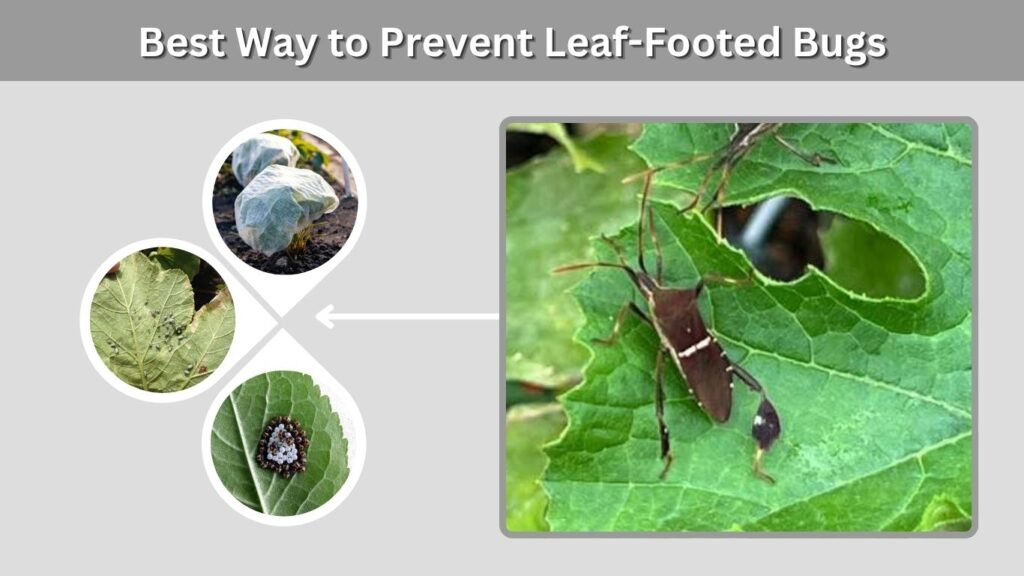
Prevention is usually easier than controlling a large population. Leaf-footed bugs are most manageable when gardeners consistently inspect plants and respond while insects are still in the egg or early nymph stages. Combining sanitation, physical exclusion, and natural predators reduces the chance that large numbers of adults will establish themselves around valuable crops.
Prevention Checklist
Use these steps throughout the growing season:
- Inspect plants regularly
- Destroy egg rows immediately
- Remove clusters of young nymphs
- Keep weeds under control
- Remove old fruit and plant debris
- Use row covers where suitable
- Encourage beneficial insects
- Inspect nearby host plants
- Avoid unnecessary broad-spectrum pesticides
A few minutes of inspection each week can prevent much larger problems later.
FAQs
What is the fastest way to get rid of leaf-footed bugs?
For small infestations, remove adults and nymphs manually and drop them into soapy water. Destroying egg rows at the same time prevents new nymphs from appearing.
How do you get rid of leaf-footed bugs naturally?
Hand-pick bugs, remove eggs and nymphs, control weeds, clean garden debris, use protective netting, and encourage natural predators such as assassin bugs and spiders.
How do I get rid of leaf-footed bugs on tomatoes?
Inspect tomatoes frequently, remove egg rows and nymph clusters, knock bugs into soapy water, and use fine netting when appropriate. Controlling young nymphs is much easier than controlling adults.
Will neem oil get rid of leaf-footed bugs?
Neem-based products may help suppress young nymphs but may not provide complete control of large adults. Use them according to the product label as part of a broader management strategy.
Should I kill leaf-footed bug nymphs?
If they are feeding on valuable garden plants, controlling them during the nymph stage is effective because they cannot fly and often remain clustered together. Be sure they are leaf-footed bugs rather than beneficial assassin bug nymphs before removing them.