
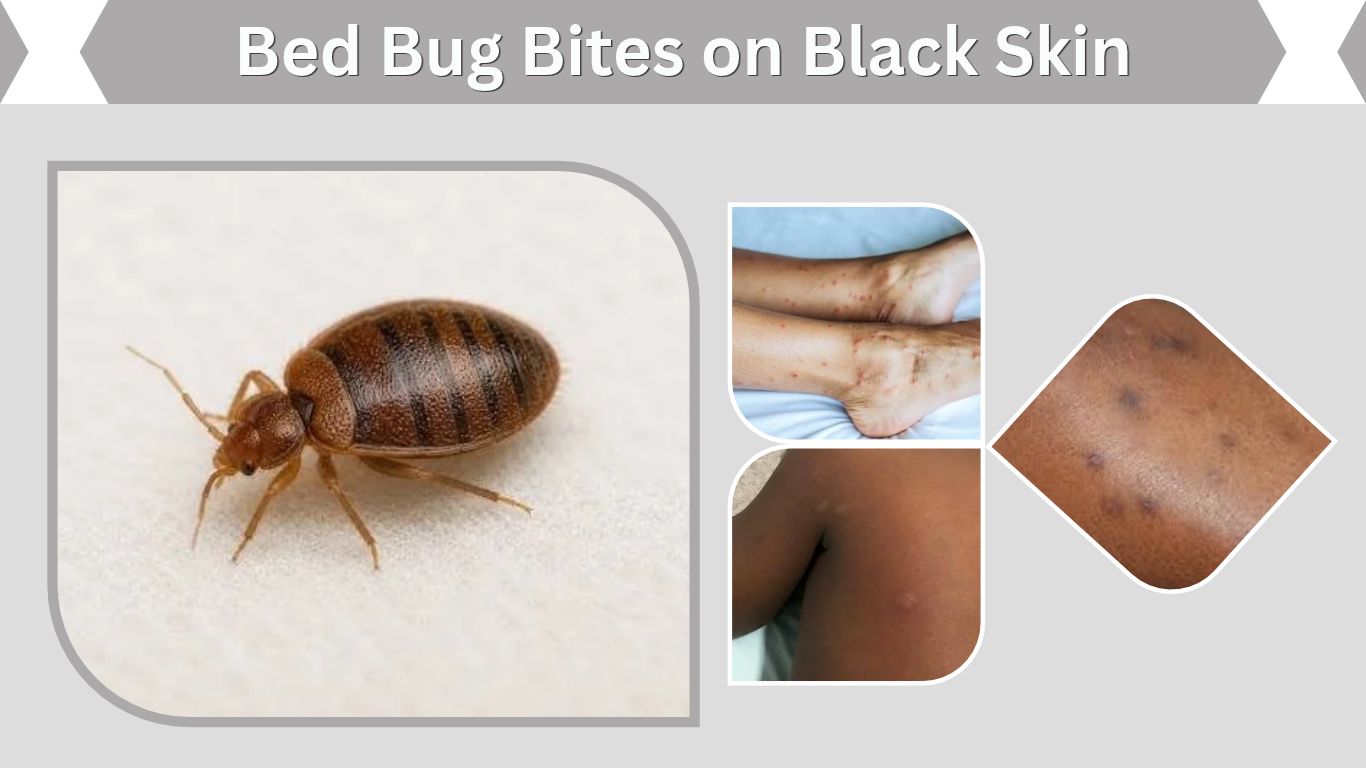
Bed bug bites on Black skin can be harder to recognize than bright red bumps shown in online photos. On darker skin, they may look brown, purple, faint pink, or close to the surrounding skin tone. Some itch intensely; others cause no reaction. Healing bites can also leave dark marks. Here is what to look for, how bites may change, and when to seek help.
What Do Bed Bug Bites Look Like on Black Skin?
On deeper skin tones, inflammation may appear less red. Texture, swelling, and itching can be more useful clues than color alone.
1. Small Raised Brown or Purple Bumps
Bed bug bites may look like raised, rounded bumps or welts. They can appear brown, purple, faint red, or nearly skin-colored. Some people develop swollen patches, while others show subtle changes.
2. Clusters or Lines of Bites
Several bites may appear together or in a line. But bed bugs do not always leave three bites in a row; single marks and scattered clusters occur too. Patterns alone cannot confirm the cause.
3. Bites That Are Difficult to See
Fresh reactions may be easier to feel than see. Look for raised texture, swelling, or itching rather than bright redness. Some people have no visible reaction.
Stages of Bed Bug Bites on Black Skin
Skin responses vary and may be delayed. These changes can occur during healing.
| Stage | Possible appearance on Black or brown skin |
| Fresh bite | No visible mark or a subtle raised area |
| Early reaction | Itchy, swollen bump that may look pink, purple, or brown |
| Healing bite | Swelling and itch gradually decrease; the bump flattens |
| After healing | A darker or occasionally lighter mark may remain temporarily |
Fresh Bed Bug Bites on Black Skin
A new bite is often painless. Itching or swelling may appear later, so a morning bump might reflect an earlier bite rather than overnight exposure.
Healing Bed Bug Bites and Dark Spots
As inflammation settles, post-inflammatory hyperpigmentation can leave a brown or darker patch. These marks may persist longer on deeper skin tones. Scratching can worsen them.
Where Do Bed Bug Bites Appear on Black Skin?
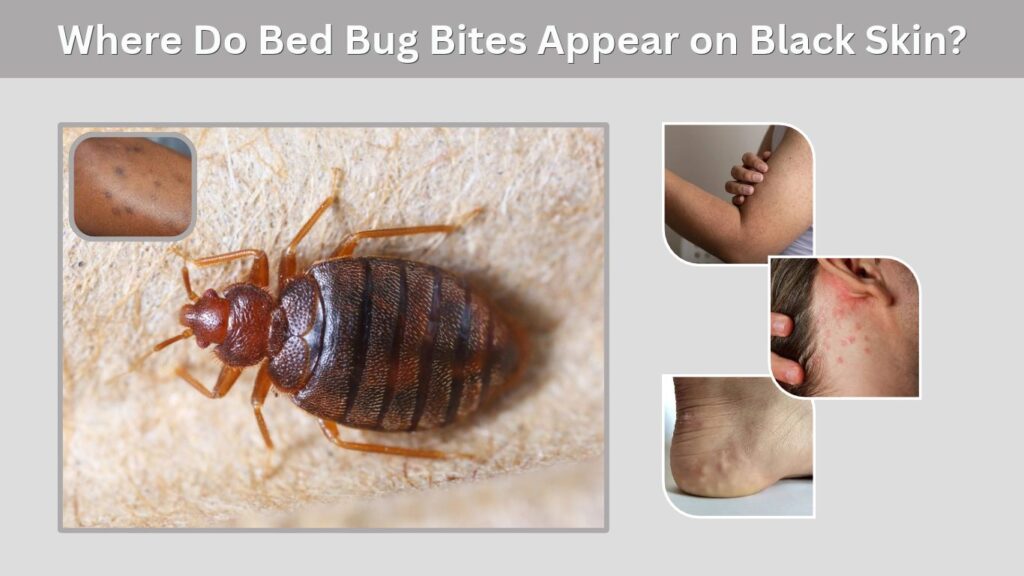
Bed bugs commonly feed on exposed skin, including:
- Arms and hands: Raised or itchy bumps on forearms, wrists, or hands.
- Face and neck: Small welts on exposed areas, although other causes are possible.
- Legs and feet: Clusters on calves, ankles, or feet.
- Shoulders and back: Marks where skin remains uncovered or easily accessible.
Location alone cannot establish the cause because other insects create similar marks.
Bed Bug Bites vs. Mosquito and Flea Bites on Black Skin
Several conditions cause itchy, dark, or raised bumps. Consider the circumstances, not just appearance.
| Possible cause | Common clues | Important caution |
| Bed bug bites | Itchy bumps after sleeping; possible clusters; insects or stains near the bed | Skin marks alone are not diagnostic |
| Mosquito bites | Isolated or scattered bumps after mosquito exposure | Can look nearly identical to bed bug bites |
| Flea bites | Often around ankles or lower legs, particularly with flea exposure | Location patterns overlap |
| Scabies | Persistent itching, often worse at night; rash may affect fingers, wrists, or other areas | Needs medical evaluation and specific treatment |
Are Bed Bug Bites More Difficult to Identify Than Mosquito Bites?
Yes. Both may produce itchy welts that vary in color. Bed bug evidence in furniture is more useful than bite shape. Outdoor mosquito exposure offers a clue, not proof.
Can Bed Bug Bites Be Mistaken for Scabies?
Yes. Scabies also causes intense itching and bumps, often at night. Unlike bed bugs, scabies mites infest skin. If itching affects finger webs or spreads among close contacts, seek medical evaluation.
How Can You Confirm Bed Bugs When Skin Marks Are Subtle?
Because bites cannot confirm the cause, inspect mattress seams, frames, headboards, and nearby furniture for:
- Live, flat, reddish-brown bed bugs.
- Tiny dark fecal spots on fabric or furniture.
- Pale shed insect skins.
- Small, light-colored eggs in protected crevices.
- Rust-colored marks on bedding.
Photograph or collect a specimen for identification. Do not apply pesticides based only on unexplained skin marks.
How to Treat Bed Bug Bites on Black Skin
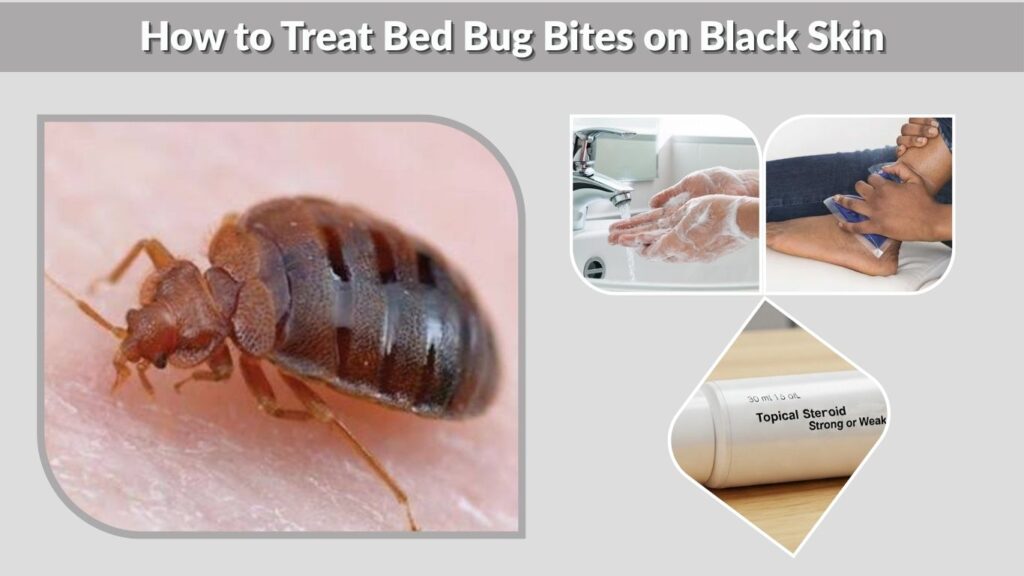
Most bites heal without medical treatment. Gentle care helps limit itching and discoloration.
1. Clean the Skin Gently
Wash with mild soap and water. Avoid abrasive scrubs, bleaching mixtures, or harsh remedies that can worsen inflammation and discoloration.
2. Soothe Itching and Swelling
Apply a cool, damp compress for several minutes. An over-the-counter hydrocortisone cream or oral antihistamine may help some people when used appropriately. Follow package directions and ask a pharmacist about suitability for children, pregnancy, other medicines, or sensitive areas.
3. Avoid Scratching and Picking
Scratching can break the skin, cause infection, and increase the risk of darker marks or scarring. Keep nails short and consider covering itchy areas with clean clothing. Do not pick at scabs or squeeze bumps.
4. Protect Healing Marks From Sun Exposure
Sun exposure can make some post-inflammatory dark spots more persistent. For exposed areas, use suitable sun protection while the skin heals. Do not rush to use strong skin-lightening products on active bites; consult a dermatologist if discoloration is persistent or distressing.
How Long Do Bed Bug Bites Last on Black Skin?
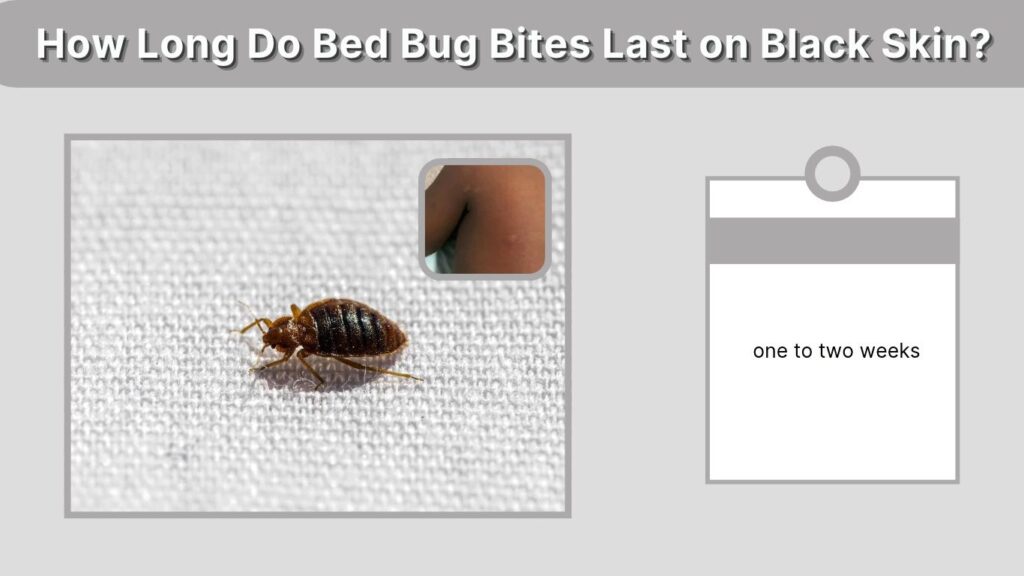
The raised, itchy bites often settle within one to two weeks, although the timing varies. A delayed reaction can appear days after the original bite, and ongoing exposure can produce fresh bumps while older ones heal.
Dark marks may remain longer than itching or swelling, sometimes for weeks or months. This does not necessarily mean that bed bugs are still biting. However, new inflamed bumps or continued environmental evidence may indicate an active infestation.
When Should You Seek Medical Attention?
See a healthcare professional if a bite becomes increasingly painful, warm, swollen, or starts producing pus. Fever, spreading skin inflammation, blisters, or persistent severe itching also deserve attention. On darker skin, infection-related redness may be harder to see, so warmth, tenderness, and swelling matter.
Seek emergency care for difficulty breathing, swelling of the tongue or throat, or faintness following a suspected severe allergic reaction.
How to Prevent New Bed Bug Bites
Treating the marks does not eliminate insects from the home. If bed bugs are confirmed:
- Dry dryer-safe clothing and bedding on high heat for 30 minutes.
- Vacuum mattress seams, bed frames, and nearby cracks, disposing of contents safely.
- Use bed bug encasements and interceptor traps beneath bed legs.
- Keep affected items contained and avoid moving untreated belongings between rooms.
- Arrange professional pest management when the infestation is widespread or persistent.
FAQs
1. What color are bed bug bites on Black skin?
They may look brown, purple, faint red, or nearly the same color as surrounding skin. Raised texture, swelling, and itching may be more noticeable than redness. Appearance varies, so color alone cannot confirm that bed bugs caused the marks.
2. Do bed bug bites leave dark spots on Black skin?
Yes, some bites leave post-inflammatory hyperpigmentation after swelling fades. These darker marks may persist longer than the original itch. Avoid scratching, care for the skin gently, and ask a dermatologist about stubborn spots rather than using harsh lightening products.
3. Are fresh bed bug bites visible on dark skin?
Not always. Fresh bites may be barely visible, and some people have no reaction. Others develop raised, itchy bumps hours or days later. Checking the bed and nearby furniture for insects provides better evidence than examining skin alone.
4. Can bed bug bites appear on the face or arms?
Yes. Bed bugs may bite exposed skin on the face, neck, arms, hands, legs, and shoulders during sleep. However, other insects and skin conditions can affect those areas too, so bite location is not enough to establish the cause.
5. How do you treat bed bug bites on Black skin?
Gently wash the skin, use a cool compress, and avoid scratching. Suitable anti-itch creams or oral antihistamines may help. Because darker marks can linger after inflammation, protect healing skin and seek medical advice for infection or persistent symptoms.
