
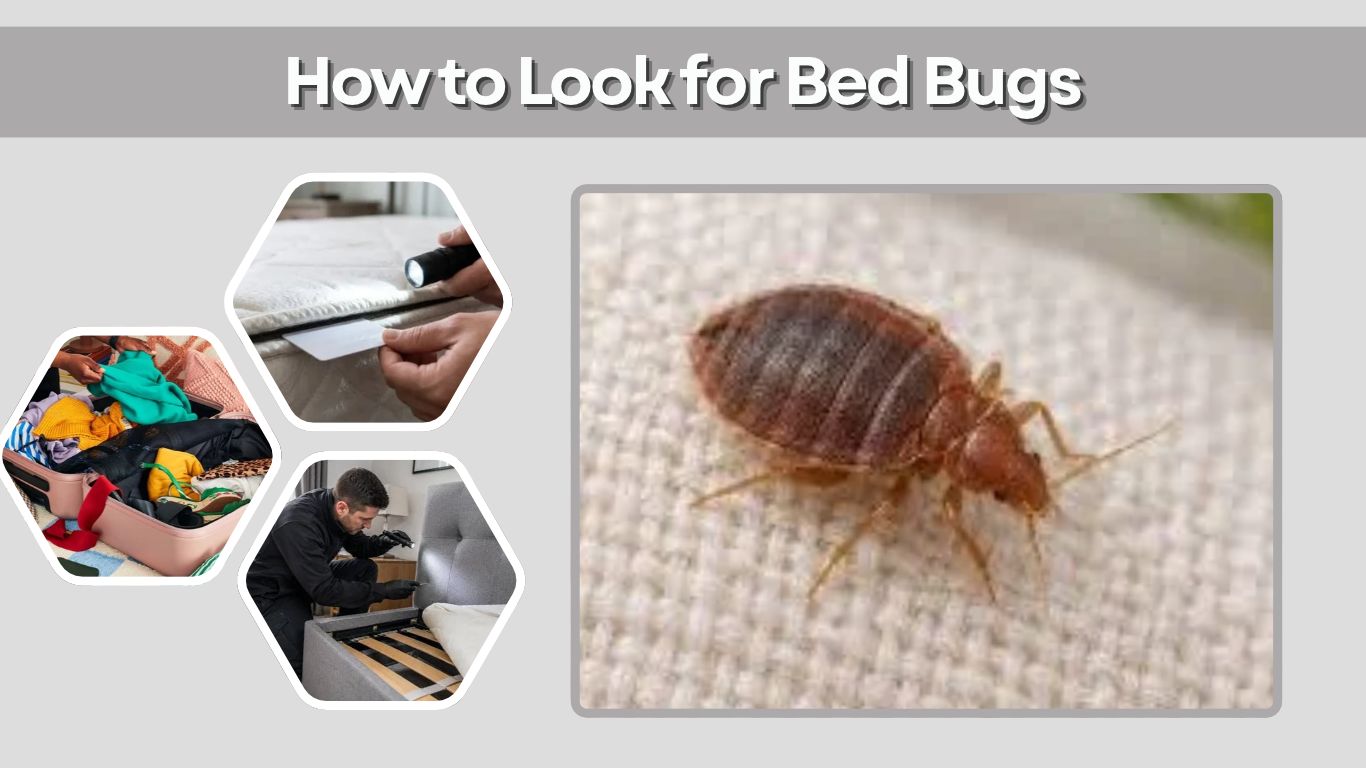
Knowing how to look for bed bugs can help you discover an infestation before it spreads. These small, flat insects hide in mattress seams, frames, couches, and narrow cracks. Good lighting, a flashlight, and careful inspection are usually enough to begin. Here is how to inspect beds, hotel rooms, couches, clothing, and furniture without spreading insects.
What Should You Look for When Checking for Bed Bugs?
Look for insects and physical evidence. Bites resemble other rashes, and some people never develop visible marks.
| Sign | What it may look like |
| Live bed bugs | Small, flat, oval insects; adults are often reddish-brown |
| Eggs and eggshells | Tiny, pale, roughly 1-millimeter objects in protected spaces |
| Shed skins | Thin, pale, empty insect shells |
| Fecal spots | Tiny dark marks that can resemble ink dots |
| Blood stains | Small rusty or reddish marks on sheets or mattresses |
Adults are visible without a microscope, but nymphs are harder to spot. Seek identification when possible.
How to Look for Bed Bugs in Your Bed
Start where people sleep. Bed bugs often hide near their food source.
1. Inspect Sheets and Pillowcases
Remove bedding slowly and look for dark spots, reddish stains, skins, or insects in folds. Check pillowcases, blanket edges, and fitted-sheet corners. Stains alone are not proof.
2. Check Mattress Seams and Labels
Examine mattress piping, seams, handles, folds, and labels with a flashlight. Lift the edges to view the underside. Shine light at an angle to reveal insects or pale eggs in tight spaces.
3. Examine the Box Spring and Bed Frame
Check box-spring edges, bed-frame joints, screw holes, headboard cracks, and support slats. Both wooden and metal frames can hide insects. Move furniture carefully to avoid injury or spreading bugs.
4. Search Nearby Furniture and Walls
Inspect bedside tables, drawers, pictures, curtains, and baseboards. In extensive infestations, bed bugs may hide farther away. Never insert metal tools or spray liquids into electrical outlets.
How to Look for Bed Bugs in a Hotel Room
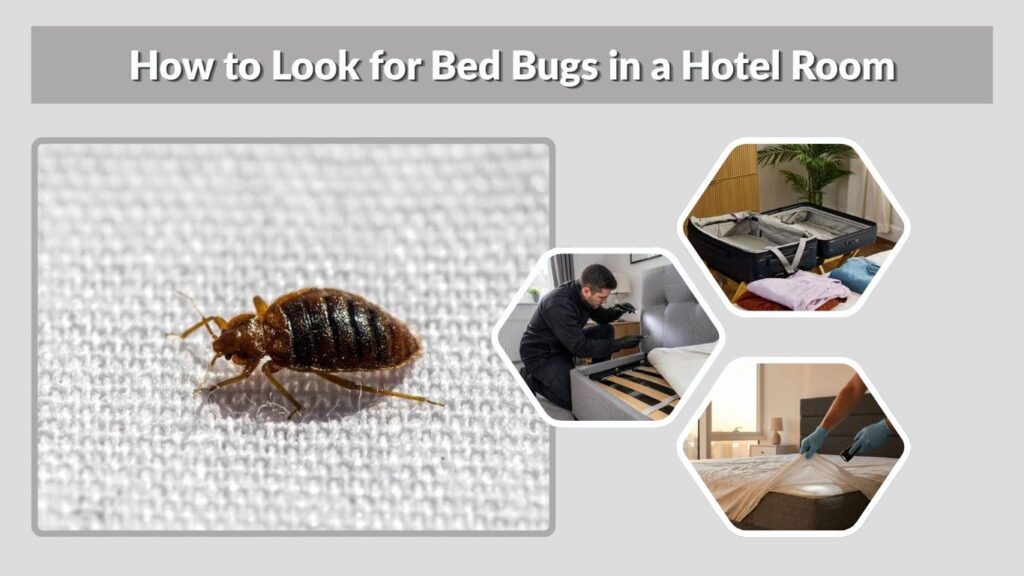
A brief hotel inspection can reduce the risk of bringing bed bugs home.
1. Keep Your Luggage Away From the Bed
Temporarily place luggage in the tiled bathroom. Avoid beds, couches, and carpets. After inspection, use a luggage rack away from the bed and wall.
2. Inspect the Mattress and Headboard
Inspect mattress corners, piping, and seams. Shine a flashlight along headboard joints for dark spots, skins, eggs, and live bugs. Clean sheets do not guarantee a bug-free room.
3. Check Upholstered Furniture and Luggage Racks
Examine chair and couch seams, cushion edges, and nearby furniture joints. Check the luggage rack itself, especially its straps and connections. Bed bugs can hide in narrow crevices even when the room looks tidy.
4. Report Suspicious Evidence Immediately
If you find a live bed bug or convincing signs, photograph the evidence and contact hotel staff. Request another room away from the affected area or consider changing hotels. Inspect any alternative room before unpacking. Keep your belongings contained until you know where you will stay.
How to Look for Bed Bugs in a Couch
Couches are important inspection areas because people spend long periods sitting or sleeping on them. Bed bugs can hide within upholstery and frame joints.
Check Cushion Seams and Zippers
Remove cushions one at a time and inspect their seams, piping, zipper areas, and folds. Look along the gaps between cushions and armrests. Use a flashlight to check hidden edges where small insects could gather.
Inspect the Underside and Frame
When safe, tilt the couch to inspect the underside, legs, fabric covering, and wooden or metal joints. Look for dark spots, shed skins, and live bugs. Avoid tearing furniture open simply because you suspect a problem; an experienced pest control professional can inspect deeper areas.
How to Look for Bed Bugs in Your Home
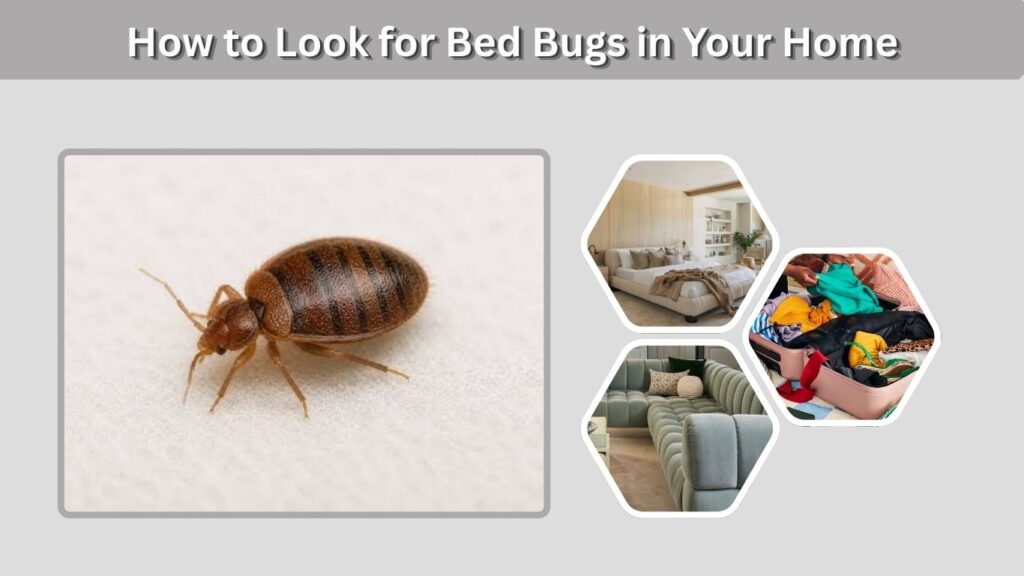
If the bedroom inspection reveals evidence, check other places where people rest. Include guest beds, upholstered chairs, recliners, curtains, and furniture near sleeping areas. Bed bugs may also hide behind loose wallpaper, in drawer joints, and around baseboards.
| Area | Priority places to inspect |
| Bedroom | Mattress seams, headboard, box spring, bed frame |
| Living room | Couch cushions, upholstery seams, recliner joints |
| Furniture | Drawer corners, screw holes, underside edges |
| Hotel room | Mattress, headboard, luggage rack, upholstered chairs |
| Luggage and clothing | Bag seams, pockets, folds, and stored fabrics |
Inspect one area at a time and record where you find evidence. This makes it easier to recognize an infestation’s extent and discuss it with a professional.
How to Look for Bed Bugs in Clothing and Luggage
Bed bugs do not usually remain attached to people like lice, but they can hitchhike in folded clothing, bags, and luggage. Examine suitcase zippers, seams, pockets, handles, and interior lining with a flashlight. Check clothing folds and travel accessories before putting items into drawers.
If exposure is suspected, place affected fabrics in sealed bags until treatment. Dryer-safe clothing can be treated in a household dryer on high heat for 30 minutes. Washing alone may not kill every bed bug or egg.
How to Look for Bed Bugs With a Flashlight
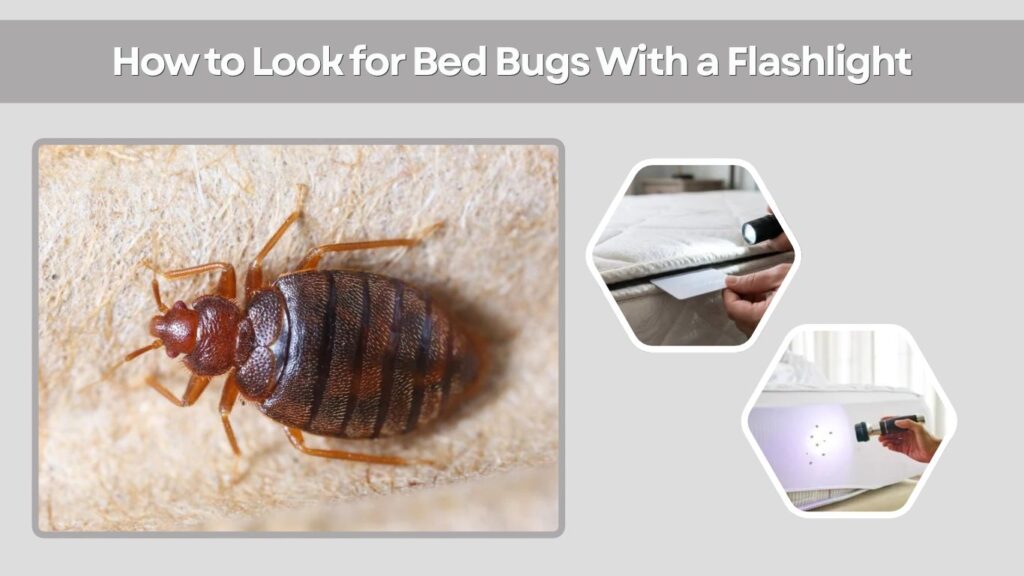
A small flashlight is useful because bed bugs often hide in dark, narrow spaces. Move the beam slowly along seams, corners, and joints rather than shining it only across flat surfaces. Inspect both sides of movable items and use a magnifying glass if available.
You can look during daylight; bed bugs are not strictly impossible to find when lights are on. The goal is to locate hiding places and physical evidence, not wait for insects to crawl into view.
What Should You Do if You Find Bed Bugs?
If you discover a suspected bed bug, try to preserve it in a sealed container or take a clear photograph. Accurate identification matters because carpet beetles and other insects are sometimes mistaken for bed bugs.
Once confirmed:
- Keep affected belongings contained instead of moving them freely between rooms.
- Inform a landlord or property manager if you live in a rental or shared building.
- Arrange careful inspection of sleeping and resting areas.
- Heat-treat eligible fabrics and follow a coordinated treatment plan.
- Consider a qualified pest control professional, especially for multiple rooms or recurring activity.
Avoid immediately discarding the mattress or spraying unidentified chemicals. Most infestations require more than one cleaning or treatment step.
FAQs
1. What is the easiest way to look for bed bugs?
Start with a flashlight and inspect mattress seams, labels, headboards, and bed-frame joints. Look for live insects, dark fecal spots, shed skins, and pale eggs. Checking physical evidence is more reliable than identifying bed bugs from bite marks alone.
2. Where should you look for bed bugs first?
Begin around the bed because bed bugs commonly hide near sleeping people. Examine the mattress piping, box spring, headboard, and nearby furniture. If you find evidence, expand the inspection to couches, curtains, drawers, and other resting areas.
3. How do you check a hotel room for bed bugs?
Keep luggage in the bathroom while inspecting mattress seams, headboards, upholstered chairs, and luggage racks. Use a flashlight to find insects or dark spots. If you discover convincing evidence, notify hotel staff and request alternative accommodation.
4. Can you see bed bugs with the naked eye?
Yes. Adult bed bugs are visible without magnification, although their flat bodies and hiding behavior make them difficult to find. Smaller nymphs and tiny eggs can be harder to spot. Good lighting and careful inspection improve your chances.
5. Can bed bugs hide in couches and clothes?
Yes. Bed bugs may hide in couch seams, cushion folds, luggage, and folded clothing. They often travel through belongings rather than living directly on a person’s body. Inspect suspicious items carefully and contain them until they can be safely treated.
