
Stop Silverfish Before They Ruin Your Books & Wardrobe
We share easy-to-understand content about silverfish insects, including their behavior, indoor habitats, feeding habits, and simple prevention methods. We help homeowners identify infestations, protect valuable items, and keep these hidden household pests away with practical tips and reliable information.
Our Blog Contact Us

Silverfish Identification Guide
- Size: Small, slender insects about 0.5–1 inch long.
- Body: Flat, elongated, and tapering toward the tail.
- Color: Silvery-gray with a metallic, shiny appearance.
- Head: Small with long antennae extending forward.
- Movement: Fast, wriggling motion that resembles a fish.
- Tail: Three long, bristle-like appendages at the rear.
- Legs: Short legs, usually not very noticeable.
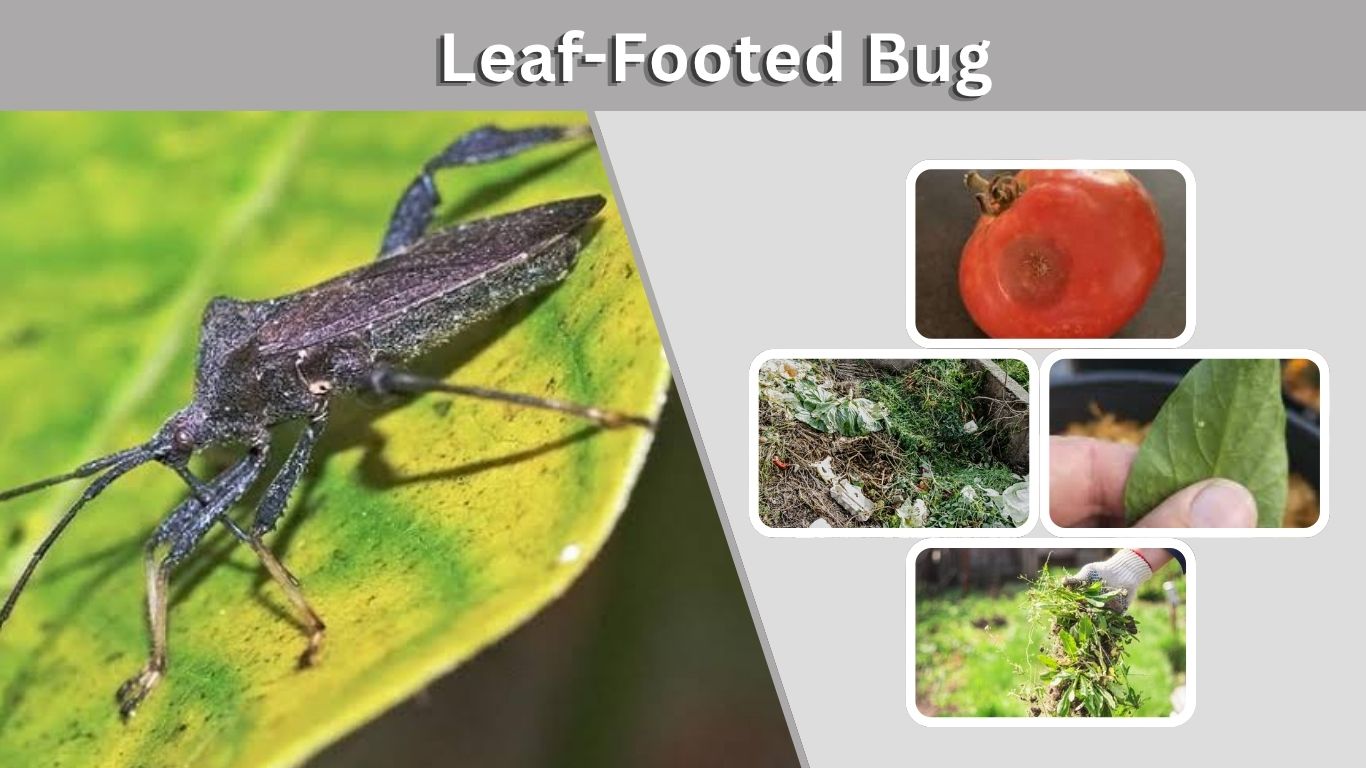
Leaf-Footed Bug: Identification, Nymphs, Damage and Control
August 16, 2026
The leaf-footed bug is a plant-feeding insect known for the flattened, leaf-like expansions found on the hind legs of many species. These insects are commonly
Read more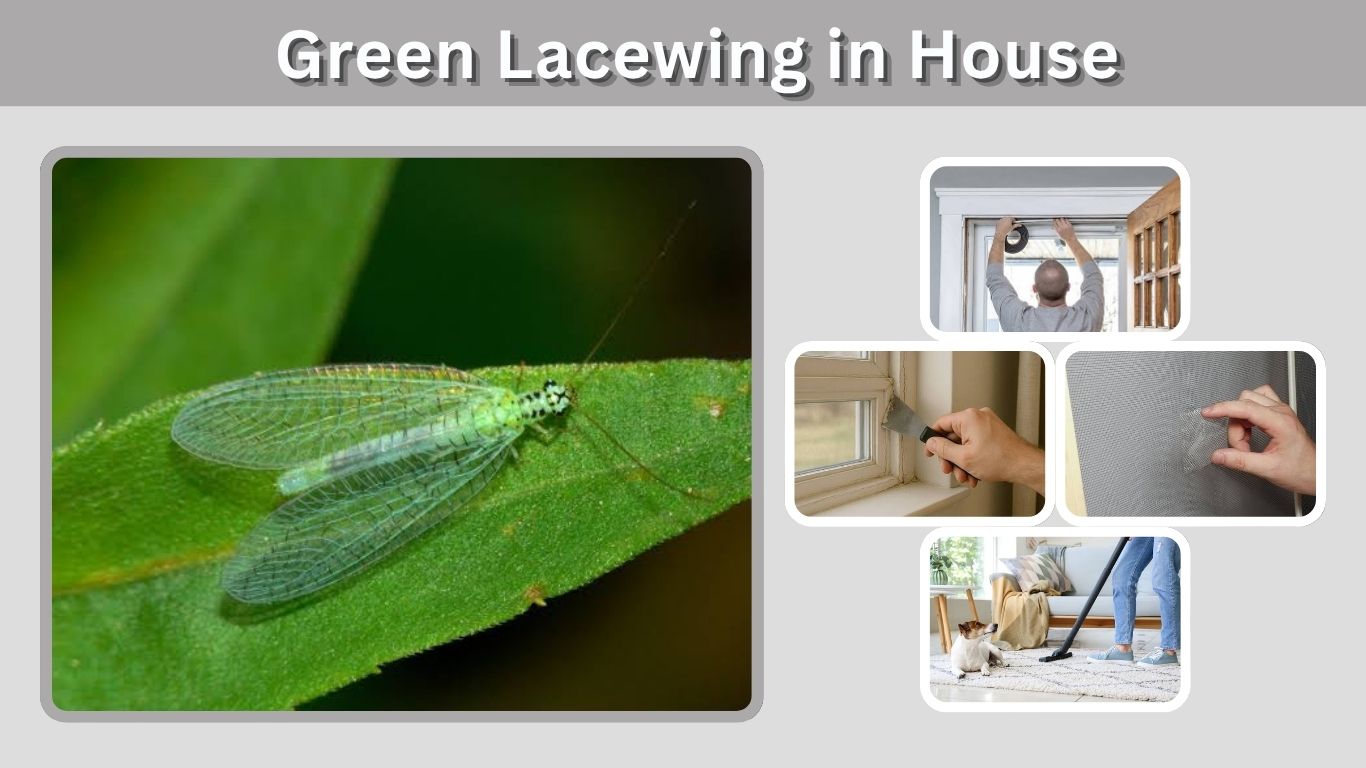
Green Lacewing in House: Why They Come In and What to Do
August 16, 2026
Finding a green lacewing in the house can be surprising, especially when several appear near windows, lights, or ceilings. These delicate green insects usually live
Read more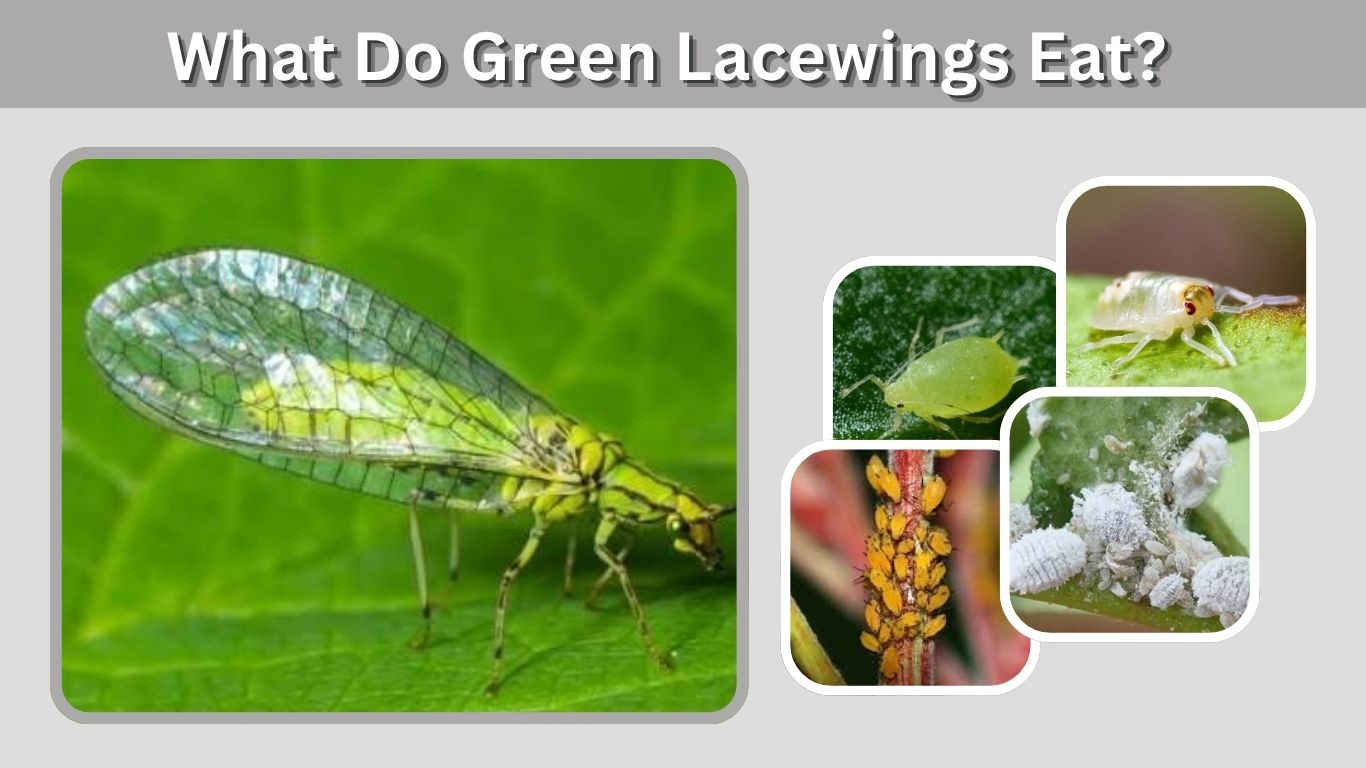
What Do Green Lacewings Eat? 10 Foods They Commonly Eat
August 16, 2026
What do green lacewings eat? The answer depends largely on their life stage. Green lacewing larvae are active predators that feed on aphids, whiteflies, mealybugs,
Read more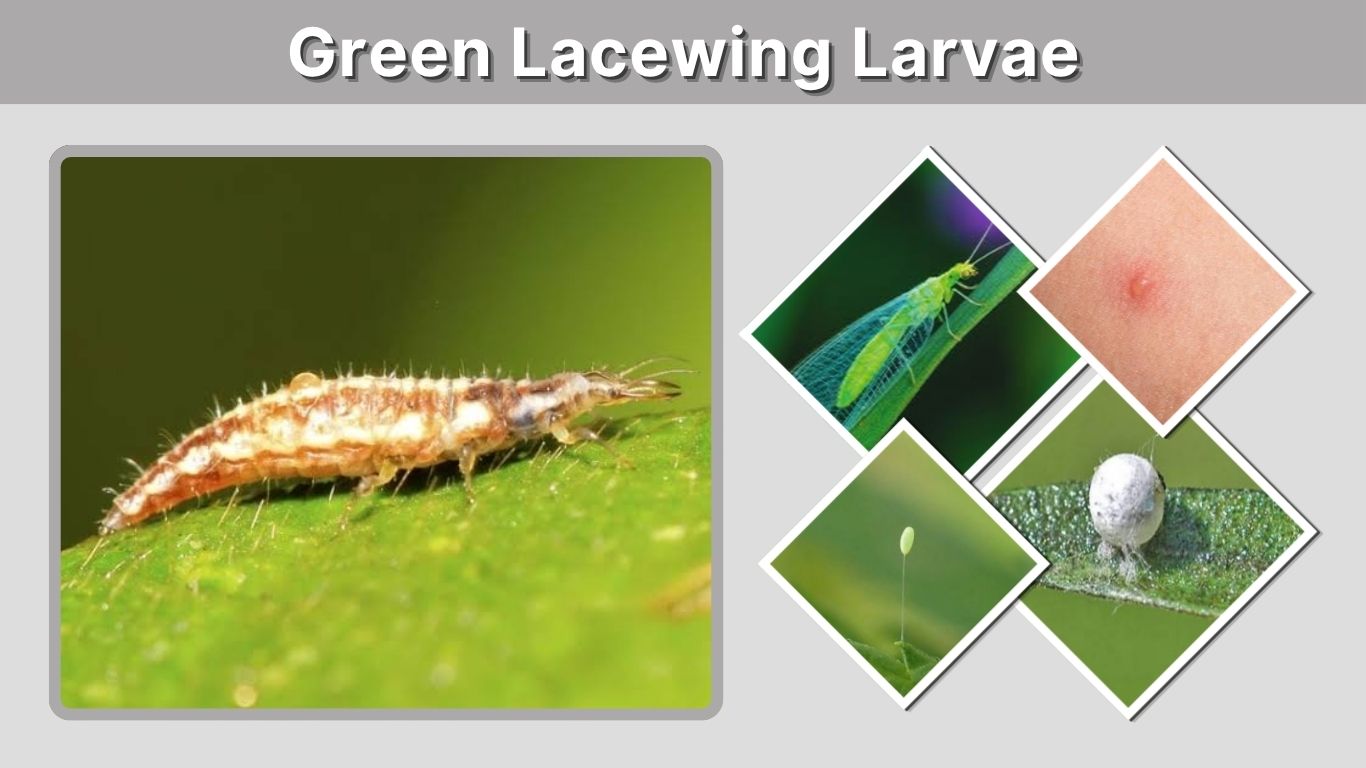
Green Lacewing Larvae: Identification, Diet, Bites & Uses
August 15, 2026
Green lacewing larvae are tiny predatory insects famous for eating aphids and other soft-bodied garden pests. Often called “aphid lions,” these larvae belong to the
Read more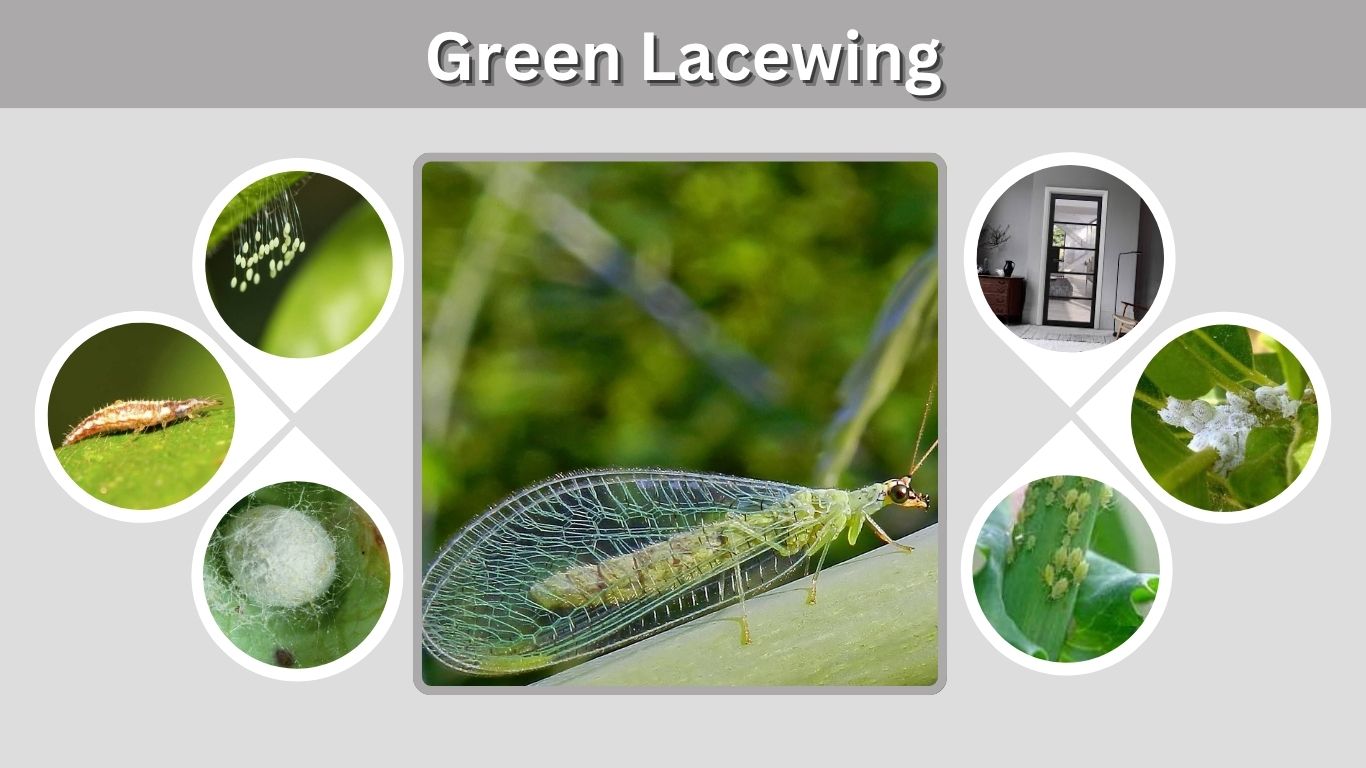
Green Lacewing: Identification, Life Cycle, Diet & Benefits
August 15, 2026
Green lacewings are delicate, beneficial insects recognized by their bright green bodies, transparent wings, and striking golden eyes. Although adults may look fragile, their larvae
Read more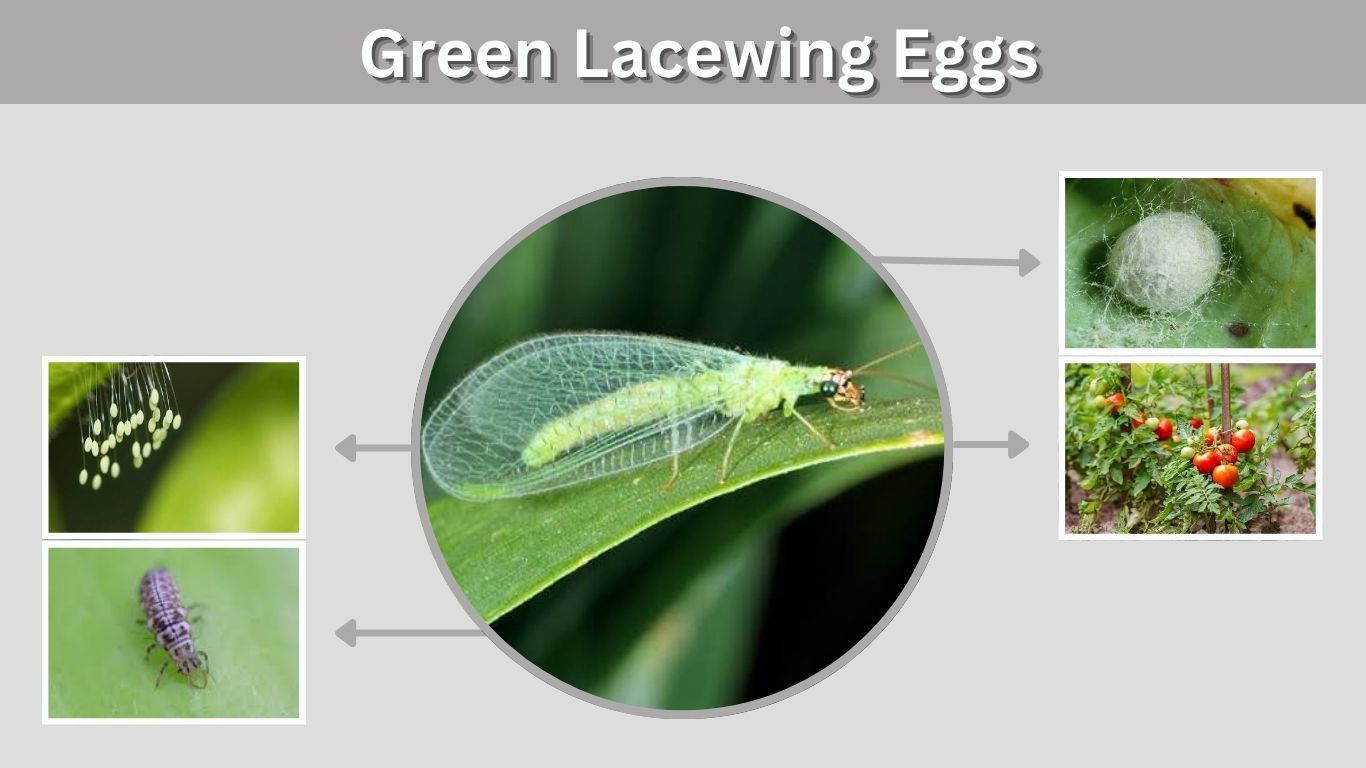
Green Lacewing Eggs: Hatching, Release & Pest Control
August 15, 2026
Green lacewing eggs are easy to recognize because they are usually attached to leaves by thin, threadlike stalks. These tiny eggs eventually hatch into predatory
Read more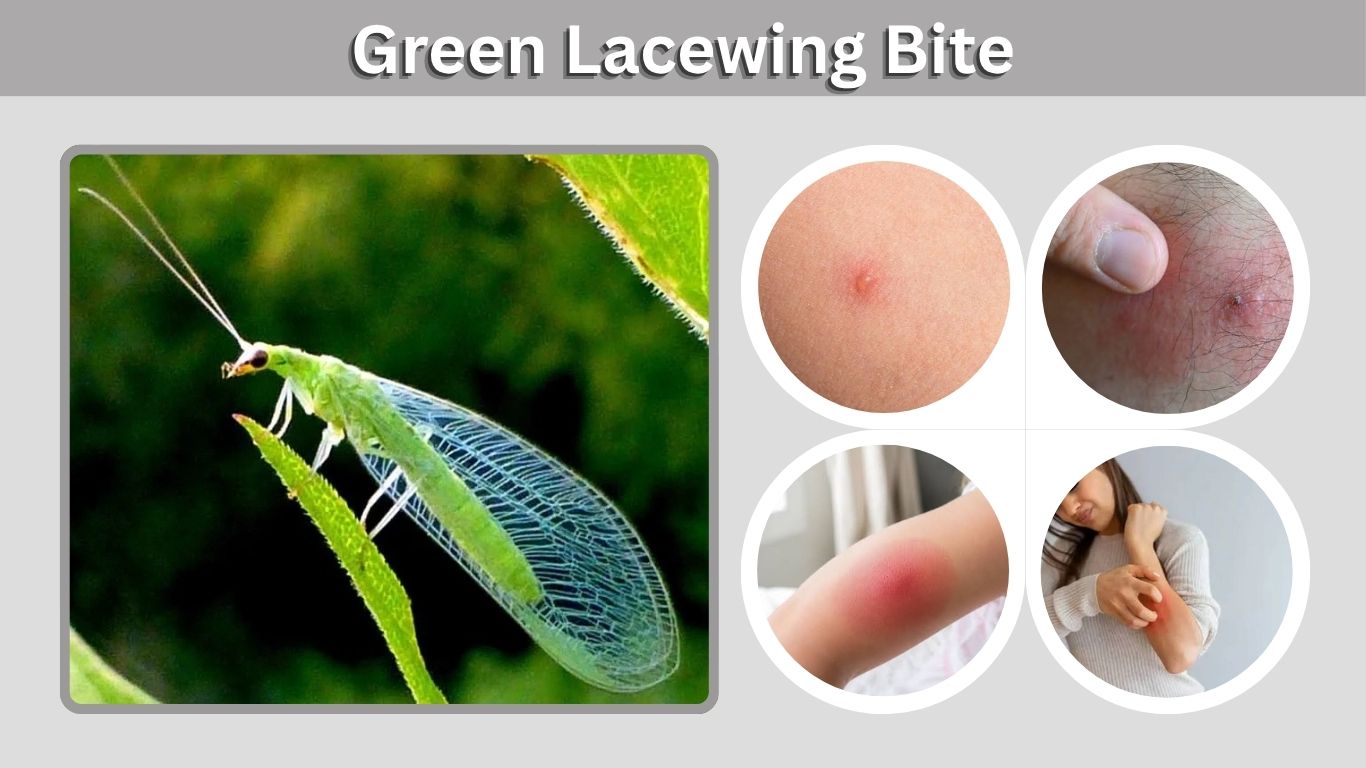
Green Lacewing Bite: Symptoms, Treatment & Risks
August 15, 2026
A green lacewing bite is uncommon, but it can happen when a lacewing larva comes into contact with human skin. Green lacewing larvae are beneficial
Read more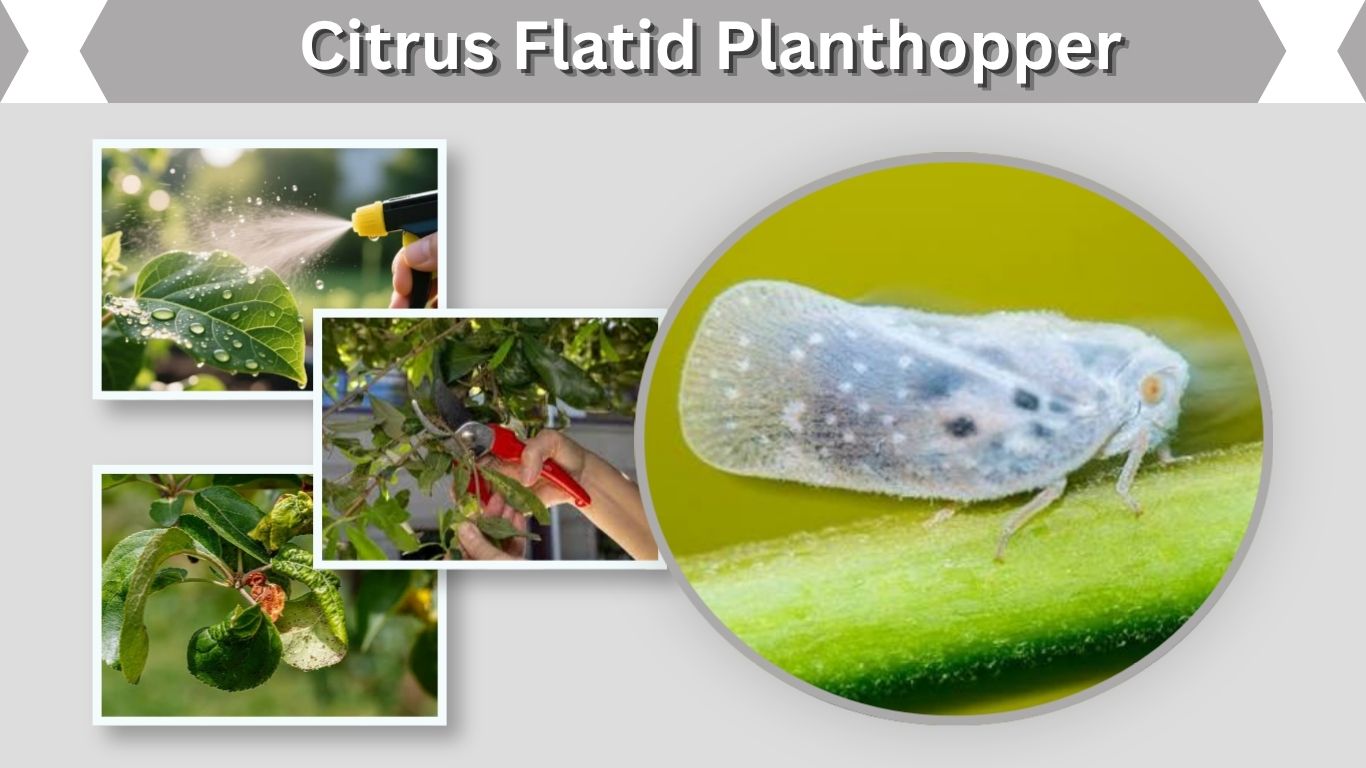
Citrus Flatid Planthopper: Identification, Nymphs & Control
August 13, 2026
The citrus flatid planthopper is a small sap-feeding insect commonly found on citrus, fruit trees, shrubs, ornamentals, and many other plants. Its scientific name is
Read more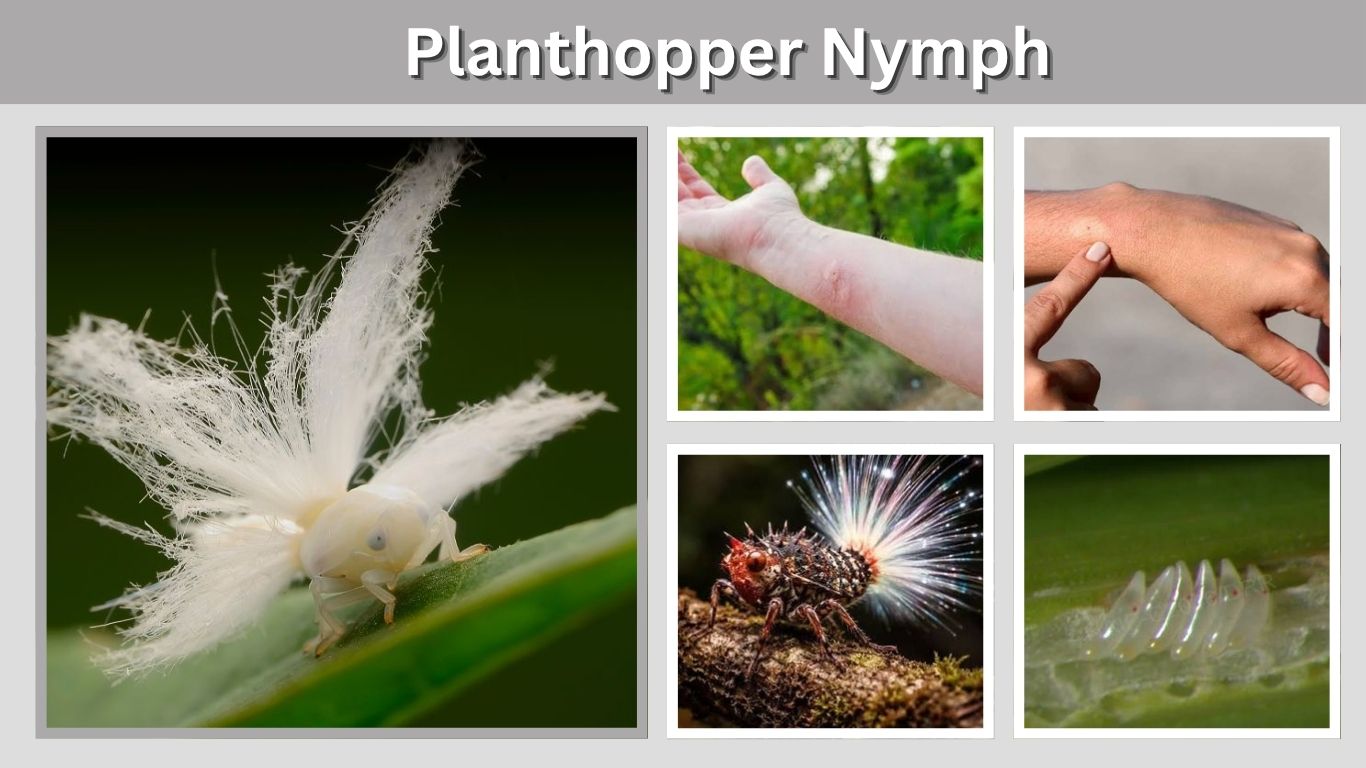
Planthopper Nymph: Identification, Types and Facts
August 13, 2026
A planthopper nymph is the immature stage of a planthopper, a sap-feeding insect known for its powerful jumping ability. These tiny insects can look surprisingly
Read more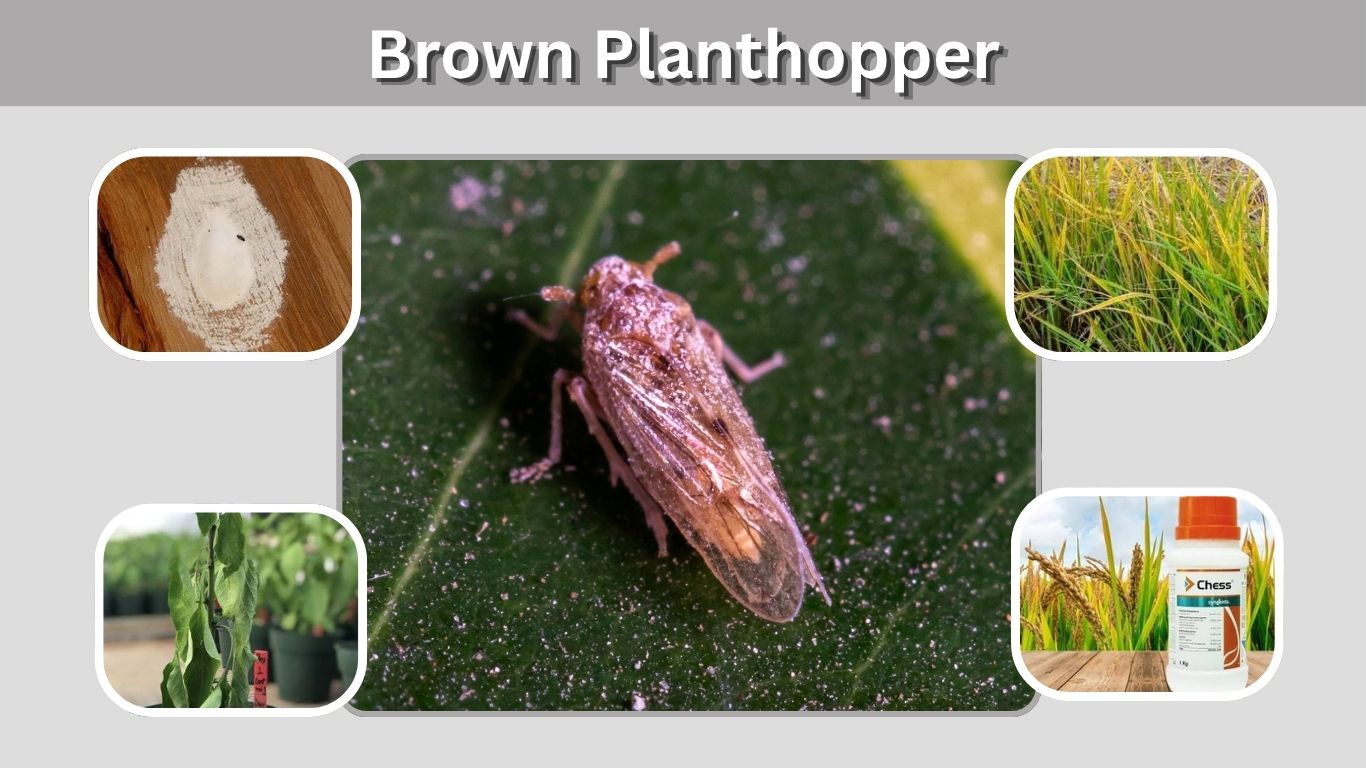
Brown Planthopper: Identification, Damage, Life Cycle & Control
August 13, 2026
The brown planthopper (Nilaparvata lugens) is a small sap-feeding insect and one of the most important pests of rice in Asia. Both adults and nymphs
Read more