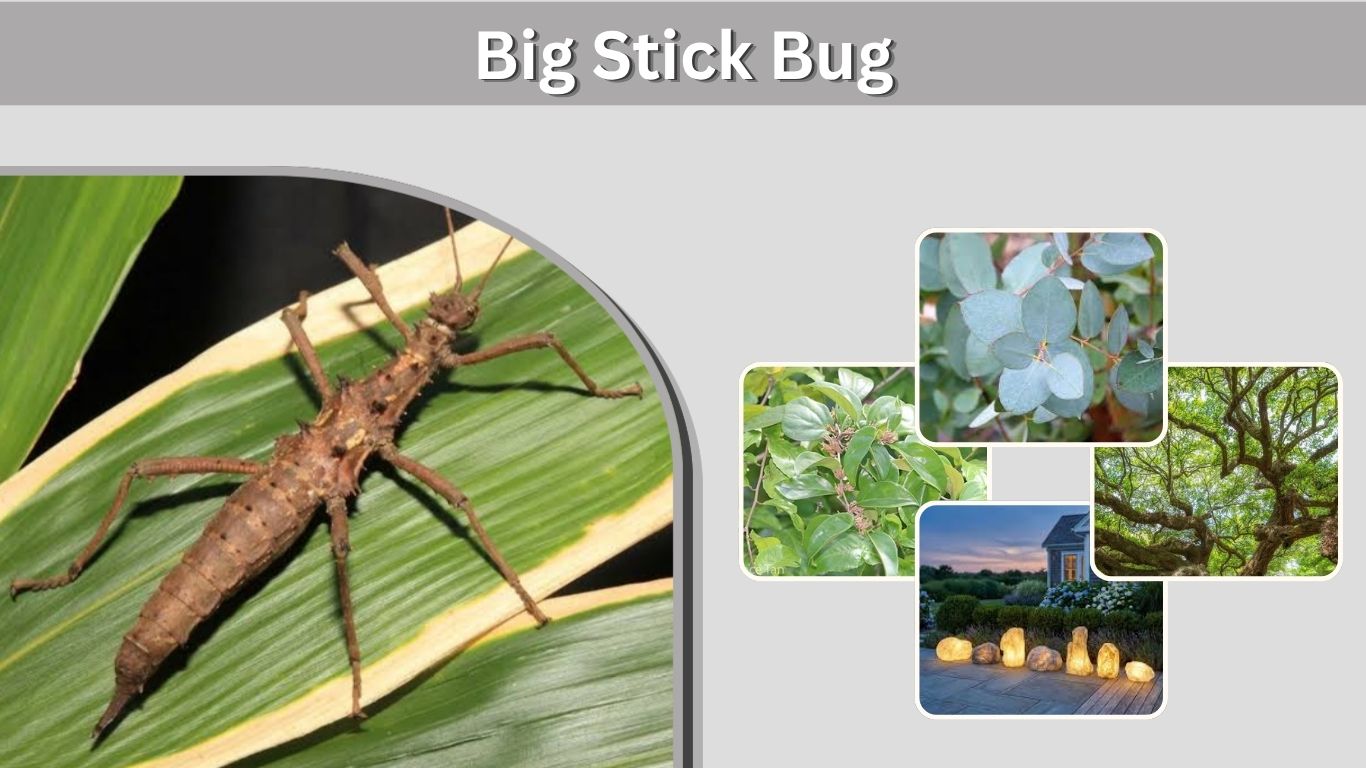
A big stick bug can look surprisingly intimidating because of its long body, thin legs, and branch-like appearance. Most walking stick insects are harmless herbivores, but some species can grow to remarkable sizes. Depending on the species, a stick bug may measure only a few inches or extend well beyond 10 inches when the legs are included. Large species occur mainly in tropical and subtropical regions, although sizeable walking sticks can also be found in parts of the United States.
How Big Do Stick Bugs Get?
Stick bugs vary greatly in size. Many common species measure around 2 to 5 inches long, while larger tropical species may reach 6 to 10 inches or more.
Some exceptionally large species can exceed 12 inches in total length when their outstretched legs are included.
Typical Stick Bug Size
Approximate size ranges include:
- Small species: 1–3 inches
- Medium species: 3–5 inches
- Large species: 5–8 inches
- Giant tropical species: 8–12+ inches including legs
Females are often larger and heavier than males.
What Is the Biggest Stick Bug?
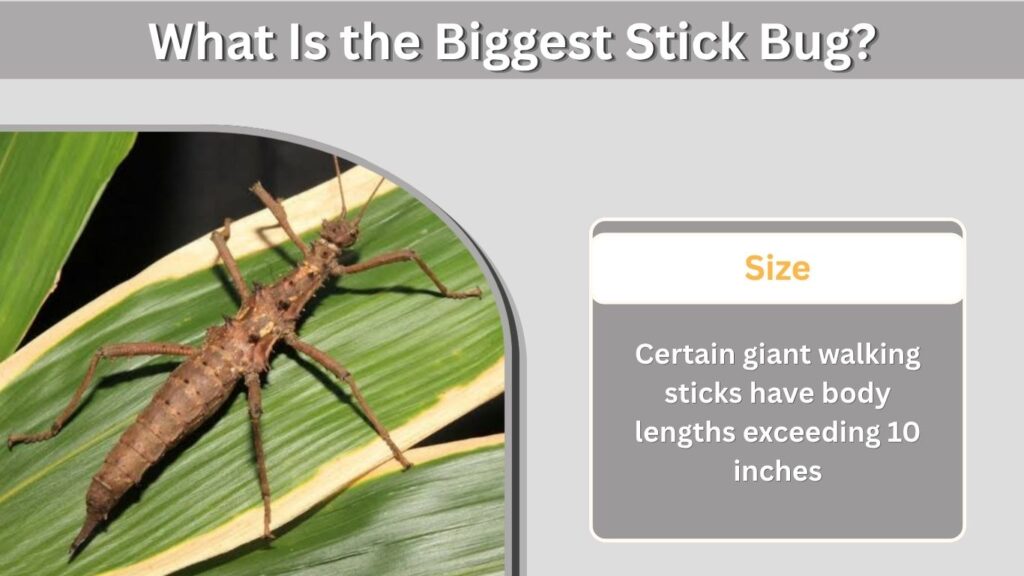
Some of the world’s largest stick insects belong to genera such as Phryganistria and Phobaeticus.
These insects are famous for their extraordinarily long bodies and legs.
Giant Stick Insects
Certain giant walking sticks have body lengths exceeding 10 inches, and their total length can become even greater when the legs are extended.
Species from Southeast Asia are especially well known for reaching impressive sizes.
Their elongated bodies allow them to resemble thin branches, which provides excellent protection from predators.
How Big Can a Walking Stick Bug Get?
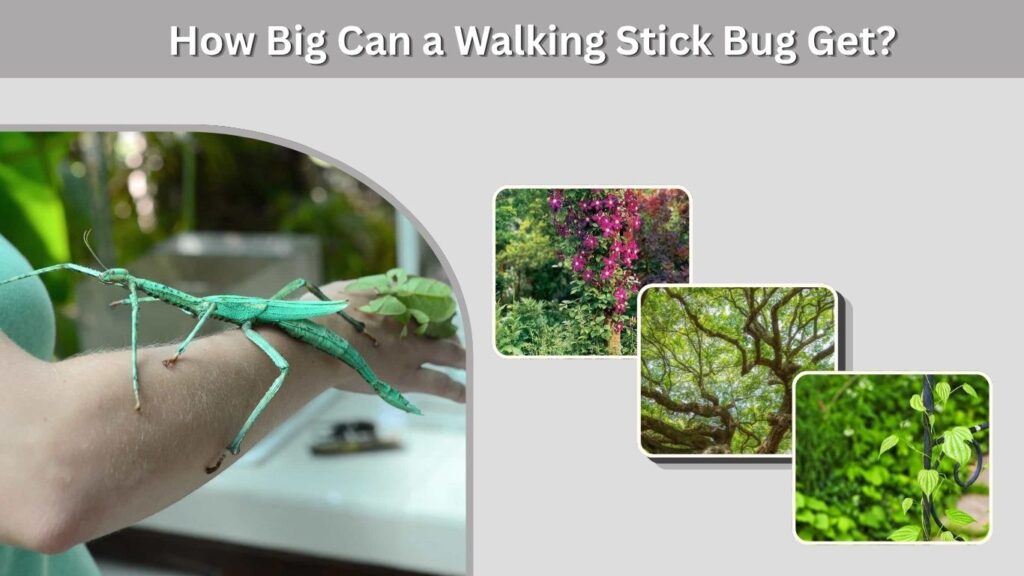
Walking stick bugs can grow much larger than many insects people commonly encounter.
A particularly large tropical walking stick may stretch more than a foot from the tip of its front legs to the end of its rear legs.
However, the actual body is usually considerably shorter than the total leg-to-leg measurement.
Why Are Some Stick Bugs So Long?
Their unusual body shape is an adaptation for camouflage.
A long, narrow insect can easily imitate:
- Twigs
- Stems
- Branches
- Vines
- Leaf petioles
The longer and thinner the insect becomes, the easier it may be for it to disappear visually among vegetation.
Big Green Stick Bug
Large green stick insects are common in tropical environments.
Their bright or pale green bodies help them blend with leaves and fresh plant growth.
Some green species have broad bodies, while others are extremely thin and elongated.
Are Big Green Stick Bugs Dangerous?
Most big green walking sticks are harmless.
They do not usually sting or inject venom, and their mouthparts are designed primarily for eating leaves.
Some species can defend themselves by kicking, releasing odors, or producing irritating secretions, so wild insects should still be handled carefully.
Big Black Stick Bug
A big black stick bug may look more threatening than a green or brown walking stick, but dark coloration does not automatically mean it is dangerous.
Many species naturally become dark brown, black, or nearly black.
Color can vary according to:
- Species
- Age
- Sex
- Environment
- Molting stage
Two-Striped Walkingstick
One darker species found in the southeastern United States is the two-striped walkingstick.
It is usually dark brown or black with lighter longitudinal stripes.
Unlike most walking sticks, this species can release a strong defensive secretion that may seriously irritate the eyes.
Big Stick Bug With Wings
Some large stick insects have functional wings, while others have reduced wings or no wings at all.
Wing development differs substantially between species and sexes.
Can Big Stick Bugs Fly?
Some can.
Males are often lighter and more capable of flight than females. Large females may have wings but be too heavy to fly effectively.
Winged stick insects may use their wings to:
- Escape predators
- Travel between plants
- Search for mates
- Startle attackers
Some species reveal brightly colored hindwings when disturbed.
Why Do Some Stick Bugs Look So Huge?
Their long legs can make walking sticks appear considerably larger than their actual body size.
For example, an insect with a 6-inch body may appear much longer when its front and rear legs are fully extended.
Females Are Usually Bigger
Sexual dimorphism is common among stick insects.
Females are often:
- Longer
- Wider
- Heavier
- Less capable of flight
Their larger bodies allow them to produce and carry more eggs.
Males are often slimmer and more mobile.
Big Stick Bugs in Florida
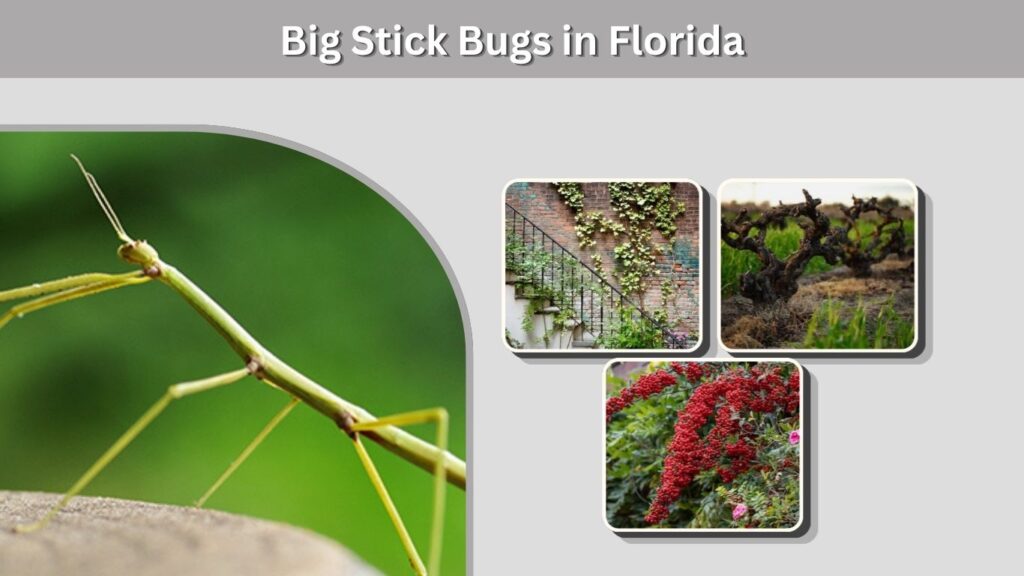
Florida has several walking stick species, including relatively large species that are frequently noticed on trees, shrubs, walls, and roads.
One of the best-known is the two-striped walkingstick.
Florida Walking Stick Size
Two-striped walking sticks can become several inches long, with females typically larger than males.
Because pairs are often seen together, people sometimes mistake them for a single unusually shaped insect.
These insects should not be handled unnecessarily because they can release defensive chemicals.
Big Stick Bugs in Texas
Texas also supports several walking stick species due to its warm climate and abundance of vegetation.
Large walking sticks may appear around:
- Woodlands
- Gardens
- Shrublands
- Parks
- Forest edges
Most are harmless plant-eating insects that remain hidden during the day.
Texas Walking Stick Size
Many walking sticks encountered in Texas are several inches long.
Large females can appear especially impressive because of their thick bodies and long legs.
Big Stick Bugs in Mississippi
Mississippi’s warm and humid conditions also support walking stick populations.
Large individuals may be found in wooded areas, gardens, and vegetation near homes.
Their appearance often causes concern, but most are not aggressive.
Big Stick Bugs in Connecticut
Large walking sticks can also occur farther north, including Connecticut and other northeastern states.
One species frequently encountered in eastern North America is the northern walkingstick.
Northern Walkingstick
The northern walkingstick has a thin, elongated body that closely resembles a twig.
Adults may reach several inches in length and are usually brown, tan, or greenish.
Despite their unusual appearance, they are harmless to people.
Why Do Stick Bugs Gather Around Lights?
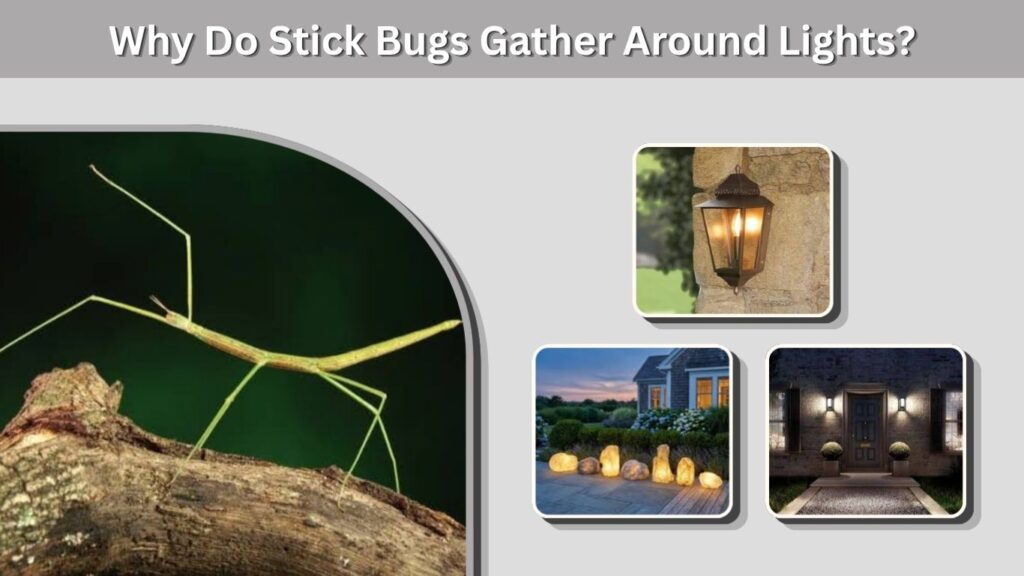
Stick insects are not usually among the insects most strongly attracted to lights.
However, winged species may occasionally appear around:
- Porch lights
- Windows
- Outdoor lamps
- Building entrances
An insect that looks like a stick and repeatedly gathers around bright lights may sometimes be another type of insect rather than a true walking stick.
Big Bug That Looks Like a Stick
Not every long insect is a stick bug.
Several insects can look somewhat stick-like.
Possible lookalikes include:
- Praying mantises
- Crane flies
- Katydids
- Assassin bugs
- Water scorpions
- Long-legged true bugs
True stick insects generally have extremely elongated bodies and legs and rely heavily on plant camouflage.
Do Big Stick Bugs Bite?
Most large stick bugs do not bite humans aggressively.
Their chewing mouthparts are adapted for eating vegetation.
A very large species might pinch or use its legs defensively if restrained, but serious injuries are uncommon.
Some species have sharp leg spines that can cause scratches.
Are Big Stick Bugs Poisonous?
Most giant walking sticks are neither venomous nor dangerously poisonous.
Their main defenses include camouflage and remaining motionless.
Some species also use:
- Defensive sprays
- Strong odors
- Spiny legs
- Wing displays
- Dropping to the ground
- Playing dead
Therefore, large size does not automatically mean a walking stick is dangerous.
What Do Big Stick Bugs Eat?
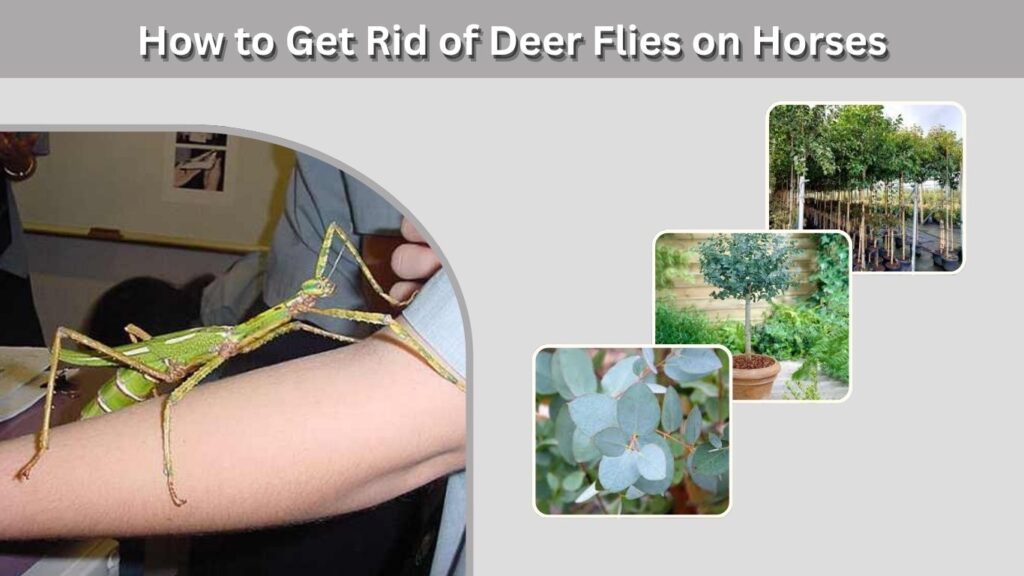
Even very large stick insects are primarily herbivores.
Their diet commonly consists of leaves from trees and shrubs.
Depending on species, food plants may include:
- Oak
- Bramble
- Rose
- Eucalyptus
- Privet
- Ivy
- Guava
- Other broadleaf plants
They typically feed by chewing along leaf edges, often during the evening or night.
How Long Do Big Stick Bugs Live?
Stick insect lifespan varies considerably by species.
Many live for around one year, although some larger captive species may survive longer.
Their life cycle includes:
- Egg
- Nymph
- Adult
Nymphs resemble miniature adults and grow through repeated molts.
Females of some species can lay hundreds of eggs during their lifetime.
FAQs
How big do stick bugs get?
Most stick bugs grow between about 2 and 5 inches long, but large tropical species can exceed 8 inches. Some of the world’s longest species measure more than 12 inches when their extended legs are included.
What is the biggest walking stick bug?
Some of the largest known stick insects belong to genera such as Phryganistria and Phobaeticus. These giant species can have exceptionally long bodies and may measure more than a foot when their legs are fully extended.
Are big stick bugs dangerous?
Most large stick bugs are harmless herbivores. They generally do not sting or inject venom. However, certain species can release irritating defensive chemicals or use spiny legs when threatened, so unidentified wild walking sticks should be handled cautiously.
Can big stick bugs fly?
Some large stick bugs can fly, especially males. Females are frequently larger and heavier and may have reduced flight ability. Other species have small wings or no wings at all and rely completely on camouflage for protection.
Why are some stick bugs so big?
Their elongated shape helps them resemble branches, stems, and twigs. Large size can improve camouflage among vegetation, while large females also benefit from having more body space for producing and carrying eggs.