
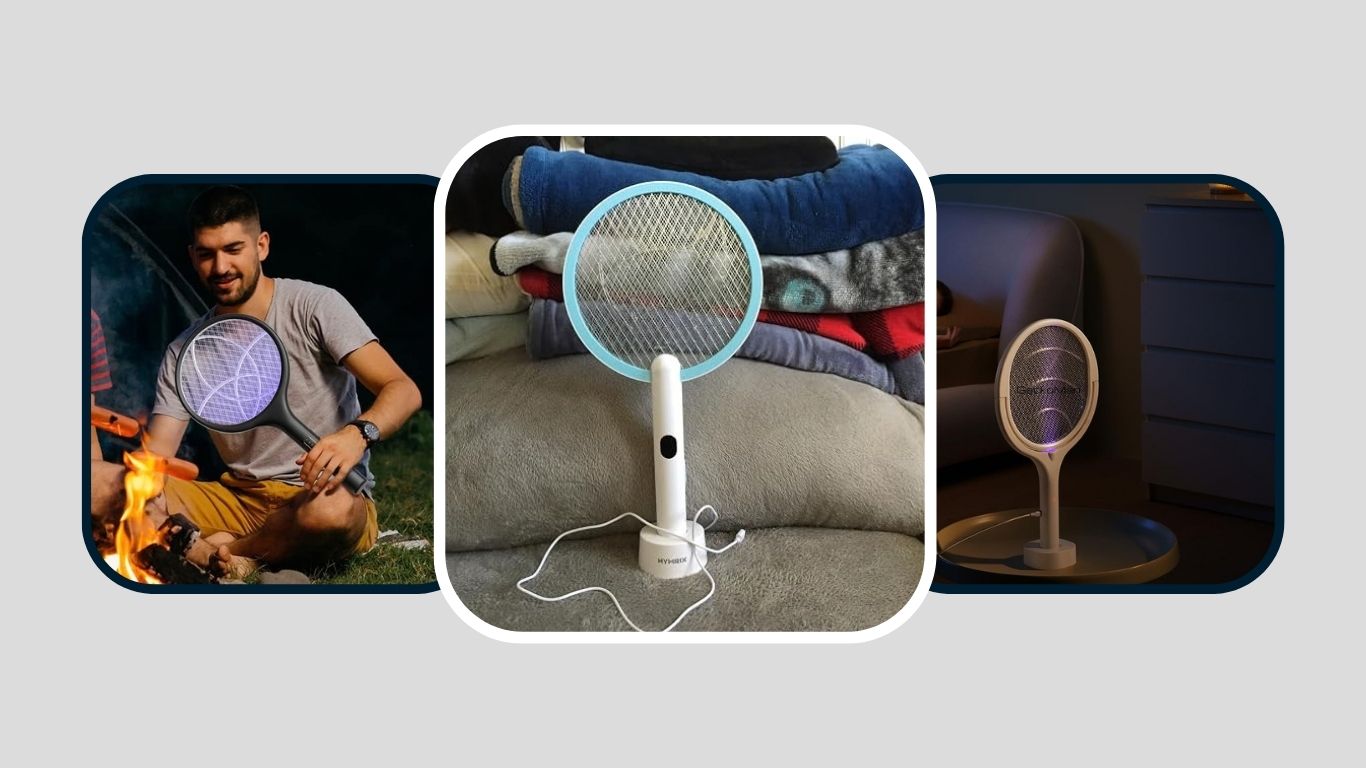
14 Best Electric Fly Swatters for Fast Bug Control
An electric fly swatter offers a quick and convenient way to deal with flies, mosquitoes, gnats, and other flying insects without relying on chemical sprays. … Read More
An electric fly swatter offers a quick and convenient way to deal with flies, mosquitoes, gnats, and other flying insects without relying on chemical sprays. … Read More
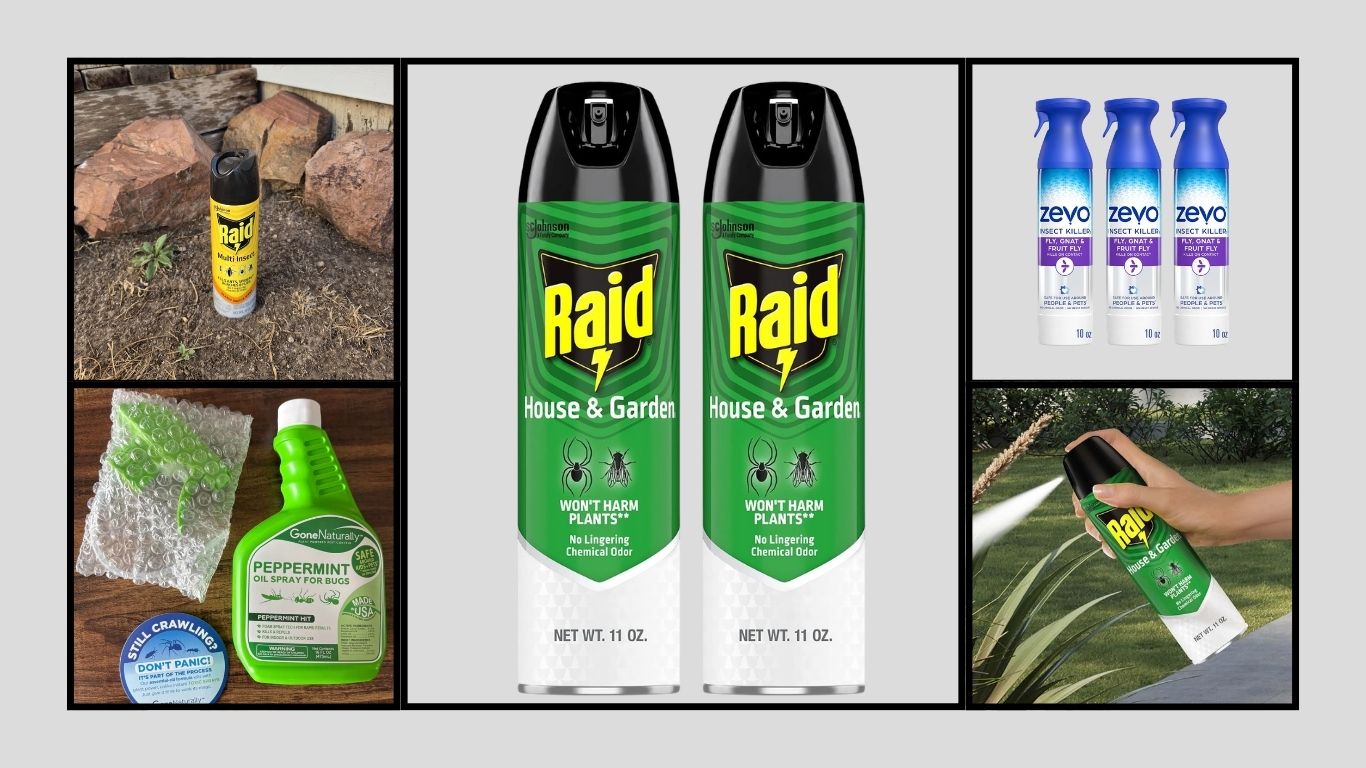
Flies can quickly become a frustrating problem inside kitchens, bedrooms, living areas, and other indoor spaces. A reliable indoor fly spray can help control houseflies, … Read More
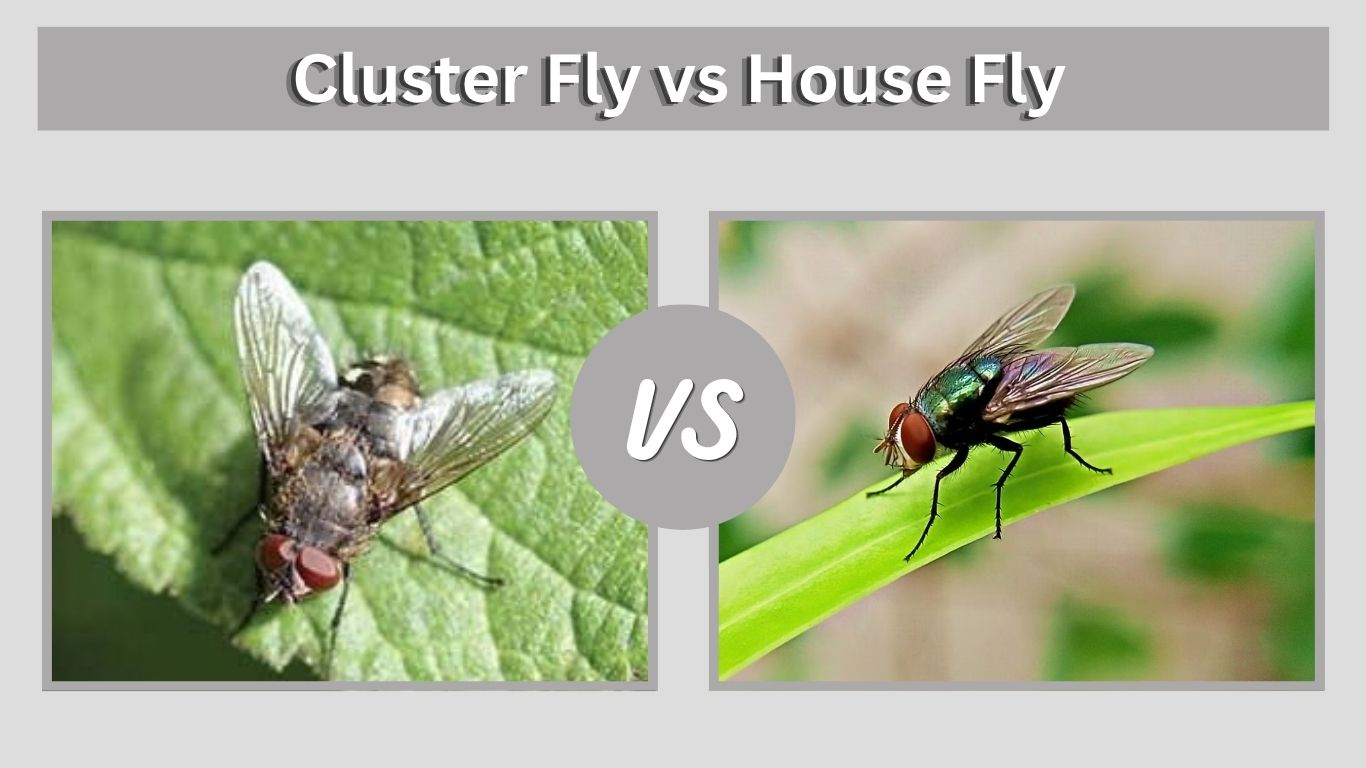
A cluster fly vs house fly comparison can help you determine why flies are appearing indoors and what type of control will actually work. Although … Read More
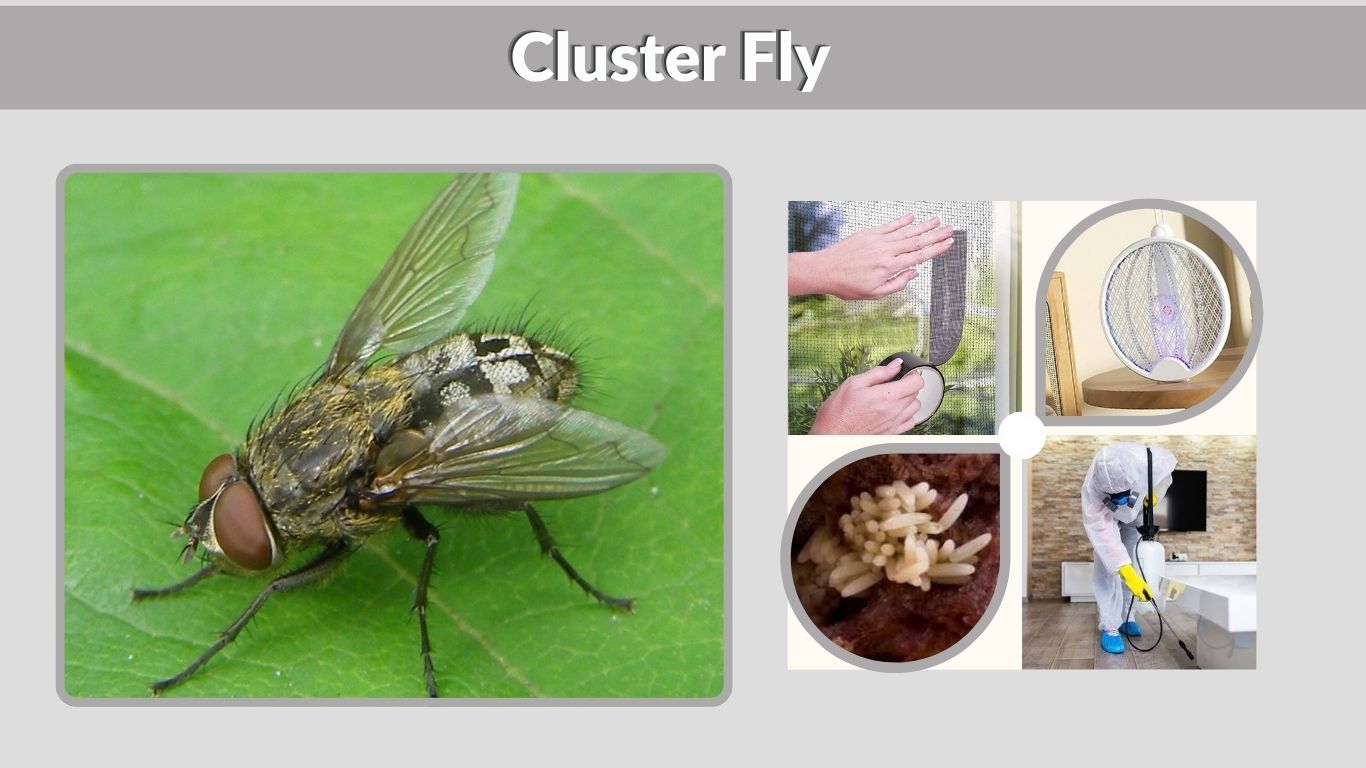
Cluster flies are slow-moving flies that commonly appear around windows, attics, and upper floors during fall, winter, and early spring. Unlike house flies, they do … Read More

Neem oil is a popular plant-care solution used by gardeners to help protect indoor and outdoor plants from common pests and fungal problems. The best … Read More
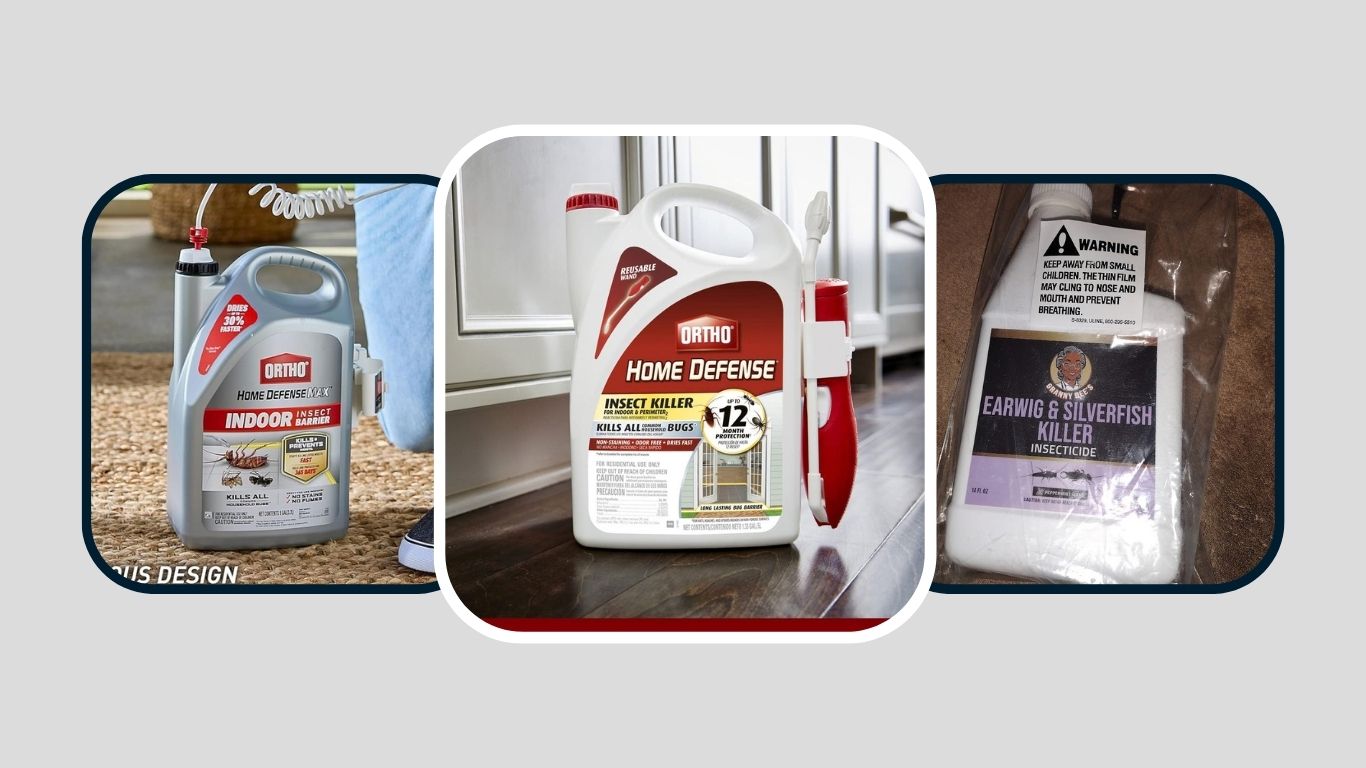
Earwigs can become a persistent nuisance around basements, bathrooms, gardens, patios, and other damp areas. Choosing the best earwig killer can make it easier to … Read More
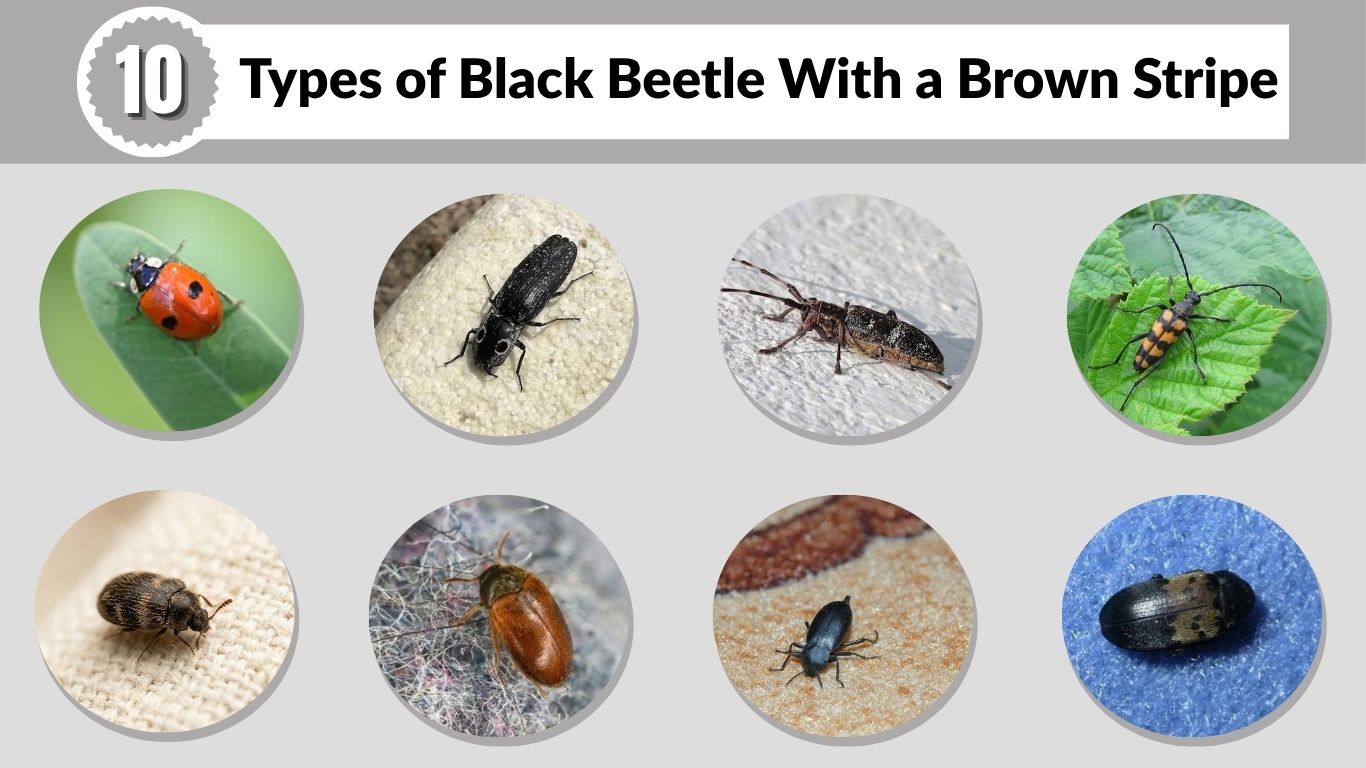
A black beetle with a brown stripe can be easy to confuse with other black and brown beetles, especially when several species share similar markings. … Read More
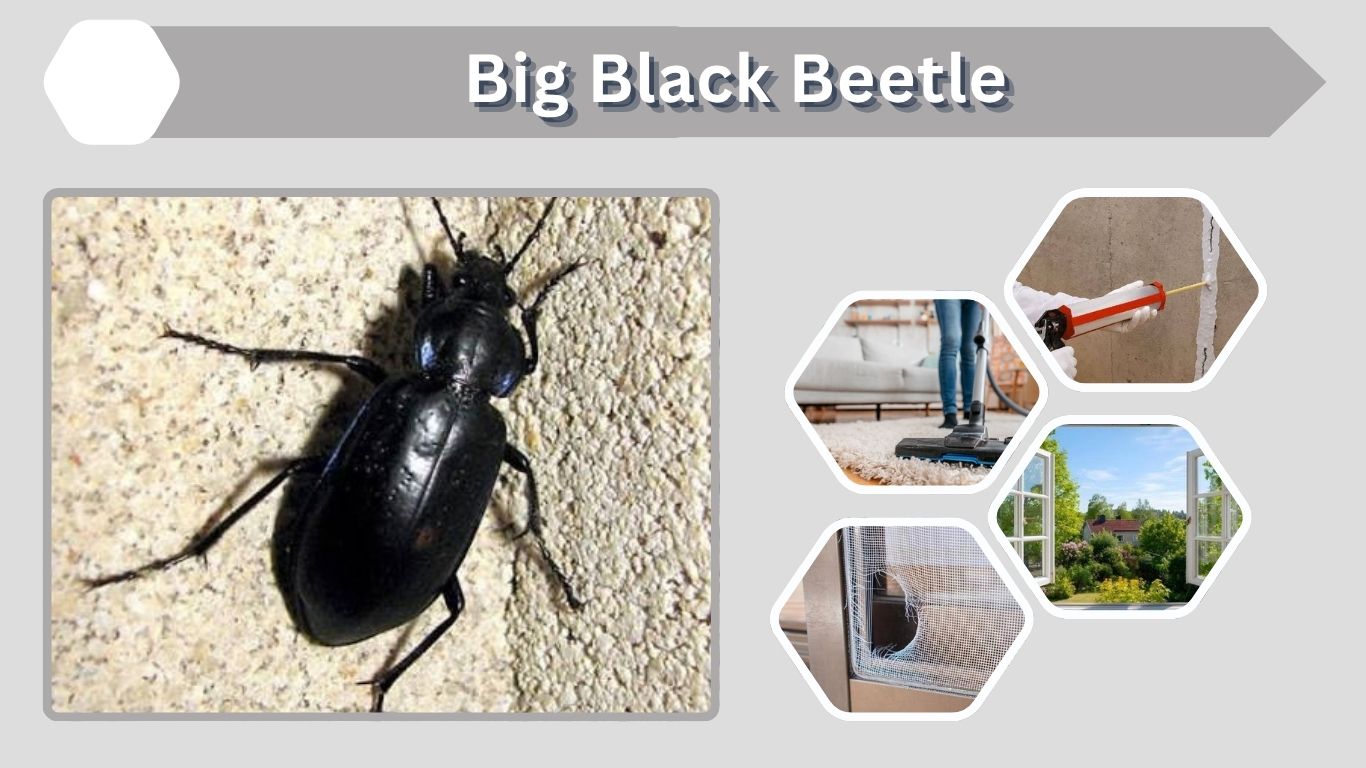
A big black beetle can look intimidating, especially when one suddenly appears inside your house or flies around the yard. However, “big black beetle” is … Read More
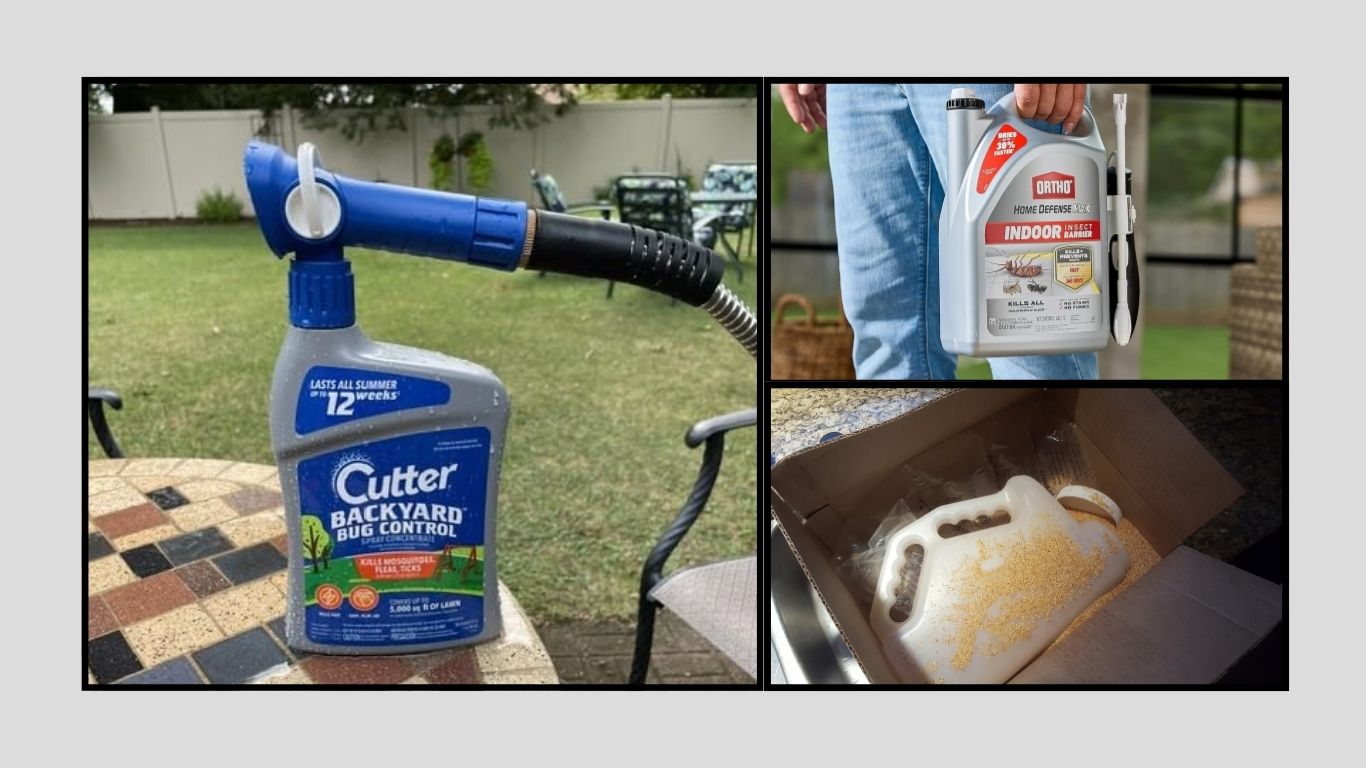
Earwigs can quickly become a nuisance around gardens, basements, patios, bathrooms, and other damp areas. Choosing the right insecticide can help reduce their numbers and … Read More

Earwigs often hide in dark, damp areas such as basements, bathrooms, kitchens, garages, and around doors or baseboards. The right spray or trap can make … Read More