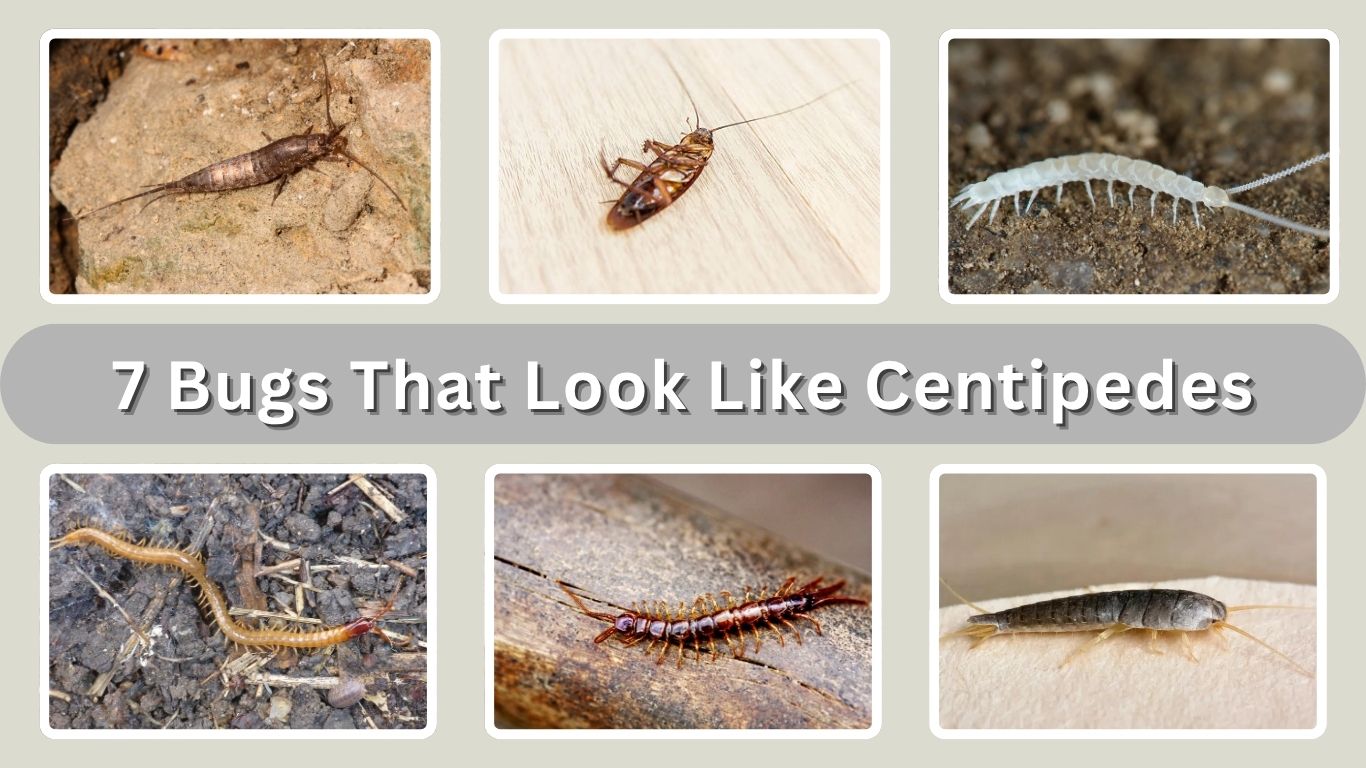
Many small creatures are mistaken for centipedes because of their long bodies, multiple legs, and fast movements. Some of these bugs are harmless scavengers, while others are beneficial predators that help control household pests. Knowing the difference between true centipedes and similar-looking bugs can help reduce fear and prevent unnecessary pest control. From millipedes and silverfish to earwigs and bristletails, these creatures each have unique features, behaviors, and habitats. Learning how to identify them makes it easier to understand whether they are harmless visitors or pests that need attention.
1. Millipede
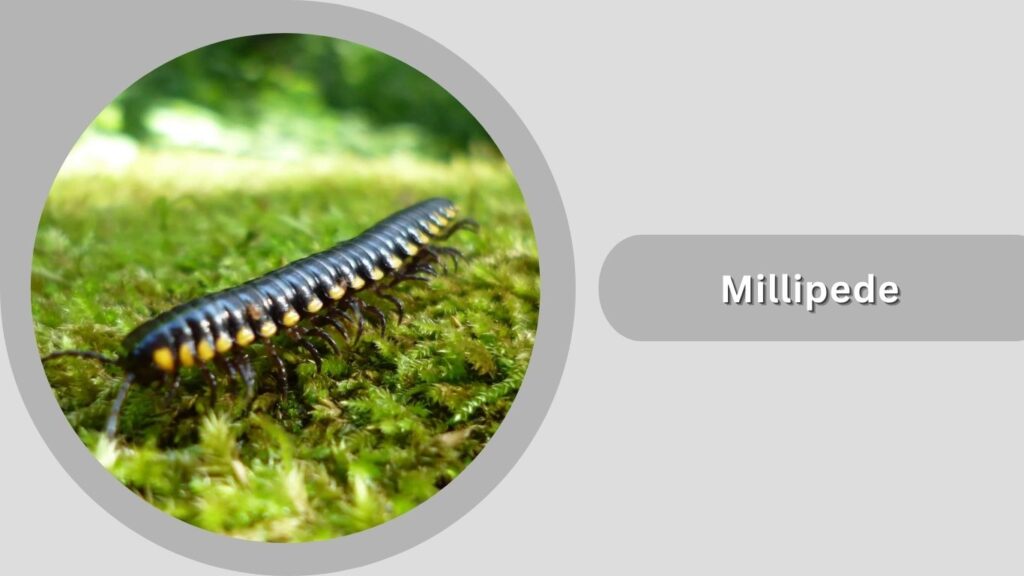
Millipedes are slow-moving arthropods that are often confused with centipedes because of their long segmented bodies and numerous legs. Unlike centipedes, millipedes are harmless scavengers that feed mainly on decaying plants and organic material. They are commonly found in damp soil, gardens, forests, and under rocks or logs where moisture levels remain high.
Identification
- Long cylindrical body shape
- Two pairs of legs on most body segments
- Usually dark brown or black in color
- Slow movement compared to centipedes
- Short antennae
- Curl into a spiral when threatened
Habitat and Distribution
Millipedes prefer moist and dark environments where they can avoid drying out. They commonly live under leaf litter, rotting wood, stones, and garden debris. During rainy weather, they may wander into homes, garages, or basements while searching for shelter and moisture.
These creatures are found worldwide in forests, grasslands, gardens, and tropical regions. Some species remain tiny, while larger tropical millipedes can grow several inches long.
Behavior and Diet
Millipedes are peaceful decomposers that help recycle dead plant material in ecosystems. Instead of hunting prey like centipedes, they feed slowly on decaying leaves, wood, fungi, and other organic matter.
When disturbed, millipedes usually curl into a tight coil to protect their softer underside. Some species can also release a mild defensive chemical with an unpleasant smell to discourage predators.
Millipede vs Centipede
Millipedes and centipedes may look similar at first glance, but they behave very differently. Millipedes move slowly and have rounded bodies, while centipedes are flatter, faster, and active predators.
Centipedes possess venom claws for hunting insects, but millipedes do not bite or sting humans. Their many short legs and calm behavior make them far less threatening than centipedes.
2. Silverfish
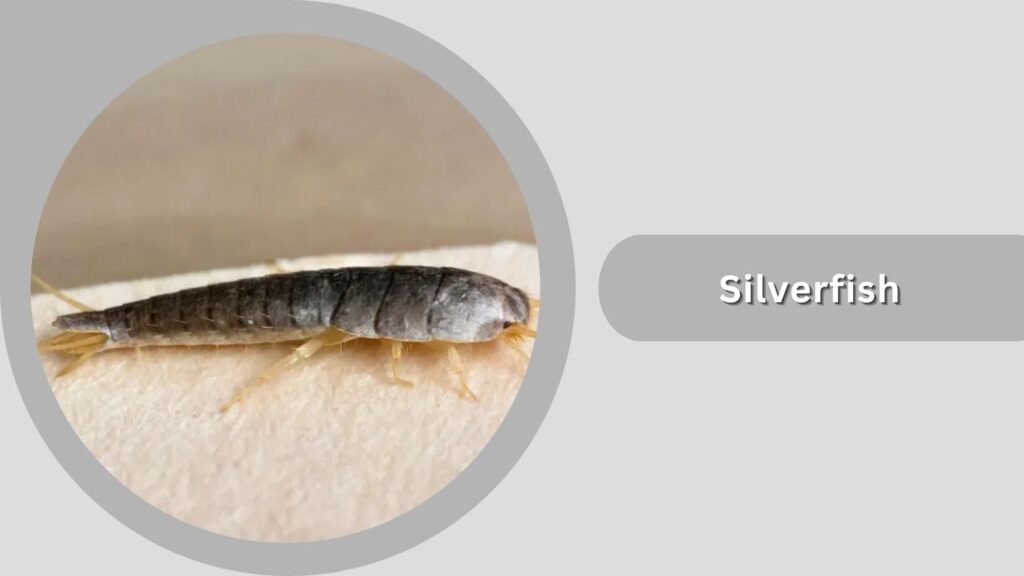
Silverfish are small wingless insects that are sometimes mistaken for centipedes because of their long bodies, fast movement, and antennae. They are common household pests that prefer dark and humid areas. Unlike centipedes, silverfish have only six legs and do not bite humans. Their shiny scales and fish-like movements make them easy to recognize once identified properly.
Identification
- Slender silver or gray body
- Covered with shiny metallic scales
- Long antennae at the front
- Three tail-like bristles at the rear
- Fast wiggling movement
- Six legs instead of many pairs
Habitat and Distribution
Silverfish thrive in damp indoor environments with high humidity. They are commonly found in bathrooms, kitchens, basements, attics, and storage boxes. These insects hide in cracks, behind wallpaper, under sinks, and inside old books or cardboard.
They are found worldwide and are especially common in older homes where moisture problems exist. Silverfish are nocturnal and usually avoid light during the daytime.
Behavior and Diet
Silverfish feed mainly on starchy materials and organic substances. Their diet often includes paper, glue, fabric, dead insects, and food crumbs. Because they damage books, wallpaper, and stored items, many homeowners consider them nuisance pests.
They move quickly in a fish-like motion when disturbed and can survive for long periods without food. Their flattened bodies help them squeeze into narrow hiding spaces.
Silverfish vs Centipede
Silverfish and centipedes are both fast-moving household creatures, but they are very different animals. Silverfish are insects with six legs, while centipedes are arthropods with many leg pairs and venom claws.
Centipedes actively hunt insects, but silverfish feed on starches and household materials. Silverfish are also much smaller and softer-bodied compared to the flatter and more aggressive appearance of centipedes.
3. House Centipede
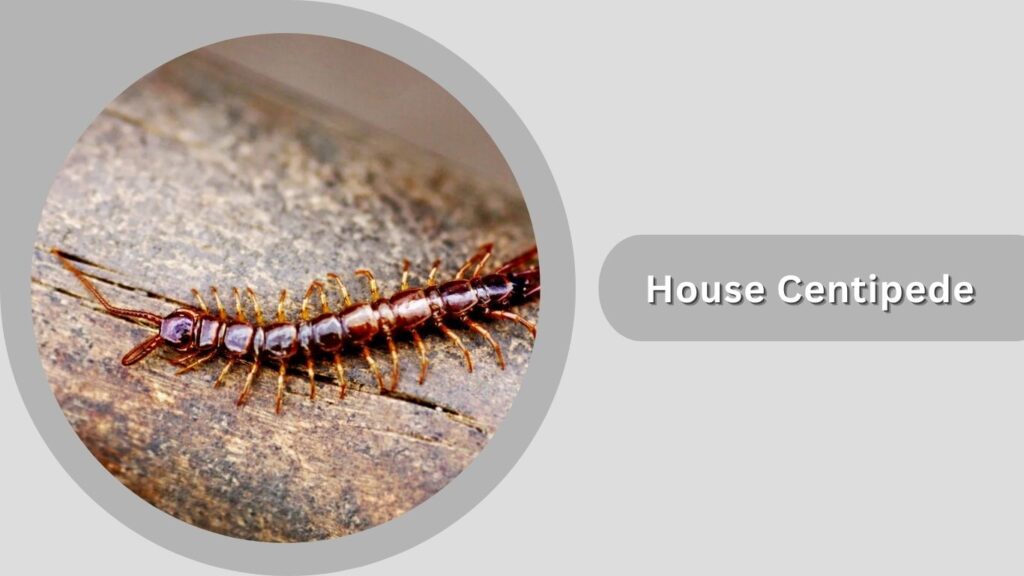
House centipedes are fast-moving arthropods often found indoors, especially in damp areas like basements and bathrooms. Their many long legs and thin body make them one of the most common creatures mistaken for other centipede-like bugs. Unlike harmless millipedes, house centipedes are active predators that hunt insects and small pests inside homes.
Identification
- Long flattened body
- Usually yellowish-gray or brown
- Very long thin legs
- Long antennae
- Fast running movement
- Around 15 pairs of legs
Habitat and Distribution
House centipedes prefer dark and humid environments where insects are plentiful. They commonly hide in bathrooms, basements, garages, laundry rooms, and under sinks. During the night, they become active while hunting prey around walls and floors.
They are found worldwide and adapt well to indoor environments. Warm homes provide ideal shelter, especially during colder seasons or rainy weather.
Behavior and Diet
House centipedes are nocturnal hunters that feed on many common household pests. Their diet includes cockroaches, silverfish, ants, spiders, and small insects. They do not build webs and instead rely on speed to capture prey.
Although their appearance can be frightening, house centipedes are generally harmless to humans. They usually avoid people and quickly run away when disturbed.
House Centipede vs Other Centipede-Like Bugs
House centipedes are often confused with millipedes and silverfish because of their long bodies and quick movement. However, house centipedes have far longer legs and move much faster than millipedes.
Unlike silverfish, house centipedes are predators with venom claws used to catch insects. Their body is also flatter and more segmented compared to the shiny, scale-covered body of silverfish.
4. Soil Centipede
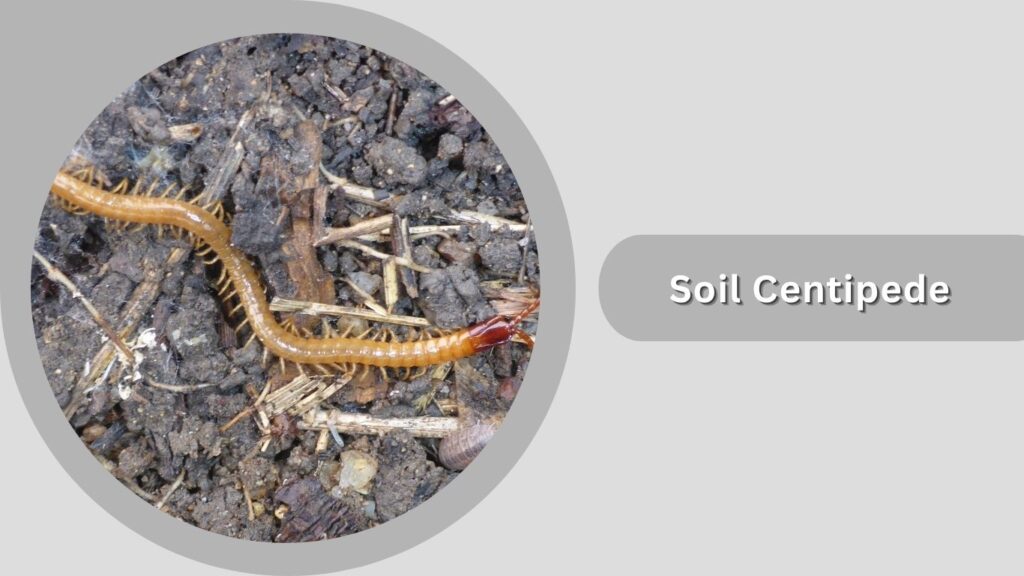
Soil centipedes are underground arthropods that resemble small centipedes because of their long segmented bodies and numerous legs. They usually live beneath soil, leaf litter, or decaying wood where moisture levels remain high. These centipedes are rarely seen indoors because they spend most of their lives hidden underground while hunting tiny insects and worms.
Identification
- Thin worm-like body
- Yellowish or pale brown color
- Many body segments
- Numerous short legs
- Long antennae
- Usually smaller than house centipedes
Habitat and Distribution
Soil centipedes prefer moist underground environments where they can burrow easily. They are commonly found in gardens, forests, compost piles, and beneath rocks or logs. During heavy rain, they may occasionally appear above ground or near home foundations.
These centipedes are found worldwide in damp habitats with rich organic soil. They remain hidden most of the time and are rarely noticed by people.
Behavior and Diet
Soil centipedes are active predators that feed on tiny insects, larvae, worms, and other small soil creatures. They hunt mainly at night and use venom claws to immobilize prey quickly.
Unlike house centipedes, soil centipedes move through underground tunnels rather than climbing walls or ceilings. Their slender bodies help them travel easily through tight spaces beneath the soil surface.
Soil Centipede vs House Centipede
Soil centipedes and house centipedes share similar segmented bodies, but their appearance and behavior differ greatly. Soil centipedes are thinner, smaller, and adapted for underground life.
House centipedes have much longer legs and are commonly seen indoors running across walls and floors. Soil centipedes, however, remain hidden in moist soil and are rarely encountered inside homes.
5. Symphylan
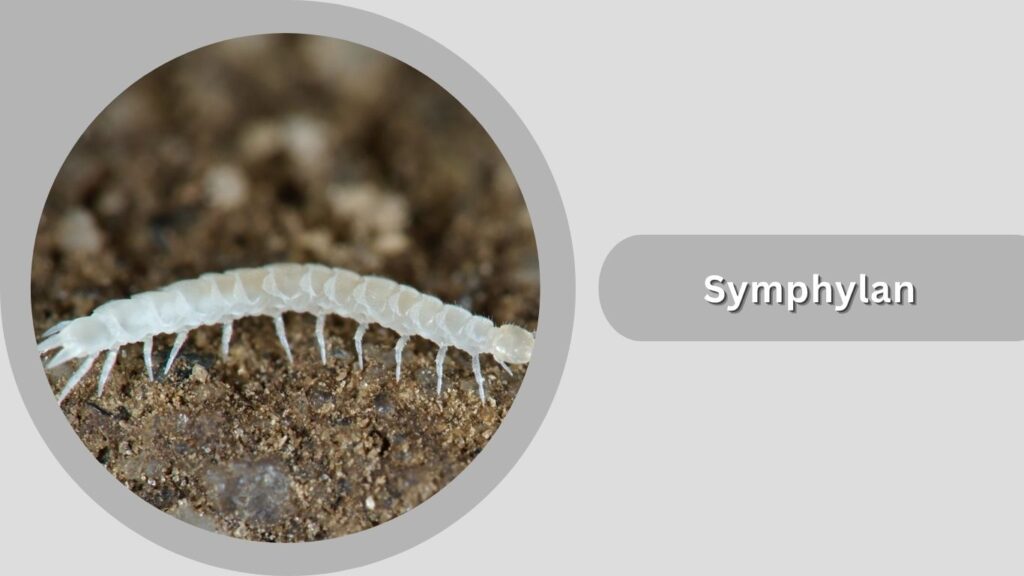
Symphylans are tiny soil-dwelling arthropods that are often mistaken for centipedes because of their long bodies and multiple legs. They are commonly called “garden centipedes,” although they are not true centipedes. These pale creatures live underground and are known for feeding on plant roots and organic material in moist soil environments.
Identification
- Small white or pale yellow body
- Long segmented shape
- Multiple pairs of legs
- Long antennae
- Soft body texture
- Usually less than 1 centimeter long
Habitat and Distribution
Symphylans thrive in damp soil with plenty of organic matter. They are commonly found in gardens, greenhouses, compost piles, and agricultural fields. These tiny arthropods remain hidden beneath the surface during the day and become more active in moist conditions.
They are found in many parts of the world and can become agricultural pests in areas with rich, wet soil. Heavy rainfall may force them closer to the soil surface.
Behavior and Diet
Symphylans feed mainly on decaying organic material, fungi, and tender plant roots. In gardens and farms, large populations may damage crops by chewing on root systems and young seedlings.
Unlike true centipedes, symphylans do not use venom or hunt insects. They move quickly through soil tunnels and avoid sunlight whenever possible.
Symphylan vs Centipede
Symphylans resemble small centipedes because of their segmented bodies and many legs, but they are much smaller and softer-bodied. True centipedes are predators with venom claws, while symphylans feed mostly on roots and organic matter.
Symphylans are also pale in color and live underground almost constantly, whereas many centipedes are darker, larger, and more active hunters above the soil surface.
6. Bristletail
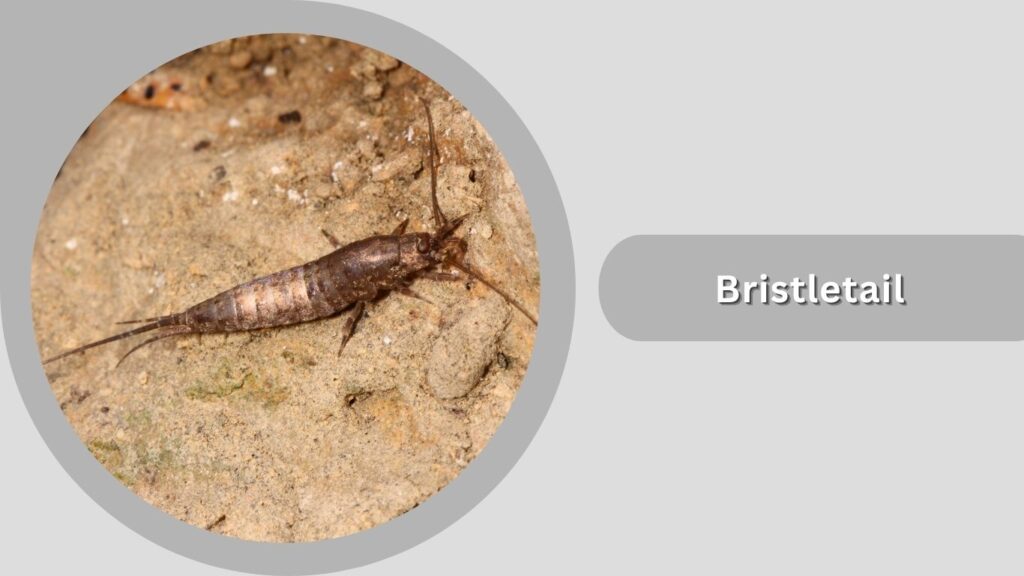
Bristletails are small wingless insects that can easily be confused with centipedes because of their long bodies, fast movement, and tail-like appendages. These primitive insects are closely related to silverfish and are often found outdoors in damp, rocky environments. Their jumping ability and shiny appearance make them unusual among centipede-like bugs.
Identification
- Long slender body
- Gray, brown, or metallic coloration
- Long antennae
- Three tail-like bristles
- Six legs only
- Capable of jumping when disturbed
Habitat and Distribution
Bristletails usually live in moist outdoor habitats where they can hide during the daytime. Common locations include under rocks, tree bark, leaf litter, and near streams or forest floors. Some species may occasionally wander into homes, especially in damp areas.
They are found in many regions around the world and are most active at night when temperatures are cooler and humidity levels are higher.
Behavior and Diet
Bristletails feed mainly on algae, moss, fungi, and decaying organic matter. They are nocturnal insects that avoid sunlight and move quickly when disturbed. Their jumping ability helps them escape predators rapidly.
Unlike centipedes, bristletails do not hunt insects or use venom. They are harmless scavengers that play a small role in breaking down natural organic material in ecosystems.
Bristletail vs Centipede
Bristletails may resemble small centipedes at first glance, but they are very different creatures. Bristletails have only six legs, while centipedes possess many leg pairs along their segmented bodies.
Centipedes are predators equipped with venom claws, whereas bristletails are harmless insects that feed on algae and decaying material. Bristletails are also capable of jumping, a behavior not seen in centipedes.
7. Earwig
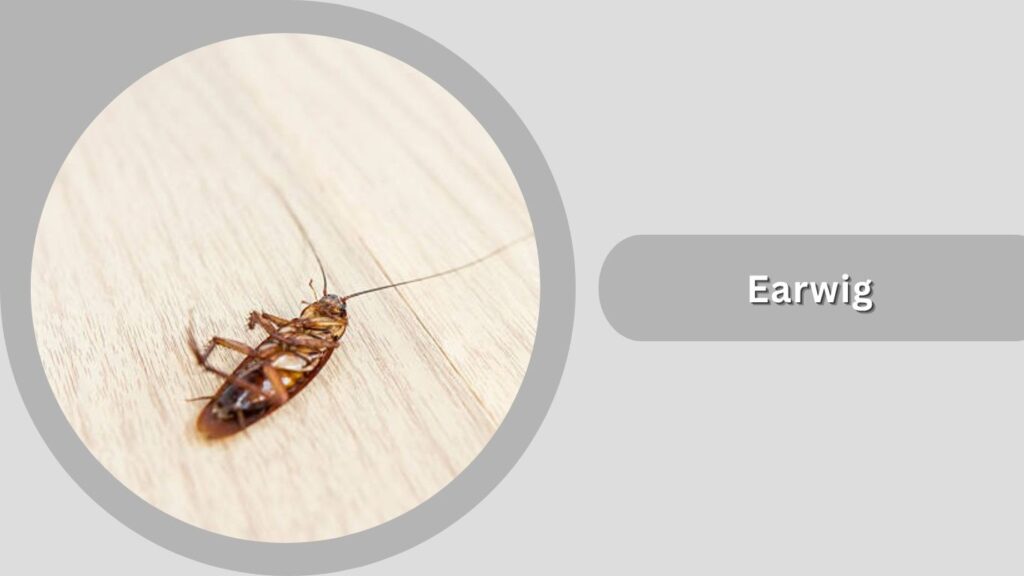
Earwigs are small insects that are sometimes mistaken for centipedes because of their long bodies and quick movements. Their most recognizable feature is the pair of forceps-like pincers at the end of the abdomen. Although their appearance can look intimidating, earwigs are generally harmless to humans and are common in gardens and damp outdoor environments.
Identification
- Long narrow brown body
- Pair of pincers at the rear
- Six legs
- Long antennae
- Smooth segmented appearance
- Usually dark brown or reddish-brown
Habitat and Distribution
Earwigs prefer cool, damp places where they can hide during the daytime. They are commonly found under rocks, mulch, flower pots, logs, and garden debris. During hot or dry weather, they may enter homes searching for moisture and shelter.
These insects are found worldwide and thrive in gardens, forests, farms, and urban environments. They are mostly active at night and avoid bright sunlight.
Behavior and Diet
Earwigs are omnivorous insects that feed on both plants and small insects. Their diet may include leaves, flowers, fungi, decaying organic material, and tiny pests. Some species help control aphids and other garden insects.
When threatened, earwigs raise their rear pincers in a defensive posture. Despite old myths, they do not crawl into human ears and are not dangerous to people.
Earwig vs Centipede
Earwigs and centipedes differ greatly in body structure and behavior. Earwigs have only six legs and distinctive rear pincers, while centipedes possess many leg pairs and venom claws near the head.
Centipedes are fast-moving predators that hunt insects, whereas earwigs are mostly scavengers and plant feeders. Earwigs also have a smoother body and lack the extremely long legs commonly seen in centipedes.
FAQs
What bug is most commonly mistaken for a centipede?
Millipedes are the bugs most commonly mistaken for centipedes because they have long segmented bodies and many legs. However, millipedes move more slowly and are harmless scavengers, while centipedes are faster predators with venom claws.
Are bugs that look like centipedes dangerous?
Most bugs that resemble centipedes are harmless to humans. Creatures like silverfish, bristletails, and earwigs do not bite or sting people. Some true centipedes can bite, but most household species cause only mild symptoms.
What is the difference between a millipede and a centipede?
Millipedes have rounded bodies and two pairs of legs per body segment, while centipedes have flatter bodies with one pair of legs per segment. Centipedes are predators, but millipedes mainly feed on decaying plant material.
Why do centipede-like bugs enter homes?
Many centipede-like bugs enter homes searching for moisture, food, or shelter. Damp areas such as bathrooms, basements, garages, and laundry rooms often attract silverfish, earwigs, and house centipedes because insects and humidity are common there.
Should you remove centipede-like bugs from your house?
Some centipede-like bugs, especially house centipedes, can actually help by eating household pests like ants, spiders, and cockroaches. Others, such as silverfish, may damage books or paper, so removal depends on the species and level of infestation.