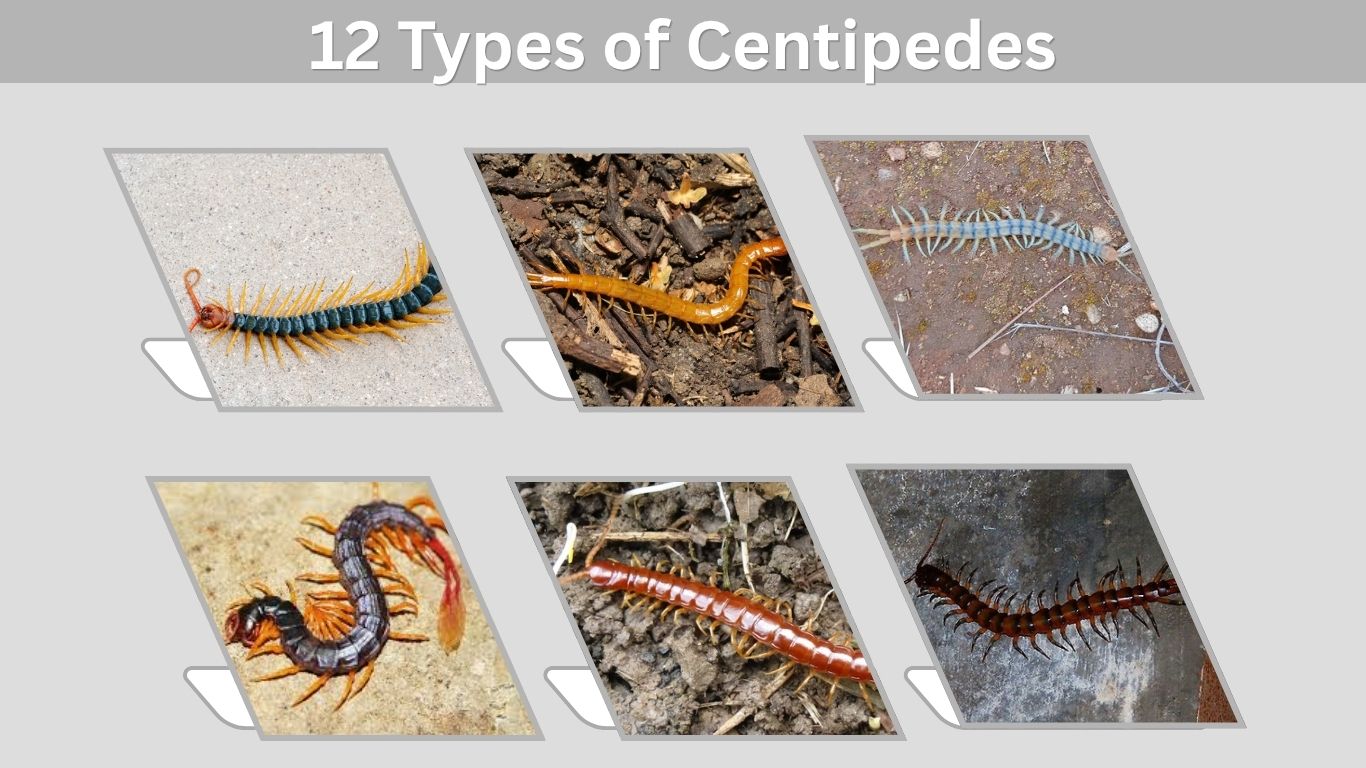
Centipedes are fast-moving arthropods known for their long segmented bodies, numerous legs, and venom claws used for hunting prey. While some species remain small and hidden underground, others grow surprisingly large and powerful in tropical regions. Different types of centipedes vary greatly in color, size, habitat, and behavior. Some are common household hunters, while others live in forests, deserts, and rainforests around the world. Learning about these centipede species helps people identify them more easily and better understand their role as important predators in natural ecosystems.
1. House Centipede
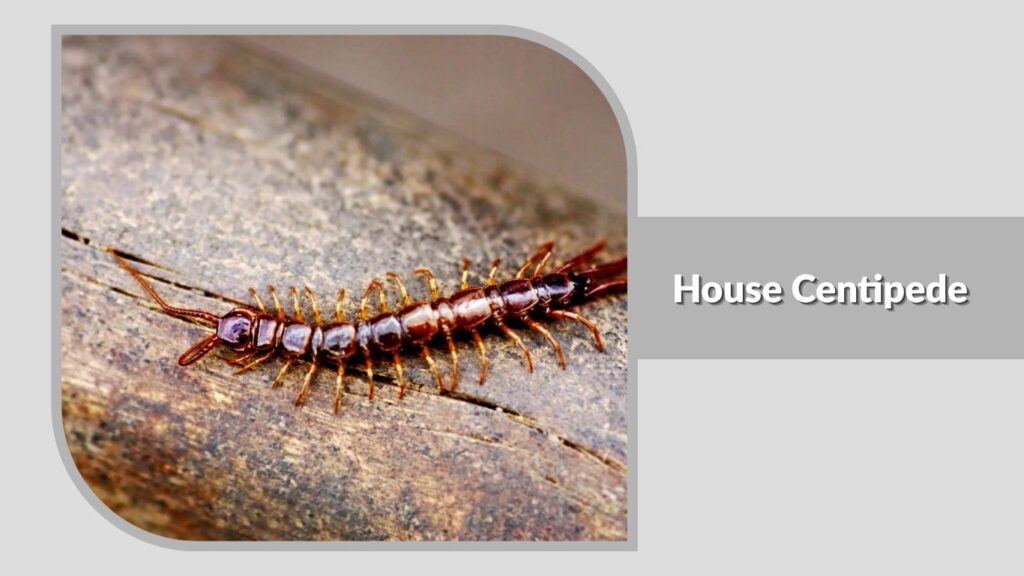
House centipedes are fast-moving arthropods commonly found inside homes, especially in damp areas like basements and bathrooms. They are one of the most recognizable centipede species because of their extremely long legs and quick movements. Although many people find them frightening, house centipedes are beneficial predators that help control insects and other household pests indoors.
Identification
- Long flattened yellowish-gray body
- Around 15 pairs of very long legs
- Long antennae
- Dark stripes along the body
- Fast running movement
- Thin delicate appearance
Habitat and Distribution
House centipedes prefer dark and humid environments where insects are plentiful. They are commonly found in bathrooms, basements, garages, laundry rooms, and under sinks. During the daytime, they usually hide in cracks, corners, or behind furniture.
This species is found worldwide and adapts very well to indoor living. Warm homes provide ideal shelter, especially during cold weather or rainy seasons when outdoor conditions become unfavorable.
Behavior and Diet
House centipedes are nocturnal hunters that actively chase prey rather than building webs. Their diet includes cockroaches, silverfish, ants, spiders, termites, and other small household insects.
They rely on speed and venom claws to capture prey quickly. Despite their scary appearance, house centipedes are shy and usually avoid human contact whenever possible.
Are House Centipedes Dangerous?
House centipedes are generally harmless to humans. Although they can bite, bites are rare and usually cause only mild pain or temporary irritation. These centipedes are more interested in hunting insects than interacting with people.
Many homeowners tolerate house centipedes because they naturally reduce populations of unwanted pests inside homes.
2. Giant Desert Centipede
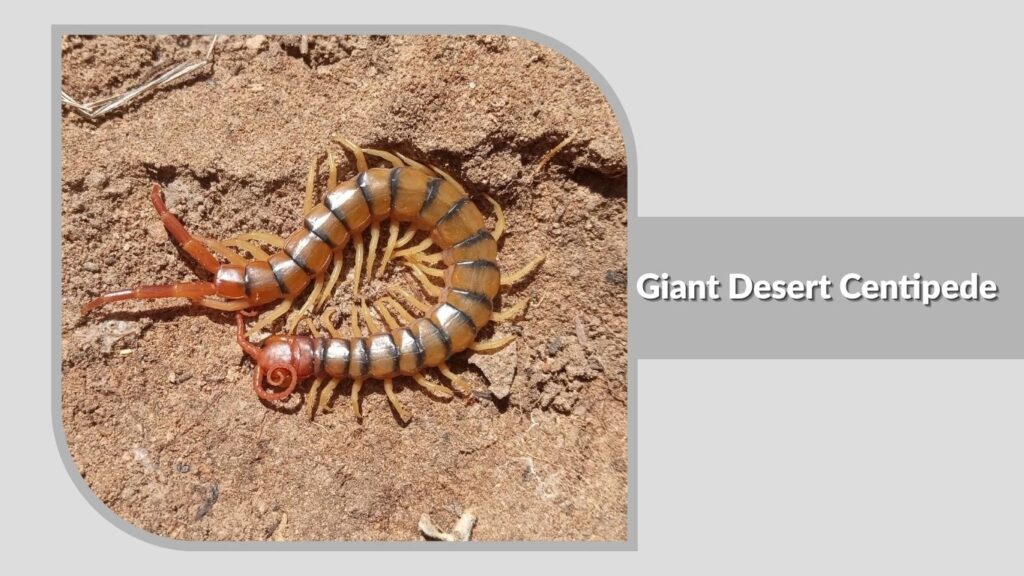
The giant desert centipede is one of the largest and most intimidating centipede species found in North America. Known for its powerful venom claws and fast movements, this species lives mainly in dry desert regions. Its large size and bright coloration make it easy to recognize. Although it can deliver a painful bite, it usually avoids humans unless threatened.
Identification
- Large reddish-brown body
- Black or dark blue segments
- Yellow or orange legs
- Long antennae
- Flattened segmented appearance
- Can grow over 8 inches long
Habitat and Distribution
Giant desert centipedes are commonly found in deserts, rocky landscapes, grasslands, and dry forests. They prefer hiding under rocks, logs, and debris during the daytime to avoid heat and dehydration.
This species is widely distributed across the southwestern United States and parts of Mexico. They become more active at night when temperatures are cooler and prey is easier to hunt.
Behavior and Diet
Giant desert centipedes are aggressive nocturnal predators that feed on insects, spiders, lizards, frogs, and even small rodents. They use strong venom claws to immobilize prey before feeding.
Unlike house centipedes, these centipedes are much larger and more powerful. They move quickly and can climb rough surfaces while hunting in rocky environments.
Are Giant Desert Centipedes Dangerous?
The bite of a giant desert centipede can be very painful because of its stronger venom and larger claws. Symptoms may include swelling, redness, burning pain, and temporary numbness.
However, bites are rarely life-threatening to healthy adults. Most encounters happen when the centipede is accidentally handled or disturbed while hiding.
3. Tiger Centipede
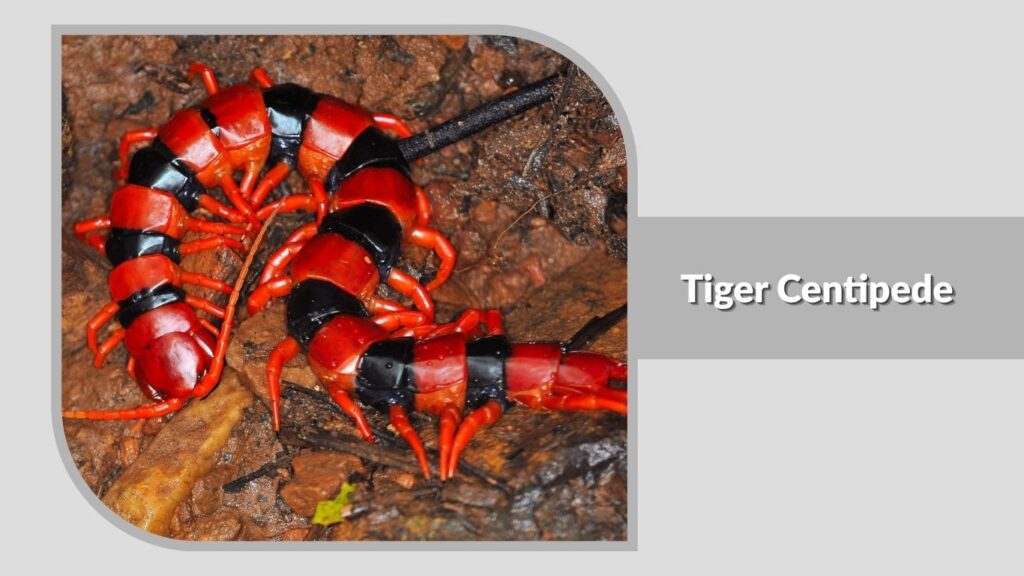
Tiger centipedes are colorful predatory centipedes known for their striped bodies and fast hunting behavior. Their bold patterns and large size make them one of the more striking centipede species. These centipedes are active nighttime hunters that feed on insects and other small creatures. Although they may look dangerous, they usually avoid people unless disturbed.
Identification
- Dark body with striped markings
- Yellow or orange legs
- Long segmented body
- Large curved venom claws
- Fast-moving predator
- Usually 4 to 7 inches long
Habitat and Distribution
Tiger centipedes prefer warm and humid habitats where prey is abundant. They commonly live under logs, stones, leaf litter, and forest debris. Some species may also hide in gardens, compost piles, or damp outdoor structures.
They are found in tropical and subtropical regions across Asia, Africa, and parts of the Americas. These centipedes are mostly nocturnal and remain hidden during the daytime.
Behavior and Diet
Tiger centipedes are aggressive hunters that rely on speed and venom to capture prey. Their diet includes insects, spiders, worms, and other small arthropods. Larger individuals may even attack tiny reptiles or amphibians.
Unlike millipedes, tiger centipedes are active predators rather than scavengers. They move rapidly and use their venom claws to paralyze prey before feeding.
Are Tiger Centipedes Dangerous?
Tiger centipedes can deliver painful bites if handled or threatened. Their venom may cause burning pain, swelling, redness, and temporary numbness around the bite area.
Although the bite is painful, serious medical complications are uncommon in healthy adults. Most tiger centipedes prefer escaping rather than confronting humans directly.
4. Soil Centipede
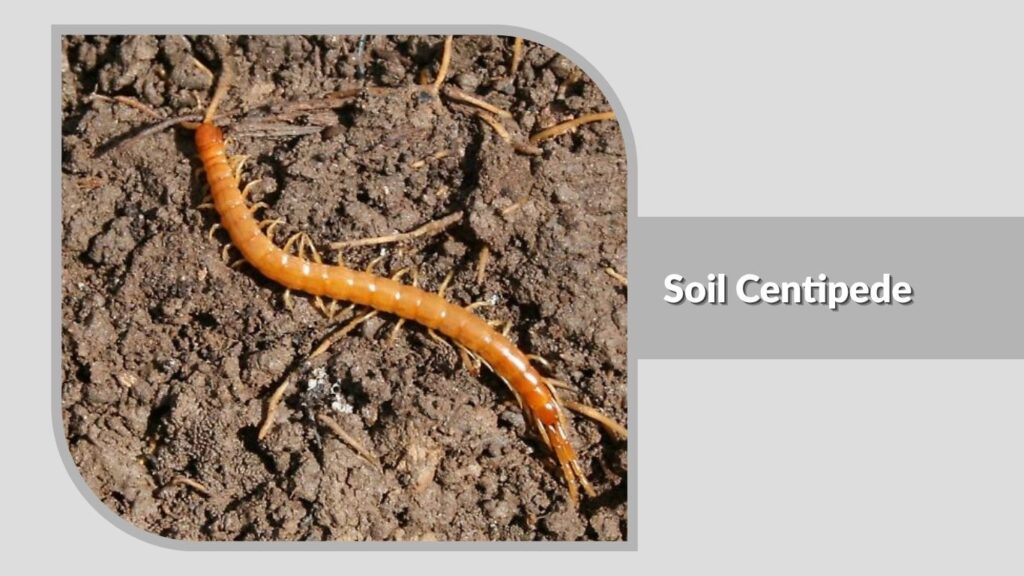
Soil centipedes are thin underground centipedes that spend most of their lives hidden beneath soil and leaf litter. Their worm-like bodies and numerous legs make them easy to confuse with other small centipede-like creatures. Unlike larger centipedes commonly seen indoors, soil centipedes remain underground where they hunt tiny insects and other small invertebrates.
Identification
- Thin elongated body
- Pale yellow or light brown color
- Numerous short legs
- Long antennae
- Flattened segmented appearance
- Usually small in size
Habitat and Distribution
Soil centipedes thrive in moist underground environments rich in organic matter. They are commonly found beneath rocks, logs, compost piles, leaf litter, and garden soil. Heavy rain may sometimes force them closer to the surface.
These centipedes are distributed worldwide and are especially common in forests, gardens, and damp natural habitats. They avoid dry environments because moisture is important for their survival.
Behavior and Diet
Soil centipedes are nocturnal predators that feed on tiny insects, worms, larvae, and other small soil organisms. They use venom claws to paralyze prey quickly before feeding.
Unlike house centipedes, soil centipedes rarely enter homes and spend nearly all their time underground. Their slender bodies help them move easily through narrow tunnels in moist soil.
Are Soil Centipedes Dangerous?
Soil centipedes are generally harmless to humans because of their small size and weak venom. Most species are too tiny to bite human skin effectively.
Even if handled, they usually attempt to escape rather than defend themselves aggressively. Their ecological role mainly involves controlling small underground pests and helping maintain soil balance.
5. Stone Centipede
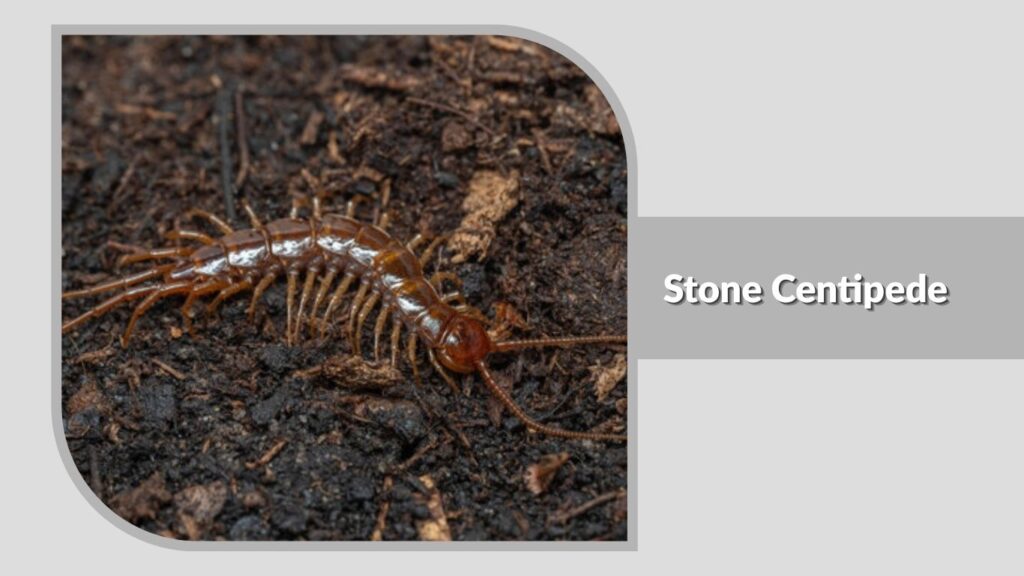
Stone centipedes are small fast-moving centipedes commonly found beneath rocks, logs, and damp debris. They are named for their habit of hiding under stones during the daytime. These centipedes are active predators that hunt tiny insects and other small creatures in moist environments. Their flattened bodies help them squeeze into narrow hiding spaces easily.
Identification
- Flattened reddish-brown body
- Numerous pairs of legs
- Long antennae
- Fast crawling movement
- Small to medium body size
- Segmented appearance
Habitat and Distribution
Stone centipedes prefer cool and damp habitats where they can remain hidden from sunlight. They are commonly found under rocks, fallen logs, bark, leaf litter, and garden debris. Moist soil and shaded environments are ideal for their survival.
They are widely distributed across forests, grasslands, gardens, and woodland habitats around the world. Some species may occasionally wander into basements or crawl spaces during wet weather.
Behavior and Diet
Stone centipedes are nocturnal hunters that feed on insects, larvae, worms, and other tiny invertebrates. They use venom claws to capture prey quickly before consuming it.
Unlike millipedes, stone centipedes are active predators rather than scavengers. They move rapidly and rely on speed to hunt within leaf litter and moist ground environments.
Are Stone Centipedes Dangerous?
Stone centipedes are generally harmless to humans because most species are small and not aggressive. Their venom is mainly designed for tiny prey and usually has little effect on people.
If handled carelessly, some larger species may attempt to bite, but symptoms are typically mild and temporary. Most stone centipedes prefer hiding or escaping instead of defending themselves aggressively.
6. Amazonian Giant Centipede
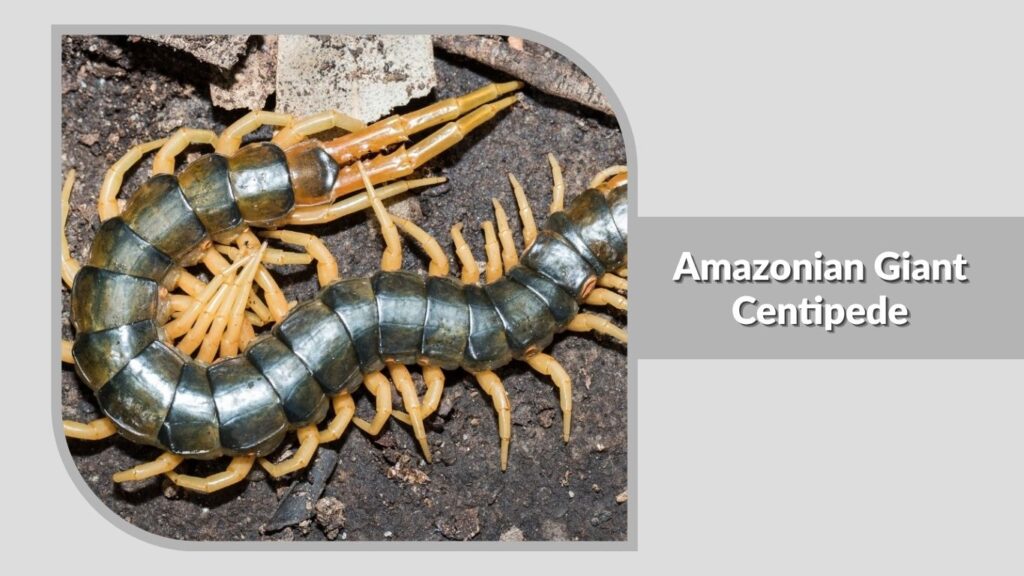
The Amazonian giant centipede is one of the largest centipede species in the world. Known for its impressive size and powerful venom claws, this predator lives in tropical rainforests and hunts a wide variety of prey. Its aggressive hunting style and large body make it one of the most feared centipedes in South America.
Identification
- Very large reddish-brown body
- Yellow or orange legs
- Thick segmented appearance
- Large venom claws near the head
- Long sensitive antennae
- Can grow over 12 inches long
Habitat and Distribution
Amazonian giant centipedes live in humid tropical rainforests where moisture levels remain high throughout the year. They commonly hide beneath logs, rocks, leaf litter, and decaying wood during the daytime.
This species is mainly found in South America, especially within the Amazon rainforest region. Warm temperatures and abundant prey make tropical forests ideal environments for these giant predators.
Behavior and Diet
Amazonian giant centipedes are aggressive nocturnal hunters that feed on insects, spiders, frogs, lizards, rodents, and even small birds or bats. They use strong venom claws to immobilize prey before feeding.
Unlike smaller centipedes, this species is capable of overpowering surprisingly large animals. Its speed and powerful bite make it an effective rainforest predator.
Are Amazonian Giant Centipedes Dangerous?
The bite of an Amazonian giant centipede can be extremely painful because of its strong venom and large claws. Symptoms may include intense burning pain, swelling, fever, and temporary weakness.
Although bites are rarely fatal to healthy adults, they can cause severe discomfort and may require medical attention. These centipedes usually bite only when threatened or handled carelessly.
7. Vietnamese Centipede
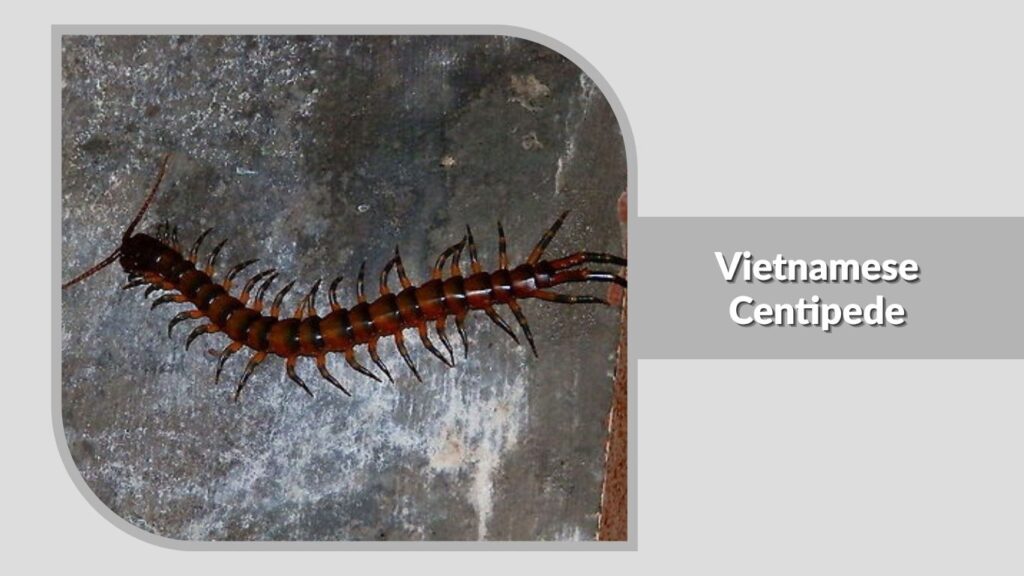
The Vietnamese centipede is a large tropical centipede known for its powerful venom and aggressive hunting behavior. It is popular in the exotic pet trade because of its striking colors and impressive size. This species moves quickly and is considered one of the more defensive centipedes when disturbed, making it both fascinating and intimidating to many people.
Identification
- Dark brown or black body
- Orange or reddish legs
- Large curved venom claws
- Long segmented appearance
- Thick antennae
- Can grow up to 8 inches long
Habitat and Distribution
Vietnamese centipedes prefer warm and humid tropical environments where moisture levels stay high. They are commonly found beneath logs, rocks, leaf litter, and forest debris during the daytime.
This species is mainly distributed across Vietnam and other parts of Southeast Asia. They thrive in rainforests, jungle habitats, and moist outdoor environments with abundant prey.
Behavior and Diet
Vietnamese centipedes are aggressive nocturnal predators that hunt insects, spiders, worms, small reptiles, and other tiny animals. They rely on speed and venom to overpower prey quickly.
Unlike slower arthropods, these centipedes are highly active hunters that move rapidly when searching for food. Their defensive behavior makes them more likely to stand their ground if threatened.
Are Vietnamese Centipedes Dangerous?
Vietnamese centipedes can deliver painful bites because of their strong venom and large forcipules. Symptoms often include intense pain, swelling, redness, and temporary numbness.
Although bites are rarely fatal, they can cause severe discomfort and should be treated carefully. Most bites occur when the centipede is handled or disturbed unexpectedly.
8. Bark Centipede
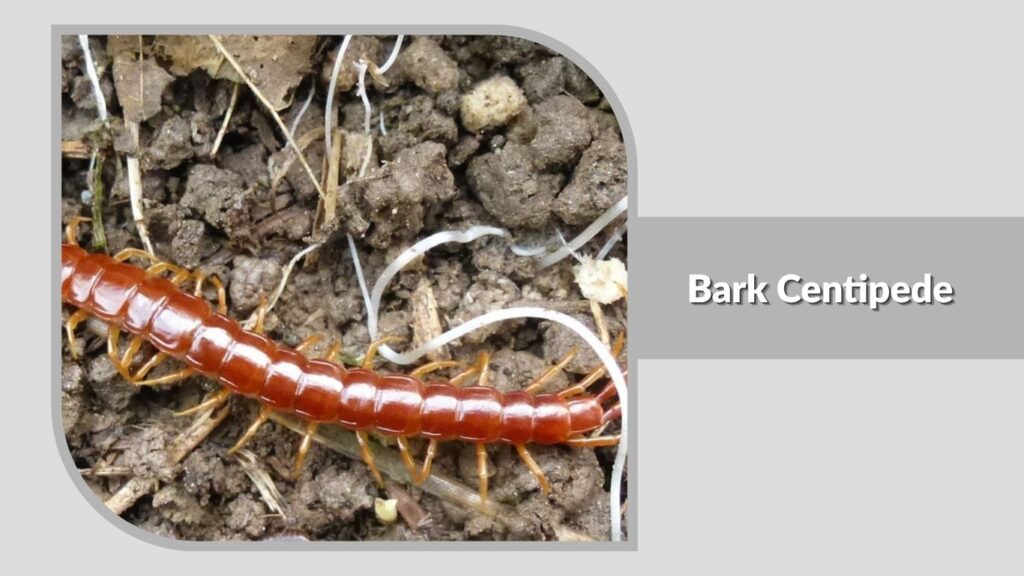
Bark centipedes are small predatory centipedes commonly found hiding beneath tree bark and decaying wood. Their flattened bodies allow them to move easily through narrow crevices while searching for prey. Although they are not as large as giant tropical centipedes, bark centipedes are fast hunters that play an important role in forest ecosystems.
Identification
- Flattened brown or reddish body
- Numerous pairs of legs
- Long antennae
- Slim segmented appearance
- Fast crawling movement
- Usually small to medium in size
Habitat and Distribution
Bark centipedes thrive in moist woodland habitats with plenty of rotting wood and leaf litter. They are commonly found beneath loose bark, logs, stones, and damp forest debris where insects are abundant.
These centipedes are widely distributed in forests and wooded regions around the world. Some species may also appear in gardens or parks with damp organic material.
Behavior and Diet
Bark centipedes are nocturnal predators that hunt tiny insects, larvae, spiders, and other small invertebrates hiding within bark and leaf litter. They use venom claws to quickly subdue prey before feeding.
Unlike house centipedes, bark centipedes spend most of their lives outdoors and rarely enter homes. Their flattened bodies help them squeeze through narrow spaces beneath bark and wood surfaces.
Are Bark Centipedes Dangerous?
Most bark centipedes are harmless to humans because of their relatively small size and weak venom. They generally avoid people and attempt to hide when disturbed.
Larger species may bite if handled carelessly, but symptoms are usually limited to mild pain and temporary irritation. Their main role is controlling small insect populations within forest habitats.
9. Feather-Tail Centipede
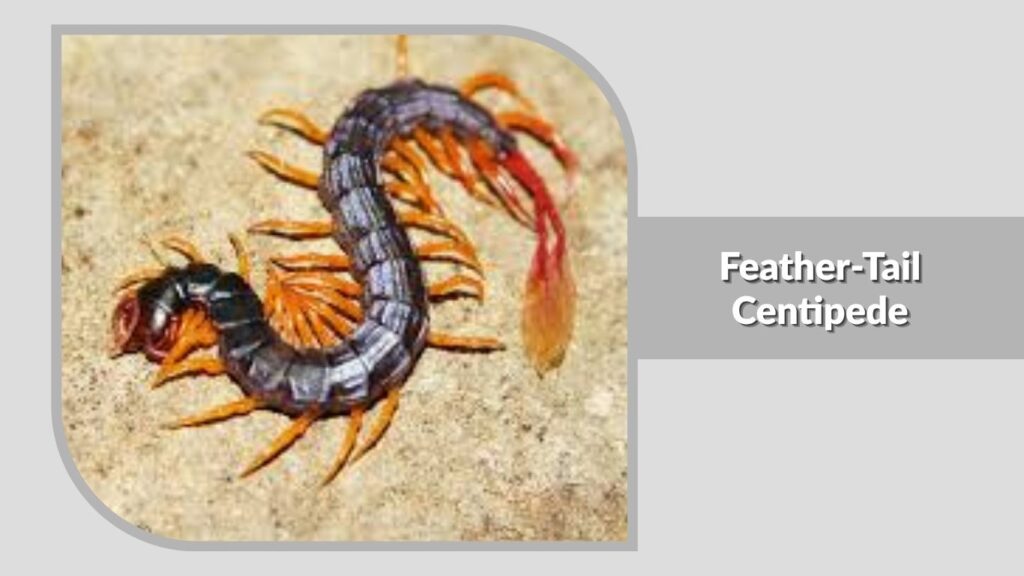
Feather-tail centipedes are unusual centipedes recognized for the fine hair-like structures near the end of their bodies. These small arthropods are rarely seen because they spend most of their time hidden in moist environments. Their delicate appearance and numerous legs often make them resemble tiny worm-like insects or miniature centipedes.
Identification
- Thin elongated body
- Pale brown or yellow coloration
- Numerous tiny legs
- Feather-like tail structures
- Long antennae
- Small and delicate appearance
Habitat and Distribution
Feather-tail centipedes prefer moist habitats with plenty of organic matter. They commonly live beneath logs, stones, bark, and leaf litter where humidity remains high. Some species may also inhabit caves, forest floors, and damp soil.
These centipedes are found in tropical and temperate regions worldwide. Because they hide well and remain active mostly at night, they are not commonly encountered by people.
Behavior and Diet
Feather-tail centipedes are nocturnal hunters that feed on tiny insects, larvae, mites, and other small invertebrates. Their slender bodies allow them to move easily through narrow cracks and moist debris while searching for prey.
Unlike larger aggressive centipedes, feather-tail species are usually shy and avoid confrontation. They rely on stealth and quick movement rather than size or strength during hunting.
Are Feather-Tail Centipedes Dangerous?
Feather-tail centipedes are generally harmless to humans because of their tiny size and weak venom. Most species are too small to bite human skin effectively.
Even when disturbed, they usually try to escape instead of defending themselves aggressively. Their ecological role mainly involves controlling small insect populations in damp natural habitats.
10. Electric Blue Centipede
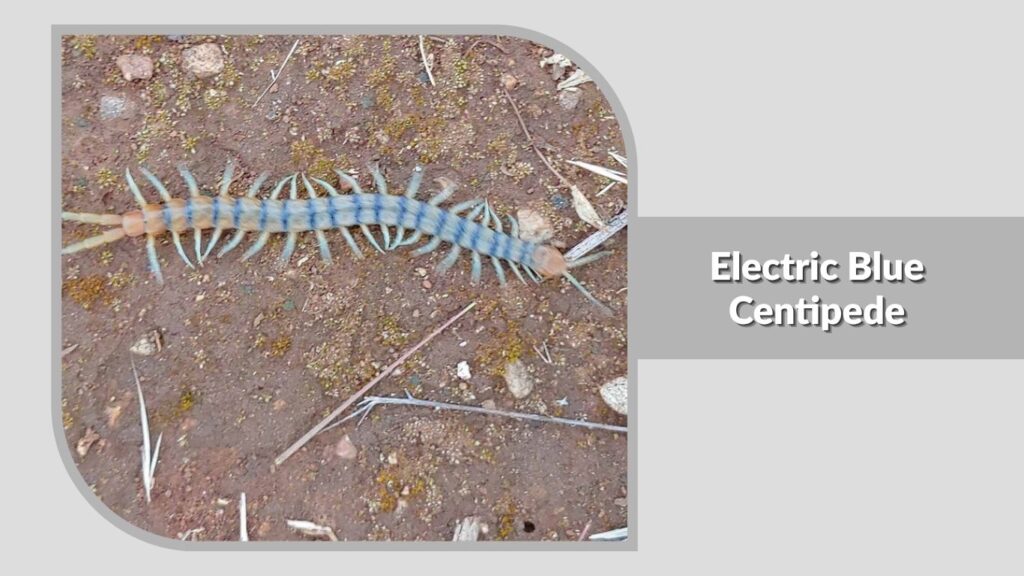
The electric blue centipede is a striking tropical species famous for its bright metallic blue coloration. Its unusual appearance makes it popular among exotic pet enthusiasts and centipede collectors. Despite its beautiful colors, this centipede is an aggressive predator with venom claws used to capture prey quickly in humid tropical habitats.
Identification
- Bright metallic blue body
- Dark blue or purple legs
- Long segmented appearance
- Large venom claws
- Long antennae
- Medium to large body size
Habitat and Distribution
Electric blue centipedes prefer warm tropical forests with high humidity and abundant shelter. They are commonly found beneath logs, rocks, bark, and moist leaf litter where insects are plentiful.
This species is mainly distributed in Southeast Asian tropical regions. Dense forests and humid environments provide ideal conditions for survival and hunting activities.
Behavior and Diet
Electric blue centipedes are nocturnal hunters that feed on insects, spiders, worms, and other small invertebrates. They rely on speed and venom to immobilize prey before feeding.
Unlike slower arthropods, these centipedes are highly active and defensive when threatened. Their vivid coloration may also serve as a warning signal to predators in the wild.
Are Electric Blue Centipedes Dangerous?
Electric blue centipedes can deliver painful bites because of their venom and strong forcipules. Symptoms may include swelling, redness, burning pain, and temporary numbness around the bite area.
Although bites are rarely life-threatening, they can cause significant discomfort. Most encounters become dangerous only when the centipede is handled or disturbed carelessly.
11. Red-Headed Centipede
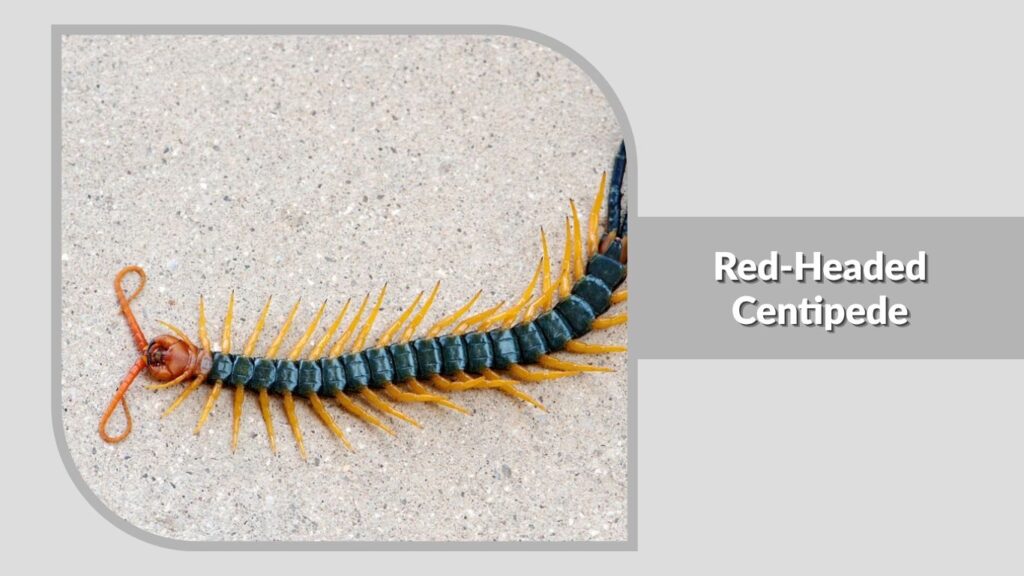
The red-headed centipede is a large and colorful centipede species known for its bright red head and dark body. It is one of the most recognizable centipedes in North America because of its bold appearance and impressive size. These centipedes are fast-moving nocturnal predators that use venom claws to capture prey in dry and humid environments.
Identification
- Bright red or orange head
- Dark blue, black, or brown body
- Yellow or orange legs
- Long segmented body
- Large venom claws
- Can grow over 8 inches long
Habitat and Distribution
Red-headed centipedes are commonly found in deserts, grasslands, forests, and rocky areas. They usually hide beneath logs, stones, bark, and debris during the daytime to avoid heat and predators.
This species is widely distributed across the southern United States and parts of Mexico. Warm climates and abundant prey help support healthy populations in these regions.
Behavior and Diet
Red-headed centipedes are aggressive nocturnal hunters that feed on insects, spiders, lizards, frogs, and other small animals. They rely on speed and venom to overpower prey quickly before feeding.
Unlike millipedes or harmless soil arthropods, red-headed centipedes are active predators with strong defensive instincts. They may raise the front part of their bodies when threatened.
Are Red-Headed Centipedes Dangerous?
Red-headed centipedes can deliver painful bites that may cause swelling, redness, burning pain, and temporary numbness. Their venom is stronger than that of small household centipedes.
Although bites are rarely fatal to healthy adults, they can be extremely uncomfortable and may require medical attention if severe reactions occur. Most bites happen when the centipede is handled or accidentally disturbed.
12. Cryptops Centipede
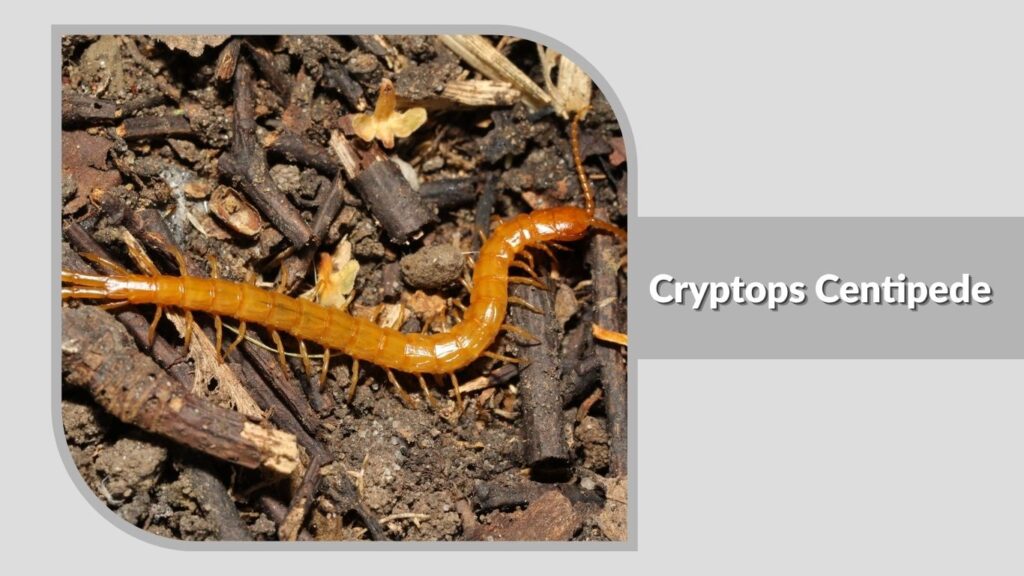
Cryptops centipedes are small to medium-sized centipedes known for their flattened bodies and secretive behavior. They are commonly found hiding under rocks, logs, bark, and leaf litter in damp environments. Unlike larger tropical centipedes, Cryptops species are less noticeable but are still active predators that hunt insects and other tiny invertebrates.
Identification
- Flattened brown or reddish body
- Medium-length antennae
- Numerous pairs of legs
- Smooth segmented appearance
- Fast crawling movement
- Smaller size compared to giant centipedes
Habitat and Distribution
Cryptops centipedes thrive in moist habitats where they can remain hidden during the daytime. They are commonly found beneath stones, decaying wood, compost piles, and damp forest debris.
These centipedes are distributed widely across Europe, North America, Asia, and other temperate regions. Some species may occasionally enter basements or crawl spaces while searching for moisture and prey.
Behavior and Diet
Cryptops centipedes are nocturnal predators that hunt insects, larvae, worms, spiders, and other small invertebrates. They use venom claws to quickly immobilize prey before feeding.
Unlike giant aggressive centipedes, Cryptops species are usually shy and spend most of their time hidden. Their flattened bodies help them move easily through narrow cracks and underground spaces.
Are Cryptops Centipedes Dangerous?
Cryptops centipedes are generally not dangerous to humans because of their smaller size and mild venom. Some species may bite if handled, but symptoms are usually limited to temporary pain and mild swelling.
Most Cryptops centipedes avoid human contact and prefer escaping when disturbed. Their main ecological role is helping control small insect populations in moist environments.
FAQs
What is the most common type of centipede found in homes?
The house centipede is the most common centipede found indoors. It prefers damp areas such as basements, bathrooms, and laundry rooms where insects are plentiful. House centipedes help control pests like cockroaches, silverfish, and spiders inside homes.
Are all centipedes venomous?
Yes, all centipedes are venomous predators that use venom claws called forcipules to capture prey. However, most species are harmless to humans and cause only mild pain or irritation if they bite.
Which centipede species is the largest?
The Amazonian giant centipede is considered one of the largest centipede species in the world. Some individuals can grow over 12 inches long and are capable of hunting frogs, lizards, rodents, and other small animals.
Are centipede bites dangerous to humans?
Most centipede bites are not dangerous and cause only temporary pain, swelling, or redness. Larger tropical species may produce more painful bites, but serious medical complications are uncommon in healthy adults.
Why do centipedes enter homes?
Centipedes enter homes searching for food, moisture, and shelter. Damp indoor spaces often attract insects, which also attract centipedes. Bathrooms, basements, garages, and crawl spaces are common hiding areas for household centipede species.