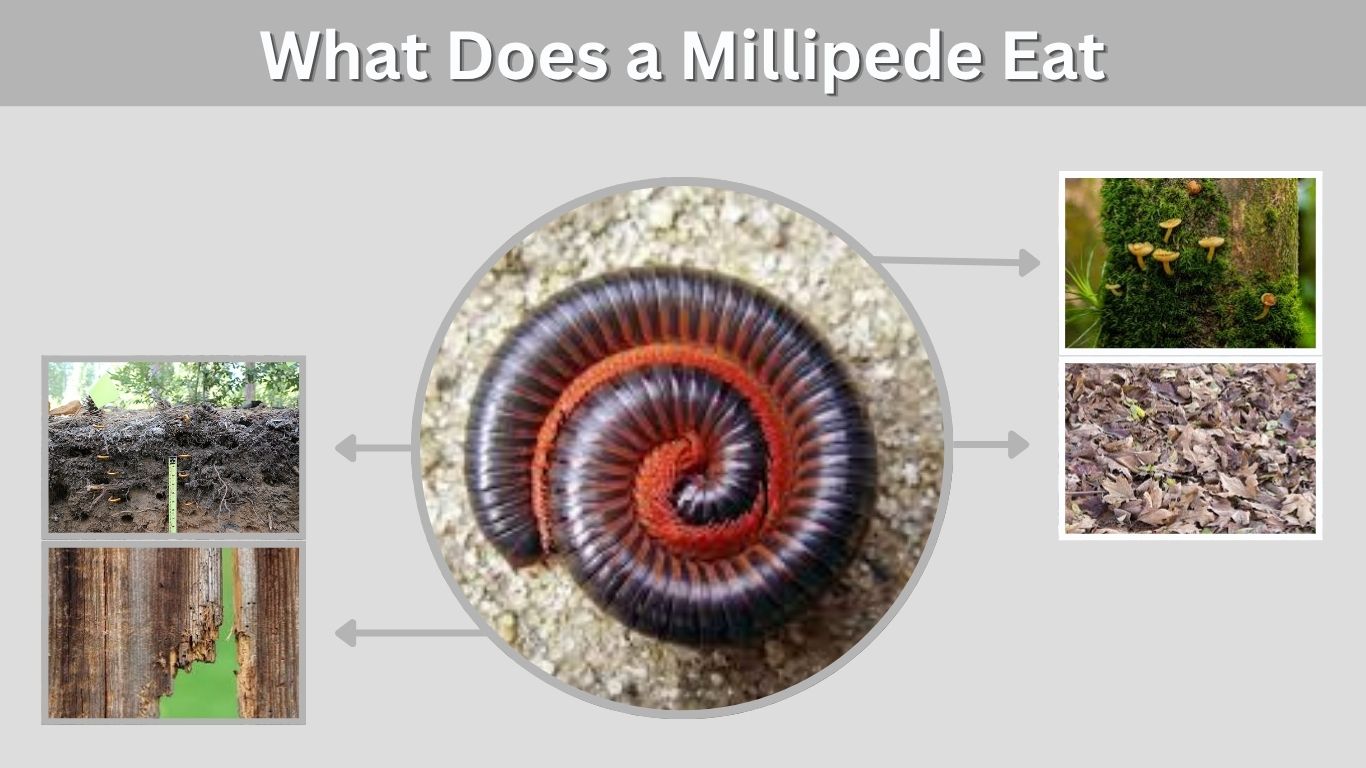
Millipedes are slow-moving arthropods commonly found in gardens, forests, and damp outdoor environments. Many people search for what millipedes eat because these creatures are often seen crawling through leaf litter or soil after rain. Unlike predators, millipedes mainly feed on decaying organic matter that helps recycle nutrients back into the environment. Their diet can vary slightly depending on the species, including giant millipedes and colorful dragon millipedes often kept as pets by insect and invertebrate enthusiasts.
Millipedes play an important role in nature by breaking down dead plant material and improving soil quality. Pet millipedes also require proper food and moisture to remain healthy in captivity. Understanding their feeding habits helps owners create better habitats and care routines for these unique creatures.
What Do Millipedes Eat?
Millipedes mainly feed on decaying organic matter found on the forest floor and in moist environments. They are known as detritivores because they consume dead plant material instead of hunting live prey. Their feeding habits help recycle nutrients and support healthy ecosystems in forests, gardens, and wetlands.
Main Foods Millipedes Eat
- Decaying leaves
- Rotten wood
- Moss and fungi
- Dead plant material
- Soft fruits and vegetables
Why Millipedes Prefer Decaying Matter
Decaying material is softer and easier for millipedes to digest than fresh plants. Rotten leaves and wood also contain moisture, which is important because millipedes dry out easily. By feeding on decomposing material, they help break down waste and return nutrients to the soil.
Are Millipedes Herbivores or Detritivores?
Millipedes are mainly detritivores rather than true herbivores. Instead of feeding on healthy plants, they usually eat dead or rotting material already found in the environment. This feeding behavior makes them valuable decomposers in natural ecosystems.
What Do Millipedes Eat in the Wild?
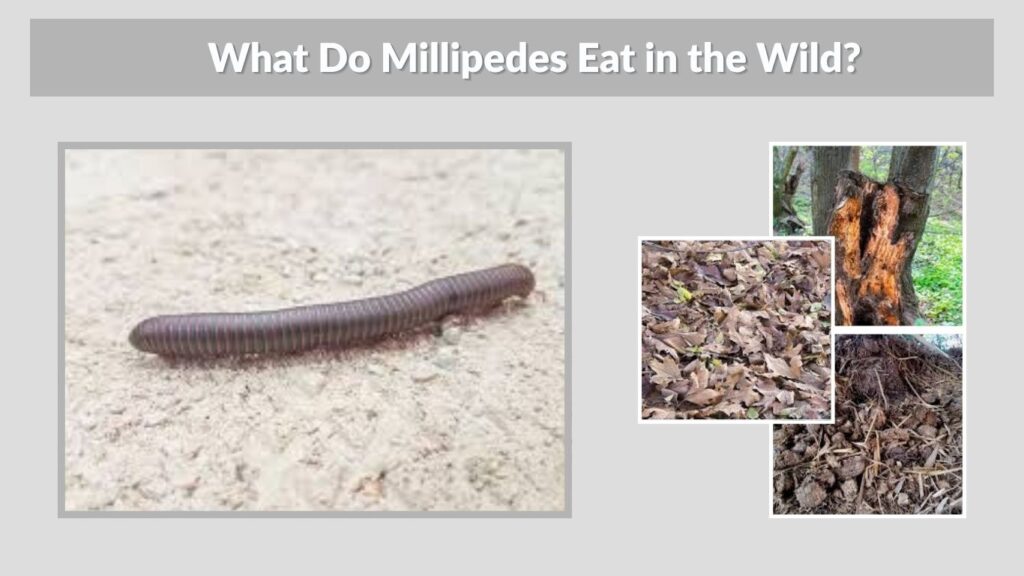
Wild millipedes spend most of their time hiding in damp soil, leaf litter, or rotting logs where food is plentiful. Their diet depends heavily on the environment around them. Forests and gardens provide plenty of decaying plant matter that supports healthy millipede populations.
Forest Floor Food Sources
- Leaf litter
- Bark and rotten wood
- Dead flowers and plants
- Organic debris
- Fungi growing in moist soil
Do Millipedes Eat Living Plants?
Most millipedes prefer dead plant matter instead of healthy living plants. However, some species may occasionally nibble on soft roots, seedlings, or overripe fruits if decaying food is limited. In gardens, they are usually considered harmless decomposers rather than major pests.
Seasonal Feeding Habits
Millipedes become more active during wet and humid conditions because moisture helps protect their bodies from drying out. During dry periods, they often hide underground or beneath logs where humidity remains higher and food sources stay moist.
What Do Pet Millipedes Eat?
Pet millipedes require a moist diet similar to the foods they eat in the wild. Owners should provide organic plant matter along with fresh vegetables and occasional fruit slices. Maintaining proper humidity is just as important as feeding because millipedes absorb moisture from their surroundings.
Best Foods for Pet Millipedes
- Leaf litter from pesticide-free areas
- Cucumber slices
- Carrots
- Mushrooms
- Zucchini and squash
Foods to Avoid
Pet millipedes should not eat salty foods, processed snacks, citrus fruits, or heavily seasoned vegetables. Dry foods without moisture are also unsuitable because millipedes depend on damp environments to survive and digest food properly.
How Often Should You Feed a Millipede?
Most pet millipedes can be fed several times each week. Small portions of vegetables or leaf litter should remain available while old food is removed before mold develops. Fresh moisture and clean substrate are important parts of healthy feeding routines.
What Do Giant Millipedes Eat?
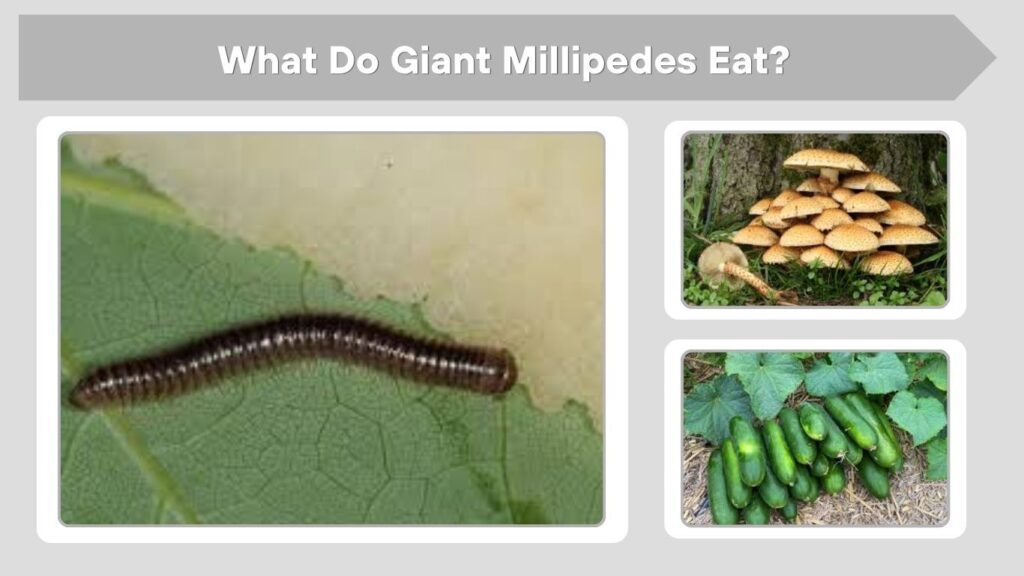
Giant millipedes have diets very similar to smaller species but usually consume larger amounts of food because of their size. These large invertebrates are popular pets because they are calm, easy to care for, and interesting to observe in naturalistic enclosures.
African Giant Millipede Diet
- Decaying wood
- Leaf litter
- Mushrooms
- Soft vegetables
- Calcium-rich foods
How Giant Millipedes Find Food
Giant millipedes use their antennae to explore the environment and locate food sources. They are mostly active at night and slowly move through the substrate searching for moist organic material to consume.
Feeding Tips for Giant Millipedes
Owners should provide damp substrate, rotting wood, and fresh vegetables regularly. Calcium sources such as cuttlebone may also support healthy exoskeleton development. Pesticide-free foods are important because chemicals can seriously harm millipedes.
What Do Dragon Millipedes Eat?
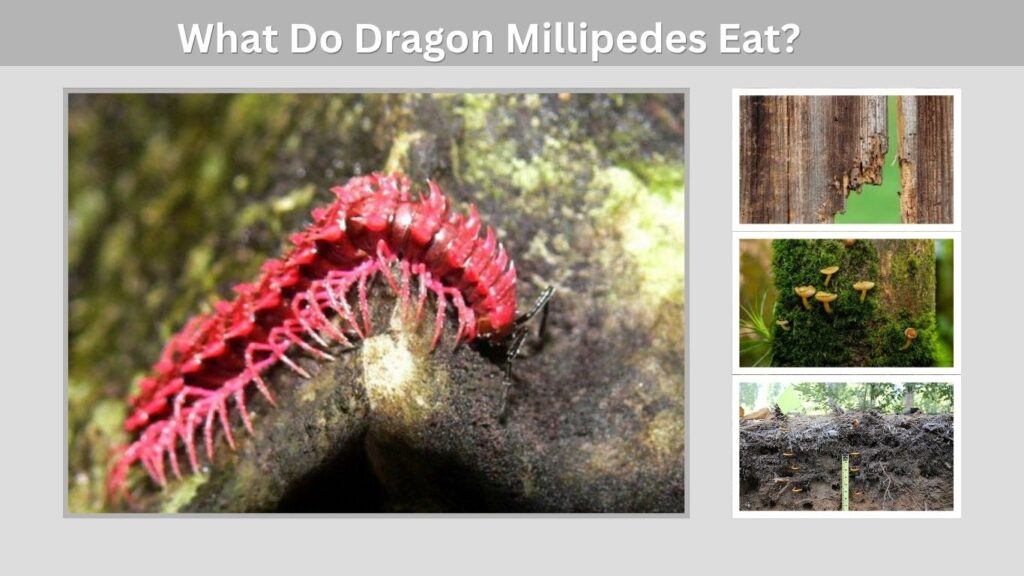
Dragon millipedes are colorful species known for their striking appearance and unusual defensive chemicals. Like other millipedes, they mainly feed on decaying organic material found in moist forest habitats. Their diet helps recycle nutrients back into the environment while supporting healthy soil ecosystems.
Shocking Pink Dragon Millipede Diet
- Leaf litter
- Rotten wood
- Fungi and moss
- Soft vegetables
- Decaying plant matter
Habitat and Feeding Behavior
Dragon millipedes usually live in humid forest environments with plenty of moisture and organic debris. They spend much of the day hiding beneath leaves or logs and become more active at night when searching for food across the forest floor.
Feeding Dragon Millipedes in Captivity
Pet dragon millipedes need damp substrate and pesticide-free food sources. Fresh vegetables and decaying leaves should be replaced regularly to prevent mold growth. Proper humidity is also important because dry conditions can quickly harm these sensitive invertebrates.
Do Millipedes Drink Water?
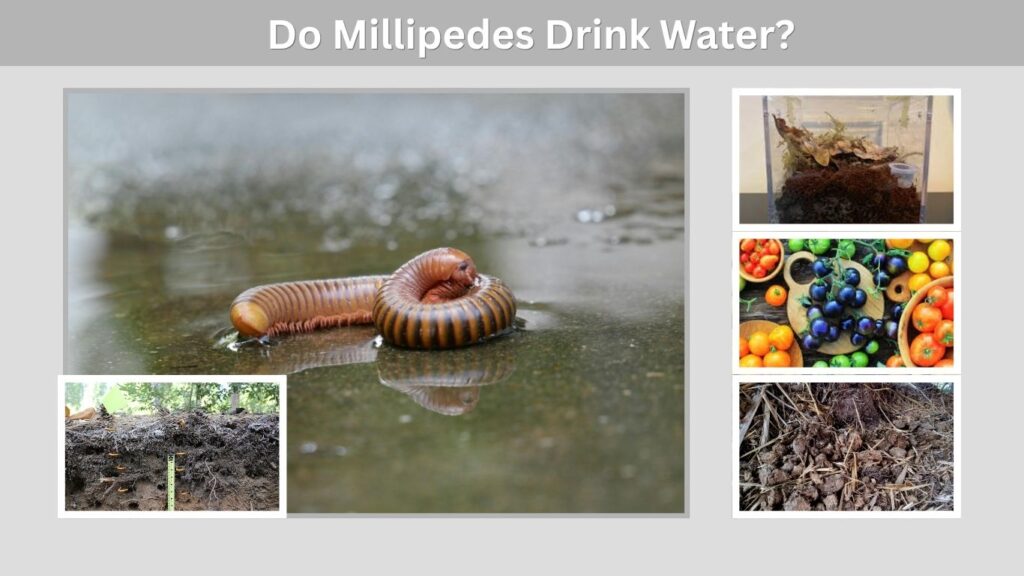
Millipedes require moisture to survive because their bodies dry out easily in hot or dry environments. Most species absorb moisture from damp soil, food, and humid air instead of drinking large amounts of standing water like mammals or reptiles.
How Millipedes Get Moisture
- Damp substrate
- Moist vegetables and fruit
- Water droplets on surfaces
- Humid air inside the enclosure
- Decaying organic matter
Importance of Humidity
Humidity helps millipedes remain active and supports healthy molting. Dry conditions may cause dehydration, stress, or death. In captivity, owners often mist the enclosure regularly to maintain proper moisture levels.
Safe Water Sources for Pet Millipedes
Shallow water dishes can be used for pet millipedes, but deep water should be avoided because they can drown easily. Most keepers prefer lightly misting the enclosure and providing moist foods to keep hydration levels stable.
Millipede Feeding Behavior
Millipedes are slow feeders that spend long periods exploring soil and leaf litter for food. Their mouthparts are designed to break down soft organic material rather than hunt live prey. Most feeding activity happens during nighttime or damp weather conditions.
How Millipedes Eat
Millipedes use small mouthparts to scrape and chew soft decaying matter. They slowly process food while moving across leaves, wood, or soil surfaces. Their feeding helps break down dead plant material into nutrients that improve soil quality.
When Are Millipedes Most Active?
Millipedes are usually most active at night or after rain when humidity levels are high. During daylight hours, they often remain hidden beneath logs, rocks, or leaf litter to avoid drying out in direct sunlight.
Do Millipedes Bite While Feeding?
Millipedes rarely bite humans because they are not aggressive predators. Instead, they protect themselves by curling into a ball or releasing defensive chemicals when threatened. Their feeding behavior is generally harmless to people and pets.
Common Feeding Problems in Pet Millipedes
Pet millipedes can experience health problems if they receive poor diets or live in dry, dirty enclosures. Moldy food, low humidity, and lack of organic material are common mistakes that may affect their health and activity levels.
Signs of Poor Nutrition
- Weak movement
- Dry body appearance
- Reduced appetite
- Difficulty molting
- Low activity levels
Overfeeding Problems
Leaving too much food inside the enclosure can cause mold growth and attract mites or pests. Rotting food may also create unhealthy conditions that increase stress and disease risks for millipedes living in captivity.
Preventing Dietary Issues
Proper feeding routines include providing fresh food, removing spoiled leftovers, and maintaining humid substrate conditions. A balanced mix of vegetables, leaf litter, and decaying wood helps keep millipedes healthy and active for long periods.
FAQs
What does a millipede eat in the wild?
Millipedes mainly eat decaying organic matter found on forest floors and in damp environments. Their diet includes dead leaves, rotten wood, fungi, moss, and other decomposing plant material. This feeding behavior helps recycle nutrients and improve soil quality in natural ecosystems.
Do millipedes eat living plants?
Most millipedes prefer dead or rotting plant material instead of healthy living plants. However, some species may occasionally nibble on soft roots, seedlings, or overripe fruits when other food sources are limited. In most gardens, they are considered helpful decomposers rather than serious pests.
What can pet millipedes eat?
Pet millipedes can eat leaf litter, mushrooms, cucumber, carrots, zucchini, and other soft vegetables. Organic decaying wood is also important for many species. Owners should avoid processed foods, salty foods, and citrus fruits because these may harm millipedes or upset their digestion.
Do millipedes drink water?
Millipedes mostly absorb moisture from damp soil, humid air, and moist food rather than drinking large amounts of water directly. Pet millipedes need humid enclosures and regular misting to prevent dehydration and support healthy movement, feeding, and molting behavior.
What do giant millipedes eat?
Giant millipedes eat many of the same foods as smaller species, including decaying leaves, rotten wood, fungi, vegetables, and soft fruit. They may consume larger amounts because of their size. A moist environment and calcium-rich foods help support healthy exoskeleton growth.