
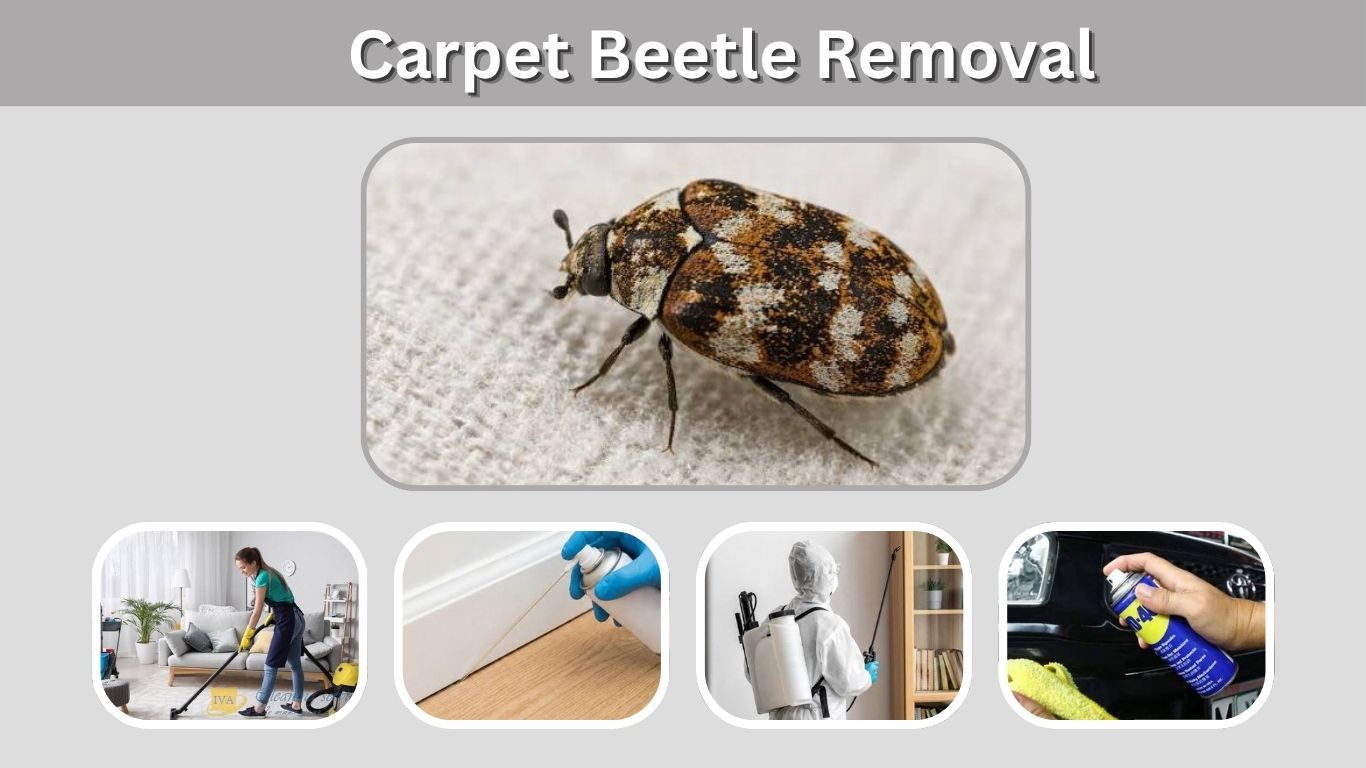
Carpet beetle removal is essential when these tiny household pests begin damaging carpets, clothing, furniture, and stored fabrics. Although adult carpet beetles are usually harmless, their larvae feed on natural fibers and can cause expensive damage if infestations remain untreated. Fortunately, several effective removal methods can eliminate carpet beetles without requiring extensive chemical treatments. From regular vacuuming and steam cleaning to natural solutions and professional pest control, homeowners have multiple options. This guide explains how to remove carpet beetles, eliminate their larvae, compare treatment costs, and prevent future infestations.
How to Identify a Carpet Beetle Infestation
Before starting carpet beetle removal, identifying the infestation is important. Carpet beetles often remain hidden in dark, undisturbed locations, making early detection difficult. Adult beetles commonly appear near windows, while larvae live inside carpets, furniture, and storage spaces. Recognizing their presence helps homeowners locate breeding areas and select appropriate removal methods.
Common signs of carpet beetle infestations include:
- Small fabric holes: Irregular damage appears on wool clothing, carpets, blankets, and upholstery.
- Hairy brown larvae: Small, segmented larvae crawl around furniture, closets, and carpet edges.
- Shed larval skins: Empty brownish casings accumulate in protected areas.
- Adult beetles: Tiny black, brown, or patterned beetles appear near windows.
- Damaged natural fibers: Fur, feathers, wool, and other animal-derived materials show feeding damage.
How to Remove Carpet Beetles From Your Home
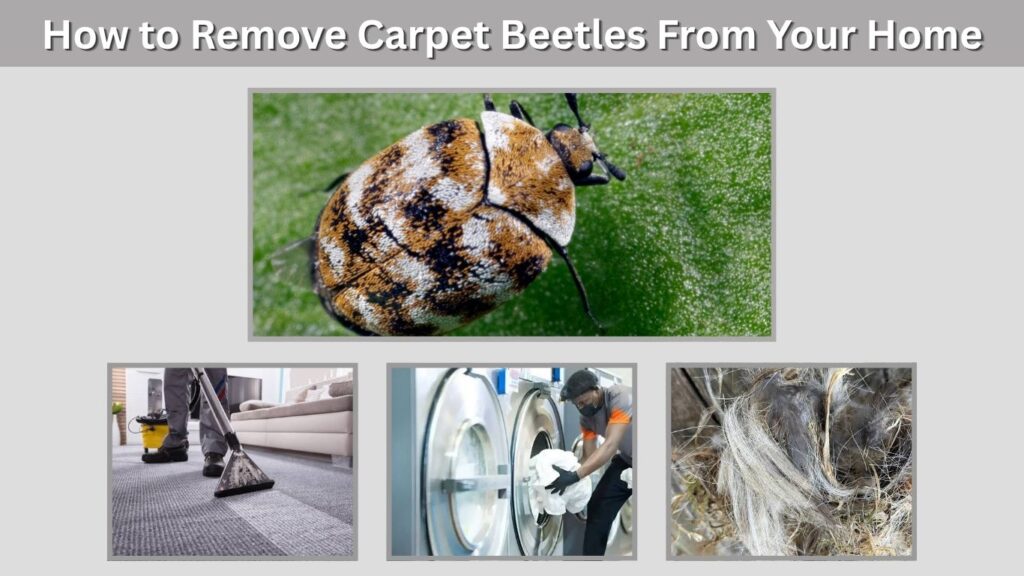
Effective DIY carpet beetle removal involves eliminating existing insects, cleaning infested materials, and removing their food sources. Because carpet beetle larvae hide in difficult-to-reach areas, surface cleaning alone may not eliminate an infestation. Combining several cleaning methods produces better results and reduces the likelihood of surviving beetles establishing another generation.
1. Vacuum Carpets and Furniture Thoroughly
Vacuuming is one of the most effective carpet beetle removal methods. It physically removes larvae, eggs, adult beetles, and organic debris.
Pay particular attention to carpet edges, baseboards, furniture undersides, closets, and upholstered surfaces. Empty the vacuum outdoors immediately after cleaning.
2. Steam Clean Infested Areas
Steam cleaning can help eliminate carpet beetles and larvae through high temperatures.
Slowly treat suitable carpets, rugs, and upholstered furniture using equipment designed for those materials. Effective heat exposure is essential, and thick fabrics may require additional treatment.
Always follow the manufacturer’s cleaning instructions to avoid damage.
3. Wash Infested Clothing and Fabrics
Carpet beetle larvae frequently infest wool clothing, blankets, and stored textiles.
Wash affected materials using the hottest temperature permitted by their care labels. Professional dry cleaning is suitable for delicate fabrics.
Appropriate heat treatment can eliminate eggs, larvae, and adults.
4. Remove Severely Infested Materials
Sometimes carpet beetles develop inside heavily damaged fabrics, old furniture padding, or accumulated organic debris.
Discarding items that cannot be successfully cleaned may prevent further infestation. Seal contaminated materials inside bags before carrying them outside.
Carpet Beetle Larvae Removal
Carpet beetle larvae removal deserves special attention because larvae cause most household damage. Unlike adults, which often feed on pollen and nectar, larvae consume wool, fur, feathers, and other suitable materials. Their preference for dark environments makes them difficult to locate. Removing larvae and their feeding sources is essential for interrupting the life cycle.
Where Carpet Beetle Larvae Hide
Larvae commonly hide beneath carpets, inside upholstered furniture, along baseboards, and within closets.
They may also develop around accumulated pet hair, dead insects, and abandoned animal nests.
Inspecting these concealed areas helps locate the infestation source instead of treating only visible beetles.
How to Eliminate Carpet Beetle Larvae
Thorough vacuuming removes exposed larvae and shed skins. Hot laundering, dry cleaning, or suitable heat treatments can eliminate larvae hiding inside fabrics.
Heavily infested materials may require disposal. Continue monitoring treated areas because overlooked eggs or larvae can allow infestations to persist.
Carpet Beetle Removal by Species
Different carpet beetle species require similar removal strategies, although their appearance and preferred hiding places may vary. Identifying the species helps homeowners recognize larvae and locate potential feeding sources. Black, varied, and furniture carpet beetles are among the common species responsible for indoor fabric damage.
Black Carpet Beetle Removal
Black carpet beetles (Attagenus unicolor) produce elongated brown larvae with distinctive rear hair tufts.
Removal involves vacuuming carpet edges, cleaning wool materials, and eliminating accumulated animal hair or debris.
Inspecting inaccessible storage areas is particularly important because larvae can remain hidden for months.
Varied Carpet Beetle Removal
Varied carpet beetles (Anthrenus verbasci) have small, rounded bodies with irregular light and dark patterns.
Their hairy larvae commonly infest wool carpets, clothing, feathers, and natural fabrics.
Regular vacuuming, fabric laundering, and removal of contaminated materials can effectively reduce populations.
Furniture Carpet Beetle Removal
Furniture carpet beetles (Anthrenus flavipes) frequently develop in upholstered furniture and stored textiles.
Inspect cushions, furniture seams, padding, and concealed corners. Thorough cleaning and suitable steam treatments can remove larvae and prevent further damage.
Natural Carpet Beetle Removal Methods
Natural carpet beetle removal focuses on physical cleaning, temperature treatments, and eliminating breeding materials rather than relying on chemical insecticides. These approaches can be effective for small or localized infestations. However, natural repellents alone generally cannot eliminate established populations, particularly when larvae remain hidden inside furniture or inaccessible spaces.
Useful nonchemical methods include:
- Frequent vacuuming: Removes insects, shed skins, and organic food sources.
- Heat treatment: Kills insects when suitable items reach lethal temperatures for sufficient time.
- Professional dry cleaning: Eliminates carpet beetles from vulnerable garments.
- Controlled freezing: Can kill insects in appropriate items when sufficiently low temperatures are maintained.
- Removing debris: Eliminates pet hair, lint, feathers, and dead insects that support larvae.
Essential oils and vinegar are sometimes promoted as natural repellents, but reliable evidence that they eliminate carpet beetle infestations is limited.
Carpet Beetle Removal From Furniture and Cars
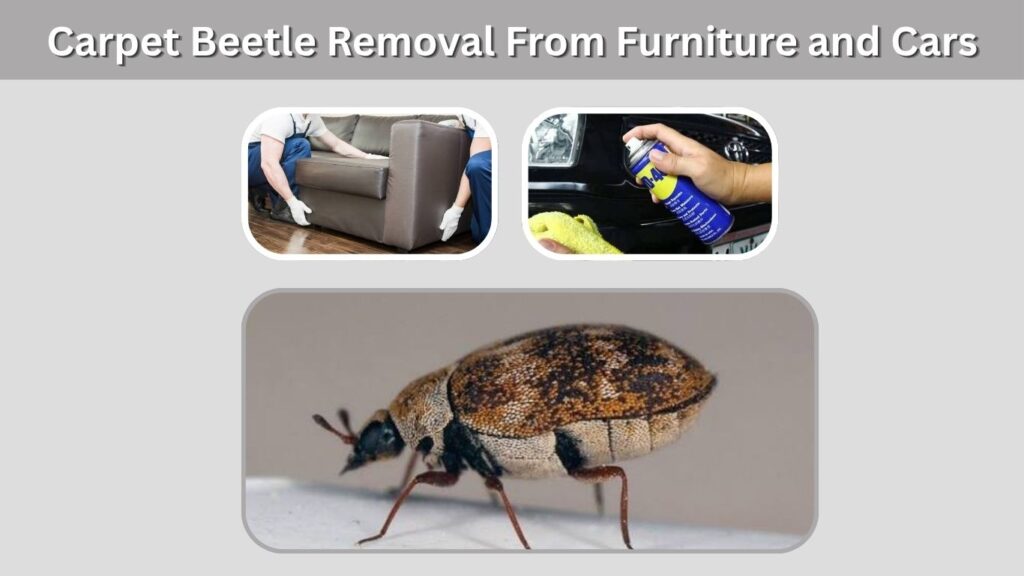
Carpet beetles are not restricted to household carpeting. They may develop inside upholstered furniture, vehicle interiors, and stored items containing suitable organic materials. Successful removal depends on inspecting concealed spaces and addressing the source of infestation rather than simply removing visible adults.
Removing Carpet Beetles From Furniture
Inspect sofa seams, cushions, furniture padding, and undersides for larvae or discarded skins.
Vacuum thoroughly using an upholstery attachment. Steam clean compatible surfaces when appropriate.
For valuable or severely infested furniture, professional cleaning may be necessary.
Removing Carpet Beetles From Cars
Carpet beetles occasionally enter vehicles through clothing, secondhand materials, or open windows.
Vacuum seats, floor mats, trunk lining, and hard-to-reach corners. Remove accumulated debris and clean affected fabrics using vehicle-safe products.
Repeated inspection helps determine whether larvae remain present.
Professional Carpet Beetle Removal Services
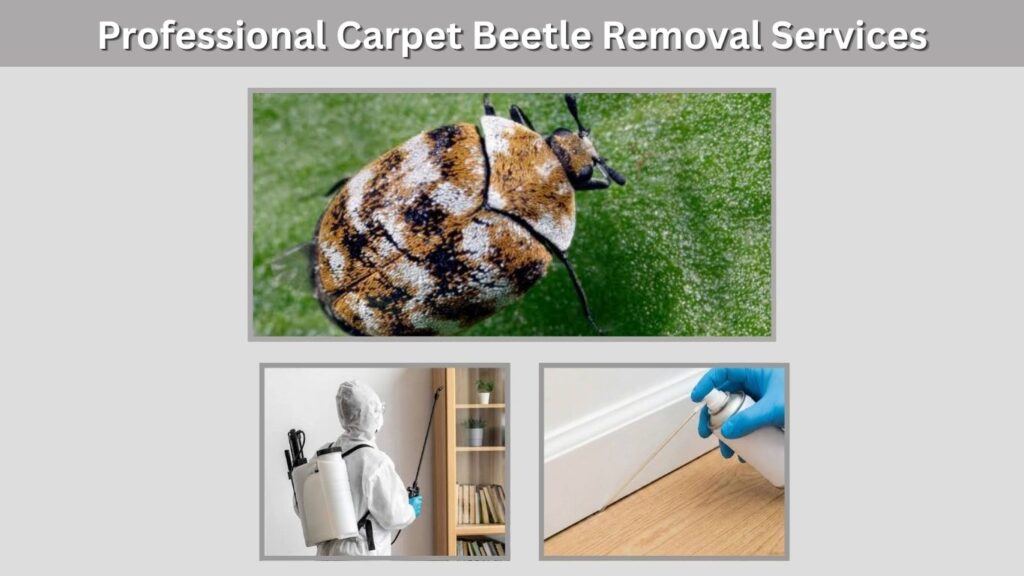
Professional carpet beetle removal becomes useful when infestations persist despite thorough cleaning. Pest control specialists can identify hidden breeding sources and determine whether targeted treatments are necessary. Professional services may combine inspection, sanitation recommendations, and carefully selected insecticides to control persistent infestations.
When Should You Hire Professionals?
Consider professional treatment when larvae repeatedly appear after cleaning, damage spreads across several rooms, or the infestation source remains unidentified.
Specialists may also be needed when carpet beetles develop inside inaccessible wall spaces, attics, or valuable furniture.
What Products Do Professionals Use?
Professionals may use insecticides registered for carpet beetle control, including residual treatments for appropriate cracks, crevices, and infested surfaces.
Chemical treatment should complement cleaning rather than replace it.
Never apply insecticides directly to clothing or bedding unless the product label specifically permits that use.
How Much Does Carpet Beetle Removal Cost?
Carpet beetle removal costs depend on infestation severity, property size, treatment methods, and geographical location. Small infestations may require only household cleaning supplies, while extensive problems can involve professional pest control and multiple visits. Replacement of damaged textiles or furniture can increase total expenses.
DIY Carpet Beetle Removal Cost
DIY removal is generally the least expensive option when suitable cleaning equipment is already available.
Additional costs may include vacuum supplies, professional laundering, dry cleaning, or equipment rental.
Professional Carpet Beetle Removal Cost
In the United States, professional carpet beetle extermination commonly costs approximately 200–600 for standard treatments, although estimates vary significantly.
Severe infestations, specialized heat treatments, and repeated visits may cost considerably more.
Requesting written quotations from local providers helps establish realistic expenses.
How to Prevent Carpet Beetles From Returning
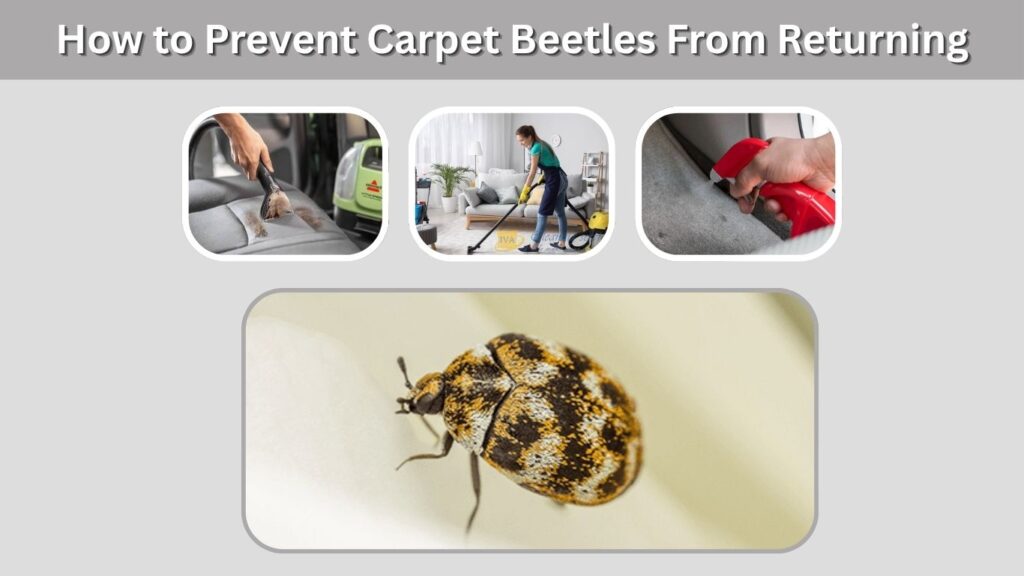
Preventing carpet beetles requires regular housekeeping and proper fabric storage. Even after successful removal, adults can enter through windows or arrive on infested household items. Maintaining clean storage spaces and eliminating suitable larval food sources reduces the likelihood of another infestation.
Important prevention measures include:
- Vacuum regularly: Clean carpets, furniture, closets, and baseboards.
- Store fabrics securely: Keep clean wool garments and blankets inside sealed containers.
- Inspect secondhand furniture: Check upholstery and hidden surfaces before bringing items indoors.
- Remove organic debris: Clean accumulated pet hair, lint, feathers, and dead insects.
- Maintain window screens: Reduce opportunities for adult beetles to enter.
- Inspect stored materials: Check vulnerable clothing and furnishings periodically for larvae or damage.
FAQs
1. What is the fastest way to remove carpet beetles?
The fastest practical approach combines thorough vacuuming, laundering infested fabrics, and eliminating larval food sources. Steam cleaning can help treat suitable carpets and furniture. However, complete removal may require repeated inspections because larvae often hide in inaccessible locations.
2. Can carpet beetles be removed naturally?
Yes, small carpet beetle infestations can often be controlled through nonchemical methods. Frequent vacuuming, hot laundering, dry cleaning, and suitable temperature treatments remove insects and their food sources. Natural repellents alone are generally unreliable for established infestations.
3. How much does professional carpet beetle removal cost?
Professional carpet beetle removal commonly costs around 200–600 in the United States, depending on treatment requirements. Larger properties, inaccessible breeding areas, and severe infestations may increase expenses. Local quotations provide more accurate estimates than general nationwide pricing.
4. How long does carpet beetle removal take?
Carpet beetle removal may require several cleaning sessions and ongoing monitoring. Small infestations can sometimes be controlled quickly, while widespread infestations may require weeks of repeated inspections. Treatment success depends on locating and eliminating hidden larvae and their food sources.
5. Do carpet beetles come back after removal?
Carpet beetles can return when eggs, larvae, or suitable feeding materials remain unnoticed. Adults may also enter from outdoors and establish new populations. Regular cleaning, sealed fabric storage, and periodic inspection help prevent recurring infestations.
