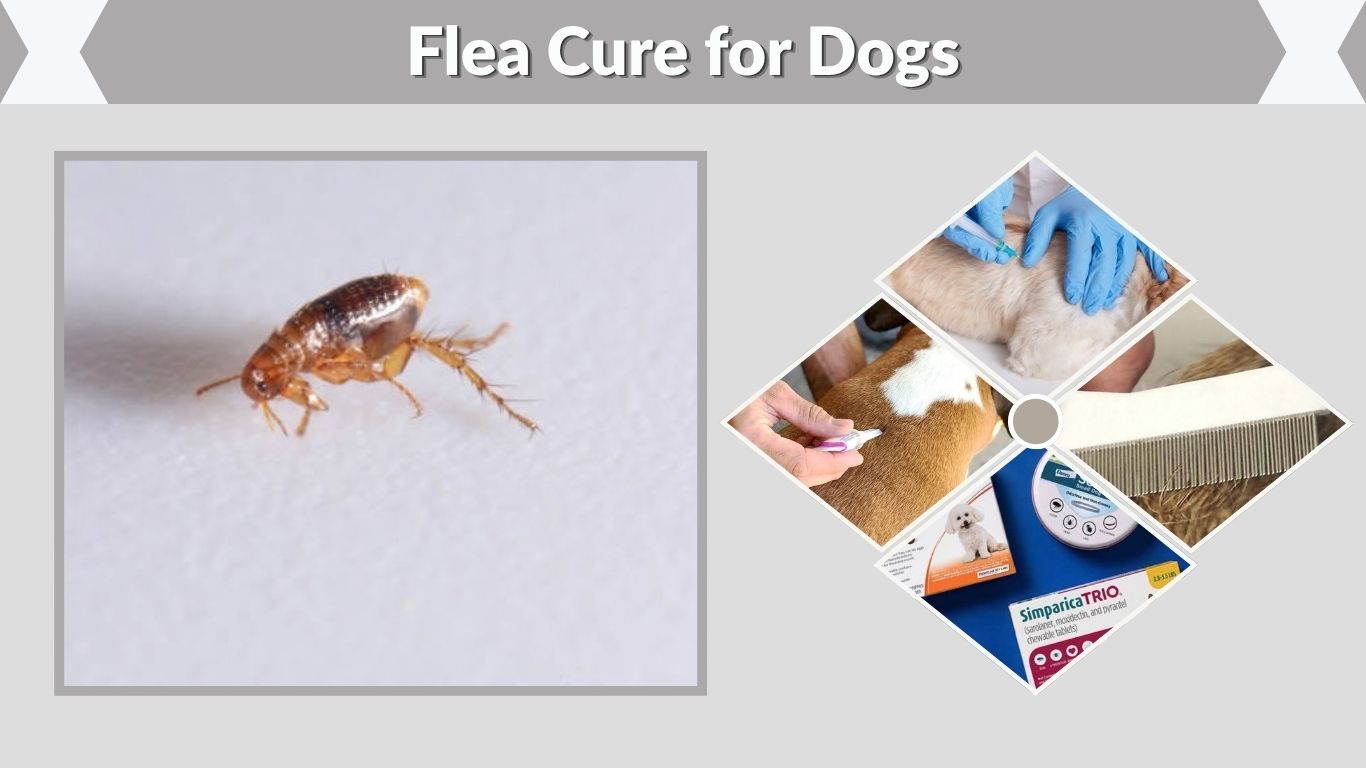
Finding an effective flea cure for dogs means doing more than killing the fleas you can see. Adult fleas on your dog may represent only part of the infestation because eggs, larvae, and pupae can remain in bedding, carpets, and furniture. The best approach combines a veterinarian-approved flea treatment, regular cleaning, and ongoing prevention. Some home remedies can irritate dogs or fail to control an infestation, so choosing safe, proven methods is especially important for puppies, older dogs, and dogs with health problems.
What Is the Best Flea Cure for Dogs?
There is no single flea treatment that works best for every dog. The right option depends on your dog’s age, weight, medical history, lifestyle, and the severity of the infestation. Modern flea-control products can kill adult fleas, interrupt their life cycle, or provide ongoing protection. A veterinarian can help choose the safest treatment for an individual dog.
Common Flea Treatment Options
Effective flea-control methods may include:
- Oral flea medications that kill fleas after they bite
- Topical spot-on treatments applied to the skin
- Flea collars designed for long-lasting protection
- Flea shampoos for short-term removal of adult fleas
- Flea combs for physically removing fleas and flea dirt
- Prescription flea preventives for ongoing protection
- Combination flea and tick products when both parasites are a concern
Always use a product specifically labeled for dogs of your pet’s correct age and weight.
Oral Flea Treatments
Oral flea medications can be very effective because the active ingredient is distributed through the dog’s system. Some products begin killing fleas within hours, while others provide protection for several weeks.
They can be especially useful for dogs that swim frequently or dislike topical treatments. However, different medications have different safety considerations, so veterinary guidance is important, particularly for dogs with seizure histories or other medical conditions.
Topical Flea Treatments
Topical flea treatments are normally applied to the skin between the shoulder blades or along the back. Depending on the product, they may kill adult fleas and sometimes help control eggs or larvae.
Follow the label carefully. Applying too much, using the wrong weight range, or combining flea products without professional advice can increase the risk of side effects.
How to Get Rid of Fleas on a Dog
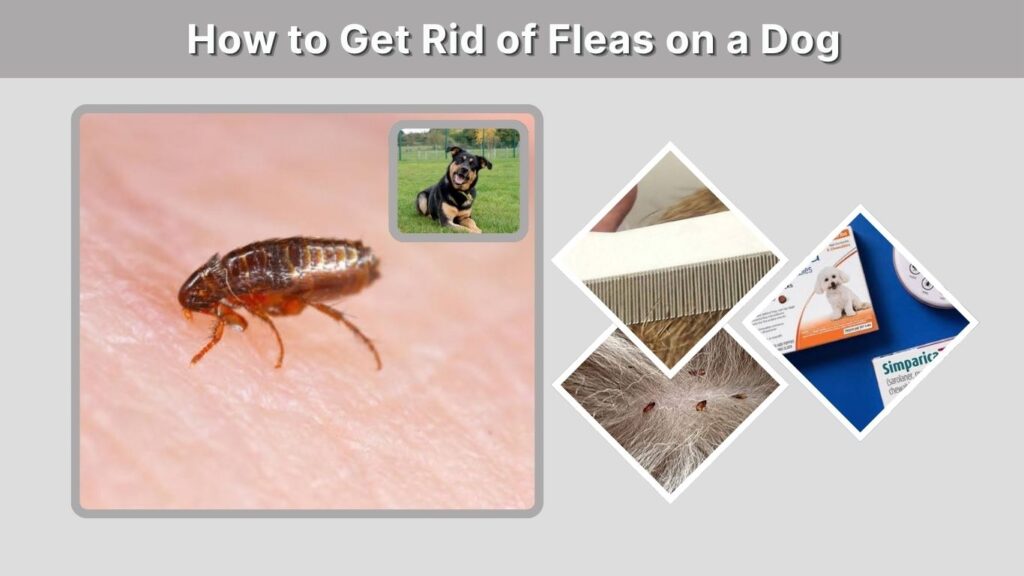
Successful flea control requires treating both the dog and its surroundings. Fleas reproduce quickly, and eggs can fall from your pet into carpets, bedding, cracks, furniture, and other areas. Even after adult fleas are killed, newly developing fleas may continue emerging for several weeks. Consistency is therefore more effective than relying on a single treatment.
Steps for Treating a Dog With Fleas
A practical flea-control routine includes:
- Confirm that fleas are present. Check around the neck, belly, tail base, and groin.
- Use a veterinarian-approved flea treatment. Choose the correct product for your dog’s weight and age.
- Comb the coat regularly. A fine-toothed flea comb can remove fleas and flea dirt.
- Wash dog bedding. Use hot water when the fabric permits.
- Vacuum frequently. Focus on carpets, upholstery, cracks, and sleeping areas.
- Treat every appropriate pet in the home. Untreated animals can allow fleas to continue reproducing.
- Continue preventive treatment. Flea control often requires several weeks or months to completely break the life cycle.
How to Check Your Dog for Fleas
Adult fleas are small, dark, fast-moving insects. You may also notice tiny black particles known as flea dirt.
Place suspected flea dirt on a damp white paper towel. If the material produces a reddish-brown stain, it may contain digested blood from fleas. Persistent scratching, chewing, or licking around the tail base can also suggest flea activity.
Home Cure for Fleas on Dogs
People often search for a home cure for fleas because they want a simple or natural solution. Some supportive home-care methods can help reduce flea numbers, but they usually do not replace an effective flea preventive. Be cautious with internet remedies because substances described as “natural” can still irritate the skin or be toxic when swallowed.
Safer Home Flea-Control Methods
Useful home measures include:
- Regularly using a flea comb
- Washing pet bedding frequently
- Vacuuming carpets and furniture
- Emptying the vacuum container outside
- Washing washable blankets and covers
- Keeping indoor resting areas clean
- Using only veterinarian-approved products on the dog’s skin
These measures help remove flea eggs, larvae, and adults from the environment.
Home Remedies to Avoid
Do not automatically apply household ingredients directly to your dog. Some commonly suggested flea remedies can cause irritation or poisoning.
Be particularly cautious with essential oils, concentrated herbal products, garlic, cleaning chemicals, alcohol, and undiluted vinegar. Essential oils such as tea tree oil can be harmful to pets at certain concentrations. A home remedy should never replace professional care when a dog has a heavy infestation or skin disease.
Does Bathing a Dog Cure Fleas?
Bathing may remove some adult fleas and temporarily reduce itching, but it usually does not eliminate the entire infestation.
If a flea shampoo is used, select one specifically labeled for dogs and follow its directions exactly. Also check whether it can safely be combined with your dog’s regular flea preventive because using multiple insecticidal products together can sometimes be unsafe.
Natural Cures for Fleas and Ticks on Dogs
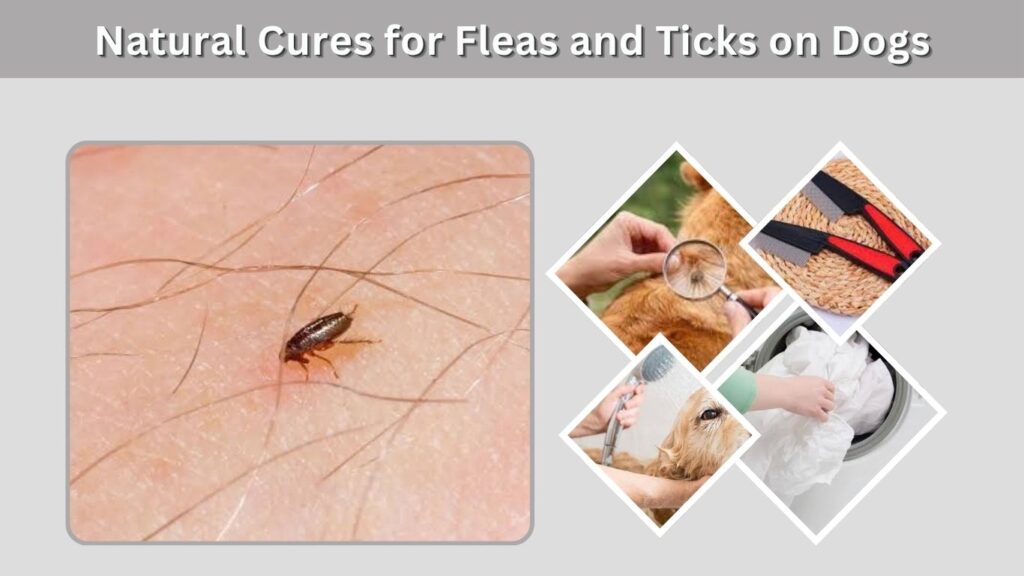
Natural flea-control methods appeal to many pet owners, but evidence and effectiveness vary widely. Fleas reproduce rapidly, so methods that only repel a few adults are unlikely to solve a significant infestation. Environmental cleaning can be valuable, but reliable parasite prevention should remain the main method of protecting a dog from fleas and ticks.
Are Natural Flea Treatments Effective?
Regular bathing, grooming, flea combing, washing bedding, and vacuuming can reduce environmental flea numbers. However, they may not completely interrupt the flea life cycle on their own.
For dogs with repeated infestations, combining environmental management with an approved preventive is generally more dependable than relying only on homemade sprays or herbal mixtures.
Fleas and Ticks Need Different Protection
A product that controls fleas does not automatically kill ticks. Similarly, a natural remedy marketed for multiple parasites may not provide reliable protection against either.
Check the product label carefully to see which parasites it targets and how long it lasts. Dogs that frequently visit wooded, grassy, or tick-prone areas may require broader parasite protection recommended by their veterinarian.
Cure for Flea Bites on Dogs
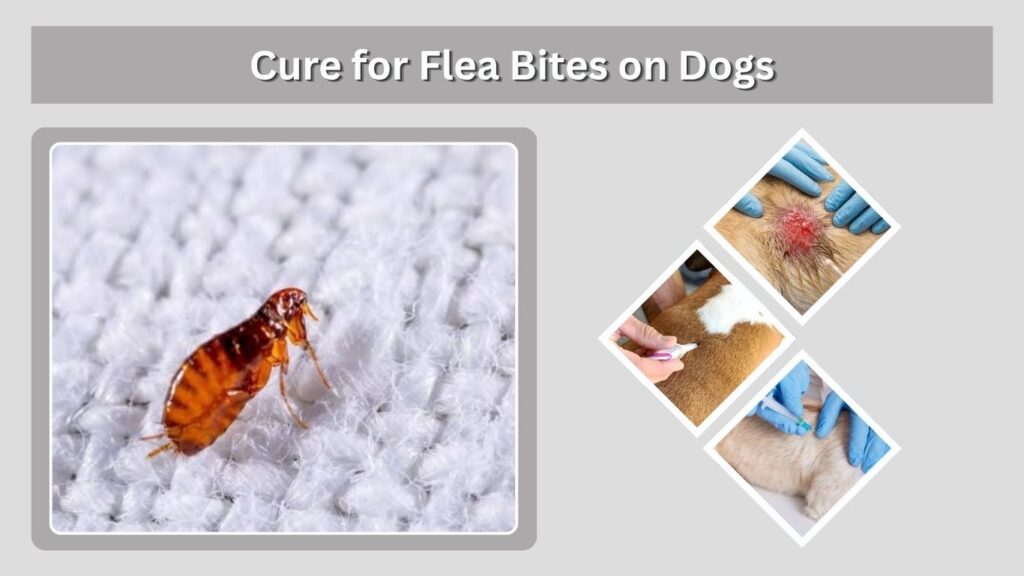
Flea bites can cause intense itching, especially in dogs that are allergic to flea saliva. A condition known as flea allergy dermatitis can develop after only a few bites. The skin may become red, inflamed, crusty, or infected from repeated scratching. Eliminating the fleas is essential because treating the itching alone does not address the underlying cause.
How to Soothe Flea Bites
Once flea control has started, mild irritation may gradually improve. Keep the dog’s skin clean and prevent excessive scratching or chewing when possible.
Avoid using human anti-itch creams, pain relievers, or medications unless a veterinarian specifically says they are safe for your dog. Dogs can absorb or lick topical products, and some human medications can be dangerous to pets.
When Flea Bites Need Veterinary Treatment
Contact a veterinarian when your dog develops extensive redness, open sores, hair loss, swelling, pus, strong odor, or severe itching.
Veterinary treatment may include medications to control inflammation, secondary bacterial or yeast infections, or allergic reactions. Treating the flea infestation at the same time is necessary to prevent symptoms from continuing.
How to Get Rid of Fleas in Your Home
Adult fleas spend much of their time on animals, but immature stages develop in the environment. Flea eggs fall into carpets, furniture, bedding, floor gaps, and other areas where pets spend time. This is why fleas may seem to return even after the dog has been treated. Environmental cleaning must continue while the flea life cycle is being broken.
Clean the Areas Your Dog Uses Most
Concentrate cleaning efforts around your dog’s sleeping, resting, and play areas. Vacuum carpets, upholstered furniture, rugs, floor edges, and spaces beneath furniture frequently.
Wash bedding and washable fabrics regularly. Continue the routine even after you stop seeing fleas because immature stages may remain in the environment and emerge later.
How Long Does a Flea Infestation Take to Eliminate?
A flea problem rarely disappears overnight. Adult fleas may die quickly after effective treatment, but pupae in the environment can survive and later emerge.
For this reason, owners may occasionally see new fleas for several weeks after treatment begins. Consistent preventive treatment and environmental cleaning help ensure these newly emerged fleas are killed before they reproduce.
Signs Your Dog Has a Serious Flea Infestation
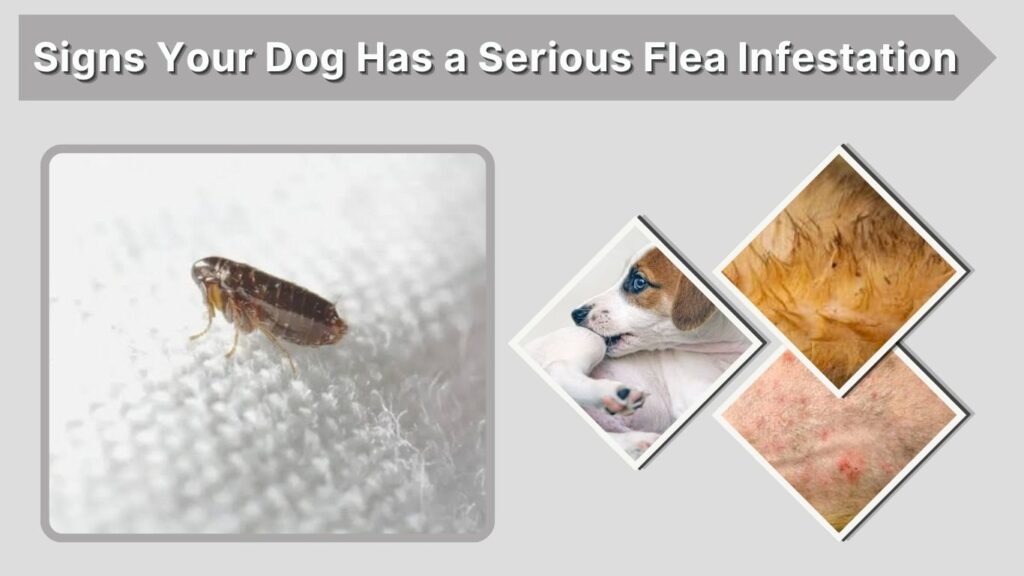
Some dogs experience only mild itching, while others develop significant skin disease or even blood loss. Puppies and very small dogs can be especially vulnerable to heavy infestations. Identifying serious warning signs early can help prevent complications and determine when professional veterinary treatment is necessary rather than continuing home treatment.
Warning Signs to Watch For
Look for:
- Constant scratching or biting
- Large numbers of visible fleas
- Heavy flea dirt in the coat
- Red or inflamed skin
- Hair loss around the tail or back
- Scabs or open wounds
- Pale gums
- Weakness or unusual tiredness
- Signs of skin infection
Heavy flea infestations can occasionally contribute to anemia, particularly in young or small animals.
Fleas Can Also Carry Tapeworms
Dogs can become infected with certain tapeworms after swallowing infected fleas while grooming.
If you notice small, rice-like segments around your dog’s anus, bedding, or stool, contact your veterinarian. Effective flea control is important when treating flea-associated tapeworm infections because reinfection can occur if fleas remain present.
How to Prevent Fleas From Coming Back
Getting rid of visible fleas is only the first part of controlling the problem. Dogs can pick up new fleas from other animals, yards, boarding facilities, parks, or untreated pets. Ongoing flea prevention is usually easier and more comfortable for the dog than repeatedly treating established infestations.
Maintain Year-Round Flea Protection
Depending on your climate and your dog’s lifestyle, fleas may remain active for much of the year. Follow the preventive schedule recommended for the product you use and avoid missing doses.
Every pet in the household should receive appropriate flea protection when recommended. A single untreated dog or cat can provide a continuing food source for fleas and make complete control much harder.
FAQs
1. What is the best cure for fleas on dogs?
The best treatment is usually a veterinarian-approved oral or topical flea medication combined with environmental cleaning. The safest product depends on the dog’s age, weight, health, and lifestyle.
2. What kills fleas on dogs quickly?
Some oral and topical flea treatments can begin killing adult fleas within hours. Flea shampoos may remove adults immediately but usually provide less lasting protection. Always follow the product label and veterinary advice.
3. Can I cure dog fleas naturally?
Flea combing, bathing, vacuuming, and washing bedding can reduce fleas, but natural methods alone may not eliminate an established infestation. Avoid unproven essential oils and homemade chemicals that may harm your dog.
4. How do I cure flea bites on my dog?
First eliminate the fleas. Mild skin irritation may improve after the infestation is controlled. If your dog has severe itching, sores, hair loss, swelling, or infection, veterinary treatment may be necessary.
5. Why does my dog still have fleas after treatment?
New fleas may emerge from eggs, larvae, or pupae already present in the home. Continue treating the dog as directed and clean the environment consistently. Breaking the full flea life cycle can take several weeks.