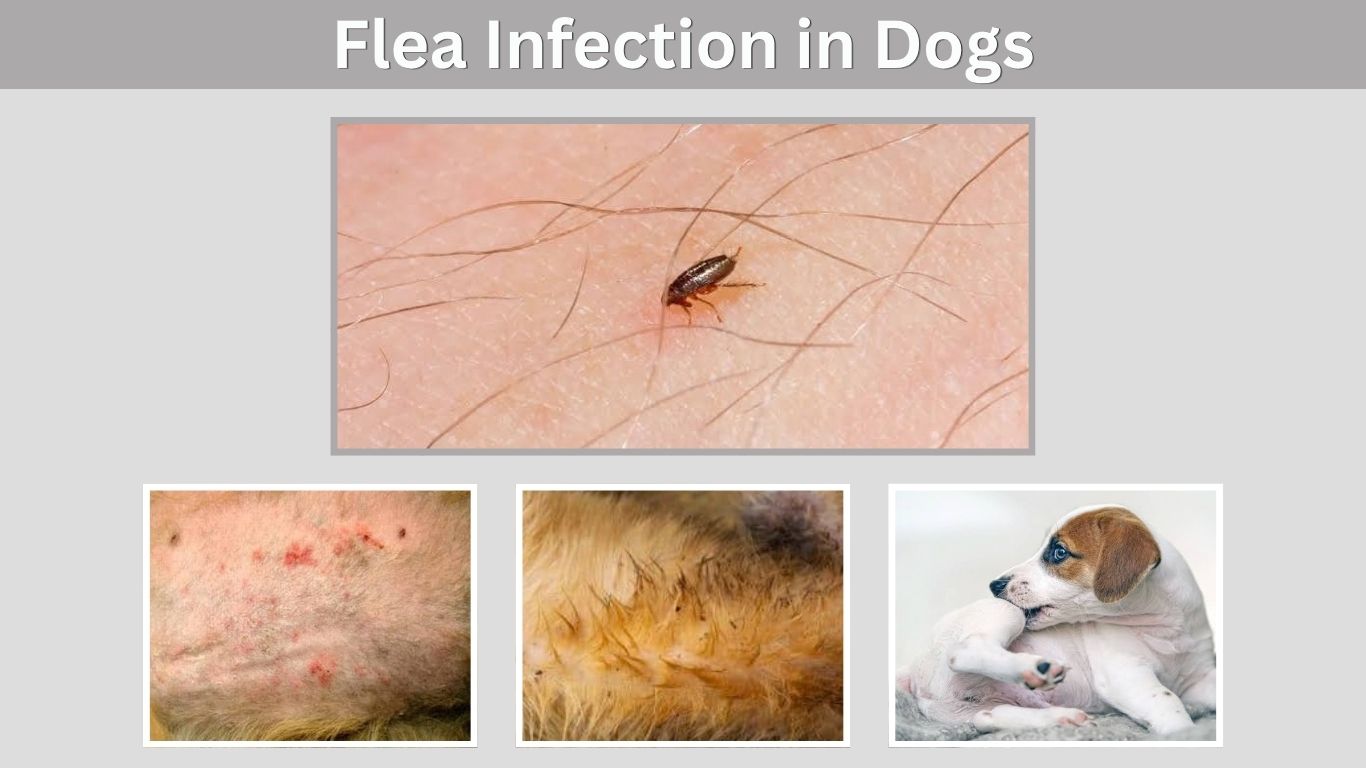
A flea infection in dogs is more accurately called a flea infestation, although flea bites can lead to secondary bacterial or yeast skin infections. Dogs may develop intense itching, redness, hair loss, scabs, hot spots, or flea allergy dermatitis after being bitten. Severe infestations can even contribute to anemia, especially in puppies. Successful treatment requires killing the fleas, treating any damaged or infected skin, and preventing reinfestation in the home. Early treatment can greatly reduce discomfort and complications.
What Is a Flea Infection in Dogs?
Fleas are external parasites that live on animals and feed on blood. The most common flea found on dogs is the cat flea, Ctenocephalides felis. Flea bites themselves cause irritation, but repeated scratching and allergic inflammation can damage the skin enough for bacteria or yeast to multiply, producing a secondary infection.
Flea Infestation vs. Skin Infection
A dog with fleas does not automatically have a bacterial infection. A flea infestation means fleas are living and feeding on the animal. A flea-related skin infection may develop when itching, licking, and chewing damage the protective skin barrier.
Dogs allergic to flea saliva can develop flea allergy dermatitis from relatively few bites. These dogs may scratch intensely, creating wounds, crusts, and inflamed areas that become infected.
Where Flea Problems Usually Appear
Common affected areas include:
- Base of the tail
- Lower back
- Inner and rear thighs
- Abdomen and groin
- Flanks
- Neck in some dogs
- Areas repeatedly scratched or chewed
Flea allergy dermatitis classically affects the rear half of a dog’s body, particularly the lower back and tail base.
Flea Infection Symptoms in Dogs
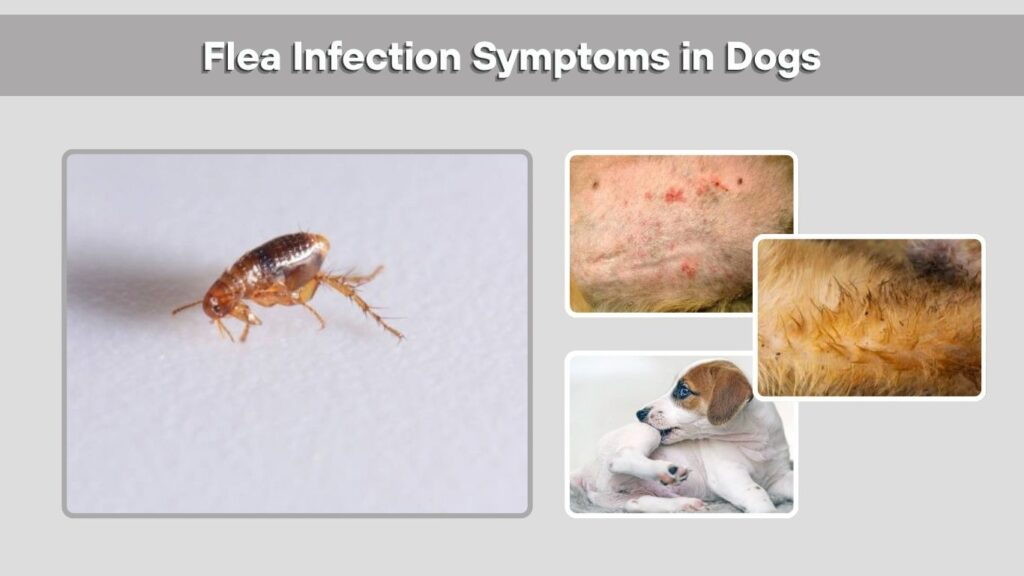
Symptoms vary according to the number of fleas and whether the dog is allergic to flea saliva. Some dogs have only mild scratching, while sensitive dogs can develop severe inflammation from relatively limited exposure. Persistent self-trauma may eventually cause hot spots, hair loss, bacterial pyoderma, or yeast dermatitis.
Common Signs of Fleas
Watch for:
- Frequent scratching
- Biting or chewing the skin
- Excessive licking
- Restlessness
- Visible fleas moving through the coat
- Black flea dirt
- Red bumps
- Hair loss
- Scabs or crusting
- Irritated skin around the tail
Flea dirt consists largely of digested blood. When placed on damp white material, it can dissolve into a reddish-brown stain.
Signs of an Infected Flea Bite
Flea bites may become infected when repeated scratching damages the skin. Possible signs include worsening redness, swelling, crusting, tenderness, discharge, unpleasant odor, or moist lesions.
Secondary bacterial and yeast infections are common complications of inflamed canine skin. Persistent infection usually needs veterinary evaluation because different conditions can resemble one another and may require different treatments.
Why Fleas Cause Skin Infections in Dogs
Flea saliva contains substances capable of triggering an allergic response. Dogs with flea allergy dermatitis can experience intense itching, leading to constant scratching, licking, rubbing, and biting. That repeated trauma damages the skin barrier and creates conditions where normally controlled microorganisms may multiply excessively.
Flea Allergy Dermatitis
Flea allergy dermatitis, often shortened to FAD, is an allergic reaction to flea saliva. It can cause far more itching than would be expected from the number of fleas present.
Some highly allergic dogs groom themselves so intensely that owners may never see a live flea. Nevertheless, the characteristic itching and skin lesions can still occur.
Secondary Bacterial and Yeast Infection
Damaged skin may develop bacterial pyoderma or an overgrowth of Malassezia yeast. These secondary problems can make itching much worse and prevent the skin from healing even after flea numbers begin decreasing.
Veterinarians may examine skin samples to determine whether bacteria or yeast are involved before choosing treatment.
How to Treat Flea Infection in Dogs
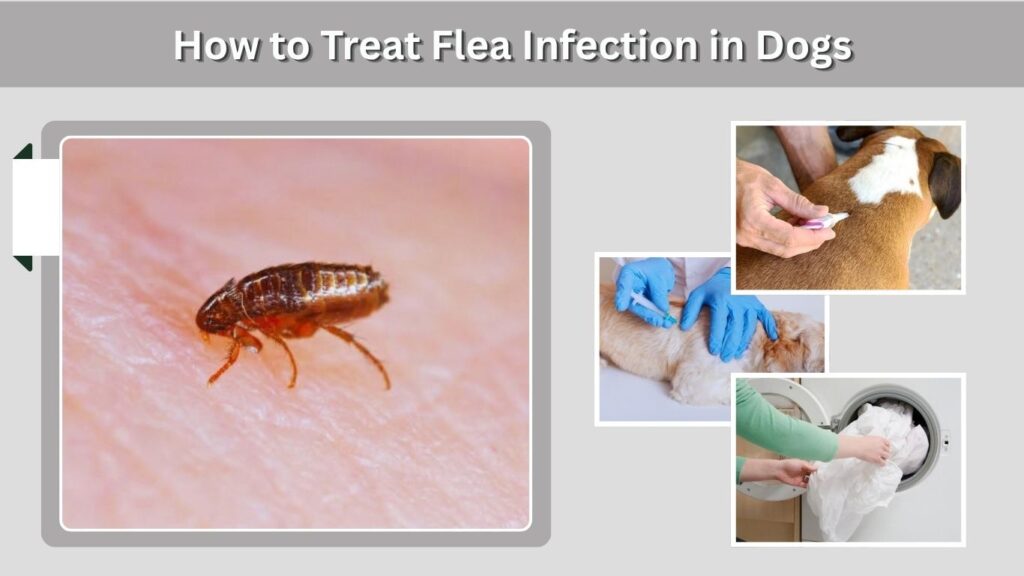
Treatment needs to address both the parasites and any secondary skin disease. Simply applying cream to an irritated area will not solve the underlying problem if fleas continue biting. Likewise, killing adult fleas may not immediately resolve established bacterial or yeast dermatitis. A coordinated treatment plan provides the best chance of stopping the cycle.
Control the Fleas
A treatment plan may include:
- Veterinarian-approved oral flea medication
- Topical flea preventive
- Appropriate flea and tick combination products
- Regular flea-comb checks
- Treatment of other household pets
- Washing pet bedding
- Frequent vacuuming
- Continued prevention according to the product schedule
Existing home infestations can take 2–3 months to fully eliminate because immature flea stages may remain in the environment and continue emerging.
Treat the Skin Infection
If secondary infection has developed, a veterinarian may recommend topical antiseptic therapy or other medication based on the severity and type of infection. More extensive bacterial infections sometimes require systemic treatment.
Do not give leftover antibiotics or use human skin medications without veterinary advice. Treating the wrong condition can delay recovery.
Control Severe Itching
Stopping intense itching is important because continuous scratching creates additional trauma. Veterinarians may prescribe medication to reduce inflammation or itching while flea control takes effect.
Anti-itch medication does not replace flea prevention. Fleas must still be eliminated to prevent the problem from returning.
Can Fleas Cause Other Health Problems?
Fleas are more than an itchy nuisance. Because they feed on blood and can carry or transmit other organisms, a serious infestation can create additional health concerns. Puppies, very small dogs, and animals already in poor condition may be particularly vulnerable to complications from large numbers of fleas.
Anemia From Heavy Flea Infestations
A severe infestation can cause enough blood loss to contribute to anemia, particularly in young animals.
Warning signs may include:
- Pale gums
- Weakness
- Unusual tiredness
- Reduced activity
- Rapid breathing
- Large numbers of fleas
A puppy or small dog with pale gums and a heavy flea burden should receive prompt veterinary attention.
Fleas and Tapeworms
Fleas can serve as intermediate hosts for certain tapeworms. Dogs may become infected after swallowing an infected flea while licking or chewing their coat.
This is another reason effective flea control is important even when the dog’s skin irritation appears mild.
How to Treat Infected Flea Bites on Dogs at Home
Home care can support recovery, but an established skin infection should not be treated solely with homemade remedies. Cleaning the environment, preventing further flea bites, and discouraging scratching are useful measures. Open, painful, draining, or worsening lesions require veterinary assessment rather than experimentation with household products.
Safe Home Care
You can help by:
- Keeping the dog’s bedding clean
- Using an approved flea preventive
- Vacuuming carpets and furniture regularly
- Preventing excessive licking or chewing
- Keeping damaged skin clean and dry as advised
- Checking the coat for fleas and flea dirt
- Monitoring affected areas daily
Avoid applying concentrated essential oils, alcohol, disinfectants, or other irritating substances directly to damaged skin.
Avoid Unapproved Flea Remedies
Natural does not automatically mean safe. Homemade flea mixtures may fail to control the infestation and can sometimes irritate already inflamed skin.
For commercial flea products, use only those labeled for your dog’s age and weight. The FDA also advises discussing medical history with a veterinarian when choosing certain flea and tick drugs, particularly because isoxazoline products have rarely been associated with neurologic adverse effects such as tremors, poor coordination, or seizures.
How to Prevent Flea Skin Infections
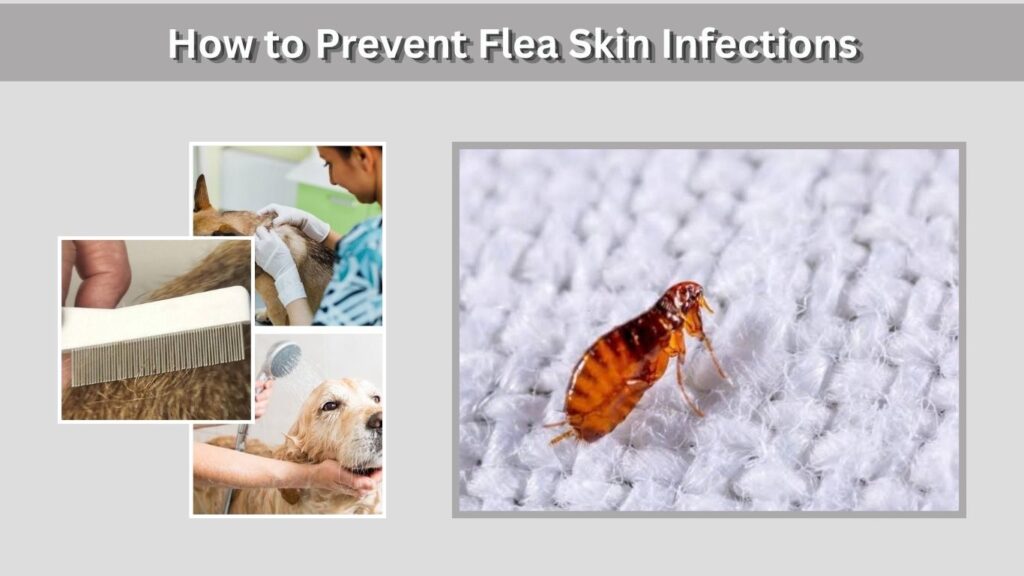
Preventing flea bites is easier than treating damaged, infected skin afterward. Flea control should include every susceptible pet in the household because untreated animals can maintain the infestation. Environmental flea stages can persist even when adult fleas are no longer immediately visible on your dog.
Keep Fleas Under Control Year-Round
Depending on climate and living conditions, fleas can remain a problem throughout the year. Merck notes that warm environments and indoor living can allow infestations to persist beyond the traditional summer flea season.
Use flea prevention consistently and according to label directions. Missed or delayed doses can allow newly emerging fleas to survive and reproduce.
Check Your Dog’s Skin Regularly
Part the coat around the lower back, tail base, abdomen, and thighs. Look for flea dirt, redness, scabs, thinning hair, or excessive licking.
Early flea treatment may prevent mild irritation from progressing into flea allergy dermatitis and secondary infection.
When Should You See a Veterinarian?
Mild flea irritation may improve once effective flea control begins, but significant skin disease deserves professional evaluation. Dogs can have flea allergy dermatitis alongside food allergies, environmental allergies, mites, or other skin conditions, making persistent symptoms difficult to diagnose based on appearance alone.
Seek Veterinary Care When Symptoms Are Severe
Contact a veterinarian if your dog develops open wounds, pus, strong skin odor, significant swelling, widespread hair loss, severe pain, continuous scratching, lethargy, or pale gums.
You should also seek help if the skin problem continues despite appropriate flea treatment, because another condition or secondary infection may be present.
FAQs
1. Can fleas cause infections in dogs?
Yes. Flea bites and flea allergy dermatitis can cause severe itching. Repeated scratching damages the skin and can lead to secondary bacterial or yeast infections.
2. What do infected flea bites look like on dogs?
They may appear red, swollen, crusted, moist, painful, or irritated. Some develop discharge, odor, hair loss, or open sores. Because other skin diseases can look similar, worsening lesions should be examined by a veterinarian.
3. How do you treat infected flea bites on dogs?
Treatment starts with effective flea control. If bacterial or yeast infection is present, a veterinarian may recommend topical or systemic treatment depending on severity. Controlling itching may also be necessary.
4. Can fleas cause yeast infections in dogs?
Fleas do not directly create yeast, but flea allergy and scratching can inflame and damage the skin. This can contribute to secondary Malassezia yeast dermatitis in susceptible dogs.
5. Can dog fleas infect humans?
Dog-associated fleas can bite people, especially during household infestations. However, fleas generally prefer animal hosts. Controlling fleas on all household pets and addressing the environmental infestation helps reduce human bites as well.