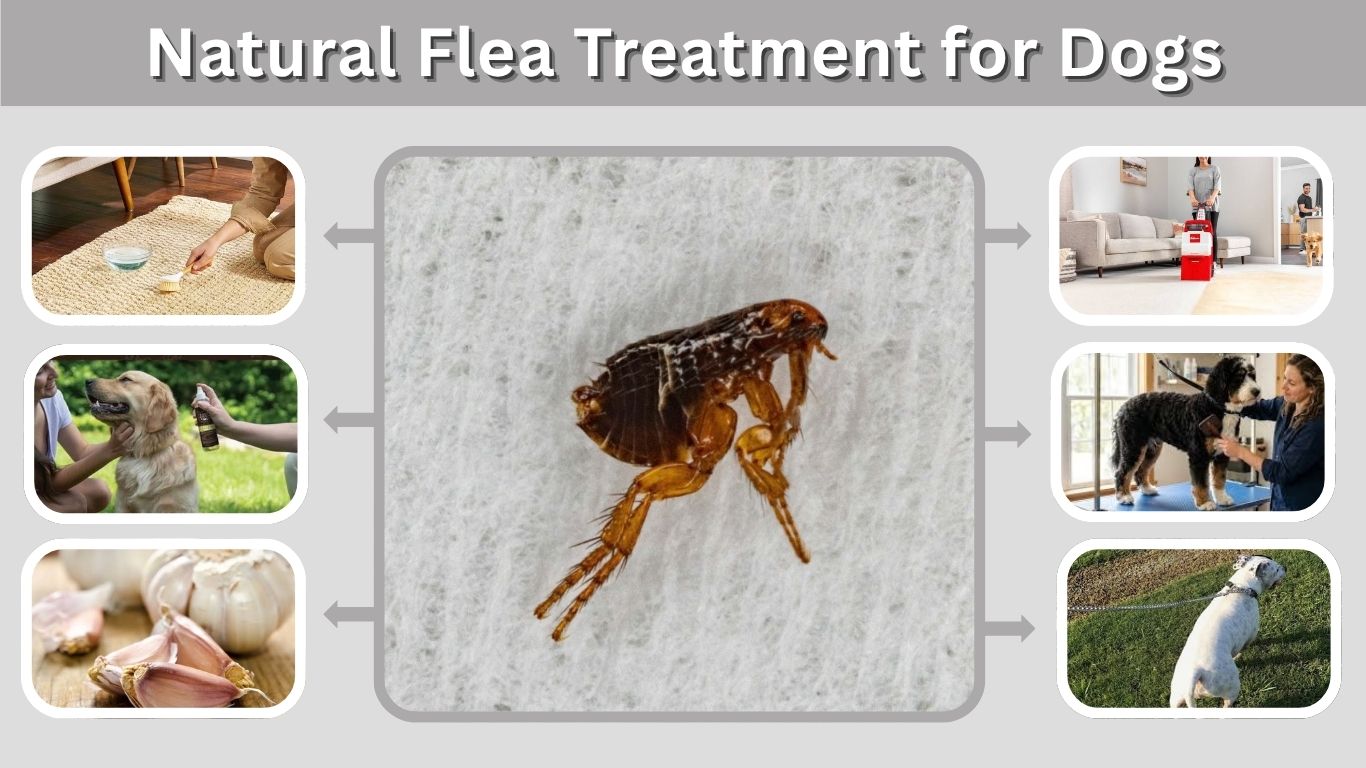
A natural flea treatment for dogs can help reduce fleas without relying entirely on insecticides, but not every home remedy is safe or effective. Flea combing, regular bathing, washing bedding, vacuuming, and keeping your dog’s environment clean are among the safest natural approaches. However, established infestations can be difficult to eliminate because flea eggs and larvae develop away from the dog. Natural methods work best as part of a complete flea-control plan, especially when combined with veterinary guidance for persistent or severe infestations.
What Is a Natural Flea Treatment for Dogs?
Natural flea control usually refers to physical and environmental methods that reduce fleas without applying conventional pesticide products directly to the dog. These strategies can be especially useful for detecting fleas early, reducing the number of adults on the coat, and limiting developing fleas around the home. However, “natural” does not automatically mean harmless or clinically effective.
Safe Natural Flea-Control Methods
Some of the simplest approaches include:
- Using a fine-toothed flea comb every day
- Bathing the dog with a gentle dog-appropriate shampoo
- Washing pet bedding regularly
- Vacuuming carpets, rugs, and furniture
- Cleaning areas where the dog sleeps
- Keeping grass and vegetation around resting areas maintained
- Checking the coat regularly for fleas and flea dirt
The EPA specifically recommends flea combing as a way to suppress adult fleas and advises concentrating on areas such as the neck and base of the tail.
Why Natural Treatment Can Be Difficult
Adult fleas are only part of an infestation. Eggs fall from the dog into bedding, carpeting, floor cracks, and furniture. Larvae then develop in protected areas before eventually producing new adults.
This means removing the fleas you can see does not necessarily end the problem. CAPC notes that established flea infestations may take several months to bring under control and recommends treating every susceptible pet in the household.
How to Get Rid of Fleas on Dogs Naturally
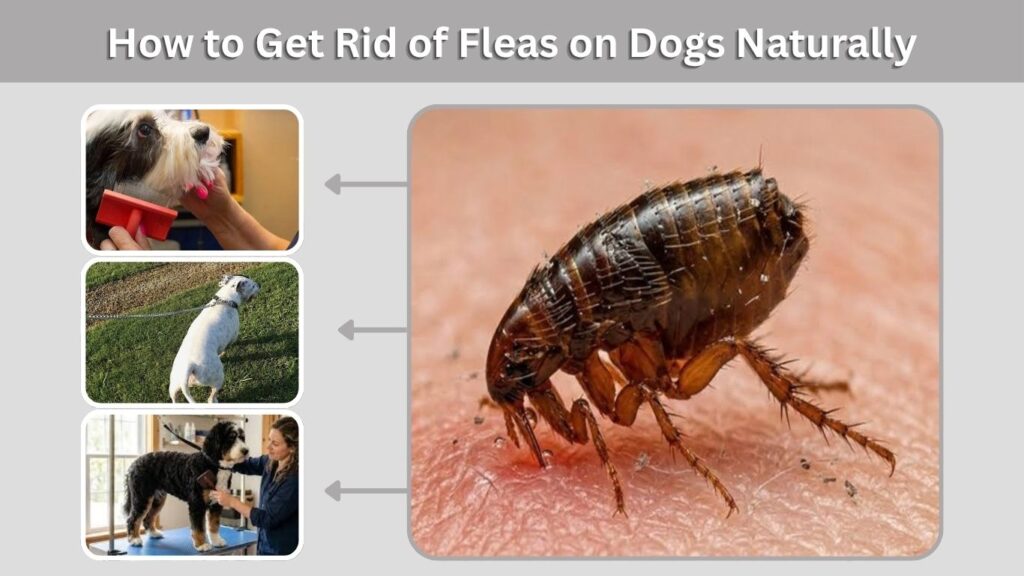
The safest natural treatment for fleas on dogs focuses primarily on physically removing fleas rather than applying homemade substances to the skin. Regular grooming allows you to monitor the infestation and remove adult fleas before they continue feeding and reproducing. Combining grooming with household cleaning provides considerably better control than relying on one home remedy alone.
Use a Flea Comb
A flea comb has very closely spaced teeth that can trap adult fleas and flea debris as it passes through the coat.
For better results:
- Comb around the neck and ears.
- Check the base of the tail carefully.
- Comb the abdomen and inner legs.
- Work through the coat slowly.
- Inspect the comb after every few strokes.
- Place captured fleas into soapy water.
- Repeat regularly while fleas remain present.
The EPA specifically identifies flea combing as a useful nonchemical method for suppressing adult fleas.
Bathe Your Dog Carefully
Bathing can physically remove some fleas and flea debris from a dog’s coat. Use lukewarm water and a shampoo formulated for dogs rather than household soaps, detergents, or concentrated homemade mixtures.
Bathing provides temporary relief but does not eliminate eggs, larvae, and pupae developing throughout the home. It therefore works best alongside flea combing and environmental cleaning.
Dogs with irritated, broken, or infected skin should be examined by a veterinarian because repeated bathing may further irritate sensitive skin.
Natural Flea Treatment for the Home
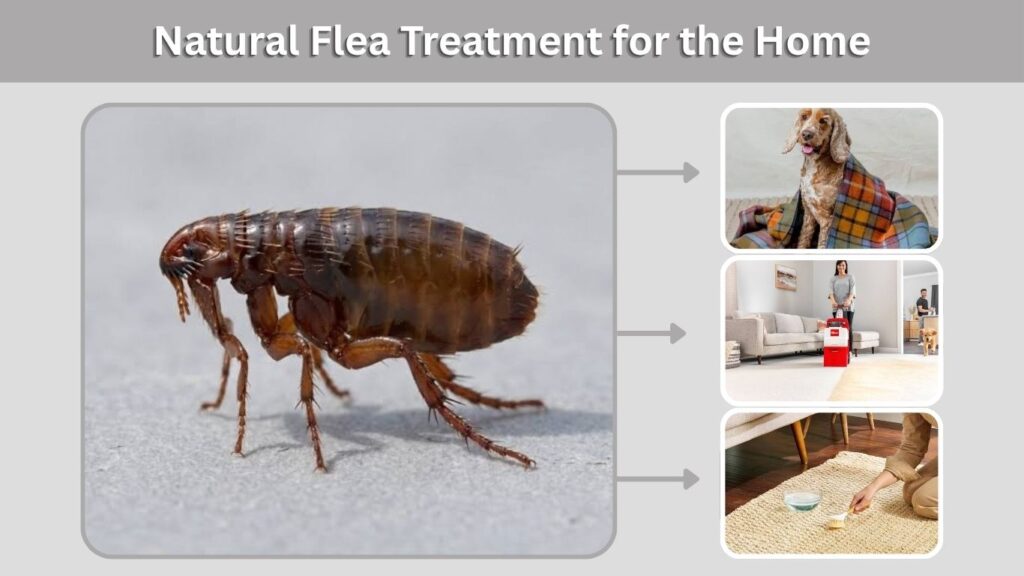
A large part of effective all-natural flea treatment for dogs actually takes place away from the dog. Flea eggs easily fall into carpets, bedding, upholstery, and floor cracks. Environmental cleaning can remove many immature flea stages before they become adults and jump back onto your pet, making household management essential during an active infestation.
Clean Areas Where Your Dog Spends Time
Focus on:
- Pet beds and blankets
- Carpeted rooms
- Rugs
- Upholstered furniture
- Cracks along floor edges
- Spaces beneath furniture
- Car seats used by the dog
- Kennels and sleeping areas
Vacuuming is particularly useful. EPA guidance describes daily vacuuming as an important initial control measure during an infestation and recommends targeting carpets, furniture, cracks, and baseboards.
Wash Bedding Regularly
Wash washable dog bedding and other fabrics where your pet sleeps using hot, soapy water when the material allows it.
Regular laundering helps remove fleas and developing stages that have fallen off the dog. The EPA recommends washing pet bedding and family bedding used by pets every two to three weeks, with more intensive cleaning useful during an active infestation.
Continue cleaning even when adult fleas appear to disappear because newly developed fleas may continue emerging from protected areas.
Natural Flea and Tick Treatment for Dogs
A natural flea and tick treatment for dogs needs to address two different parasites. Fleas commonly reproduce indoors, whereas ticks are often picked up outdoors from vegetation and wildlife habitats. Grooming and environmental management can reduce exposure, but natural measures may not provide the same consistent preventive protection as properly selected veterinary flea and tick products.
Check Your Dog After Outdoor Activity
After walks through grass, woodland, or brush:
- Examine the ears and head.
- Check beneath the collar.
- Look around the neck.
- Inspect between the toes.
- Examine the armpits and groin.
- Check around the tail.
- Feel through long coats for attached ticks.
Prompt physical removal of ticks can reduce the amount of time they remain attached. If you find an attached tick and are unsure how to remove it safely, ask your veterinarian for guidance.
Maintain the Outdoor Environment
Keeping grass trimmed and reducing dense vegetation around areas where pets spend time can make the environment less favorable for ticks.
Outdoor management alone cannot guarantee protection, particularly for dogs that hike, hunt, travel, or spend significant time in wooded or grassy environments. Discuss reliable tick prevention with a veterinarian when exposure is significant.
Natural Flea Remedies to Avoid or Use With Caution
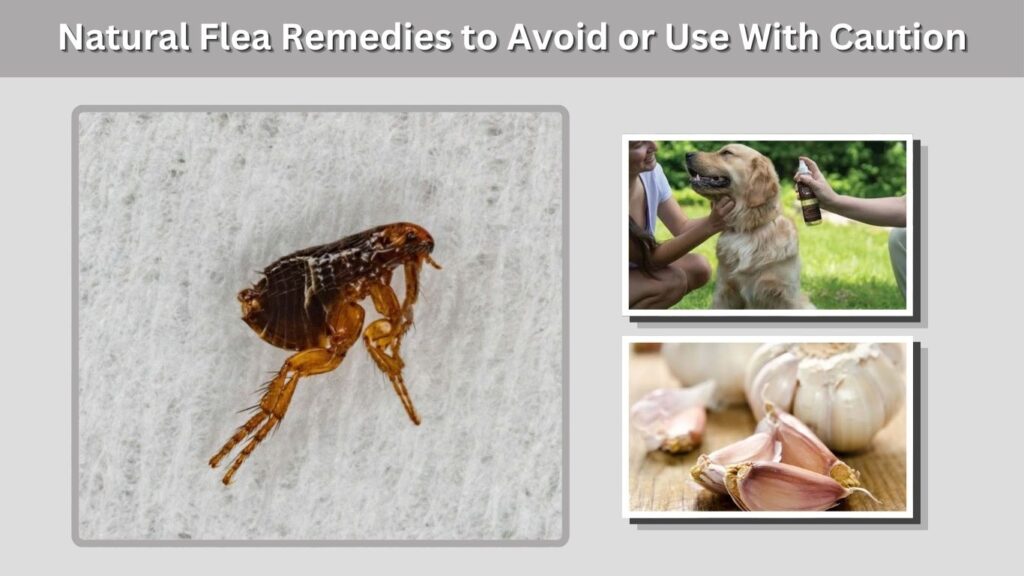
Many online DIY recipes are described as “natural flea treatments,” but natural ingredients can still irritate or poison pets. Homemade mixtures may also create a false sense of protection while fleas continue reproducing. Concentrated essential oils deserve particular caution because dogs can absorb or ingest them when oils are placed directly on the coat.
Be Careful With These Home Remedies
Avoid relying on:
- Concentrated tea tree oil
- Undiluted essential oils
- Homemade essential-oil flea sprays
- Garlic given as a flea remedy
- Household cleaning chemicals on the coat
- Undiluted vinegar on irritated skin
- Unlabeled pesticide mixtures
- Products designed for cats or another species
The ASPCA warns that concentrated essential oils can cause problems including unsteadiness, depression, vomiting, and diarrhea, and recommends avoiding direct application of essential oils to pets.
Does Apple Cider Vinegar Kill Fleas?
Apple cider vinegar is widely promoted as a natural flea remedy, but it should not be considered a dependable way to eliminate a flea infestation.
Even if its smell temporarily affects flea behavior, it does not solve the eggs, larvae, and pupae developing throughout the environment. Vinegar can also irritate damaged or inflamed skin.
A flea comb and thorough environmental cleaning are more practical nonchemical approaches.
What About Essential Oils?
Essential oils such as tea tree, peppermint, eucalyptus, and other concentrated oils should not automatically be considered safe because they come from plants.
Pets can be exposed through their skin, by licking treated fur, or by accidental ingestion. The ASPCA notes that concentrated oils can pose significant risks and specifically advises against directly applying them to pets.
When Natural Flea Treatment Is Not Enough
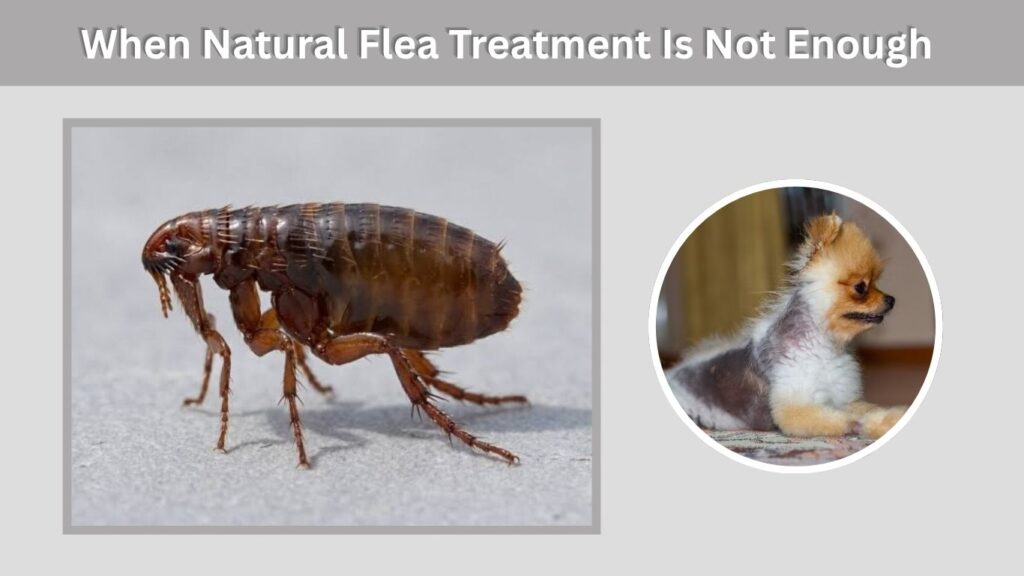
Natural flea control may work best when only a few fleas are present or as supportive environmental management. A heavy infestation, repeated reinfestation, flea allergy dermatitis, skin infections, or fleas on a very young or medically vulnerable dog requires greater caution. In these situations, veterinary treatment may be safer and more effective than continuing to experiment with homemade remedies.
Signs You May Need Veterinary Help
Contact a veterinarian if you notice:
- Persistent intense scratching
- Hair loss
- Red or damaged skin
- Scabs or open sores
- Signs of skin infection
- Pale gums or weakness
- Large numbers of fleas
- Fleas repeatedly returning despite cleaning
- A puppy with a significant infestation
Heavy flea burdens can be particularly concerning for small or young animals.
Natural and Veterinary Treatment Can Work Together
Choosing veterinary flea prevention does not mean abandoning natural flea-control methods.
Flea combing, vacuuming, laundering bedding, and maintaining a clean environment can all complement an appropriate preventive treatment. EPA guidance recommends consulting a veterinarian to determine the best flea and tick protection for an individual pet and following all label instructions carefully.
How to Prevent Fleas Naturally
Preventing a large infestation is usually easier than eliminating one. Frequent coat checks, flea combing, household cleaning, and attention to your dog’s sleeping areas can reveal flea activity before it becomes severe. Dogs with regular outdoor exposure may still need effective preventive products because environmental management cannot completely eliminate encounters with fleas or ticks.
Simple Flea-Prevention Routine
A practical routine can include:
- Check the coat several times each week.
- Use a flea comb regularly.
- Wash bedding routinely.
- Vacuum areas where pets rest.
- Keep indoor resting areas clean.
- Inspect pets after outdoor activities.
- Treat every household pet appropriately if fleas are confirmed.
- Consult a veterinarian if infestations continue.
Do not use a flea or tick product intended for a different species or weight category. EPA guidance emphasizes following species, age, weight, and label requirements carefully.
FAQs
Natural flea control is most effective when expectations are realistic. Physical removal and environmental cleaning can significantly reduce flea numbers, but established infestations are difficult because most of the flea life cycle occurs away from the dog. Safe treatment therefore requires attention to both the animal and its surroundings rather than relying on one homemade ingredient.
1. What Is the Best Natural Flea Treatment for Dogs?
Regular flea combing combined with thorough household cleaning is one of the safest nonchemical approaches. Wash bedding, vacuum frequently, and check your dog’s coat regularly. Severe infestations may still require veterinary flea prevention.
2. Can I Get Rid of Dog Fleas Naturally?
Mild infestations may be reduced with flea combing, bathing, laundering, and intensive vacuuming. Established infestations are harder to eliminate because eggs, larvae, and pupae remain throughout the environment.
3. Is Vinegar a Natural Flea Treatment for Dogs?
Vinegar is commonly suggested online, but it is not a reliable treatment for eliminating flea infestations. It may also irritate already damaged skin. Flea combing and environmental management are more useful approaches.
4. Are Essential Oils Safe for Flea Treatment?
Concentrated essential oils should not be applied directly to dogs without veterinary guidance. Some can cause poisoning or other adverse effects if absorbed through the skin or swallowed.
5. Can Natural Flea Treatment Also Control Ticks?
Regular inspection and environmental maintenance can reduce tick exposure, but these methods cannot guarantee protection. Dogs with significant tick exposure may require a veterinarian-recommended preventive in addition to natural management methods.