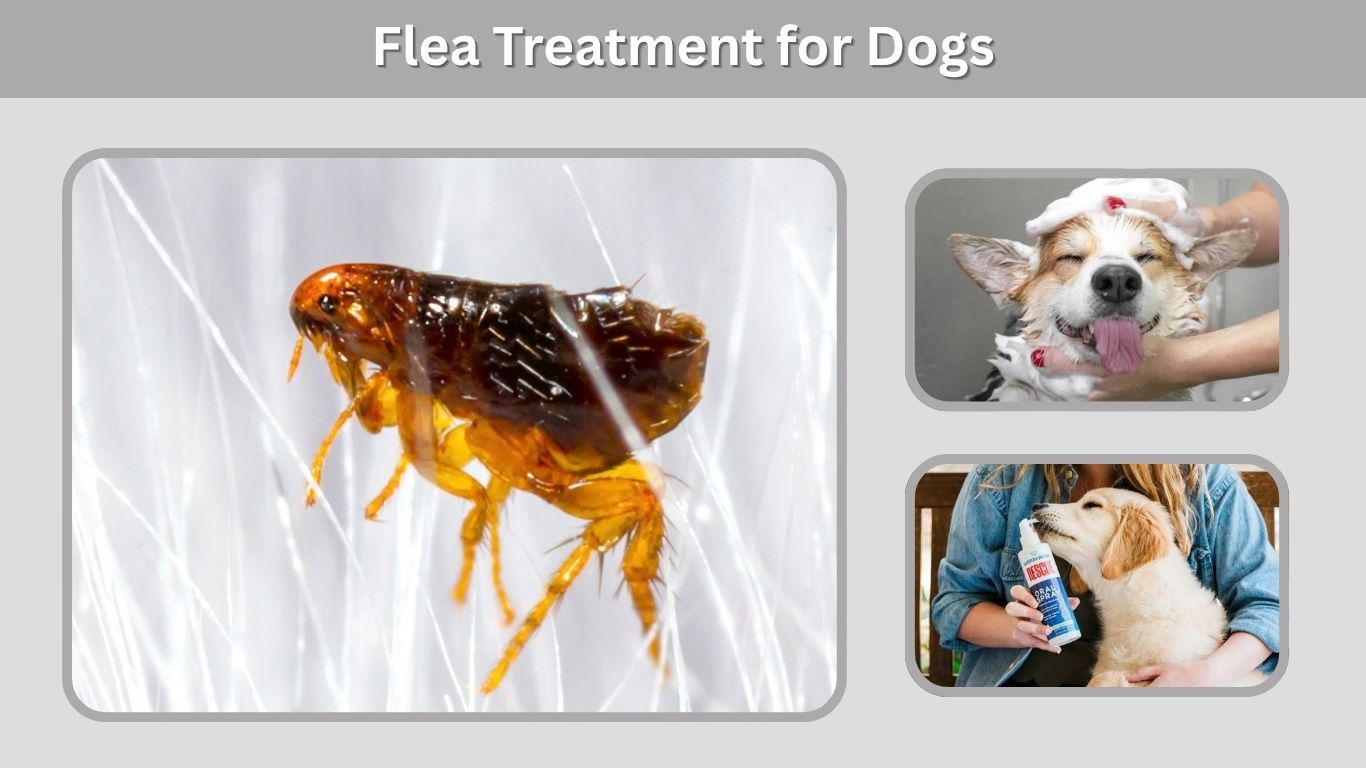
Finding the right flea treatment for dogs is important for stopping itching, skin irritation, flea allergy problems, and recurring household infestations. Treatments now include topical liquids, oral medications, collars, shampoos, and prescription preventives, but the safest choice depends on your dog’s age, weight, health history, and lifestyle. Treating only the visible fleas is rarely enough. Successful flea control usually combines an appropriate dog treatment with consistent prevention and careful management of fleas developing in bedding, carpets, furniture, and other areas of the home.
What Is the Best Flea Treatment for Dogs?
There is no single flea treatment that is best for every dog. Veterinarians consider the dog’s age, weight, medical history, exposure to ticks, other pets in the home, and how easy the treatment is for the owner to administer consistently. Modern options include oral medications, topical treatments, collars, sprays, and shampoos, with different products providing different durations of protection.
Common Types of Flea Treatment
The main options include:
- Oral flea treatment: Tablets or chews that deliver active ingredients systemically.
- Topical flea treatment: Liquid medication applied directly to the skin, usually along the back or neck.
- Flea and tick collars: Wearable products designed to provide ongoing parasite protection.
- Flea shampoos: Products that may remove or kill fleas present during bathing but often provide limited long-term prevention.
- Sprays and other topical products: Used according to specific label instructions.
- Prescription flea treatment: Veterinarian-prescribed products selected for an individual dog’s needs.
The correct choice depends more on the dog’s individual circumstances than on whether one format is universally “stronger.”
Oral Flea and Tick Treatment for Dogs
Oral flea treatments are popular because they are easy to administer and do not leave medication on the coat. Some are given monthly, while certain formulations work for longer periods.
Prescription products in the isoxazoline class include active ingredients used in products such as Bravecto, NexGard, Simparica, and Credelio. The FDA considers approved isoxazoline products safe and effective for most dogs but notes that neurologic adverse events—including tremors, loss of coordination, and seizures—have occurred in some animals.
For this reason, your dog’s health history matters when selecting an oral preventive.
Topical Flea Treatment for Dogs
A topical flea treatment for dogs, often called a spot-on treatment, is applied directly to the skin rather than simply onto the hair.
Depending on the product, topical treatments may target fleas alone or provide combined flea and tick protection. They are often convenient for dogs that resist tablets. However, owners must select the correct product for the dog’s species, age, and weight and follow application instructions carefully.
Never assume that a treatment intended for another animal is safe for your dog.
How to Choose the Safest Flea Treatment for Dogs
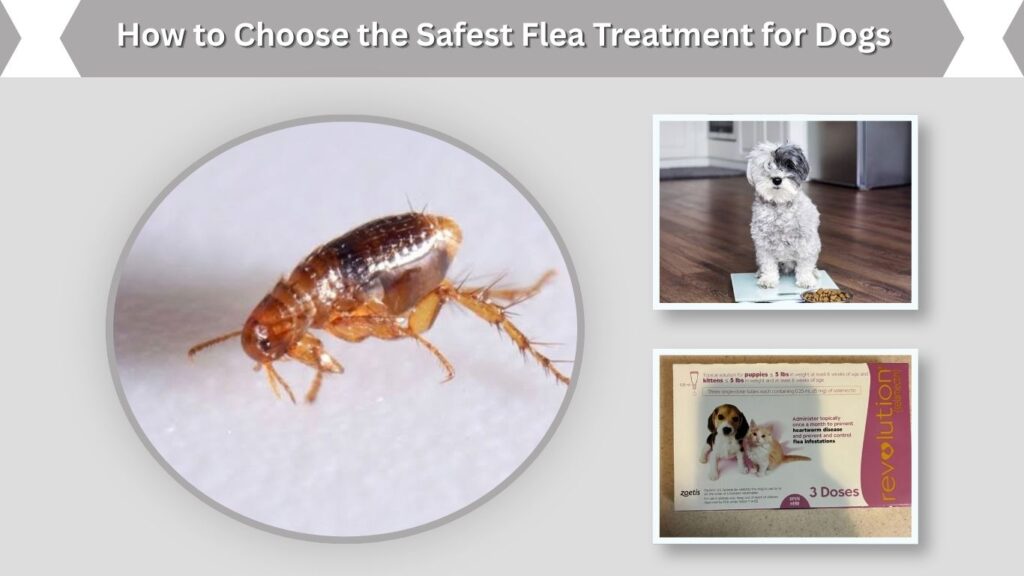
Searching for the safest flea and tick treatment for dogs can be confusing because safety depends on both the active ingredient and the individual animal receiving it. A product that works well for one healthy adult dog may not be suitable for a very young puppy or a dog with certain medical conditions. Product labels and veterinary advice should guide the decision.
Check These Factors Before Treatment
Before applying or giving a flea product, consider:
- Your dog’s current weight
- Your dog’s age
- Whether your dog is pregnant or nursing
- Current medications
- Previous reactions to flea products
- History of neurologic problems or seizures
- Whether tick protection is also required
- Whether cats or other animals live in the household
- The product’s minimum age and weight requirements
Never divide a product intended for a larger dog unless the label or veterinarian specifically directs you to do so. EPA guidance emphasizes using only the amount and product size specified for the animal.
Dogs With a History of Seizures
Extra care is appropriate when choosing a flea treatment for dogs with seizures.
The FDA has reported neurologic adverse reactions associated with isoxazoline flea and tick drugs, including tremors, ataxia, and seizures. Reactions have occurred even in some animals without a previous seizure history.
This does not mean every dog should avoid these medications. Instead, owners should discuss the dog’s neurological history with a veterinarian so the benefits and risks of available products can be considered individually.
How to Treat a Flea Infestation on a Dog
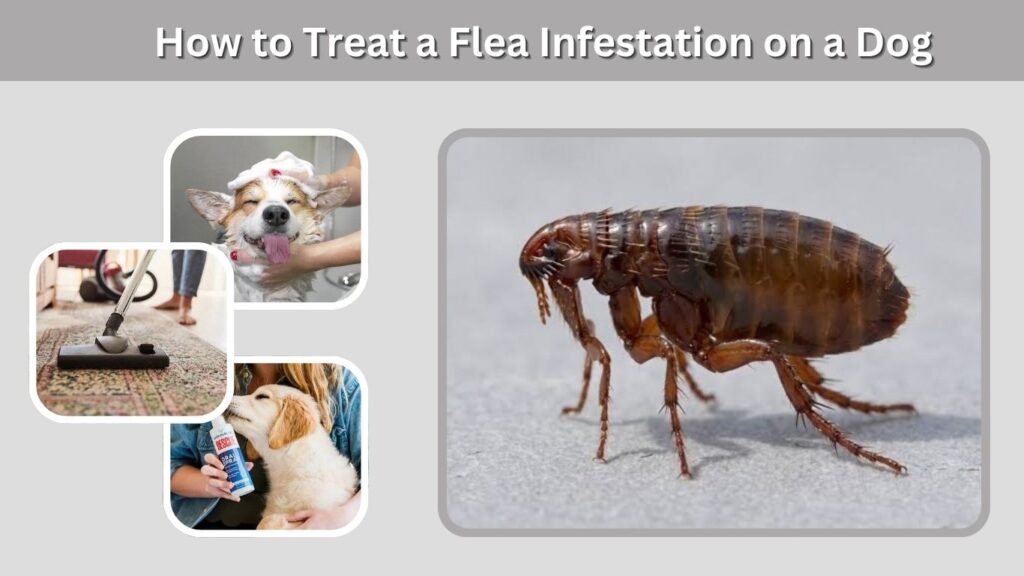
Killing adult fleas on your dog is only one part of controlling an infestation. Flea eggs fall from pets into carpets, bedding, furniture, and other protected locations. Larvae and pupae then continue developing away from the animal. As a result, new adult fleas may continue appearing even after an effective treatment has been started. Complete control can take weeks or sometimes months.
Treat Every Pet Appropriately
Every susceptible pet in an infested household generally needs an appropriate flea-control plan. Leaving one animal untreated allows fleas to continue feeding and reproducing.
However, this does not mean using the same product on every species. Dog products should not automatically be applied to cats, and vice versa. Some ingredients that can be used on dogs may be unsafe for cats.
Follow each product’s label carefully and obtain veterinary advice when managing a multi-pet household.
Treat the Home Environment
Helpful environmental steps include:
- Wash pet bedding regularly.
- Vacuum carpets, rugs, upholstery, and pet resting areas.
- Pay attention to spaces under furniture and along baseboards.
- Dispose of vacuum contents appropriately.
- Continue preventive treatment while immature fleas develop and emerge.
- Treat all household pets with species-appropriate products.
- Follow professional advice for severe household infestations.
Flea larvae commonly develop in protected indoor areas such as carpets, beneath furniture, and along baseboards. This is why treating only the dog may not immediately end the problem.
Natural and At-Home Flea Treatment for Dogs
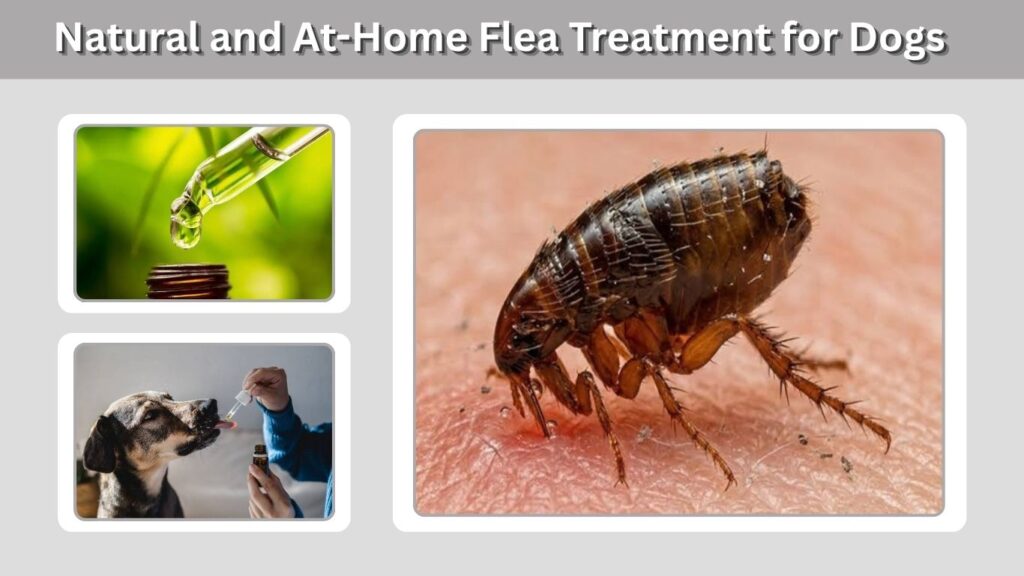
Interest in natural flea treatment for dogs, DIY remedies, and homemade flea products is high, but “natural” does not automatically mean safe or effective. A bath, flea comb, and household cleaning may help physically remove fleas, yet these methods usually do not provide the dependable long-term prevention available from appropriately selected veterinary flea-control products.
Can Home Remedies Get Rid of Fleas?
Frequent flea-comb checks can help detect and physically remove adult fleas. Washing bedding and vacuuming can also reduce the environmental flea population.
These steps are useful as part of a larger control program, but established infestations can persist because immature stages remain hidden in the environment. The Companion Animal Parasite Council notes that moderate or severe infestations may require several months to bring fully under control.
Natural Treatments to Use With Caution
Be particularly careful with:
- Concentrated essential oils applied to the skin
- Tea tree oil mixtures
- Undiluted homemade herbal preparations
- Unlabeled pesticide mixtures
- Products intended for another animal species
- Remedies that replace proven prevention during a severe infestation
The ASPCA warns that concentrated essential oils can cause health problems in pets and recommends avoiding direct application of essential oils unless appropriate veterinary guidance supports their use.
Flea Treatment for Puppies and Special Cases
Dog flea treatment for puppies requires more caution because many products have minimum age or weight restrictions. Pregnant, nursing, elderly, sick, or medicated dogs may also need individualized recommendations. Never assume that a product safe for a healthy adult dog can automatically be used on every puppy or medically vulnerable animal.
Flea Treatment for Puppies
Check the minimum age and weight stated on the product label before treating a puppy.
EPA guidance specifically recommends not applying flea and tick pesticides to puppies unless the label permits use at that age. Very young puppies may require a veterinarian-directed approach involving physical flea removal and treatment of the mother and environment rather than routine adult-dog medication.
Pregnant, Senior, or Medically Compromised Dogs
Pregnant and nursing dogs, seniors, and animals receiving other medications may respond differently to parasite-control products.
The safest option is not necessarily a “natural” product. Instead, it is a treatment with safety information appropriate to that individual dog.
Discuss existing illnesses, medications, previous reactions, pregnancy, nursing status, and neurological history with a veterinarian before starting a new preventive.
Monthly Flea and Tick Treatment for Dogs
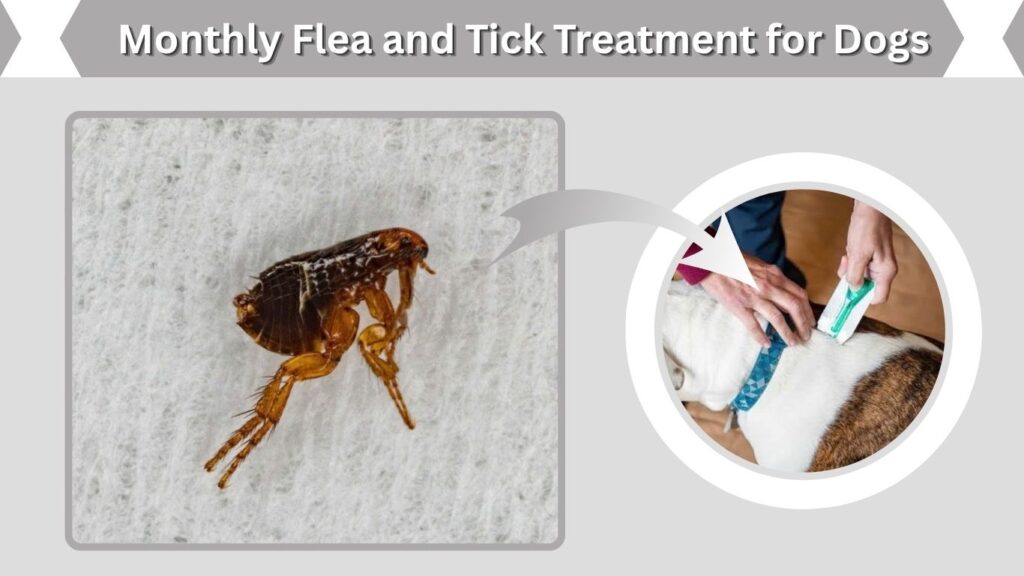
A consistent prevention schedule is often more effective than waiting until fleas become visible. Fleas reproduce rapidly, and by the time an owner notices adult insects, immature stages may already be developing throughout the home. Year-round control can help prevent household flea populations from becoming established, particularly in climates where fleas remain active for much of the year.
Why Consistency Matters
Missing treatments can create gaps in protection during which fleas have an opportunity to feed and reproduce.
Some products are administered monthly, while others have different dosing intervals. Always follow the particular product label rather than assuming every flea preventive lasts exactly one month.
In 2025, the FDA also approved an injectable prescription flea-and-tick treatment for dogs that can provide 8–12 months of protection, illustrating how treatment intervals now vary considerably between products.
Preventing Fleas From Returning
Long-term prevention works best when the entire household is considered. Fleas can continue emerging from cocoons after treatment begins, so seeing a few fleas shortly after starting control does not necessarily mean the product has failed.
Consistent prevention, environmental cleaning, and proper treatment of every susceptible pet help interrupt the life cycle.
Side Effects of Flea Treatment for Dogs
Most properly selected flea treatments can be used safely when their directions are followed, but adverse reactions are possible. The type of reaction depends on the product and the individual dog. Watch your pet after starting a new treatment, particularly during the first application or dose, and keep the packaging so the active ingredient and manufacturer information remain available.
Signs That Need Veterinary Attention
Possible adverse effects may include skin irritation, redness, vomiting, diarrhea, trembling, unusual weakness, loss of coordination, or seizures.
If your dog develops concerning symptoms after a flea or tick product, contact a veterinarian promptly. For certain topical pesticide reactions, EPA guidance advises following the label instructions and contacting a veterinarian; bathing with mild soap and abundant water may also be advised for topical exposure.
Severe neurological signs, collapse, trouble breathing, or repeated seizures require urgent veterinary attention.
FAQs
Choosing between topical, oral, prescription, and natural flea treatments can be difficult because no treatment is ideal for every pet. Age, body weight, health history, parasite exposure, and the presence of other animals all influence the decision. These common questions address some of the most important concerns dog owners have when developing a flea-control plan.
1. What Is the Safest Flea Treatment for Dogs?
There is no universally safest product. The best choice depends on your dog’s age, weight, health history, medications, and parasite risks. A veterinarian can help compare appropriate options, particularly for puppies, pregnant dogs, seniors, or dogs with neurological conditions.
2. Is Oral or Topical Flea Treatment Better for Dogs?
Both can be effective when appropriately selected and used. Oral products may be convenient for dogs that swim or are bathed frequently, while topical products may suit dogs that resist tablets. Medical history and treatment coverage are more important than choosing one format solely for convenience.
3. How Often Should Dogs Receive Flea Treatment?
Many products are given monthly, but treatment intervals vary. Some last longer, so follow the specific product label or veterinarian’s instructions rather than automatically applying every product once a month.
4. Can I Use Natural Flea Treatment Instead of Medication?
Flea combing, washing bedding, and vacuuming are useful supportive measures, but they may not control an established infestation by themselves. Be cautious with concentrated essential oils and homemade preparations because natural ingredients can still harm pets.
5. Why Am I Still Seeing Fleas After Treating My Dog?
Immature flea stages may already be developing in carpets, furniture, bedding, or other protected locations. New adults can continue emerging after treatment begins. Consistent pet prevention and environmental control are therefore necessary, and established infestations may take several weeks or months to eliminate completely.