
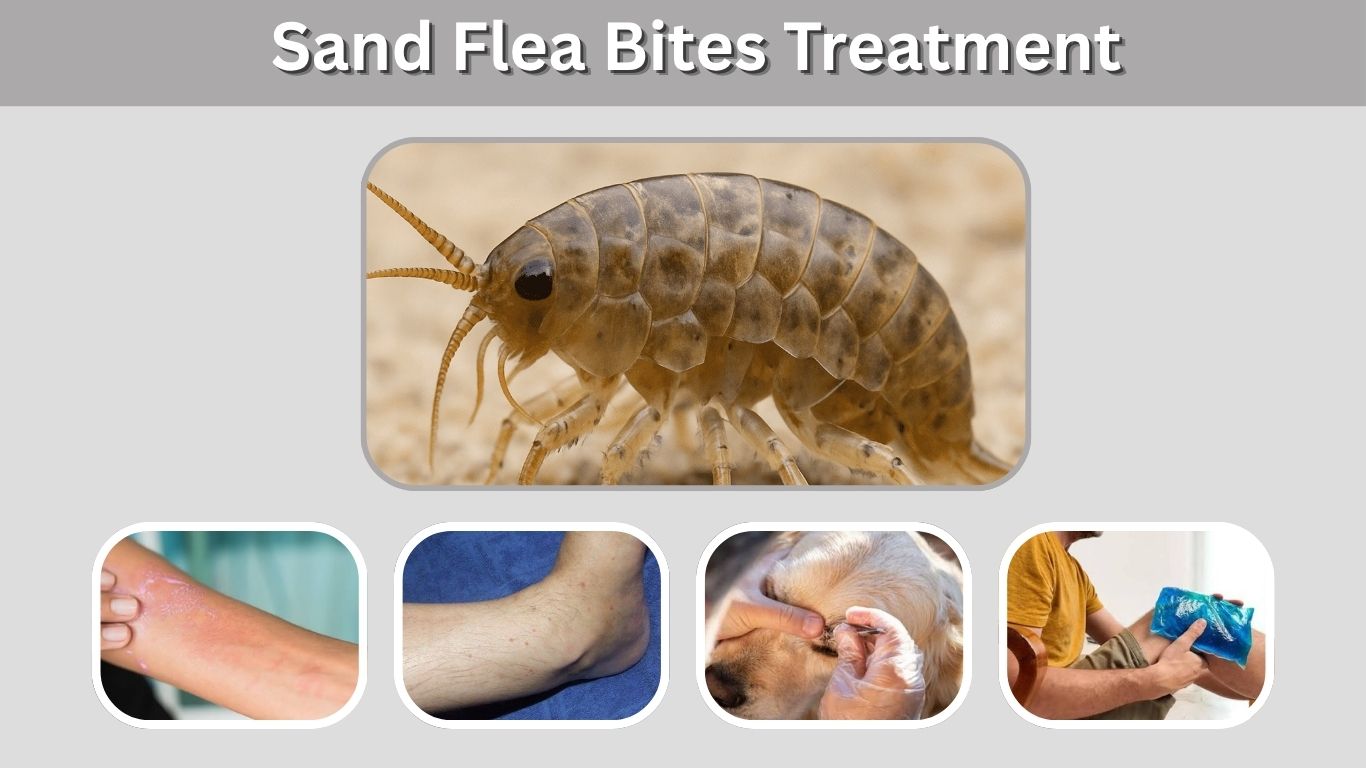
Dealing with itchy, red bumps after spending time at the beach can be uncomfortable, especially when the irritation continues for several days. Fortunately, most mild sand flea bites respond well to simple home treatments that reduce itching, swelling, and skin irritation. However, some true sand fleas can burrow into the skin and require medical attention. Understanding the right sand flea bites treatment helps you relieve discomfort, recognize warning signs, and prevent complications.
What Are Sand Flea Bites?
Sand flea bites are skin reactions associated with tiny biting creatures found in sandy or coastal environments. The term “sand flea” is commonly used for several different organisms, including biting midges and true chigoe fleas. Their effects vary considerably, making correct identification important before choosing treatment. Some cause temporary itching, while others can produce more serious skin conditions.
What Causes Sand Flea Bites?
Many bites blamed on sand fleas actually come from biting midges, sometimes called no-see-ums, or other small biting insects.
These insects can cause itchy, raised bumps after feeding on exposed skin.
True sand fleas, particularly Tunga penetrans, are different. Fertilized female fleas can penetrate the skin and cause a condition called tungiasis.
Beach hoppers, which are also commonly called sand fleas, are small crustaceans and do not normally bite humans.
Where Do Sand Fleas Usually Bite?
Ordinary insect bites acquired around sandy environments often affect exposed areas, including the ankles, feet, legs, and arms.
True chigoe fleas usually affect the feet, particularly around the toes, soles, heels, and toenails.
The location of the affected skin can provide clues, but it cannot confirm the cause without examining the lesion and considering recent exposure.
Sand Flea Bite Symptoms and Identification
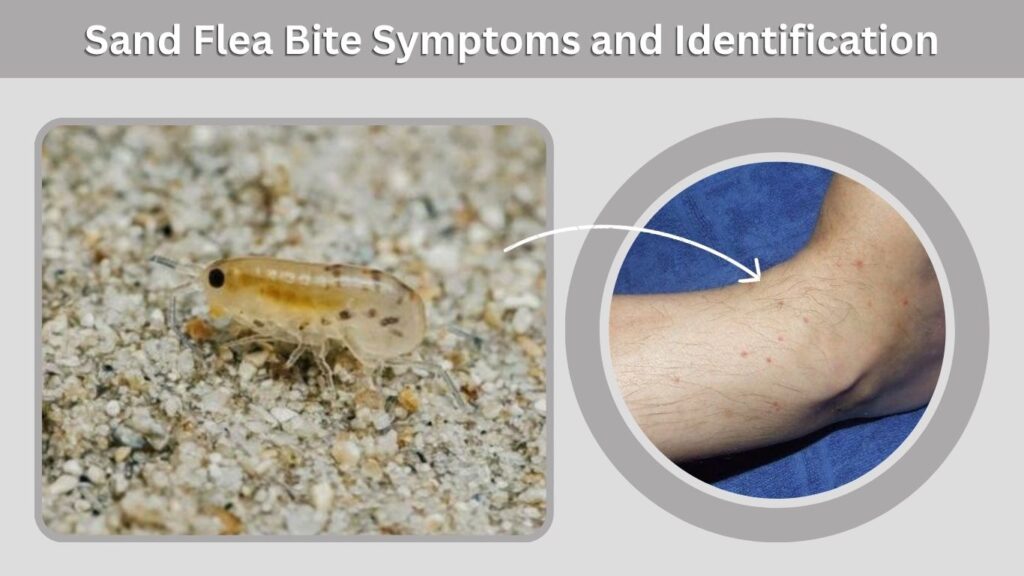
Sand flea bite symptoms vary according to the responsible organism and the individual’s skin sensitivity. Mild reactions often involve itching, redness, and localized swelling. However, an embedded chigoe flea may produce a distinctive lesion that becomes increasingly painful. Recognizing these differences helps determine whether home treatment is appropriate or medical attention is necessary.
Common Symptoms of Sand Flea Bites
Ordinary bites may cause small, raised bumps accompanied by itching and mild inflammation. Several bumps can appear close together after prolonged exposure to biting insects.
Some individuals develop more noticeable swelling because of their sensitivity to insect saliva.
Tungiasis may begin with mild irritation before developing into a round, pale lesion with a dark central opening.
Mild Sand Flea Bites vs. Tungiasis
| Features | Mild Insect Bites | Tungiasis |
| Appearance | Small, itchy bumps | Raised lesion with a possible dark center |
| Itching | Common | Common |
| Swelling | Usually localized | May progressively increase |
| Pain | Often mild | Can become significant |
| Skin penetration | No embedded parasite | Female flea embeds in skin |
| Healing | Often within several days | Requires appropriate assessment and treatment |
| Treatment | Home symptom relief | Medical evaluation |
How to Treat Sand Flea Bites at Home
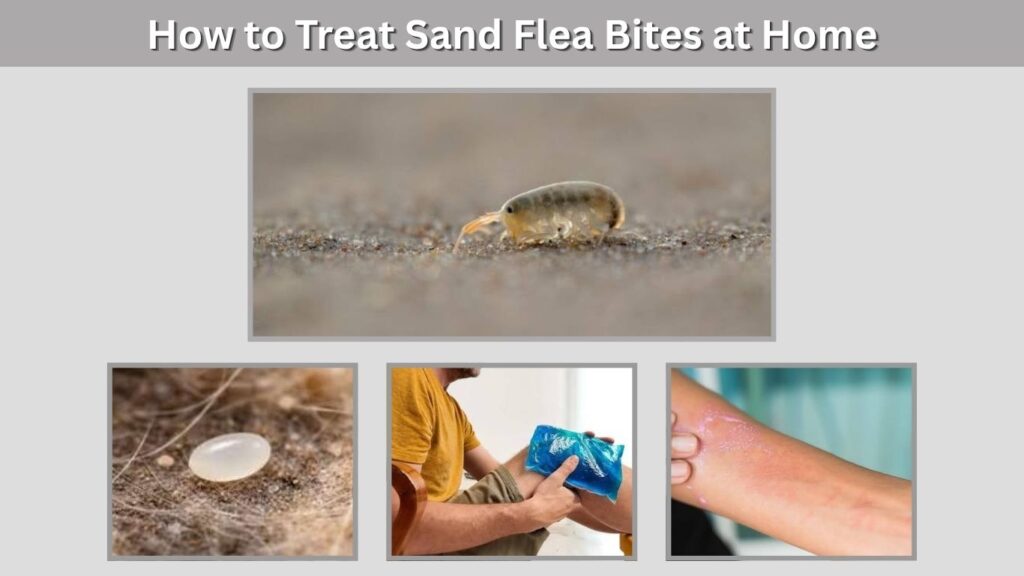
Most uncomplicated sand flea-like bites can be managed at home using gentle cleaning and treatments that reduce itching and inflammation. The main goals are to protect the affected skin, relieve discomfort, and prevent secondary infection. These methods are suitable for ordinary itchy bites, not suspected embedded chigoe fleas or infected wounds.
Effective Home Treatment Methods
- Wash the affected area: Gently clean the skin using mild soap and water to remove dirt and reduce infection risk.
- Apply a cold compress: Place a clean, cool cloth or wrapped ice pack against the affected area for 10–20 minutes to relieve swelling.
- Use calamine lotion: Apply according to the product directions to soothe itching and irritation.
- Consider hydrocortisone cream: A suitable over-the-counter cream may reduce inflammation on unbroken skin. Follow label instructions.
- Take an antihistamine if appropriate: Ask a pharmacist about an oral antihistamine when itching is particularly uncomfortable.
- Avoid scratching: Keep fingernails short and avoid breaking the skin, which increases infection risk.
How to Stop Sand Flea Bites From Itching
Persistent itching can interfere with sleep and daily activities. Applying a cool compress before bedtime may provide temporary relief.
Loose, breathable clothing can minimize friction against affected skin.
If itching continues despite basic treatment, consult a healthcare professional or pharmacist before combining medicines or applying additional products.
Natural Treatment for Sand Flea Bites
Natural sand flea bite treatments focus primarily on relieving mild skin irritation without using unnecessary medications. Simple measures such as cooling the skin and protecting its surface may improve comfort during recovery. However, home remedies cannot remove an embedded flea or treat serious infections, making proper identification especially important.
Cold Water and Cool Compresses
Cool water offers a straightforward way to reduce discomfort caused by ordinary insect bites.
A clean washcloth soaked in cool water can be placed gently over irritated skin.
Repeat the application when necessary, allowing the skin to return to its normal temperature between treatments.
Gentle Skin Care
Keeping the affected area clean and avoiding irritating products can help the skin recover.
Use a fragrance-free moisturizer if the surrounding skin becomes dry.
Avoid applying vinegar, concentrated essential oils, alcohol, or harsh homemade mixtures directly to bites. These substances can worsen irritation and are not proven treatments for tungiasis.
Medical Treatment for Serious Sand Flea Bites
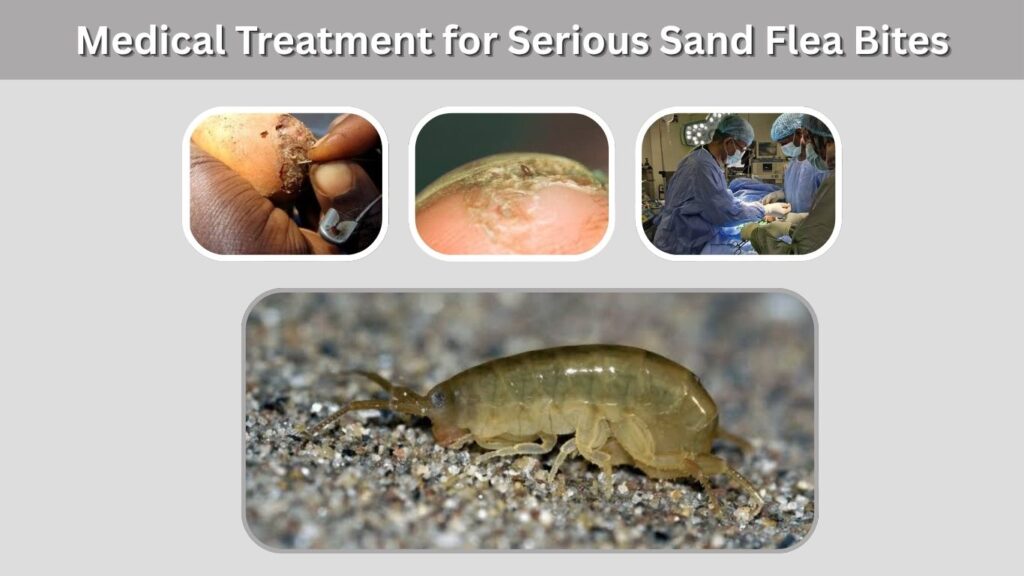
Some sand flea-related skin conditions require more than ordinary home treatment. True chigoe fleas can become embedded in human skin, causing tungiasis, while scratching insect bites can occasionally lead to bacterial infections. Early medical assessment helps identify the problem and prevents potentially serious complications involving inflammation, infected wounds, or damaged surrounding tissue.
Treatment for Embedded Sand Fleas
Tungiasis requires medical evaluation because the flea is lodged within the skin.
A healthcare professional may use an appropriate topical treatment or carefully remove the parasite under sterile conditions.
A clinician may also assess the wound for infection and check whether tetanus vaccination is up to date.
Never attempt to dig out an embedded flea using needles, pins, or other sharp objects.
Treating Infected Sand Flea Bites
A bite may become infected when scratching damages the skin and allows bacteria to enter.
Warning signs include spreading redness, increasing warmth, pus, worsening pain, or fever.
Contact a healthcare professional promptly if these symptoms develop. Antibiotics may be necessary when a bacterial infection is diagnosed.
Allergic Reactions to Sand Flea Bites
Some people experience stronger inflammatory reactions after insect bites. These reactions may involve considerable itching, swelling, or larger areas of irritated skin. Most remain localized, but severe allergic reactions require immediate attention. Recognizing the difference helps avoid unnecessary treatment while ensuring that potentially dangerous symptoms are addressed quickly.
Mild Allergic Reactions
Localized allergic reactions may cause increased redness, swelling, and persistent itching around the bite.
Cold compresses, suitable antihistamines, and short-term anti-inflammatory skin treatments may provide relief.
Seek professional advice if swelling becomes extensive or symptoms continue to worsen.
When to Seek Emergency Treatment
Difficulty breathing, swelling of the tongue or throat, fainting, or sudden severe dizziness can indicate a serious allergic reaction.
Seek emergency medical assistance immediately if these symptoms occur.
Do not rely on home remedies to manage a potentially life-threatening allergic response.
Sand Flea Bites Treatment for Dogs
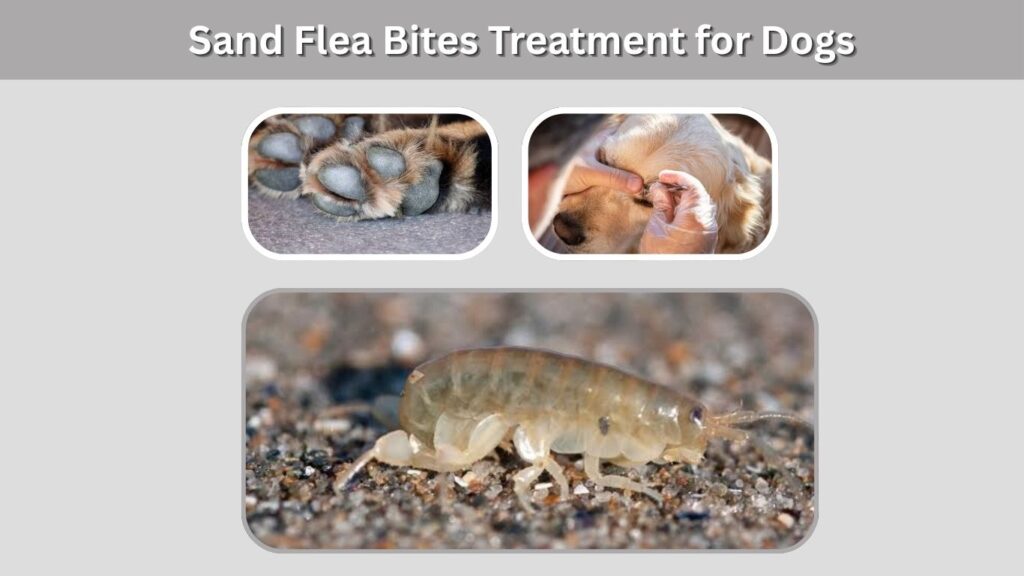
Dogs exploring beaches and sandy environments can encounter fleas and other biting insects. However, skin irritation after a beach visit does not necessarily mean true sand fleas are responsible. Ordinary fleas, allergies, and other parasites can produce similar symptoms. Correct diagnosis helps ensure that pets receive suitable treatment without exposure to inappropriate household medications.
How to Treat Sand Flea Bites on Dogs
Check your dog’s paws, belly, and skin for redness, irritation, or visible parasites.
Gently rinse away sand and keep the animal from excessively licking or scratching affected areas.
Contact a veterinarian if irritation persists, wounds develop, or you suspect an embedded parasite.
Never use human hydrocortisone products, essential oils, or insecticides on pets without veterinary guidance.
How to Prevent Sand Flea Bites
Preventing sand flea bites is especially important when visiting tropical beaches or other locations where biting insects and chigoe fleas occur. Protective clothing, footwear, and appropriate insect repellents can reduce exposure. Simple preventive habits also help protect sensitive skin and limit the risk of repeated bites during outdoor activities.
Essential Prevention Tips
- Wear protective footwear: Use closed shoes when walking through sandy areas where tungiasis is a risk.
- Apply insect repellent: Choose an appropriate registered product containing ingredients such as DEET or picaridin, following label directions.
- Cover exposed skin: Wear lightweight, long-sleeved clothing and long pants when practical.
- Avoid peak biting periods: Limit exposure to biting midges around dawn and dusk when they are active.
- Use a clean beach mat: Reduce direct contact with sand, although a mat cannot guarantee protection from biting insects.
- Inspect your skin: After visiting higher-risk areas, check your feet and toes for unusual lesions.
How Long Do Sand Flea Bites Take to Heal?
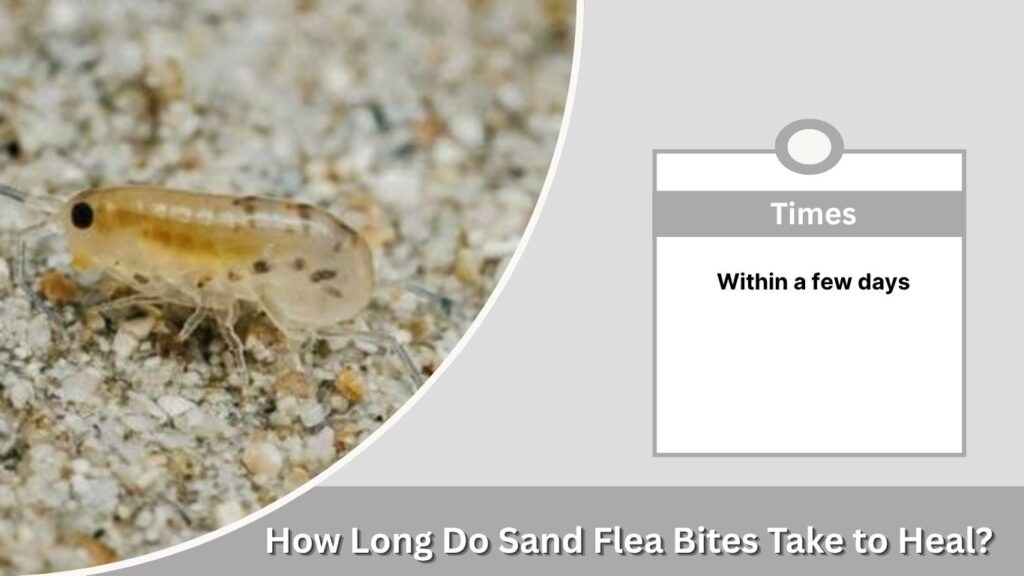
Healing time depends on the type of bite, individual sensitivity, and whether complications develop. Minor insect bites commonly improve within several days, although itching or discoloration can last longer. Tungiasis has a different progression and may result in prolonged inflammation or wounds without appropriate medical care.
Healing Time for Mild Bites
Uncomplicated bites generally begin improving within a few days.
Avoiding scratching and using suitable symptom-relief measures can make recovery more comfortable.
Seek medical advice if symptoms persist, worsen, or appear unusual.
Healing Time for Tungiasis
Embedded chigoe fleas can remain within the skin for several weeks, and surrounding inflammation may persist.
Recovery depends on the severity of the infestation, treatment received, and whether secondary infection occurs.
Early diagnosis and appropriate care can reduce the risk of lasting tissue damage.
FAQs
1. What Is the Best Treatment for Sand Flea Bites?
For mild itchy bites, washing the skin, applying a cold compress, and using suitable anti-itch medication can help. Suspected tungiasis requires medical evaluation.
2. Can Sand Flea Bites Be Treated Naturally?
Mild bites may improve with cool compresses and gentle skin care. Natural remedies cannot reliably treat embedded sand fleas or bacterial infections.
3. Does Hydrocortisone Cream Help Sand Flea Bites?
Yes. Over-the-counter hydrocortisone may reduce itching and inflammation from ordinary bites when used as directed on appropriate, unbroken skin.
4. How Do You Treat an Allergic Reaction to Sand Flea Bites?
Mild localized reactions may respond to cold compresses and antihistamines. Breathing difficulties, throat swelling, or fainting require emergency medical care.
5. Can Sand Flea Bites Become Infected?
Yes. Scratching can damage the skin and allow bacteria to enter. Increasing pain, spreading redness, pus, or fever should prompt medical evaluation.
