
Have you noticed small, itchy bumps on your skin after spending time at the beach? You might be wondering what sand flea bites look like and whether those spots are something to worry about. Sand flea bites can resemble mosquito or ordinary flea bites, but some true sand fleas cause distinctive skin lesions. Understanding their appearance, symptoms, and common locations can help you identify the possible cause and recognize when medical attention is necessary.
What Do Sand Flea Bites Look Like on Humans?
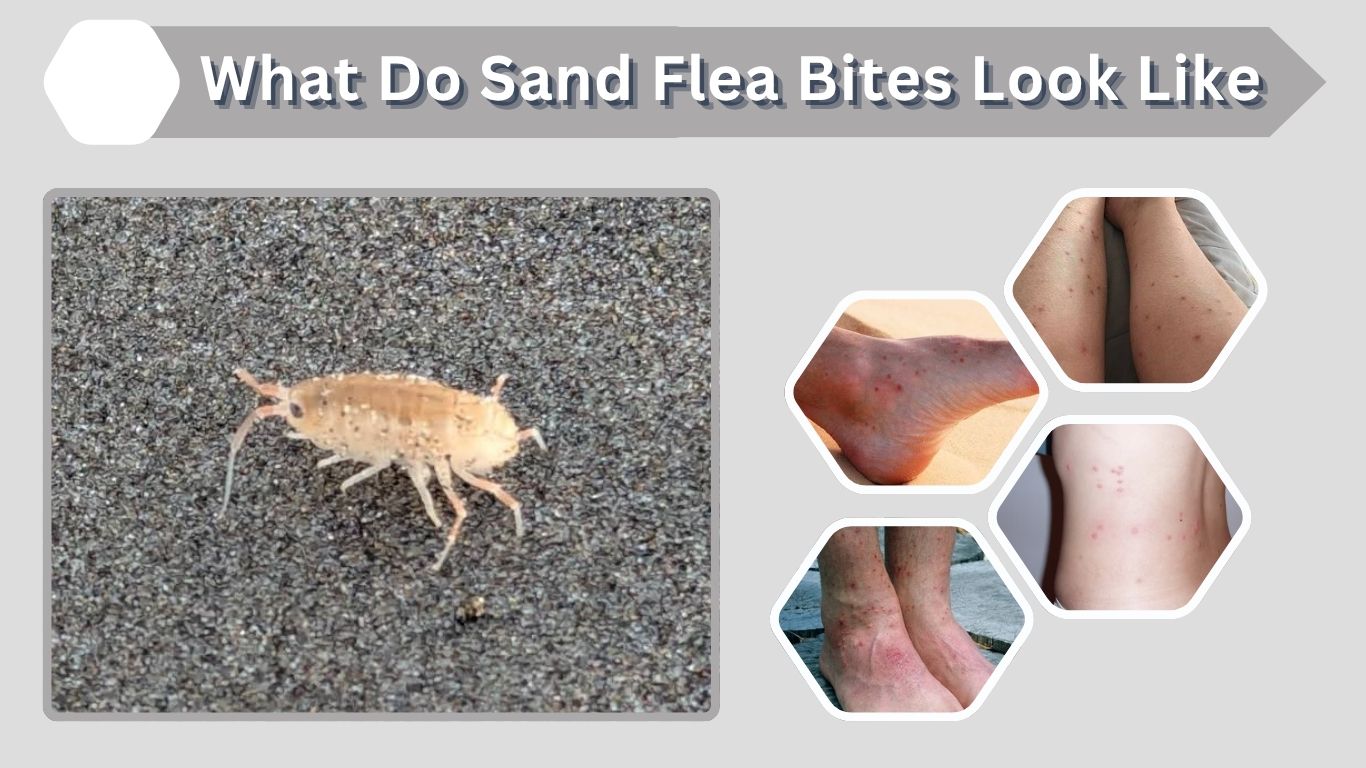
Sand flea bites on humans commonly appear as small, itchy, raised bumps that may develop in groups. However, the term “sand flea” describes several different creatures, and not every beach-related bite comes from a true sand flea. Their appearance depends on the responsible organism, individual skin sensitivity, and whether a parasite has entered the skin.
Small Red or Discolored Bumps
Ordinary bites attributed to sand fleas usually look like tiny, raised bumps surrounded by mild inflammation.
On lighter skin, affected areas may appear pink or red. On darker skin, the bumps may look purple, brown, or slightly darker than the surrounding tissue.
Some people develop noticeable swelling, while others experience only mild irritation. Persistent itching is a common symptom.
Clusters of Itchy Bites
Multiple bites may appear close together, especially after spending several hours around biting insects in coastal environments.
The bumps can form irregular clusters or appear individually.
Although grouped bites are common with several insects, their arrangement alone cannot confirm sand flea exposure. Mosquitoes, ordinary fleas, and biting midges may produce similar patterns.
What Do True Sand Flea Bites Look Like?
True sand fleas, including the chigoe flea (Tunga penetrans), differ from the small flying insects often blamed for beach bites. Female chigoe fleas penetrate the skin and cause tungiasis, a parasitic skin condition. Their lesions develop distinctive characteristics as the embedded flea grows, making early recognition important for preventing complications.
Early-Stage Sand Flea Lesions
Initially, an embedded sand flea may cause a tiny dark spot, slight swelling, or localized itching.
The affected area can resemble a small insect bite or minor skin irritation.
Over several days, the lesion may become more noticeable as the flea expands beneath the skin.
Sand Flea Bites With a Black Center
A characteristic tungiasis lesion may appear as a small, whitish, raised circular area with a black dot in its center.
This dark point represents the opening through which the embedded flea maintains contact with the outside environment.
The surrounding skin may become swollen, painful, or inflamed. Untreated lesions can eventually develop dark crusts, open sores, or secondary infections.
Where Do Sand Flea Bites Appear on the Body?
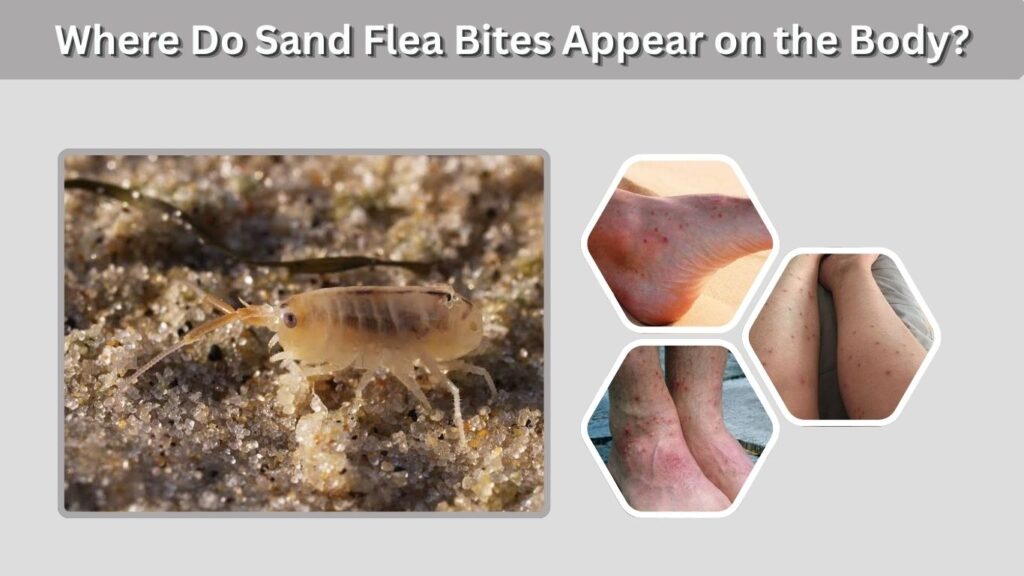
Sand flea-related skin reactions frequently affect areas exposed during outdoor activities. The exact location depends on whether the problem involves ordinary biting insects or an embedded chigoe flea. Feet and ankles are particularly important areas to inspect, although bites from coastal insects may occur elsewhere on exposed skin.
Sand Flea Bites on Feet and Ankles
Feet and ankles are common locations for bites acquired in sandy environments.
True chigoe fleas usually affect the soles, heels, toes, and areas around toenails.
A persistent round lesion with a dark center, particularly after barefoot exposure in tropical regions, should be examined by a healthcare professional.
Sand Flea Bites on Legs and Arms
Biting midges and other insects encountered near beaches may leave small, itchy bumps on exposed legs and arms.
These reactions can resemble mosquito bites, with swelling and irritation varying between individuals.
The appearance of bumps alone cannot determine which insect caused them.
What Do Sand Flea Bites Look Like on Dogs?
Dogs can experience irritation from biting insects in sandy environments, and true chigoe fleas can also affect animals in regions where tungiasis occurs. However, many skin problems mistaken for sand flea bites result from ordinary fleas, allergies, or other parasites. Examining the affected skin and observing the animal’s behavior can help determine whether veterinary assessment is necessary.
Appearance of Sand Flea Bites on Dogs
Dogs may develop small, irritated bumps, localized swelling, or inflamed skin after insect exposure.
Affected animals might lick or scratch their paws, belly, or other exposed areas.
True embedded sand fleas may create raised lesions around the feet, sometimes with a visible dark center.
Signs Your Dog Needs Veterinary Attention
Persistent scratching, painful paw lesions, hair loss, or open wounds should be evaluated by a veterinarian.
Do not attempt to remove a suspected embedded flea using sharp objects.
A veterinarian can identify the underlying problem and recommend treatment appropriate for the animal.
Sand Flea Bites vs. Other Insect Bites
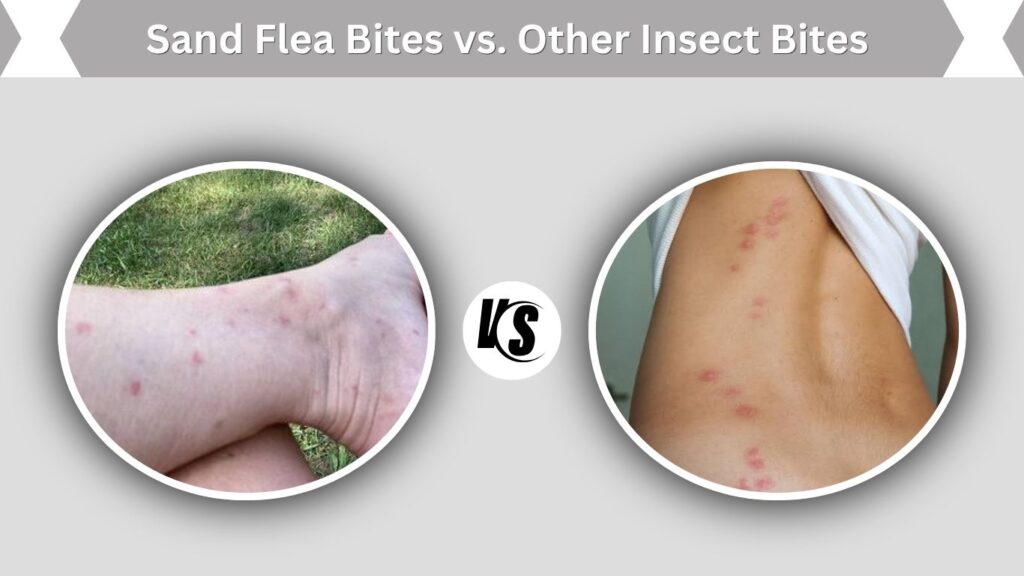
Sand flea-like bites can resemble reactions caused by mosquitoes, ordinary fleas, and bed bugs. Their similarities often make visual identification difficult. However, examining the lesion’s shape, typical location, and associated symptoms may provide useful clues. A characteristic embedded-flea lesion differs more noticeably from ordinary surface bites.
| Bite Type | Typical Appearance | Common Locations |
| Sand flea-like insect bites | Small, itchy, raised bumps | Feet, ankles, exposed skin |
| True chigoe flea lesions | Whitish circular swelling with a dark center | Soles, toes, around toenails |
| Mosquito bites | Raised, itchy welts | Exposed arms, legs, face |
| Ordinary flea bites | Small, itchy bumps, sometimes clustered | Ankles, feet, lower legs |
| Bed bug bites | Itchy bumps, sometimes in clusters | Arms, neck, shoulders, legs |
Common Signs of Sand Flea Bites
Recognizing sand flea bite symptoms involves examining both skin appearance and recent exposure. Some reactions develop shortly after outdoor activities, while true embedded-flea lesions become more distinctive over time. Because several skin conditions resemble insect bites, use the following signs as general identification clues rather than a definitive diagnosis.
Identification Signs to Look For
- Small raised bumps: Ordinary bites may produce tiny swollen spots on the skin.
- Persistent itching: Irritation can range from mild discomfort to intense itching.
- Localized swelling: Sensitive individuals may develop larger inflammatory reactions.
- Grouped spots: Several bumps can develop close together after insect exposure.
- Dark central point: An embedded chigoe flea may produce a distinctive circular lesion with a black center.
- Tenderness or pain: Increasing discomfort can occur with tungiasis or secondary infection.
How Long Do Sand Flea Bites Last?
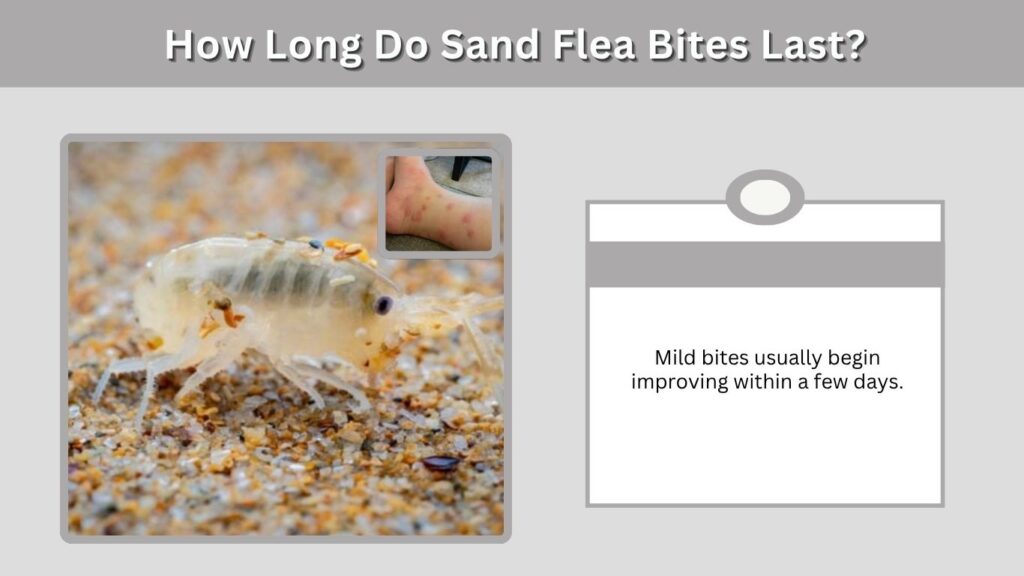
The duration of sand flea-related skin reactions depends on the cause and severity. Ordinary insect bites typically improve within several days, although itching or discoloration may last longer. Embedded chigoe fleas follow a different course and can remain within the skin for weeks, sometimes causing ongoing inflammation and pain.
Healing Time for Ordinary Bites
Mild bites usually begin improving within a few days.
Avoiding scratching can help protect irritated skin and reduce the chance of secondary infection.
Persistent bumps, spreading redness, or increasing pain warrant medical advice.
Healing Time for Embedded Sand Fleas
An embedded female chigoe flea may remain in the skin for several weeks.
Lesions can become increasingly painful or crusted, especially when secondary infection develops.
Suspected tungiasis should be medically evaluated rather than left untreated.
How to Treat Sand Flea Bites
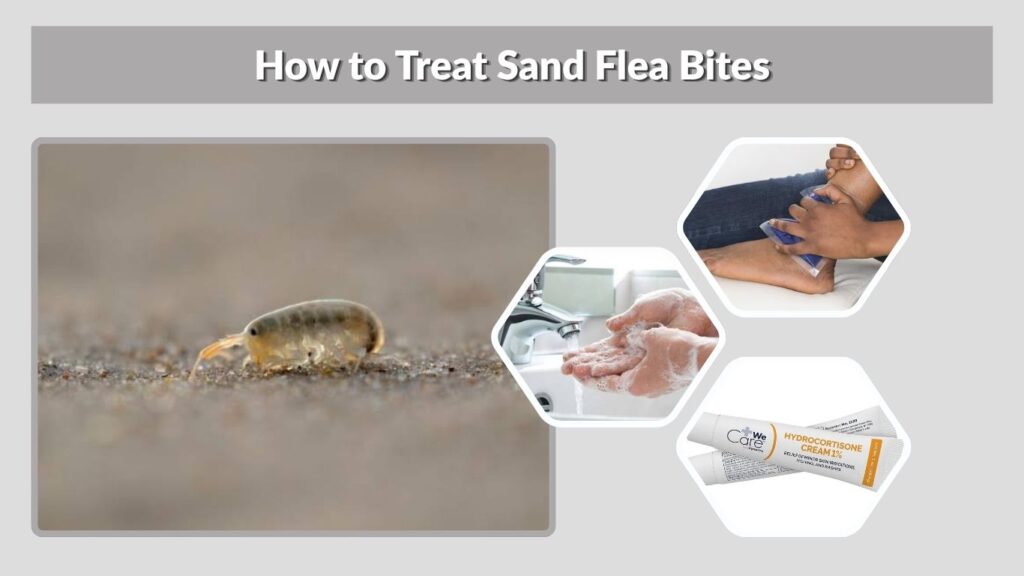
Most uncomplicated itchy bites respond to simple skin care and symptom relief. Washing the affected area, reducing swelling, and avoiding scratching can improve comfort. However, a suspected embedded sand flea requires different care because ordinary anti-itch products cannot remove the parasite.
Relieving Mild Sand Flea Bites
Gently wash the affected area using mild soap and water.
Apply a cool compress for 10–20 minutes to help relieve itching and swelling.
Calamine lotion or an appropriate over-the-counter hydrocortisone cream may provide additional relief when used according to the product instructions.
When to Seek Medical Attention
Seek medical evaluation for a lesion with a dark center that suggests an embedded flea, particularly after travel to an area where tungiasis occurs.
Spreading redness, pus, fever, or increasing pain may indicate infection.
Difficulty breathing or swelling of the throat following any insect bite requires emergency medical assistance.
How to Prevent Sand Flea Bites
Preventing sand flea-related bites involves protecting exposed skin and reducing contact with areas where the responsible organisms occur. Coastal biting insects and true chigoe fleas require somewhat different preventive measures. Appropriate footwear is especially important for avoiding tungiasis, while protective clothing and insect repellents may reduce exposure to flying biting insects.
Practical Prevention Tips
- Wear closed shoes: Protect your feet when walking through sandy soil in areas where tungiasis occurs.
- Use suitable repellents: Apply registered insect repellents according to label instructions to reduce bites from flying insects.
- Cover exposed skin: Wear long pants and sleeves when biting insects are active.
- Avoid barefoot exposure: Take extra precautions in tropical regions where chigoe fleas are present.
- Inspect your feet: Check for unusual spots or persistent lesions after potentially risky exposure.
- Protect pets: Seek veterinary guidance about appropriate parasite prevention when traveling with animals.
FAQs
1. What Do Sand Flea Bites Look Like on Human Skin?
Ordinary bites associated with sandy environments generally appear as small, itchy, raised bumps. True embedded sand fleas may produce whitish lesions with a dark center.
2. Do Sand Flea Bites Have a Black Dot in the Middle?
Some do. A black central point surrounded by a whitish raised area is characteristic of tungiasis caused by an embedded chigoe flea.
3. What Do Sand Flea Bites Look Like on Dark Skin?
Ordinary bites may appear brown, purple, or darker than the surrounding skin. Swelling and raised texture can be more noticeable than redness.
4. What Do Sand Flea Bites Look Like on a Dog’s Paws?
Affected paws may show irritated bumps or swelling. Embedded chigoe fleas can produce localized lesions, sometimes with dark central spots.
5. Can Sand Flea Bites Look Like Mosquito Bites?
Yes. Many ordinary bites acquired at beaches resemble mosquito bites. However, true chigoe flea lesions may develop a more distinctive circular appearance with a dark center.
