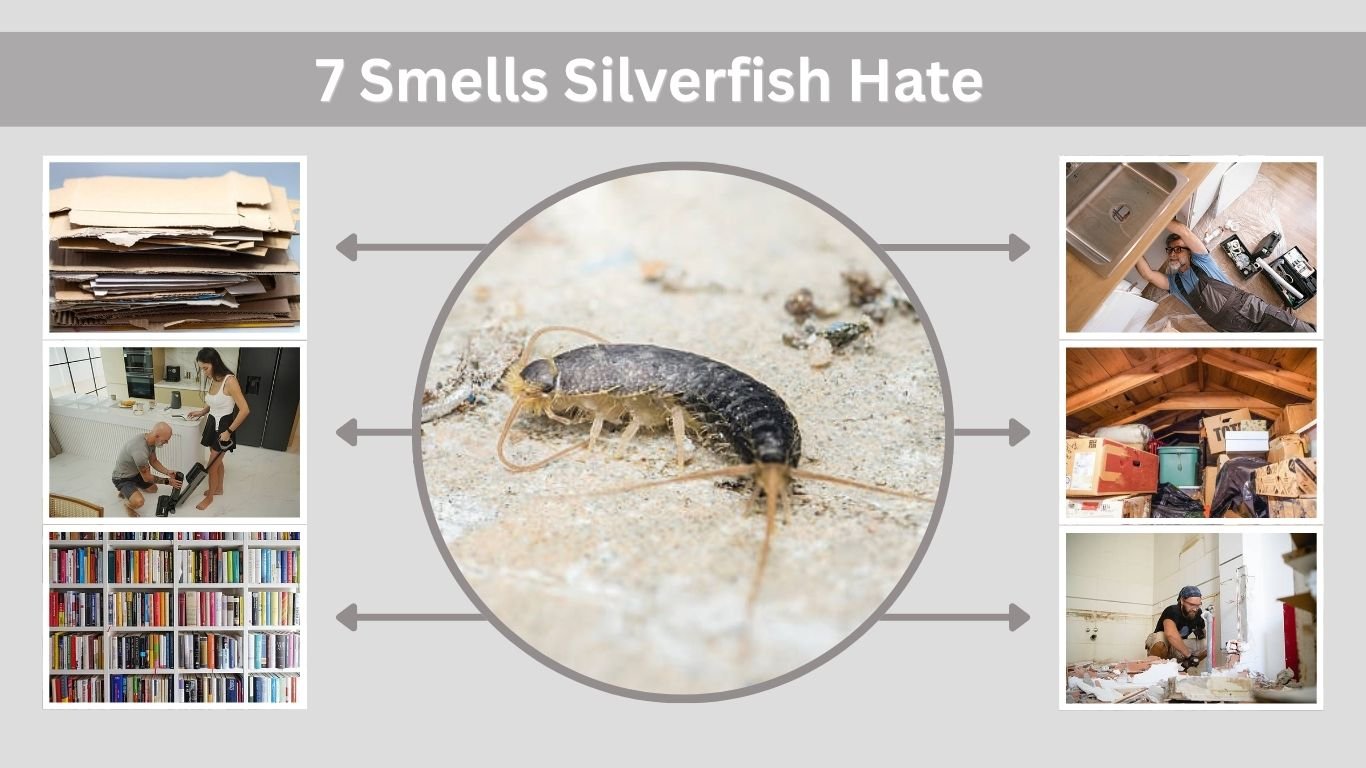
Silverfish are small, wingless insects that thrive in dark, damp corners of your home. They are especially common in bathrooms, basements, and areas where paper or fabrics are stored. While they don’t pose serious health risks, they can damage books, clothing, and wallpaper.
One of the safest and most effective ways to keep silverfish away is by using natural scents they dislike. These smells act as repellents, making your home less inviting without the need for harsh chemicals. In this guide, you’ll discover the most effective scents that silverfish hate and how to use them properly.
Understanding Silverfish Behavior
Before diving into specific smells, it helps to understand why scents work as repellents.
- Silverfish prefer humid, dark, and quiet environments
- They are highly sensitive to strong odors
- They feed on starch-based materials like paper, glue, and fabric
- Strong natural scents disrupt their comfort and movement
Because of this sensitivity, introducing certain smells into their environment can push them away and prevent infestations from growing.
Top Smells Silverfish Hate

Certain natural scents are particularly effective at repelling silverfish. These are easy to use and widely available.
Citrus Scents
Citrus smells are among the most effective natural repellents for silverfish. The sharp, acidic aroma is unpleasant for them and disrupts their activity.
- Lemon peels placed in corners or drawers
- Orange or grapefruit essential oils
- Citrus-based cleaning sprays
You can create a simple spray by mixing water with a few drops of lemon or orange oil and applying it to baseboards, shelves, and entry points.
Lavender
Lavender is well known for its calming scent for humans, but for silverfish, it acts as a strong deterrent.
- Dried lavender sachets in closets and drawers
- Lavender essential oil diluted in water
- Cotton balls soaked in lavender oil
This scent works especially well in storage areas where silverfish tend to hide, such as clothing drawers or linen closets.
Cedarwood
Cedarwood has long been used to repel insects, including silverfish. Its woody scent creates an environment that silverfish avoid.
- Cedar blocks or chips in wardrobes
- Cedar oil sprays for shelves and cabinets
- Cedar hangers for clothing storage
Using cedarwood is particularly helpful for protecting fabrics and paper items from damage.
Peppermint
Peppermint has a strong, refreshing smell that is overwhelming for silverfish. It interferes with their ability to navigate and feed.
- Peppermint essential oil mixed with water
- Spray applied to cracks, corners, and baseboards
- Cotton balls soaked in peppermint oil
Regular application is important, as the scent fades over time and needs to be refreshed.
Cinnamon and Clove
Spicy scents like cinnamon and clove are highly effective at repelling silverfish. Their strong aroma makes environments uncomfortable for these pests.
- Ground cinnamon sprinkled lightly in problem areas
- Clove oil diluted and used as a spray
- Small sachets of spices placed in cabinets
These options are particularly useful in kitchens and storage spaces where silverfish may be active.
Bay Leaves
Bay leaves are a simple and affordable natural remedy that many people already have at home.
- Place whole bay leaves in drawers and cabinets
- Use in pantry areas and bookshelves
- Replace every few weeks for freshness
Although mild compared to essential oils, bay leaves can still help discourage silverfish when used consistently.
How to Use Smells Effectively

Using the right scent is only part of the solution. Proper application is key to getting good results.
- Use essential oils for stronger and longer-lasting effects
- Reapply scents regularly as they fade
- Combine multiple scents for better coverage
- Focus on cracks, corners, and hidden areas
Consistency is important. A one-time application won’t be enough to keep silverfish away long-term.
Where to Apply These Scents

To maximize effectiveness, apply these scents in areas where silverfish are most likely to hide and breed.
- Bathrooms, especially under sinks and behind toilets
- Closets, wardrobes, and storage boxes
- Bookshelves and paper storage areas
- Basements, attics, and other damp spaces
Targeting these locations helps create an environment that silverfish will avoid, reducing the chances of infestation.
Additional Tips to Enhance Results

While scents can repel silverfish, combining them with preventive measures will give you much better and longer-lasting results.
- Reduce humidity using proper ventilation or a dehumidifier
- Fix leaking pipes, taps, or damp walls quickly
- Remove unnecessary paper, cardboard, and clutter
- Vacuum regularly to eliminate eggs and hiding spots
Silverfish depend heavily on moisture to survive, so reducing dampness is one of the most effective ways to control them.
Common Mistakes to Avoid
Many people try natural remedies but don’t see results because of simple mistakes.
- Using too little scent to have any real effect
- Forgetting to reapply oils or replace natural materials
- Ignoring moisture problems in the home
- Expecting immediate results after one application
Natural repellents take consistency. Without proper use, even the best scents won’t make much difference.
Are Natural Smells Enough to Get Rid of Silverfish?
Natural scents are excellent for repelling silverfish, but they may not completely eliminate an existing infestation.
Repellents mainly work by making your home less attractive, encouraging silverfish to move elsewhere. However, if there is already a large population, additional steps may be needed.
In such cases, combining natural methods with deep cleaning, moisture control, and, if necessary, professional pest control can provide better results.
FAQs
Do silverfish hate vinegar?
Yes, silverfish dislike the strong acidic smell of vinegar. While it won’t kill them directly, using vinegar as a cleaning solution can help repel them from surfaces and reduce their activity over time.
How long do scent repellents last?
Most natural scents last anywhere from a few days to about a week, depending on airflow and temperature. Essential oils tend to last longer than raw ingredients, but regular reapplication is still necessary for consistent protection.
Can I mix different scents together?
Yes, combining scents like peppermint and lavender can make repellents more effective. However, it’s best to keep the mixture balanced so it doesn’t become too overpowering in enclosed indoor spaces.
What is the fastest way to get rid of silverfish?
The fastest approach includes reducing moisture, cleaning affected areas, and using repellents together. For severe infestations, professional pest control may be the most effective solution.
Are essential oils safe to use around pets?
Some essential oils can be harmful to pets, especially cats. Always research pet-safe options and use oils in well-ventilated areas to avoid potential health risks for animals.