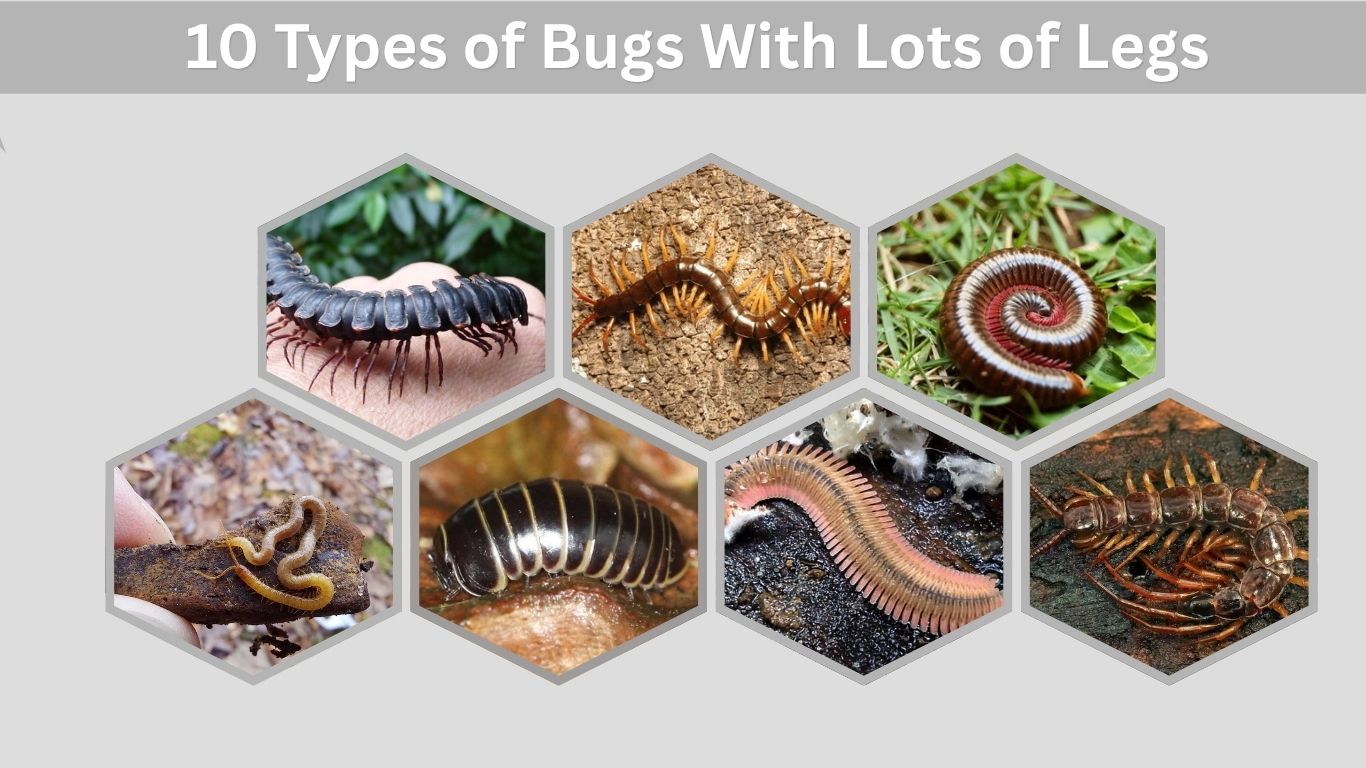
Bugs with lots of legs are some of the most unusual creatures found in homes, gardens, forests, and deserts. From fast-moving centipedes to slow crawling millipedes, these many-legged animals come in different shapes, sizes, and habitats. Some are harmless decomposers that improve soil quality, while others are active predators that hunt insects and spiders. Although they may look frightening, most of these creatures play important roles in nature. Learning how to identify them can help you understand whether they are beneficial, harmless, or pests that may enter your home.
1. House Centipede
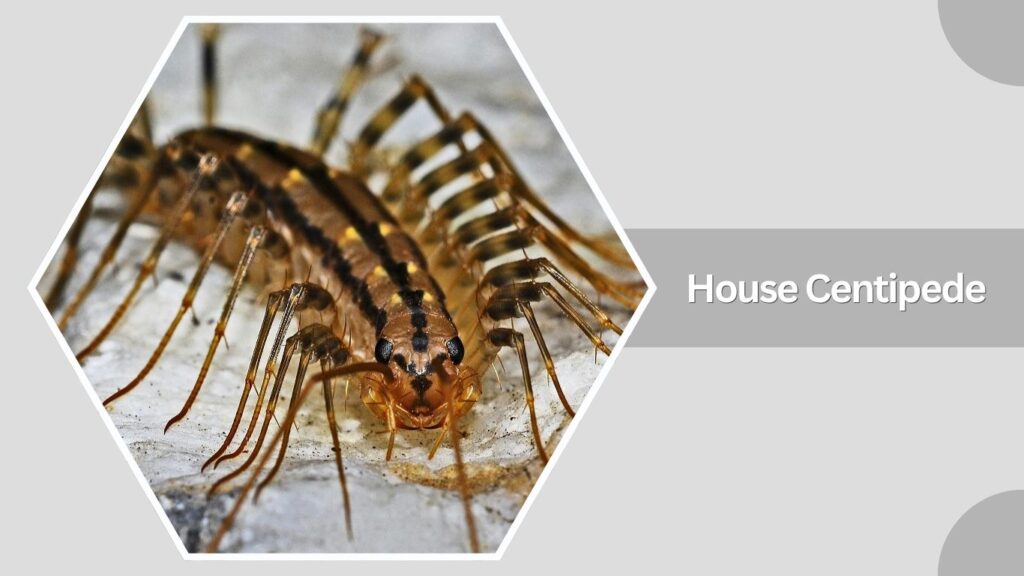
House centipedes are fast-moving creatures commonly found in damp indoor areas such as bathrooms, basements, and kitchens. They are known for their long legs and quick movements, which often frighten homeowners. Although they look scary, house centipedes are usually harmless to humans and actually help control other household pests by feeding on insects like spiders, ants, and silverfish.
Identification
- Yellow-gray body with dark stripes
- Extremely long legs
- Long antennae
- Fast running movement
- Usually around 1 to 1.5 inches long
Habitat
House centipedes prefer dark, moist places where they can easily hide during the day. They are commonly found in basements, bathrooms, under sinks, and inside storage boxes. These pests thrive in humid environments because moisture helps them survive and hunt other insects.
Diet
House centipedes are predators that feed on many small household pests. Their diet commonly includes spiders, cockroaches, silverfish, ants, and termites. They use venom to paralyze prey before eating it, making them useful for natural pest control inside homes.
Are House Centipedes Dangerous?
House centipedes are generally harmless to humans. While they can bite if handled roughly, bites are rare and usually cause only mild pain or irritation. Most house centipedes avoid people and quickly run away when disturbed.
2. Millipede
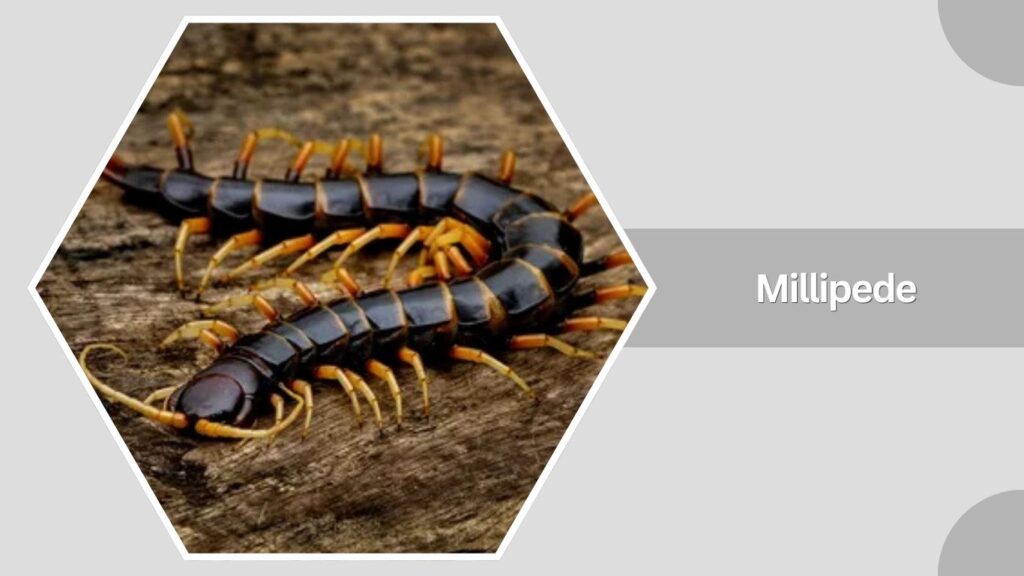
Millipedes are slow-moving creatures with long segmented bodies and dozens of tiny legs. Unlike centipedes, millipedes do not hunt other insects and are mostly harmless to humans. They are commonly found in gardens, forests, and damp outdoor areas where they feed on decaying organic matter. During wet weather, millipedes sometimes enter homes searching for moisture and shelter.
Identification
- Long cylindrical body
- Dark brown or black color
- Two pairs of legs per body segment
- Slow crawling movement
- Often curls into a spiral when disturbed
Habitat
Millipedes prefer moist environments with plenty of decaying leaves, wood, and soil. They are commonly found under rocks, mulch, flower pots, and fallen logs. Indoors, they may appear in basements, garages, or bathrooms during rainy seasons.
Diet
Millipedes mainly eat decomposing plant material such as dead leaves, rotting wood, and organic debris. This feeding behavior helps recycle nutrients back into the soil and supports healthy ecosystems.
Are Millipedes Dangerous?
Millipedes are not dangerous to humans. They do not bite or sting, but some species release a mild defensive liquid when threatened. This fluid may cause minor skin irritation in sensitive individuals, though serious reactions are uncommon.
3. Giant Desert Centipede
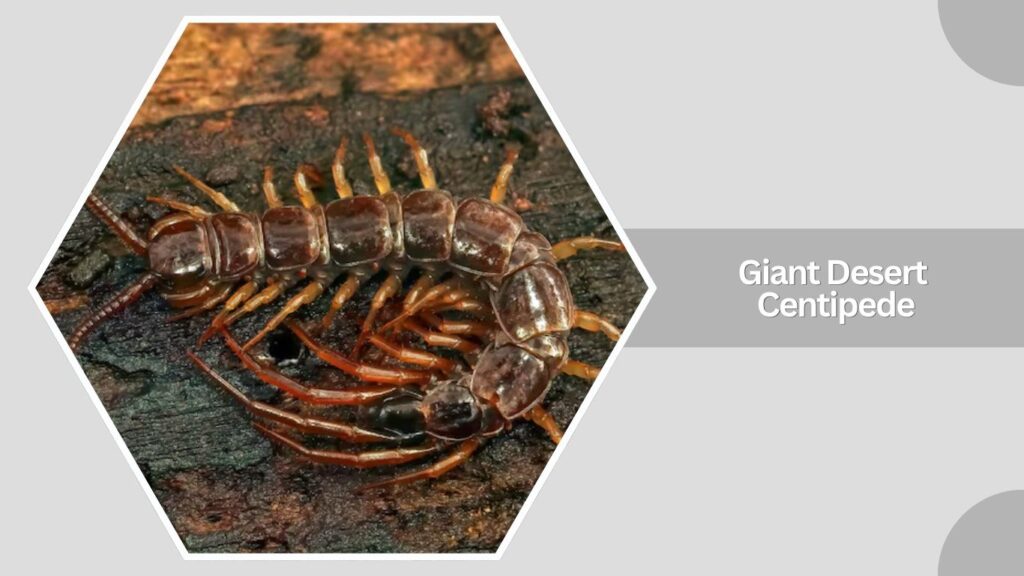
The giant desert centipede is a large and aggressive centipede species commonly found in dry desert regions. It is known for its long body, powerful venom, and fast movements. Unlike harmless millipedes, this centipede is an active predator that hunts insects, spiders, lizards, and even small rodents. Its frightening appearance and painful bite make it one of the most recognized many-legged creatures in North America.
Identification
- Reddish-brown or orange body
- Long flattened body shape
- Large venom claws near the head
- Dozens of yellow legs
- Can grow up to 8 inches long
Habitat
Giant desert centipedes live in hot, dry environments such as deserts, grasslands, and rocky areas. They hide under rocks, logs, and loose soil during the daytime to avoid extreme heat. At night, they become active hunters searching for prey.
Diet
These centipedes are carnivorous predators that feed on insects, spiders, scorpions, lizards, frogs, and small mammals. They use venom to immobilize prey before consuming it.
Are Giant Desert Centipedes Dangerous?
Giant desert centipedes can deliver painful bites if threatened or handled. Their venom usually causes swelling, redness, and intense pain, but serious reactions are rare in healthy adults. Most centipedes avoid humans unless disturbed.
4. Greenhouse Millipede
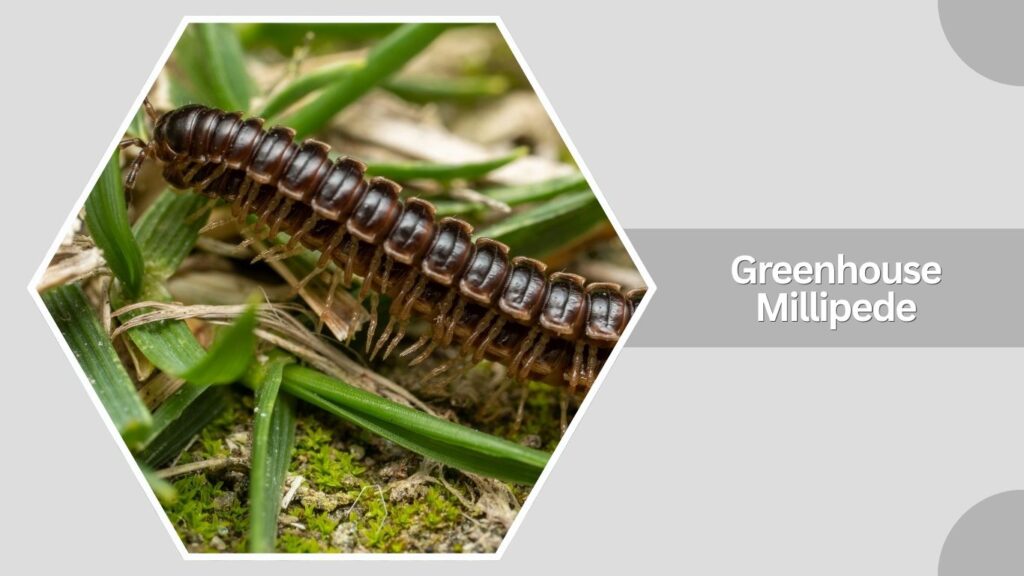
The greenhouse millipede is a small dark-colored millipede often found in gardens, greenhouses, and damp indoor spaces. It is one of the most common millipede species that enters homes during wet weather. Although its many legs and worm-like body may look unpleasant, this creature is harmless and mainly helps break down decaying plant material in soil and compost.
Identification
- Dark brown or black body
- Thin cylindrical shape
- Many short legs
- Slow movement
- Usually about 1 inch long
Habitat
Greenhouse millipedes prefer moist environments with rich organic matter. They commonly live in flower pots, mulch, compost piles, greenhouses, and damp basements. Heavy rain often drives them indoors where they may gather near doors and windows.
Diet
These millipedes feed mainly on dead leaves, rotting wood, fungi, and decaying plants. They help improve soil quality by recycling nutrients and breaking down organic waste naturally.
Are Greenhouse Millipedes Dangerous?
Greenhouse millipedes are not dangerous to humans or pets. They do not bite, sting, or spread disease. Some may release a mild-smelling defensive fluid when disturbed, but serious irritation is uncommon.
5. Pill Millipede
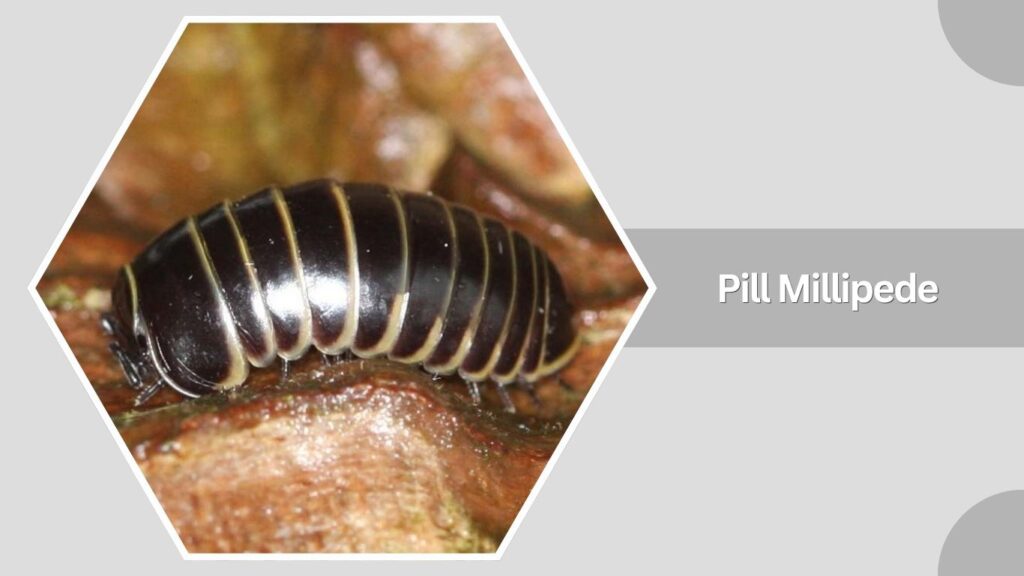
Pill millipedes are unique many-legged creatures known for their ability to roll into a tight ball when threatened. This defensive behavior protects their soft underside from predators. They are commonly found in forests, gardens, and damp outdoor habitats where they feed on decaying plant material. Their round shape and slow movement make them easy to recognize compared to other millipedes.
Identification
- Rounded segmented body
- Dark gray or black color
- Many tiny legs underneath
- Rolls into a ball for defense
- Slow crawling movement
Habitat
Pill millipedes prefer moist environments with leaf litter, rotting wood, and rich soil. They are often found under logs, stones, mulch, and damp garden debris. These creatures stay hidden during dry conditions to avoid losing moisture.
Diet
Pill millipedes feed mainly on decomposing leaves, dead wood, fungi, and organic matter. Their feeding helps break down plant debris and improves soil nutrients in natural ecosystems.
Are Pill Millipedes Dangerous?
Pill millipedes are harmless to humans and pets. They do not bite or sting and are generally considered beneficial decomposers. Some species may produce a mild defensive chemical, but it rarely causes serious irritation.
6. Feather Millipede
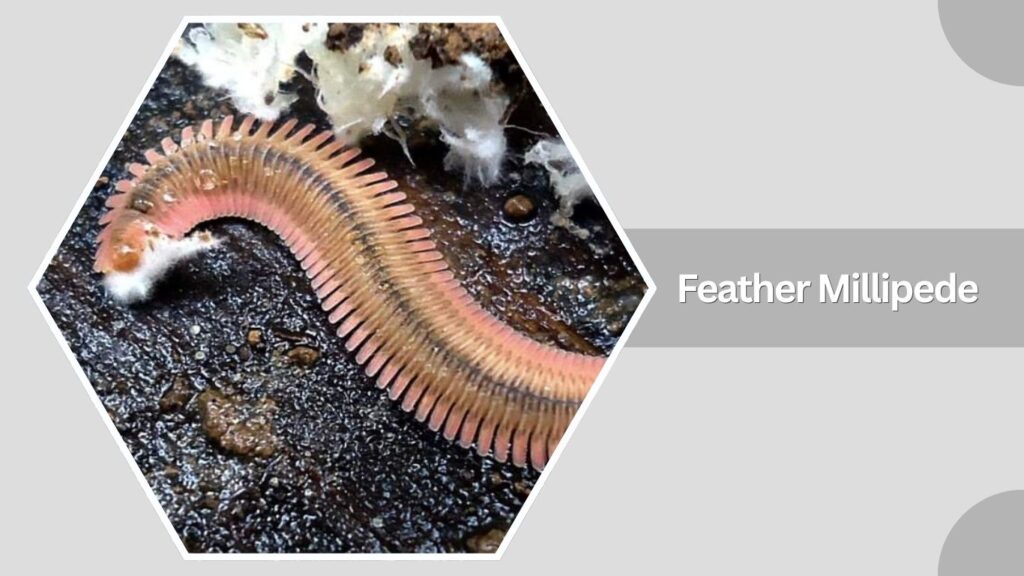
Feather millipedes are small, unusual-looking millipedes covered with flat, wing-like extensions along their bodies. These extensions give them a feathered appearance and help protect them from predators. Feather millipedes are commonly found in tropical and humid environments where they hide beneath logs, leaves, and moist soil during the day.
Identification
- Flat body with feather-like side extensions
- Dark brown or reddish color
- Many short legs underneath
- Soft-bodied appearance
- Usually small in size
Habitat
Feather millipedes prefer warm and humid habitats such as forests, gardens, and leaf litter. They stay hidden in moist areas under bark, rocks, and decaying wood to avoid drying out.
Diet
These millipedes feed on dead plant material, fungi, and decaying organic debris. Their feeding habits help recycle nutrients and support healthy soil ecosystems.
Are Feather Millipedes Dangerous?
Feather millipedes are harmless to humans. They do not bite or sting and are mainly beneficial decomposers in nature. Some species may release mild defensive chemicals, but they rarely cause significant irritation.
7. Soil Centipede
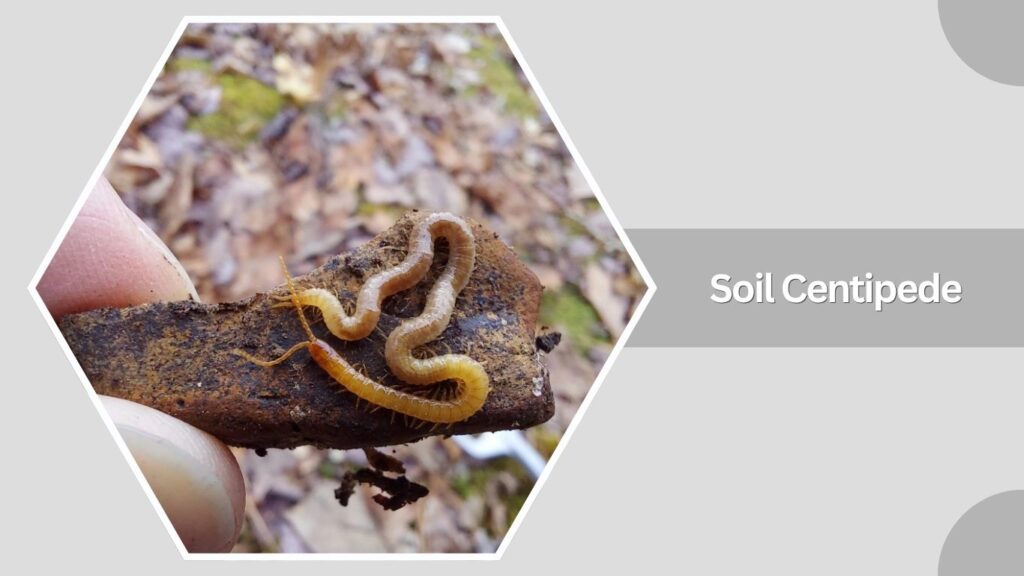
Soil centipedes are thin, fast-moving centipedes that spend most of their lives underground. They are rarely seen because they hide in soil, mulch, and leaf litter during the day. Unlike larger centipedes, soil centipedes are usually small and pale in color. They help control insect populations by hunting tiny pests living beneath the ground.
Identification
- Long slender body
- Pale yellow or light brown color
- Many pairs of legs
- Long antennae
- Usually lives underground
Habitat
Soil centipedes prefer damp environments with loose soil and organic material. They are commonly found in gardens, compost piles, under rocks, and beneath leaf litter. Moist soil helps them stay hydrated and active.
Diet
These centipedes are carnivorous hunters that feed on insects, larvae, worms, and other tiny soil-dwelling creatures. They use venom claws to capture and paralyze prey before eating it.
Are Soil Centipedes Dangerous?
Soil centipedes are generally harmless to humans because of their small size. They rarely bite people and usually avoid contact whenever disturbed. Most species are considered beneficial because they help reduce harmful garden pests.
8. Garden Millipede
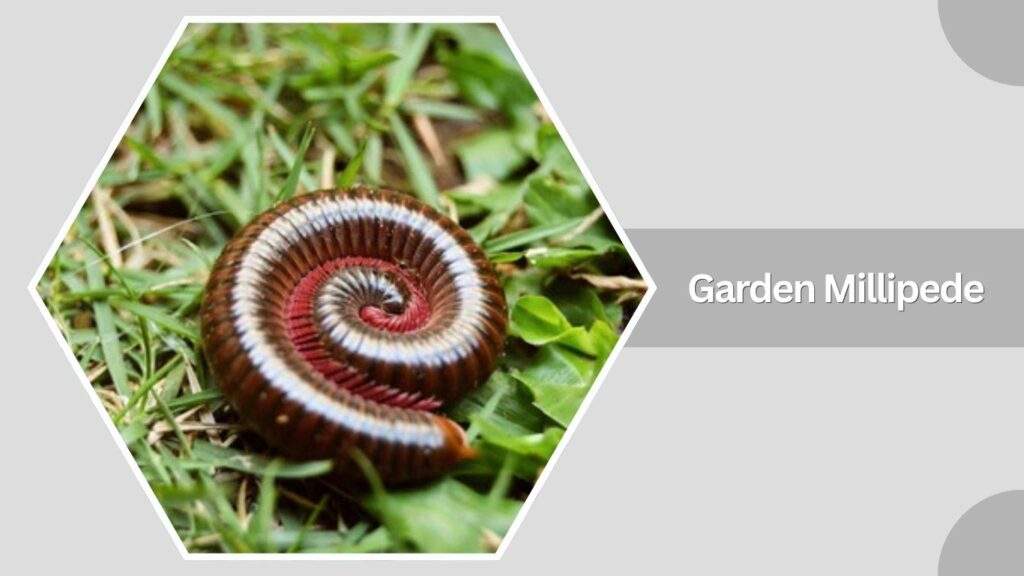
Garden millipedes are common outdoor creatures often found in flower beds, mulch, and damp soil. They play an important role in breaking down dead plant material and improving soil quality. These slow-moving millipedes sometimes enter homes during rainy weather, especially through cracks and gaps near doors or foundations.
Identification
- Long segmented body
- Brown or black coloration
- Many tiny legs
- Slow crawling movement
- Often curls when disturbed
Habitat
Garden millipedes thrive in moist outdoor environments with plenty of organic matter. They are usually found under rocks, flower pots, mulch, compost, and fallen leaves where humidity levels remain high.
Diet
These millipedes feed on decaying leaves, fungi, rotting wood, and dead plant material. Their feeding habits help recycle nutrients and support healthy garden soil naturally.
Are Garden Millipedes Dangerous?
Garden millipedes are harmless to humans and pets. They do not bite, sting, or damage homes. Some may release a mild-smelling fluid for defense, but it rarely causes more than slight skin irritation.
9. Bark Centipede
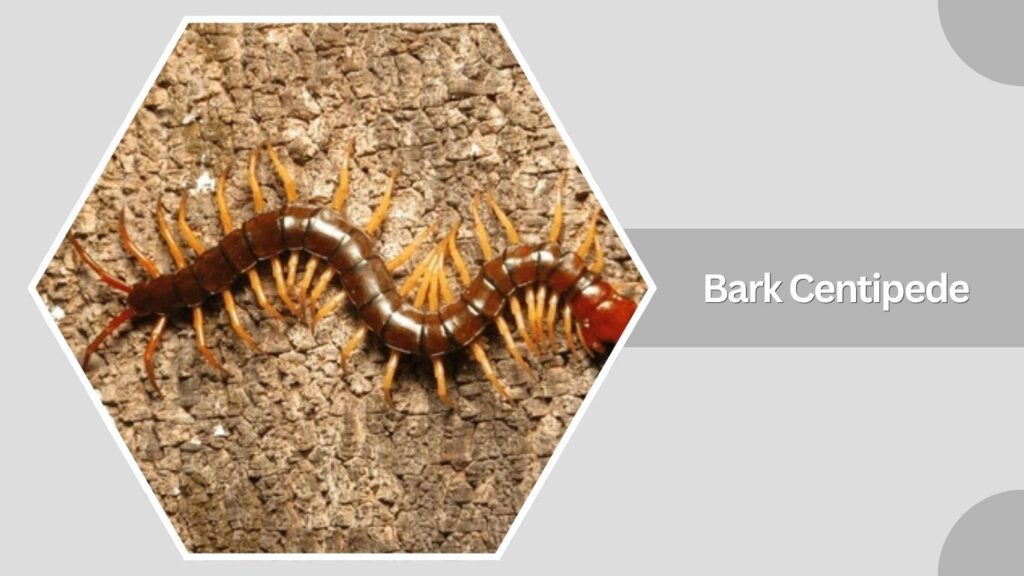
Bark centipedes are small predatory centipedes commonly found hiding beneath tree bark, logs, and decaying wood. They move quickly and hunt small insects in dark, moist environments. Their flattened bodies help them squeeze into narrow spaces under bark and rocks. Although they may look intimidating because of their many legs, bark centipedes are usually harmless to humans.
Identification
- Flat narrow body
- Brown or reddish coloration
- Long antennae
- Many long legs
- Fast movement speed
Habitat
Bark centipedes prefer damp wooded areas with plenty of hiding places. They commonly live under loose tree bark, fallen logs, stones, and piles of leaves where moisture levels stay high.
Diet
These centipedes are carnivorous hunters that feed on insects, larvae, spiders, and other tiny invertebrates. They help control small pest populations in forest ecosystems.
Are Bark Centipedes Dangerous?
Bark centipedes are not considered dangerous to humans. Small species rarely bite, and most prefer escaping instead of defending themselves. They mainly play a helpful role as natural predators in outdoor environments.
10. Flat-Backed Millipede
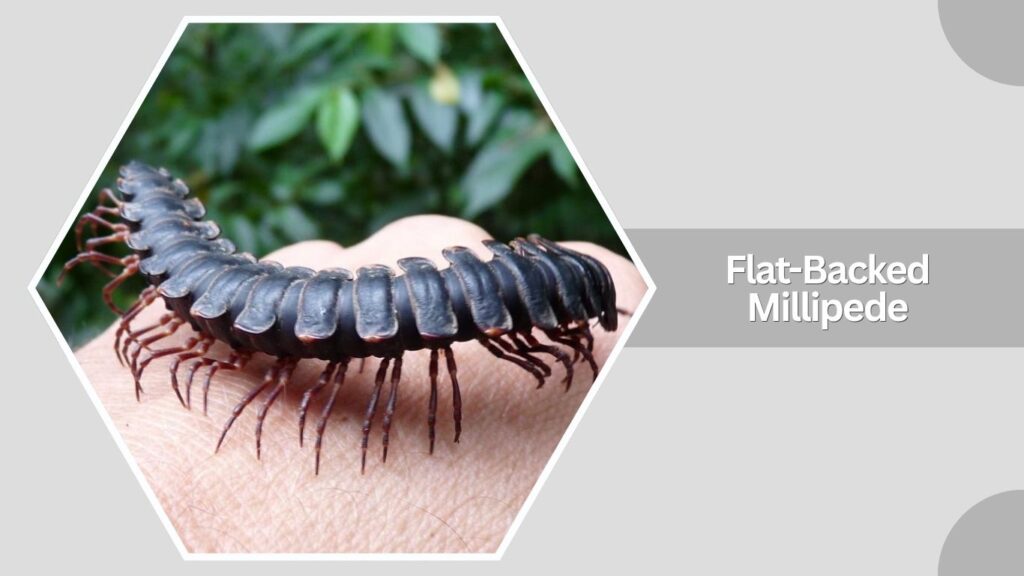
Flat-backed millipedes are distinctive millipedes with wide, flattened bodies that help protect them from predators. Many species have colorful patterns and release defensive chemicals when disturbed. They are commonly found in forests, gardens, and damp outdoor habitats where they feed on decaying organic material and help recycle nutrients in the soil.
Identification
- Flat wide body shape
- Dark body with yellow or orange markings
- Many short legs underneath
- Segmented armored appearance
- Slow movement
Habitat
Flat-backed millipedes prefer moist areas with leaf litter, rotting logs, and rich soil. They often hide beneath stones, bark, mulch, and garden debris during the daytime to avoid drying out.
Diet
These millipedes mainly feed on dead leaves, fungi, decaying wood, and organic debris. Their feeding activity helps break down natural waste and improves soil health in ecosystems.
Are Flat-Backed Millipedes Dangerous?
Flat-backed millipedes are harmless to humans and pets. They do not bite or sting, but some species release defensive chemicals with a strong odor. This fluid may cause mild skin irritation if touched directly.
FAQs
What bug has the most legs?
Millipedes are known for having the most legs among land-dwelling arthropods. Some giant millipede species can have hundreds of legs, although no species actually has exactly one thousand legs despite the name “millipede.”
Are centipedes and millipedes the same?
No, centipedes and millipedes are different creatures. Centipedes are fast predators that hunt insects, while millipedes are slow-moving decomposers that feed on dead plant material and organic matter.
Are bugs with lots of legs dangerous?
Most many-legged bugs are harmless to humans. Some centipedes can bite and cause pain, but most millipedes are completely harmless and mainly help recycle nutrients in nature.
Why do centipedes enter houses?
Centipedes usually enter homes searching for moisture, shelter, and food. Damp basements, bathrooms, and homes with other insects often attract them indoors.
How do I get rid of millipedes and centipedes?
Reducing moisture, sealing cracks, and removing clutter can help keep these pests away. Regular cleaning and controlling other insects inside the home also reduce centipede activity.