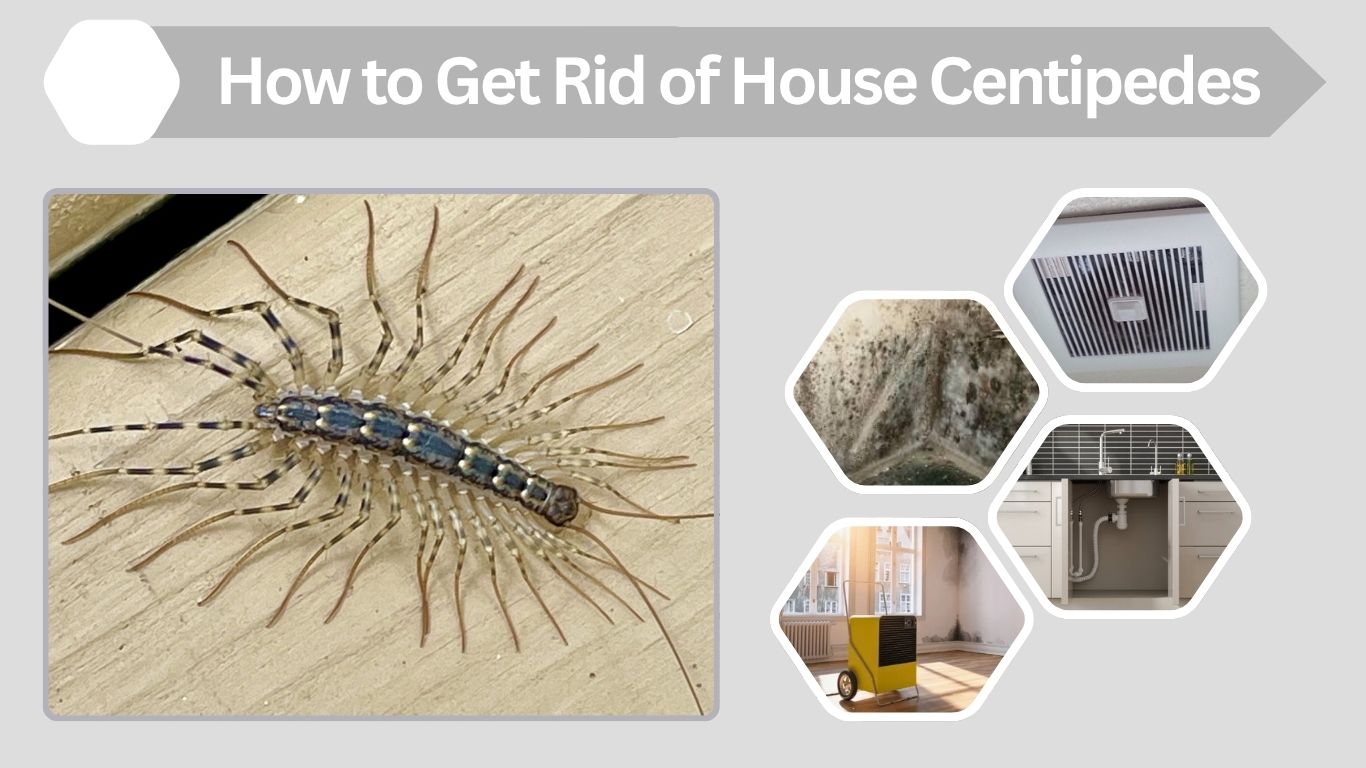
House centipedes are common indoor pests that often appear in damp areas such as bathrooms, basements, and kitchens. Although they look frightening with their many long legs, these insects are usually harmless to humans. Many homeowners want to remove them quickly because they move fast and can appear unexpectedly at night. Learning why centipedes enter your home is the first step toward stopping infestations and preventing them from returning in the future.
Most house centipedes enter homes searching for moisture, shelter, and food. By reducing humidity and removing other insects, you can make your home less attractive to them naturally and effectively.
What Are House Centipedes?
House centipedes are fast-moving predators known scientifically as Scutigera coleoptrata. They have long legs, striped bodies, and excellent hunting abilities. Unlike many household pests, they feed on insects such as spiders, silverfish, and cockroaches. Even though they can look alarming, house centipedes rarely harm people and usually avoid human contact whenever possible.
Identifying a House Centipede
House centipedes are easy to recognize because of their unusual appearance. Their long legs allow them to move very quickly across floors and walls.
Common Identification Features
- Yellow-gray body with dark stripes
- Extremely long legs
- Fast running speed
- Long antennae
- Usually 1 to 1.5 inches long
Young centipedes may have fewer legs and lighter colors, while adults appear larger and darker.
Are House Centipedes Dangerous?
House centipedes are generally harmless to humans. Although they can bite, bites are uncommon and usually happen only if the insect feels trapped or threatened.
Their venom is designed for hunting insects rather than harming people. Most bites cause mild irritation similar to a bee sting. However, some individuals may experience redness or swelling.
House Centipede vs Millipede
People often confuse house centipedes with millipedes because both have many legs. However, these creatures behave very differently inside homes.
| Feature | House Centipede | Millipede |
| Movement | Very fast | Slow |
| Diet | Hunts insects | Eats decaying material |
| Body Shape | Flat body | Rounded body |
| Habitat | Damp indoor spaces | Soil and gardens |
Centipedes are predators, while millipedes mainly feed on organic matter and plants.
Why Do House Centipedes Enter Homes?
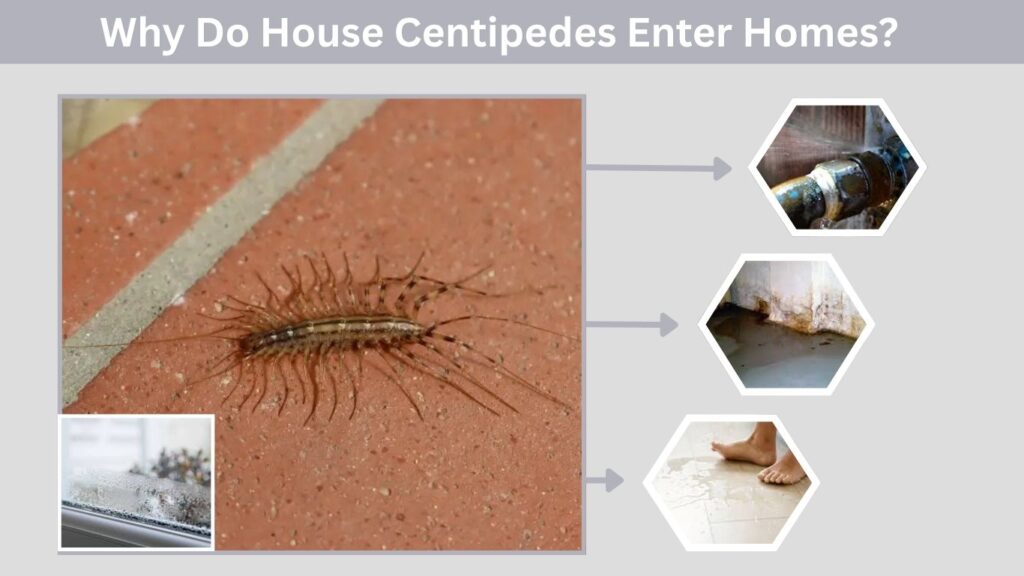
House centipedes enter homes because indoor environments provide food, moisture, and hiding places. Damp rooms and insect infestations attract them quickly. Homes with poor ventilation or leaking pipes often become ideal habitats for these pests. Understanding what attracts them can help homeowners solve the root problem instead of only removing visible centipedes.
Moisture and Humidity Problems
House centipedes thrive in humid environments. Areas with excess moisture often become their favorite hiding spots.
Common Moisture Sources
- Leaky plumbing pipes
- Damp basements
- Wet bathroom floors
- Poor ventilation systems
- Condensation around windows
Reducing indoor humidity is one of the best ways to control centipede populations naturally.
Presence of Other Insects
Centipedes usually appear where other pests already exist. Since they feed on insects, a home with spiders, ants, silverfish, or cockroaches provides an easy food supply.
If you suddenly notice house centipedes, it may indicate a hidden insect problem elsewhere in the home. Eliminating their prey often reduces centipede activity over time.
Dark and Hidden Areas
House centipedes prefer quiet places where they can hide during the day. They often emerge at night to hunt insects.
Common Hiding Locations
- Basement corners
- Under sinks
- Inside storage boxes
- Behind furniture
- House plant soil
Cleaning these areas regularly can reduce potential shelter spots.
Signs of a House Centipede Infestation
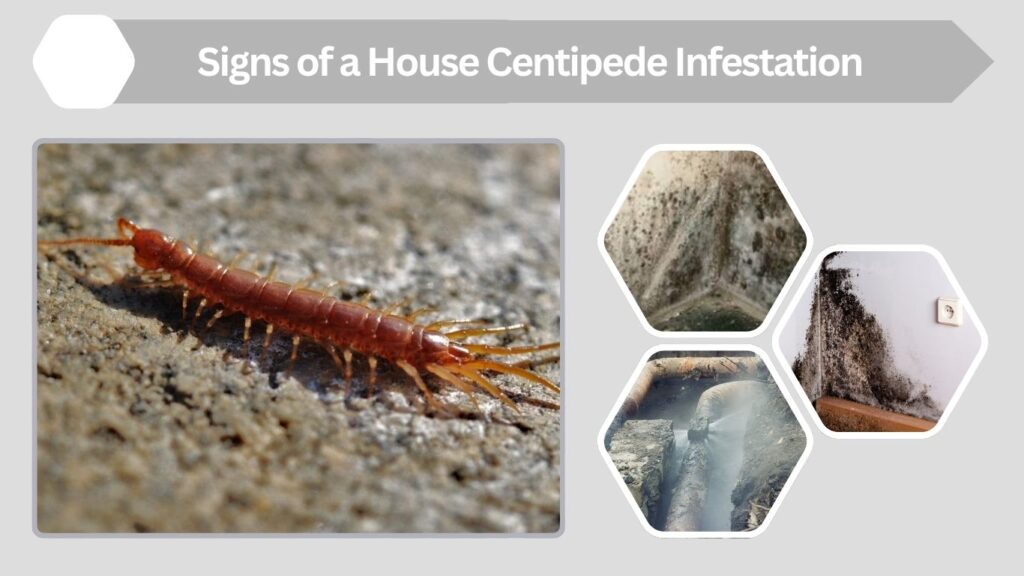
A single centipede may not indicate a serious problem, but repeated sightings often suggest favorable indoor conditions. Infestations are usually linked to high moisture levels and the presence of other insects. Detecting the warning signs early helps prevent larger centipede populations from developing inside the home.
Seeing Multiple Centipedes Frequently
Occasional sightings are normal, especially in humid climates. However, seeing multiple centipedes every week may indicate a growing infestation.
Centipedes are nocturnal, so nighttime sightings are especially common. Bathrooms, basements, and bedrooms are frequent activity areas.
Increased Moisture in the Home
Excess moisture encourages centipedes to stay indoors longer. Homes with mold, damp smells, or condensation problems often experience more centipede activity.
Moisture Warning Signs
- Mold growth
- Damp walls
- Wet flooring
- Basement humidity
- Water leaks
Fixing these issues can greatly reduce indoor centipede populations.
Presence of Other Pests
Since centipedes feed on insects, their appearance often means other pests are nearby.
Common Pests That Attract Centipedes
- Spiders
- Silverfish
- Cockroaches
- Firebrats
- Ants
Removing these pests helps eliminate the centipedes’ food source and encourages them to leave.
How to Get Rid of House Centipedes Naturally
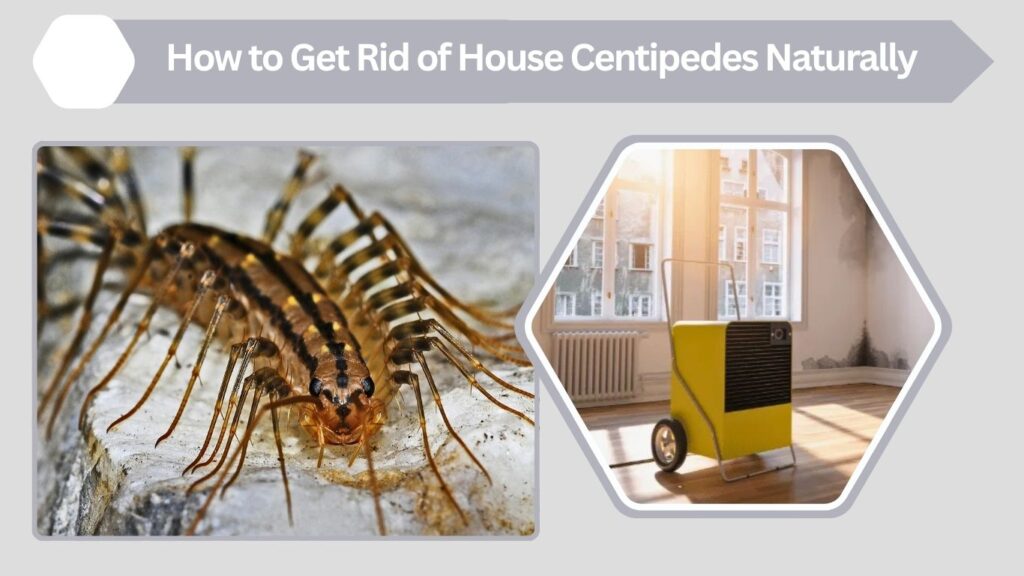
Natural centipede control focuses on reducing moisture, sealing entry points, and removing food sources. These methods are safe for homes with children and pets while still being effective against small infestations. Consistency is important because centipedes often return if humidity and insect problems continue inside the home.
Reduce Moisture Levels
House centipedes need damp environments to survive. Lowering humidity makes your home much less attractive to them.
Ways to Reduce Moisture
- Use a dehumidifier in damp rooms
- Repair leaking pipes quickly
- Improve bathroom ventilation
- Dry sinks and floors at night
- Open windows when possible
Basements and bathrooms usually need the most attention because they stay humid longer than other rooms.
Seal Entry Points
Centipedes can enter through tiny openings around doors, windows, and foundations. Blocking these entry points helps stop new pests from getting inside.
Important Areas to Seal
- Cracks in walls
- Gaps under doors
- Window frame openings
- Pipe entry holes
- Foundation cracks
Weather stripping and silicone caulk work well for sealing small openings around the house.
Remove Their Food Source
Centipedes stay where insects are plentiful. Reducing spiders, ants, and silverfish can make your home less appealing to them.
Vacuuming regularly removes hidden insects and eggs from corners, carpets, and furniture. Keeping food sealed and cleaning crumbs also helps reduce other pest populations.
Essential Oils for House Centipedes
Some essential oils may help repel centipedes because of their strong smell. These natural remedies are popular alternatives to chemical sprays.
Common Essential Oils Used
- Peppermint oil
- Tea tree oil
- Lavender oil
- Citrus oil
- Eucalyptus oil
Mixing a few drops with water and spraying corners or baseboards may help discourage centipedes from entering certain areas.
Homemade Remedies
Simple home remedies can help manage small centipede problems naturally. While they may not eliminate severe infestations, they can reduce sightings and activity.
Popular Homemade Solutions
- Sticky glue traps
- Vinegar spray
- Baking soda barriers
- Diatomaceous earth powder
Diatomaceous earth is especially useful because it damages the insect’s outer shell and causes dehydration.
How to Get Rid of House Centipedes Fast
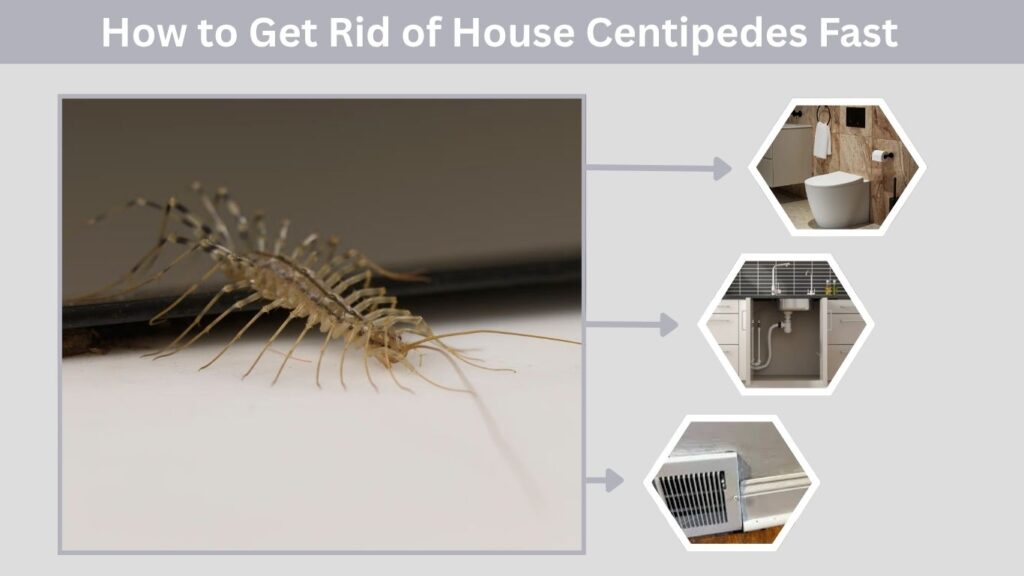
Some homeowners want immediate solutions after spotting multiple centipedes indoors. Quick removal methods can reduce active infestations while long-term prevention measures solve the root causes.
Vacuuming and Immediate Removal
Vacuuming is one of the fastest ways to remove house centipedes safely. A vacuum can quickly capture visible centipedes from floors, walls, and corners.
After vacuuming, empty the vacuum bag or container outside immediately to prevent escape.
Using Sticky Traps
Sticky traps help catch centipedes and monitor infestation levels. They work especially well in dark areas where centipedes travel at night.
Best Places for Sticky Traps
- Behind toilets
- Under sinks
- Basement walls
- Near storage boxes
- Along baseboards
Checking traps regularly can help identify the most active infestation areas.
Chemical Pest Control Options
Chemical sprays may provide faster results for severe infestations. Residual insecticides can kill centipedes hiding in cracks and damp areas.
However, chemical products should be used carefully around pets and children. Always follow product instructions and avoid overusing indoor pesticides.
Professional Pest Control Services
Professional pest control may be necessary if centipedes continue returning despite home treatments. Experts can identify hidden moisture issues and severe insect infestations that attract centipedes.
Large infestations are especially common in old basements, apartments, and homes with ongoing water damage.
How to Get Rid of House Centipedes in Specific Areas
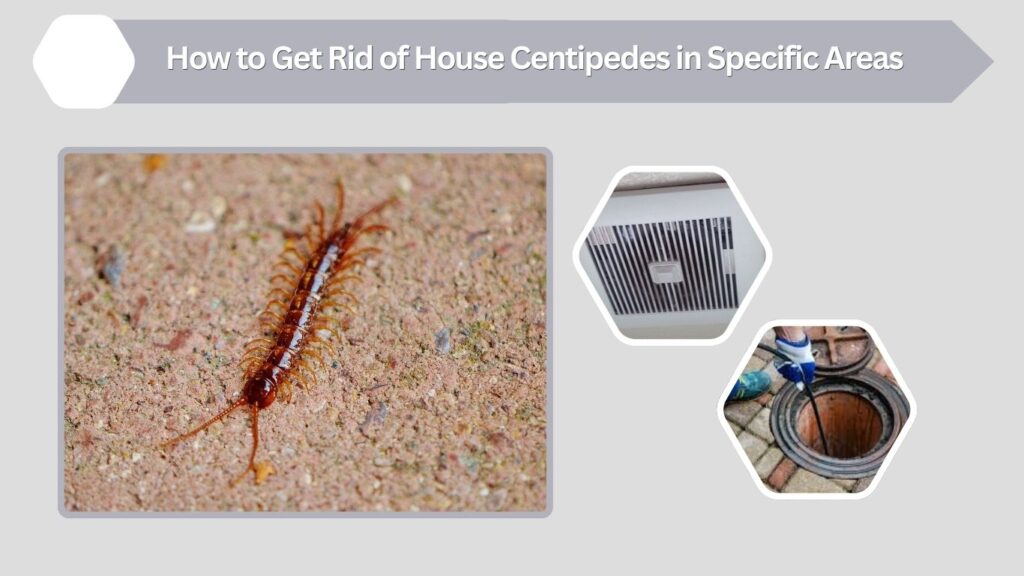
Different parts of the home may require different treatment methods. Bathrooms, basements, bedrooms, and house plants often attract centipedes because they provide moisture and hiding spaces.
Bathroom Centipedes
Bathrooms are one of the most common locations for house centipedes because of constant humidity and water sources.
Bathroom Prevention Tips
- Run exhaust fans regularly
- Dry wet floors quickly
- Clean drains often
- Repair leaking faucets
- Keep towels dry
Reducing bathroom moisture can significantly lower centipede activity.
Basement Centipedes
Basements create ideal conditions for centipedes because they are usually dark, cool, and humid.
Basement Control Methods
- Install a dehumidifier
- Remove cardboard storage
- Seal wall cracks
- Improve airflow
- Keep floors dry
Regular basement cleaning also helps reduce insects that centipedes hunt.
Bedroom Centipedes
Seeing centipedes in bedrooms can be alarming, especially at night. Bedrooms with clutter or nearby moisture problems may attract them.
Vacuuming under beds, washing bedding regularly, and reducing clutter can help prevent centipedes from hiding indoors.
House Centipedes in House Plants
Overwatered house plants sometimes attract tiny centipedes and other insects.
Plant Care Tips to Prevent Centipedes
- Avoid excessive watering
- Replace damp soil
- Check plant trays regularly
- Improve indoor airflow
Healthy plant care habits can reduce moisture and discourage pests from living in the soil.
FAQs
Why do I suddenly have house centipedes in my home?
House centipedes usually appear when there is excess moisture and a food source such as spiders, ants, or silverfish. Damp basements, bathrooms, and leaky pipes create ideal conditions for them to survive and reproduce indoors.
Are house centipedes dangerous to humans?
House centipedes are generally harmless to people. Although they can bite, bites are rare and usually cause only mild irritation. They prefer avoiding humans and mainly hunt small household insects for food.
What smells keep house centipedes away?
Strong scents such as peppermint, tea tree, lavender, and citrus oils may help repel house centipedes naturally. Spraying diluted essential oils around entry points and damp areas can discourage them from staying indoors.
Do dehumidifiers help get rid of house centipedes?
Yes, dehumidifiers are very effective because house centipedes thrive in humid environments. Lowering indoor moisture levels makes bathrooms, basements, and other damp spaces less attractive to these pests.
How do I get rid of house centipedes permanently?
The best long-term solution is reducing moisture, sealing entry points, and eliminating other insects inside the home. Regular cleaning, proper ventilation, and fixing leaks can help prevent house centipedes from returning.