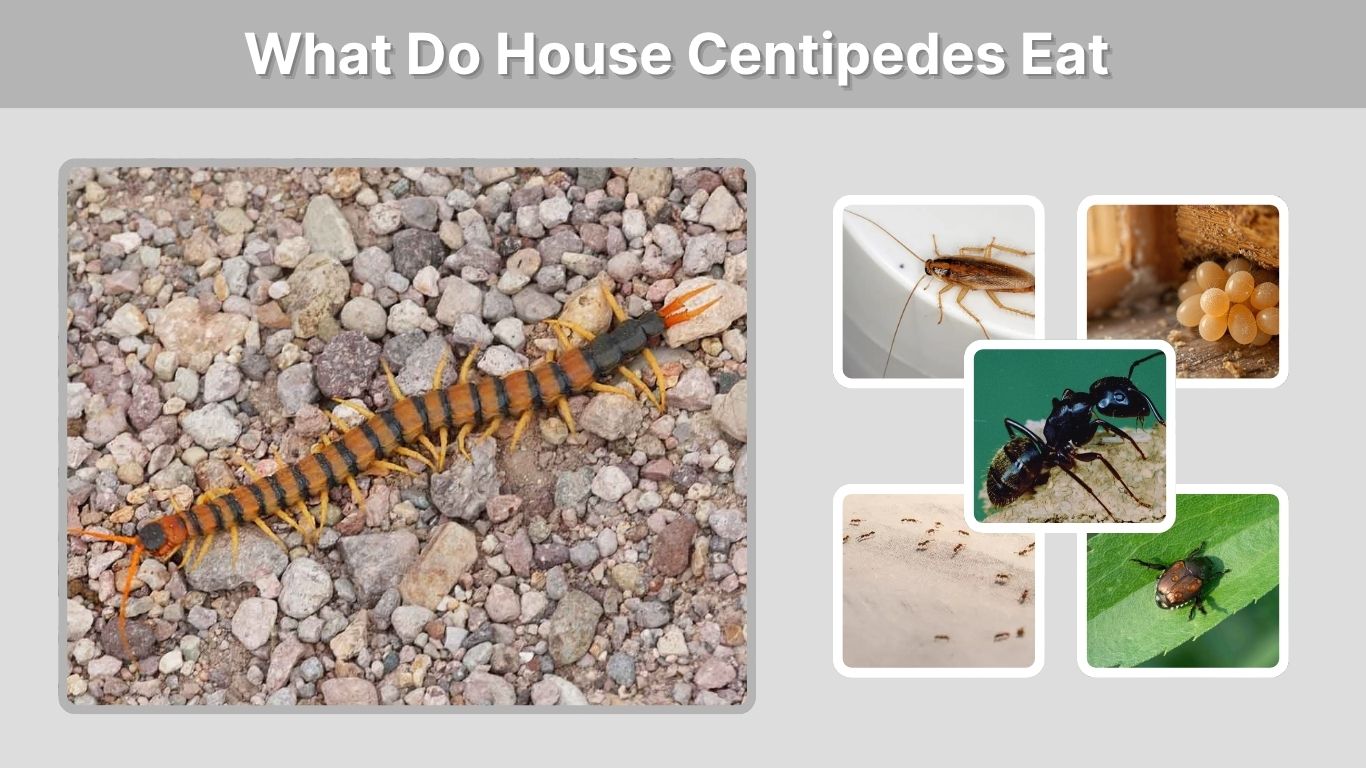
House centipedes are fast-moving predators commonly found in basements, bathrooms, and damp indoor areas. Many homeowners wonder what these strange-looking creatures eat and why they stay inside homes. Unlike destructive pests, house centipedes mainly hunt other insects and help control unwanted bug populations indoors.
This guide explains what house centipedes eat, how they hunt, and why they are attracted to homes with insect activity. You will also learn about baby house centipede diets, common prey insects, and how their feeding habits affect indoor pest control.
What Do House Centipedes Eat?
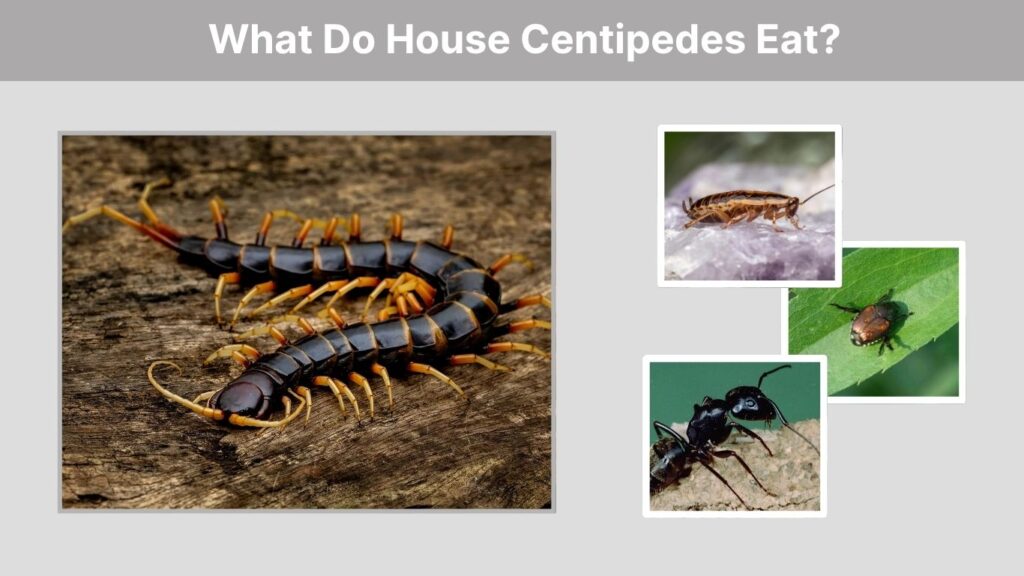
House centipedes are carnivorous hunters that feed on many small insects and household pests. They use their speed and venom claws to catch prey quickly, usually during nighttime hours. Homes with insect activity provide ideal hunting grounds for these predators.
Common Insects House Centipedes Eat
House centipedes commonly feed on:
- Cockroaches
- Silverfish
- Ants
- Spiders
- Termites
- Small flies
They usually target soft-bodied or slow-moving insects indoors.
What Bugs Do House Centipedes Hunt Most Often?
The insects hunted most often depend on what is available inside the home. In damp areas, silverfish and cockroaches are among their favorite prey because these insects are active at night like centipedes.
Do House Centipedes Eat Other Centipedes?
House centipedes may occasionally attack smaller centipedes if food is limited. Cannibal behavior is uncommon but can happen when multiple centipedes compete for the same prey indoors.
What Do House Centipedes Eat in the House?
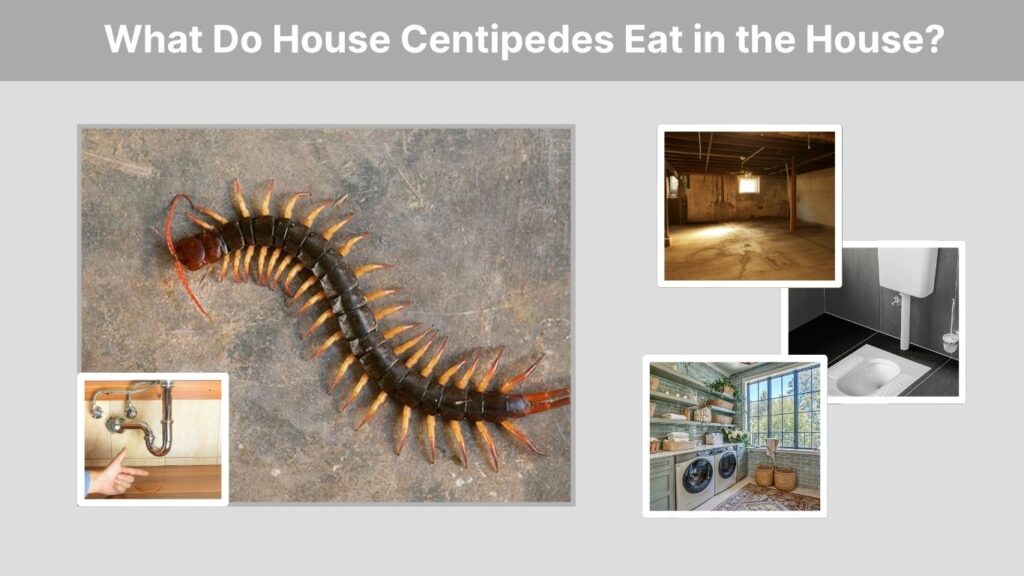
Indoor spaces provide warmth, moisture, and plenty of insects for house centipedes to hunt. Bathrooms, basements, and crawl spaces are especially attractive because many small pests also prefer humid environments.
Why House Centipedes Hunt Indoors
Several indoor conditions attract house centipedes.
Common reasons include:
- Warm temperatures
- High humidity
- Insect infestations
- Dark hiding spaces
- Easy food sources
Homes with silverfish or cockroach problems often attract centipedes naturally.
Where House Centipedes Find Food
House centipedes usually search for prey in:
- Basements
- Bathrooms
- Kitchens
- Laundry rooms
- Crawl spaces
They often hide behind furniture, appliances, or storage boxes during the day.
Do House Centipedes Eat Flying Insects?
Yes, house centipedes may catch tiny flying insects such as gnats, mosquitoes, or small flies if they can reach them. However, they mainly hunt crawling insects on walls and floors.
What Do Baby House Centipedes Eat?
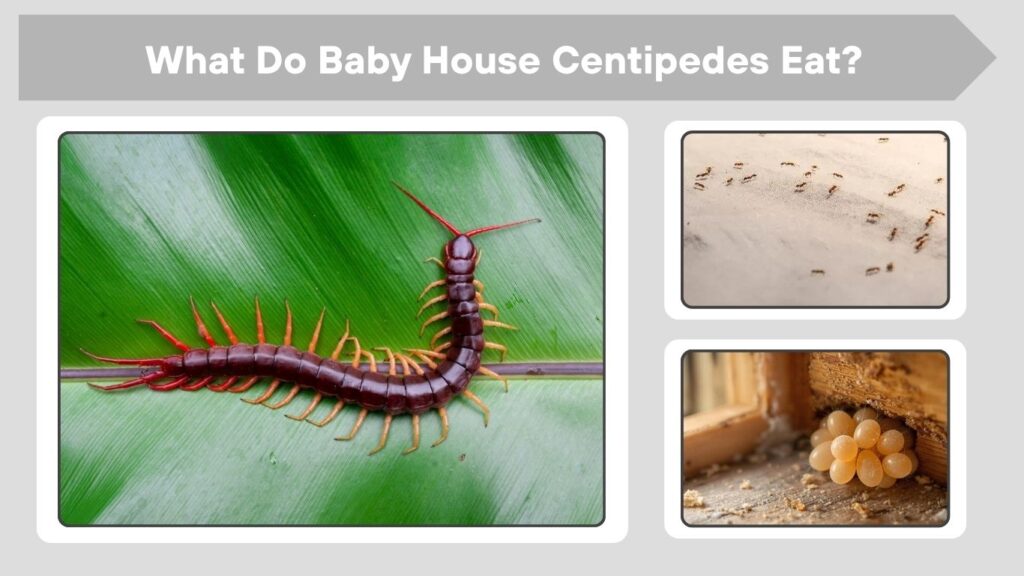
Baby house centipedes eat many of the same insects as adults, but they usually target much smaller prey. Juveniles need frequent feeding to support growth and molting as they develop into adults.
Common Food Sources for Baby House Centipedes
Young centipedes commonly eat:
- Tiny ants
- Spider eggs
- Silverfish larvae
- Small flies
- Tiny soft-bodied insects
Their diet depends heavily on available insects nearby.
How Baby House Centipedes Hunt
Even juvenile centipedes are skilled predators. They move quickly, hide in dark areas, and attack prey suddenly using their front venom claws.
How Often Baby House Centipedes Eat
Baby centipedes usually feed more often than adults because they are growing rapidly. Regular feeding supports their molting process and helps them develop additional legs over time.
Do House Centipedes Eat Dangerous Pests?
House centipedes help reduce populations of many unwanted pests found indoors. Because they prey on nuisance insects, some homeowners consider them beneficial despite their frightening appearance.
Do House Centipedes Eat Cockroaches?
House centipedes commonly hunt small cockroaches and young roaches hiding in damp areas. Homes with roach infestations often attract centipedes searching for food.
Do House Centipedes Eat Bed Bugs?
House centipedes may occasionally eat bed bugs if they encounter them. However, they are not considered reliable bed bug control because bed bugs hide in difficult-to-reach places.
Do House Centipedes Eat Spiders?
Yes, house centipedes sometimes attack spiders even though both are predators. Small spiders are easier targets, especially when trapped in corners or storage areas.
How House Centipedes Hunt Their Prey
House centipedes are highly skilled nighttime hunters. Their long legs allow them to move quickly across walls, floors, and ceilings while searching for insects. Unlike many household pests, they actively chase prey instead of feeding on garbage or stored food.
How Fast Are House Centipedes?
House centipedes are among the fastest indoor arthropods.
Their speed helps them:
- Catch insects quickly
- Escape predators
- Climb walls easily
- Hunt at night
- Move through tight spaces
Their long legs provide excellent balance and quick movement indoors.
How They Catch Prey
House centipedes use specialized front legs called forcipules to inject venom into prey. The venom quickly paralyzes insects, making them easier to consume. Once prey stops moving, the centipede feeds on the soft body tissues.
When House Centipedes Hunt
Most house centipedes are nocturnal, meaning they hunt mainly at night. During the day, they hide in damp cracks, behind furniture, or inside storage areas to avoid light and dry conditions.
What Attracts House Centipedes to Homes?
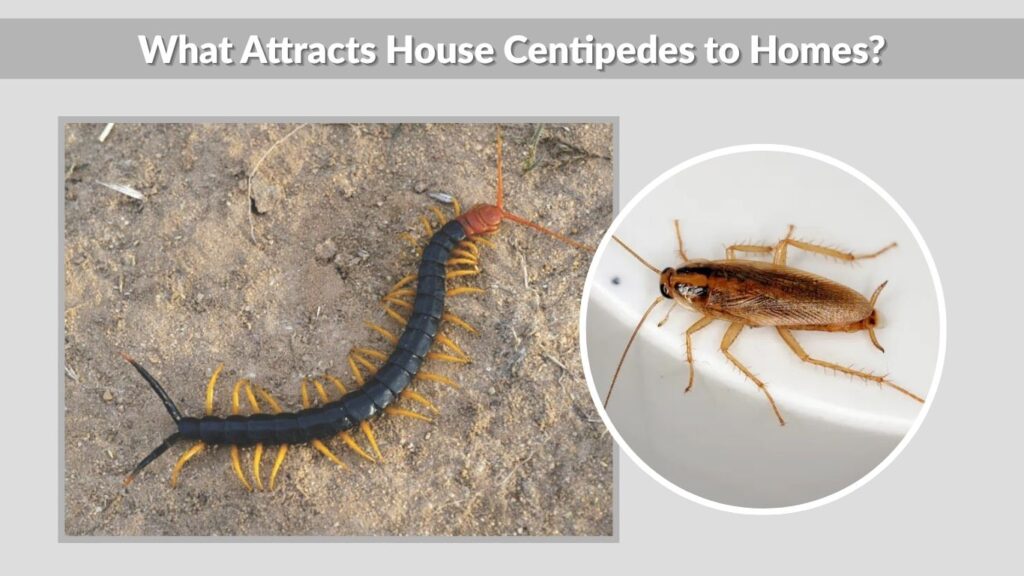
House centipedes remain indoors when they find enough food, moisture, and shelter. Homes with insect infestations often provide ideal conditions for centipede survival and reproduction.
Insect Infestations
Common insects that attract house centipedes include:
- Cockroaches
- Silverfish
- Ants
- Spiders
- Small flies
More insects inside the home usually mean more food for centipedes.
Moisture Problems
Damp environments are one of the biggest reasons house centipedes enter homes. Wet basements, leaking pipes, and humid bathrooms provide moisture that helps prevent dehydration.
Clutter and Hiding Places
Dark cluttered areas create excellent hiding spots for both centipedes and their prey. Storage boxes, piles of paper, and unused furniture often increase insect activity indoors.
How to Reduce House Centipede Food Sources
Reducing the insects inside your home is one of the best ways to lower house centipede activity. Fewer prey insects mean less reason for centipedes to remain indoors.
Eliminate Other Household Pests
Helpful pest-control methods include:
- Vacuuming regularly
- Cleaning crumbs quickly
- Using sticky traps
- Sealing food containers
- Reducing clutter
Controlling silverfish, ants, and cockroaches often reduces centipede sightings naturally.
Reduce Indoor Moisture
Dry homes are less attractive to both insects and centipedes. Dehumidifiers, better ventilation, and plumbing repairs can help reduce indoor humidity levels significantly.
Seal Entry Points
Tiny gaps around doors, windows, and pipes allow insects and centipedes to enter homes easily. Sealing these openings helps prevent new pests from moving indoors.
Interesting Facts About House Centipede Diets
House centipedes have unusual feeding behaviors that make them effective indoor hunters. Although they may look frightening, they actually help control many nuisance pests around the home.
Unique Feeding Facts
- House centipedes can survive days without food.
- They may attack insects larger than themselves.
- They use venom to paralyze prey quickly.
- They prefer live insects over dead ones.
- They are most active during nighttime hunting hours.
Why Some People Keep Them Around
Some homeowners tolerate house centipedes because they naturally reduce populations of cockroaches, spiders, ants, and silverfish. Unlike rodents or termites, they do not damage furniture, food, or household structures.
FAQs
What do house centipedes eat most often?
House centipedes mainly eat cockroaches, silverfish, ants, spiders, termites, and other small insects found indoors. They prefer live prey and usually hunt at night.
Do house centipedes eat cockroaches?
Yes, house centipedes commonly hunt small cockroaches and young roaches. Homes with cockroach activity often attract centipedes searching for food.
What do baby house centipedes eat?
Baby house centipedes feed on tiny insects such as spider eggs, silverfish larvae, small ants, and soft-bodied pests that are easy to catch.
Do house centipedes eat spiders?
Yes, house centipedes may attack and eat small spiders, especially in damp areas where both predators hunt for insects.
Why are house centipedes in my home?
House centipedes enter homes searching for moisture, shelter, and insect prey. Damp basements, bathrooms, and hidden insect infestations often attract them indoors.