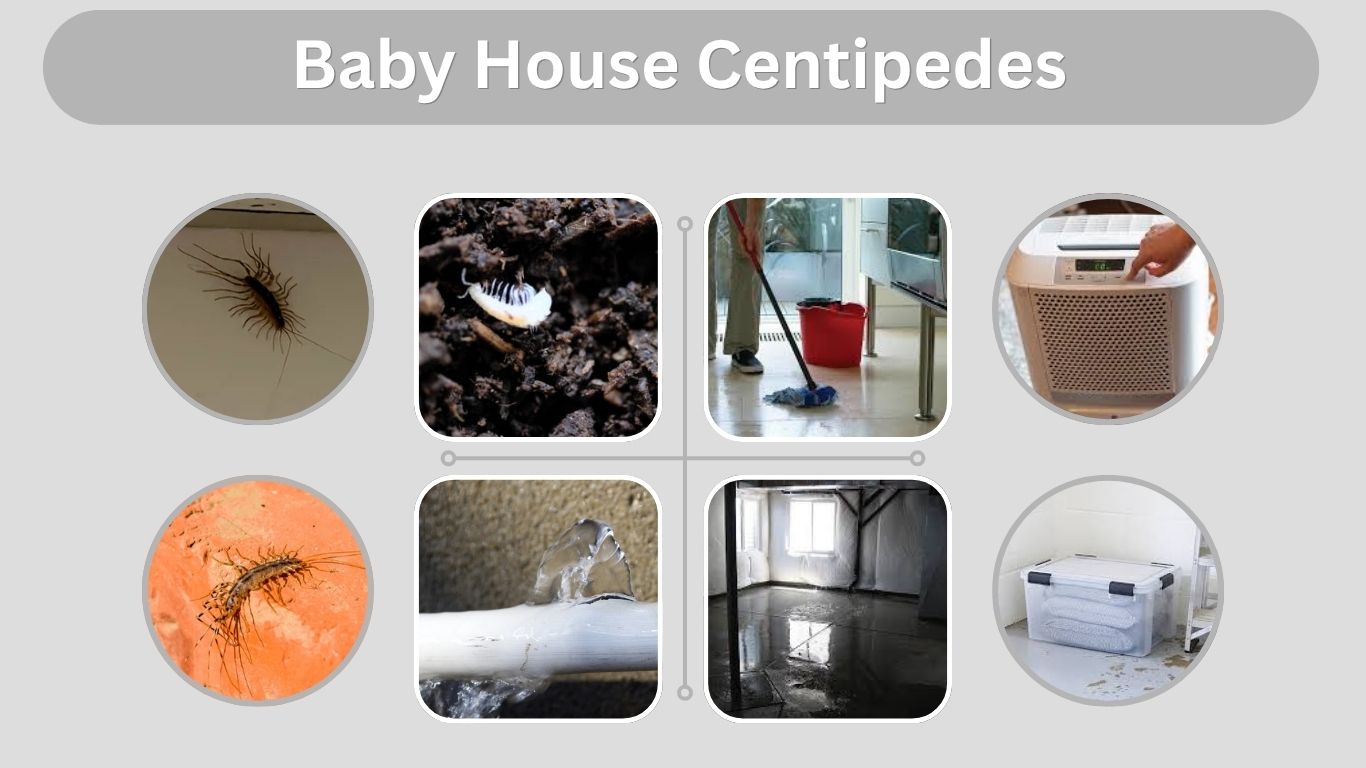
Baby house centipedes are juvenile versions of Scutigera coleoptrata, the common house centipede often found in damp indoor areas. Many people become alarmed after spotting tiny yellowish centipedes in bathrooms, basements, or apartments because they fear an infestation or mistake them for silverfish. Although baby house centipedes look strange, they are usually harmless and mainly hunt other insects.
This guide explains what baby house centipedes look like, why they appear indoors, whether they are dangerous, and how to get rid of them naturally and permanently.
What Is a Baby House Centipede?
Baby house centipedes are young centipedes that have recently hatched from eggs. They resemble adult house centipedes but are much smaller and have fewer developed legs. As they grow, they molt several times and gradually develop the long-legged appearance seen in adults.
What Does a Baby House Centipede Look Like?
Baby house centipedes usually have several noticeable features.
Common characteristics include:
- Tiny yellowish body
- Shorter legs than adults
- Long antennae
- Fast movement
- Thin striped appearance
Young centipedes may look pale or translucent during early growth stages.
Baby House Centipede vs Silverfish
Many people confuse baby house centipedes with silverfish because both insects move quickly and prefer humid environments.
Main differences include:
| Feature | Baby House Centipede | Silverfish |
| Legs | Many long legs | Six short legs |
| Body shape | Long and narrow | Teardrop-shaped |
| Speed | Very fast runner | Fast crawling |
| Antennae | Extremely long | Shorter |
Silverfish also have three tail-like appendages that centipedes do not.
Where Are Baby House Centipedes Found?
Young centipedes usually hide in dark and damp indoor areas where food and moisture are available.
Common hiding places include:
- Basements
- Bathrooms
- Laundry rooms
- House plants
- Storage boxes
They are most active during nighttime hours.
Why Are Baby House Centipedes in My House?
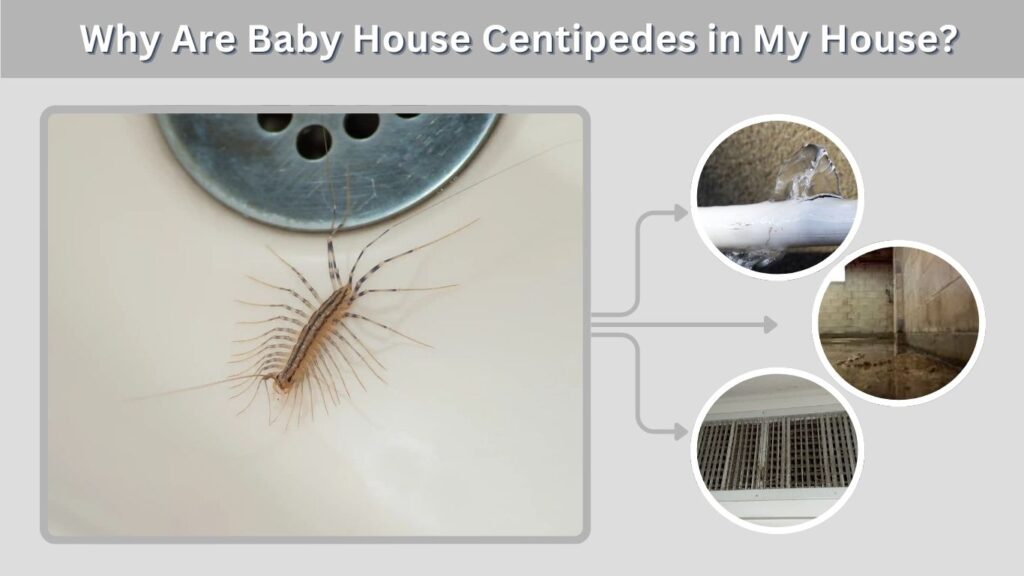
Baby house centipedes appear indoors when conditions support survival and reproduction. Moisture, insects, and hidden shelter areas are the biggest reasons centipedes stay inside homes.
Moisture Problems
House centipedes prefer humid environments because moisture helps prevent dehydration. Damp areas inside homes often create perfect living conditions for both adult and juvenile centipedes.
Common moisture sources include:
- Leaky pipes
- Wet basements
- Damp bathrooms
- Poor ventilation
- Water-damaged walls
Reducing humidity levels can significantly lower centipede activity indoors.
Food Sources
Baby house centipedes hunt tiny insects and other small pests. Homes with ants, silverfish, spider eggs, or small flies may attract centipedes because they provide a steady food supply.
Hidden Breeding Areas
Adult house centipedes often lay eggs in dark protected areas where young centipedes can safely develop. Cracks behind walls, storage clutter, and hidden damp spaces are common breeding locations.
How Many Babies Do House Centipedes Have?
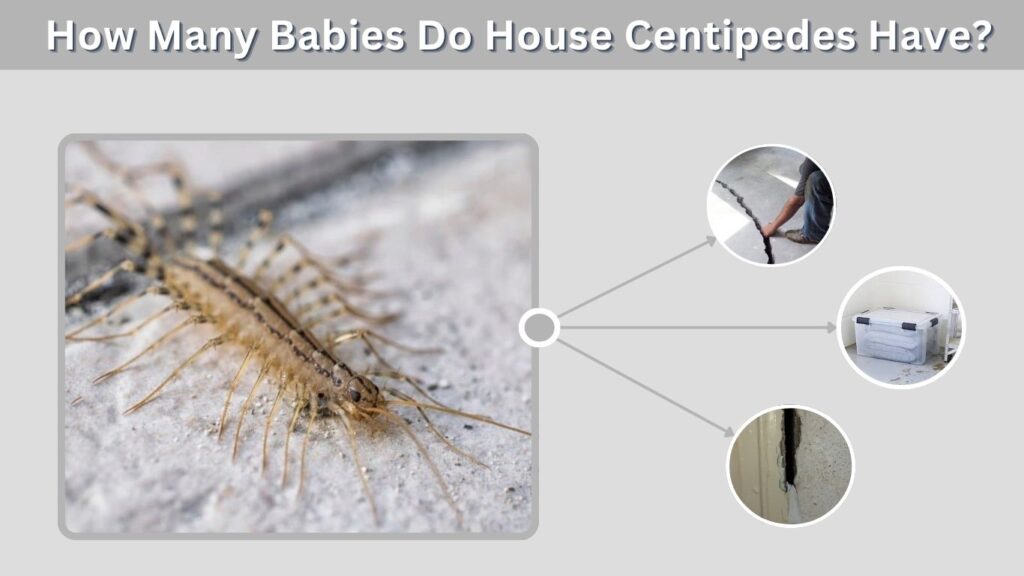
House centipedes reproduce by laying eggs in hidden moist areas. Young centipedes hatch from eggs and slowly develop through multiple growth stages before reaching adulthood.
How House Centipedes Reproduce
Female house centipedes usually deposit eggs in protected areas with moisture and shelter.
Common egg-laying areas include:
- Basement cracks
- Damp storage boxes
- Under appliances
- Wall gaps
- Crawl spaces
Eggs are usually hidden carefully to protect them from predators and drying out.
How Many Babies Can They Have?
Female house centipedes may lay dozens of eggs during reproduction. However, not all hatchlings survive to adulthood because young centipedes are vulnerable to dehydration and predators.
Do Baby House Centipedes Mean an Infestation?
Finding one or two baby centipedes does not always mean a serious infestation. However, repeated sightings may suggest excess moisture, hidden insect activity, or indoor breeding areas that need attention.
Are Baby House Centipedes Dangerous?
Baby house centipedes may look alarming, but they are generally harmless to humans and pets. They are shy predators that avoid people and spend most of their time hiding in dark areas.
Do Baby House Centipedes Bite?
Bites from juvenile centipedes are extremely rare because they are small and weak compared to adults. Most people never experience bites even when centipedes are present indoors.
Are Baby House Centipedes Dangerous to Babies?
Baby house centipedes are not considered highly dangerous to infants or children. However, keeping homes clean and reducing insect activity helps minimize unwanted encounters indoors.
Are They Dangerous to Pets?
Cats and dogs are usually safe around juvenile centipedes. Pets may occasionally sniff or play with them, but serious reactions are uncommon.
What Do Baby House Centipedes Eat?
Baby house centipedes are small predators that feed on tiny insects and other household pests. Their hunting behavior helps control insect populations indoors, especially in damp areas where small bugs are common.
Common Food Sources
Young house centipedes commonly eat:
- Silverfish
- Tiny ants
- Spider eggs
- Small flies
- Termite larvae
- Soft-bodied insects
They usually hunt at night when prey insects are more active.
Why They Hunt Indoors
Indoor spaces provide warmth, moisture, and steady food sources for growing centipedes. Bathrooms, basements, and storage areas often attract both centipedes and the insects they feed on.
Are Baby House Centipedes Helpful?
Although many people dislike seeing them, juvenile centipedes can help reduce household pest populations naturally. They do not damage furniture, clothing, or stored food while hunting unwanted insects indoors.
How to Get Rid of Baby House Centipedes
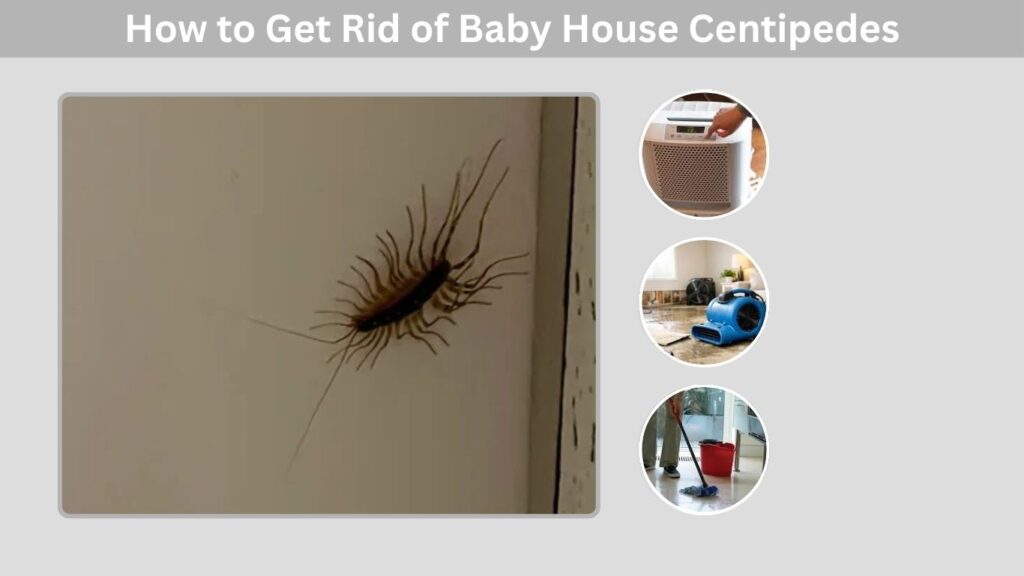
The best way to remove baby house centipedes is by reducing moisture and eliminating the insects they feed on. Simply killing visible centipedes may not solve the problem if damp conditions and hidden food sources remain inside the home.
Reduce Indoor Moisture
Moisture control is one of the most effective prevention methods.
Helpful moisture-control tips include:
- Using dehumidifiers
- Fixing plumbing leaks
- Improving airflow
- Drying wet floors
- Ventilating bathrooms
Dry indoor conditions make survival difficult for centipedes.
Eliminate Their Food Supply
Controlling other household insects greatly reduces centipede activity. Regular cleaning, vacuuming, and pest control help remove prey insects that attract juvenile centipedes indoors.
Seal Entry Points
Baby house centipedes may enter through tiny gaps around doors, windows, and pipes. Sealing cracks and openings helps prevent centipedes and other insects from moving indoors.
Use Traps and Treatments
Sticky traps, diatomaceous earth, and indoor-safe sprays can help control centipedes in problem areas. Treatments work best when combined with moisture reduction and proper cleaning habits.
Common Mistakes When Dealing With Baby House Centipedes
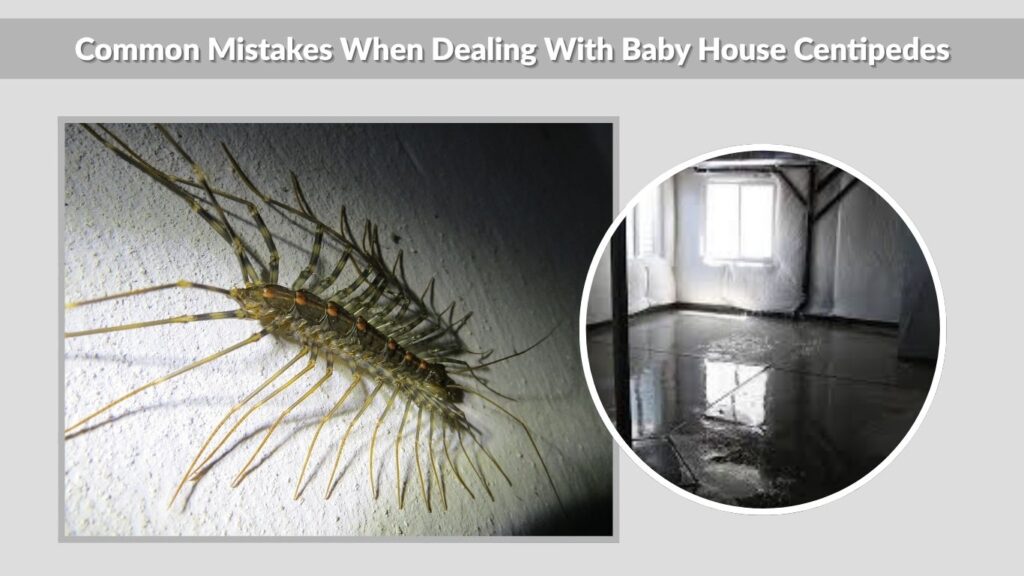
Many homeowners continue seeing baby centipedes because they overlook the conditions attracting them indoors. Long-term control usually requires fixing moisture issues and reducing insect activity throughout the home.
Ignoring Damp Areas
Wet basements, leaking pipes, and humid bathrooms create ideal conditions for centipede survival. Without addressing moisture problems, centipedes may continue returning.
Confusing Them With Silverfish
Baby house centipedes are often mistaken for silverfish because of their small size and fast movement. Misidentification may lead to ineffective treatment methods.
Only Killing Visible Centipedes
Removing visible centipedes without treating hidden breeding areas may allow more hatchlings to appear later. Eggs and hiding spots are often located in dark protected areas.
Interesting Facts About Baby House Centipedes
Juvenile house centipedes have several unusual traits that help them survive indoors. Their appearance changes as they grow, and they become more recognizable after multiple molts.
Unique Facts About Baby House Centipedes
- They hatch with fewer legs than adults.
- They gain more legs after molting.
- Young centipedes grow quickly in humid areas.
- They are active mostly at night.
- They are excellent hunters even when small.
Growth and Development
Baby house centipedes molt many times before reaching adulthood. Each molt allows them to grow larger and develop the long-legged appearance commonly associated with adult house centipedes.
FAQs
What do baby house centipedes look like?
Baby house centipedes are tiny yellowish centipedes with long antennae and shorter legs than adults. They move quickly and often hide in damp areas indoors.
Are baby house centipedes dangerous?
Baby house centipedes are generally harmless to humans and pets. They rarely bite and mostly avoid direct contact with people.
Why do I keep finding baby centipedes in my house?
Repeated sightings may indicate moisture problems, hidden insect activity, or indoor breeding areas where centipedes are laying eggs.
How do I get rid of baby house centipedes?
Reducing moisture, sealing entry points, removing insects, and using sticky traps are among the best ways to control baby house centipedes indoors.
Do baby house centipedes mean an infestation?
Not always. Seeing one or two may simply mean conditions are favorable indoors, but frequent sightings could suggest hidden breeding activity or excess moisture.