
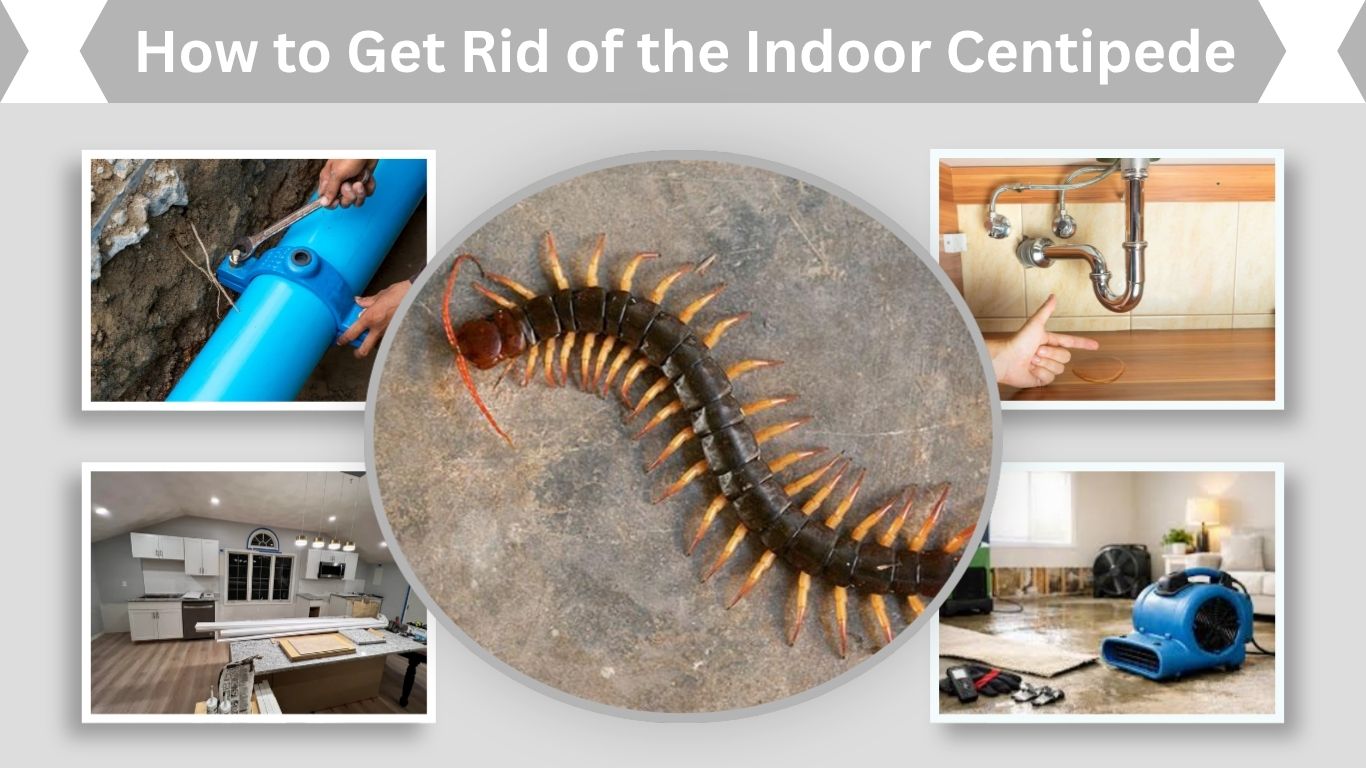
House centipedes (Scutigera coleoptrata) are fast-moving arthropods commonly found in damp indoor areas such as basements, bathrooms, and crawl spaces. Although they help control pests like cockroaches and silverfish, many homeowners want to remove them because of their frightening appearance and sudden movements. Large numbers of centipedes indoors may also signal moisture or insect problems.
This guide explains how to get rid of house centipedes naturally and permanently. You will learn what attracts them, how to prevent infestations, and which traps or treatments work best inside homes.
What Is a House Centipede?
House centipedes are nocturnal predators that hunt small insects indoors. They are recognized by their long legs, striped bodies, and extremely fast running speed. Unlike destructive pests, they do not damage furniture, clothing, or food, but their appearance often makes people uncomfortable.
What Does Scutigera coleoptrata Look Like?
House centipedes have several noticeable features.
Common characteristics include:
- Long delicate legs
- Yellow-gray body
- Dark stripes on the back
- Long antennae
- Fast movement
Adult house centipedes can reach around 1 to 1.5 inches in body length.
Why Are House Centipedes Found Indoors?
They enter homes searching for moisture, shelter, and food.
Common indoor hiding places include:
- Bathrooms
- Basements
- Laundry rooms
- Garages
- Crawl spaces
Homes with insect activity naturally attract house centipedes because they feed on other pests.
Are House Centipedes Dangerous?
House centipedes are generally harmless to humans and pets. They rarely bite and usually avoid direct contact with people. Most homeowners consider them more of a nuisance than a dangerous pest.
Why House Centipedes Invade Homes
House centipedes prefer damp and humid environments where food is easy to find. Moisture problems inside a home often create ideal conditions for both centipedes and the insects they hunt.
Moisture Problems
Common moisture sources include:
- Leaking pipes
- Wet basements
- Poor ventilation
- Damp bathrooms
- Water-damaged walls
Reducing humidity levels can greatly lower centipede activity indoors.
Food Sources Inside the Home
House centipedes feed on many small household pests, including ants, spiders, silverfish, cockroaches, and termites. If other insects are active inside the home, centipedes are more likely to appear.
Seasonal Changes
During rainy or cold weather, house centipedes may move indoors seeking warmth and shelter. They are especially common in homes with dark, humid storage spaces.
How to Get Rid of House Centipedes Naturally
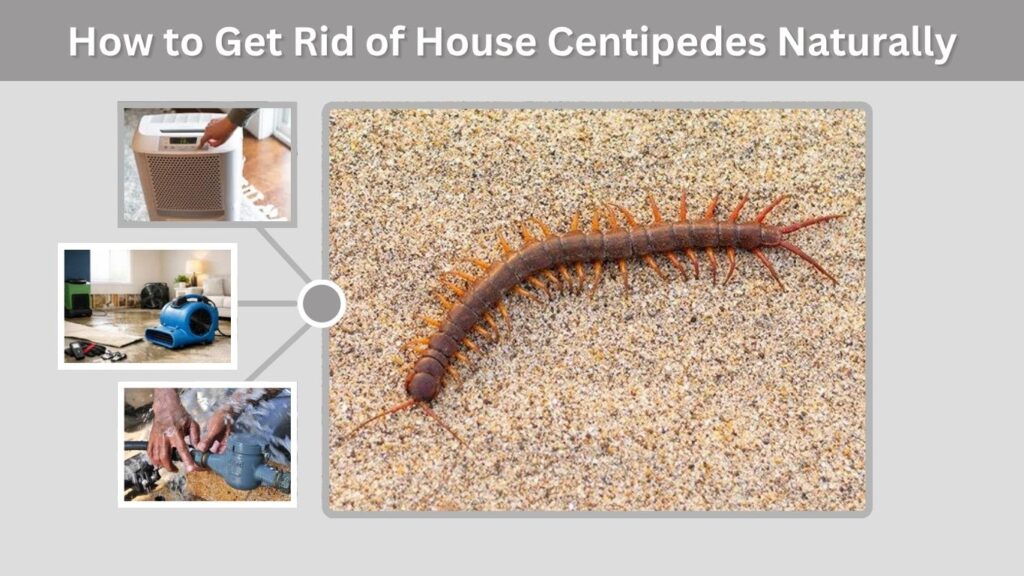
Natural control methods are often the safest and most effective long-term solution. Instead of focusing only on killing centipedes, homeowners should also remove the conditions attracting them indoors.
Reduce Indoor Humidity
Lower humidity makes homes less attractive to centipedes.
Helpful moisture-control methods include:
- Using dehumidifiers
- Improving airflow
- Drying wet areas quickly
- Fixing plumbing leaks
- Ventilating bathrooms
Dry conditions discourage both centipedes and their prey.
Eliminate Their Food Supply
Controlling other insects is one of the best ways to reduce centipede populations. Vacuuming regularly, cleaning crumbs, and removing clutter help lower indoor pest activity naturally.
Seal Entry Points
House centipedes often enter through tiny openings around windows, foundations, pipes, and doors. Sealing cracks and gaps prevents them from moving indoors from outside areas.
Best House Centipede Traps and Treatments
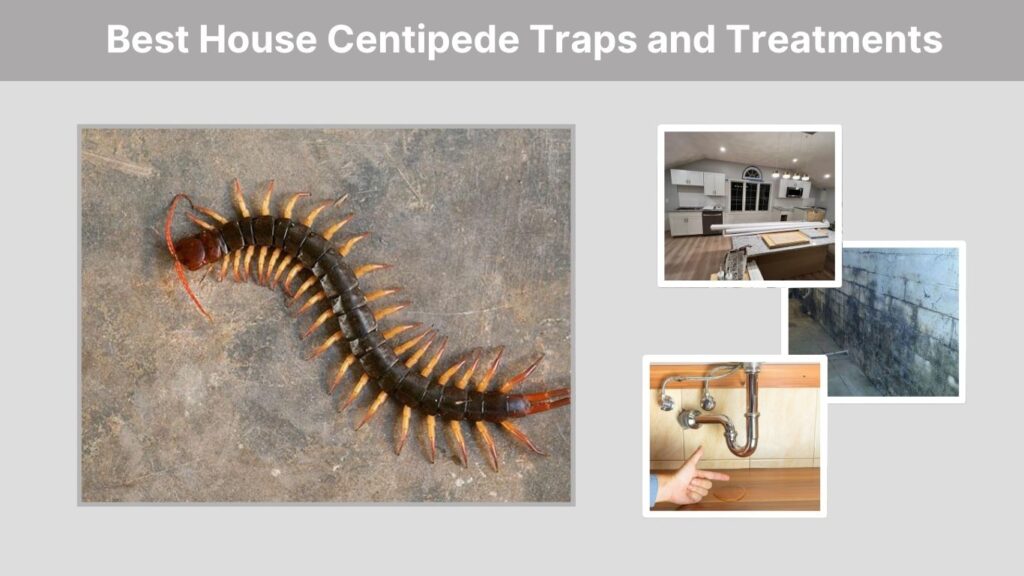
Several treatment methods can help reduce indoor centipede populations quickly. Combining traps with moisture control usually produces the best long-term results.
Sticky Traps
Sticky traps are useful for monitoring centipede activity and reducing numbers in problem areas.
Best trap locations include:
- Behind appliances
- Basement corners
- Under sinks
- Near floor drains
- Inside storage rooms
Traps work best in dark areas where centipedes travel frequently.
Diatomaceous Earth
Diatomaceous earth is a natural powder that damages the outer layer of insects and centipedes. It is commonly applied around cracks, baseboards, and damp spaces where centipedes hide.
Insecticide Sprays
Indoor-safe insecticide sprays may help control large infestations. However, sprays usually work better when combined with moisture reduction and insect control rather than used alone.
How to Prevent House Centipedes Permanently
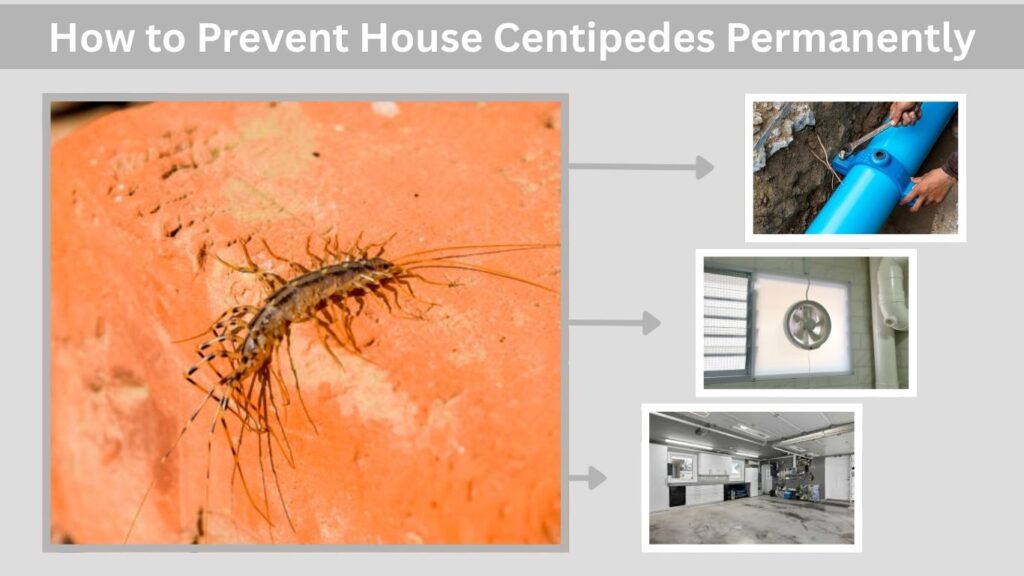
Long-term prevention is the most effective way to stop house centipedes from returning. Homes that stay dry, clean, and free of insect infestations are much less attractive to these fast-moving pests. Prevention methods also reduce many other household insects at the same time.
Keep Indoor Areas Dry
Moisture control is one of the most important prevention methods.
Helpful prevention tips include:
- Repair leaking pipes
- Use bathroom exhaust fans
- Improve basement ventilation
- Dry wet floors quickly
- Use dehumidifiers regularly
Lower humidity levels make it difficult for centipedes to survive indoors.
Improve Outdoor Drainage
Poor drainage around the home may increase indoor moisture and attract insects. Cleaning gutters, directing water away from the foundation, and improving yard drainage help reduce centipede activity near the house.
Maintain Regular Cleaning Habits
Frequent cleaning removes insects, dust, and hiding spots that attract centipedes. Vacuuming behind furniture and reducing clutter can make indoor spaces less appealing for pests.
Common Mistakes When Trying to Get Rid of House Centipedes
Many homeowners struggle with recurring centipede problems because they focus only on killing visible insects. Successful control usually requires fixing moisture issues and removing the pests centipedes feed on.
Ignoring Moisture Problems
Damp conditions are one of the biggest reasons house centipedes survive indoors. Even after killing visible centipedes, untreated moisture problems may continue attracting new ones.
Only Killing Visible Centipedes
Seeing centipedes often means other insects are present inside the home. Eliminating only the centipedes without addressing ants, cockroaches, or silverfish may not solve the problem completely.
Overusing Chemicals
Heavy chemical use may create indoor safety concerns without providing long-term control. Natural prevention methods combined with targeted treatments are usually more effective over time.
Are House Centipedes Beneficial?
Although many people dislike seeing house centipedes indoors, they actually help reduce populations of other household pests. Their hunting behavior makes them useful natural predators inside damp homes.
Insects House Centipedes Eat
House centipedes commonly feed on:
- Cockroaches
- Silverfish
- Spiders
- Ants
- Small flies
- Termites
Because they hunt harmful pests, some homeowners choose to leave them alone.
Why Some People Keep Them Around
Unlike rodents or cockroaches, house centipedes do not contaminate food or damage household items. They quietly hunt insects during the night and usually avoid human contact.
When Removal Is Necessary
Removal may be necessary when centipedes appear frequently or in large numbers. Repeated sightings often suggest moisture issues or hidden insect infestations inside the home.
Interesting Facts About Scutigera coleoptrata
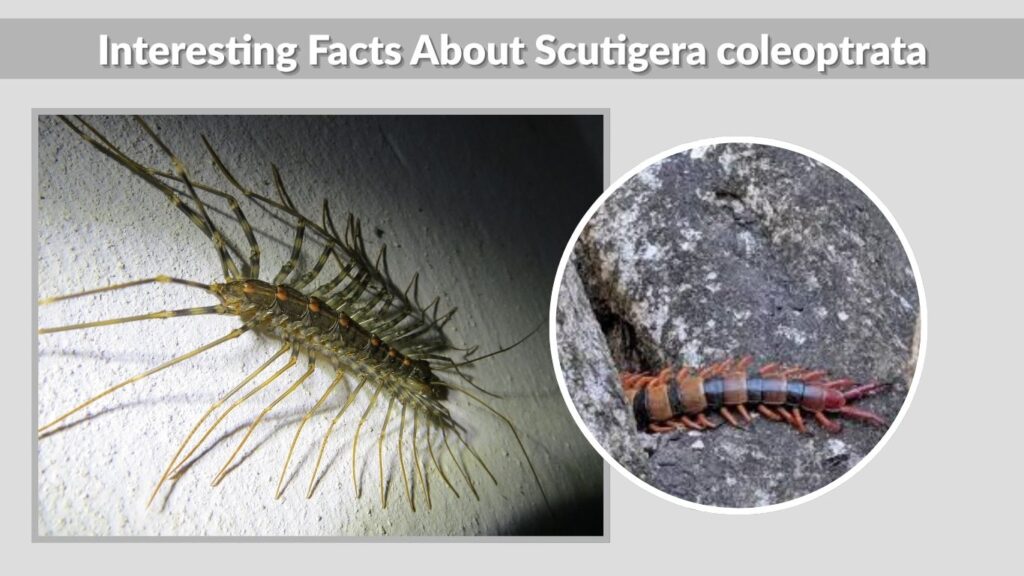
House centipedes are unique indoor predators with several unusual survival traits. Their appearance may seem frightening, but they are highly adapted hunters that help control insect populations naturally.
Unique Facts About House Centipedes
- They can run very quickly across walls and floors.
- House centipedes have many long legs for speed.
- They are mostly active at night.
- They can live several years indoors.
- Their legs can regrow after damage.
Why They Thrive Indoors
Warm temperatures, stable humidity, and steady insect populations make homes ideal environments for house centipedes. Basements and bathrooms are especially attractive because they provide moisture and shelter year-round.
FAQs
What causes house centipedes in the home?
House centipedes are attracted to moisture, darkness, and insect activity. Damp basements, bathrooms, and hidden pests often encourage them to move indoors.
What kills house centipedes instantly?
Sticky traps, insecticide sprays, and direct contact treatments can kill house centipedes quickly. However, moisture control is important for long-term prevention.
Are house centipedes dangerous to humans?
House centipedes are generally harmless. They rarely bite, and most bites cause only mild irritation or temporary redness.
How do I permanently get rid of house centipedes?
Permanent control usually involves reducing humidity, fixing leaks, removing clutter, sealing entry points, and eliminating other household insects.
Do house centipedes mean I have other pests?
Yes, frequent house centipede sightings may indicate hidden insect activity because centipedes feed on pests like cockroaches, spiders, ants, and silverfish.
